

IBIZA CALLING
How to see the island beyond the parties: the old town, beaches, gastronomy and hidden corners

Author: Elchin HUSEYNOV, Baku-Ibiza-Baku
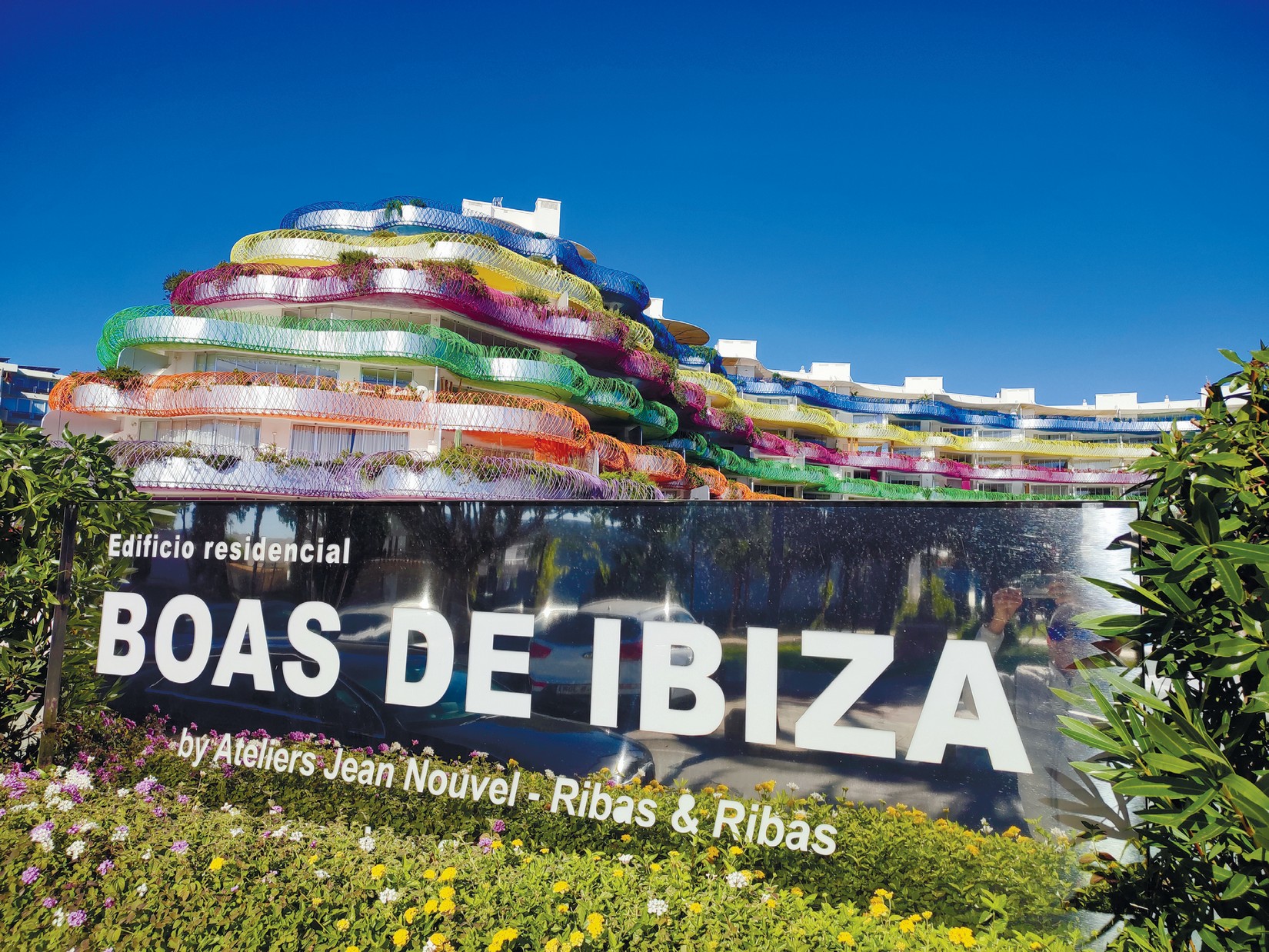
It is a common perception that Ibiza is a celebration of life. For the majority of people, the name of the island is synonymous with beaches, parties, club culture and endless nightlife. To a certain extent, this is an accurate assessment. However, behind all the noise and legends lies the real, living Ibiza – an island with a rich history and culture. Located in the Mediterranean Sea, in the Balearic archipelago, it appears to exist in its own time, where the sun, sea and freedom create a harmony that is inaccessible to the usual hustle and bustle of big cities. The old town's narrow cobbled streets, historic fortresses, viewing platforms, quiet bays with crystal clear water and hilly landscapes are just some of the attractions that the region has to offer. Ibiza has a rich history, stretching back millennia to the ancient settlements of the Phoenicians, the Roman and Arab influences, and the grand Spanish architecture. It is evident that the true allure of Ibiza is often discovered through its subtle charms, such as the floral embellishments adorning balconies, the daily sight of fishermen repairing their nets along the waterfront, and the unforgettable sunsets. This island is more than just a location on a map; it embodies a unique mindset that must be experienced first-hand. By walking through its streets, breathing in the sea air, and feeling the unspoken rhythm of life, visitors can truly grasp the essence of this special place.
First steps on the island
The first impression of Ibiza is of the island gradually becoming visible as the plane descends over the sparkling waters of the Mediterranean Sea, revealing hills covered with green pines, white buildings, lines of beaches and the turquoise sea. Ibiza Airport, despite its small and compact size, is a bustling hub, especially during the high season. It welcomes travellers from all over the world, and its popularity is no surprise given the influx of tourists from Europe, particularly from Spain, the UK, Germany, Italy and Scandinavia. During the summer months, the airport experiences a significant increase in flight activity, as Ibiza is one of the most popular island resorts in the Mediterranean. The city is easily accessible from most European capitals by air. Regular flights from Madrid and Barcelona make the island accessible even for weekend trips, while charter flights from London, Paris and Berlin bring those who dream of sun and parties.
Following landing, the initial practical concern is how to reach the city centre. Here, simplicity and convenience are paramount. The 10 bus (costing €3.60) departs from the airport every 30 minutes, providing a connection between the terminal and the central part of Ibiza. The route traverses key points of the city, offering passengers a first impression of the island's rhythm and atmosphere as they journey past hills, residences and verdant alleys. For those who prioritise speed and comfort, taxis are readily available and can transport you directly to the old town or the seafront in 20 minutes (€25-35).
Dalt Vila as the main symbol
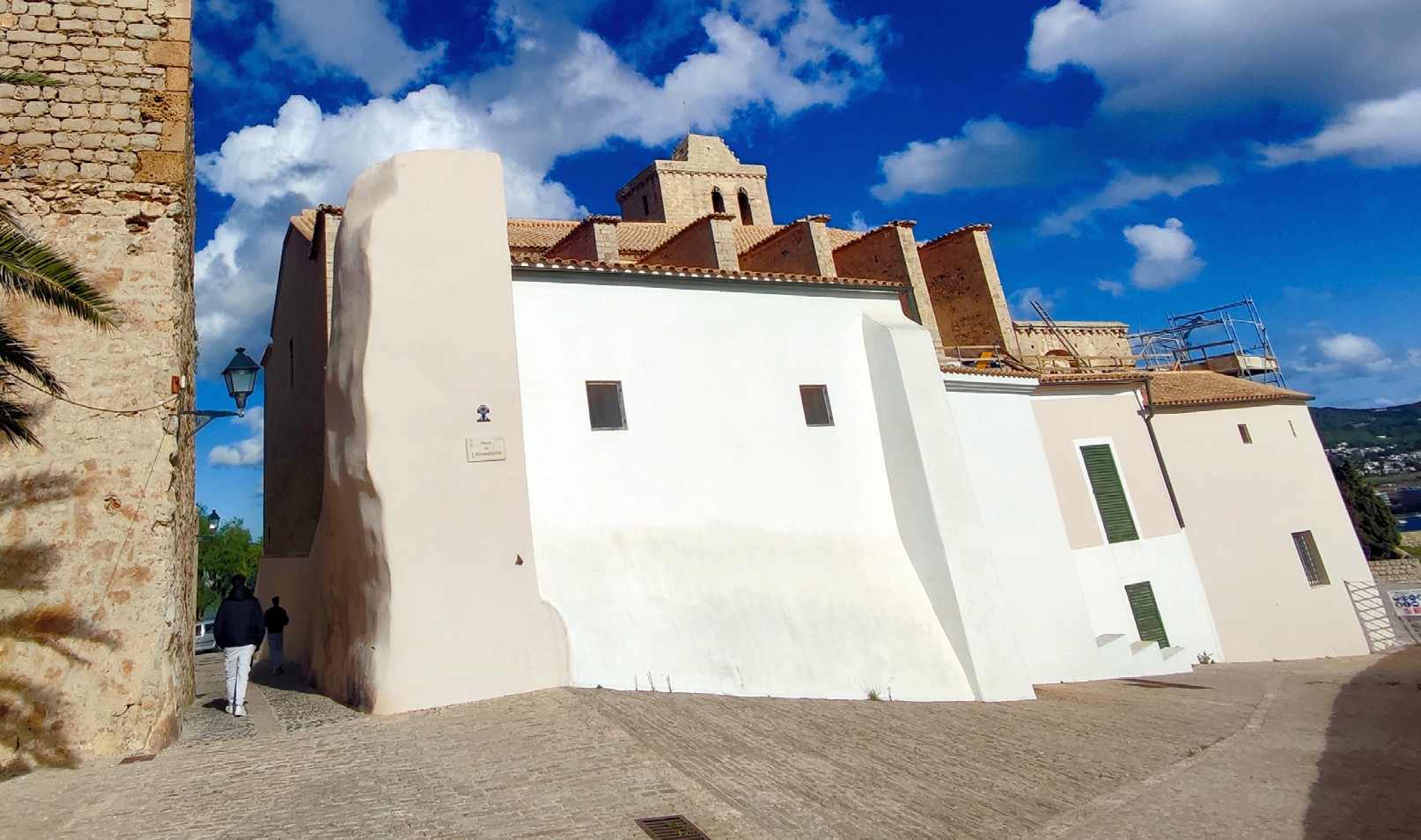
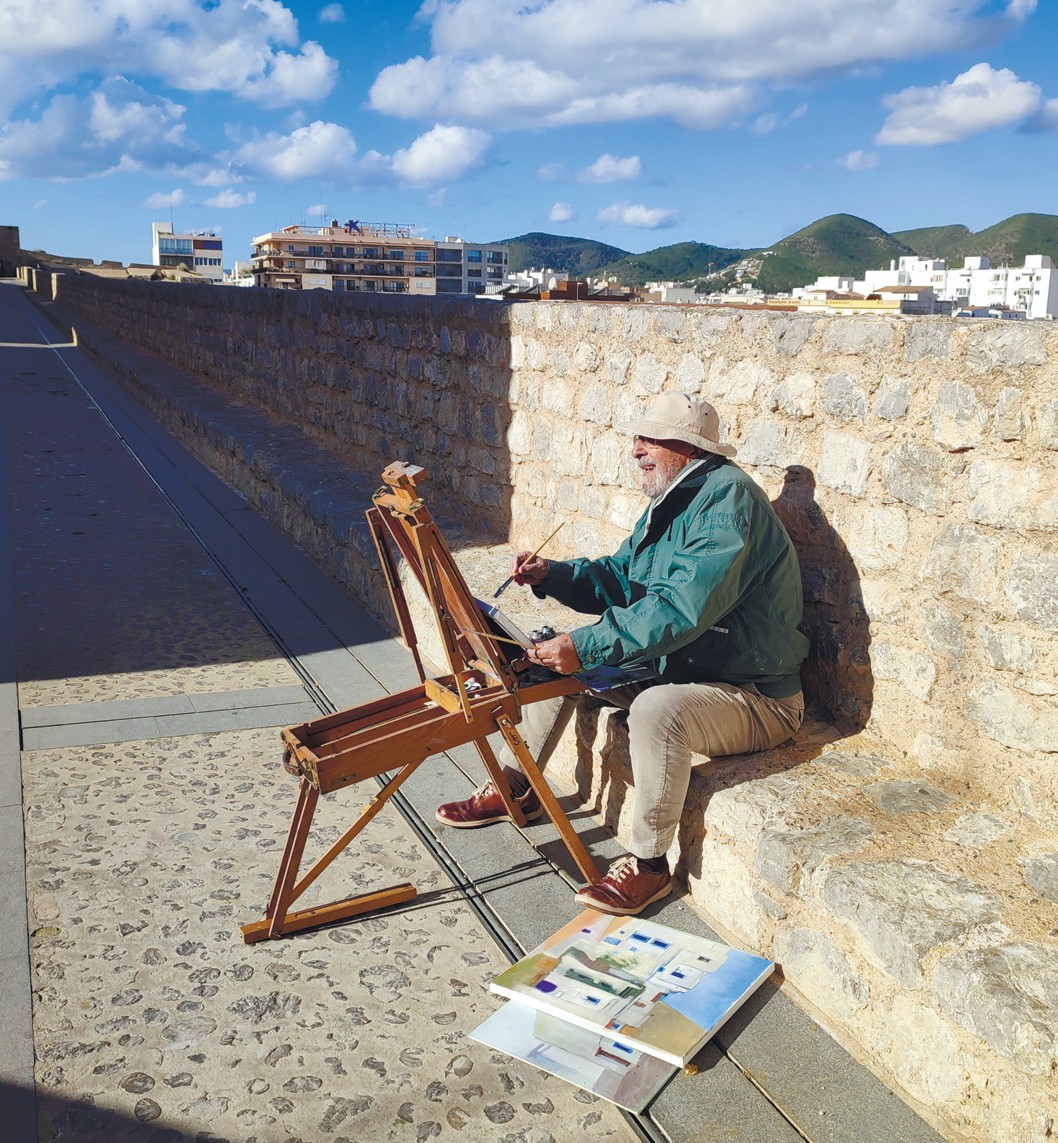
The old town of Ibiza, known as Dalt Vila, is impossible to imagine without its main symbol: the fortress that towers over the entire city. This substantial citadel was constructed in the 16th century at the behest of the Spanish monarch to safeguard the island from the threat of piracy, which at that time posed a significant hazard to the Mediterranean. Indeed, Dalt Vila is one of the few completely preserved fortifications in Europe, and a visit to it is an essential part of any trip to Ibiza. The stone walls, massive bastions and fortified gates have survived to the present day, and a walk along them provides a genuine journey into the past. The island's observation decks provide a comprehensive view of the island, including the winding streets of Dalt Vila, the red and terracotta roofs, the port, beaches and the endless sea, which is particularly picturesque at sunset.
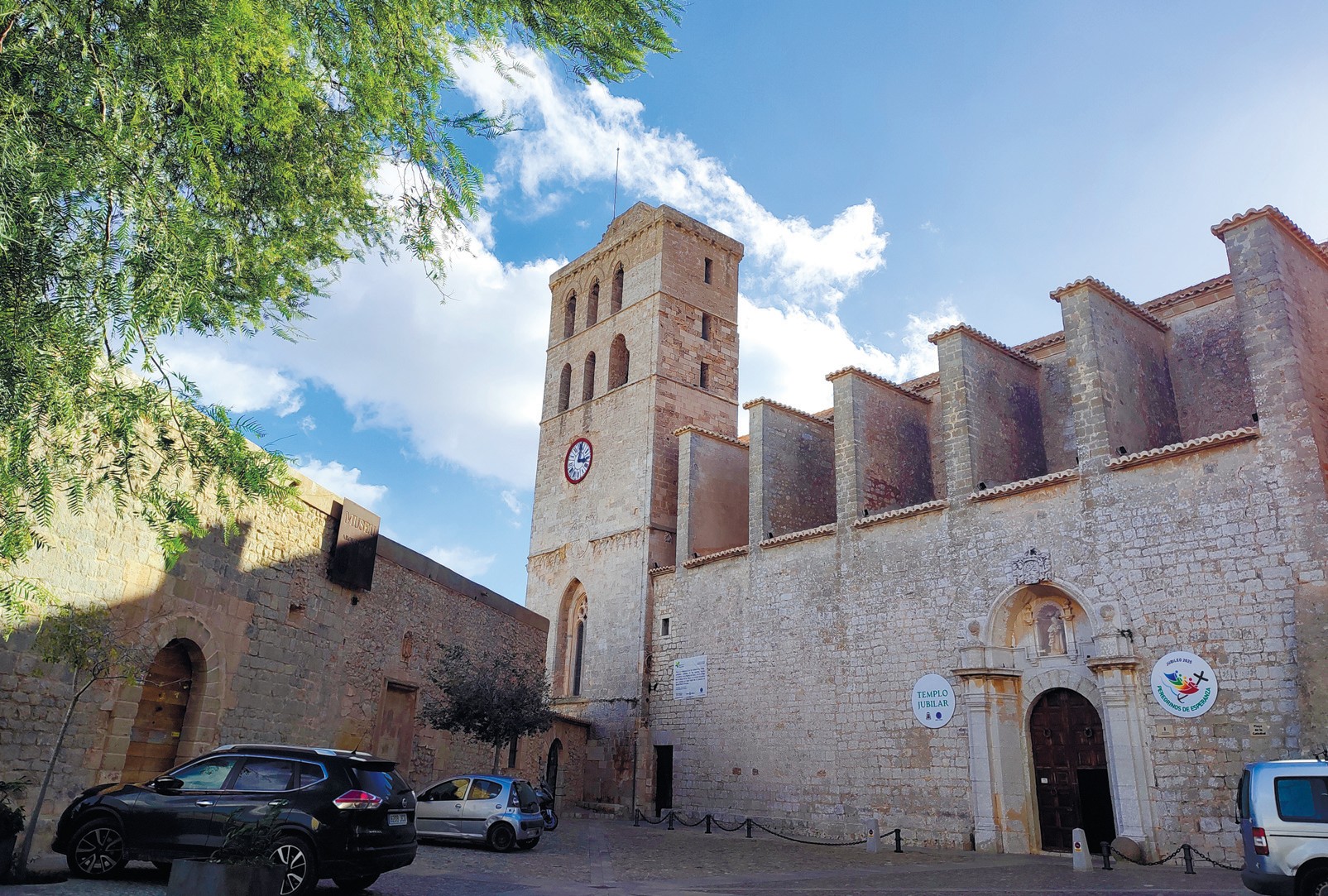
During your walk, be sure to take in the main symbols of the city, from the main gate, Portal de Ses Taules, guarded by powerful ancient Roman statues, to the Portal Nou gate. We warmly invite you to visit the 14th-century cathedral, which houses a variety of valuable works of art, including a Gothic tabernacle. The Archaeological Museum is located in the square in front of the cathedral, and the Church of Santo Domingo is a short distance further along.
A walk from the fortress down the cobbled streets of Dalt Vila will take visitors to the heart of the old town. The narrow streets lead to small markets and shops selling ceramics, jewellery and local souvenirs. In every alleyway, there are churches that are well worth a visit, where you can admire the paintings and sometimes hear the strains of the organ music. The Ibiza History Museum is a valuable resource for visitors to the island, offering a comprehensive display of artefacts ranging from the ancient Phoenician and Roman settlements to the time of pirate raids and the fortification of the Spanish fortress. The city's narrow streets are home to a number of contemporary art galleries, which showcase the work of local artists and artisans, combining tradition with modern forms.
The unique atmosphere of the old houses, complete with colourful shutters, wrought-iron balconies railings and flowers entwined in windows, is sure to captivate. In this instance, it is advisable to proceed at a leisurely pace, taking the time to observe every detail, capture photographs from the optimum angles and explore any concealed areas.
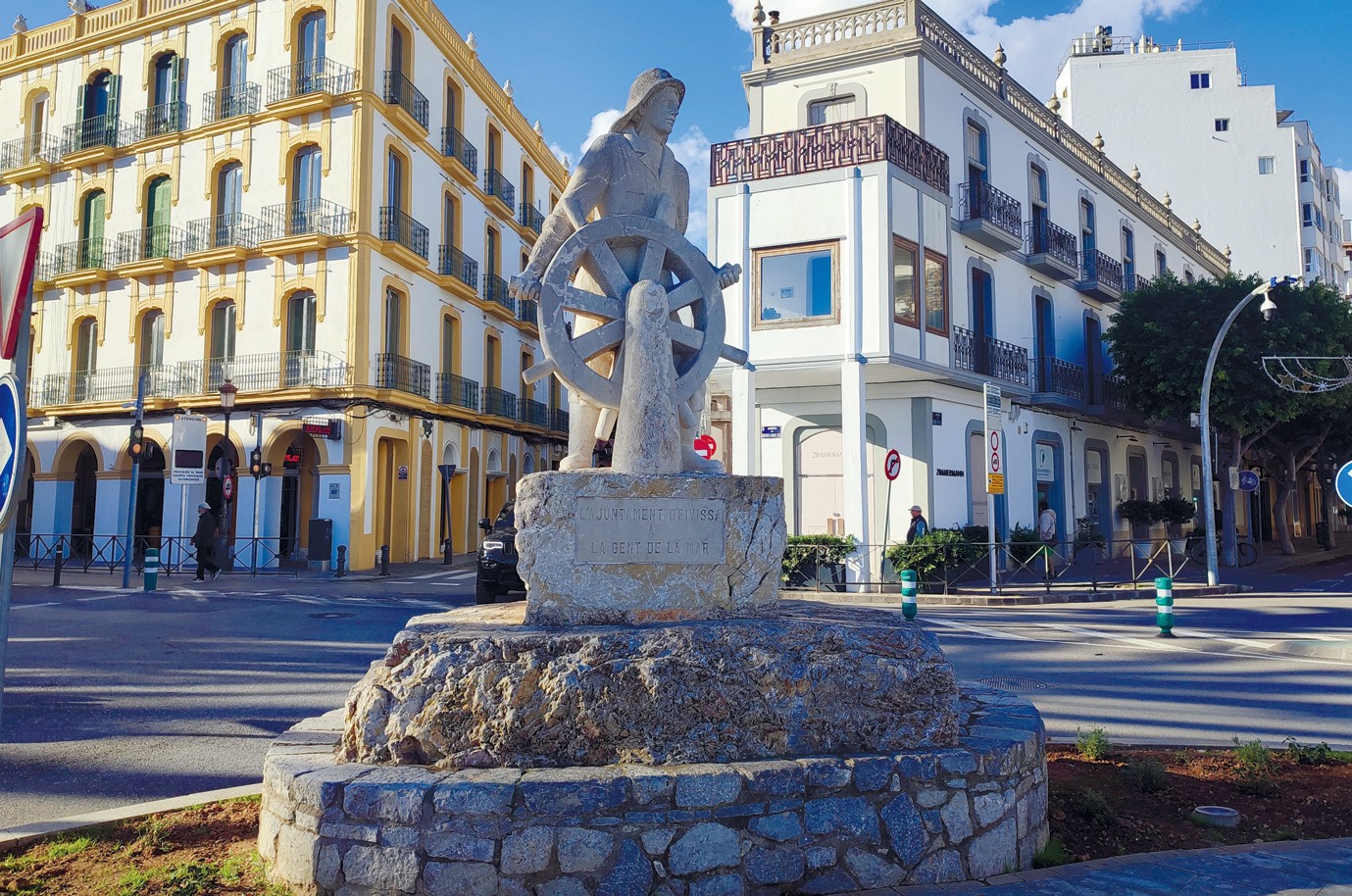
Tourists descending from the hill of the old town find themselves on the promenade, which stretches along the entire coast and connects the old port with modern recreation areas. In this location, Ibiza appears wholly distinct: while Dalt Vila exudes history, the promenade reflects the rhythm of the contemporary island, its vitality and dynamism. A walk along the shore provides the opportunity to appreciate the view of numerous yachts moored at the piers, and the reflection of the white and red roofs of the city in the calm water creates a unique picture.
The promenade extends for several kilometres, lined with cafés and restaurants overlooking the sea, where visitors can sample fresh seafood, tapas or simply enjoy a cup of coffee.
The port of Ibiza is a vibrant hub for gastronomy, shopping and social interaction, connecting the island to the sea. A wide range of yachts are accommodated here, from small pleasure boats to luxury vessels. The promenade offers a pleasant walking experience, allowing visitors to enjoy the sight of passing boats and the atmosphere of both tourists and locals. There are benches and viewing points strategically located along the shore, offering opportunities to pause and appreciate the panoramic vista.
Beach paradise and Mediterranean flavours
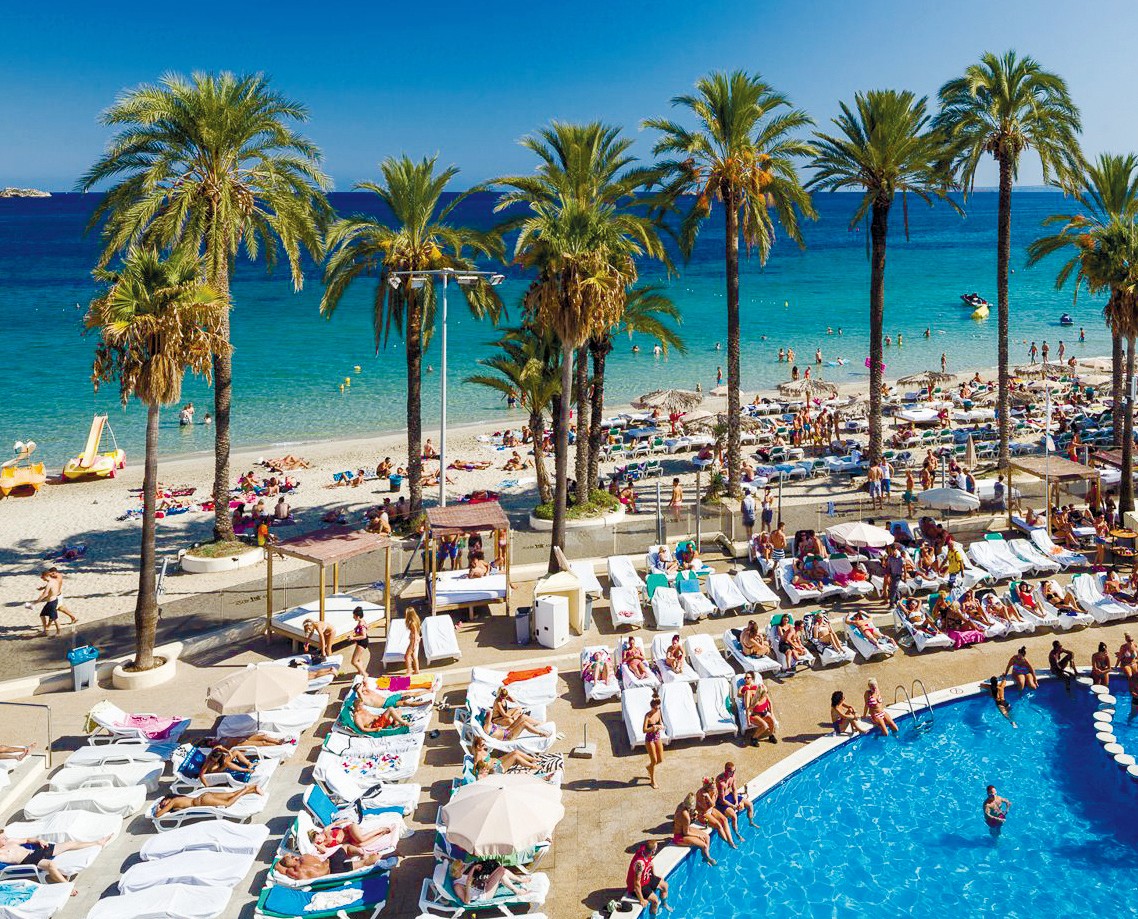
Ibiza's beaches attract tourists from all over the world, and with good reason. The most popular of these is Talamanka, which is located just a 20-25 minute walk from the port. During the summer months, the area transforms into a vibrant beach destination, with golden sand, clear turquoise water, and a range of amenities, including parasols and sun loungers. The coastline is lined with bars and restaurants offering refreshing beverages, fresh seafood, and light snacks.
It is evident that other beaches in Ibiza, such as Bossa Beach and Ses Salines, are well-known for their popularity among young people and active holidaymakers. During the summer months, the location plays host to a variety of social events, including open-air clubs and water sports such as kayaking, paddleboarding, parasailing and boat rentals. Ses Salines is renowned for its extensive sandy beaches, dunes and tranquil lagoons, as well as its vibrant club atmosphere, which draws in music aficionados and celebrities.
However, during the winter months, the situation changes. The beaches continue to thrive, but at a more relaxed pace. Umbrellas and sun loungers are removed, and only the most hardy can swim in the sea, but other pleasures open up – walks along the shore, watching the waves, taking photographs and leisurely lunches or coffees in coastal restaurants. The island's natural beauty can be fully appreciated in winter, when the coastline is less crowded and the atmosphere is tranquil.
Should you be seeking a location on Ibiza where crowds of tourists are absent and the authentic atmosphere of the island can be experienced, then a visit to Cala d'Hort beach is recommended. Here, you will have the opportunity to walk in silence and observe Ibiza as it is rarely depicted in glossy guidebooks. It is a small wild beach with white sand and clear water, overlooking the famous rocky island of Es Vedrà. During the summer months, the location is popular with nature lovers and those seeking solitude, while in winter it is deserted, with only the sound of waves and wind, making a walk here almost meditative. It is important for tourists to note that there is almost no infrastructure here, so it is advisable to bring water and comfortable shoes for the descent from the path leading to the beach.
Another noteworthy attraction are the small villages in the north-east of the island, such as San Miguel and San Jose, where visitors can experience traditional white houses and narrow streets, and sample local cuisine in small cafés that are rarely visited by tourists. The local farmers' markets offer a selection of homemade cheeses, honey and wines produced on the island. Travellers are invited to experience the authentic rhythm of life in Ibiza, away from the well-trodden path of the beach and club industry.
Ibiza is renowned not only for its beaches and clubs, but also for its gastronomy, where Mediterranean traditions coexist with modern culinary trends. It is vital that we pay particular attention to coastal restaurants. In Talamanca, for instance, they are constructed along the shore, with terraces offering views of the sea. During the summer months, these establishments are often bustling with tourists, accompanied by the sounds of live music and the fresh scents of seafood and herbs from the local garden. The menu features a variety of fresh seafood dishes, including grilled squid (€15-18), octopus with potatoes (€18-22), shrimp in garlic sauce (€16-20), and the renowned seafood paella, which, akin to Uzbek pilaf, is intended for two or three people (€28-35).
In addition to seafood, Ibiza's restaurants also offer local delicacies: Mahon cheese (€6-10 per serving), jamón, tapas with olives, tomatoes and anchovies (€10-15), fresh vegetables grown on the island, and sweets such as Ensaïmada, a soft puff pastry bun with powdered sugar (€3-5). Many cafés offer breakfast and brunch with homemade pastries, fruit and freshly squeezed juices (€10-15), making a morning stroll along the promenade even more enjoyable.
Secrets of Ibiza at night
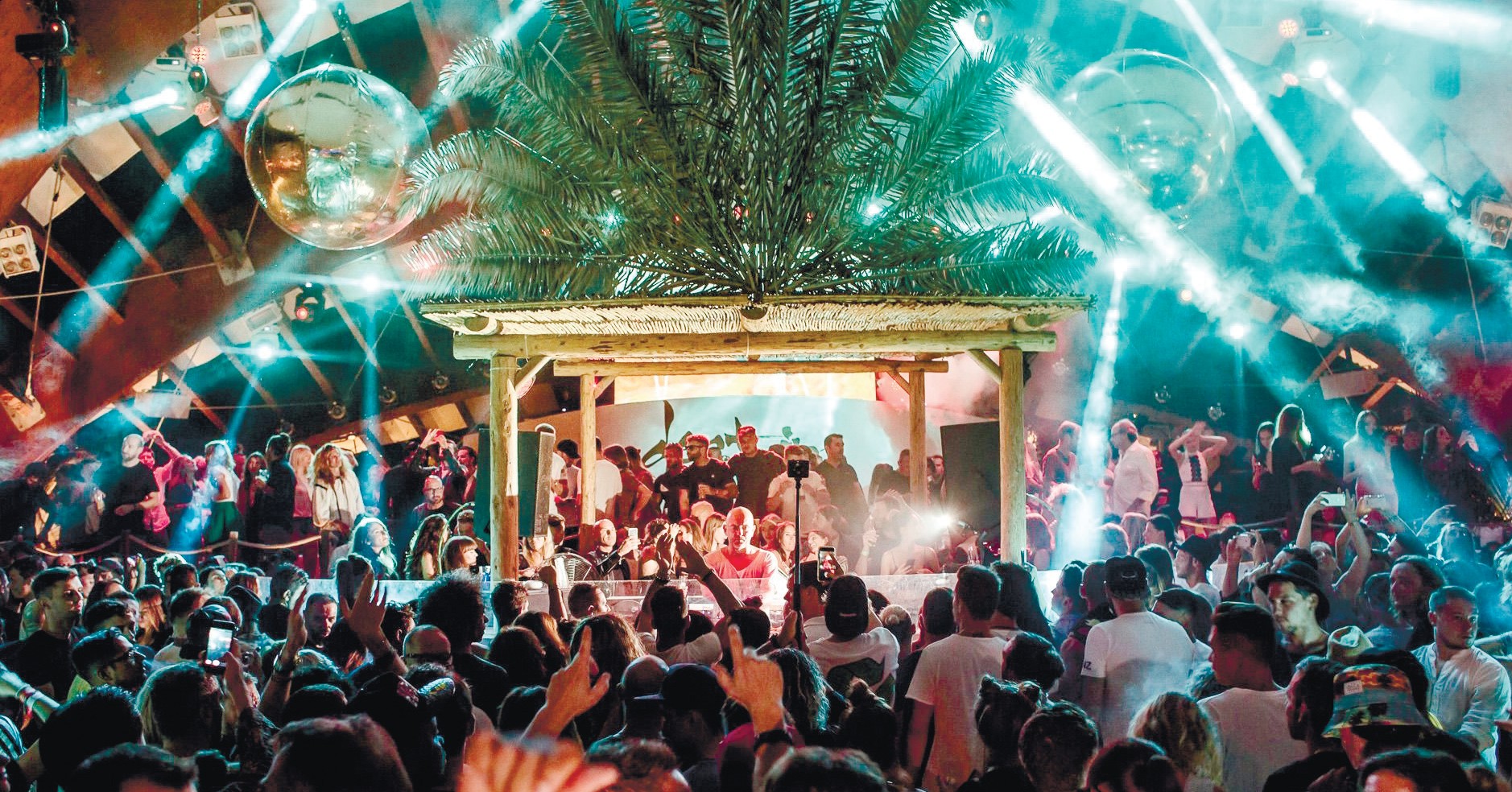
It is an irrefutable fact that, in recent decades, Ibiza has been one of the most visited islands in the Mediterranean. More than 3 million tourists visit this destination annually, primarily young people and active holidaymakers seeking a beach holiday experience enhanced by parties and music events. While Ibiza's beaches have long been a symbol of summer holidays, the island's vibrant nightlife has become an equally important reason for its popularity. The island's vibrant nightlife, which is centred around clubs, parties and music festivals, attracts tourists from all over the world, contributing to Ibiza's global reputation.
One of the most renowned clubs is Pacha, which opened in 1973. It has become synonymous with Ibiza's vibrant nightlife, renowned for its international DJs, themed parties and diverse range of rooms. Tickets are subject to availability, depending on the day of the week and the programme. Ticket prices typically range from €50 to €100, and during peak season, tickets for popular events can sell out several weeks in advance. The following dress code guidelines are in place: smart, well-presented attire is welcome, but sports shoes and beachwear are not appropriate.
Another legendary club is Amnesia. The venue has gained renown for its foam parties and spectacular light shows. Tickets for evening performances range in price from €40 to €90, with seasonal shows commanding a premium. Ushuaïa, located on Playa d'en Bossa beach, hosts a combination of daytime and evening parties. The site is renowned for its open stages, swimming pools and light installations, which create a sense of total immersion in the event. Tickets are priced between €60 and €120, with the addition of premium seating and table reservations increasing the cost to several hundred euros. Another well-known and relatively new club is Hï Ibiza. The venue rapidly became popular due to its modern architecture, high sound standards and exclusive DJ sets. Entrance fees range from €50 to €80, with some events incurring a charge of up to €150.
Most clubs open after midnight and stay open until the early hours of the morning. In summer, they are crowded, so you need to buy tickets online or reserve tables in advance. In winter, activity slows down, and many clubs close or operate on a limited basis, but several large ones continue to host parties on holidays and weekends.
Ibiza is not for the poor
Ibiza offers a wide range of accommodation options to suit all tastes, from hostels to 5-star hotels and luxury apartments. However, it should be noted that the prices are relatively high. The most economical options for the summer season start at €100-110 for two people, excluding breakfast. Rooms in 3-star hotels cost approximately €200-300, which is considered "average" by Ibiza standards. 4-star hotels start at €400, and 5-star hotels at €500. Renting an apartment for a week during high season can incur significant costs, with prices for centrally-situated or beachfront properties often reaching €3,300 and above per week. There are comfortable villas available for rent at a daily rate of €3-4 thousand.
It is important to understand that prices vary greatly depending on the season, distance from the centre/beach, amenities, and how far in advance accommodation is booked. In Ibiza, the season is summer, and this is when prices rise sharply. During the off-season, which typically runs from October to April, many hotels either close or offer a reduced service. Prices for accommodation are, as such, considerably lower, by 50-60%. Should a quiet holiday, walks, the sea in the off-season and a break without crowds of tourists be your goal, then the winter and autumn months may offer greater flexibility and more cost-effective options.
Ibiza is an island of contrasts, combining history and modernity, quiet beaches and vibrant nightlife. The old town offers a glimpse into the island's past, while the promenade, ports and beaches showcase its vibrant modern side. While Ibiza's primary attractions are its beaches and renowned clubs, which draw millions of visitors, the island's lesser-known areas, villages and secluded coves offer a glimpse into a side of Ibiza that often eludes the spotlight of tourist guides.
RECOMMEND:
 182
182

