

TESTED BY CORRUPTION
On a systemic crisis of trust in European foreign policy
Author: Ilgar VELIZADE
In recent years, the European Union’s (EU) policy has faced such a vast and complex set of challenges that it is increasingly perceived as undergoing a systemic crisis affecting the fundamental mechanisms of the European institutional framework. Divergent interests among member states, growing disagreements between political centres, delayed responses to external threats, and fragmentation of strategic planning have led to the EU losing its ability to shape a cohesive and consistent foreign policy line.
Further complexity arises from the structural inertia of the decision-making system, which requires lengthy consultations and consensus procedures, objectively limiting the speed of response to new challenges. As a result, the EU struggles to adapt to the rapid dynamics of the international environment, where competition among global and regional actors intensifies and traditional rules of diplomatic interaction are being reconsidered. This all creates a sense of profound transformation, where overcoming it demands not cosmetic adjustments but a rethinking of the principles underpinning the union’s foreign policy.
Internal contradictions amid the Ukrainian war
Against this backdrop, the impact of corruption scandals becomes increasingly evident. These not only undermine trust in European institutions but also call into question the EU’s capacity to act as a moral and normative authority. Previously, the European diplomatic model was regarded as one of the most transparent and resilient worldwide; however, recent events reveal deep internal contradictions. Scandals involving members of the European Parliament, European Commission staff, and representatives of the external action service indicate a systemic rather than isolated problem. Consequently, transparency, accountability, and oversight over senior officials have become central issues in discussions about the future of European foreign policy and internal governance.
An additional challenge is the Russia-Ukraine war, which serves as a marker highlighting weaknesses in Europe’s foreign policy system. The EU’s inability to promptly coordinate key decisions, ambiguity in critical issues, and dependence on lengthy domestic political procedures have noticeably reduced its effectiveness in responding to events requiring swift and decisive action. Disagreements among member states over military aid to Ukraine, sanction policies, and coordination with the US caused repeated delays in forming a unified stance. This clearly demonstrated how strongly European policy remains subject to internal fluctuations and how limited Brussels’ capacity is to act as a unified and agile front during acute crises.
Africa as litmus paper
This trend is also evident in other areas, as seen at the recent EU-Africa summit held in Luanda, Angola’s capital. The European side found itself acting as a geopolitical player trying to compensate for lost ground. African countries, enjoying greater freedom of manoeuvre, actively exploit competition among external actors—China, Türkiye, Russia, Gulf countries—to strengthen their bargaining positions. Critics argue that formal declarations of strategic partnership between the EU and Africa fail to conceal an obvious fact: Brussels reacts to an already established situation rather than shaping it.
Even more telling is the transformation of Africa’s diplomatic landscape, where the EU’s role is gradually diminishing not only economically but also politically. Amid rapid growth in Chinese investments, expanding Turkish military-technical presence, increased activity from Gulf states, and Russia’s return to key regions, Europe is losing its status as a rule-setting actor. Whereas many African capitals once regarded the EU as an indispensable partner providing funding, market access, and institutional reform support, today external options are far broader. African governments increasingly prefer cooperation models free from regulatory conditions and use competition among external centres of power to secure better political and economic offers. In this context, European diplomacy is forced into reactive mode, trying to regain lost ground while Brussels’ former advantages—predictability, financial strength, and robust institutions—rapidly lose appeal.
Despite impressive trade turnover exceeding €355 billion in 2024 and significant investments reaching €239 billion, the EU’s influence in Africa is relatively declining. What was once considered a stable economic pillar for European diplomacy is now an element of competition where decision-making speed, political flexibility, and readiness for practical implementation determine success for external partners. The EU remains hostage to complex procedural mechanisms limiting its ability to act swiftly. Meanwhile, African states demonstrate increasing multidirectionality by actively redistributing external ties and building relations with alternative power centres. The European normative agenda—based on human rights observance, democratic standards, and good governance principles—is increasingly seen as a pressure tool, while other external actors offer less burdensome conditions. Consequently, European diplomacy must adapt to new realities where its influence is no longer taken for granted.
From Kayli to Mogherini
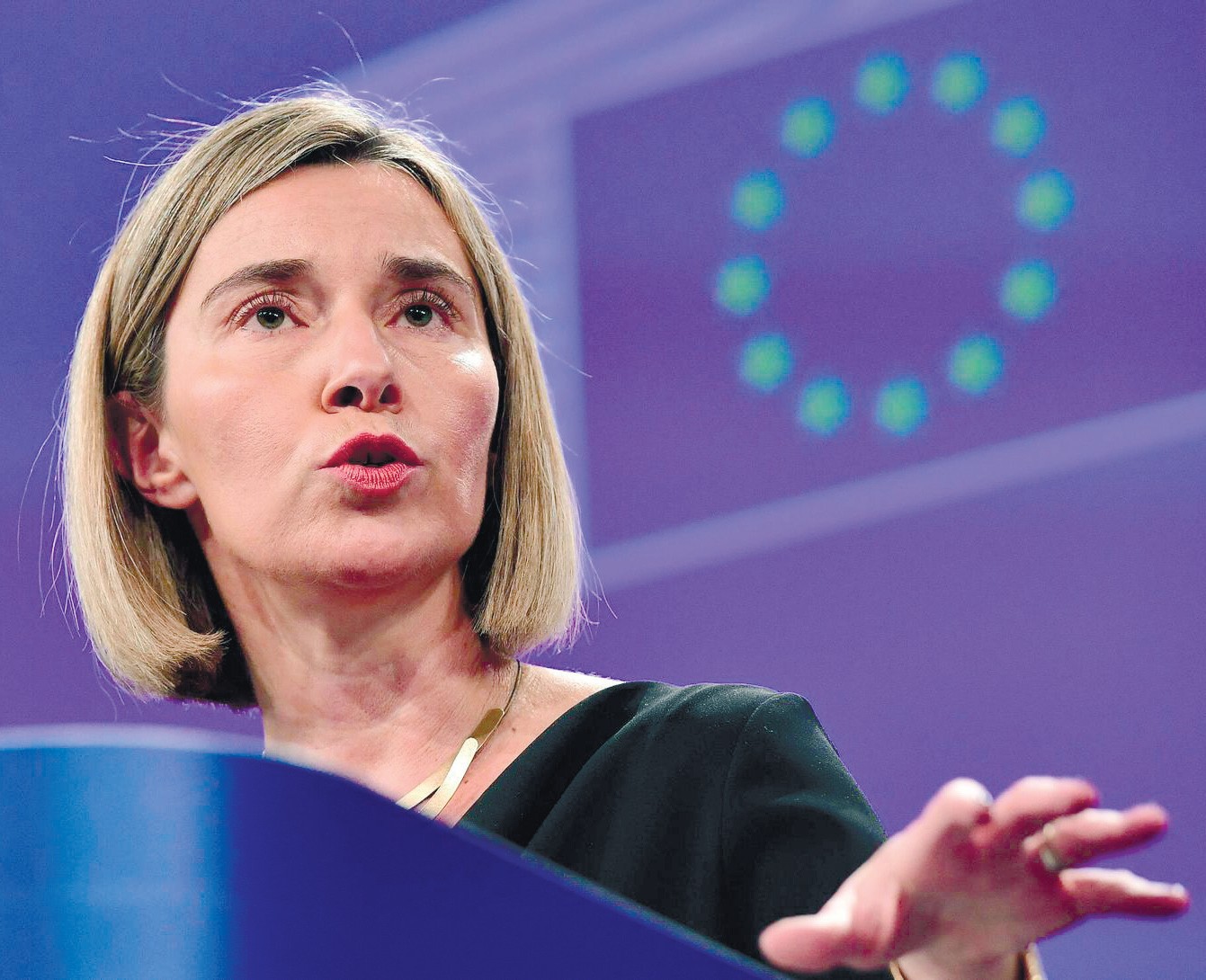
A further severe blow to the EU’s image came from a series of high-profile corruption investigations that almost simultaneously affected several key union structures. The most resonant episode was the arrest of former head of the EU External Action Service Federica Mogherini—a figure embodying European diplomacy during 2014–2019. She faces charges including abuse of office, fraud, and manipulation in allocating funding for educational programmes. The scale of investigative actions—searches at the College of Europe in Bruges, staff interrogations, document seizures—sent a clear signal that this was not an isolated violation but probable institutional failures within the EU’s foreign policy project management system.
This episode arose while the EU was still recovering from another major scandal—Qatargate. In December 2022, Belgian prosecutors uncovered a systematic bribery scheme involving members of the European Parliament by Qatar and Morocco. According to investigations, politicians received substantial cash sums, gifts, and valuables in exchange for advancing these countries’ interests within European institutions. At the centre was Vice-President of the European Parliament Eva Kayli, whose home contained suitcases with hundreds of thousands of euros. The probe revealed corruption was systemic rather than isolated, involving not only individual deputies but also their assistants, consultants, and lobbying structures.
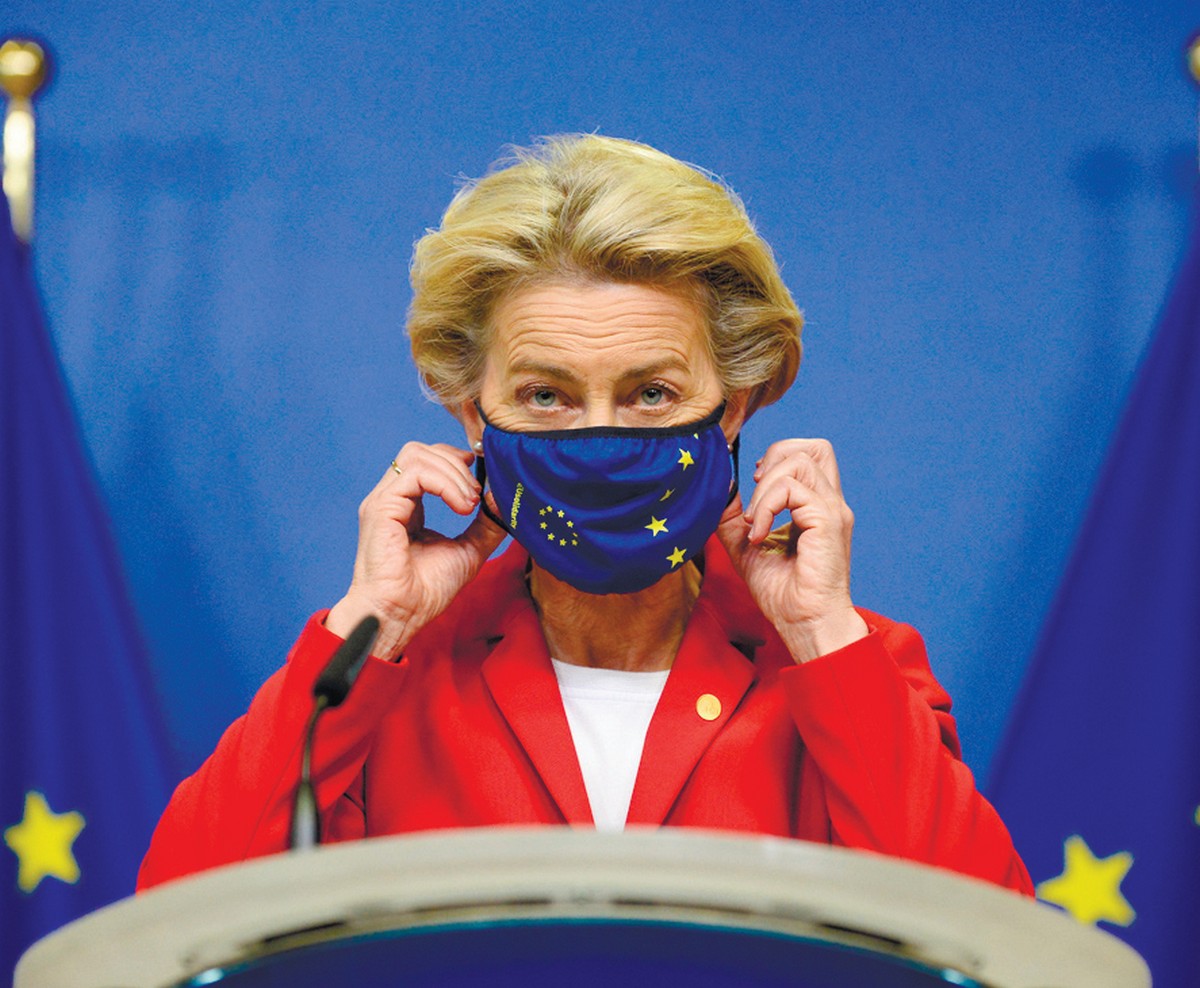
Equally damaging was the scandal surrounding European Commission President Ursula von der Leyen concerning opacity during Pfizer/BioNTech vaccine procurement amid the COVID-19 pandemic. Critics pointed out that key communications occurred via personal messages which von der Leyen refused to disclose even upon requests from Parliament and the EU Court. This raised suspicions that negotiations bypassed formal procedures and were heavily influenced by pharmaceutical industry lobbying. For the first time in two decades, a Commission President became subject to an official investigation related to transparency and administrative standards compliance.
The combination of these cases—from diplomacy (Mogherini) through legislation (Qatargate) to executive branch (von der Leyen’s correspondence)—demonstrates that problems are structural rather than isolated or departmental. Corruption risks have permeated three main branches of the European political system: the European Parliament responsible for legislation and democratic representation; the European Commission setting strategic agendas and governance; and the European External Action Service representing the EU abroad.
Such multilayered damage indicates deeply entrenched opacity zones and insufficient control alongside persistent lobbying channels extending beyond official accounting and regulatory mechanisms. This generates sustained institutional instability undermining trust in the EU not only among external partners but also within member states and European public opinion.
Taken together—institutional inertia, external reactivity, strategic planning errors, growing competition from other external actors, and corruption scandals—these factors constitute a stable crisis of trust within the EU. Overcoming it requires systemic reform rather than piecemeal fixes, including modernising anti-corruption mechanisms, expanding powers of independent oversight bodies, and enhancing political accountability procedures. Until these steps are taken, the European Union will continue facing limitations on its international influence and decreasing ability to shape the global agenda.
RECOMMEND:
 176
176

