

WHERE ZEUS MEETS WI-FI
The ancient city through the eyes of a modern traveller
Author: Elchin HUSEYNOV, Baku-Athens-Baku
Athens is a city living at the crossroads of eras. Here, ancient ruins neighbour vibrant markets, Byzantine churches stand beside contemporary art galleries, and bustling streets gently transition into quiet lanes with cosy cafés. Every step through Athens is a small journey through time: it feels as if the ancient philosophers walked here just yesterday, while today young artists sit nearby with a mug of coffee. When planning a trip, it is important to understand that the city reveals itself gradually: walking tours, leisurely excursions, and visits to its hills and museums allow one to sense an atmosphere that cannot be captured through a bus or car window. This guide will help plan the journey, estimate costs in advance, and show how Athens lives day to day.
Seasonal pleasures
Spring and autumn are the ideal times to visit Athens. In summer, especially July and August, temperatures in the capital frequently exceed 35 degrees, the streets overheat, and strolls become an ordeal. Therefore, the tourists who come to Athens in the summer months are typically those who have planned to combine it with a stay at the country's seaside resorts. In spring, during April and May, Athens seems to come alive anew: magnolias and jasmine bloom in the streets of the central Plaka district, and street musicians fill the squares with light melodies. Spring hosts festivals of flowers, crafts, and arts, where one can see the work of local artisans, sample seasonal products, and get acquainted with the city's culture.
Autumn, September and October, is a time of soft sun, warm sunsets, and cultural festivities. September sees the Athens Film Festival, while October brings gastronomic events where restaurants and tavernas unveil seasonal dishes. The daylight is softer, the streets are less crowded with tourists, and walks on the hills and to museums are just the thing.
In winter, Athens is less lively, but it is a period for savings: flight and hotel prices are 20-30% lower. Christmas markets, festive decorations, and the scent of cinnamon from the streets create a pleasant atmosphere, and the museums are nearly empty.
Everything a tourist needs to know
Athens is easy to explore, but planning transport is important in advance. From Eleftherios Venizelos Airport to the city centre, one can travel by metro, bus, or taxi. The metro takes about 40 minutes and costs €10. The bus takes longer—roughly an hour—and will cost €6. A taxi will take 30-50 minutes (€40-50).
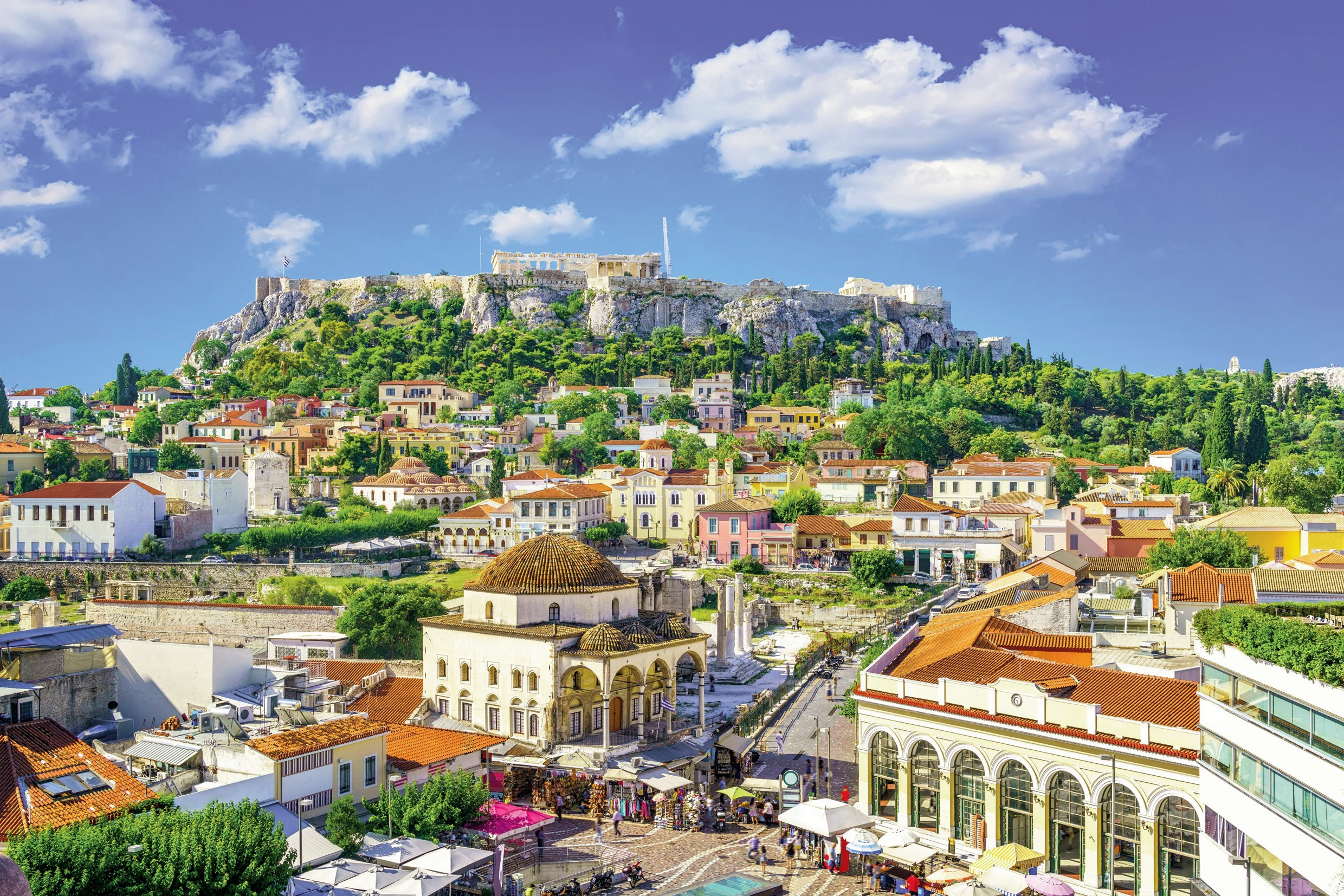
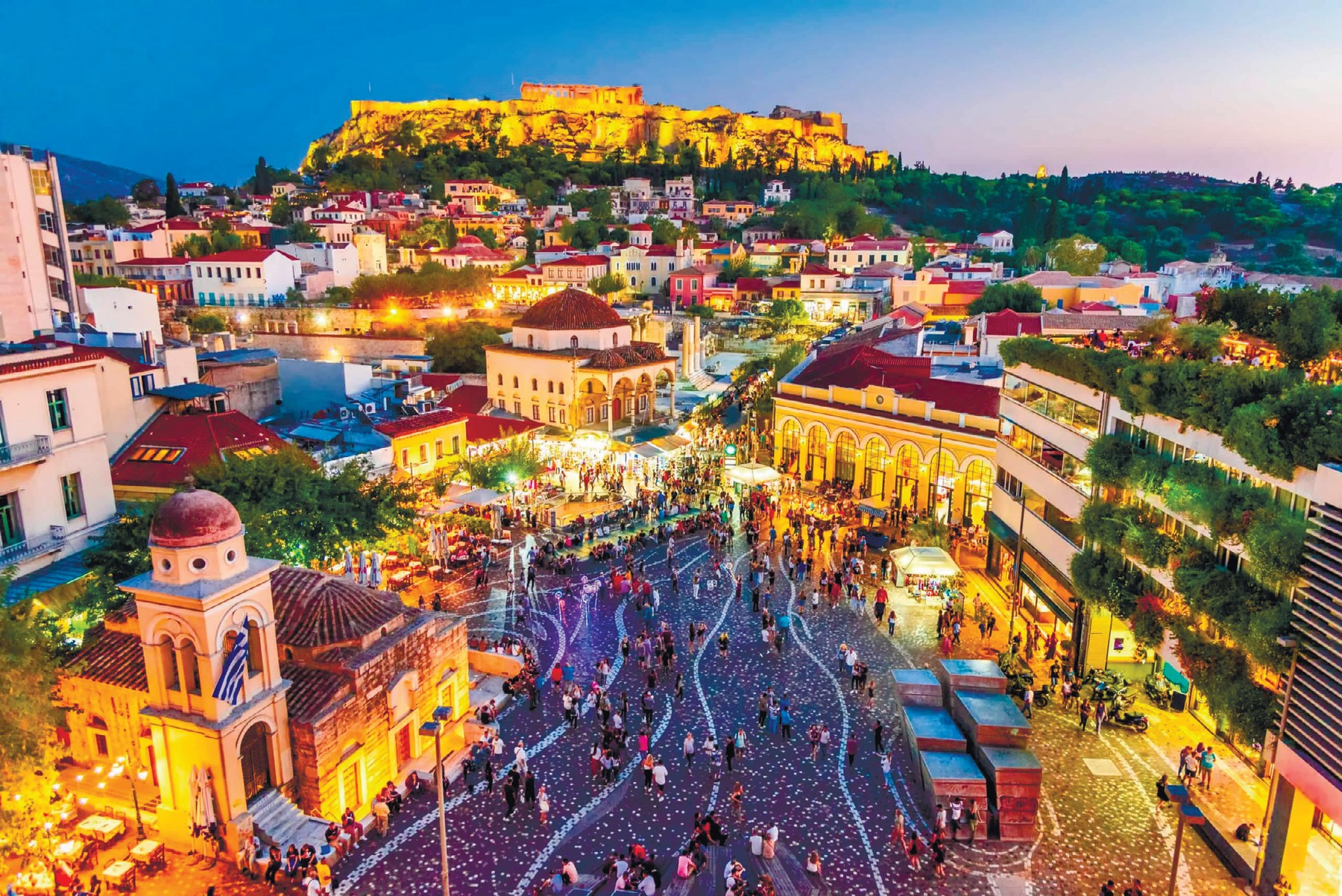
Within the city, the metro connects key districts, the tram runs along the coast, but the real Athens is revealed on foot. Routes from Plaka to another vibrant area, Monastiraki, through squares and narrow streets, take 1-3 hours. Here, one feels the life of the city: the scent of fresh coffee, bread, and grilled meat from street stalls, mixed with the fragrance of jasmine and flowers, the sounds of locals chatting and street musicians, and glimpses of artists and craftspeople.
For those wishing to save money, combining the metro with walking is a good option. This allows for comfortable movement without losing the feel of the city. For tourists with limited time, it is worth using hop-on hop-off buses—a day ticket costs around €20, offering the chance to quickly visit key city points.
In Athens, one can find accommodation for every taste and budget—from inexpensive hostels to luxurious hotels. It is important to book well in advance during the high season. In budget hotels and hostels, prices start from €20-25 per night per person. They offer basic amenities like free Wi-Fi and breakfast and are located in the city centre, which is convenient for sightseeing.
Mid-range hotels offer more comfortable conditions at reasonable prices. A stay in such hotels costs €30-45 per night. Luxury hotels (with spas, pools, and fine-dining restaurants) charge €50-100 per person, though the sum can be significantly higher.
For those who prefer self-catering, apartments and flats are available. They are also equipped with a kitchen. The rental price is €35-50 per night.
From the Parthenon to nightlife districts
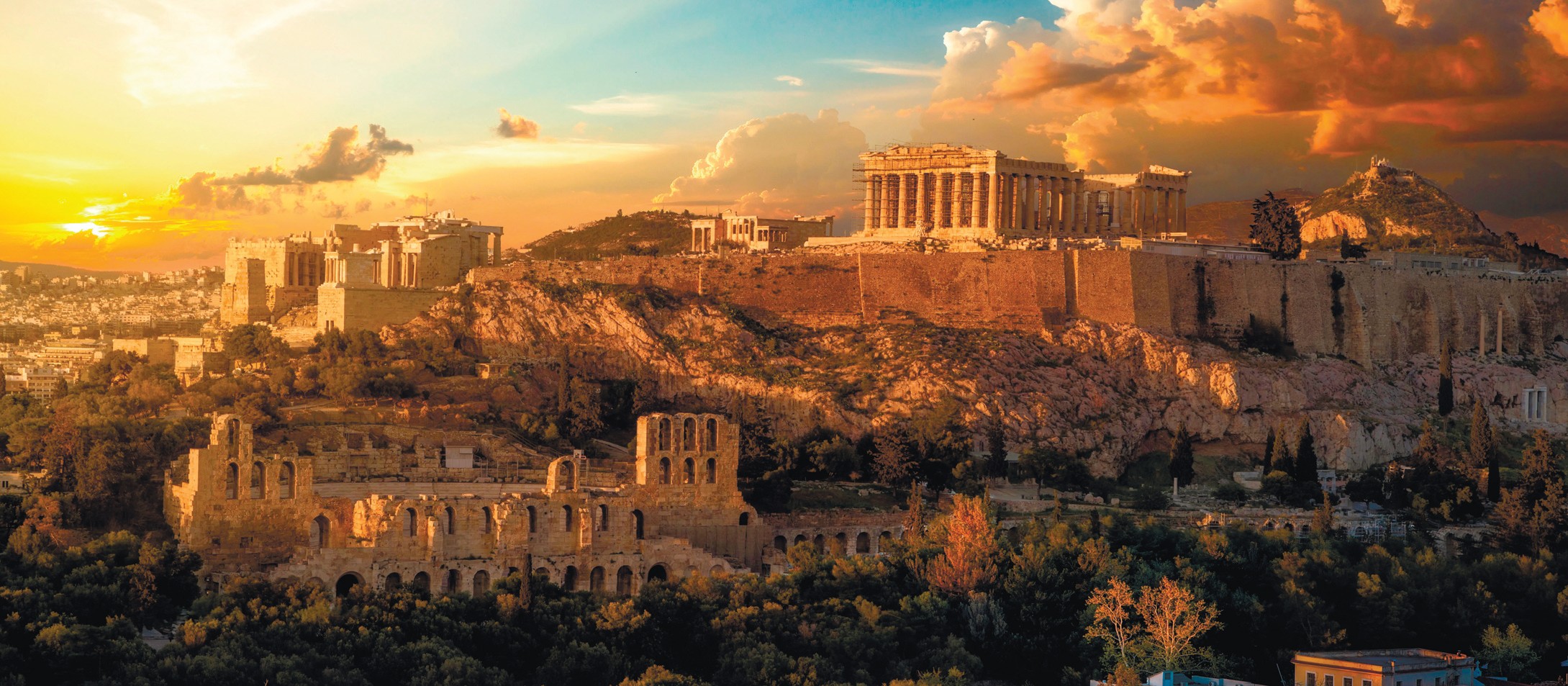
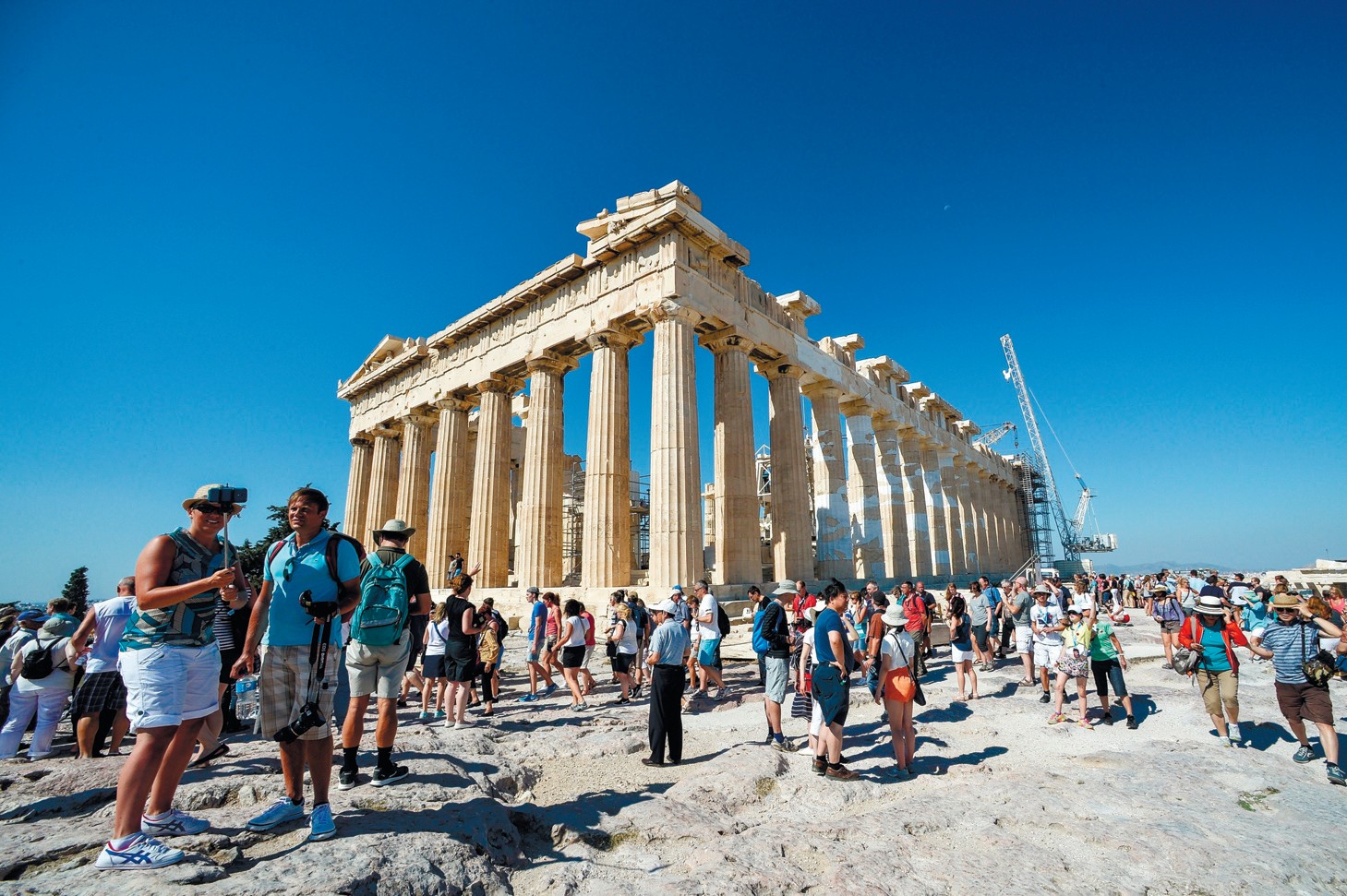
The main attraction of Athens is the Acropolis—not merely an ancient rock, but a living symbol of Hellas, which attracts over 4.5 million people annually. In 2024, this site became the most visited historical monument in Greece, with a daily flow of up to 23,000 tourists at the peak of the season. Imagine, to cope with the influx of visitors, the authorities introduced restrictions on visitor numbers, setting a daily limit of 20,000 people.
The Acropolis is not only the Parthenon and the Erechtheion but also a living open-air museum where every stone holds the history of democracy, art, and philosophy. In 2023, revenue from visits amounted to €60 million, confirming its status as one of the most profitable cultural sites in Europe.
And the white columns of the world-famous Parthenon temple, the cracked marble, the view of the city below—it is almost a ritual: every tourist pauses for a moment in silence, observing the modern city unfolded beneath their feet.
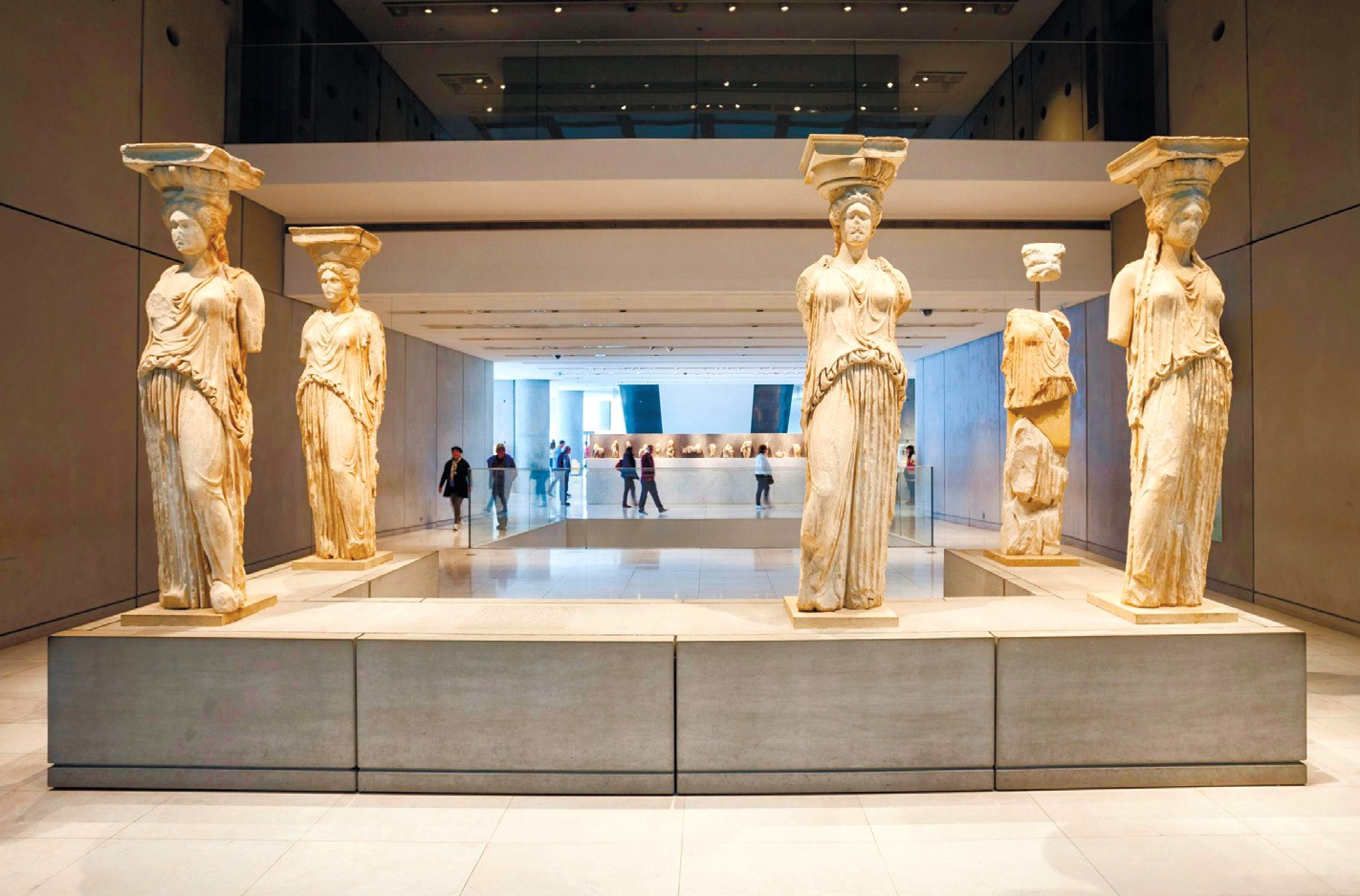
The entrance fee for the Acropolis is €20, for the Acropolis Museum €10, and for the National Archaeological Museum €12. At the Acropolis Museum, glass floors allow visitors to see excavations beneath their feet, and the exhibitions create a dialogue between past and present. The National Archaeological Museum is a near-immersion into millennia of history: Mycenaean gold treasures, bronze statues, frescoes. For full immersion, it is better to allocate half a day for each museum.
The Theatre of Dionysus—the birthplace of European drama, where the tragedies of Sophocles and Aeschylus were first staged thousands of years ago. This amphitheatre on the slope of the Acropolis not only impresses with its ancient architecture but also allows one to feel part of the history of theatrical art.
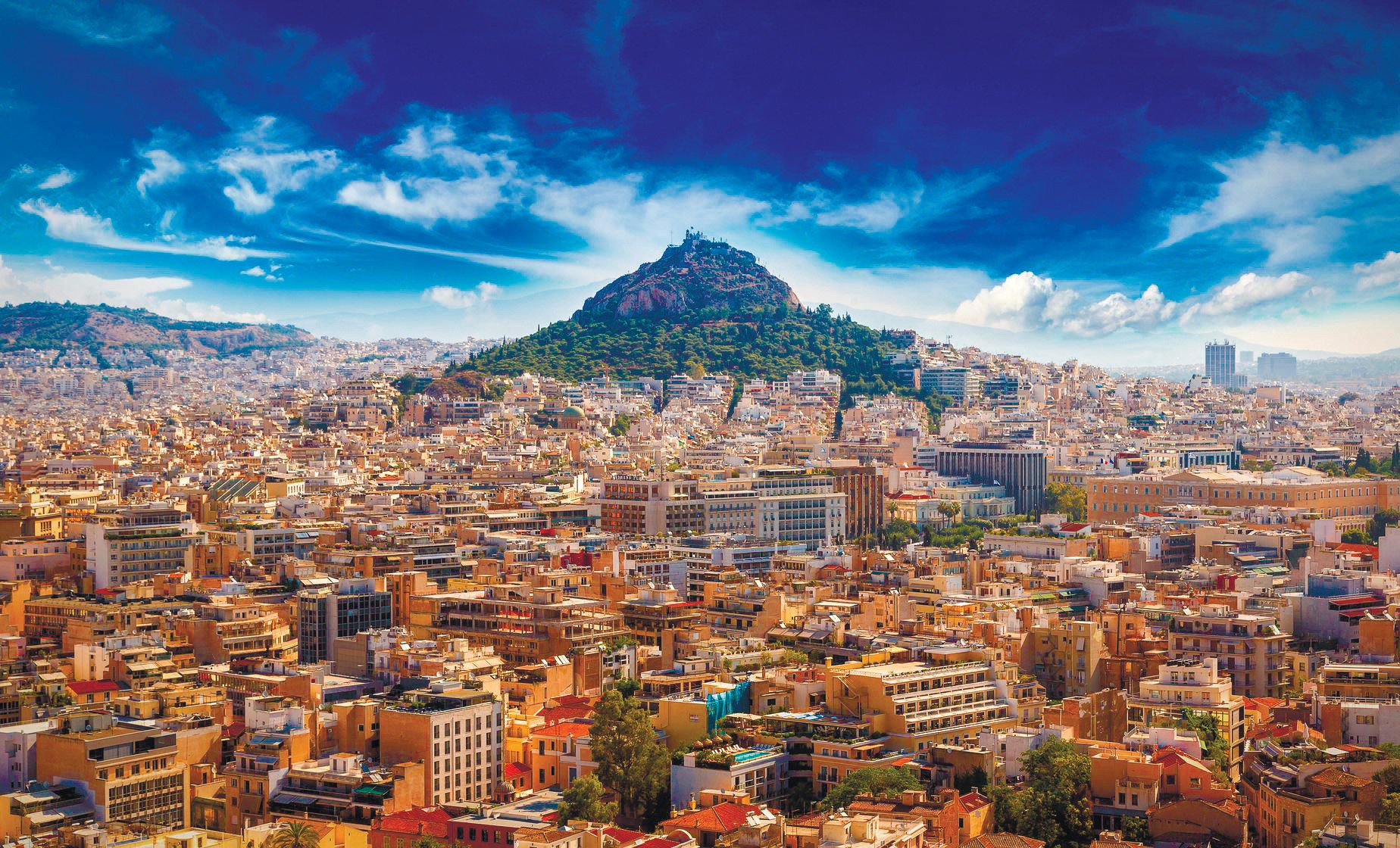
Incidentally, Athens is unimaginable without its hills, which offer magnificent views of the city. Lycabettus Hill (Lykavittos) is the best vantage point in Athens, offering a panorama of the entire city, the Aegean Sea, and the Acropolis. It is especially beautiful in the evening when the city lights shimmer against the sunset. One can ascend on foot or by funicular. At the summit, there is a small church of Saint George, as well as a café with a panoramic view. It is particularly beautiful at sunset: the city is bathed in golden light, tourists and locals take photos, and the city noise seems distant.
The Areopagus is a rocky hill next to the Acropolis where, according to legend, the Apostle Paul preached. The spot is popular with tourists and locals who come to watch the sunset or simply enjoy the view and the quiet.
Philopappou Hill is a green hill with ancient monuments, almost devoid of tourists. The walk takes about an hour, and entry is free. It is a quiet place for contemplation with a splendid view of the Acropolis and the city below, accompanied by birdsong and the scent of herbs.
The Plaka and Monastiraki districts preserve Byzantine churches with frescoes and ancient minarets. Most sites can be viewed free of charge. Narrow streets, white houses, grapevines, and small cafés create the impression of a village corner in the heart of a metropolis. Here one can encounter street musicians and artists. Small shops offer ceramics, souvenirs, spices—from €3 to €30.
Kolonaki is an upscale district with galleries, boutiques, and expensive restaurants. Dinner for two here starts at €50, but strolling the streets and visiting exhibitions are practically free. In the evening, Kolonaki transforms into a centre of social life, where locals and tourists meet, enjoying the city's atmosphere.
Psiri and Gazi are nightlife quarters. Here, bars, clubs, and street art are concentrated. Club entry costs €10-20, cocktails €7-10. Street concerts, jazz evenings, and live performances create an energy that charges the entire area. But there are also calmer options: terraces with a view of the Acropolis, where an evening dinner for two will cost €40-50. Meanwhile, the illuminated columns of the Parthenon create a romantic atmosphere.
Athens can be both noisy and calm; everyone can choose their own rhythm.
In pursuit of tours
Athens is only the beginning of an acquaintance with Greece. Trips outside the city bring new impressions and allow one to see more historical and natural sites.
Cape Sounion with the Temple of Poseidon is about 70 km from Athens. An excursion by bus or with a guide costs €35-50 and takes half a day. Incredible views of the Aegean Sea open up here, and the sunset is especially beautiful when the sun paints the temple gold.
Delphi is one of the most important sanctuaries of the ancient world. An excursion there with transport and a guide costs €60-90 and takes a full day. Tourists can see the excavations, temples, ancient theatres, and the museum with artefacts, as well as admire the views of mountains and valleys.
A one-day cruise to the islands of the Saronic Gulf—Aegina, Poros, Hydra—costs from €100. The price includes transport by boat, tours, and sometimes a light lunch. This is the best way to combine a seaside holiday with a cultural programme, especially if there is no time for longer trips.
The metro or bus will get you to the port of Piraeus in just 30 minutes from the city centre. Here, a different rhythm of Athens unfolds: the smell of fish and seafood, the noise of ferries, small waterfront cafés. Fish and seafood at the port cost €10-20 per portion, a glass of wine €6-8. From Piraeus, one can depart for the islands of Aegina (round trip €25), Poros (€30), or Hydra (€35).
Athens with a taste of Istanbul
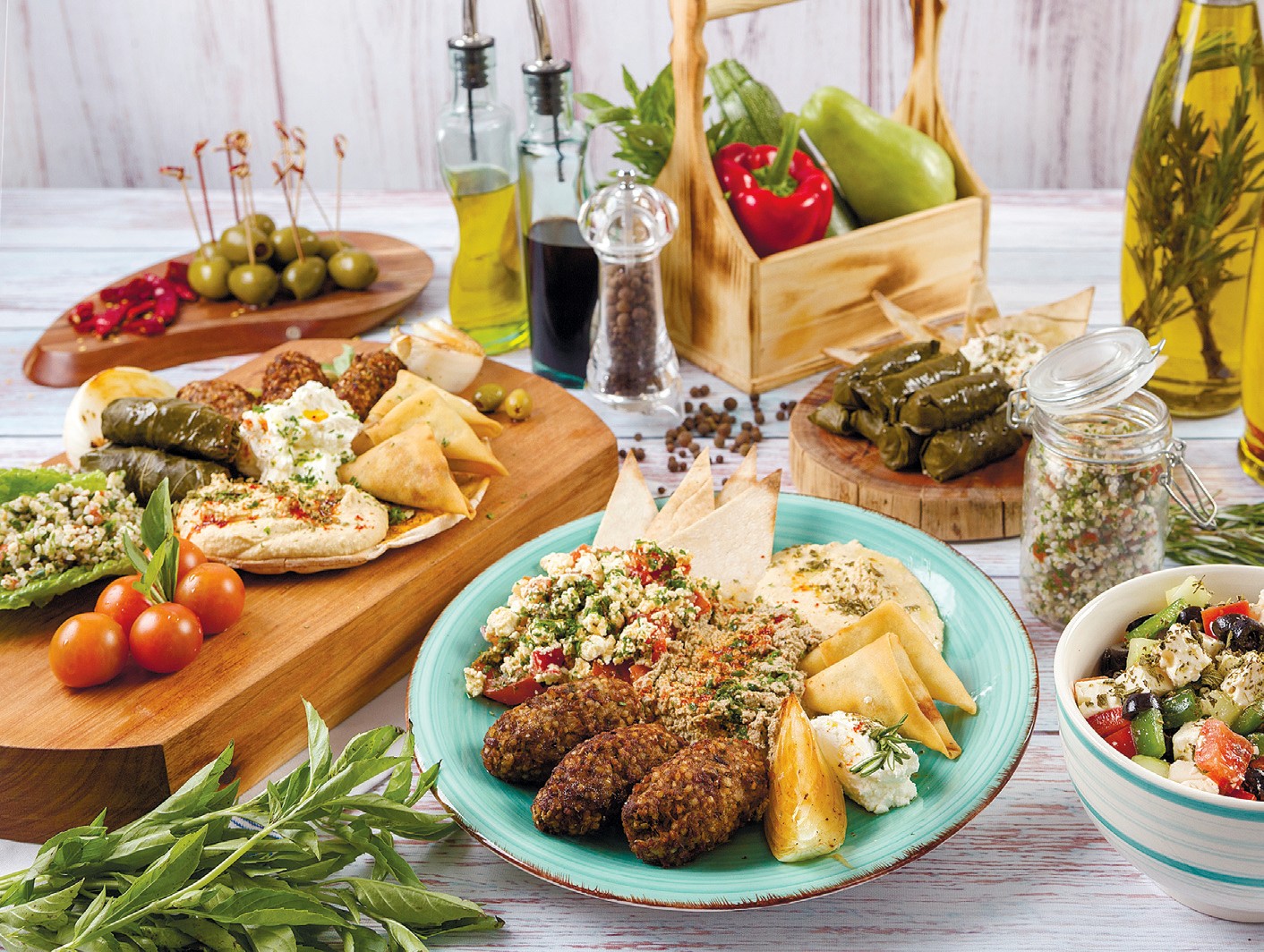
Greek cuisine is an important part of the Athens experience, and it should be sampled both on the streets and in small tavernas, markets, and cafés. One can start with street food and fast food: souvlaki (small kebabs on wooden skewers) or gyros (döner)—pork, chicken, or lamb wrapped in pita bread with vegetables and sauce—cost at least €4-6.
For a proper lunch, it is worth trying moussaka—a layered dish with aubergines, potatoes, minced meat, and béchamel sauce—for €8-12. Greek salad with olives, feta cheese, tomatoes, and cucumbers costs €6-10. Fish and seafood in a taverna cost €10-20, a glass of local wine €6-8.
The sweet side of Greek cuisine deserves special attention. It is, after all, inextricably linked with Türkiye. Baklava, loukoumades (lokma—small fried doughnuts with honey and nuts), and kataifi are very popular here and can be sampled for €3-5 per portion. These desserts show common roots with Turkish cuisine but have their own peculiarities in spices and presentation.
It is also worth trying dolma (vine leaves stuffed with rice and spices), tzatziki (cacık—a yoghurt sauce with cucumbers and garlic), and horiatiki (çoban salatası)—a village salad with feta cheese, olives, and fresh vegetables.
Gastronomic tours of Athens cost €25-40 and include tastings of several dishes, sweets, and drinks, plus a guide's narration about culinary traditions. A tourist can sample the diversity of the cuisine without the risk of getting lost and also learn the history of the intersection of Greek and Turkish cookery—for example, how baklava or dolma were adapted in Greece and became a local hallmark.
When Zeus blesses the shopping
Athens is a city where shopping itself becomes part of the stroll. The main districts for purchases are Monastiraki, Plaka, Kolonaki, and Syntagma. In Monastiraki, there is the famous market with stalls where one can find antiques, handicrafts, jewellery, ceramics, souvenirs, and clothing. Prices start from €3 for small souvenirs, magnets, and keyrings; €7-15 for ceramic cups or plates; and up to €30-50 for quality jewellery or handmade crafts. Leather belts, bags, and sandals are also sold here—from €25 for an accessory to €100 for designer models.
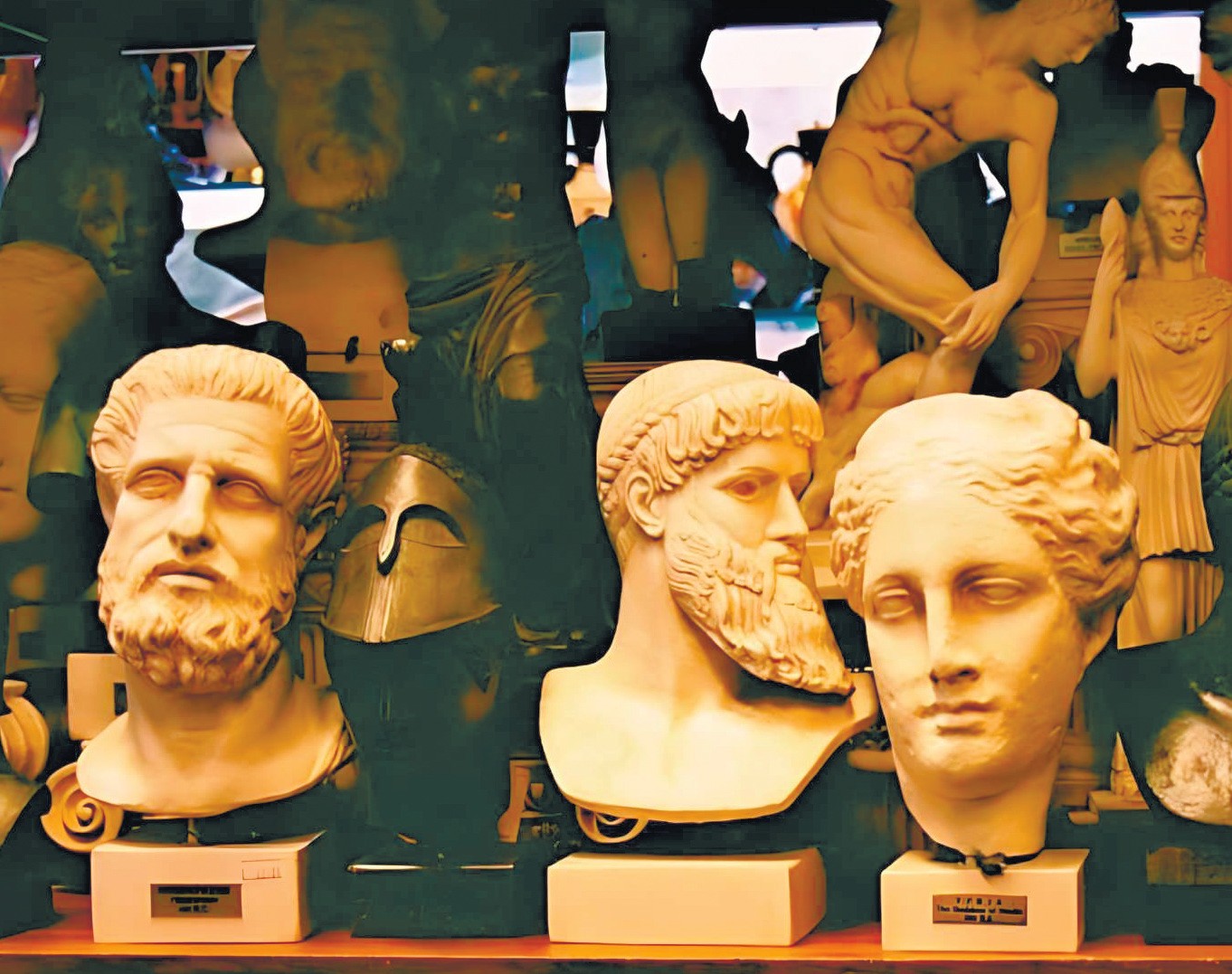
Plaka is famed for its small shops and boutiques with leather goods, ceramics, textiles, and jewellery. Tourists often buy souvenir mini-columns, amphorae, or figurines of ancient gods—€10-20 for a small statue. Genuine collectible items can cost €50-100.
Kolonaki is home to brand-name shops, galleries, and designer boutiques. Prices here are higher: clothing and accessories from known brands range from €80 to €300, designer shoes €100-200. This district is interesting for those seeking contemporary fashion and art objects.
Souvenirs with local flavour include: olive oil and cosmetics based on it—€5-15 for a small bottle; traditional spices—€2-5; local sweets in gift packaging—€5-10. Also popular are ceramic items with ancient motifs and magnets depicting the Parthenon or Acropolis.
In Athens, for shopping, tourists most often choose Ermou Street and Panepistimiou Street in the city centre, where shops for clothing, shoes, and accessories from well-known brands are concentrated, as well as shopping centres like Athens Metro Mall and Golden Hall.
Athens is a city where antiquity and modernity intertwine at every step. Walking tours, museum visits, hills and markets, excursions outside the city, gastronomic discoveries—all this creates a unique impression.
RECOMMEND:
 171
171

