

LIMITS OF THE IMPOSSIBLE
From ancient wonders to the futuristic cities of tomorrow
Author: Elchin HUSEYNOV
Mankind has always strived to surpass itself. We have lifted stones weighing tens of tonnes to preserve the memory of gods and kings. We have cut through mountains to lay roads where only the wind once walked. We have built cities that shone brighter than the constellations. And each time, having barely reached a new milestone, we immediately began dreaming of the next. This endless drive for height, scale, and ambition is one of humanity's most enduring traits.
Since ancient times, people have sought to create structures that not only served a practical function but became symbols of power, wisdom, and beauty. Some of these grand constructions have survived to our day and continue to inspire awe in millions. Others were destroyed by time, war, or natural disaster, yet their memory lives on in legends and historical chronicles.
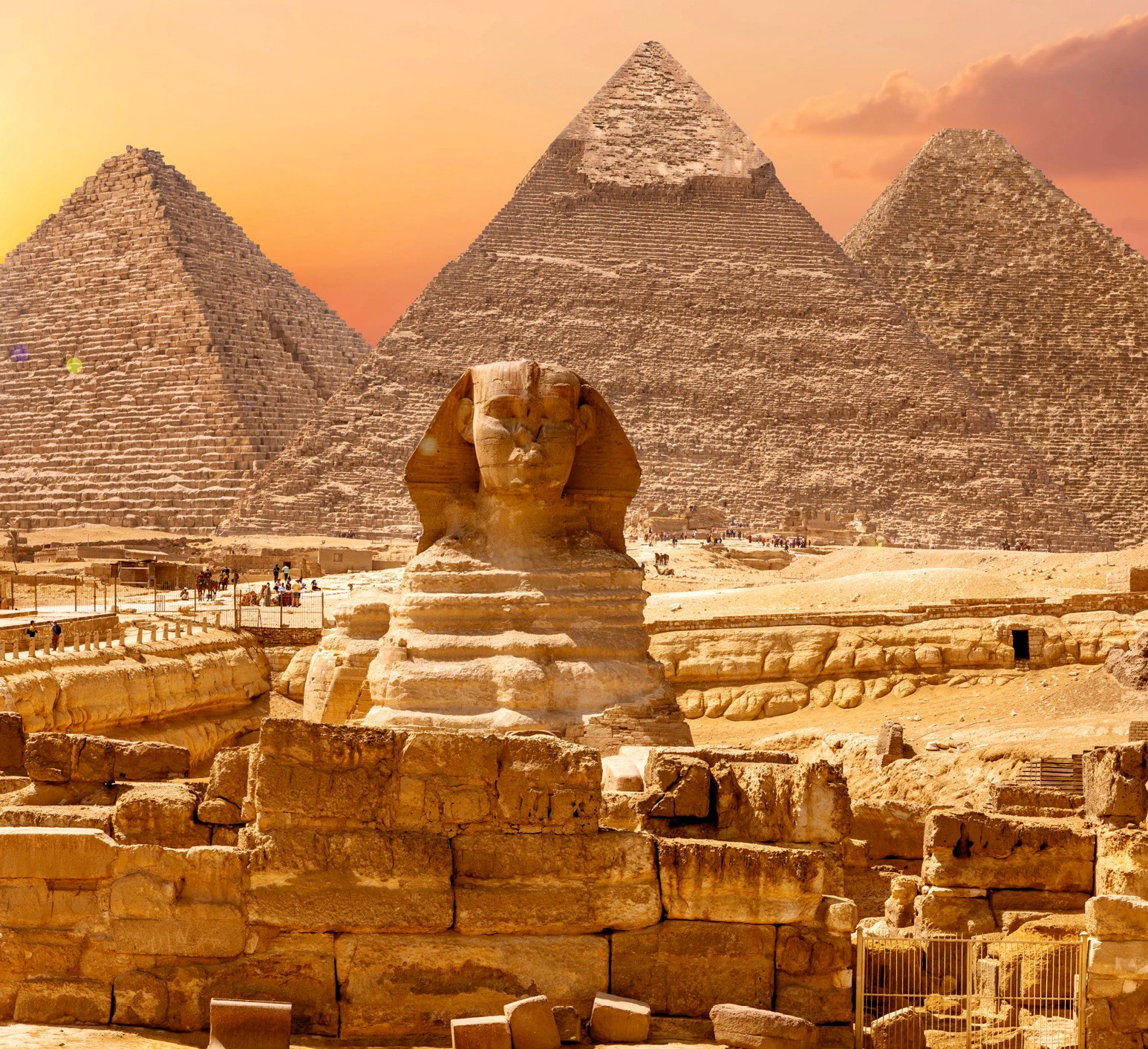
Human history counts seven wonders of the world, each unique in its own way. The Pyramids of Giza in Egypt—the sole surviving wonder of the ancient world—astound with their scale and precision of construction. The Hanging Gardens of Babylon, mysterious and beautiful, inspired poets and philosophers, though not a single stone of them remains. The Statue of Zeus at Olympia demonstrated the mastery of ancient Greek sculptors and their ability to create monumental works of art. The Temple of Artemis at Ephesus impressed with the grandeur and elegance of its colonnades. To this day, the majestic Mausoleum at Halicarnassus remains a symbol of the harmony between architecture and art. The Colossus of Rhodes and the Lighthouse of Alexandria showcased the engineering audacity of ancient civilisations and humanity's aspiration to overcome the forces of nature.
Each of these wonders bore witness to the era and world-view of its creators. They were built not only to serve practical purposes or adorn cities, but to speak of humanity's striving for immortality, its desire to leave a mark on history and to approach ideals that cannot be measured by either a ruler or time.
Seven impressive wonders
In our time, humanity once again wished to celebrate structures that reflect the grandeur of human thought and engineering mastery. In 2007, after a major international vote, a list of the Seven New Wonders of the World was compiled, featuring sites capable of captivating the imagination and inspiring millions of people across the globe.
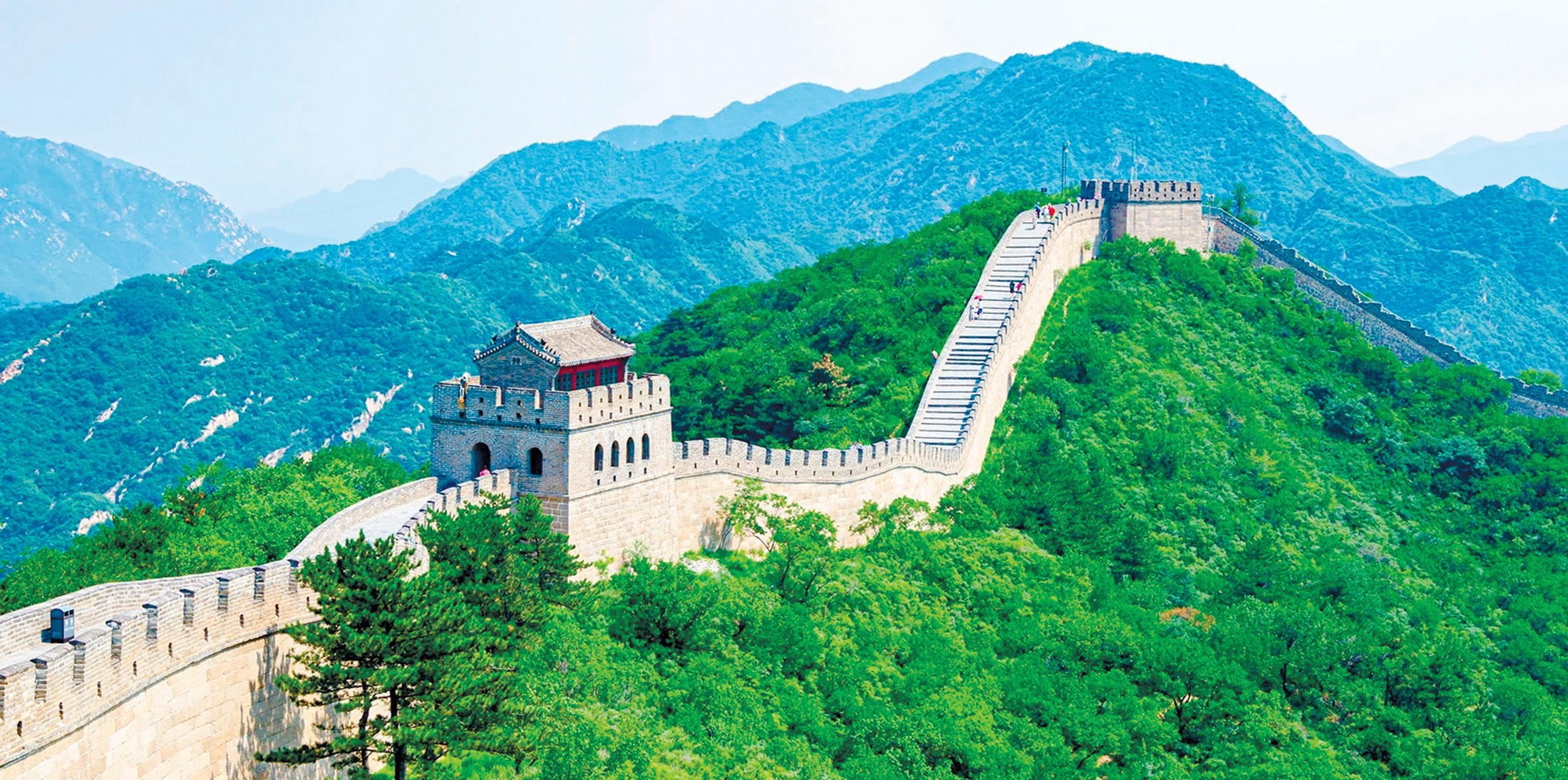
The Great Wall of China—a symbol of strength, endurance, and historical wisdom. This colossal defensive complex stretches for thousands of kilometres, connecting mountain ridges, plains, and deserts, reminding us how humans can reshape the landscape when they set themselves a monumental goal.
Petra in Jordan is a city carved directly into the cliffs. Its façades of rose-coloured stone and complex water supply system make the complex not only a unique architectural monument but also a masterpiece of ancient peoples' engineering genius.
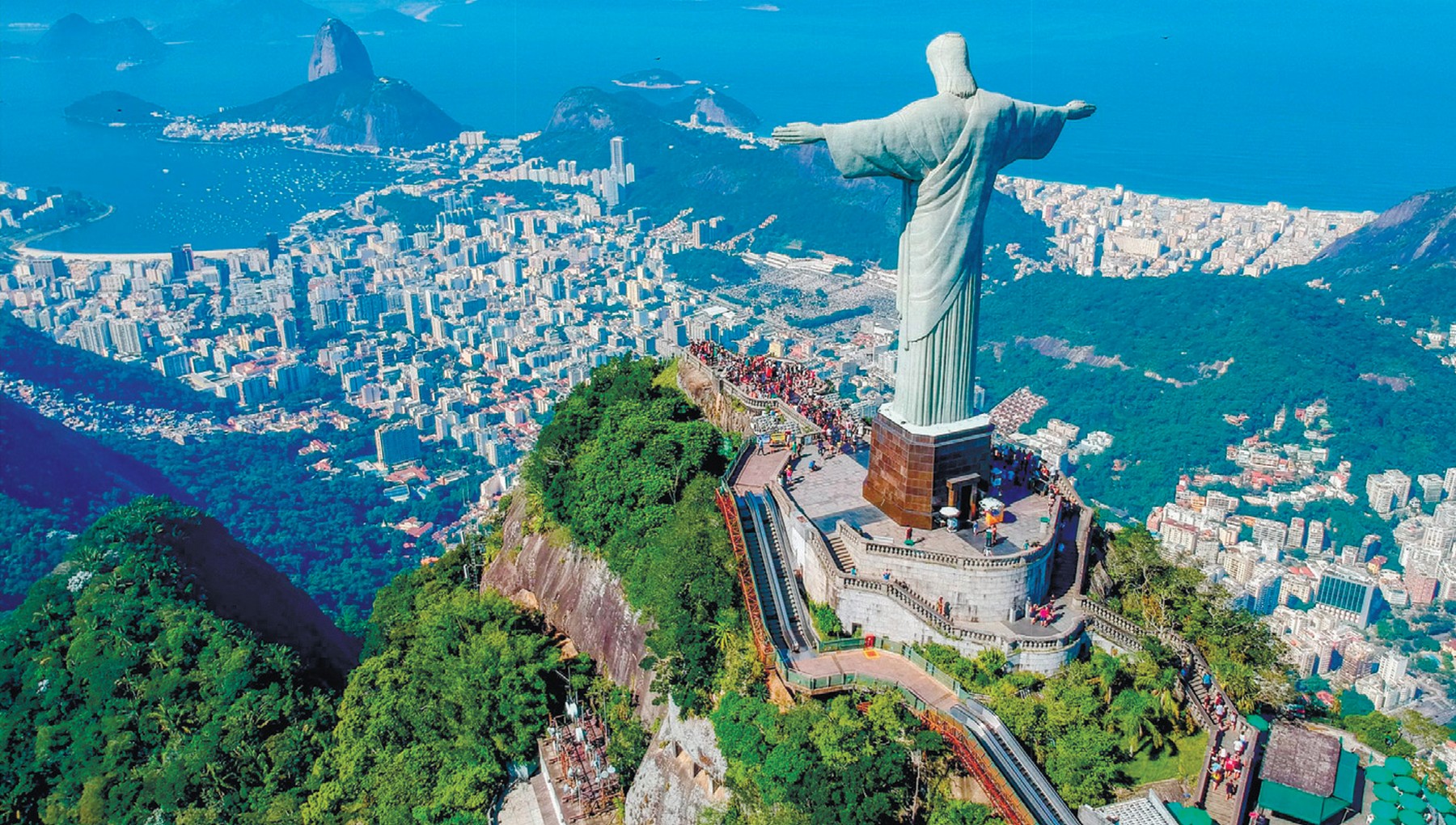
The Statue of Christ the Redeemer in Brazil, towering over Rio de Janeiro, has become a symbol not only of the city and the country, but also of spiritual harmony, friendship, and openness to the world. Its gigantic size and location on Corcovado mountain make it seem as if it is embracing all residents and visitors, visible from every corner of the city.
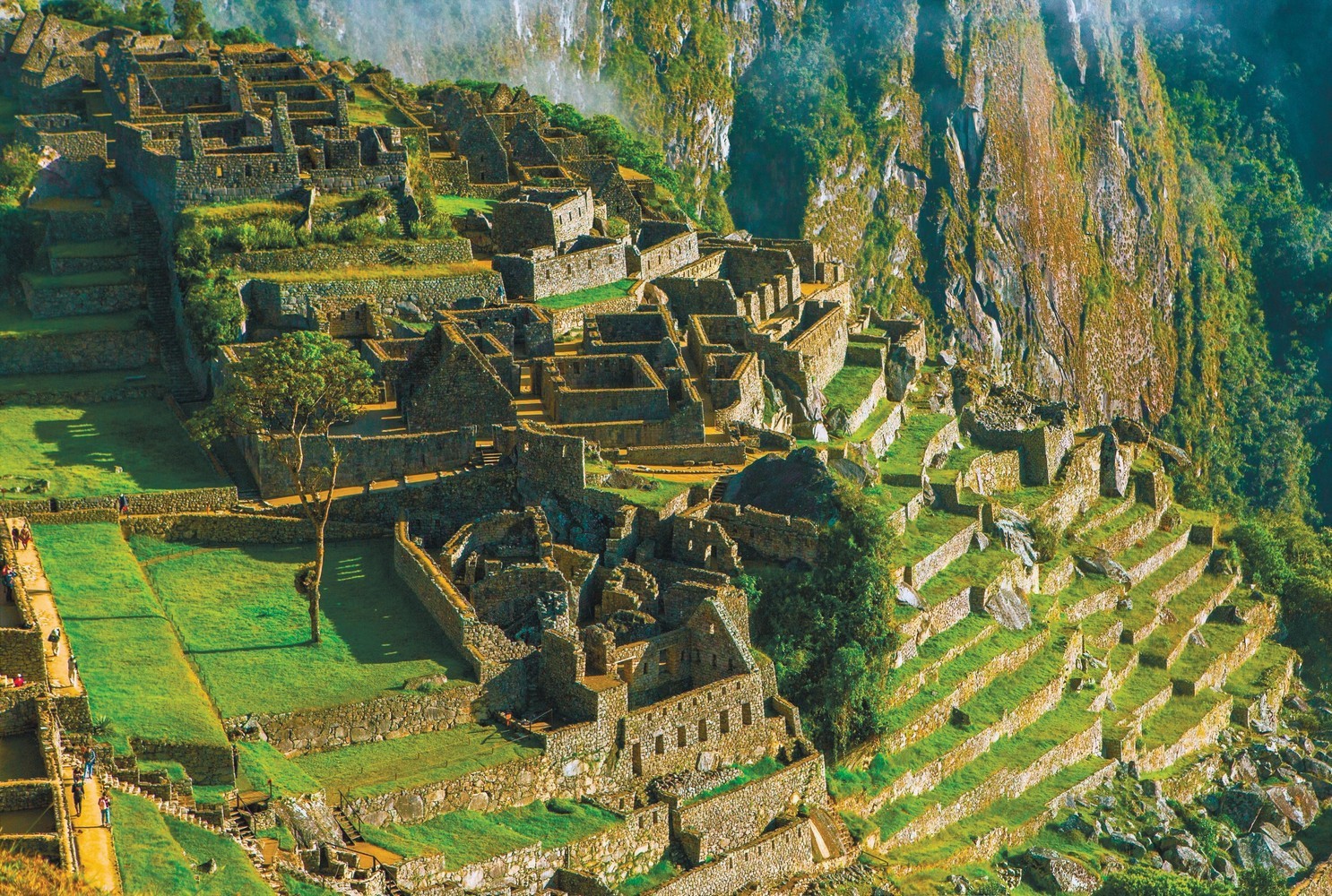
Machu Picchu in Peru is the utopian city of the Incas, located high in the Andes. It amazes with its combination of natural harmony and human architecture, the mastery of its stonework, and the ability of ancient civilisations to build cities in the most inaccessible places.
Chichen Itza in Mexico is a centre of Mayan civilisation, a place where religion, astronomy, and engineering merged into one. The pyramids, temples, and observatories of this complex demonstrate the astonishing understanding of the cosmos and time possessed by ancient peoples.
The Colosseum in Italy is a symbol of the greatness of the Roman Empire. This amphitheatre could accommodate tens of thousands of spectators while remaining a masterpiece of architecture and engineering, showcasing the capabilities of ancient builders in organising space and managing crowds of people.
The Taj Mahal in India is a monument to eternal love and harmony. Its white marble, exquisite ornamentation, and perfect proportions make it one of the most beautiful structures on the planet, a symbol of art and human emotion captured in stone.
These seven structures are a legacy of humanity's passion for beauty, precision, and grandeur. They connect the culture, history, and engineering thought of different eras and continents, showing that the desire to leave a mark on the world is an eternal part of human nature.
Recurring wonders
The modern world has witnessed an architectural and engineering boom, where human audacity and technological capabilities have met to create structures capable of astounding the imagination. Today's giants have become more than just landmarks on the world map—they symbolise humanity's drive for records, innovation, and the conquest of nature.
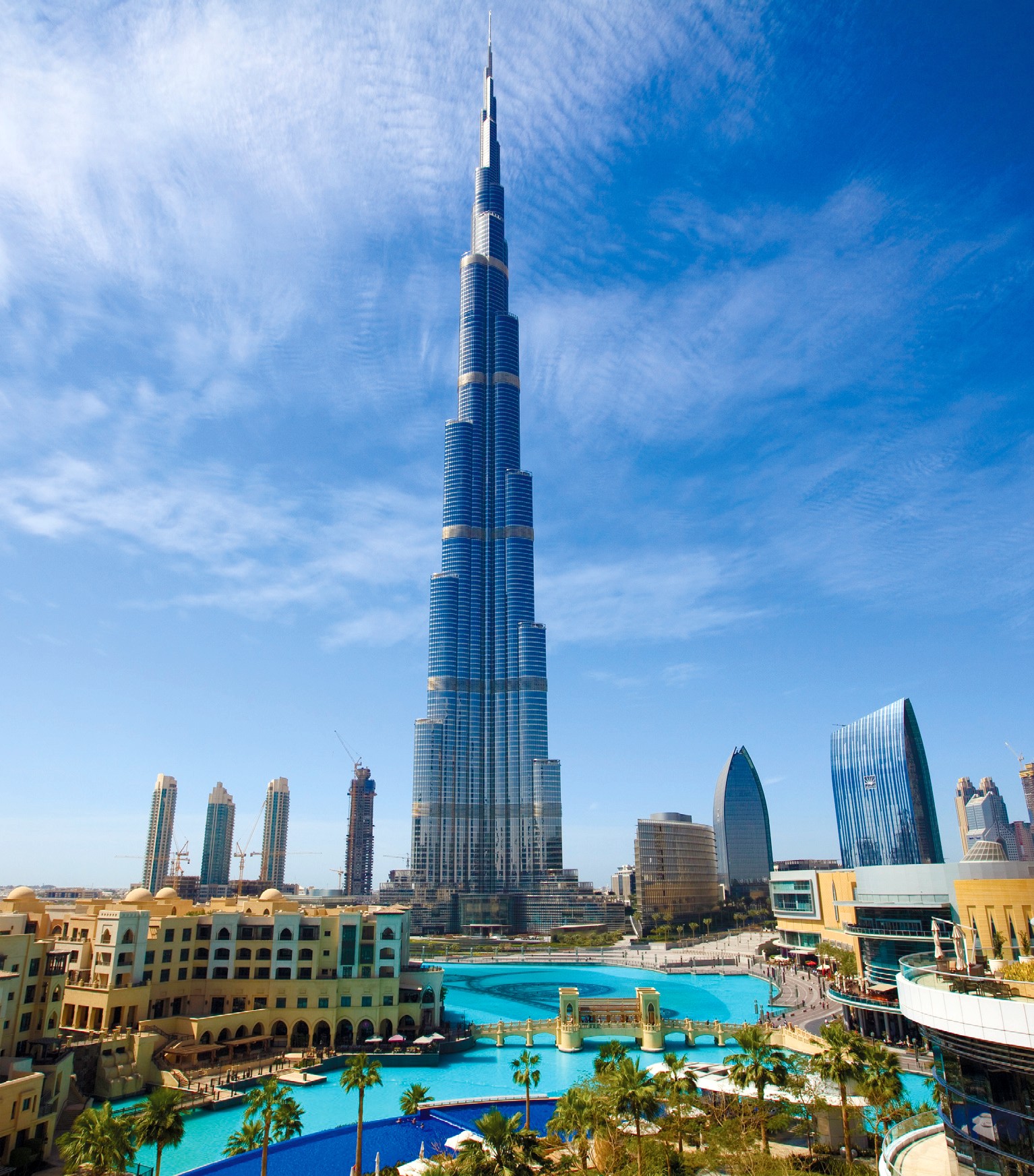
One of the most impressive examples is the Burj Khalifa in Dubai. This tower, standing 828 metres tall, has set a new benchmark for global construction. Its bold form and technological solutions allow it to withstand the strong desert winds, while lifts carrying visitors to a height of almost one kilometre give a sensation of flight.
The Lakhta Center in St. Petersburg—the northern record-holder among skyscrapers. Its elegant spiral form and glass façade reflect the sky and water, creating a sense of lightness despite its imposing size. This skyscraper demonstrates how modern materials and technologies enable the construction of sustainable buildings in challenging climatic conditions.
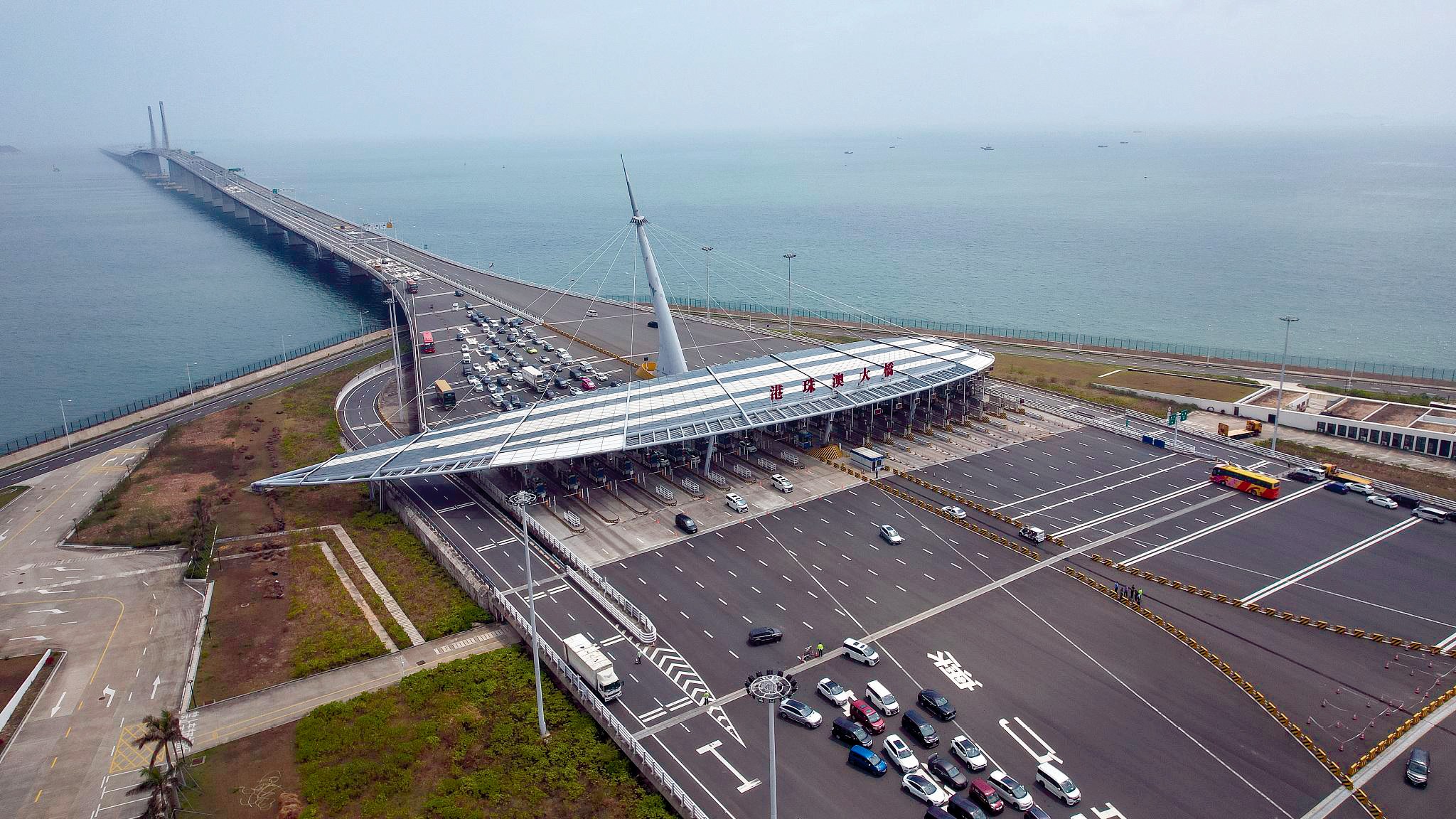
The Hong Kong-Zhuhai-Macao Bridge is one of the largest engineering achievements of the 21st century. Spanning over 50 km across water, including an underwater tunnel, it connects cities and regions, opening new horizons for transport and logistics.
The Three Gorges Dam in China is a gigantic hydro-technical system capable of harnessing the power of one of the world's largest rivers. It not only provides energy for millions of homes but also protects territories from floods, demonstrating a combination of engineering thought and strategic planning.
The Large Hadron Collider (LHC) is the world's largest particle accelerator, located at CERN (the European Organization for Nuclear Research) on the border of Switzerland and France. This 27-kilometre underground giant peers into the earliest moments of the Universe's existence. This scientific construction unites cutting-edge technology and human curiosity, turning an engineering structure into a tool for understanding the fundamental laws of nature.
Among other outstanding structures of recent years, one cannot fail to mention Marina Bay Sands in Singapore—three towers connected by a vast SkyPark platform on the roof—and the famous Guggenheim Museum in Bilbao, where the organic form of the building and unusual materials became an iconic example of contemporary architecture. The Fondation Louis Vuitton in Paris demonstrates the lightness of glass and metal, while the Allianz Arena in Munich impresses with its LED façade, which changes colour depending on the event.
No less impressive are the aquariums and underwater tunnels in Dubai and Singapore, creating a complete sense of immersion, Apple Park in California with its environmentally sustainable technologies, and The Shard in London—a skyscraper with a sharp spire that has become a symbol of the UK capital. And one must not forget the Burj Al Arab in Dubai—a sail-shaped hotel-skyscraper that combines engineering complexity, luxury, and architectural audacity.
Each of these structures proves that the 21st century is an era where the scale and complexity of architectural projects are dictated not only by aesthetics but by engineering challenges that once seemed impossible. They show how modern technology allows humans to create spaces where gravity, nature, and human imagination find a balance, turning into true works of art and engineering mastery.
Contemporary masterpieces inspire not only specialists but millions of people worldwide, forcing us to rethink the notion of the possible. They become symbols of entire cities, countries, and eras, reminding us that human ambition knows no bounds, and reality merely catches up with our dreams.
Mega-projects of the century
Humanity is gradually transitioning from building 'to the maximum possible' to attempts to rethink what a city, a skyscraper, and population density itself can be. In the coming decades, structures that seem like science fiction today may appear on Earth, but they are already designed, laid out, or under construction.
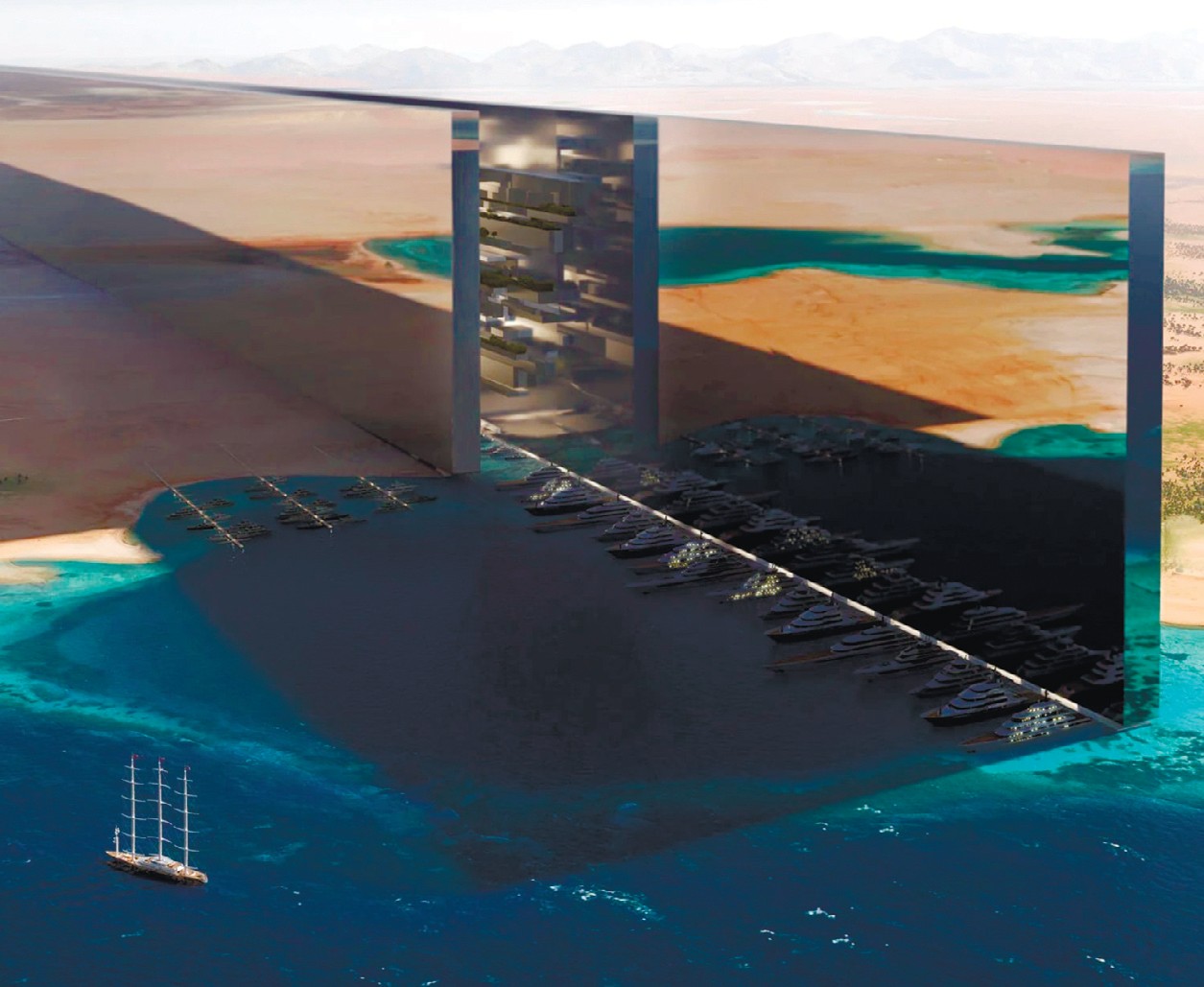
One of the most ambitious such examples is NEOM in Saudi Arabia: a 'city of the future', whose scale is staggering—it is a region covering approximately 26,500 sq km. Within its framework, The Line is envisioned—a horizontal linear megacity, initially planned to be 170 km long and about 500 metres high. The idea: all transport and utilities are underground, with residential districts and nature above, free of cars and roads, within an ecologically considered structure. For comparison: 500 metres is almost like one-and-a-half to two of today's giant skyscrapers, and 170 km is a distance comparable to the length of a large region, not a single city. Although in 2025-2026 the project's scale was being revised and it is likely to be built in sections rather than the entire line at once, NEOM remains a symbol of urbanistic audacity and an experiment on the form of life.
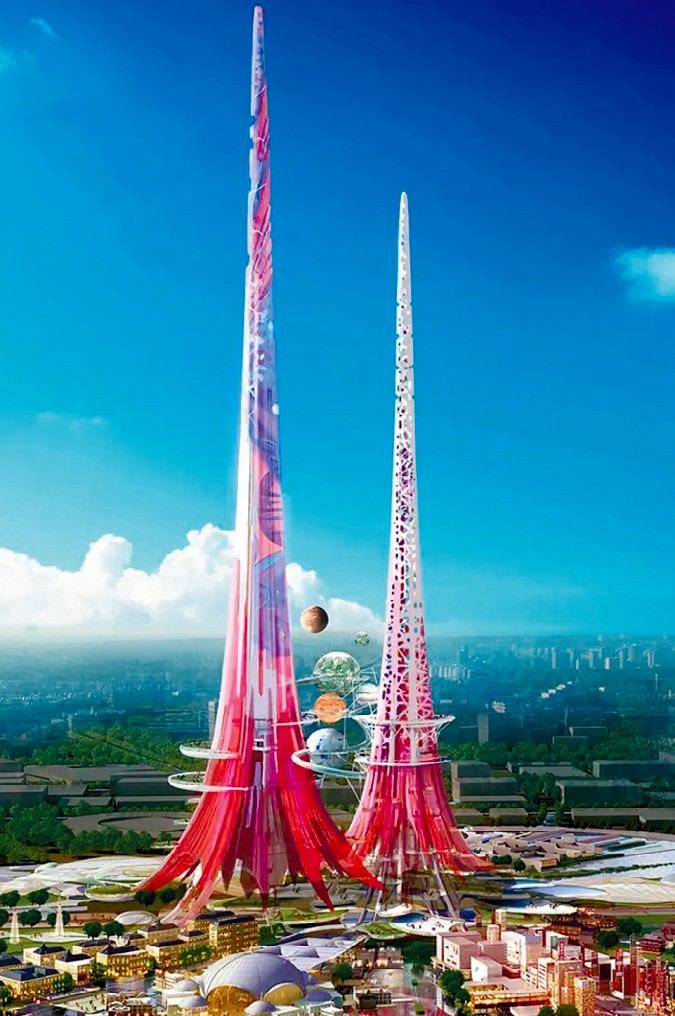
Beyond the Arab world, but no less impressive, is the Phoenix Towers project in China, in the city of Wuhan. These are two planned super-tall towers with a total height of up to 1 km—that is, 1000 metres, a figure rarely seen even in design sketches today. If successfully completed, these towers would become some of the tallest structures on the planet. The project includes residential spaces, offices, and commerce; the architects also propose 'green' technologies: solar panels, 'clean' energy, and sustainable infrastructure. One kilometre is a real challenge to modern standards: a level that most mega-skyscrapers do not even approach today.
But Asia is only part of the future skyline. In Saudi Arabia, in Riyadh, the mega-skyscraper Rise Tower is planned with a projected height of 2000 metres, or 2 km. If realised, it would be the first-ever 'two-kilometre' tower—almost twice the height of current record-holders, three times taller than the most famous 'giants' of our day. Reportedly, within the 'innards' of the tower will be hotels, residential spaces, offices, viewing platforms, leisure facilities, and the infrastructure of a 'vertical city'. Construction is planned to begin this year with an estimated completion by 2035; the approximate cost is around $5 billion.
The coastal city of Jeddah Economic City has not left the race for height either: Jeddah Tower is under construction there—a tower intended to become the first true 'kilometre-high' skyscraper. After a long hiatus, construction has resumed, and according to the latest information, the tower is due to reach the 1000+ metre mark by 2028. It will include luxury residential and hotel spaces, offices, and one of the highest observation decks in the world—hundreds of metres above anything that exists on Earth today. This will be a serious step forward: the current world record for the tallest skyscraper is far from the limit.
In the UAE, in Dubai, projects for skyscrapers designed to shake up the skyline are still alive: Burj Azizi—a residential/hotel complex with a projected height of 725 m (with potential for increase)—is already under construction. Upon completion, it is promised to become Dubai's second tallest building, featuring luxury apartments, a hotel, and records for the height of its hotel lobby, panoramic platforms, and entertainment facilities. This demonstrates that the race for height and luxury continues, even in cities already saturated with skyscrapers.
What does all this mean for us and for the future of architecture? These examples are not fantasies, but real plans and contracts, projects that are already laid out, with some having already begun. They show that the 21st century may become an era of vertical and horizontal experiments: linear cities, mega-skyscrapers, 'vertical cities', 'skyscraper-cities', eco-friendly 'urban organisms', and architectural records that call into question familiar proportions.
These mega-projects demonstrate that the architecture of the future is ceasing to be merely construction—it is becoming a challenge to the imagination and the boundaries of the possible. Linear cities, giant towers, vertical ecosystems, and futuristic stadiums—all of these are not fantasies, but real plans capable of changing the world. Even if not all projects are brought to completion, they are already setting a new standard today: boldness, ambition, and technological audacity are becoming part of everyday life. Tomorrow's cities promise to surprise, inspire, and astound, demonstrating that the greatness of humanity is measured not only by what has been achieved, but also by what we dare to dream.
RECOMMEND:
 158
158