

A WELCOME FROM DON QUIXOTE
History, culture and gastronomy of the first Spanish capital through the eyes of a La Mancha knight
Author: Elchin HUSEYNOV, Baku-Toledo-Baku
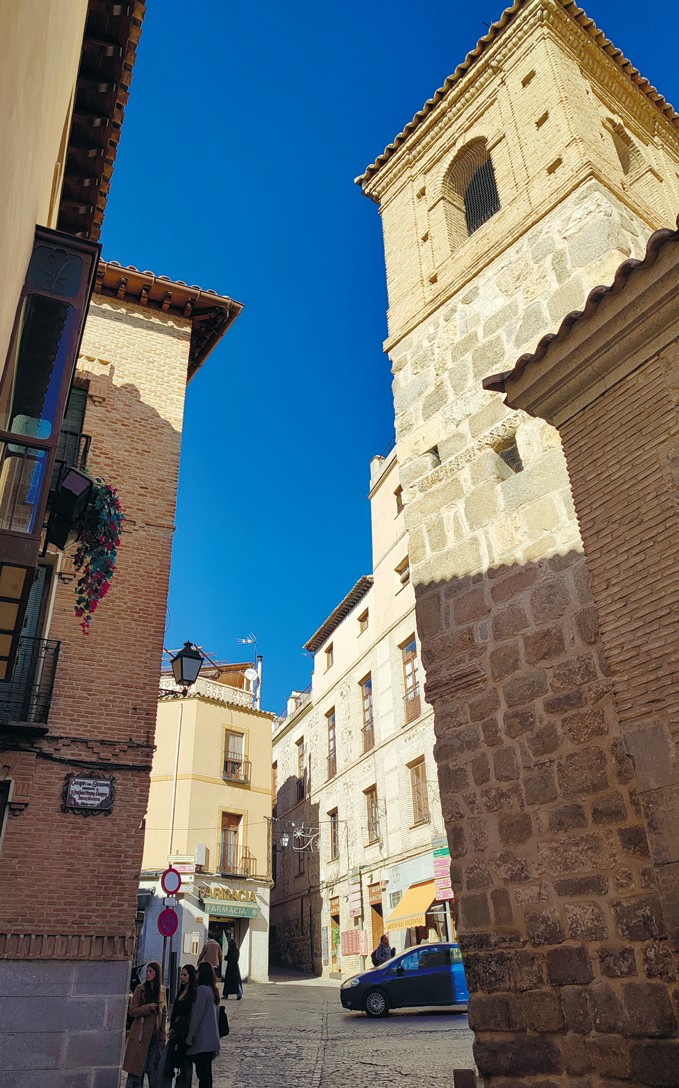
There is a reason the Spanish say, "If you want to understand a country, start with Toledo." Toledo is a rare city where visitors come not just to tick it off a list, but to experience its essence. It is easy to catch yourself thinking that Spain begins here: not with bustling Madrid or the sunny beaches, but with stone streets, ancient gates and the heavy silence of a city that was once the nation’s first capital.
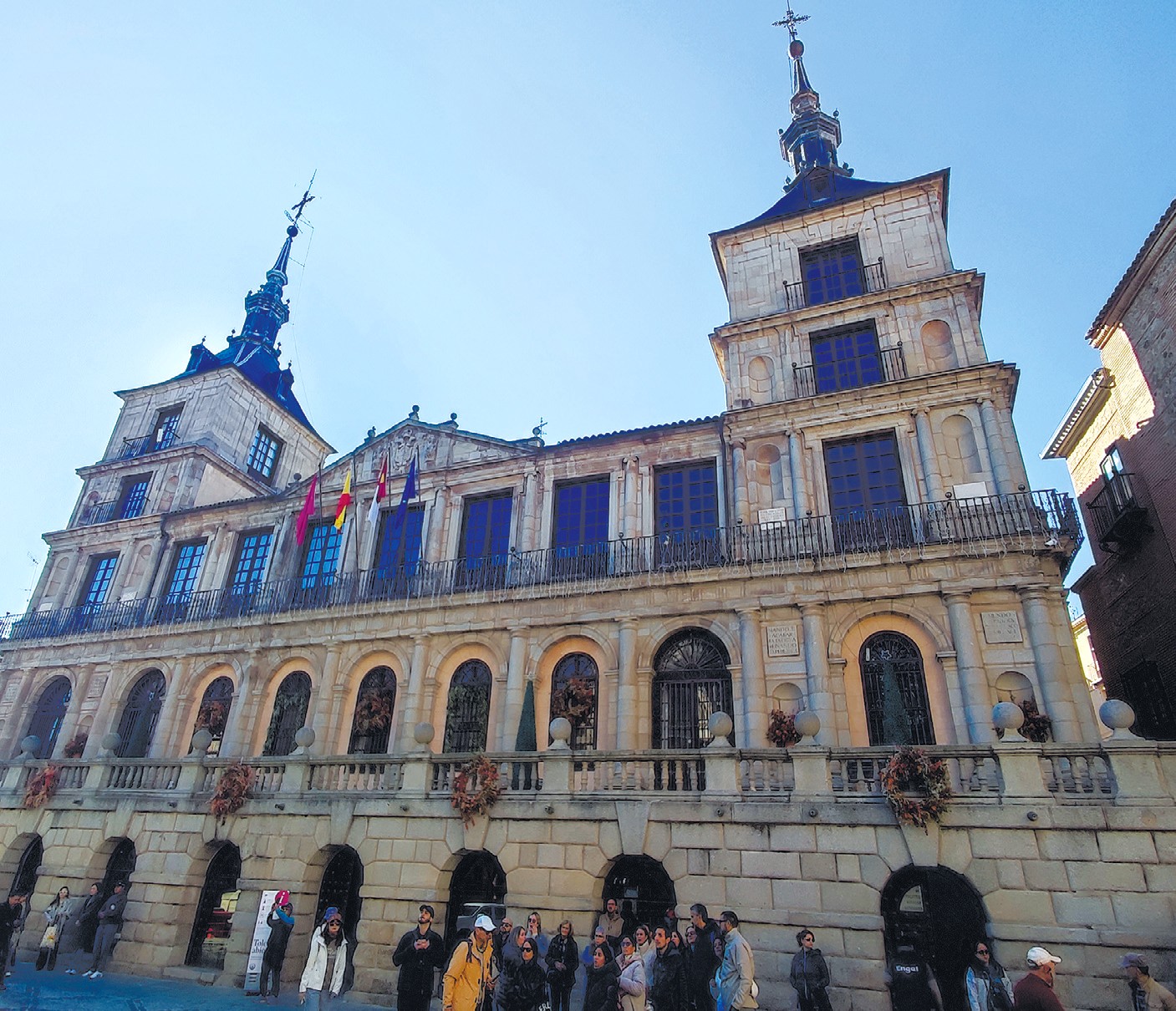
Toledo is the kind of city where, in the early Middle Ages, the fates of kingdoms were decided and Spanish statehood was shaped. The Visigoths lived and ruled here; critical political decisions were made here. Later, the city remained the spiritual centre of the country until the capital was moved to Madrid. Yet its historical role did not vanish: every building, every narrow alleyway reminds us that Toledo was and remains the heart of Spanish history.
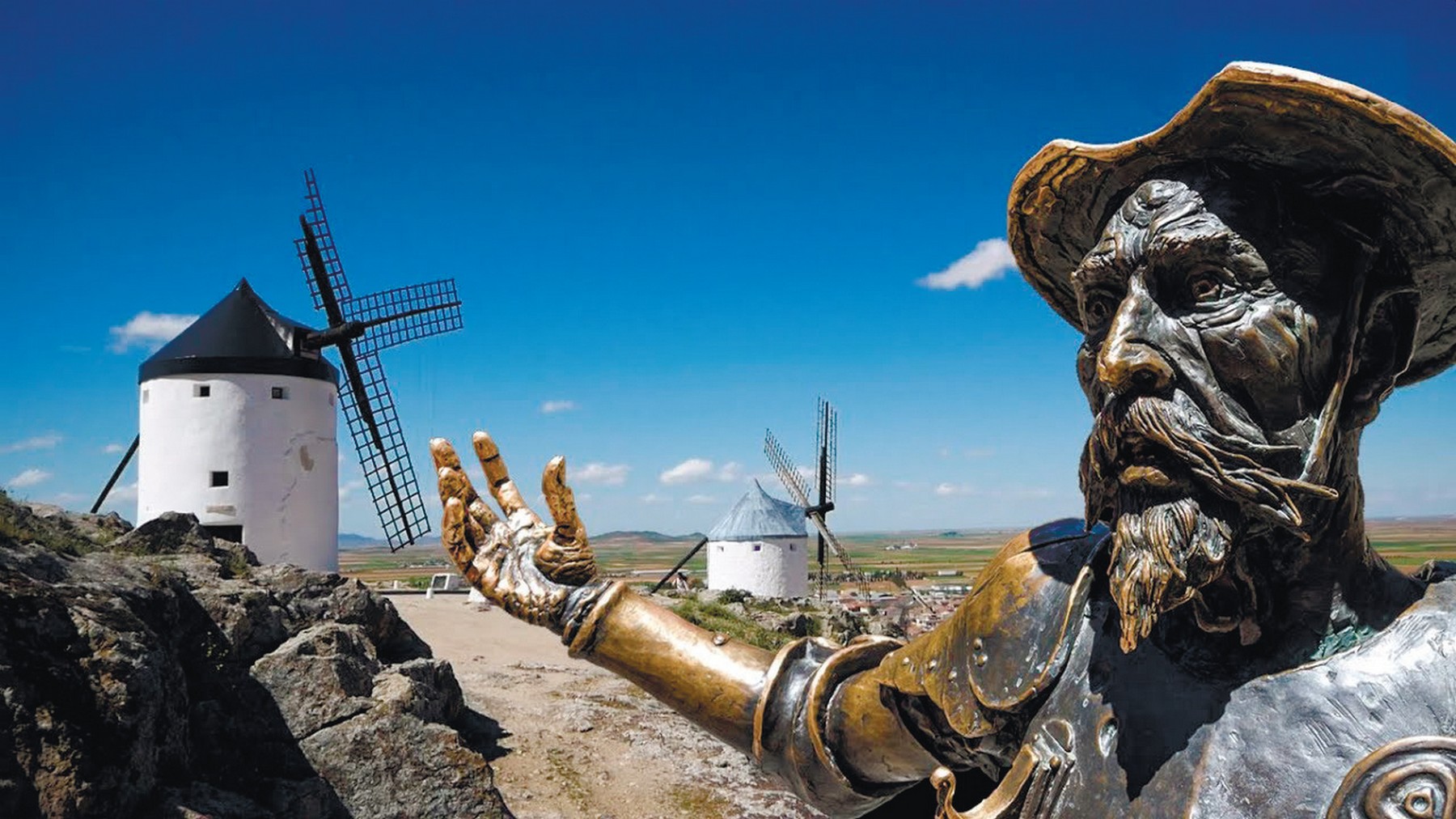
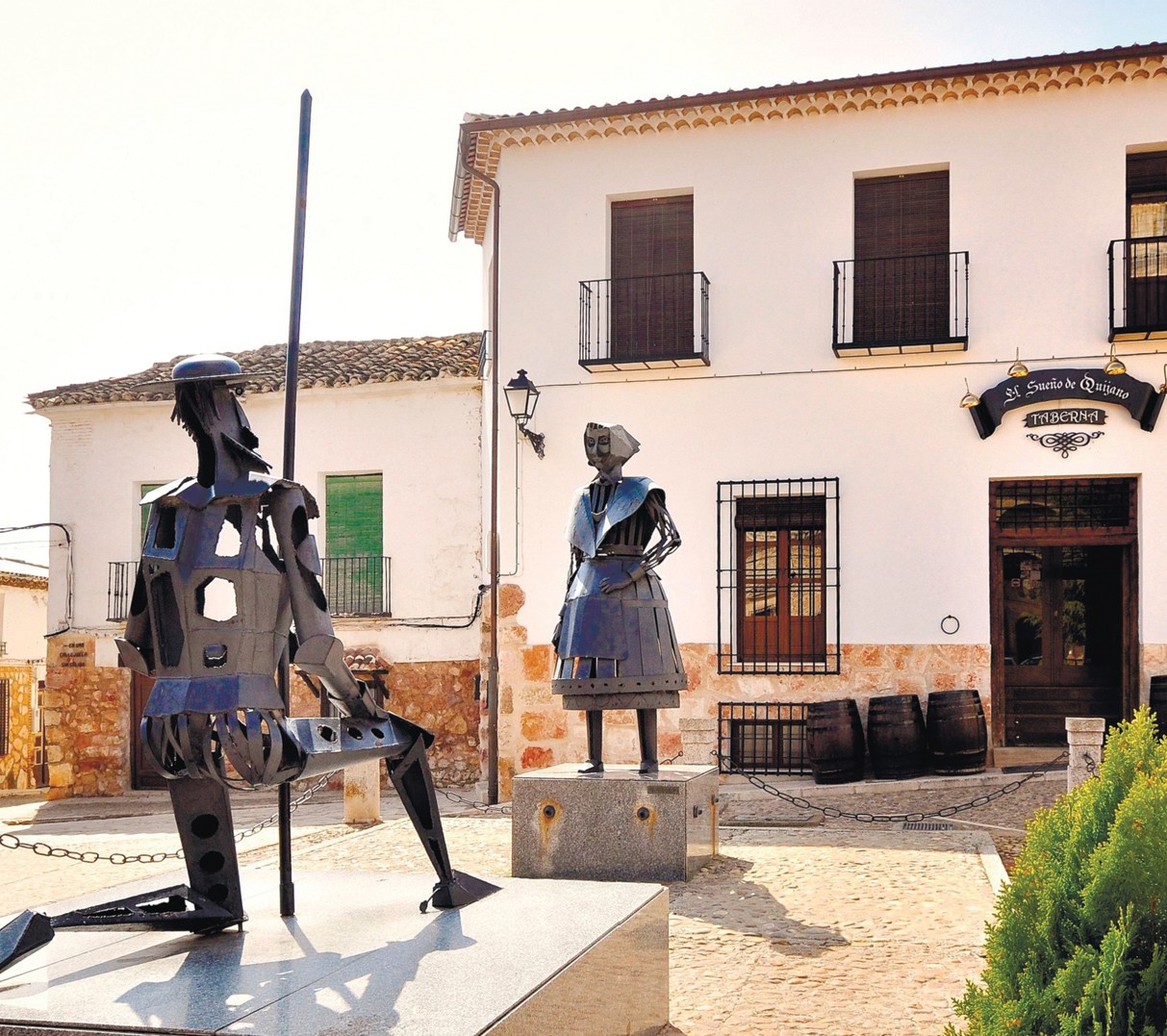
And somewhere within these walls and winding streets begins the story of Don Quixote—the wandering knight who made these lands immortal in literature. His image is inseparable from Toledo and its surroundings. To discover the city through him is to feel Spain from a fresh perspective.
Secrets of the Toledo route
Toledo lies conveniently just 70 km south of Madrid, making it an ideal choice for a day trip or a short weekend break. There are several ways to get here from Madrid, each with its own advantages. The train is the fastest and most popular option. Renfe trains regularly depart from Madrid’s Atocha station to Toledo. The journey takes about 33-35 minutes, with tickets priced between €16-17 one way. The trains are comfortable, equipped with air conditioning and cosy seats, while the views outside immediately set you in the mood for the city’s medieval atmosphere.
The bus is a more economical choice but takes slightly longer. Buses leave from Madrid’s Plaza Elíptica bus station every 30 to 60 minutes, with a journey time of about one hour and tickets costing €8. These buses are also comfortable, featuring air conditioning and luggage space.
Travellers from other regions of Spain can also reach Toledo by train from major cities such as Segovia, Cuenca or Córdoba. Along the way, picturesque landscapes of La Mancha unfold, introducing you to Don Quixote’s countryside.
For tourists planning a day trip from Madrid, it’s best to set off in the morning to have time to stroll through the old town, visit museums and enjoy panoramic views over the Tagus River before returning to the capital in the evening. This way you can make the most of your day without rushing or wasting time travelling.
All you need to know and see
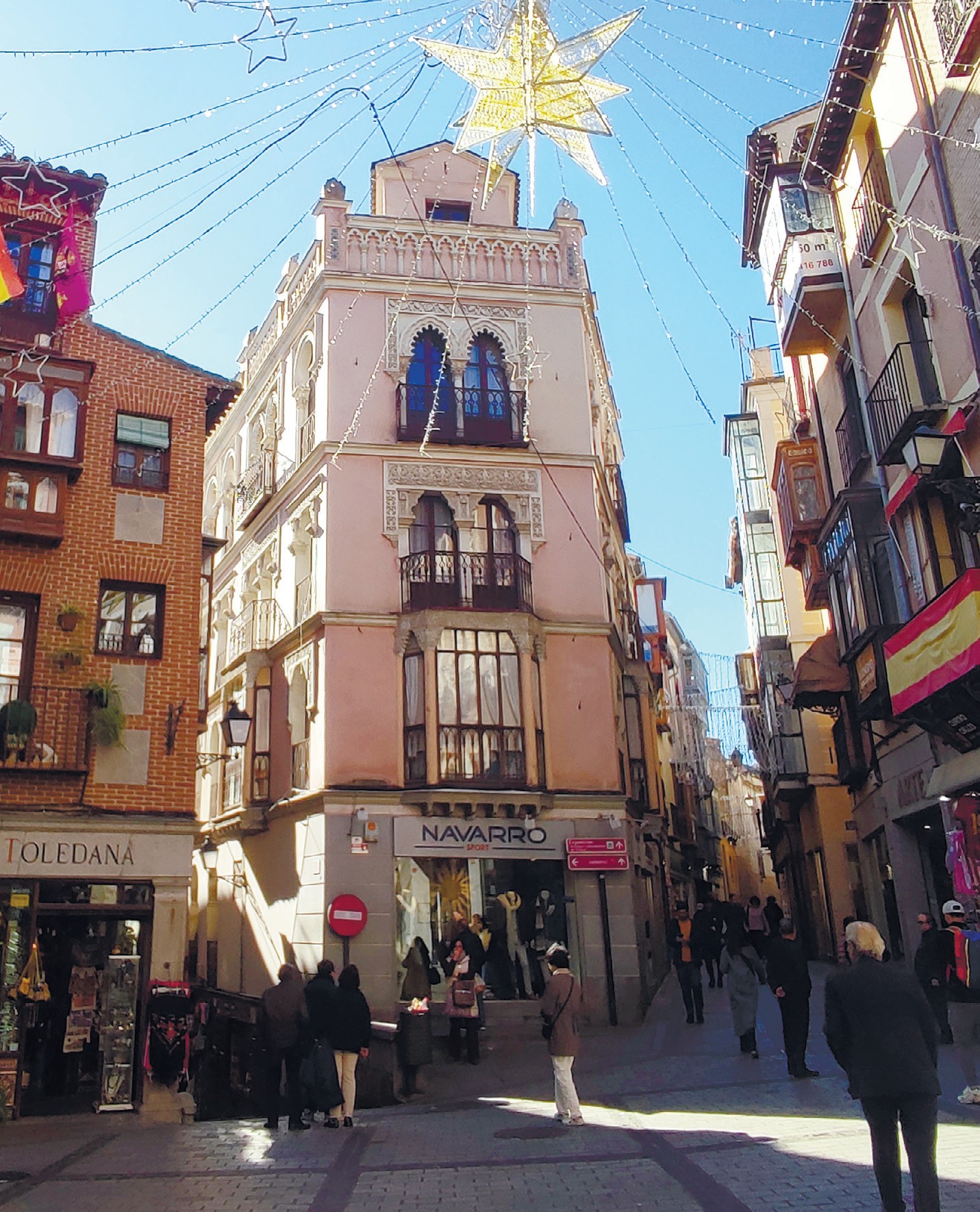
Toledo is unique in that for centuries Christians, Muslims and Jews lived side by side here. Their heritage still shapes the city’s appearance: gothic cathedrals, Moorish arches and mosques, synagogues with Mudéjar decoration. This is why UNESCO included Toledo’s historic centre on its World Heritage List.
Toledo is a small city that can be explored in a full day, though the itinerary will be quite packed. All major attractions are close together, so it’s best to explore on foot, stopping where you find interest.
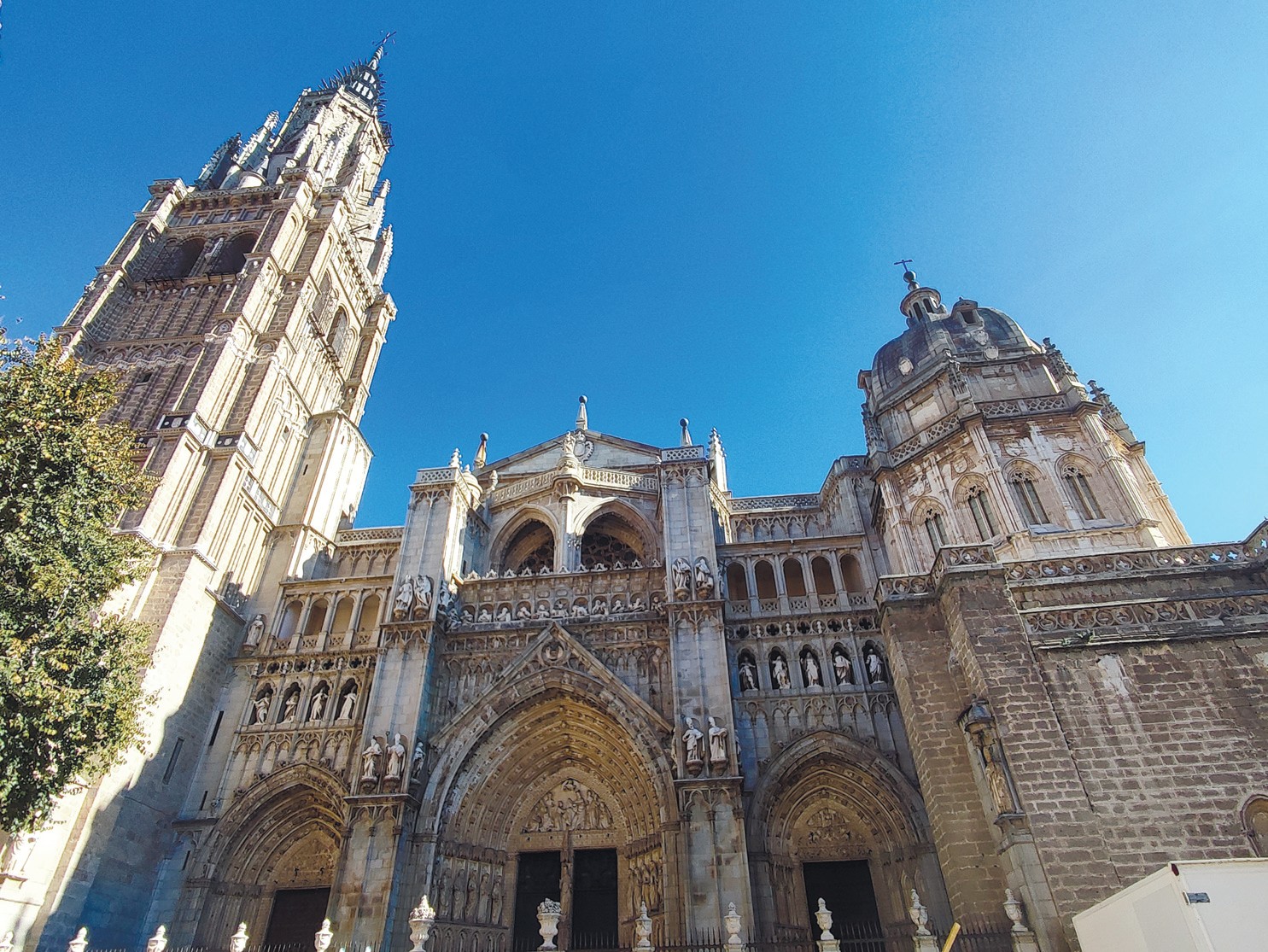
Start with the Cathedral of Saint Mary—a gothic masterpiece with a rich treasury, stained glass windows from the 13th to 15th centuries, and a main altar adorned with gold. Touring the cathedral takes about an hour to an hour and a half. Admission for adults costs around €12 without an audio guide. Tip: come in the morning when there are fewer tourists and soft light highlights interior details.
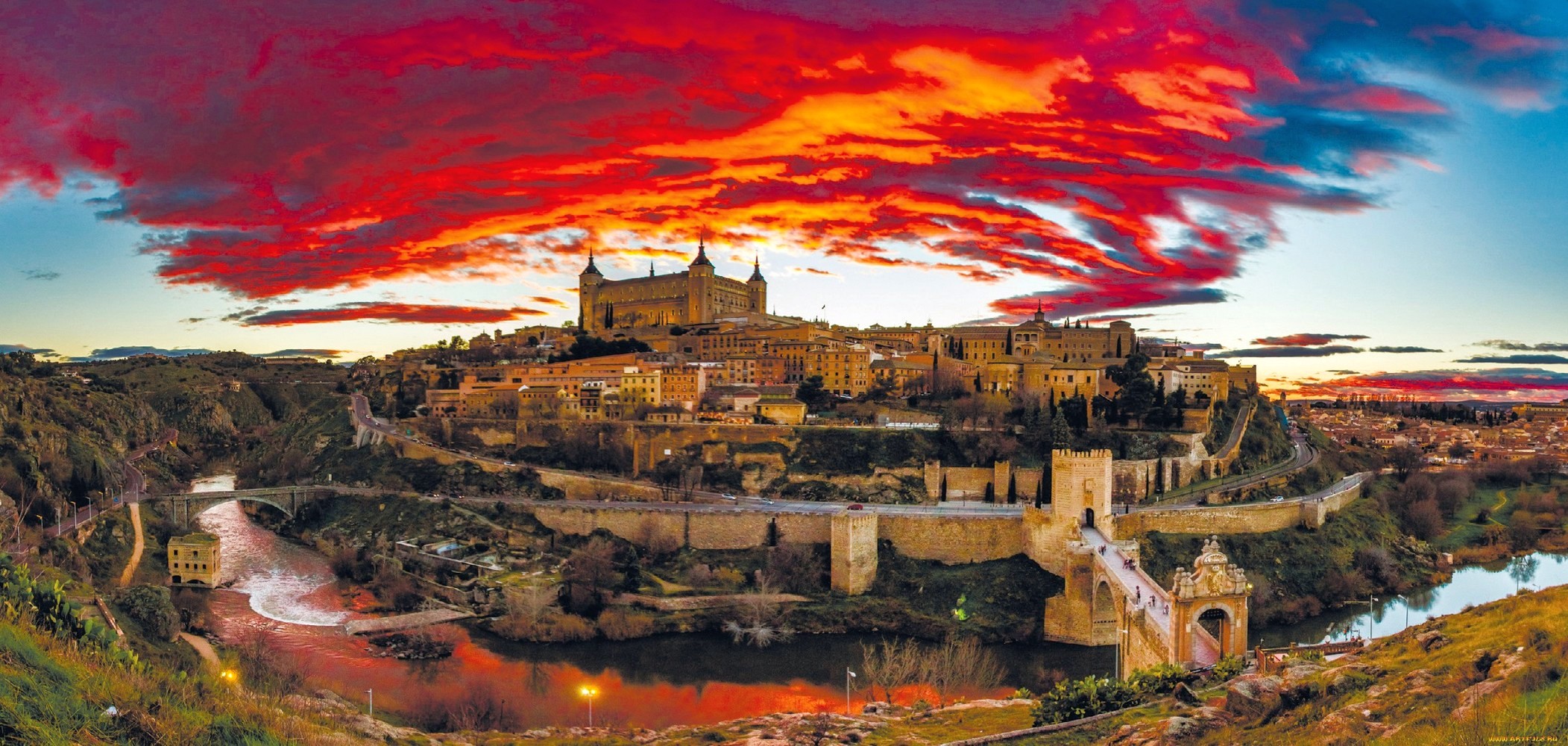
Next is the Alcázar fortress. Located on a hilltop, it looks impregnable but houses Spain’s Military Museum inside, and terraces offer panoramic views over the Tagus River and old town. Entry to its grounds is free (for viewing from outside and enjoying the vistas), but if you want to visit the museum itself, expect to pay €12.
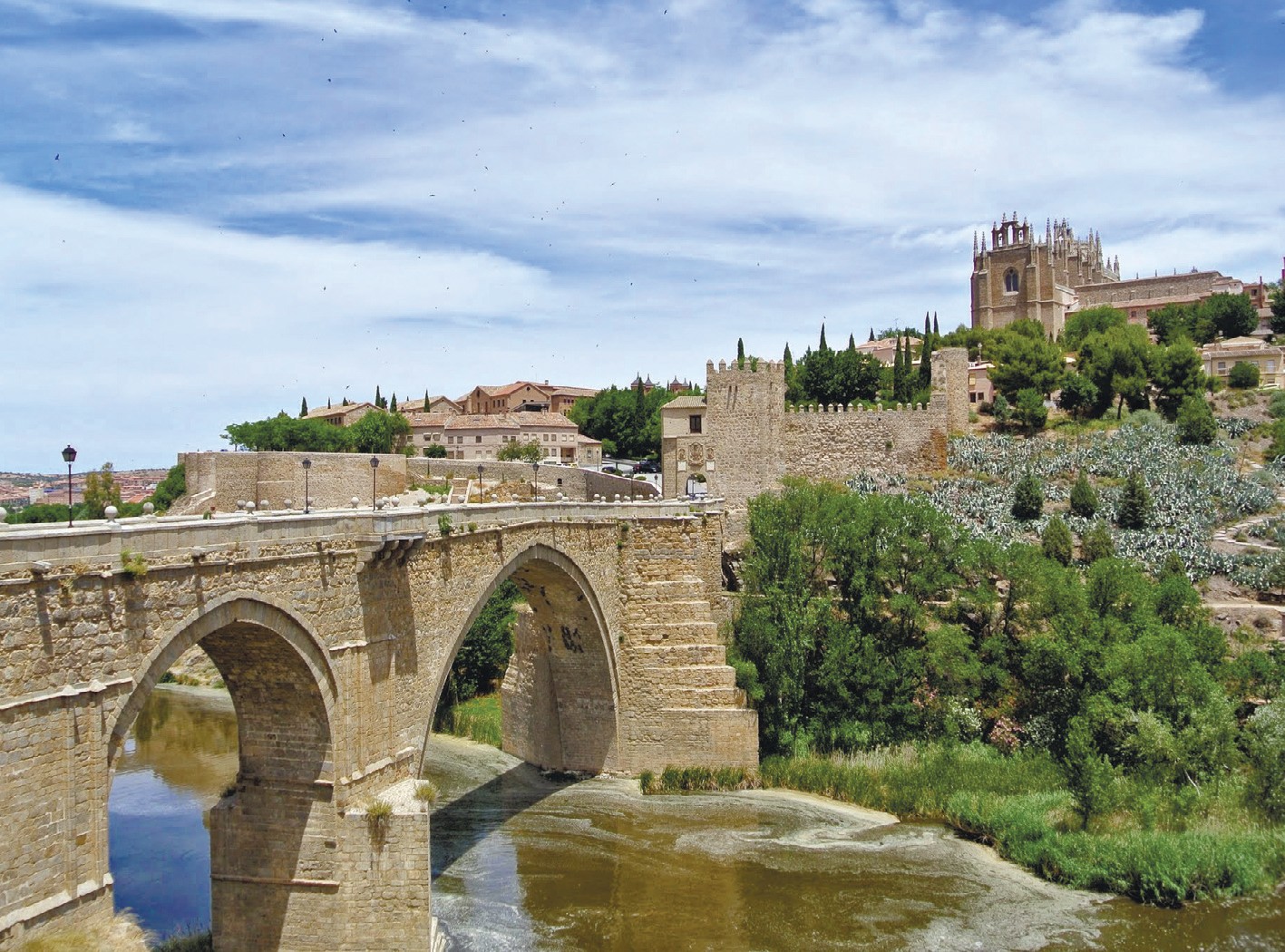
The Jewish quarter is one of Toledo’s most atmospheric parts. Here you find narrow streets, old houses and two famous synagogues—El Transito and Santa María la Blanca. Walking around the quarter is free but there is an entrance fee for synagogues. The Arab quarter and historic gates of Alcántara and San Martín give a sense of Moorish heritage. You can simply wander these streets photographing arches and old walls.
The El Greco Central Museum and Santo Tomé Church are must-visit spots for art lovers. Museo del Greco honours the great painter El Greco, who lived and worked in Toledo in the late 16th and early 17th centuries. It houses many of his works as well as paintings by his followers. The Iglesia de Santo Tomé contains El Greco’s most famous work—The Burial of the Count of Orgaz. The church is built in Mudéjar style combining Christian and Moorish architectural elements. Admission for both museum and church costs around €4-5; allow an hour to an hour and a half for visiting.
For a better sense of the city, include viewpoints in your itinerary. The best views are from bridges over the Tagus River and terraces at Alcázar. At sunset especially striking—stone streets and buildings bathed in golden light.
Walking around central squares such as Plaza Mayor, Zocodover Square shows street musicians, small shops and the spirit of old Toledo. These are perfect places to pause, sit in cafés, visit souvenir shops and soak up city life.
For a day trip, two or three stops at viewpoints plus some strolling through quarters suffice. But if you want to see Don Quixote’s windmills or La Mancha’s surroundings, plan for a second day in Toledo.
Toledo and Don Quixote: where reality meets literature
Toledo is not just a historic capital but a city forever linked with Don Quixote—the wandering knight created by Miguel de Cervantes. Although most events in the novel take place across La Mancha, Toledo and its environs are considered key locations in this literary world. Cervantes himself visited many times here; it was here that the spirit captured later on in his book took shape.
Visitors have several ways to immerse themselves in Don Quixote’s world. First are themed walking tours through the old town led by guides dressed as knights. These tours showcase streets and squares mentioned in the novel as well as places where Toledo inspired Cervantes. Such tours typically cost between €15-25 and last about two hours.
Second are day tours across La Mancha including visits to famous windmills in Consuegra and Campo de Criptana. These mills symbolise Don Quixote’s famed battle with “giants.” Tours with transport, guides and mill visits cost between €60-100 depending on programme and language.
There is no dedicated Don Quixote museum in Toledo itself but his literary spirit is everywhere. City museums and cultural centres regularly host exhibitions related to Cervantes and the knightly era. Souvenir shops offer copies of the novel, engravings, figurines and maps showing Don Quixote’s routes.
For full immersion, visit restaurants and taverns preserving dishes from Cervantes’ time: simple meat stews, lentil soups and rustic bread served with local Manchego sheep cheese. This culinary experience helps you connect with Spain as it was when knights roamed La Mancha’s stony roads.
Tasting Toledo
Guides say Toledo is a city best savoured not only with your eyes but your taste buds too. Its cuisine is simple but very characteristic of La Mancha region—sampling local dishes is essential.
The most famous delicacy is marzipan. Several confectioners in the old town prepare it according to ancient recipes; you can try it as figurines, fruits or simply bars. It’s not only tasty but beautiful; marzipan makes a perfect souvenir from your trip.
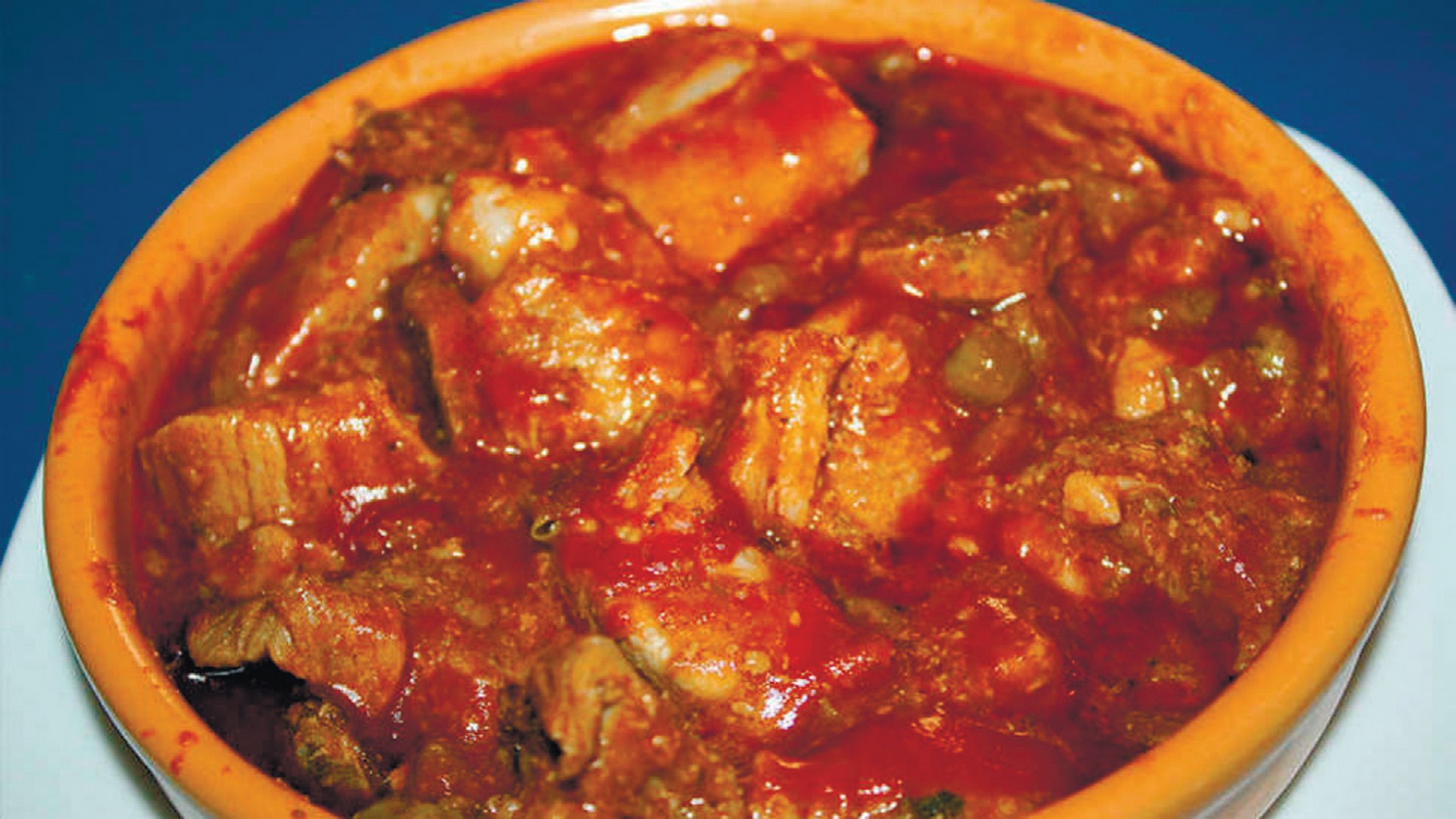
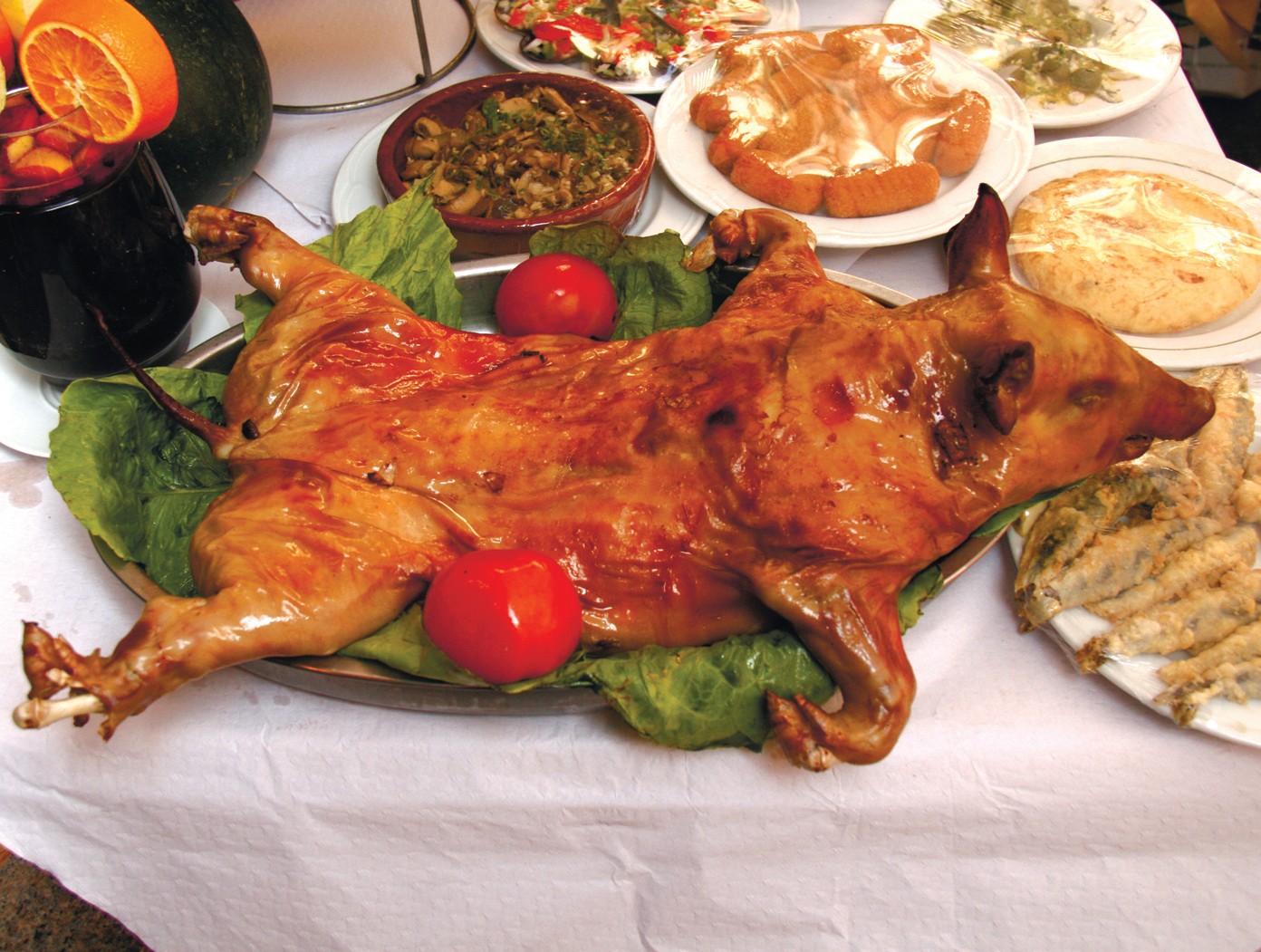
For meat lovers Toledo offers carcamusas—pork and vegetable stew—as well as cochinillo—roasted suckling pig—plus lamb dishes. These are served in traditional taverns often alongside homemade bread and local cheeses, allowing full appreciation of Spanish cuisine character. Hard Manchego cheese with its rich flavour is served almost everywhere paired with local wine.
For an authentic gastronomic experience seek out small local taverns in the old town rather than touristy restaurants. Here you taste dishes locals cook for themselves rather than tourists. Prices are reasonable: a light lunch costs €10-15; main meat dish €12-20; dessert or marzipan €4-6; glass of local wine €3-5.
Spanish cured ham, jamón, is not just a delicacy but a gastronomic symbol and vital part of national heritage. Thin almost translucent slices reveal rich aromas and distinctive flavours varying from classic “serrano” to elite “ibérico de bellota.”
Don’t forget churros—traditional Spanish fried dough pastries resembling long crispy sticks or loops. They are usually served for breakfast alongside thick hot chocolate into which they are dipped.
A good sequence for tasting is: starters and cheese first; then main meat dishes; finishing with marzipan or sweet dessert. This makes exploring Toledo even more vivid; every café or shop visit becomes a small adventure. Gastronomy helps you understand Toledo fully, making walking its old streets deliciously memorable.
Choosing your season
The best time to visit Toledo is spring or autumn. In April and May, flowers bloom throughout the city while temperatures are comfortable for exploring narrow streets. September and October are also pleasant: air is mild with fewer tourists than summer months. Summer can be hot; winter chilly and windy—less ideal conditions for sightseeing or walking old town streets.
Throughout the year Toledo hosts interesting events: December brings Christmas markets selling local crafts and sweets; July sees medieval music and theatre festivals where ancient squares become open-air stages; Easter week impresses with processions and traditions creating an atmosphere that transports visitors back into city history.
Toledo leaves its mark from your first step on its stone streets. History resonates here; cultures of three peoples blend; Don Quixote’s legends come alive; every corner vibrates with old Spain’s spirit. A walk through Toledo is more than sightseeing—it is a chance to pause, breathe centuries-old air and witness past and present living side by side.
This is why Spaniards say: "If you want to understand this country, start with Toledo."
RECOMMEND:
 138
138

