

FASHION VERDICT
New standards for clothing recycling shaping the future of the textile market in Azerbaijan
Author: Sabira ALAKBAR
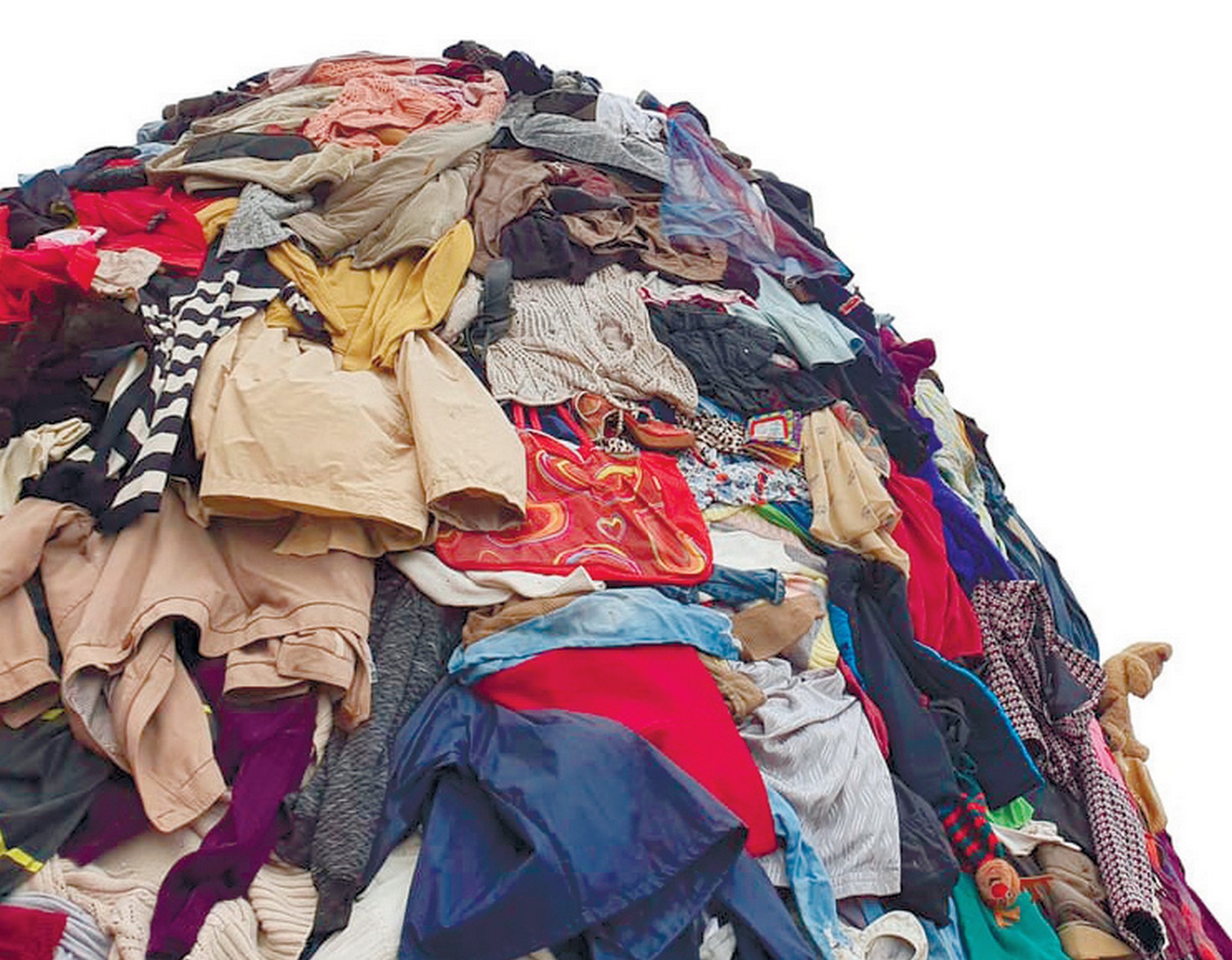
The era in which fashion giants were able to dispose of large quantities of unsold items with minimal repercussions in order to maintain exclusivity or reduce storage costs is drawing to a close. The European Union has taken a significant step towards a model that scientists refer to as the circular economy. From 19 July 2026, a historic ban on the disposal of textile waste will come into force for large corporations, and by 2030, all other businesses will have to comply with this regulation. Disposing of clothes by burning or throwing them away will now not only be considered unethical, but also unlawful.
The trap of online commerce
The fast fashion industry has long been characterised by a culture of relentless consumption. According to expert reports by the International Consortium of Expert Organisations (ICE), which acts as the "scientific brain" for the European Environment Agency, flexible return policies have created a dangerous precedent: between 22% and 44% of returned goods in Europe never reach a new customer, and almost 10% of all clothing and footwear produced in the EU is destroyed every year without ever reaching the consumer. The logistics of returns have proven so complex and costly that it is often more profitable for brands to send new goods to the incinerator than to inspect them and return them to sale.
According to the report by the Joint Research Centre, prepared for the European Commission, the destruction of unsold textiles generates approximately 5.6 million tonnes of CO₂ on an annual basis. It is important to note that this figure exceeds the total direct carbon dioxide emissions of a country such as Sweden, highlighting the critical role of clothing disposal in the fight against global warming. The Joint Research Centre is the scientific and technical service of the European Commission. Our experts have calculated the life cycle of textiles and compared them with the national emissions of EU member states. For what reason is a comparison with Sweden being considered? This comparison is frequently employed in the context of EU environmental analysis, as Sweden is recognised as one of the "greenest" countries globally, with notably low emissions, attributable to the significant contribution of nuclear and hydroelectric power. The fact that the simple act of burning unwanted T-shirts and trainers is more damaging to the climate than the entire European country has a strong psychological effect.
Modern online commerce has played a significant role in this environmental crisis. In Germany alone, the number of items disposed of in this way is close to 20 million per year. New EU rules require absolute transparency from businesses: companies are obliged to publicly disclose the volumes and reasons for disposal, which effectively introduces strict reputation control. This means that clothing manufacturers will have to publicly report how much merchandise has not been sold and why it was disposed of. It will no longer be possible to secretly take a truckload of clothing to an incinerator. Furthermore, each item of clothing will be assigned a digital identifier (passport), detailing its composition and recycling options.
French precedent
It is important to understand that the current EU decision is not an isolated occurrence, but rather is based on successful international experience, with France leading the way. In 2022, France became the first country in the world to implement a ban on the destruction of unsold non-food goods under the AGEC law (Law on Waste Reduction and the Circular Economy). The French model has demonstrated that substantial fines and a prohibition on incineration are prompting brands to swiftly restructure their business processes, including the development of a network of outlets, the donation of goods to charities, and the investment in recycling technologies. The French experience demonstrated the viability of such measures and provided the foundation for the pan-European directive.
From scraps to bacteria
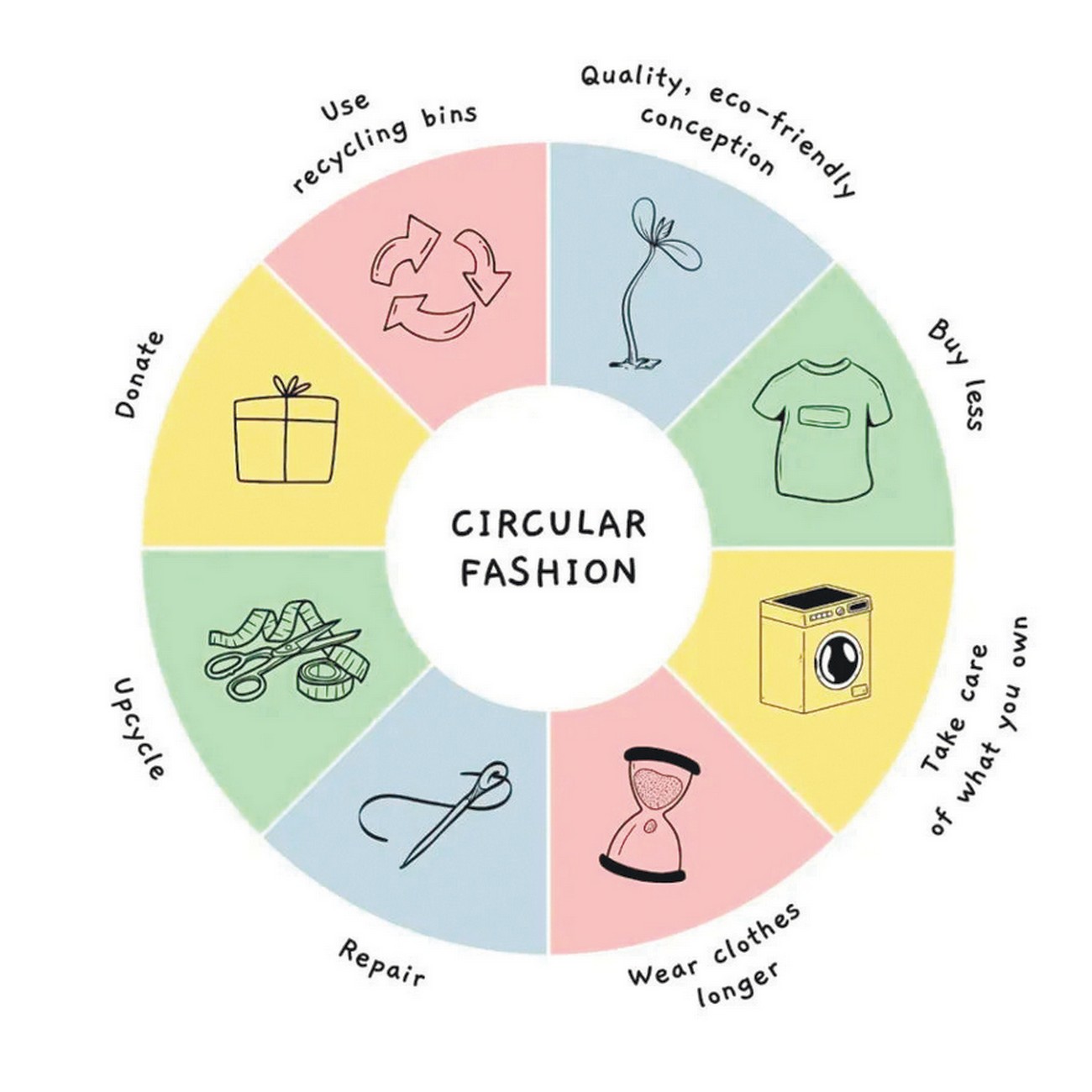
In order to prevent the ban from leading to industry collapse, the industry is implementing methods described in the fundamental works of the Ellen MacArthur Foundation, an influential non-profit organisation promoting the concept of a circular economy, as well as in publications by Nature Sustainability, one of the world's most prestigious and highly cited scientific journals. In the fashion industry, the foundation has launched the Make Fashion Circular initiative. It is recommended that clothing be made from safe and renewable materials, worn for an extended period, and eventually recycled rather than becoming waste.
In the contemporary business environment, science has established three primary levels of work with textiles. The first and most accessible of these is the production of industrial rags. This is a form of downcycling, where items are cut into rags for use in factories and printing houses. This proven method effectively extends the lifespan of fabric by transforming it into an effective oil sorbent.
The second tier is chemical recycling. This method allows fabric to be broken down at the molecular level, separating cotton and polyester, for example. This innovative process, known as the fibre-to-fibre principle, involves the creation of new garments from old ones without compromising on quality.
The third and most innovative method is biotechnological decomposition. In such cases, microbiology and genetic engineering are the appropriate fields of enquiry. Scientists use special enzymes and bacteria that are able to digest certain components of the fabric. For instance, certain microorganisms are able to convert cellulose from cotton into biosugars, while others are capable of absorbing synthetic polymers and transforming them into safe organic compounds. This method enables the recycling of blended fabrics that are not mechanically separable, ensuring that no toxic residue is left behind.
Azerbaijan, scientific approach, strategy
For Azerbaijan and the EU, this methodology is regarded as the "gold standard" for evaluating the environmental friendliness of business. In other words, for our country, the trend towards sustainable development (Sustainability) is no longer just a slogan. In accordance with the Strategy for the Socio-Economic Development of Azerbaijan for 2022-2026, the country has committed to the creation of a "clean environment" and "green growth". Reports by the United Nations Environment Programme for the South Caucasus region highlight the republic's high potential for implementing circular economy models. According to expert groups working in the country's economic zones (for example, in the Sumgait Chemical Industrial Park), the processing of secondary raw materials is considered a promising direction.
While the issue of textile recycling is still in the infrastructure development stage in our country, trends are already becoming apparent. While there is currently no direct legislative ban on the destruction of unsold collections in Azerbaijan, the issue of textile recycling is being actively integrated into the state waste management system, and the problem of excess goods is being solved by market and social methods. The culture of second-hand and stock shops allows goods from Europe and Turkey to find a second life, which is effectively a form of reuse.
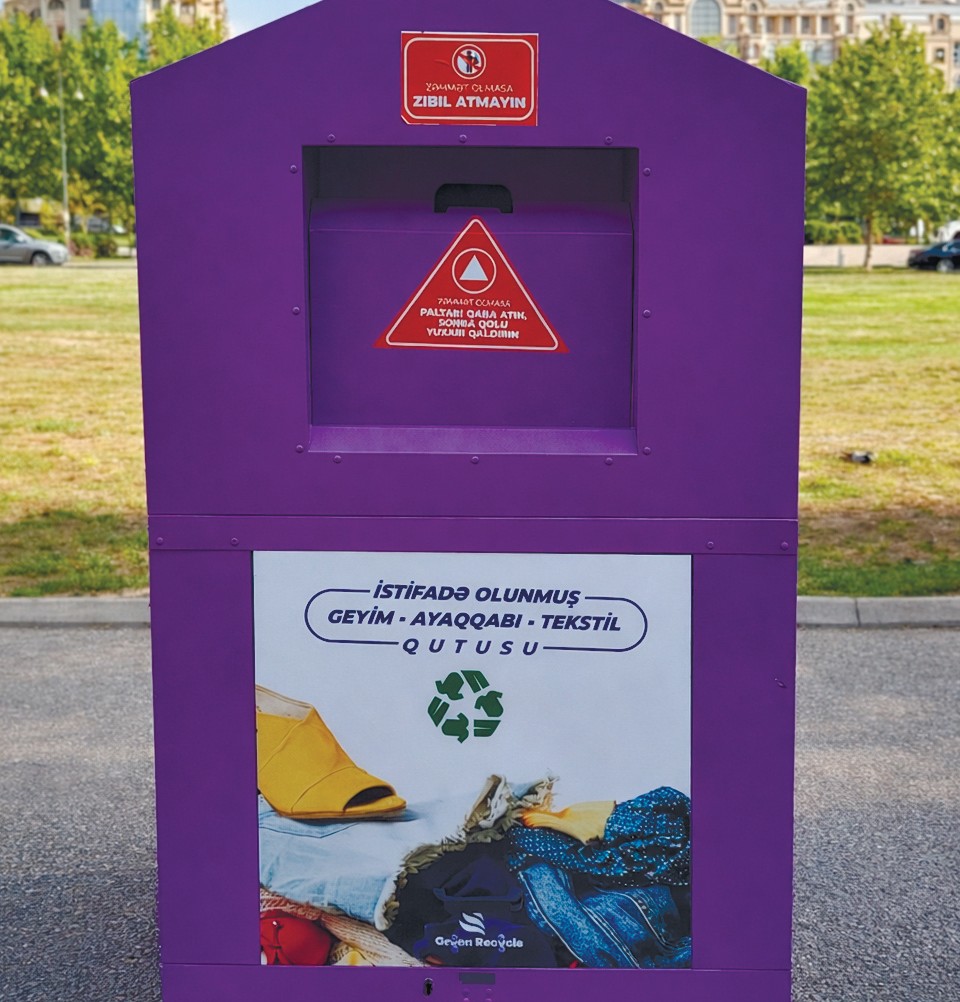
Infrastructural shifts are already evident, with special containers for collecting clothing being operated on the streets of Baku by private initiatives and Turkish companies. The raw materials are then sorted, with suitable clothing being distributed through charitable foundations and worn clothing being used to produce rags, for which there is stable demand in Azerbaijan's industrial sector. The long-standing social norm of charity – the transfer of unwanted clothing – helps to redistribute it among those in need.
In the context of Garabagh's recovery, reforms are of particular importance. New decrees came into force on 1 January this year with the aim of improving waste management in the liberated territories, which are being designed as "smart" and "green" zones. This is a significant development, indicating that the state is committed to adhering to international standards for environmental management. It is inevitable that textile waste will become the next target for regulation after plastic. The EU's recent decision and France's experience in this area are significant catalysts. It is essential for our businesses to implement AI to forecast demand and invest in knowledge-intensive recycling, transforming clothing into a valuable resource.
The EU's decision is set to have a significant global impact. As an active participant in international trade chains, it is imperative for Azerbaijan to initiate the adaptation process without delay. In addition to the construction of new recycling facilities, a fundamental shift in our consumption patterns will be necessary, transitioning from the "buy-throw away" model to a more sustainable "use-pass-on-recycle" approach.
RECOMMEND:
 221
221