

THE 'INJECTED' YOUTH
Why 'freezing' your face at 20 could become a trap of premature ageing
Author: Kamilla BABAZADE
A troubling trend has emerged within the modern beauty industry: the fight against old age begins long before the first wrinkles appear. Young women who have barely crossed the threshold of adulthood are being led to believe that Botox and fillers are as fundamental to hygiene as brushing one's teeth. But behind the glossy advertising of 'preventative care' lie serious risks: premature sagging, loss of individuality, and the effect of a 'bloated' face.
Paralysis as the illusion of salvation
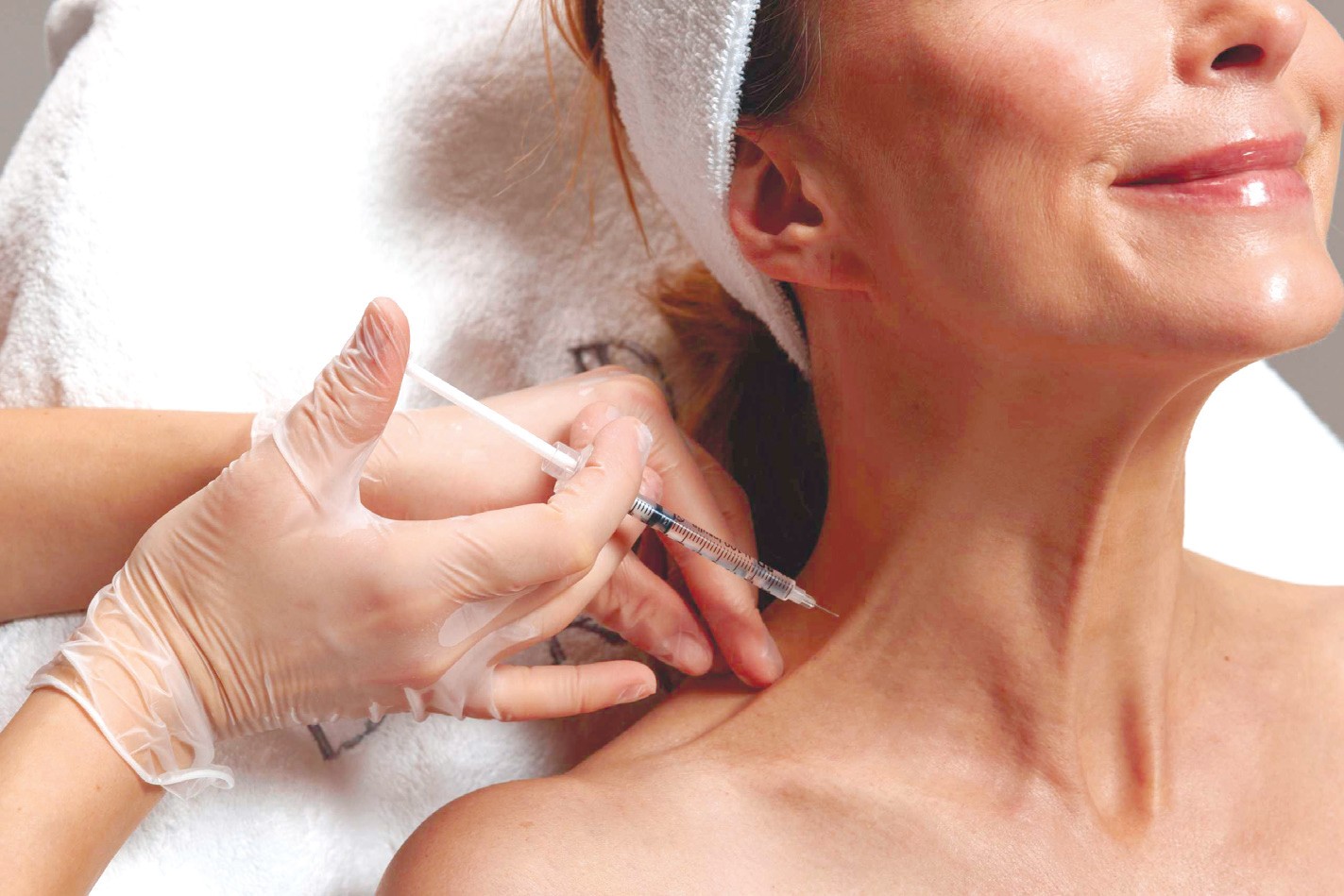
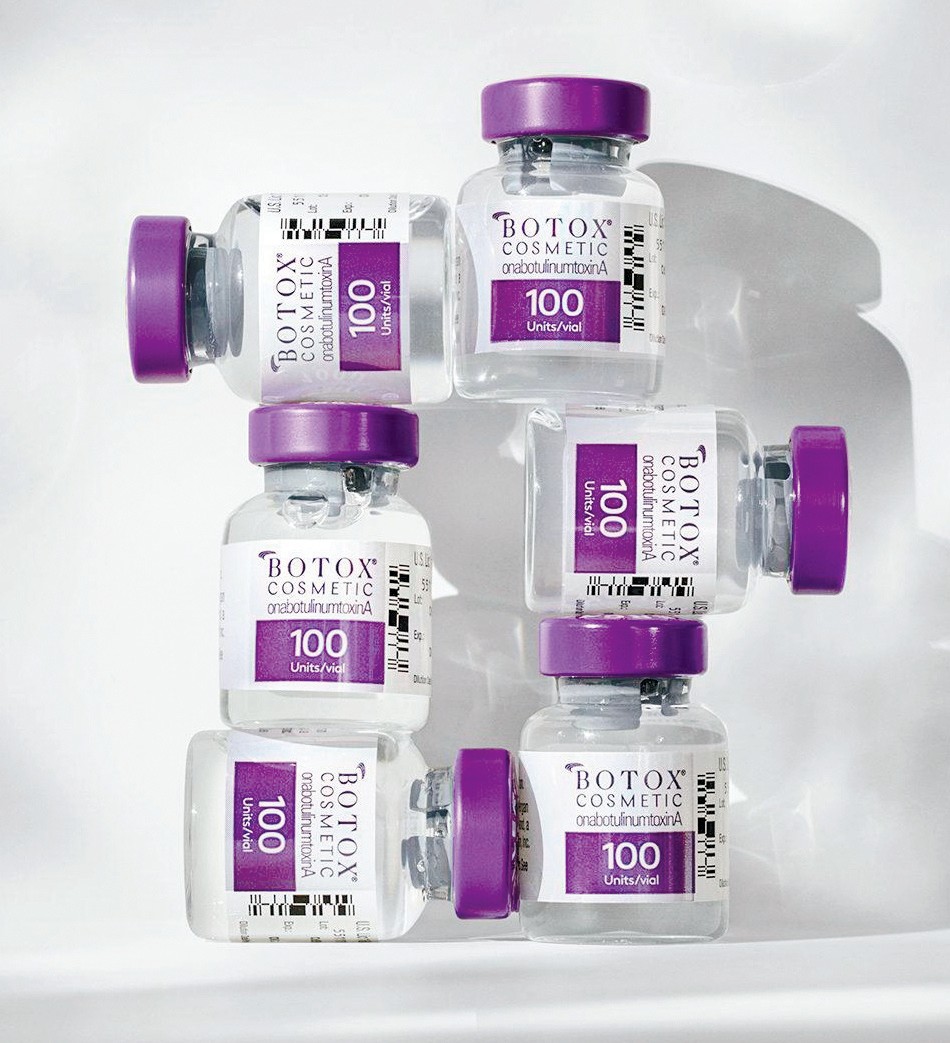
To understand the scale of the problem, one must first understand what Botox actually is. Botox is a preparation based on one of the most potent organic poisons: botulinum toxin. In nature, it is one of the strongest organic toxins produced by the bacterium Clostridium botulinum. Under certain conditions, the activity of this bacterium causes botulism—a severe form of food poisoning that attacks the nervous system and leads to paralysis of the respiratory muscles. In essence, modern cosmetology has managed to 'tame' a deadly toxin by isolating it in laboratories and purifying it for medical use. However, despite the micro-doses, the principle of action remains the same: temporary paralysis to achieve a controlled therapeutic effect. Its job is to temporarily 'disconnect' the communication between nerve and muscle. The nerve commands: 'Smile!' or 'Frown!'—but the muscle does not receive the message. It freezes. The skin ceases to crease, and wrinkles disappear.
But here lies the catch. The foundation of this trend was a famous study by American maxillofacial plastic surgeon William J. Binder, who observed twin sisters for thirteen years. One received regular Botox injections; the other, almost none. By the age of forty, the first appeared flawlessly smooth. Today, however, experts urge us to look deeper: the absence of wrinkles does not mean the face has remained young. It may simply have become lifeless.
The trap of 'muscular hibernation'
Why? Because our face is a complex, living structure. The scientific publication Journal of Biomechanics warns that any muscle which remains inactive for a prolonged period begins to waste and weaken. This is known as atrophy. At twenty, our facial muscles form a dense framework that holds everything in place. If we 'switch them off' with Botox for years, this framework thins. When the effect of the botulinum toxin wears off, the skin simply sags, because there is no longer a reliable support beneath it. Moreover, we cannot ignore the intricate design of our bodies. Research has shown that if we paralyse the forehead, the brain compels other muscles to work overtime. Consequently, young women develop strange, unnatural creases in places where they should not appear—for instance, around the nose or mouth.
Many notice that devotees of injections eventually begin to resemble one another: their faces appear puffy and swollen. There is a clear reason for this. According to medical science, the facial muscles act as natural pumps. When they contract, they 'pump' lymph and blood, eliminating excess fluid. If we paralyse these pumps during youth, we provoke fluid stagnation—lymphoedema. The face becomes spongy and heavy. Young women mistake this swelling for 'volume loss' and rush to get fillers—gels based on hyaluronic acid. Fillers are the complete opposite of Botox in terms of their mechanism. While Botox 'switches off' muscles to smooth the skin, fillers are gels introduced beneath the skin to create additional volume or 'push out' a deep wrinkle from within. At the same time, they act like sponges, attracting even more water. This gives rise to the 'pillow face' effect. As Australian researcher Gavin Chan has demonstrated using MRI, these gels do not dissolve without trace within six months. They can 'migrate' under the skin for years, sliding downwards and turning a young face into a formless mask.
A mask in place of living emotions
Why have we become so afraid of expression? Surveys indicate that women who begin injections before the age of twenty-five are, in 80 per cent of cases, unable to stop—not because of wrinkles, but because they have lost touch with their natural image. The current trend of injections at twenty is not merely a whim; it is the result of pressure from technology and economics. Humanity has turned its face into a 'business project' that it fears failing.
Psychologists blame this on 'social media dysmorphia'—a mental disorder characterised by an obsessive dissatisfaction with one's appearance, stemming from constant comparison with edited photographs on Instagram and TikTok. Having become accustomed to the perfect filters on our smartphones, we begin to perceive living skin, with its pores and creases, as a defect.
But by blocking the face, we also block feeling. There exists the 'facial feedback hypothesis': when we are unable to express an emotion with our face, our brain experiences it less intensely. A young woman with a 'frozen' face loses a degree of empathy and connection with her own self. She becomes convenient for the smartphone camera, yet 'mute' in live communication.
As American psychologist Renee Engeln observes, because of smartphones, we have become more obsessed with our faces than with our bodies. In the past, we might have seen ourselves in a mirror a couple of times a day. Now, thanks to smartphones, we gaze at ourselves for hours. Algorithms and filters have created an unattainable standard against which natural expression, in 4K resolution, is mistakenly perceived as a 'pathology'.
In a world where appearance is correlated with success, we are led to believe that ageing is a disease to be treated pre-emptively. Refusing injections at twenty-two is interpreted as a social failure and a sign of neglect. By erasing wrinkles, we erase our character as well. We fear growing up, blocking not only our wrinkles but also our capacity to express emotions fully, turning a living face into a static art object. Once, wrinkles were a symbol of experience and wisdom. But in a world that values only energy and drive, the 'adult' face has become unfashionable.
Is there an alternative?
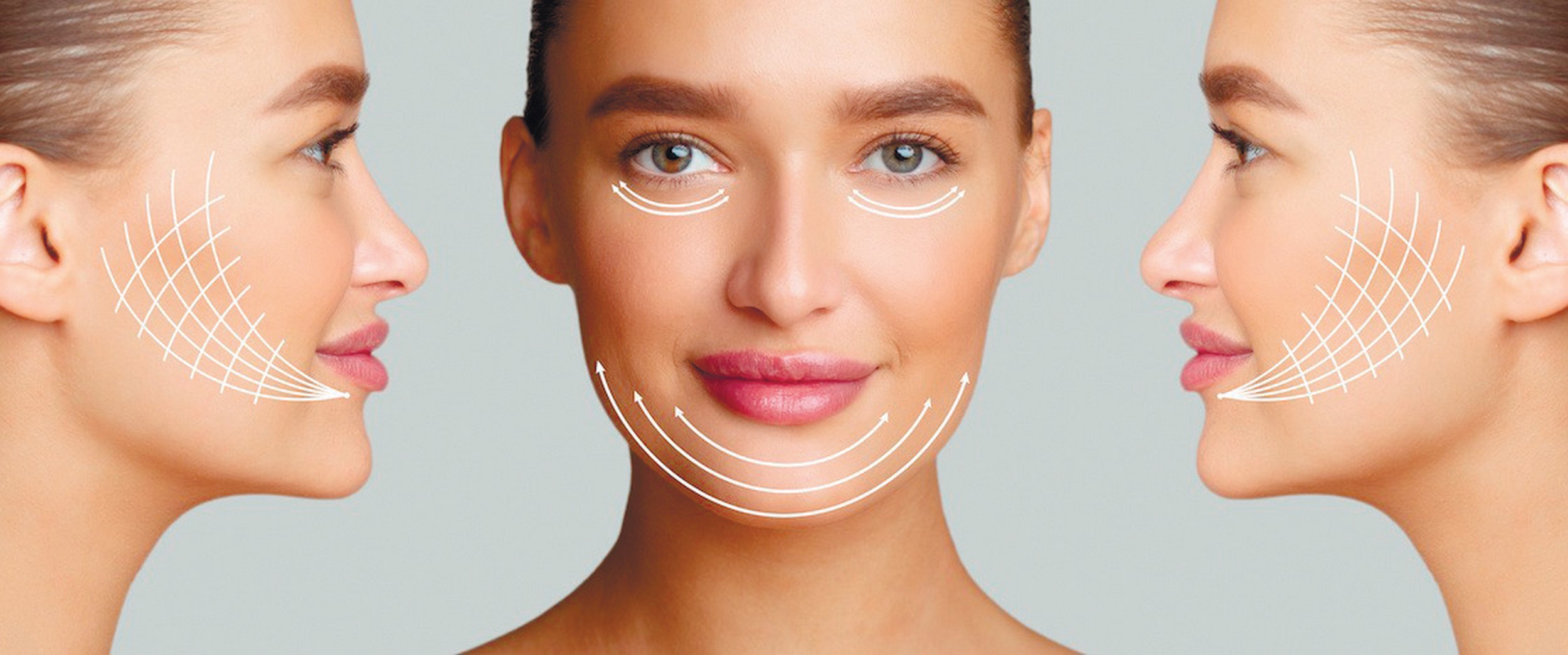
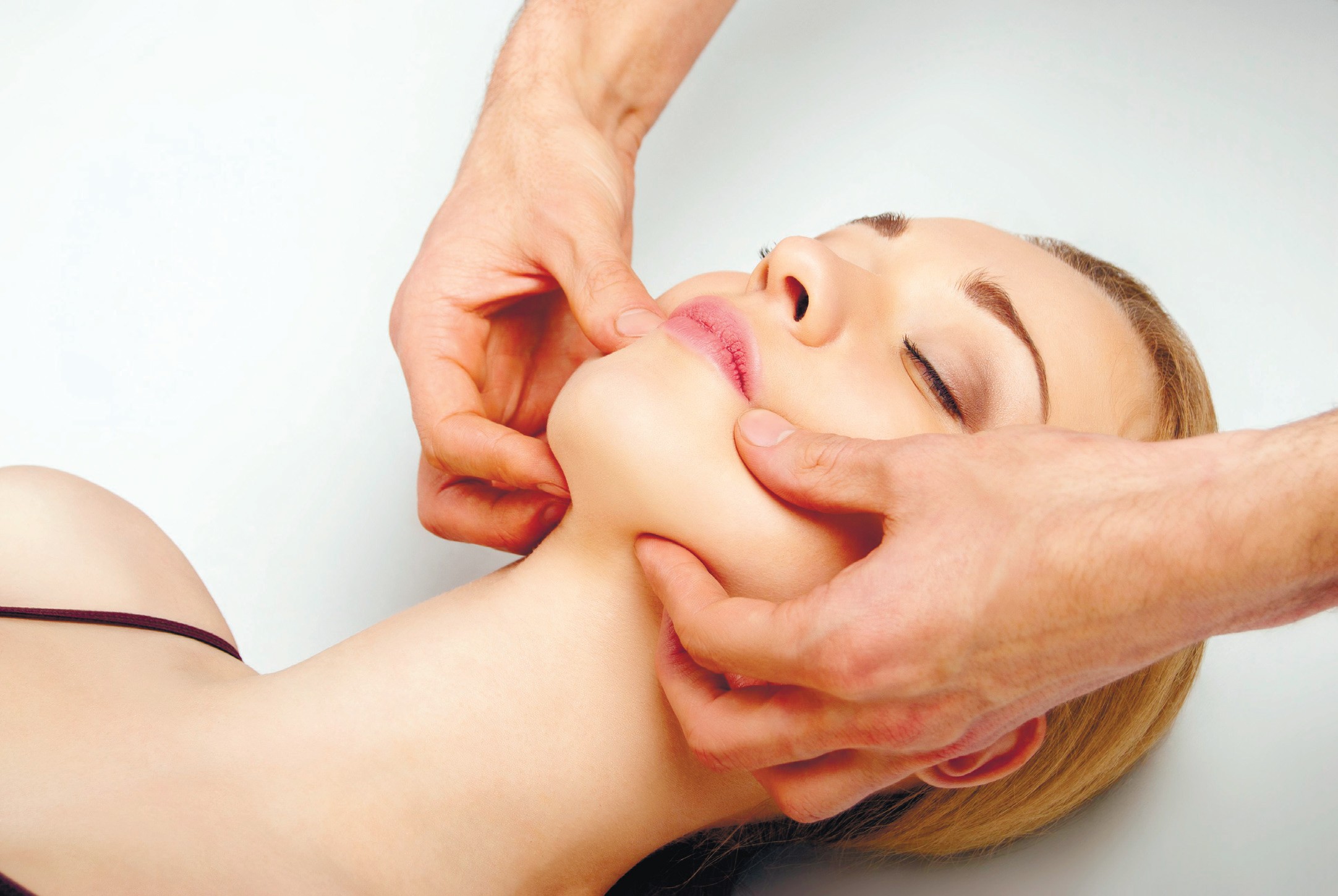
Fortunately, a new trend is now emerging in the support of a beautiful face and body: the promotion of youth through movement. At the heart of this trend lies the understanding that the face is not merely skin, but a complex system of muscles, fascia, and lymphatic vessels. It has been proven that regular facial exercises and massage can make a woman appear up to three years younger in just a few months. For decades, the French expert Joëlle Ciocco has been teaching her clients—among them world cinema stars such as Monica Bellucci and Catherine Deneuve—not to kill their muscles, but to revitalise them. Her method of deep buccal (intra-oral) massage restores tone and a defined contour to the face without a single injection. Ciocco maintains that the facial muscles should be elastic and strong, not paralysed. She teaches that the face is an organ that must 'breathe' and move. Cosmetic injections, in her view, represent the 'death of metabolism' for the skin.
It is time to acknowledge that early Botox is an attempt to borrow from one's own future, and fillers are a visual illusion that, in youth, creates an effect of freshness, but in the long term deprives the face of its true anatomical structure. By obtaining temporary smoothness today, one must pay for it tomorrow with the health of one's tissues. One would like to believe that in a world where everyone is becoming like identical mannequins, the most valuable currency in the future will be authenticity.
So before trusting in a needle at the age of twenty, it is essential to understand that the face is the story of your life, smiles, and thoughts. We should not allow marketing to turn it into a 'rough draft' for corrections. True luxury is to age beautifully, preserving a living gaze and a uniqueness that no filler can counterfeit.
RECOMMEND:
 158
158