

AT THE CROSSROADS OF THREE COUNTRIES
Basel as a hotspot between Switzerland, Germany and France
Author: Elchin HUSEYNOV, Baku–Basel–Baku
Landing at Basel Airport, you find yourself at a genuine European crossroads. The city quite literally stands at the junction of three countries: Switzerland, Germany and France. Already at the airport, you can choose which country to head to—just a few minutes by taxi or bus, and you are on German or French territory.
The German border is only 3 km away, France about 5 km. Even the most ordinary shopping trip or a walk along the Rhine embankment turns into a mini journey across Europe: you may start your day in the Swiss part of Basel and, half an hour later, be drinking coffee in a German suburb or dining in a small French restaurant.
Officially, Basel is Switzerland’s third-largest city and the heart of the German-speaking canton of Basel-Stadt. Its borderland location makes it truly unique: languages, cuisines, traditions and cultural influences of three countries intersect here. It is an ideal place to experience Europe in miniature, where a single day can become a journey through three countries at once.
Old town: a walk through the centuries
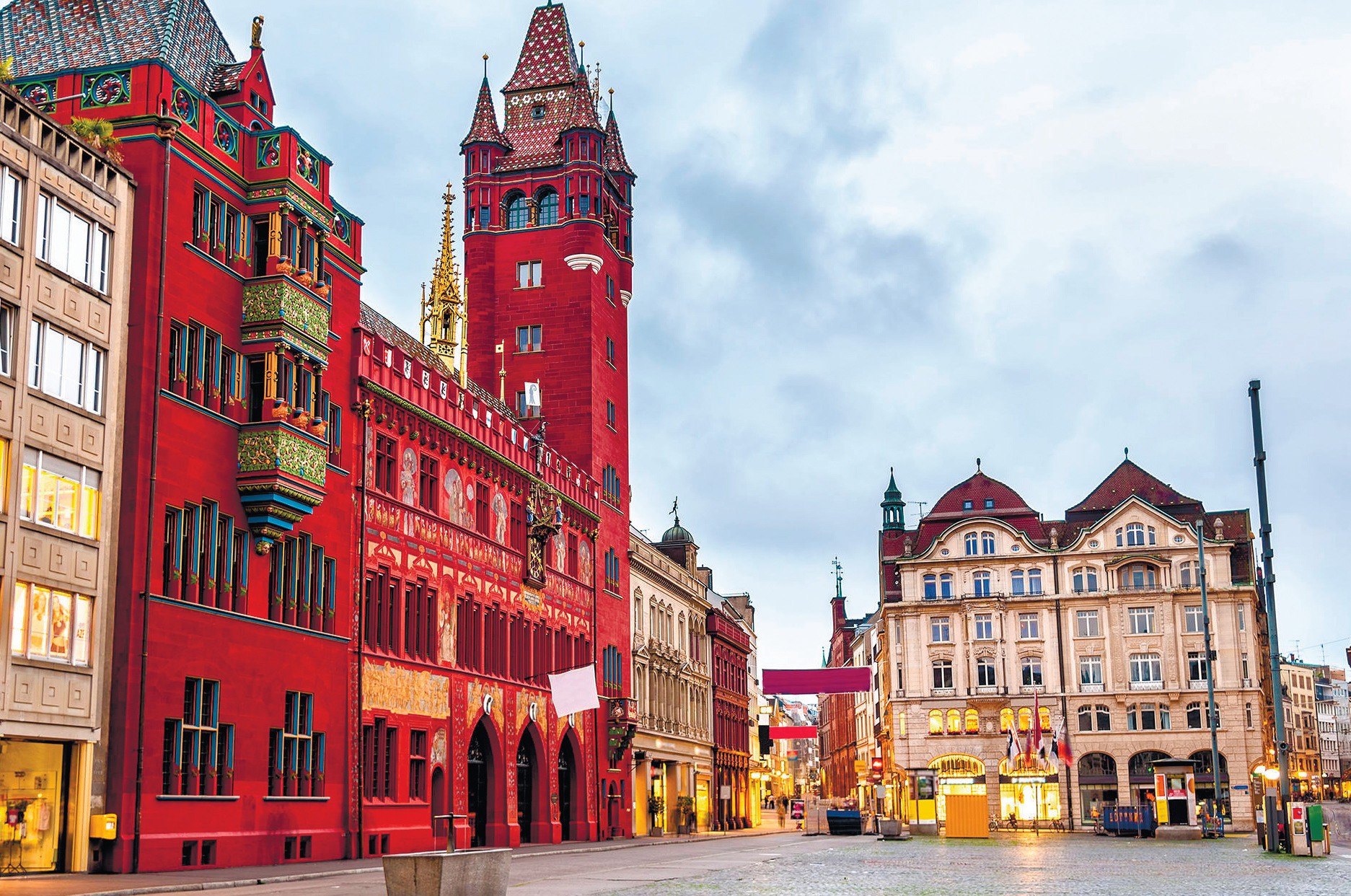
Visiting Basel’s old town feels like stepping into a time machine: every cobbled street and every historic façade tells the story of the city’s life over the centuries. A good place to start is the Town Hall (Rathaus) on Market Square: its red tower adorned with elegant frescoes and cantonal coats of arms seems to invite visitors inside to see how Swiss democracy has functioned for centuries.
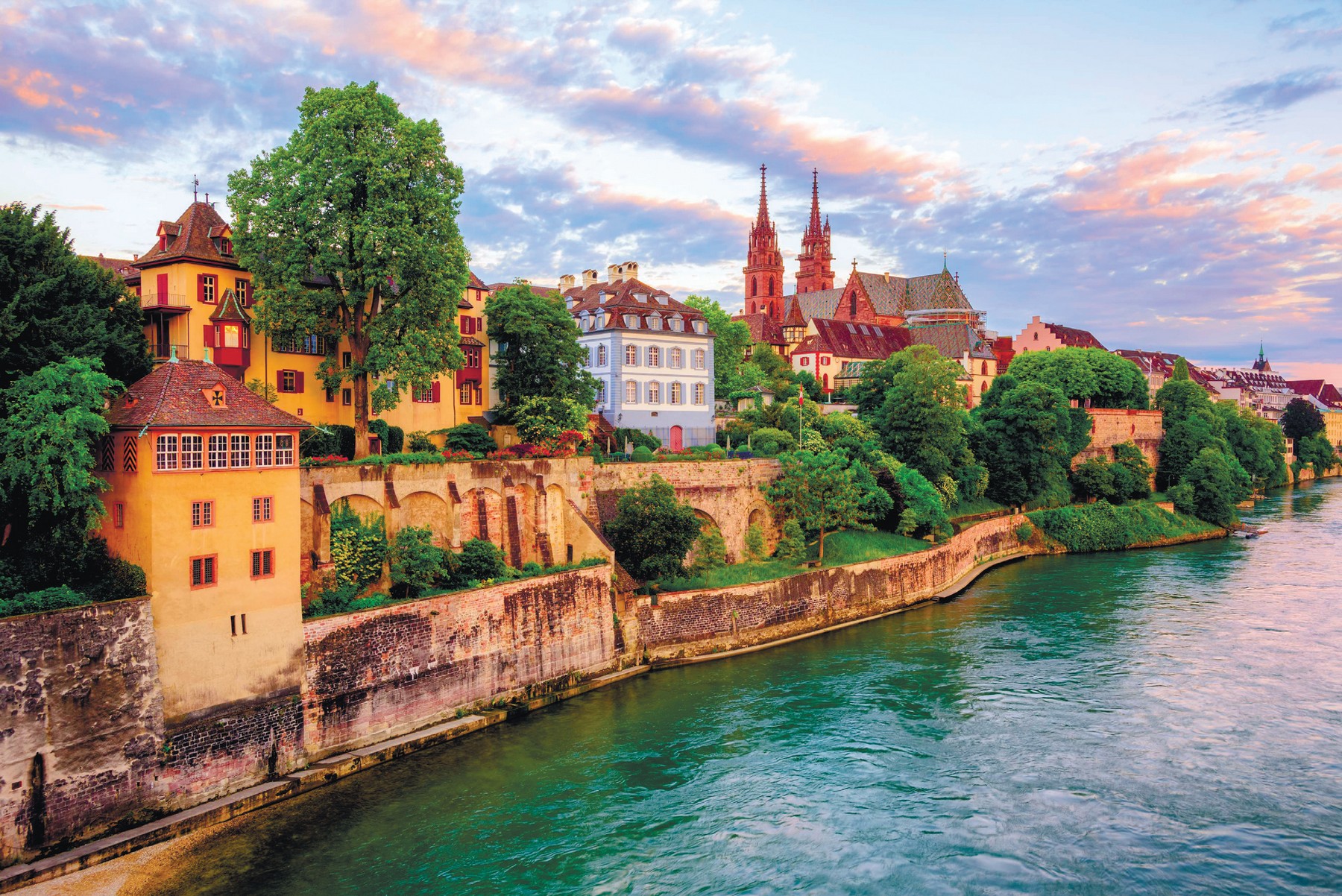
Just a few steps away stands Basel Minster (Basler Münster). Its majestic towers are visible from almost anywhere in the city, while the terrace offers a stunning view of the Rhine and the border towns of Germany and France. The cathedral combines Romanesque austerity with Gothic refinement, concealing intricate sculptures and stained-glass windows within.
As you stroll through the narrow streets of the old town, be sure to look into small courtyards and quiet squares—here you will find cosy cafés, boutiques and antique shops. The Mittlere Brücke, one of the oldest bridges across the Rhine, connects the old and new parts of the city and offers beautiful panoramas of the embankments and passing vessels.
Leaving the old town, you enter a different world—the world of art and culture. Basel is rightly considered Switzerland’s art capital, and for good reason. The city and its surroundings are home to around 40 museums. Kunstmuseum Basel houses one of Europe’s most significant collections of Old Masters and modern art—from Raphael to Picasso. Here, classical works stand alongside the avant-garde, and masterpieces of past eras harmonise remarkably with contemporary installations.
Equally impressive is the Fondation Beyeler, a museum where art is immersed in space: modernist masterpieces are surrounded by a sculpture garden, while transparent galleries allow natural light to flood in, creating the impression that the artworks breathe together with nature. For design and architecture enthusiasts, a visit to the Vitra Design Museum, located just a few kilometres from the city, is a must, offering a unique collection of furniture and design objects from the 20th and 21st centuries.
Basel lives and breathes art all year round: festivals, theatre premieres, music concerts and, of course, the famous Art Basel—the world’s largest contemporary art fair—take place here. Even an ordinary walk through the city centre becomes a cultural adventure: a street installation may await you around one corner, and a gallery showcasing local artists around the next.
Many will probably remember that in May 2025 Basel became the centre of Europe’s musical attention by hosting the Eurovision Song Contest after the victory of the performer Nemo in 2024.
Incidentally, Basel’s Christmas market is one of the largest and most beautiful in Europe. Across three squares—Münsterplatz, Barfüsserplatz and Claraplatz—rows of festive stalls offer gifts, sweets and hot drinks. The main Christmas tree and garlands adorning the historic streets create a special atmosphere, attracting both locals and visitors from around the world. The market blends seamlessly into the old town: you can wander along brightly lit streets, sample Swiss treats, buy unique gifts and simply immerse yourself in the festive mood—especially in the evenings, when the lights reflect in the waters of the Rhine.
The Rhine is Basel’s main artery and a natural reference point for walks. It divides the city and its historic centre into two parts: Gross Basel on the left bank and Klein Basel on the right. The embankments allow for leisurely walks from the old town to newer districts, observing the life of the city and the neighbouring regions of Germany and France. In summer, small ferries operating without engines—using only the river’s current—are popular on the Rhine. This is not a tourist attraction in the conventional sense, but a mode of transport for locals. The embankments are also ideal for cycling routes and relaxed walks, with spots for picnics and short stops overlooking the river.
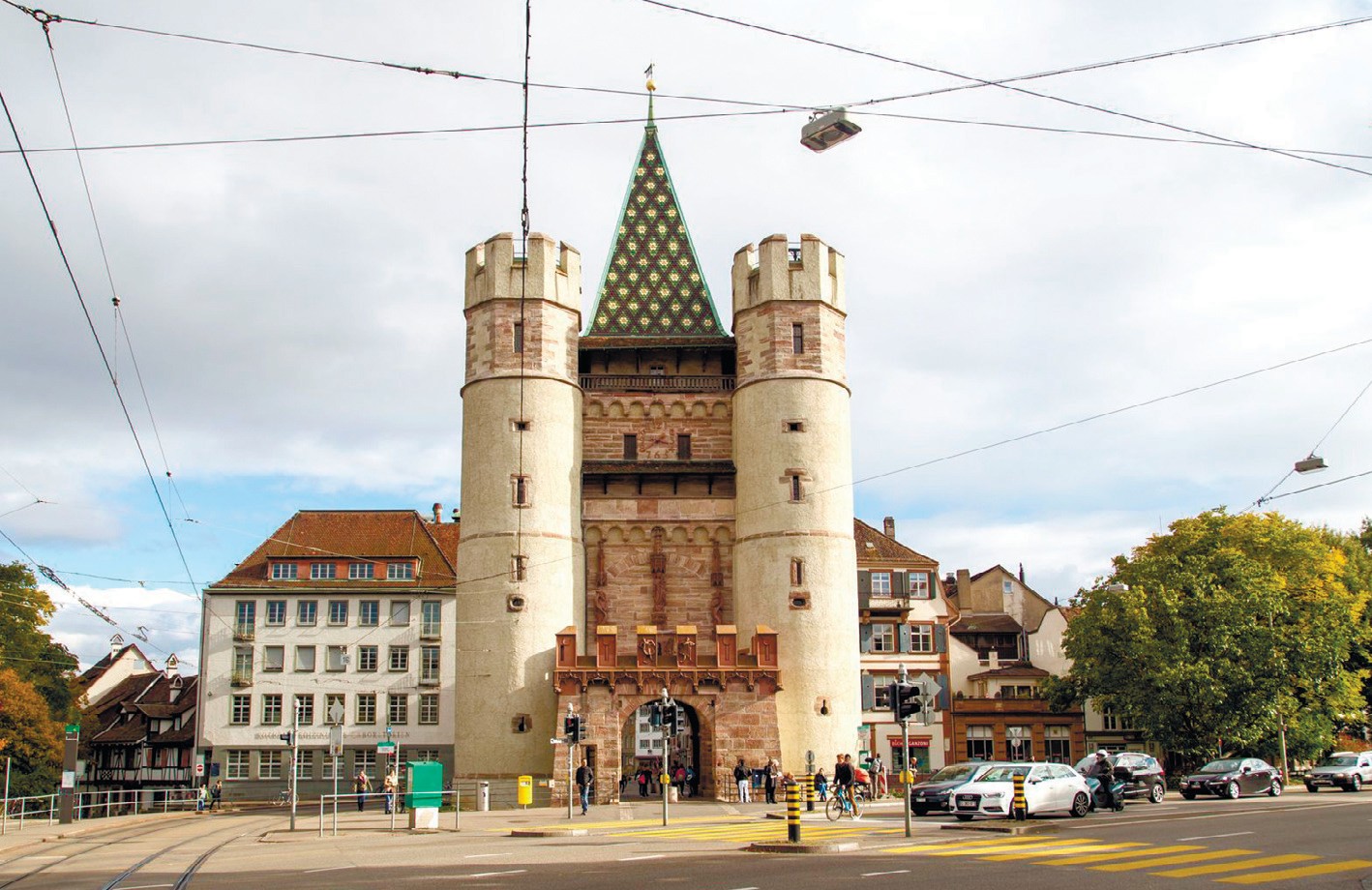
One of Basel’s symbols is the medieval Spalentor gate, built between 1387 and 1398. On its inner side, you can see one of the city’s six historic letterboxes, created in 1844, featuring the legendary Basel dove (Basler Taube). Remarkably, residents still use this letterbox for its intended purpose today.
Getting around for free, eating well, sleeping expensively
Getting around Basel is easy. The city offers a well-developed network of trams and buses connecting the old town with the outskirts and border areas of Germany and France. Tourists staying in Basel hotels receive the BaselCard, which allows free use of public transport throughout the entire stay. The BaselCard also includes free transfers to and from EuroAirport Basel-Mulhouse, as well as free Wi-Fi on public transport, in museums and on city streets. Cardholders receive discounts of up to 50% on museums, excursions and Rhine cruises, including boat trips and cycling tours. The BaselCard is issued automatically upon check-in at a hotel, apartment or hostel—some hotels even send it in electronic form in advance.
Bicycles are popular with both tourists and locals: several rental stations allow you to hire a bike for about 2 francs per hour, while pedestrian routes along the Rhine make walking pleasant and safe.
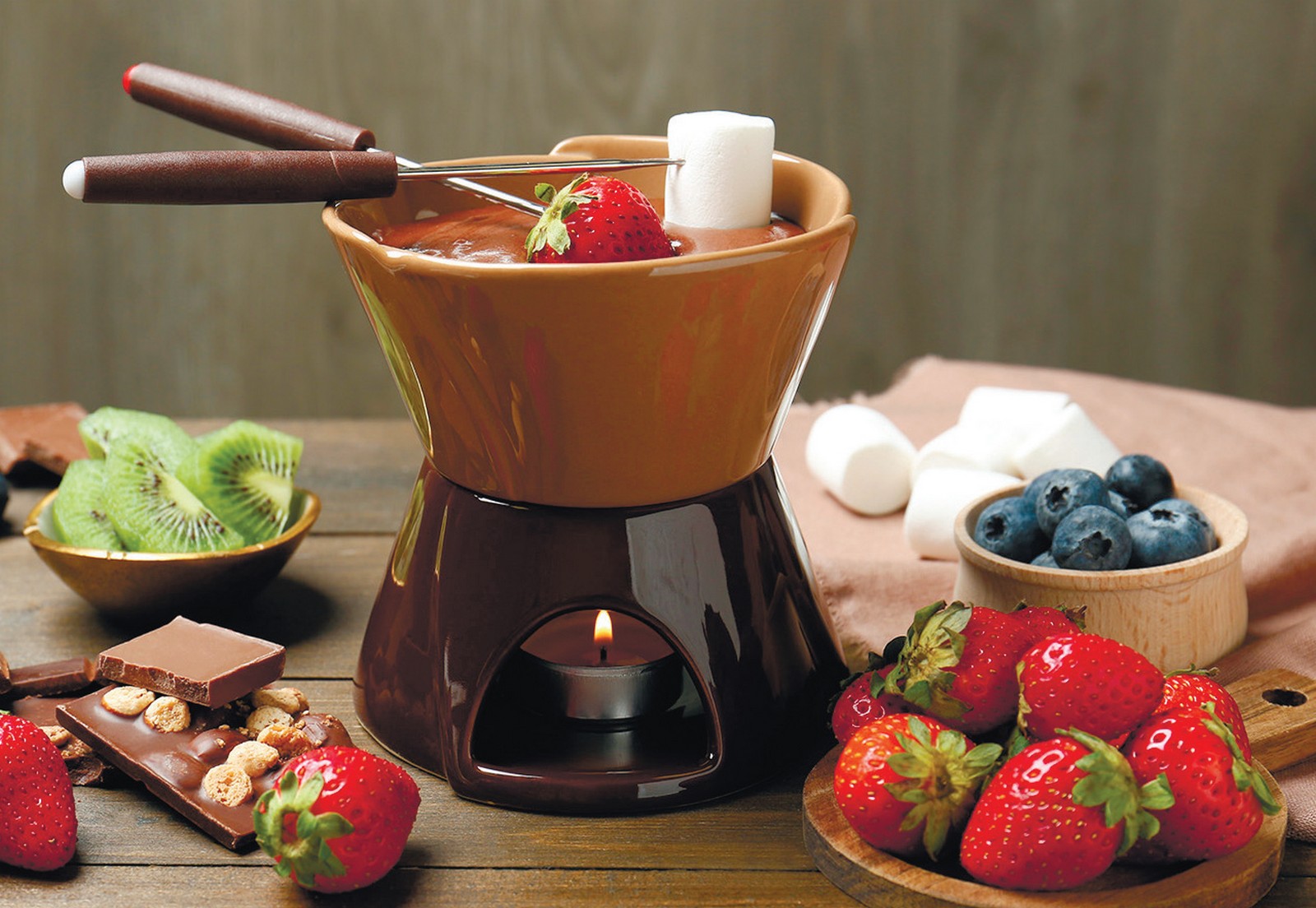
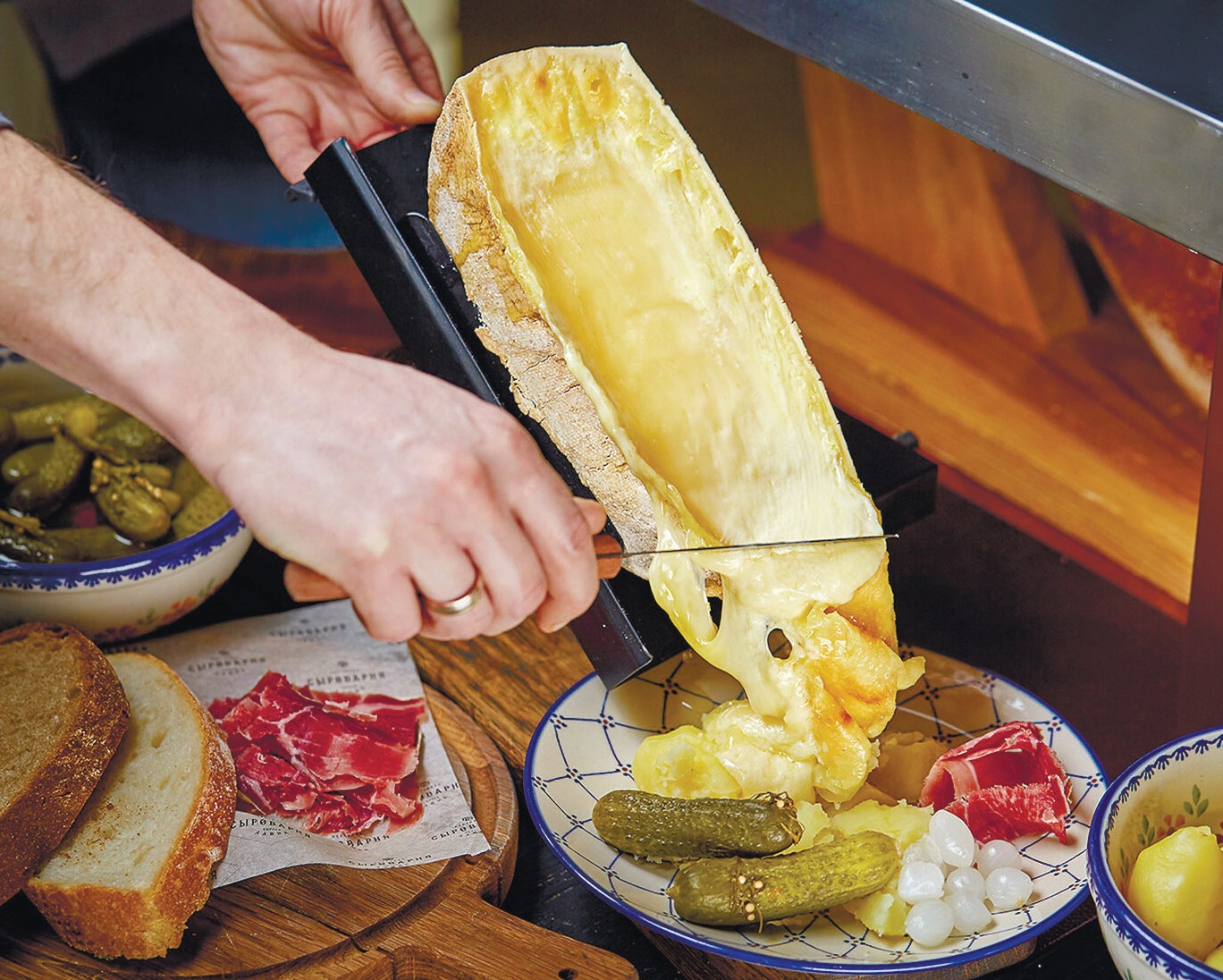
Basel also attracts gourmets. In the old town and along the embankments, you will find classic Swiss restaurants serving fondue (melted cheese, chocolate or butter) for 25–30 francs per portion, and raclette (special melted cheese) for around 28 francs. The traditional dish rösti (potatoes with cheese) costs about 15–20 francs. For a more substantial meal, Zürcher Geschnetzeltes—thinly sliced meat in a creamy sauce, usually served with rösti—is a popular choice. For breakfast or a light snack, try Basler Brot, a traditional bread with a soft crumb and a crisp crust.
Those preferring something quick and informal should visit Markthalle Basel, a covered market offering products from across the region: fresh cheeses, bread, seasonal fruit and local delicacies. A meal here costs 10–20 francs, while a small cup of coffee is 4–5 francs. It is an easy way to grab a bite and sample local produce without going to a restaurant.
Sweet-toothed visitors will appreciate local chocolate and confectionery shops: handmade chocolate bars cost 6–15 francs, while mini desserts in cafés are priced at 5–7 francs per portion. French influence is evident in croissants and tarts, while German traditions appear in pies and sausage-based snacks. Among local sweets, Basler Läckerli—spiced biscuits with honey, nuts and candied fruit—and Mässmogge—soft sweets with a nut praline filling—hold a special place.
If you plan to try local cuisine or visit cafés, it is better to do so earlier in the day or after lunch, as popular spots—especially along the embankments and in the old town—can become overcrowded with tourists and locals alike.
Naturally, accommodation in Basel is available to suit all tastes, but whether it is budget-friendly is another matter. As elsewhere in Switzerland, a double room costs no less than 260 francs per night. In the budget segment—such as hostels or modest hotels—you may find options from 90 to 120 francs, and even then not during peak season. Mid-range hotels, typically three-star, range from 140 to 250 francs, depending on location and season. For those seeking comfort without excessive luxury, this category is considered optimal.
Hotel location has a significant impact on price. The closer to the old town and city centre, the higher the cost—but also the greater the convenience for sightseeing. More affordable options are usually found on the outskirts, from where the centre can be reached by tram or bus in 10–15 minutes. During high season and major exhibitions or festivals, which are fairly frequent here, prices rise, so booking in advance is advisable.
Visiting Professor Moriarty
Basel is an excellent starting point for short trips to neighbouring countries. Just half an hour by train brings you to Freiburg in Germany. The journey is quick and easy, making it ideal for a half-day or day trip. A walk through the old town with its narrow streets and cosy squares, combined with a visit to local cafés, allows you to feel the contrast between German and Swiss atmospheres without spending much time on travel. With early booking, tickets are very affordable, and even standard options remain comfortable and reasonably priced.
For a touch of French flavour, Strasbourg is well worth a visit. Trains from Basel take about an hour and twenty minutes, allowing you to leave in the morning, spend the day there and return in the evening. Strasbourg, with its historic streets, picturesque canals and distinctive architecture, differs markedly from Basel. In just a few hours, you can enjoy French cuisine, cafés and the city’s unique charm.
Basel is also highly convenient for short trips to nearby towns and regions. Less than an hour away lies Colmar in France—a fairy-tale town with half-timbered houses, canals and the “Little Venice” district. Must-see highlights include the old town, the Unterlinden Museum and a canal-side walk with a glass of local wine.
In about an hour, you can reach Lucerne, located on the shores of its lake, offering Alpine panoramas, medieval bridges and towers. Here you can stroll across the Kapellbrücke, take a boat trip on the lake, ascend Mount Pilatus or Rigi, and visit the Transport Museum.
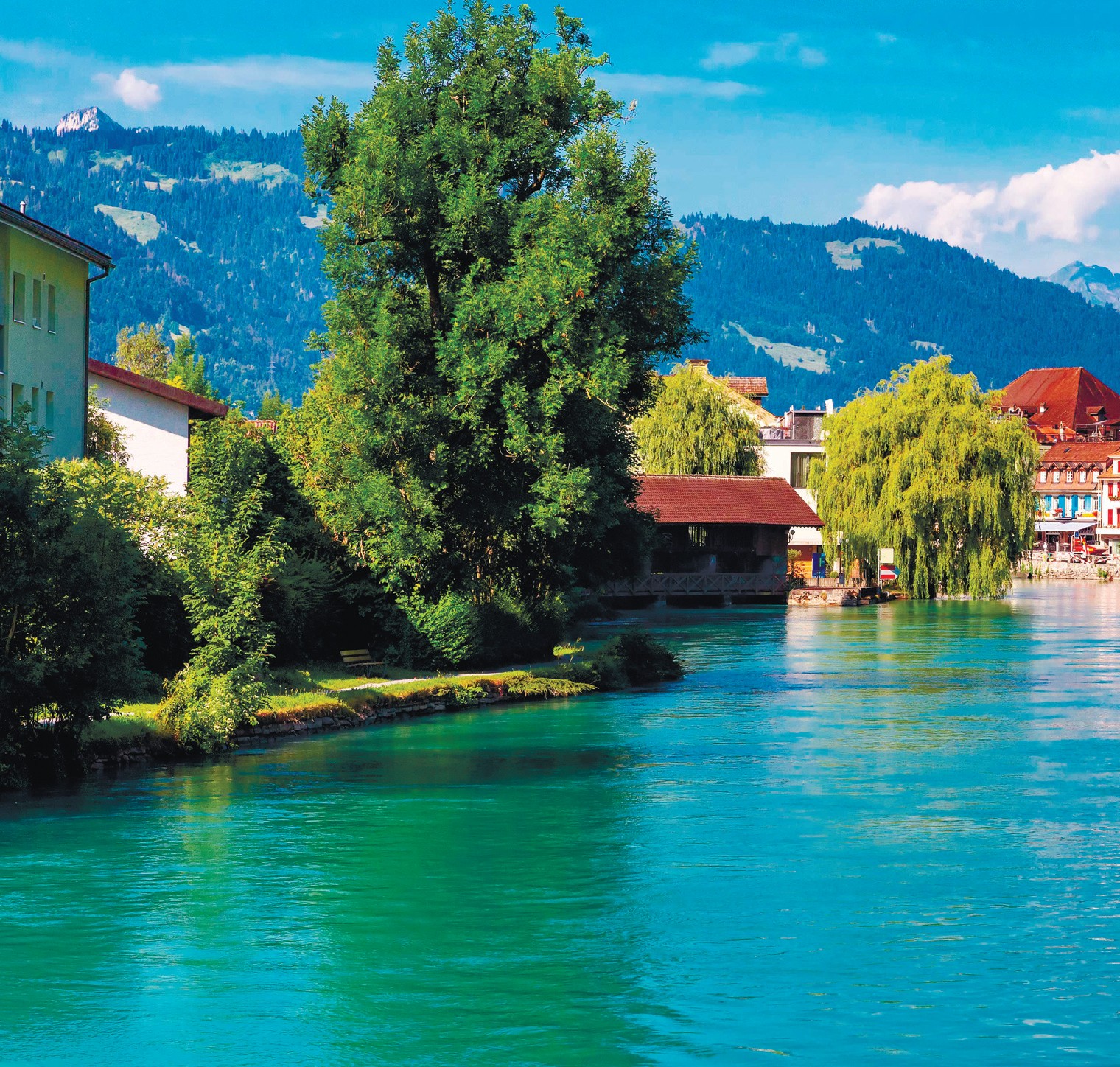
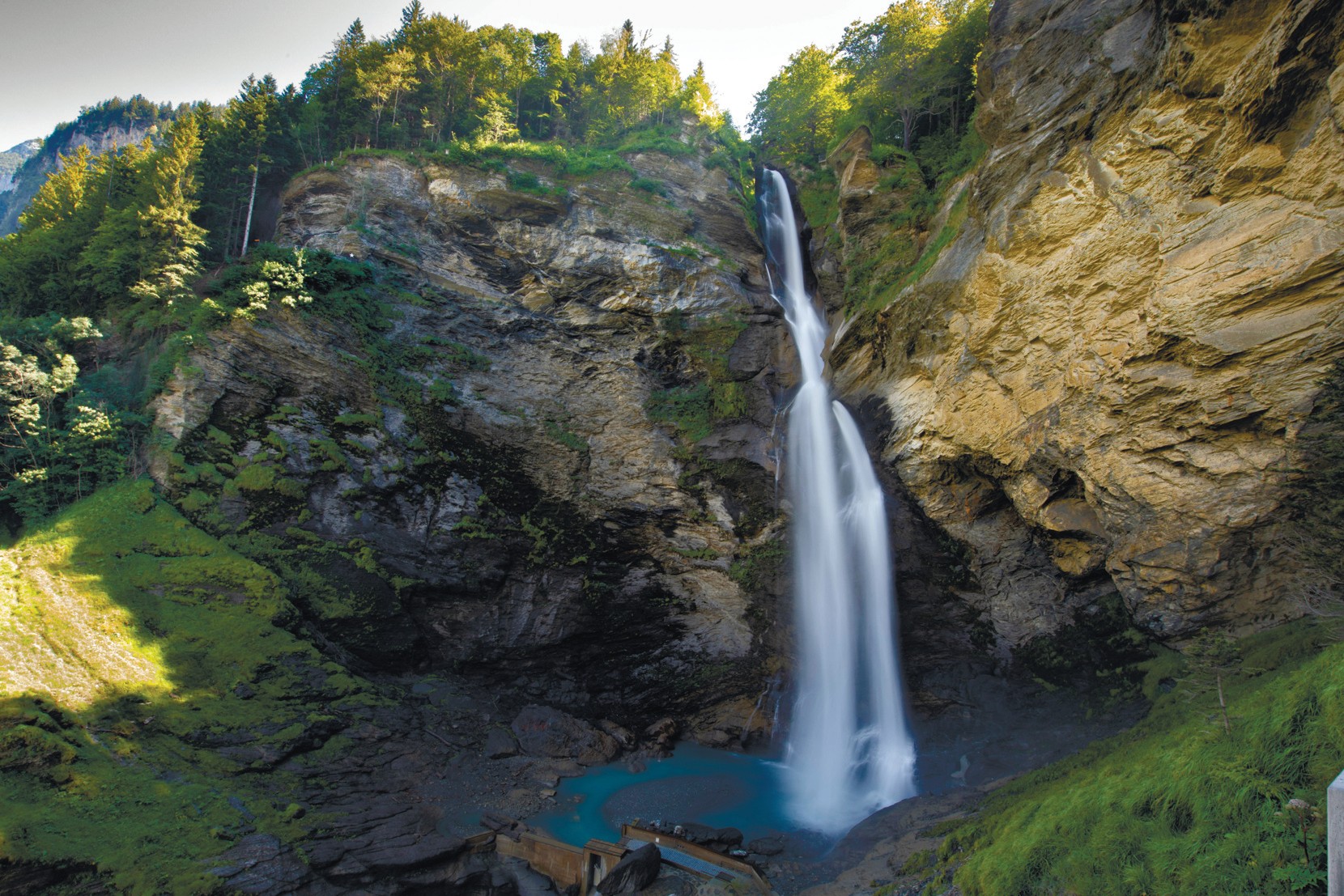
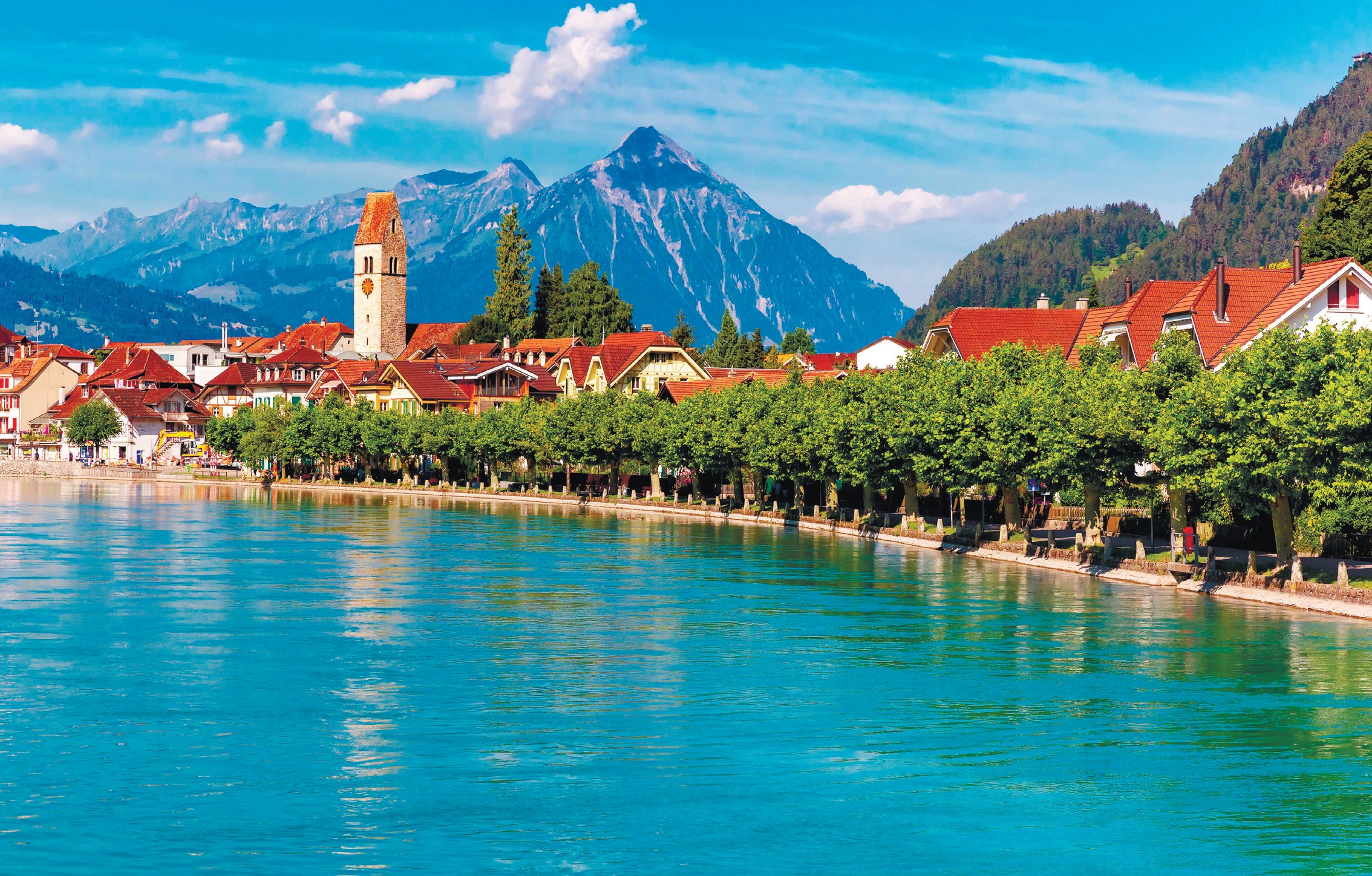
The Reichenbach Falls and the town of Interlaken are about 70 minutes from Basel. According to legend, this is where Sherlock Holmes engaged in his dramatic confrontation with Professor Moriarty. Nearby lies Lake Brienz, surrounded by mountains.
Wine enthusiasts will enjoy the Alsatian villages of Eguisheim, Riquewihr and Ribeauvillé. Each looks like a postcard come to life, with winding streets, white wines and local festivals.
Another option for a day trip is Switzerland’s capital, Bern, with its remarkably preserved medieval old town, a UNESCO World Heritage Site. Lovers of nature and tradition may head to Triberg, famous for its waterfalls and cuckoo clock workshops. More distant routes lead to Zermatt—a car-free town at the foot of the Matterhorn, offering breathtaking mountain views.
For those wishing to venture beyond the city, a one-day tour from Basel to Germany’s Black Forest is available, featuring nature, lakes and forest villages.
Private tours are also an option for those who prefer comfort. For example, a car tour from Basel to Colmar and Strasbourg (or similar destinations) with a personal driver and same-day return is offered. This format is convenient for one to three people.
Basel’s transport system makes it easy to visit museums, markets and neighbouring countries alike. You can afford small journeys every day here, without feeling exhausted. This is a city where one could live for months, returning to the airport each time as if to the beginning of a new story. Simply choose a direction—the rest will be taken care of by Basel.
RECOMMEND:
 122
122

