

TECHNOLOGICAL BOOM ON THE CASPIAN
Production, exploration and pipelines form a stable model of BP’s presence in the region
Author: Nurlana GULIYEVA
The global energy transition has not diminished the importance of traditional hydrocarbons for the world economy; on the contrary, it has intensified competition for resources, infrastructure and technological advantages. In this context, Azerbaijan holds a distinctive position in the strategic considerations of major international energy companies, owing to a unique combination of a well-established production base, geographic location and institutional stability.
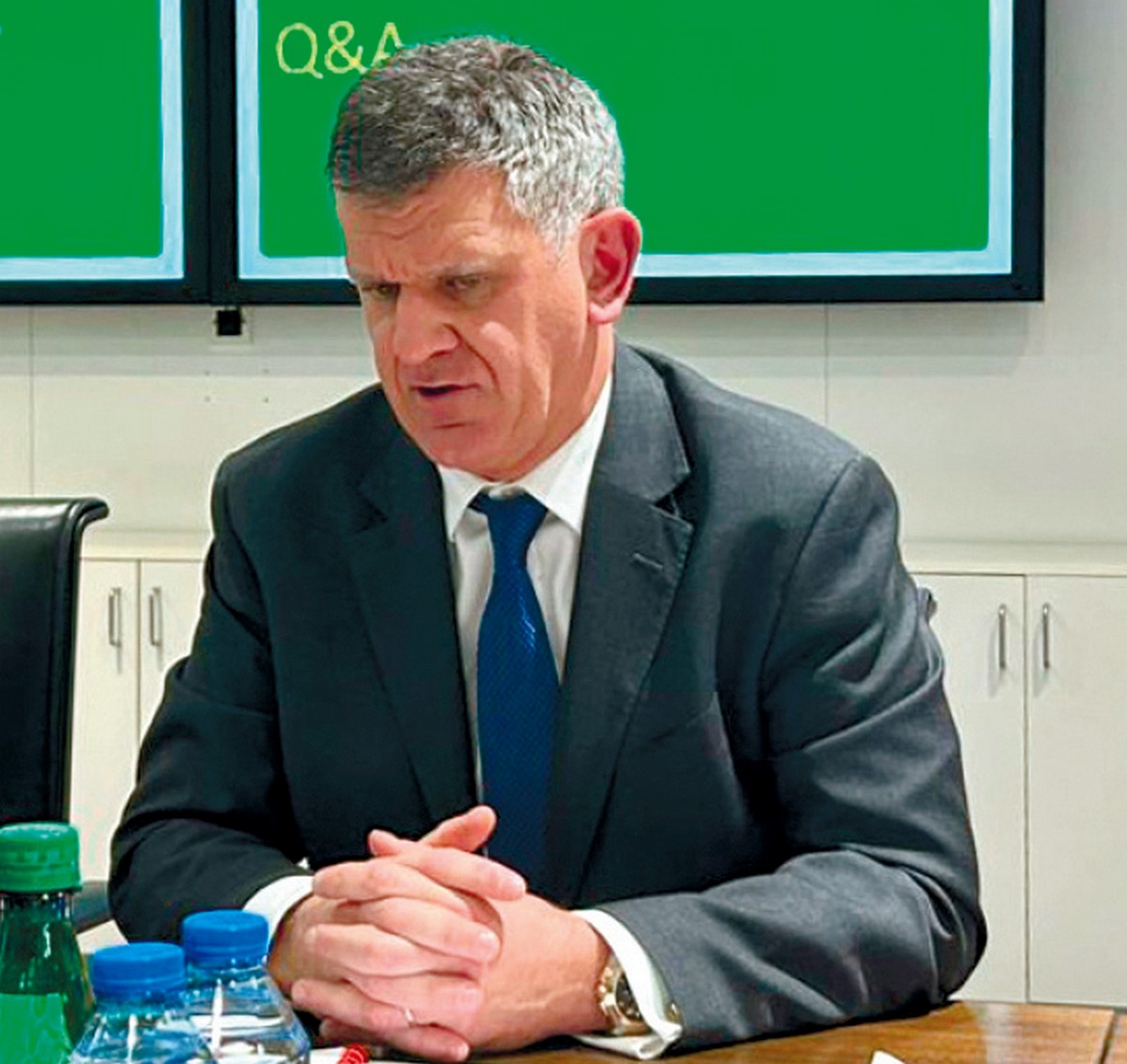
At a press conference in Baku, Giovanni Cristofoli, the Regional President of BP for Azerbaijan, Georgia and Türkiye, outlined the company's view of the country. He stated that it is not only a reliable resource hub, but also one of the key centres for further growth in the Caspian basin. For BP, this entails simultaneously addressing three priorities—technological enhancement of existing fields, exploration of new extraction opportunities, and maintaining export resilience through strategic pipeline routes.
Production innovations
BP recognises the importance of the investment-friendly environment established by the Azerbaijani government, as emphasised by Cristofoli. "All actions are taken to encourage business development. This will provide further momentum to the overall growth of the country's economy," he said.
The regional director has stated that BP's business in this region plays a crucial role for the company on a global scale. "From a financial perspective, our operations in this region are very important to the company," he added.
In line with current trends, BP is actively implementing cutting-edge technological developments, with the Azerbaijani sector of the Caspian effectively serving as an experimental ground.
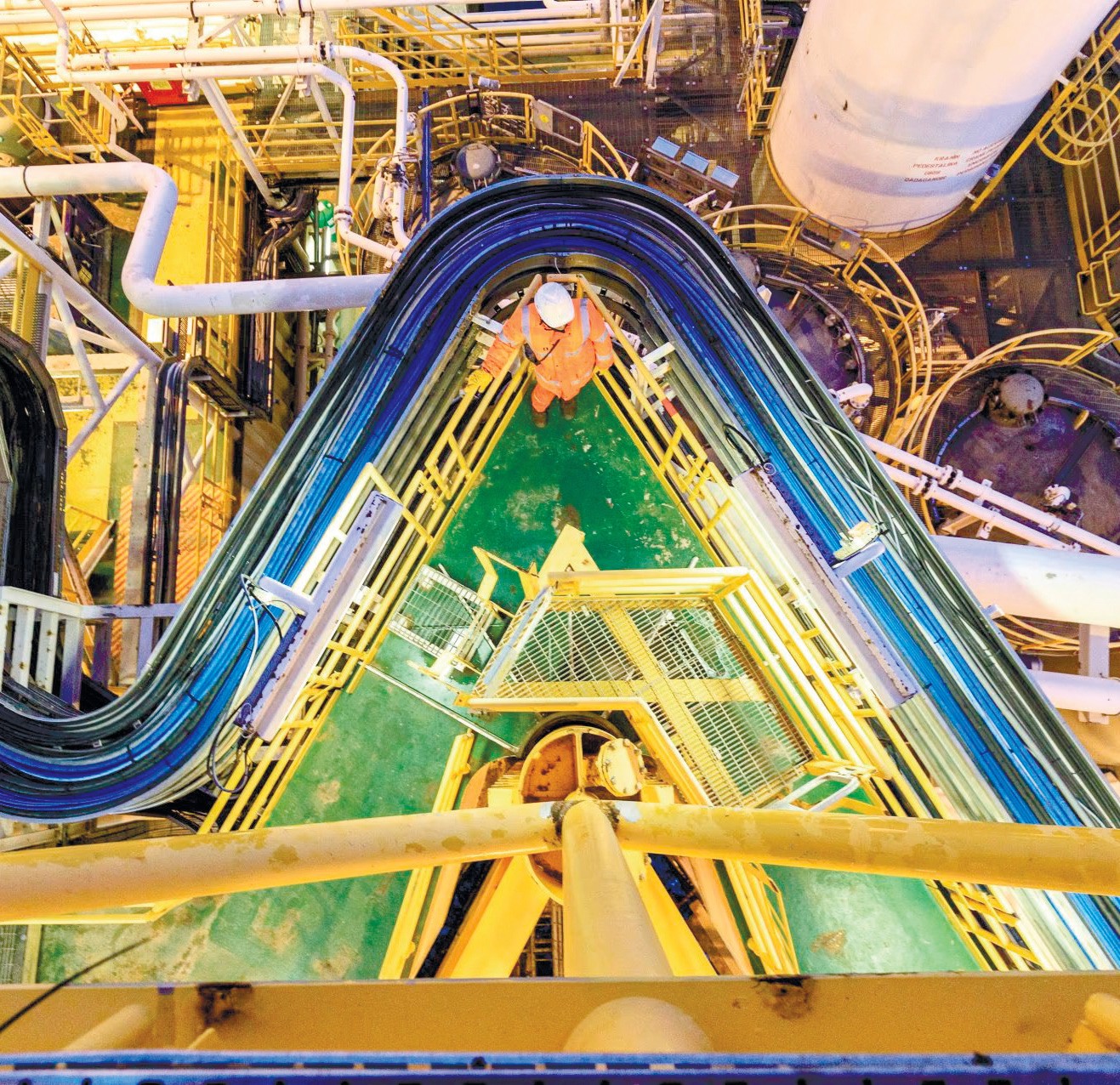
Preserving high efficiency in mature fields is contingent on technological modernisation. This is particularly pertinent for the Azeri-Chirag-Gunashli (ACG) block, which continues to be the nation's primary oil asset. Cristofoli noted: "ACG is one of the largest and most important fields on the planet. Our management of this field is widely regarded as being among the best in the industry."
In practice, this involves transitioning from conventional exploitation to intelligent reservoir management. The company has increased drilling activity without rising costs: "Thanks to our collaboration with SOCAR and our drilling contractors, we have successfully achieved a 30% increase in well penetrations using the same equipment and at the same costs. This is a prime example of efficiency," stated the regional president.
It is crucial to have precise access to oil-saturated zones. As reservoir productivity naturally declines, managing reservoir pressure becomes critical. This is achieved through targeted injection of water and gas into specific sections.
Concurrently, BP is implementing state-of-the-art geophysical techniques. The company conducts seabed seismic surveys using high-precision marine nodes, enabling three-dimensional mapping of reservoir structures with an unprecedented level of detail.
One outcome of this precision was that one of the most technologically challenging wells drilled in recent years was completed successfully. "We recently completed the drilling of a horizontal well measuring 1,100 metres in length, which was strategically positioned directly above an aquifer layer. This approach enabled us to circumvent the extraction of water, while successfully identifying and accessing the oil-bearing formation. Picture a horizontal well over a kilometre long—1.1 km—placed just a few metres from the target zone within the reservoir," Cristofoli emphasised. This represents ultra-precise drilling trajectory control, allowing the extraction of additional hydrocarbons from previously hard-to-reach zones.
These technological innovations have also changed how ACG platforms undergo maintenance. The upcoming maintenance plan for the Central Azeri platform, scheduled for around August this year, will be unique: due to improved technical procedures, the platform will not be fully shut down for the first time. Maintenance is scheduled to take place over a period of 11 days, during which only the gas facilities of Central Azeri will be affected. Oil production from the platform will continue," Cristofoli explained.
These achievements are of particular significance within BP's overarching strategy. The company's global strategy is to increase oil and gas production. We are committed to expanding our hydrocarbon operations, and Azerbaijan is well-positioned to support this strategic initiative," he asserted.
New horizons
While the primary focus of technological modernisation is to support existing fields, another key priority is to identify new resources. Here, BP focuses on parallel development of geological exploration and infrastructure design to reduce time between reserve confirmation and production start.
The most notable example of this is the Garabagh field, where BP has already initiated the design process for future facilities.
A distinctive feature is the new production architecture, which will see underwater wells used without the need for a separate platform. These will connect to the existing Deepwater Gunashli platform, thereby reducing capital expenditures and shortening start-up times.
Furthermore, the pipelines will be fully constructed onshore and then slid into place at the field. This technology mitigates the risks associated with marine construction, enabling the creation of shore-based production infrastructure that is well-suited for future projects.
Concurrently, extensive seismic surveys are underway to identify offshore gas prospects, with the objective of "locating new potential gas reserves in various parts of the Caspian."
The Shafag-Asiman project, which is being implemented jointly with SOCAR, remains a key area of interest. According to Cristofoli, this partnership has strengthened the project and raised expectations for further exploration work.
Another significant growth area is the substantial deep gas reserves at ACG. A new well is scheduled to be drilled in deep horizons during the summer months. "This will allow us to study a new part of the reservoir that could yield substantial gas volumes," said the regional president. With estimated reserves of 4 trillion cubic feet, this represents a new stage of monetising existing ACG infrastructure through 2049.
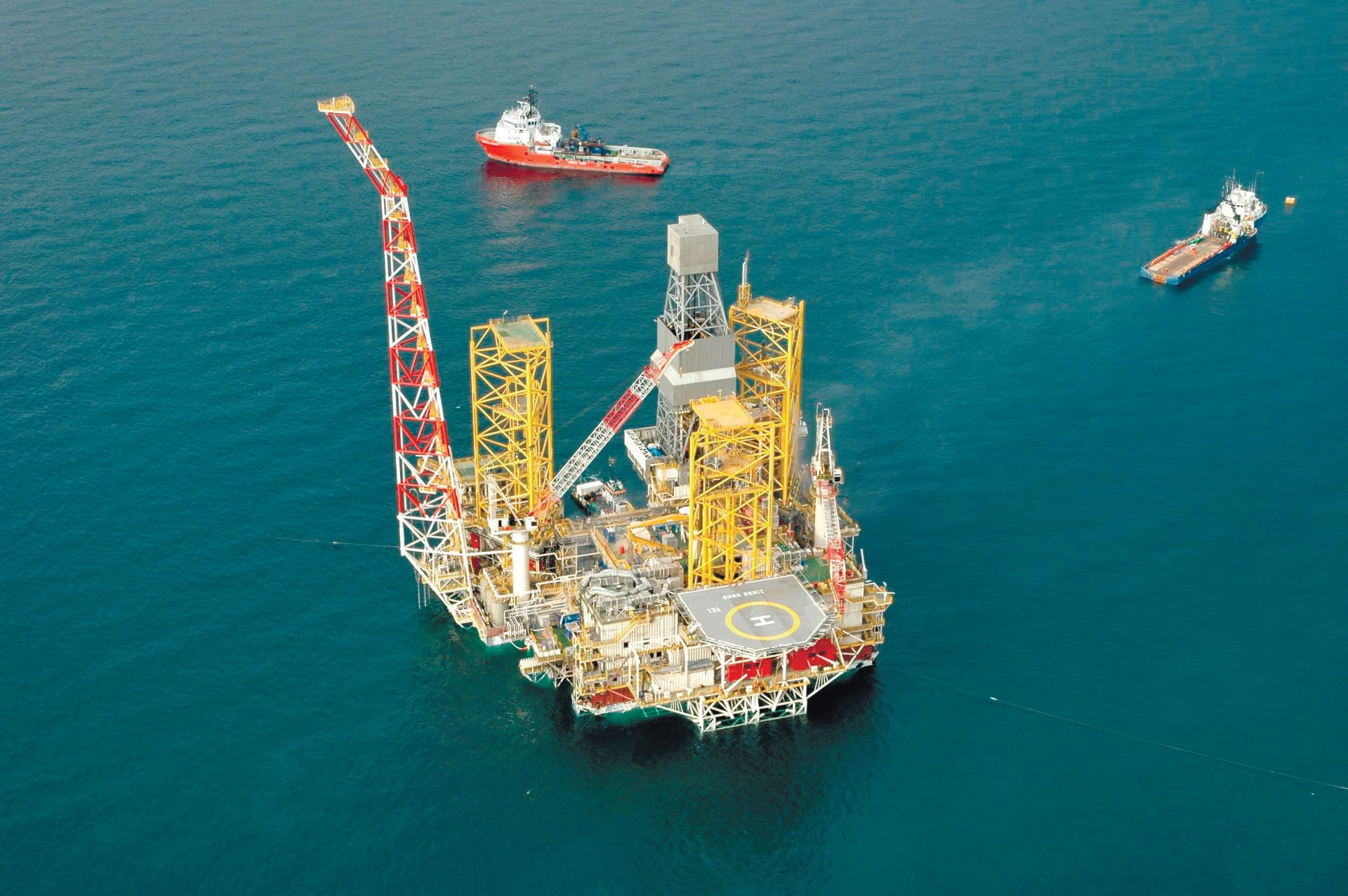
Meanwhile, full implementation of the Shahdeniz project continues. Despite the sanctions imposed on Russian company LUKOIL, BP confirms the resilience of its operational model.
“Management of our share and revenues within this project complies strictly with US and EU sanctions, allowing us to continue operations without violations. This is not new for Shahdeniz: companies from sanctioned countries have worked on this project for many years under similar arrangements,” Cristofoli noted, citing Iranian company NICO as an example.
This approach is coordinated with SOCAR, the Azerbaijani government, as well as with the European Union and US authorities. Therefore, operations at the field continue fully within existing international regulations. This ensures uninterrupted gas supplies to Europe amid rising demand for alternative routes.
Export resilience
The third strategic dimension relates to export stability. For Azerbaijan, production is inextricably linked to transportation issues, with pipelines playing a pivotal role in ensuring regional energy security.
A particular focus of the meeting was the future operational control of the Baku-Tbilisi-Ceyhan pipeline. Cristofoli emphasised that discussions concerning the transfer of operator status are not initiated by BP: "This is stipulated in a contract signed 30 years ago. We are merely fulfilling contractual obligations."
A sophisticated continuity control system is maintained. He confirmed that the company has a change management process in place to ensure that this transition will not disrupt operations. This process encompasses the methodical transfer of technical documentation, contractor agreements, service bases and maintenance procedures, ensuring seamless continuity without compromising transit security.
Please be reminded of the announcement made by BP in December 2025 regarding the initiation of discussions with the relevant authorities on the necessary measures for operator transfer concerning the Baku-Supsa and Baku-Tbilisi pipelines.
As BP has highlighted, the operation of oil and gas export pipelines must be transferred to governments or state bodies within the specified deadlines outlined in the agreements.
In accordance with the aforementioned agreements, the operation of the South Caucasus Pipeline was transferred to SOCAR in both Azerbaijan and Georgia in 2021. The agreements also stipulate the transfer of operations for the Baku-Supsa and BTC pipelines to designated bodies in Azerbaijan, Georgia and Türkiye at predetermined times. Discussions are ongoing to plan necessary steps in a timely manner," BP Azerbaijan stated.
The BTC pipeline plays a crucial role in the transportation of oil from ACG and condensate from Shahdeniz, ensuring seamless connectivity between Sangachal terminal on the Caspian coast and Ceyhan marine terminal in Türkiye. Furthermore, it is involved in the transportation of oil from Turkmenistan and Kazakhstan. The project was initiated in June 2006 and completed by the Baku-Tbilisi-Ceyhan Pipeline Company, which is operated by BP.
Thus, Azerbaijan remains one of few energy jurisdictions where production growth, new projects and export infrastructure develop in sync. Consequently, technological depth achieved in existing projects gradually forms the foundation for the next investment cycle.
RECOMMEND:
 158
158