

HOUR OF DARKNESS FOR THE SAKE OF LIGHT
Global switch-off of exterior lighting on buildings: real savings or something more?
Author: Kamilla MUSTAFAZADE
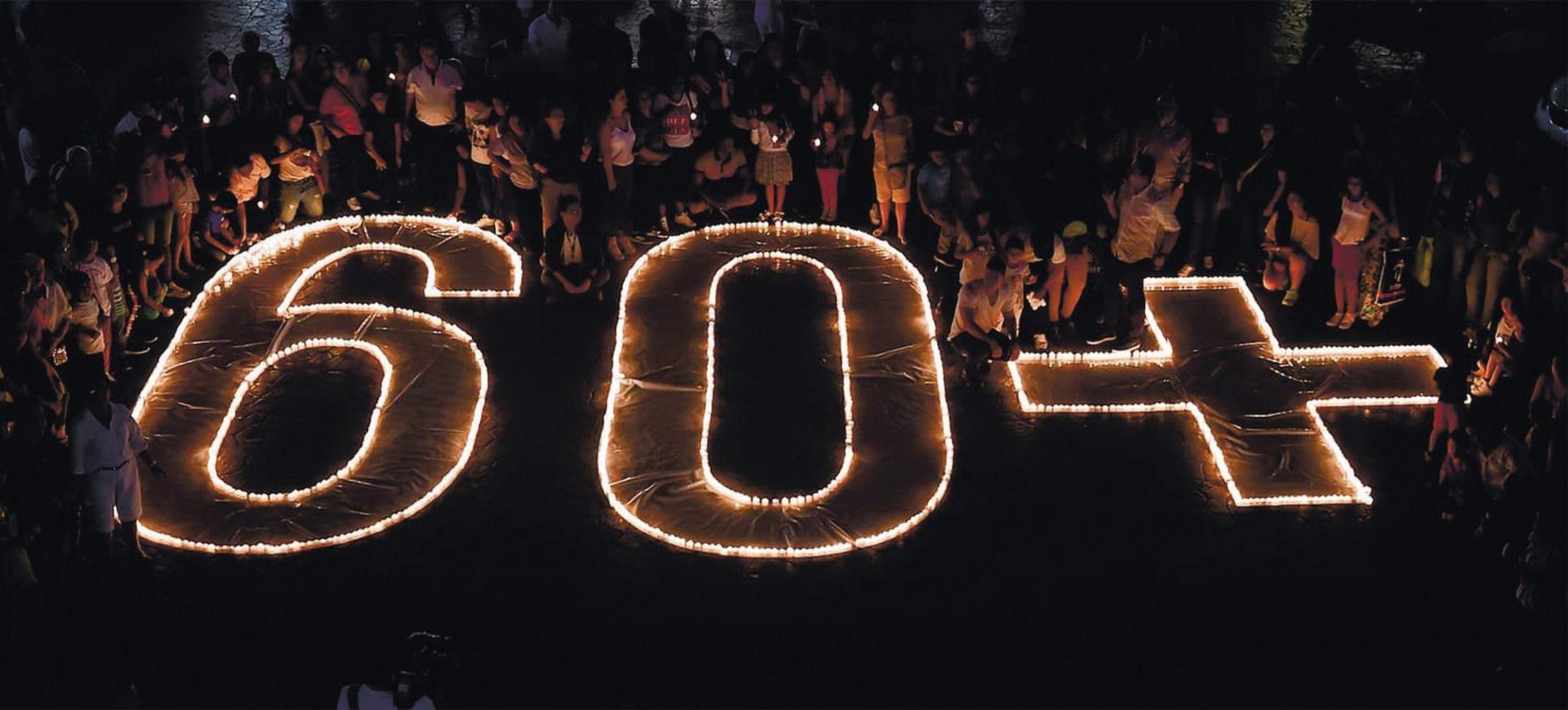
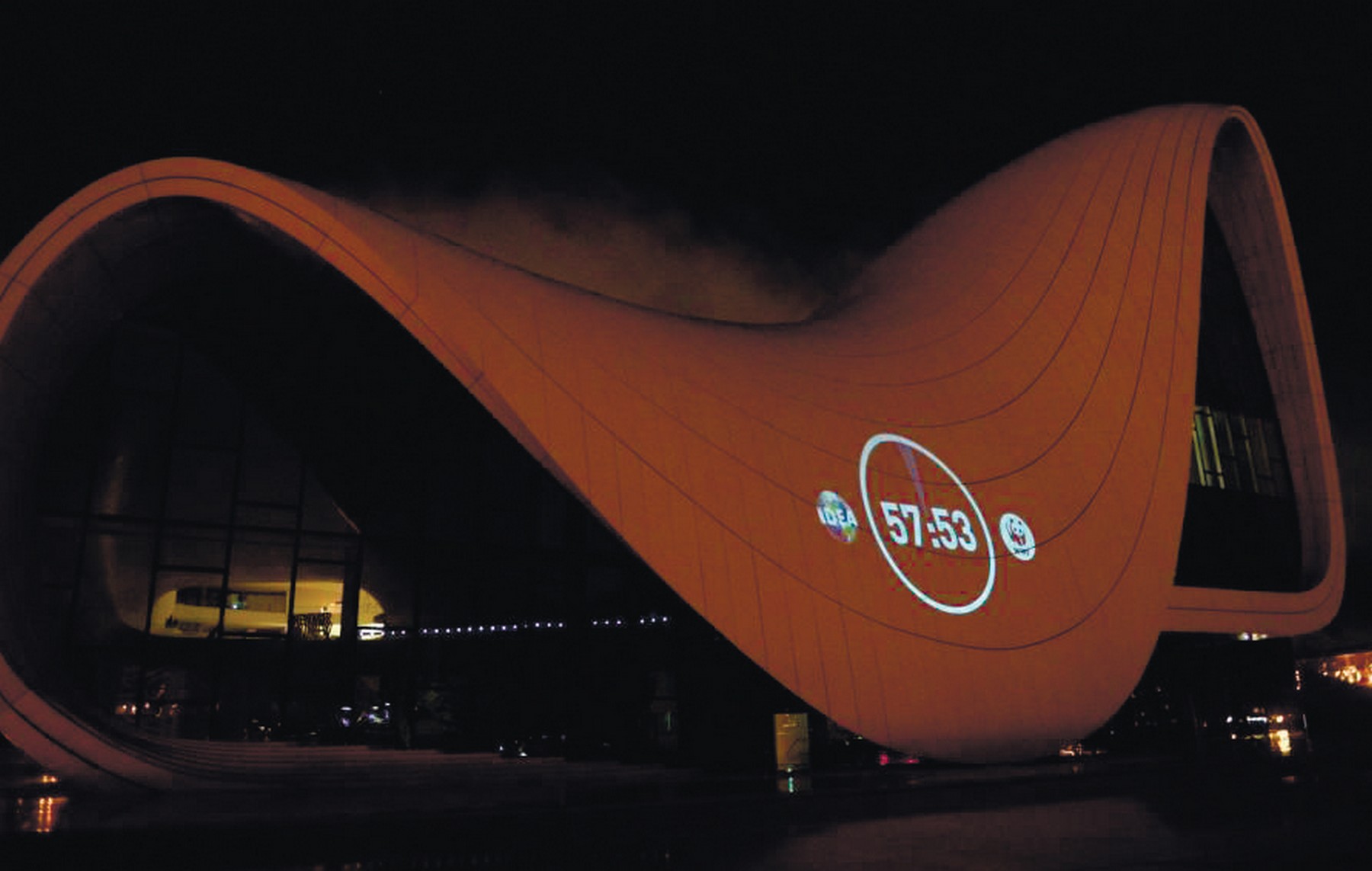
On March 28, 2026, Azerbaijan once again plunged into ‘symbolic darkness’. The large-scale ‘Earth Hour’ campaign, coordinated by the IDEA Public Union together with the World Wide Fund for Nature, brought together dozens of organisations and thousands of people. But while the lights go out on the facades of administrative buildings in Baku, the debate among experts and the public continues: what does this hour actually give the planet? Is it real resource savings or just a beautiful gesture?
More than savings
The main misconception surrounding Earth Hour is the expectation of a sharp drop in the energy consumption curve. From a scientific point of view, a one-off switch-off of lights for 60 minutes cannot stop global warming. Studies published in the British journal Energy Research & Social Science show that on average during the event, electricity consumption in participating cities falls by 3-4%. On the scale of a metropolis this is noticeable, but for the climate in the moment it is a drop in the ocean. Why is it so little? Modern energy systems are inert. The sudden switching off and then on of millions of lamps puts a strain on the grid. However, the true value of the event lies in its psychological and mobilisation effects.
‘Earth Hour is not about saving kilowatt-hours here and now. It is the world’s largest environmental referendum, and it started as a simple gesture. Now it is a global signal: people everywhere are calling for decisive action to protect the climate. Let this hour be not just a minute in the dark, but a spark for change,’ said UN Secretary-General António Guterres in his message marking the 20th anniversary of the campaign.
From symbolism to system
The history of Earth Hour is a classic example of how a small idea from one city can change the consciousness of the entire planet. Tracing this path, it becomes clear that we are witnessing not just a campaign, but the fastest cultural initiative in the history of environmentalism. It all began in Sydney, Australia, in 2007. At the time, it was a bold experiment: 2.2 million people and two thousand companies switched off their lights simultaneously. The world held its breath. No one knew whether the initiative would catch on, but the spark was lit. Within a year, 35 countries had joined Australia. The effect was explosive. In 2009, the number of participants exceeded 80. It became clear that the demand for a ‘green’ future was not a fad but a global necessity. The Egyptian pyramids, the Colosseum and the Christ the Redeemer statue in Rio de Janeiro plunged into darkness. In 2011, Azerbaijan also joined the campaign. Our country officially added its name to the list of participants. Thanks to IDEA’s coordination, Baku immediately set a high standard: the architectural symbols of our capital, such as the Maiden Tower and others, became part of the global chain of light. We declared to the world that the Caspian region is ready to take responsibility for the climate. The campaign became an important tool for environmental education. In 2026, about 80 institutions and hundreds of young volunteers took part. But it is important to understand that this is backed up by systematic work. The coordinator, IDEA, uses this momentum to promote long-term projects—from restoring the gazelle population to large-scale tree-planting programmes.
As IDEA’s founder and director, Leyla Aliyeva, has repeatedly emphasised, ecology today is not just words, but concrete actions. The essence of Azerbaijan’s participation in such campaigns is to demonstrate solidarity with the international community on issues of preserving the Caspian’s biodiversity and combating desertification.
In 2015-2021, the campaign achieved planetary status. By the middle of the decade, it already covered more than 170 countries. In 2021, despite the global pandemic, Earth Hour broke records in the digital space—192 countries and territories! This proves that even in isolation, people want to feel part of something bigger.
Today, Earth Hour is no longer just a ‘light switch’. It is a powerful network uniting nearly 200 states.
The conclusion of this review is simple: if 20 years ago we were learning simply to turn off the lights, today we are learning to turn on awareness. From a local flash-mob in Sydney, the campaign has become an annual test of humanity that we take as a whole planet.
Science of numbers
Scientific data confirm that the effect of Earth Hour reverberates like an ‘echo’ throughout the following year. According to surveys, people who take part in this event are 15% more likely to start sorting their rubbish or using energy-efficient lamps at home. And the sheer scale (in 2026—more than 190 countries) forces governments to reconsider environmental standards. It was after such waves of public attention that important decisions were made to ban single-use plastics in several European and Asian countries. As for the economic effect, according to the World Economic Forum, about 55% of global GDP depends directly on the health of natural ecosystems. Earth Hour is a reminder to business that investing in green technologies is not charity but a matter of survival.
Beyond the hour
This year, Earth Hour celebrated its 20th anniversary. From a local initiative in Sydney, it has become a global cultural phenomenon. In 2026, the organisers introduced a new format: ‘Give an Hour to Earth’. Participants were encouraged not just to turn off the lights, but to spend those 60 minutes on environmental self-education, planning green habits or volunteering.
As practice shows, the real result of Earth Hour is measured not in money saved on electricity, but in the number of people who, after the switch-off, thought: ‘What can I do in the remaining 8,759 hours of the year?’
For Azerbaijan, which is actively integrating environmental issues into its state strategy, this hour is an annual synchronisation of watches with the planet. And judging by the growing number of participants, our society is ready for conscious consumption.
RECOMMEND:
 121
121

