

VALENCIA FOR LOCALS
The city open to those who want to see the real Spain
Author: Elchin HUSEYNOV, Baku–Valencia–Baku
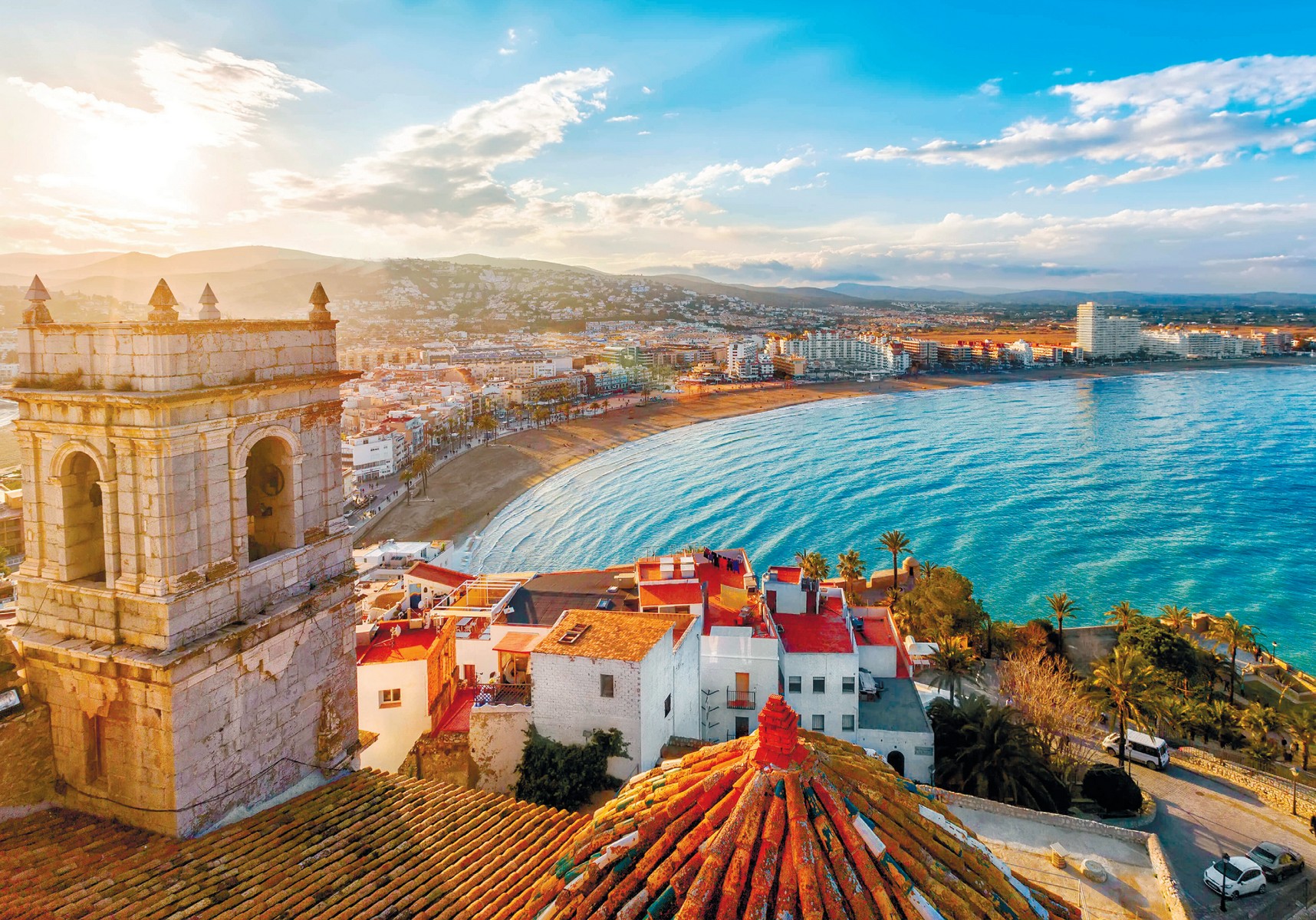
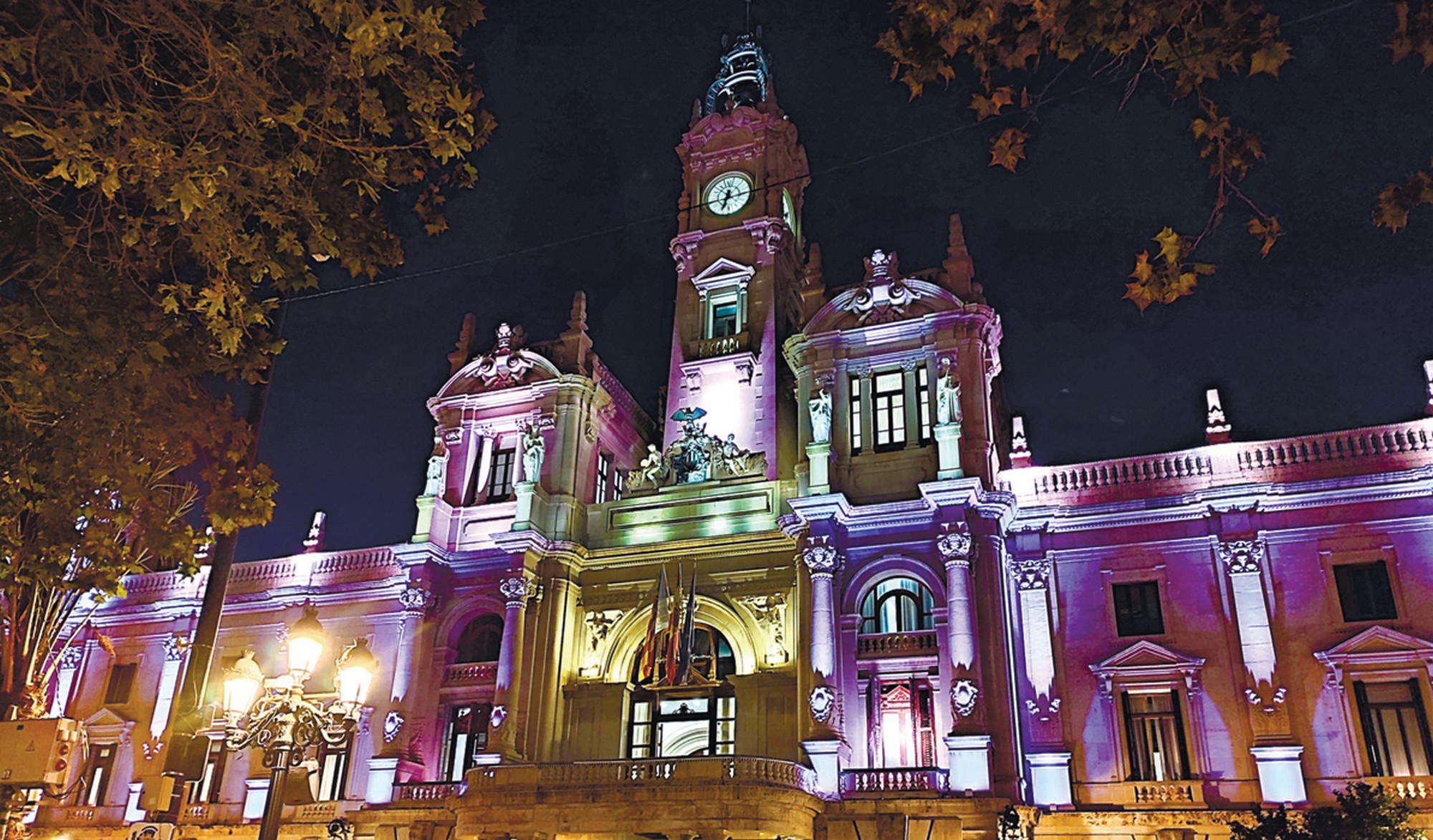
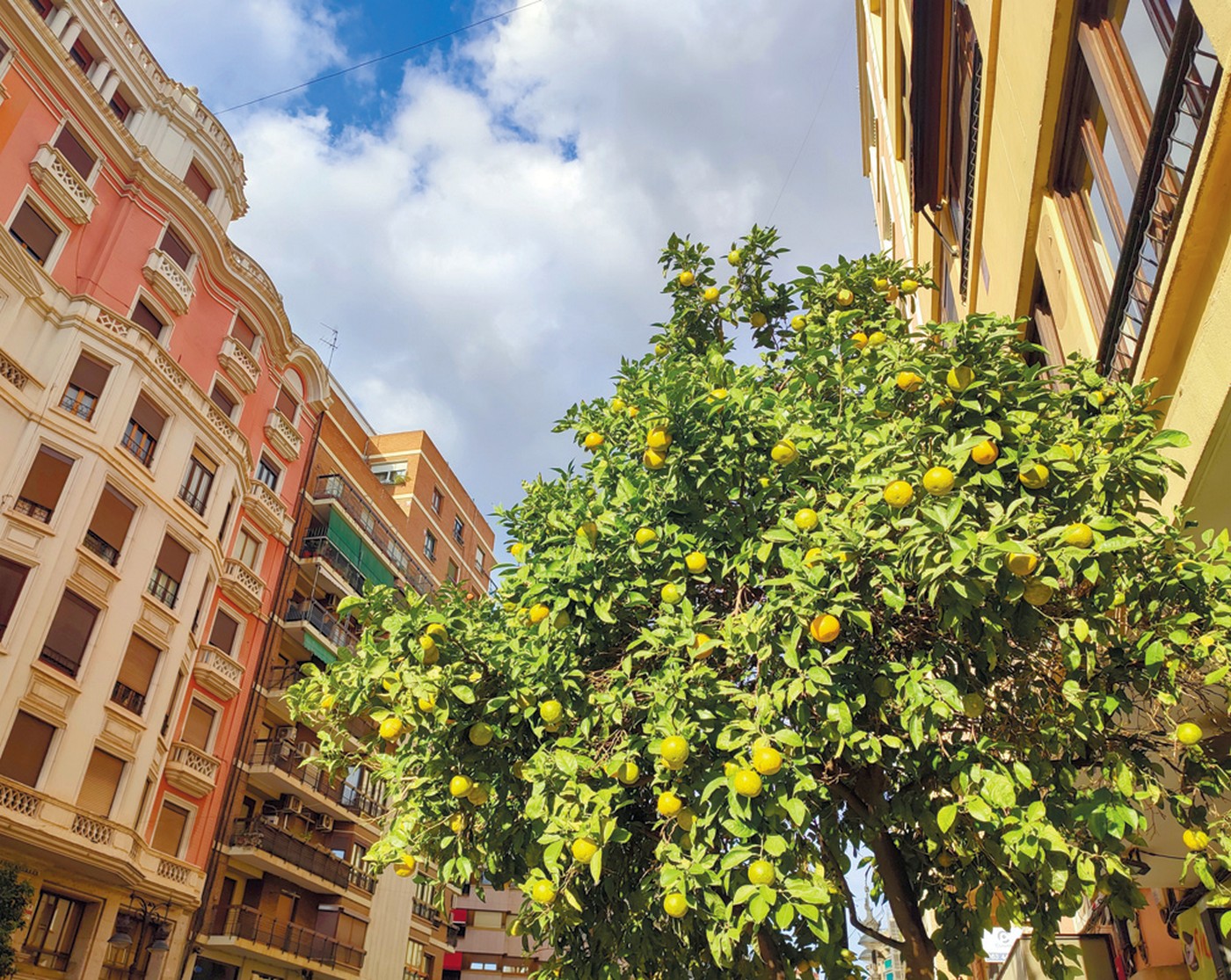
Valencia is not Barcelona or Madrid—it feels completely different from all the other well-known cities in Spain. There are no tourist crowds here, and the historic centre has retained its cosy, unhurried rhythm of life. Instead of Gothic spires and glamorous promenades like Barcelona’s, or the noisy pace of the capital, Valencia offers wide squares, orange groves and spacious beaches just a few kilometres from the Old Town. Medieval architecture here coexists with the futuristic buildings of the City of Arts and Sciences (Ciudad de las Artes y las Ciencias), and the local gastronomy sets the daily rhythm not only for tourists but also for the Valencians themselves.
Less noise—more Spain
Valencia is the third largest city in Spain, located on the country’s eastern coast on the Mediterranean Sea. The city is noticeably different from other Spanish tourist hubs thanks to its modest, unpretentious atmosphere, less mass tourism and a more ‘local’ pace of life, while offering the same cultural and architectural richness.
Unlike Barcelona, where many tourists prioritise Gaudí’s architecture and a lively nightlife, or Madrid, which is known as a major European metropolis with world-class museums, Valencia combines wide urban spaces, historic quarters, beaches and gastronomy within a single itinerary.
Tourism here is growing—the number of visitors already exceeds 30 million a year. As international publications note, Valencia is ‘a less crowded but equally beautiful alternative to Barcelona’, and travellers call it the ‘hidden gem of the Mediterranean’, where you can experience real Spanish life away from the numerous tour groups.
The city is well connected to other major Spanish destinations, and you can get here in different ways depending on your budget, time and preferences. Valencia’s international airport also receives flights from many European cities. Flying from Barcelona or Madrid takes about one hour, from London 2.5 hours, from Paris 2 hours, and from Rome 2.2 hours. With early booking, a round-trip ticket can start from €40-60.
Trains in Spain are a fast, comfortable way to travel between cities, especially the high-speed AVE and Euromed services. From Barcelona, the train arrives at Valencia Joaquín Sorolla station. Travel time is 3-4 hours, ticket price with early booking €25-30. From Madrid, high-speed trains run, the journey takes about 2 hours, and a ticket bought in advance costs €15-25.
Buses are the cheapest way to get to Valencia, but the journey takes about 5 hours.
From masterpieces to futurism
In Valencia, history and modernity live side by side, sometimes just a few blocks apart. The Old Town (Ciutat Vella) preserves the Mediterranean flavour—with narrow streets, squares and historic monuments—while the newer part of the city amazes with futuristic architecture, large-scale museums and unusual cultural projects. Seeing the main sights of the Old Town takes about a full day, while the City of Arts and Sciences and the surrounding areas are best planned for half a day or a full day, especially if you include a visit to L’Oceanogràfic (the oceanographic park).
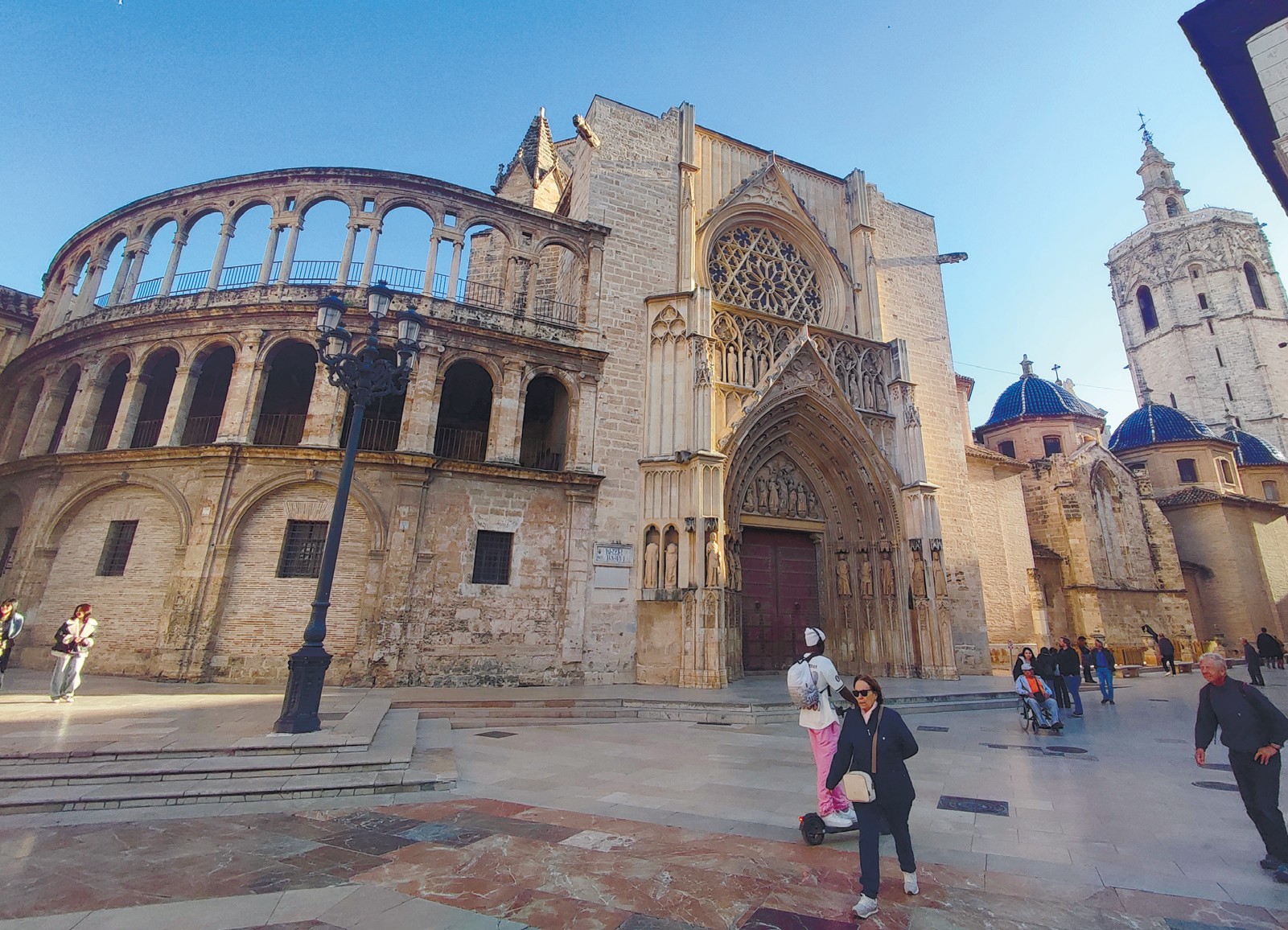
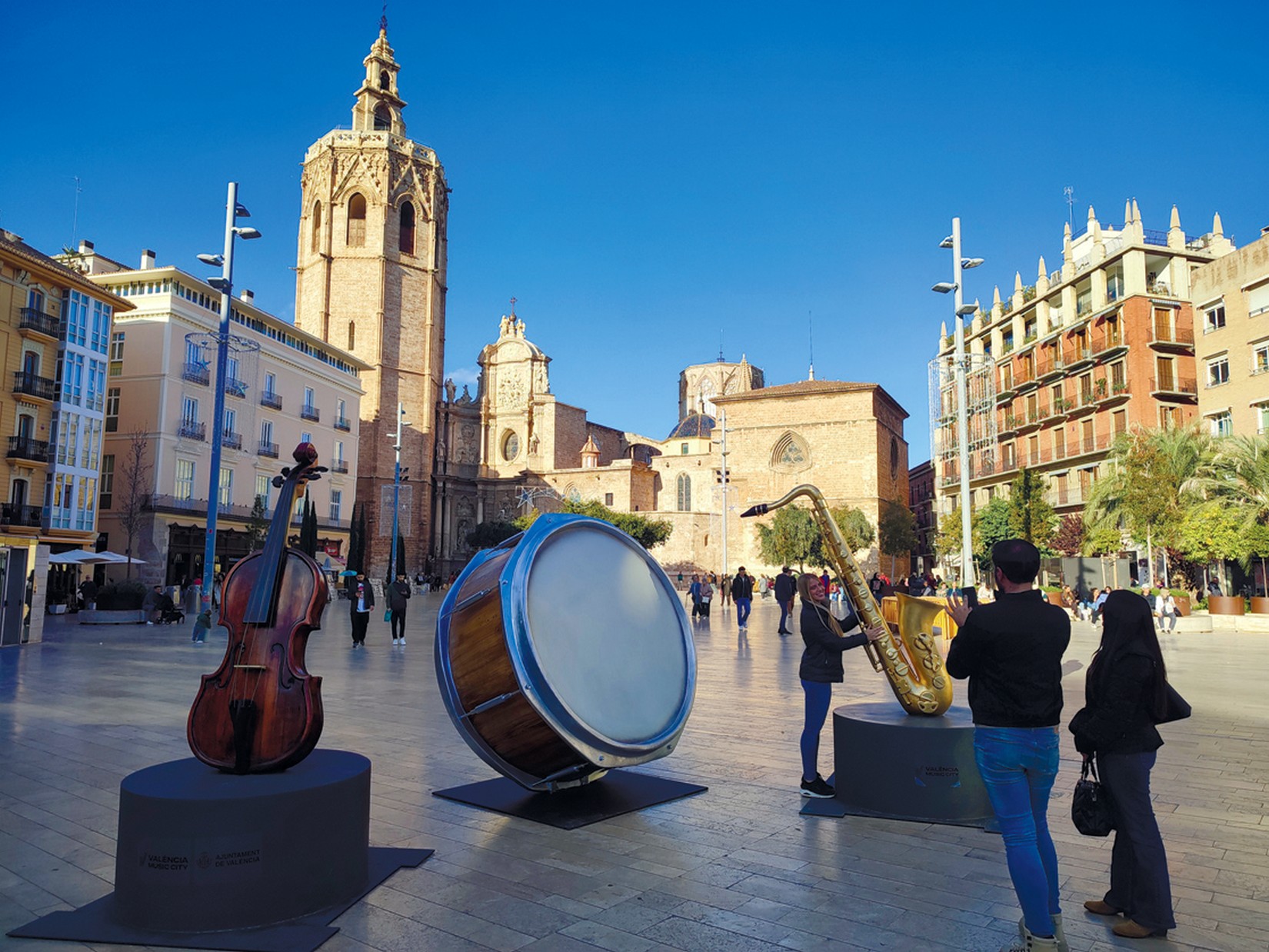
It makes sense to start your walk from the heart of the Old Town—Plaza de la Reina and its surroundings. From here you can see the majestic Valencia Cathedral, which was built over several centuries. It harmoniously combines Gothic, Romanesque, Renaissance and Baroque styles. Inside the cathedral is kept a relic that many believe to be the Holy Grail. Entry is €10, and from its Miguelete bell tower (ascent €2.50) you get beautiful panoramic views. Around the cathedral are typical squares and historic streets with the atmosphere of medieval Valencia, where cafes and traditional shops sit alongside ancient facades.
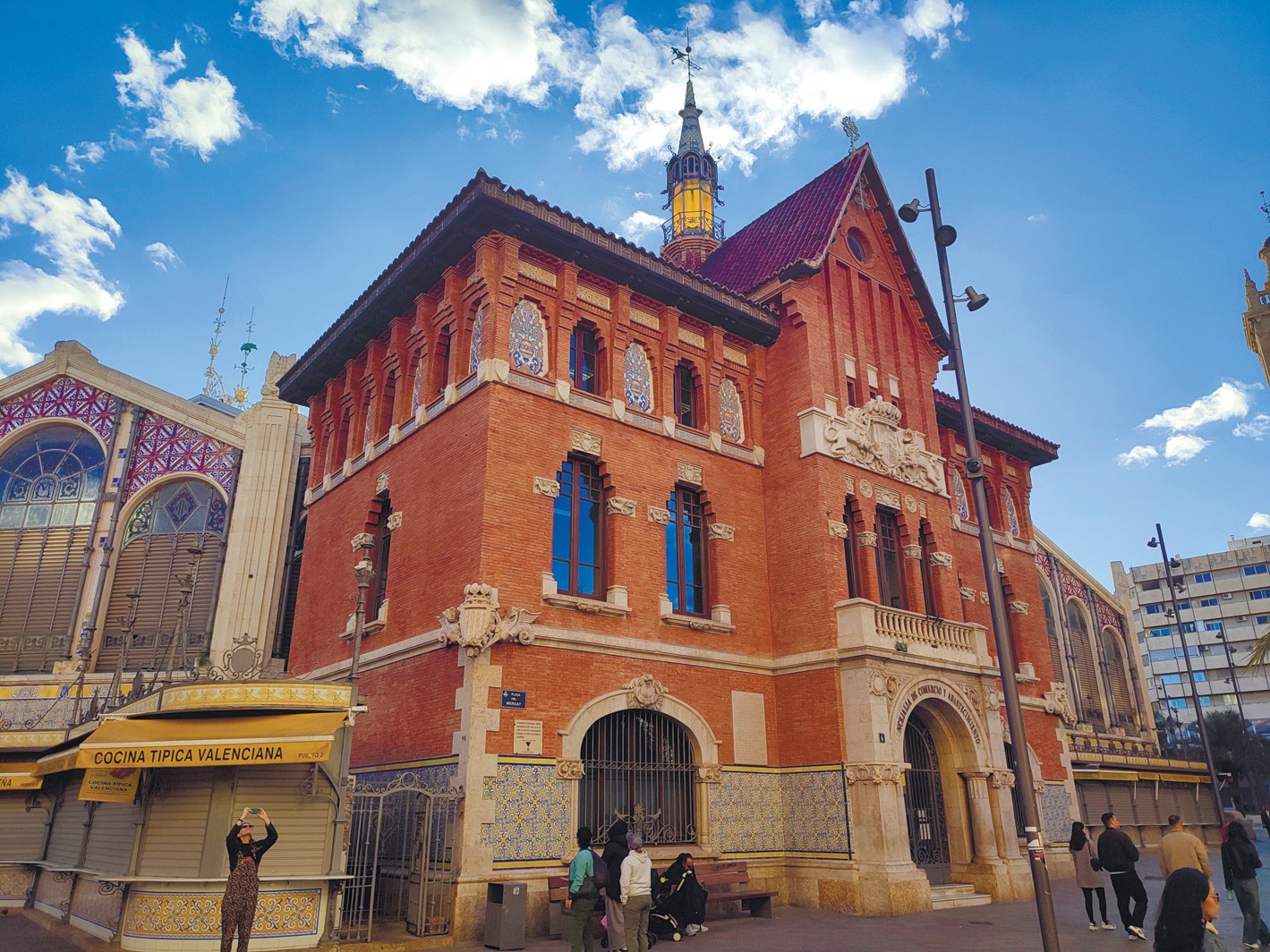
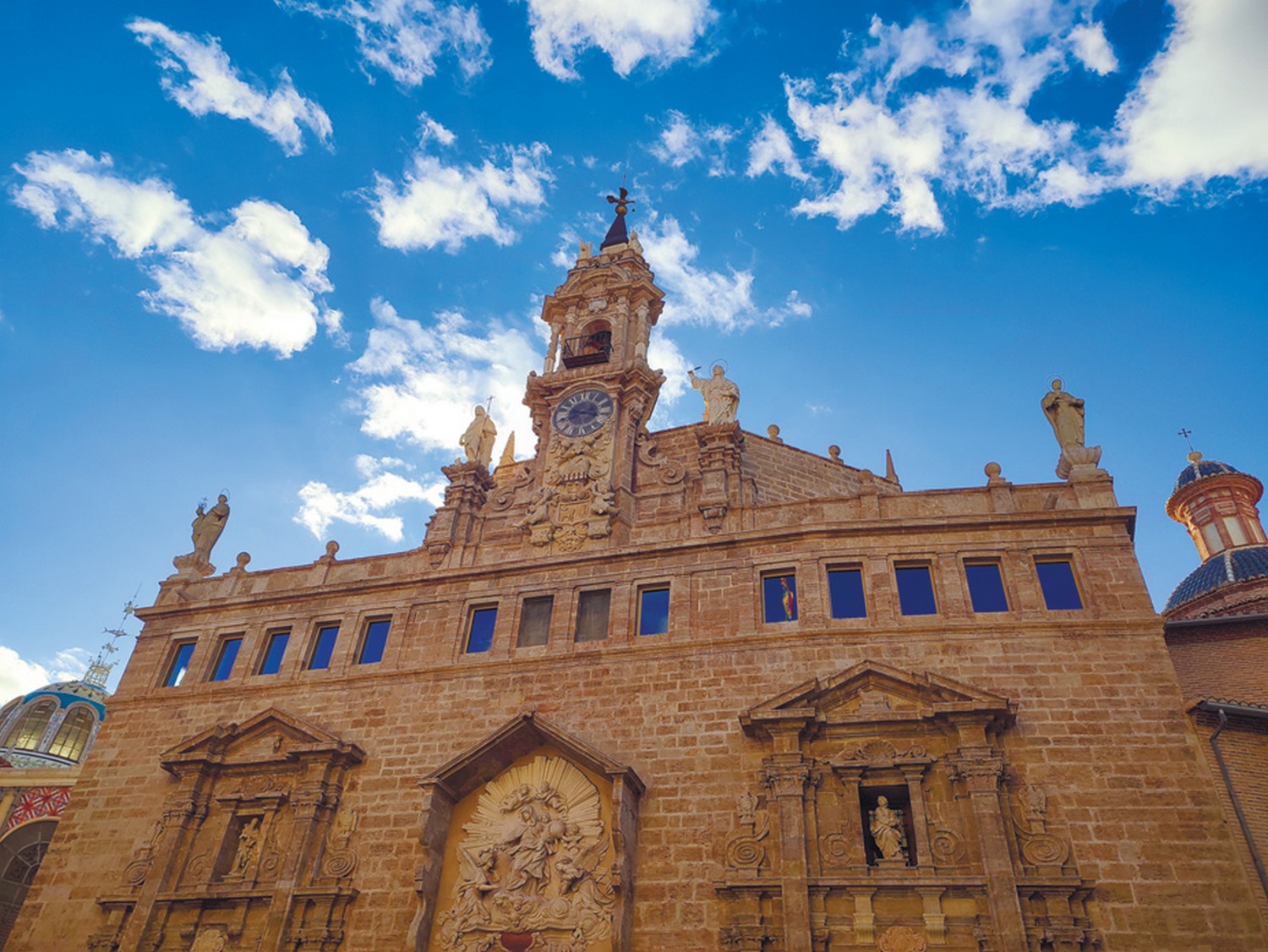
Nearby is the Central Market (Mercado Central)—an Art Nouveau architectural complex with more than a thousand stalls. Entry is free, you only pay for purchases. Almost next door is the Silk Exchange (La Lonja de la Seda), a UNESCO World Heritage site. Entry is €2. Also worth seeing are the gates of the old city wall, Torres de Serranos and Torres de Quart. Another striking attraction is the Church of San Nicolás, known as the ‘Valencian Sistine Chapel’.
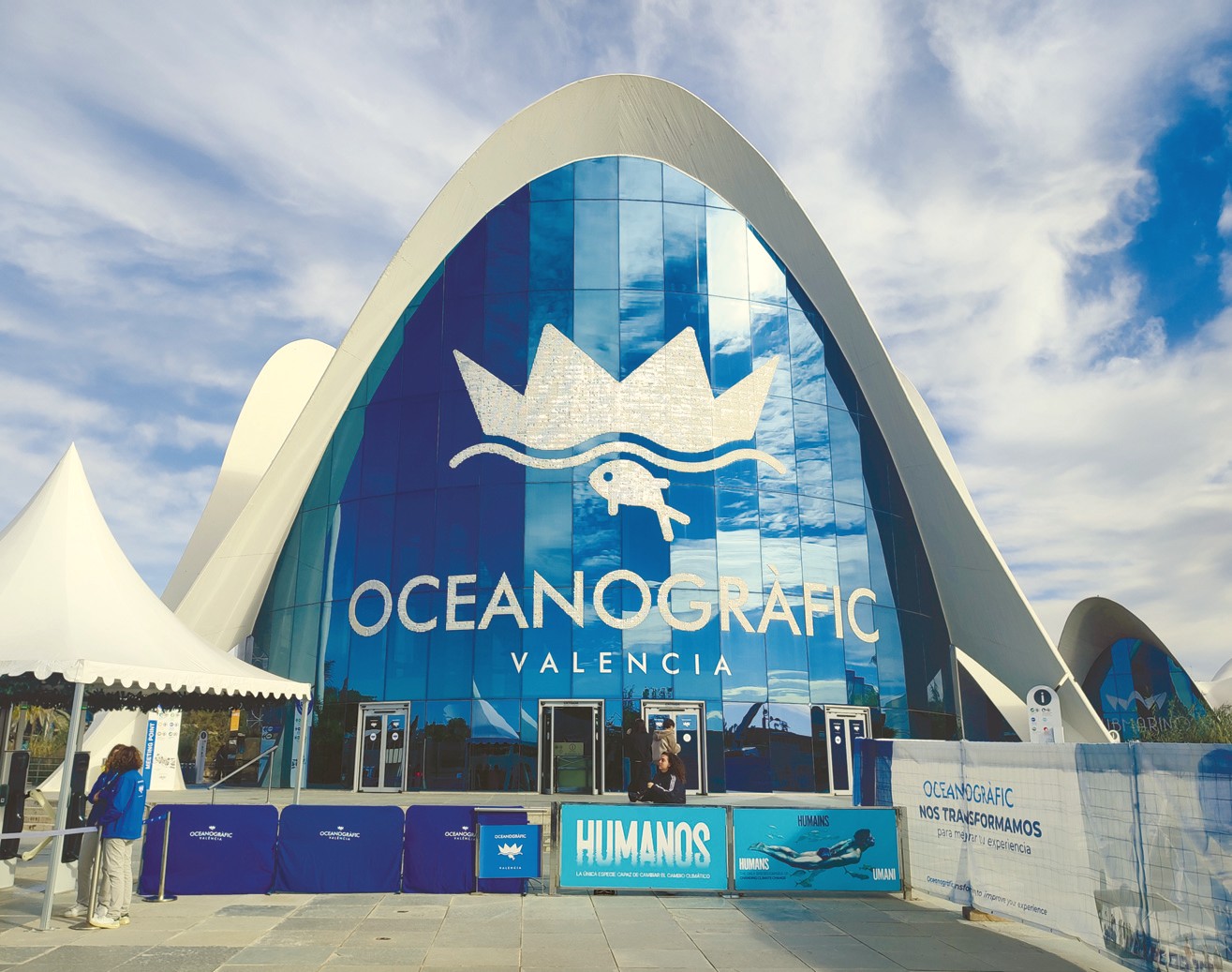
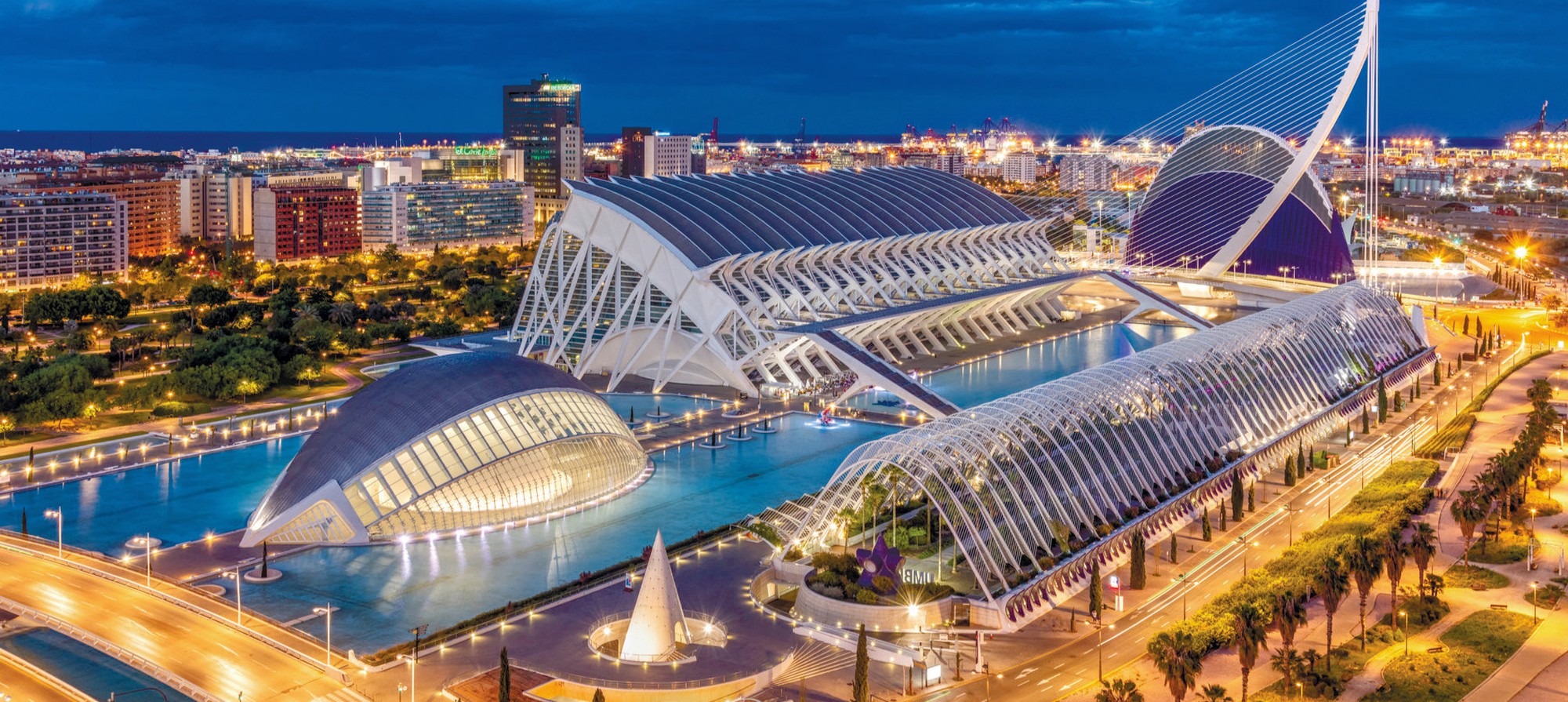
Alongside its famous historic monuments, Valencia is also renowned for its new futuristic projects. The main one is the City of Arts and Sciences, a must-see for any tourist. It is a huge complex of buildings on the former bed of the Turia River. It includes L’Hemisfèric—a science and entertainment centre that features a large cinema with a concave screen, a planetarium (digital shows about space) and a lasereum for audiovisual performances. Also located here are the interactive Science Museum (Museo de las Ciencias), Europe’s largest aquarium, the opera house (Palau de les Arts Reina Sofía), and the multifunctional L’Umbracle, which consists of a greenhouse with a garden, a viewing platform and an open-air nightclub. The green areas of Turia, where you can walk, cycle or relax on the grass, surround the complex.
Switching on sightseeing mode
One of the most convenient ways to get to know Valencia as soon as you arrive is, of course, the sightseeing double-decker tourist buses (€25). They run along the main attractions and allow you to hop on and off at stops as you wish. The route covers the historic centre, the beach, the waterfront and the City of Arts and Sciences quarter.
There are also plenty of walking and themed guided tours: a general walk through the Old Town and cultural quarters takes about 2-3 hours and costs from €30 per person. Themed tours include historical walks, gastronomic tours and quest-style excursions for children. Private guided tours are also available, where you choose the route and pace; a 2.5-3 hour overview tour costs €88-140 per group of up to five people.
For those wishing to see the surroundings, bus or car excursions outside the city are offered. Popular day trips (from €55) go to the Albufera natural park with a boat ride, or to historic towns in the region. The tour includes transport, a guide and additional activities.
The local tourist card allows you to save on transport and attractions. With it, you can use public transport for free, visit municipal museums and monuments, and get discounts of up to 50% on key tourist sites, including the City of Arts and Sciences and the oceanographic park. The card (€17-30) is available for 24, 48 and 72 hours, and there is also a seven-day version without transport that includes more museums.
Board in Valencia to wake up in the Balearic Islands
Valencia is conveniently located on Spain’s eastern coast, making it an excellent starting point for trips to the world-famous resort islands of the Mediterranean. Among the most popular destinations with tourists are Palma de Mallorca, Ibiza and Menorca. These islands are known for their beaches, nightlife, natural parks and rich history.
You can get to the islands in two ways—by plane or by ferry. Direct flights from Valencia to Palma and Ibiza are operated by several airlines, including budget carriers. Flight time is about one hour to Palma and slightly less to Ibiza. Prices depend on the season and airline, but with early booking you can manage €32-60 return. In the high summer season, tickets are naturally much more expensive.
Those who prefer a sea voyage can take ferries. The journey to Palma takes about 7-8 hours, and to Ibiza—5-6 hours. Ferries run during the day and at night, some with cabins for sleeping. Ticket cost is €35-50 for a seat, with a cabin—€80-100 and above depending on class and season.
In summer, it is advisable to book tickets in advance, as popular flights sell out quickly. If you are planning a short holiday on the island, it is easier to take a plane to save time. Ferries are convenient for those travelling by car or who want to combine the trip with a sea cruise. On Palma and Ibiza there are bicycle and scooter rental points, which is handy for exploring the island on your own.
So Valencia can be not only a tourist destination in its own right, but also a starting point for several famous resort routes in Spain, allowing you to combine cultural excursions with beach holidays and sea adventures.
Gastronomy and markets of Valencia
Valencia is not just architecture and museums—it is also one of the most ‘flavourful’ capitals of Spanish cuisine. The city is considered the birthplace of classic paella, but its gastronomy is much broader: fresh seafood, seasonal vegetables, local wines, desserts and drinks create a multi-layered cuisine that is worth exploring at a leisurely pace.
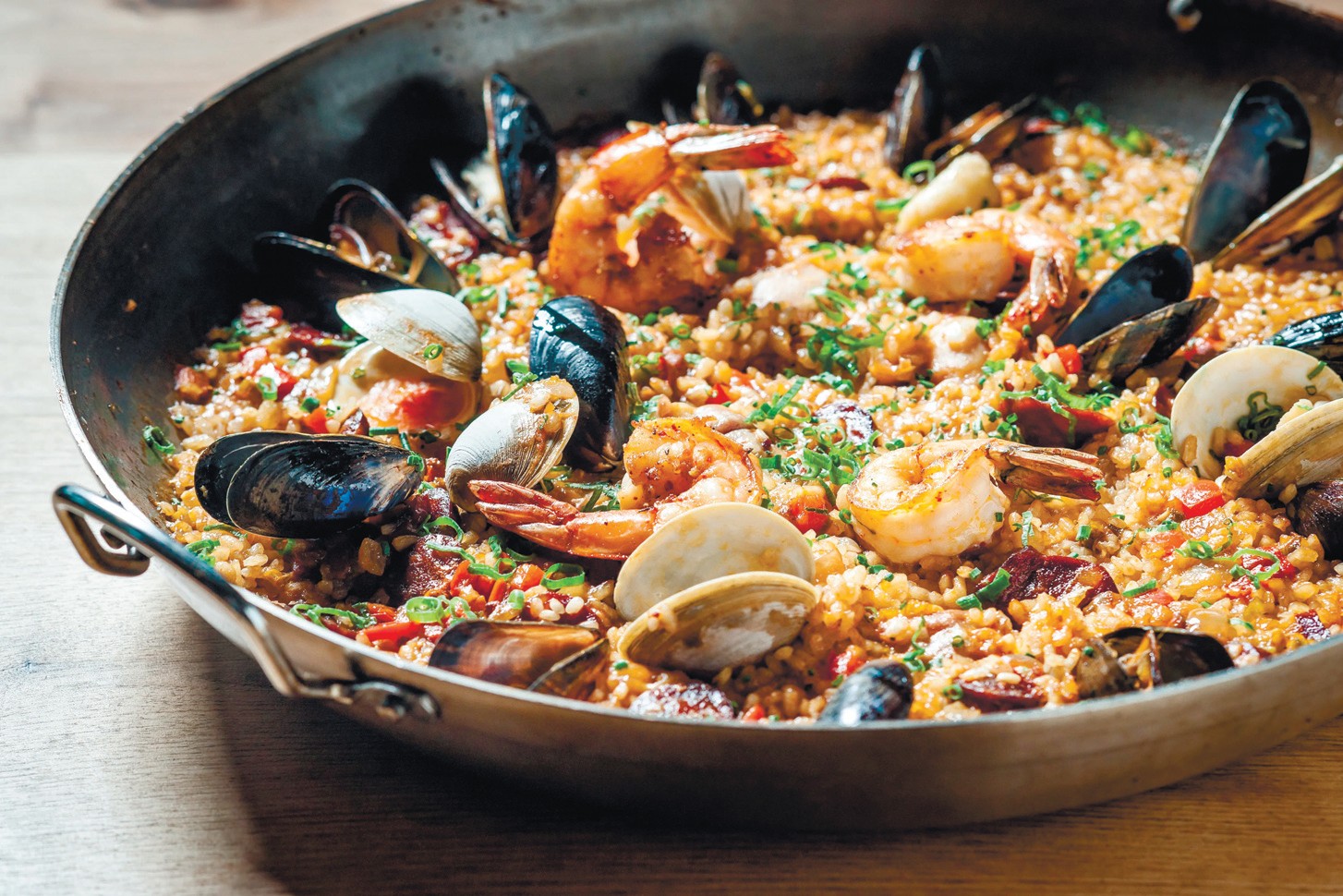
Paella is the region’s hallmark. Traditional Valencian paella is made with Bomba rice, chicken, rabbit, green beans and spices, and its flavour is considered by many to be the benchmark of Spanish cuisine. The best places where locals eat paella are in areas away from the tourist streets, but you can try it all over the city—from family restaurants in the Old Town to seaside eateries (for example, in the coastal districts of Cabanyal or Malvarrosa). Prices at good restaurants for a portion of classic paella range from €15-25, and at more famous places can go up to €30-35 for a portion with seafood. In addition, paella is prepared in various parts of Valencia for takeaway—like gutabs or pastries in Baku. And a portion costs very little—€4-5.
The Central Market is a true paradise: you can find meat, cheese, jamón, fruit, olives, spices, fresh fish and seafood, as well as farm and artisanal products. The market is open every day, and walking through its aisles is easy even for those not planning to buy anything—you can easily guess the season by the assortment, and the sellers are happy to show you apples, oranges or local cheese. Inside you can have a tapa or buy ready-made delicacies. Prices for typical snacks are €1.50-3.
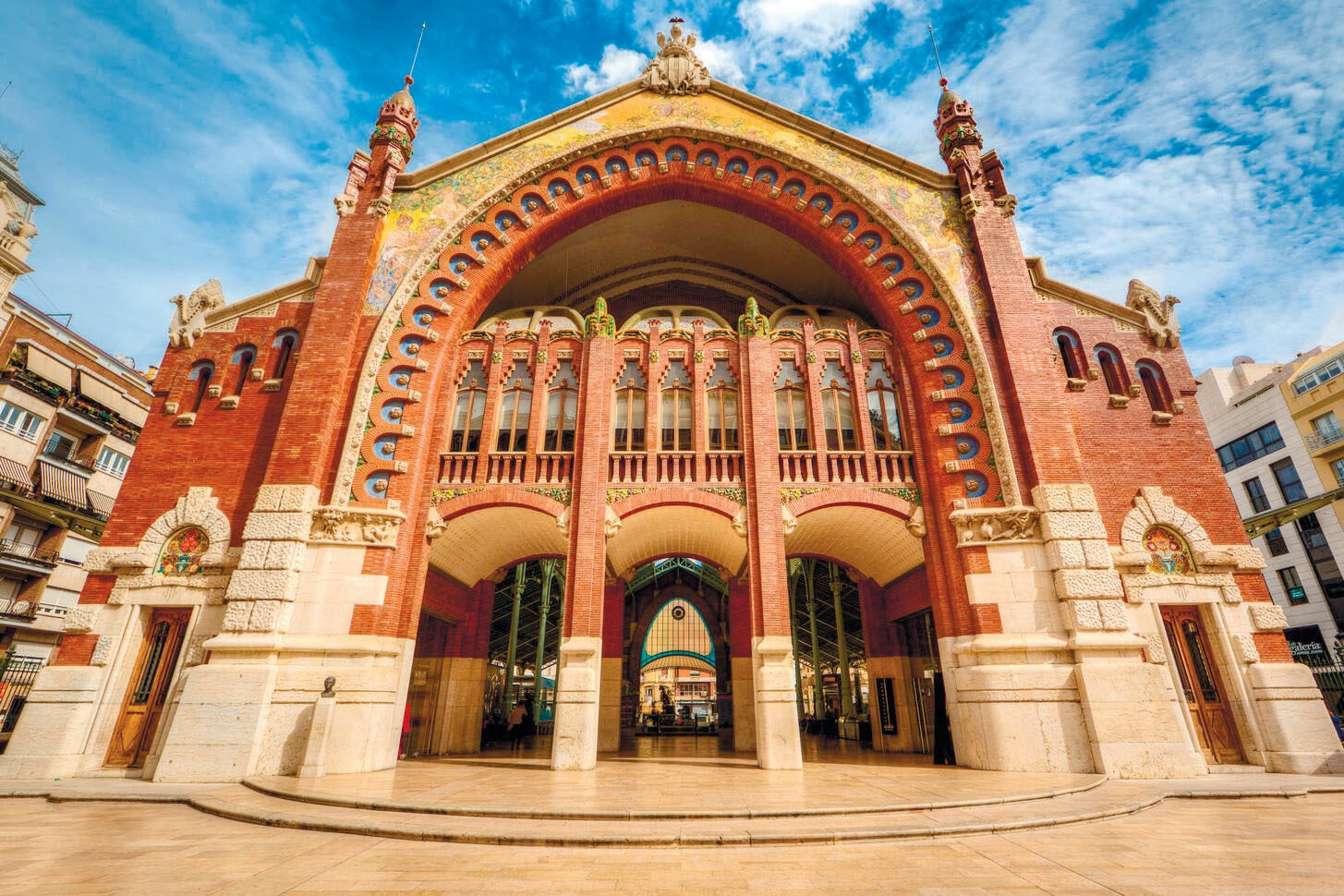
Another important market is Mercado de Colón. This is less of a food market and more of a gastronomic passage with cafes, pastry shops, restaurants and bars. In this restored Modernist building, you can spend an hour or two over coffee and dessert, watch local life and feel the rhythm of the city. Coffee and desserts here cost €4-8, a glass of wine—€4-7.
For fruit and natural drink lovers, try horchata—a traditional non-alcoholic drink made from tiger nuts (chufa), often served with crunchy fartons (long sweet pastries). Horchata is sold at markets and in small cafes throughout the city; a glass costs €2.50-4.
Tapas bars are another important part of Valencian gastronomy. Tapas in Valencia can be found both in the tourist areas of the Old Town and in neighbouring neighbourhoods where locals gather for an aperitif before dinner or a light snack at night. In such bars, a tapa costs €5-6 per portion, and this format is ideal if you want to try several dishes in one evening. But there are also specialised tapas bars where the drinks (€6-8) are slightly more expensive, but you get a plate of tapa for free.
If you want to combine food with walks, guided gastronomic tours are available: such excursions last 2-3 hours and include a walk through the markets, visits to tapas bars and tastings of key dishes. These tours cost €40-80 per person, depending on the tastings included. They allow you not only to try the food but also to learn about the history of the dishes and ingredients.
Valencia is also known for its winemaking traditions. In various wine bars you can try both local wines and those from neighbouring wine regions. A glass of wine in a bar costs €4-8, and if you choose a wine tour, such programmes may include several wines and snacks (€25-50).
Valencia is a city where medieval history naturally coexists with futuristic architecture, and cultural and gastronomic experiences are easily complemented by the sea and trips along the Mediterranean coast. The Old Town with its cathedrals, markets and towers immerses you in the past, while the City of Arts and Sciences, modern museums and parks highlight the dynamic life of the 21st century.
Even in 2-3 days you can see the main sights, discover the gastronomy and plan sea trips. Valencia remains a city of contrasts and discoveries, where everyone can find their own rhythm—from history and art to the sea and sun.
RECOMMEND:
 159
159

