

FORESTATION AS NECESSARY
Science proves that greening Azerbaijan requires deep knowledge of hydrology, not mass planting
Author: Sabira ALAKBAR
The concept that tree-planting is a universal solution to environmental issues is now widely accepted. In an age of climate anxiety, the forest has become a symbol of salvation: it absorbs carbon dioxide, cools cities and restores life to degraded lands. However, the findings of modern science increasingly challenge this oversimplified view. China's experience in implementing the largest forest restoration programme in history demonstrates that trees can contribute to ecosystem preservation, but also result in a quiet depletions of water resources. Following the UN's International Day of Environmental Restoration, we invite you to consider the following key points, which include the establishment of favourable conditions for ecological development.
Science and experience
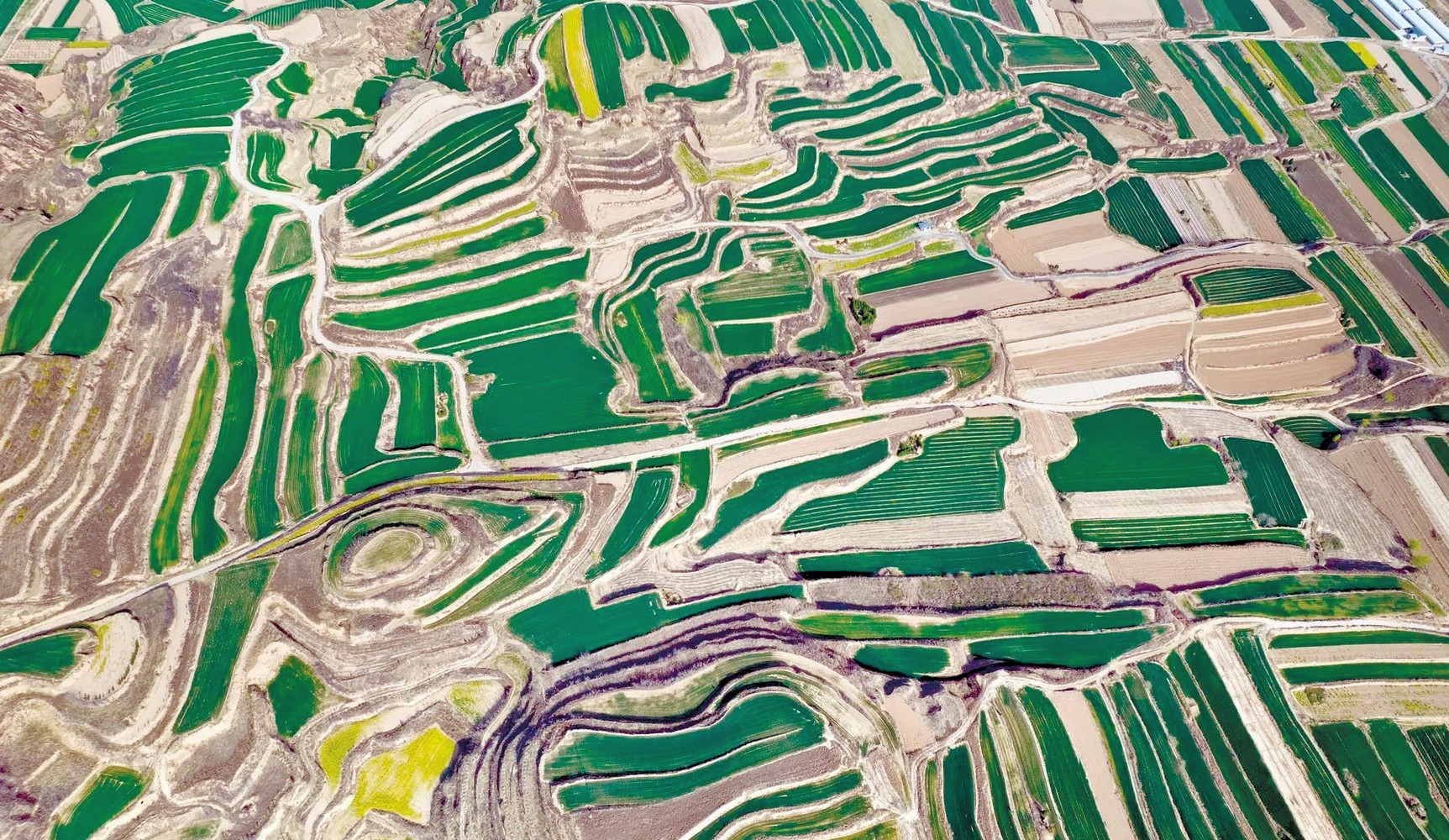
Since the late 20th century, China has steadily increased forest cover under the Grain for Green programme (environmental restoration) and the so-called Green Wall. The results were impressive, with a significant reduction in dust storms, soil stabilisation, and a substantial increase in carbon absorption. However, as the 2010s progressed, research began to reveal less obvious consequences. The study demonstrated that large-scale greening in arid regions resulted in a significant increase in evapotranspiration, defined as the total water evaporation from soil and plants.
This mechanism proved to be of crucial importance. Forests, in contrast to steppe or shrub vegetation, have a significantly higher water demand. In certain regions of China, increased forestation has led to a decrease in river flow and a decline in soil moisture. Furthermore, hydrological models indicate that in certain areas, the increase in evaporation exceeded the growth in precipitation, meaning a net loss of water at the ecosystem level. It is important to note that artificial plantations in arid zones consume more water than natural ecosystems.
Consequently, China encountered a paradox: programmes designed to combat land degradation ultimately contributed to the redistribution of water resources on a national scale. The increased presence of vegetation has been shown to have a significant impact on atmospheric moisture circulation. Consequently, certain regions experienced increased precipitation, while others began to face water shortages. The ecosystem, which was believed to have been restored, was found to be hydrologically overloaded.
The key issue was not in afforestation itself, but rather in disregarding the principle of matching ecosystems to climate. The mass planting of trees in semi-desert and steppe areas, often using fast-growing, moisture-loving species, has displaced the natural vegetation that has adapted over millennia. Steppes and shrubs, which require a more economical water regime, were replaced by forests, which require significantly more moisture. This led to a disruption in the balance between water input and consumption.
Where trees are not needed
Azerbaijan is a country with limited water resources, where the balance between water input and usage is already under pressure. The Caspian Sea level is dropping, river flows in the Kura and Araz are fluctuating, and evaporation is high across lowland areas. In such conditions, any intervention in vegetation inevitably affects the water balance.
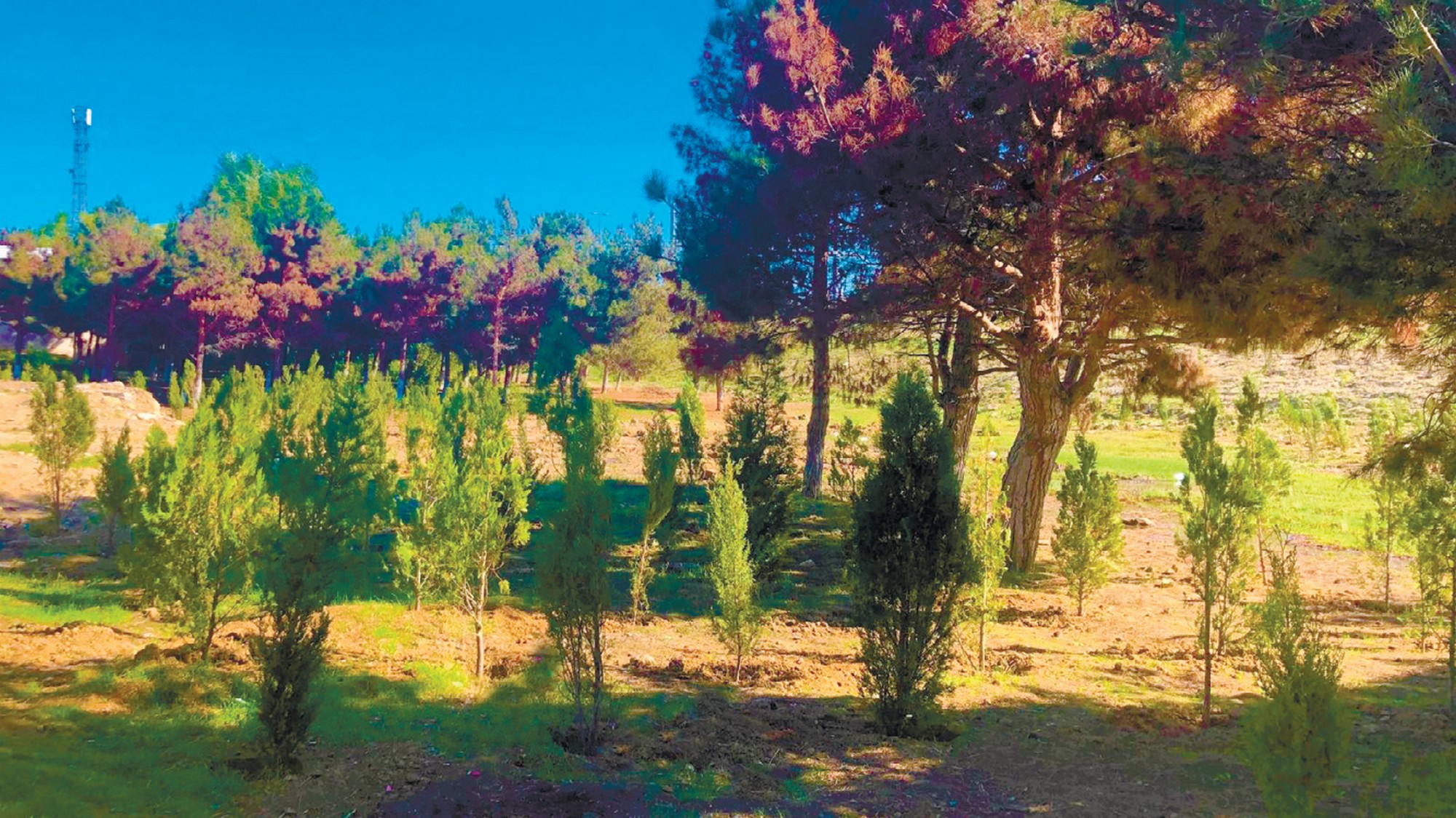
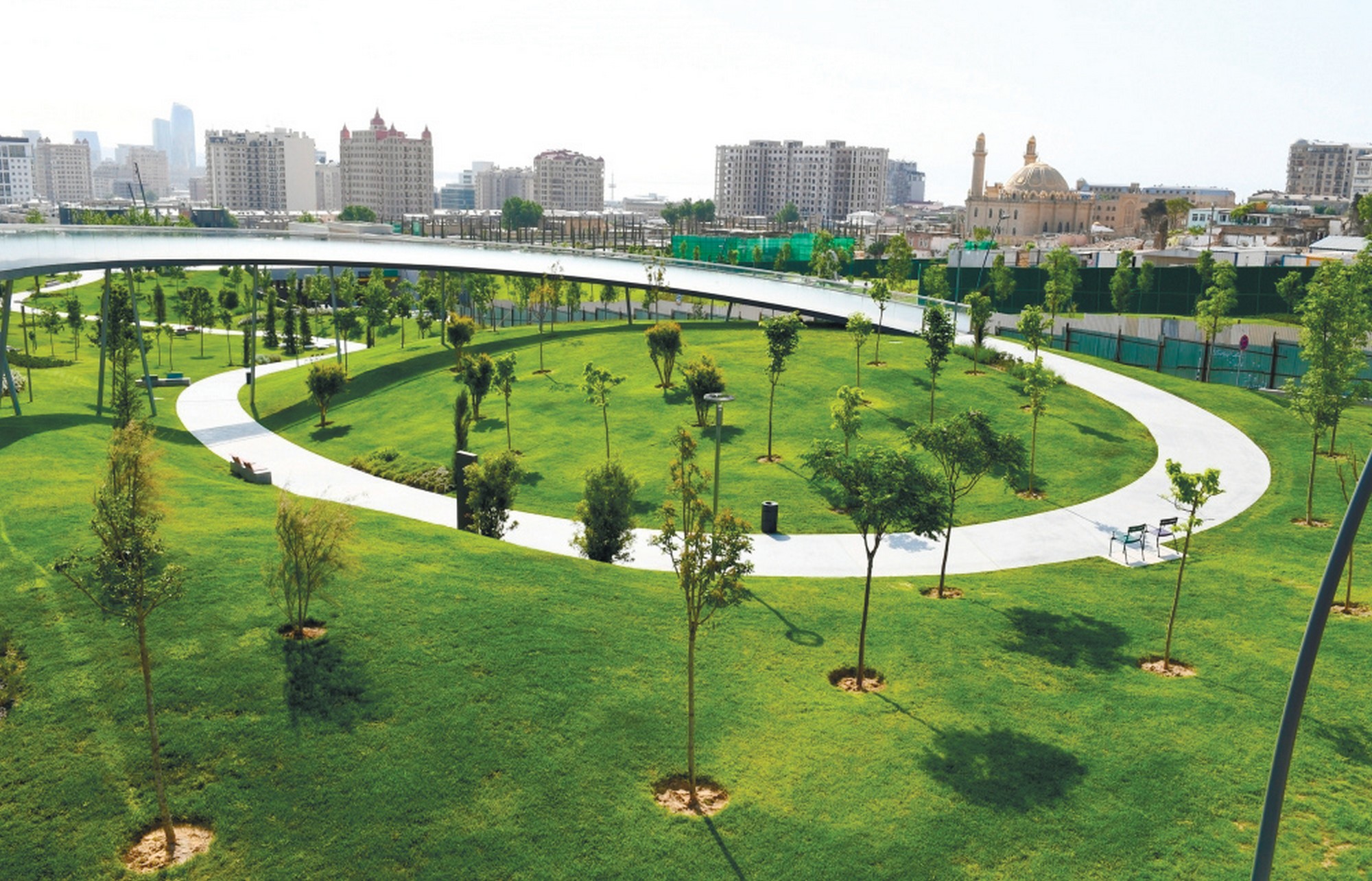
Local ecologists consider the Absheron Peninsula a prime example of this phenomenon. Greening has been a long-standing component of urban and suburban policy in this region. The planting of decorative and often non-native trees, which require regular irrigation, creates an artificial green layer. This is maintained at the expense of already scarce water resources. In hot, windy climates, most of this water evaporates into the atmosphere rather than returning to the system. This mirrors the model seen in northern China, where visible environmental improvement is accompanied by hidden increases in water deficit.
Another key example is the Kur-Araz lowland. The region's traditional steppe and semi-desert vegetation is increasingly viewed as suitable for agricultural expansion and greening. However, the replacement of natural ecosystems with intensive plantations, including woody crops, has the potential to disrupt the established balance. Despite its modest appearance, steppe vegetation is adapted to minimal water use and plays a key role in conserving soil moisture. Replacing it with more water-demanding plants inevitably increases evaporation and reduces available water. In arid lowlands, the preservation and restoration of steppe and shrub ecosystems should be given priority.
Where trees are needed
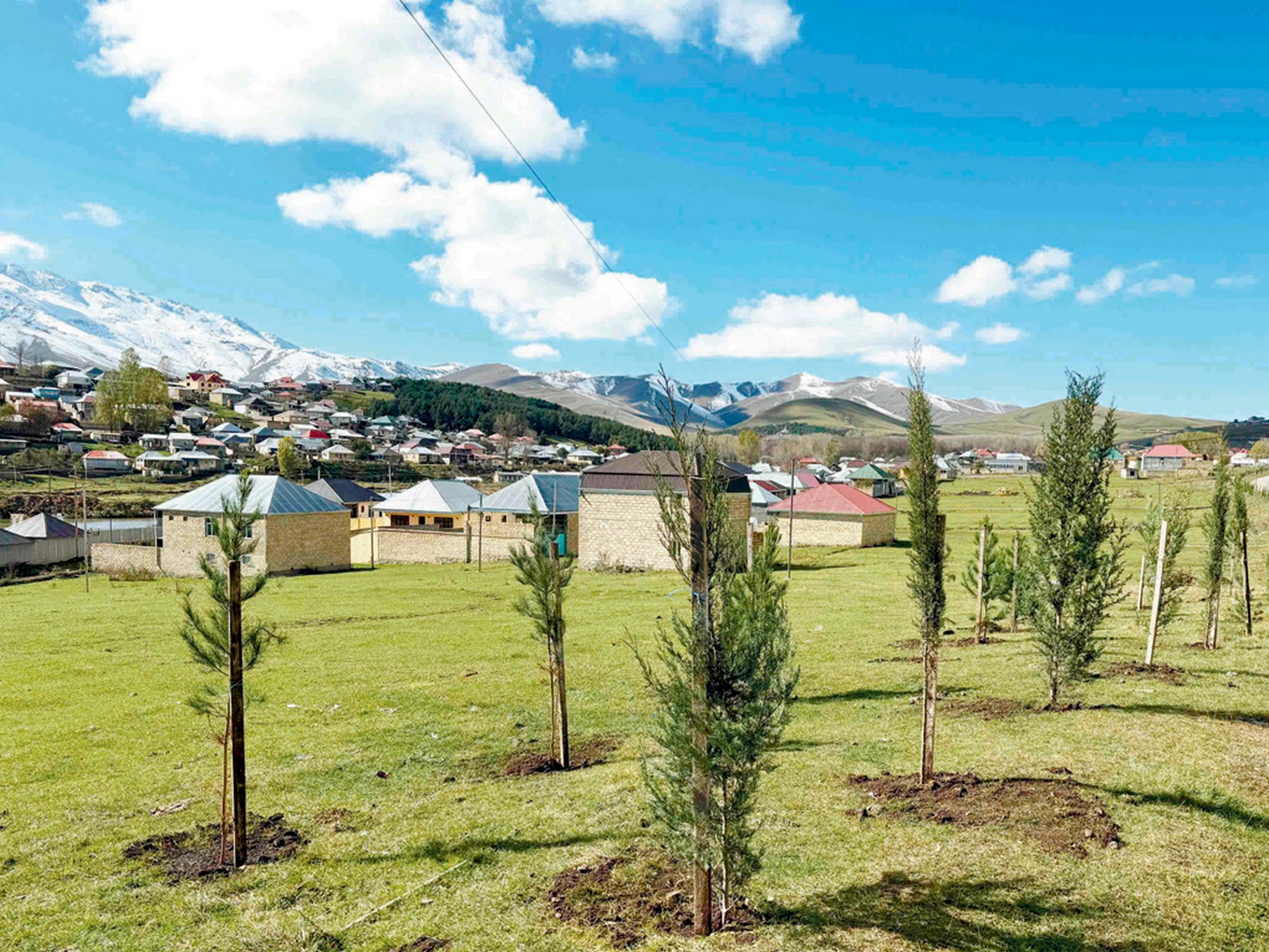
This does not imply that Azerbaijan should cease all efforts to green the country. Instead, a more precise, scientifically grounded approach is required. In mountainous and wetter areas, such as the Greater and Lesser Caucasus and the Talysh forests, forest restoration has been shown to help accumulate moisture, stabilise runoff, and promote precipitation formation. Riparian zones along rivers and reservoirs also benefit from woody vegetation, which strengthens soil and regulates hydrological processes. Trees play a vital role in the environment by aiding moisture retention, stabilising slopes and shaping local climates. Forests in these areas do not compete with the water system, but rather form part of it. These territories serve to corroborate a fundamental scientific principle: the effectiveness of afforestation programmes is contingent not on the number of trees planted, but rather on their capacity to thrive in their natural environment.
The relationship between vegetation cover and Caspian Sea levels is especially significant in Azerbaijan's context. Despite the intricacies of the system, it is evident that any decrease in river flow has a direct impact on the sea. Should water be retained by vegetation and subsequently evaporate on land, it will not reach the Caspian. When sea levels are already showing a downward trend, this factor becomes of strategic importance.
Modern environmental science is moving away from the notion of universal solutions. Changing vegetation cover can influence climate and hydrology regionally by redistributing moisture and altering rainfall patterns. This means that even local greening projects can have impacts far beyond their immediate area.
Experts have called for a rethink on the part of Azerbaijan with regard to the logic behind its environmental policy. The issue at hand is no longer simply the number of trees to be planted; it is now a question of determining their optimal growth locations and their role in the water cycle. In certain regions, forests have been found to play a key role in moisture accumulation, while in others, they have been observed to result in moisture loss. It is important to note that if this difference is ignored, the process of greening can be transformed into a problem.
China’s experience is valuable precisely because it highlights the limits of an intuitive approach to ecology. It shows that even large-scale and costly projects may yield contradictory results if they ignore fundamental ecosystem properties. For Azerbaijan, where the natural balance is especially fragile, this lesson serves as a warning. In conditions of water scarcity environmental policy must begin not with trees but with an understanding of how water works. Every tree planted means not only absorbed carbon but also additional water consumption; in scarcity conditions this becomes decisive.
Ultimately, environmental policy demands abandoning universal solutions. Forests are not a cure-all but a tool whose effectiveness depends on context. If context is ignored, good intentions can turn into new risks. For Azerbaijan facing climate change challenges and water shortages this conclusion is particularly relevant. Thus true environmental restoration called for by UN resolutions must start not with shovels but with deep knowledge of hydrological cycles. Science teaches us that universal ecological solutions do not exist.
RECOMMEND:
 117
117

