

TIME FOR REFORMS
Azerbaijan launches a new development strategy for the petrochemical industry
Author: Aghasaf NAJAFOV
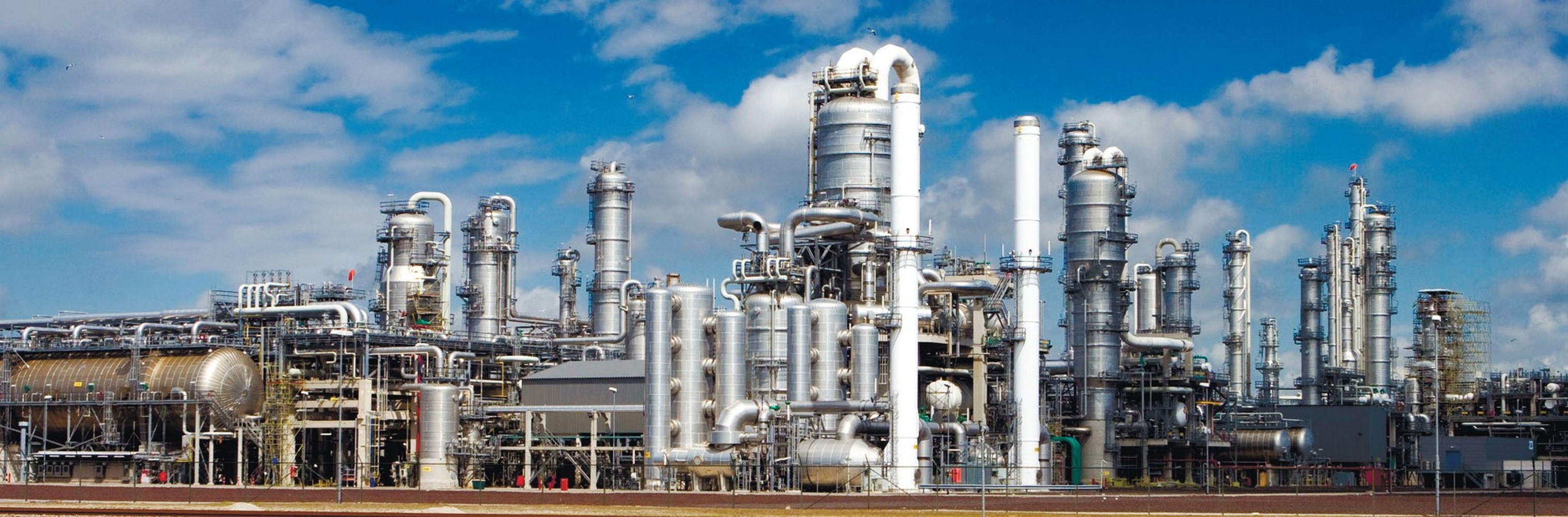
Increasing the competitiveness and export potential of the petrochemical sector is one of the main goals of the ‘National Priorities for Socio-Economic Development: Azerbaijan 2030’. In recent years, considerable progress has been made in the development of the fuel segment and the chemical industry: the Baku Oil Refinery has been modernised, large-scale plants for the production of polymers, methanol and nitrogen fertilisers have been brought on stream, and the industry cluster is also developing in the Sumgayit Industrial Park.
Nevertheless, the industry needs to accelerate the modernisation of enterprises, establish the production of finished chemical products and stabilise export supplies.
Issues of the development strategy for Azerbaijan’s petrochemical industry were discussed during a joint meeting of the Economic and Supervisory Boards of the Azerbaijan Investment Holding.
The export curve
The long-term strategic goal of Azerbaijan’s economic development is a qualitative transformation through increased production volumes and enhanced competitiveness of the non-oil industry, strengthening its position in foreign markets.
A major role in this is assigned to deeper processing of hydrocarbon raw materials and expanding the production of finished products in the petrochemical industry, for which purpose it is necessary to open new chemical plants, including those using ‘green’ and zero-waste technologies.
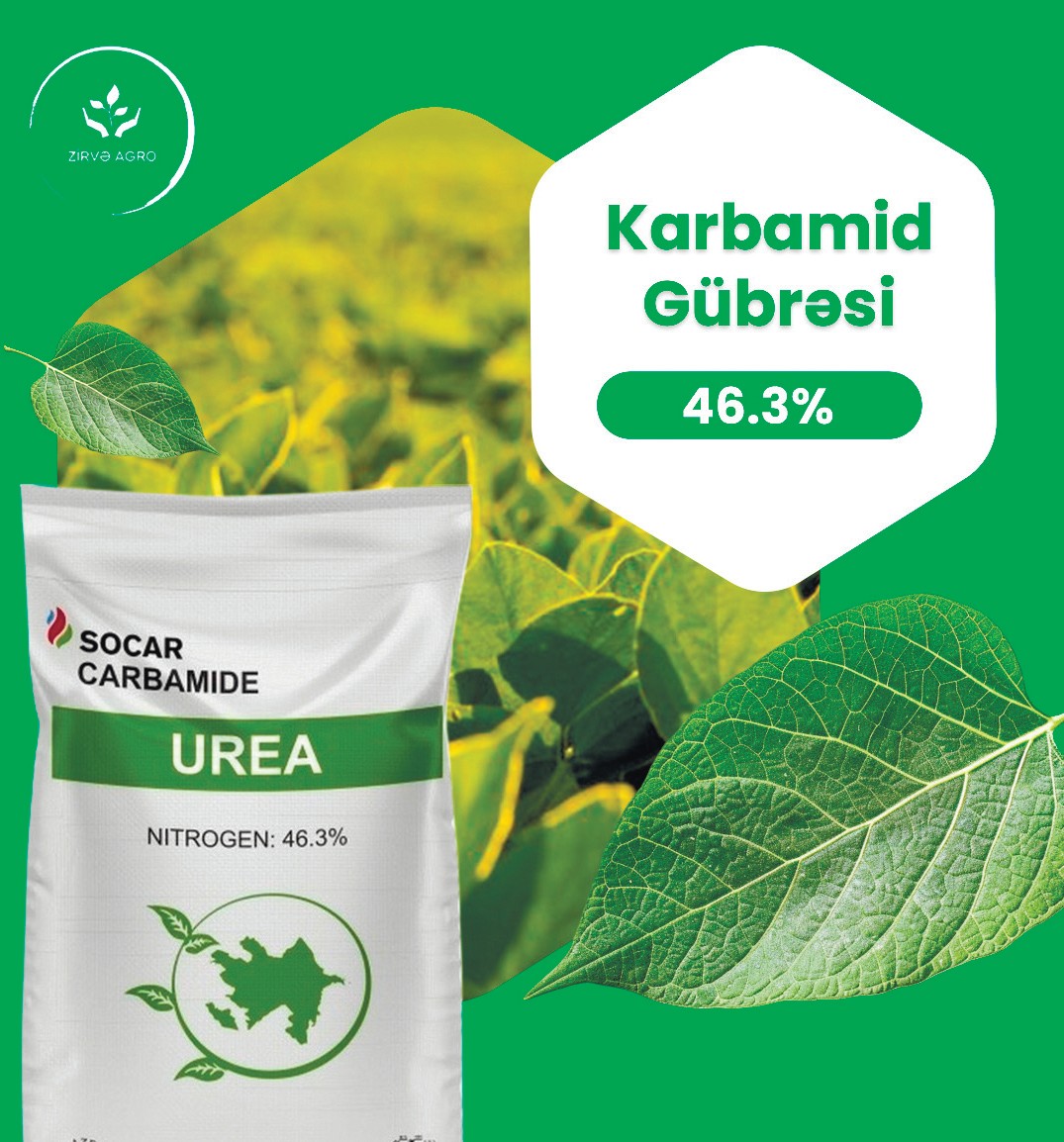
A clear example of successful initiatives in this area are the large enterprises of the State Oil Company brought on stream in early 2019. These are SOCAR Carbamide, which produces nitrogen fertilisers and raw materials for them, and SOCAR Polymer, which produces several types of polypropylene, high-density polyethylene and other polymer raw materials and semi-finished products. SOCAR Methanol also operates within the State Oil Company. The lion’s share of the production capacity of all three enterprises is used for export supplies. In addition to fuel, polymer raw materials, nitrogen fertilisers and methanol, Azerbaijan exports pyrolysis resin, petroleum coke, bitumen and other oil refining derivatives to the EU countries, China, Türkiye and post-Soviet states.
Foreign supplies from the domestic chemical industry are still subject to noticeable fluctuations due to the volatility of external market conditions and do not always show positive dynamics. For example, in 2024, exports of domestic chemical industry products increased by 18.3%, reaching $293.7 million. This positive trend improved further in 2025: petroleum products worth nearly $432 million were exported, which is 28.9% more than in 2024.
It is noteworthy that the flagship of the domestic chemical industry, SOCAR Carbamide, has achieved significant success in the digitalisation of production and management: at the beginning of this year, during the World Economic Forum (WEF) in Davos, the plant was awarded the Digital Lighthouse prize for this progress and was accepted into the prestigious Global Lighthouse network (a WEF initiative).
However, the export position of the domestic chemical industry has noticeably declined this year due to a number of objective circumstances. According to the State Customs Committee, in January-February 2026, just under 89,000 tonnes of chemical products were sent abroad, which is 2.2 times less than in the same period last year. Moreover, the ‘Export Review’ prepared by the Centre for Analysis of Economic Reforms and Communications states that in January-February of this year, carbamide exports fell by 39.2% compared to the corresponding period in 2025.
The decline in external demand is also affecting production indicators. In the reporting period, polyethylene output amounted to 19,700 tonnes, down 34%; ethylene production was 21,100 tonnes, down 31%. The most dire situation is with foreign supplies of methanol: in January-February this year, just over 7,300 tonnes of methanol were exported, which is 8.4 times less than the corresponding figures for last year.
Admittedly, the figures quoted cover the period preceding the war in the Persian Gulf and the blockade of the Strait of Hormuz, which led to disruptions in the supply of fossil energy resources and a shortage of chemical raw materials. These circumstances nevertheless open up opportunities for SOCAR’s enterprises producing carbamide, polymers, methanol, etc., and as a result, export statistics for March-May and possibly the summer months are likely to be much healthier.
In recent years, a large-scale project has also been implemented to modernise and reconstruct the Heydar Aliyev Baku Oil Refinery (BOR), which has noticeably strengthened the position of import substitution in the domestic fuel market. Last year, the BOR produced 2.55 million tonnes of diesel fuel—22.9% more than in 2024. However, in January-February 2026, production totalled only 383,000 tonnes of diesel, which is 16% less than in the same period last year.
In this regard, it should be borne in mind that the key benchmark in the fuel segment is maintaining a balance. Export supplies are realised only when there is a surplus on the domestic market. At the same time, if a shortage of a particular type of fuel is forecast for any reason, the government reduces excise duties and increases imports. In this respect, reverse fuel supplies have recently come mainly from Romania and Turkmenistan. For a similar reason, exports of domestic AI-92 petrol are extremely limited, and foreign supplies of aviation kerosene are practically non-existent. In particular, aviation kerosene output in 2025 amounted to 690,700 tonnes, up 22.9%, but in January-February 2026 its production fell by 21% to 94,600 tonnes. Today, local aviation kerosene is almost entirely shipped to meet the needs of Azerbaijani carriers—AZAL, Silk Way—as well as to service transit and other flights of foreign airlines landing in our country.
Time for reforms
In light of the above facts, it becomes clear that Azerbaijan’s petrochemical and fuel industries are in need of certain transformations aimed at stabilising production and export dynamics, as well as diversifying the product range and expanding chemical production.
Among other things, these issues were the subject of a joint meeting of the Economic and Supervisory Boards of the Azerbaijan Investment Holding. At the meeting, SOCAR President Rovshan Najaf spoke, and issues of strategic development of the country’s oil, gas and petrochemical industries were discussed. The main goals in the field of oil refining and petrochemicals, the prospects for the development of the industry and the sustainable provision of domestic demand for petroleum products in the long term were outlined. The new industry approaches are oriented towards increasing the share of deep processing of hydrocarbon raw materials using a full production cycle and gradually moving towards the production of finished goods. This is especially important given the decline in oil production in Azerbaijan. Products with higher added value contribute to revenue growth, including export revenues, and at the same time reduce dependence on frequent demand fluctuations and high price volatility in global commodity markets.
With this in mind, steps have been outlined for closer integration of oil refining and petrochemicals within a single system, as well as measures to modernise plants and introduce advanced technologies.
Azerbaijan has already established fundamental production clusters for gas chemistry (methanol, carbamide), petrochemicals (ethylene, propylene) and polymer production (polyethylene, polypropylene). However, the system is not yet fully closed: the output of certain intermediate products remains limited, and part of the chain is still oriented towards primary processing or the export of semi-finished products. At the same time, some enterprises in the Sumgayit industrial cluster operate on outdated equipment that requires renewal, and there is a shortage of capacity for the production of high-tech chemicals, which forces the import of specialised chemical components.
Attracting private investors to the industry and developing the small and medium-sized production segment based on local raw materials are seen as important steps towards progress. Most of these enterprises are located on the territory of the country’s largest industrial cluster—the Sumgayit Industrial Park: here, the production of finished products from polymer and other petrochemical raw materials has been established, and finished goods are also produced—agricultural, household, automotive, medical, construction, etc.
The number of park residents capitalising on chemical production is gradually growing. For example, in October 2024, construction began in the Sumgayit industrial zone of a joint plant (SOCAR Downstream Management and Italy’s Technip Energies) to produce pyrolysis oil from plastic waste. And at the end of April last year, the chemical park hosted the opening of a plant belonging to the Turkish company Kartash Kimya, whose product range also includes chemical additives.
Another equally important vector for the development of chemical production is Azerbaijan’s participation in oil refining and petrochemicals in third countries. This refers, in particular, to the activities of the region’s largest petrochemical enterprises located in Türkiye—the Petkim complex and the STAR refinery, also owned by SOCAR. These enterprises provide SOCAR with access to the Mediterranean market for diesel fuel and aviation kerosene, as well as raw materials for the chemical industry. At the same time, the complex covers 18% of Türkiye’s petroleum product needs. It is noteworthy that the uninterrupted supply to Türkiye of chemical raw materials produced at Azerbaijani enterprises provides a substantial sales market for the domestic chemical industry as well.
SOCAR is preparing to implement a similar scheme in Italy, having signed an agreement in September 2025 to acquire 99.82% of the shares of Italiana Petroli from API Holding: upon completion of the transaction, the State Oil Company will take control of two refineries with a total processing capacity of about 10 million tonnes of raw materials, as well as a network of 4,600 filling stations.
Speaking at the 12th Ministerial Meeting within the Advisory Council on the Southern Gas Corridor, the President of Azerbaijan, Ilham Aliyev, stressed the importance of investing in oil refining abroad. "Among the important achievements and significant factors for us is the acquisition of two oil refineries in Italy with a total capacity of 10 million tonnes. If we add to this what we already have on the Turkish coast of the Aegean Sea—an oil refinery with a capacity of 12 million tonnes—in total we will have oil refining capacity of 22 million tonnes in the Mediterranean and Aegean Seas, which in itself, of course, will help ensure a sustainable supply of petroleum products," the head of state emphasised.
Thus, comprehensive modernisation, an inflow of investment and an expanded international presence can not only stabilise export dynamics, but also strengthen Azerbaijan’s position in the global chemical market. Ultimately, it is the consistency of reforms that will determine whether the petrochemical sector can become one of the key drivers of the country’s economic diversification.
RECOMMEND:
 113
113