

THE SAKURA POLITICS
Japan’s first female prime minister is rapidly reshaping the country’s foreign policy
Author: Ilgar VELIZADE
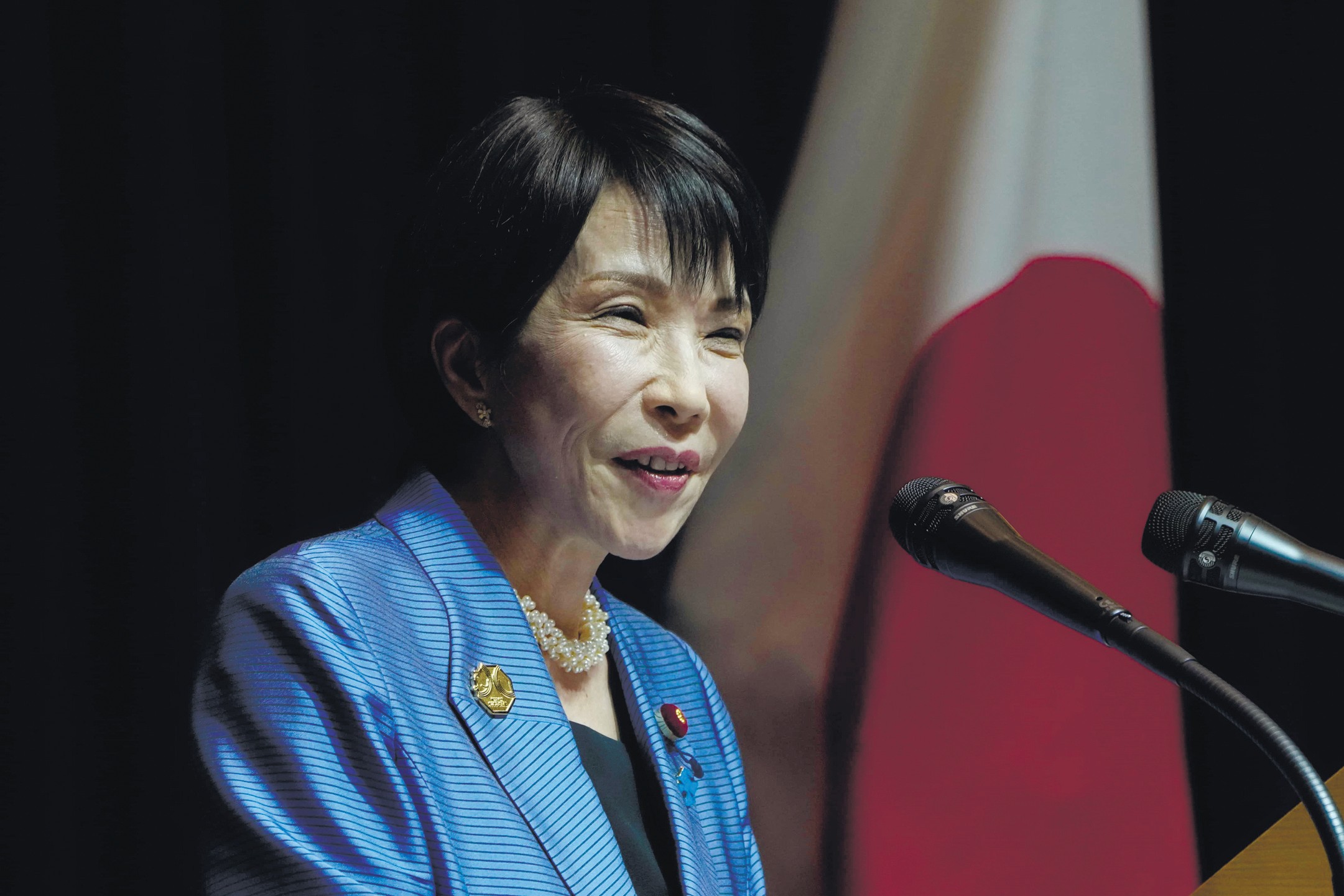
Amid growing global tensions, Japan has stepped into the spotlight as a major player in international politics. Much of this attention stems from the October 2025 election of Liberal Democratic Party leader Sanae Takaichi as prime minister, making her the first woman to ever hold the office. Her ascent has reshaped not only Japan’s domestic political landscape but also its approach to foreign affairs. Just weeks after taking office, Takaichi established a distinctly assertive and proactive diplomatic tone, signalling Tokyo’s willingness to take a more prominent role on the world stage.
Following in Abe’s footsteps
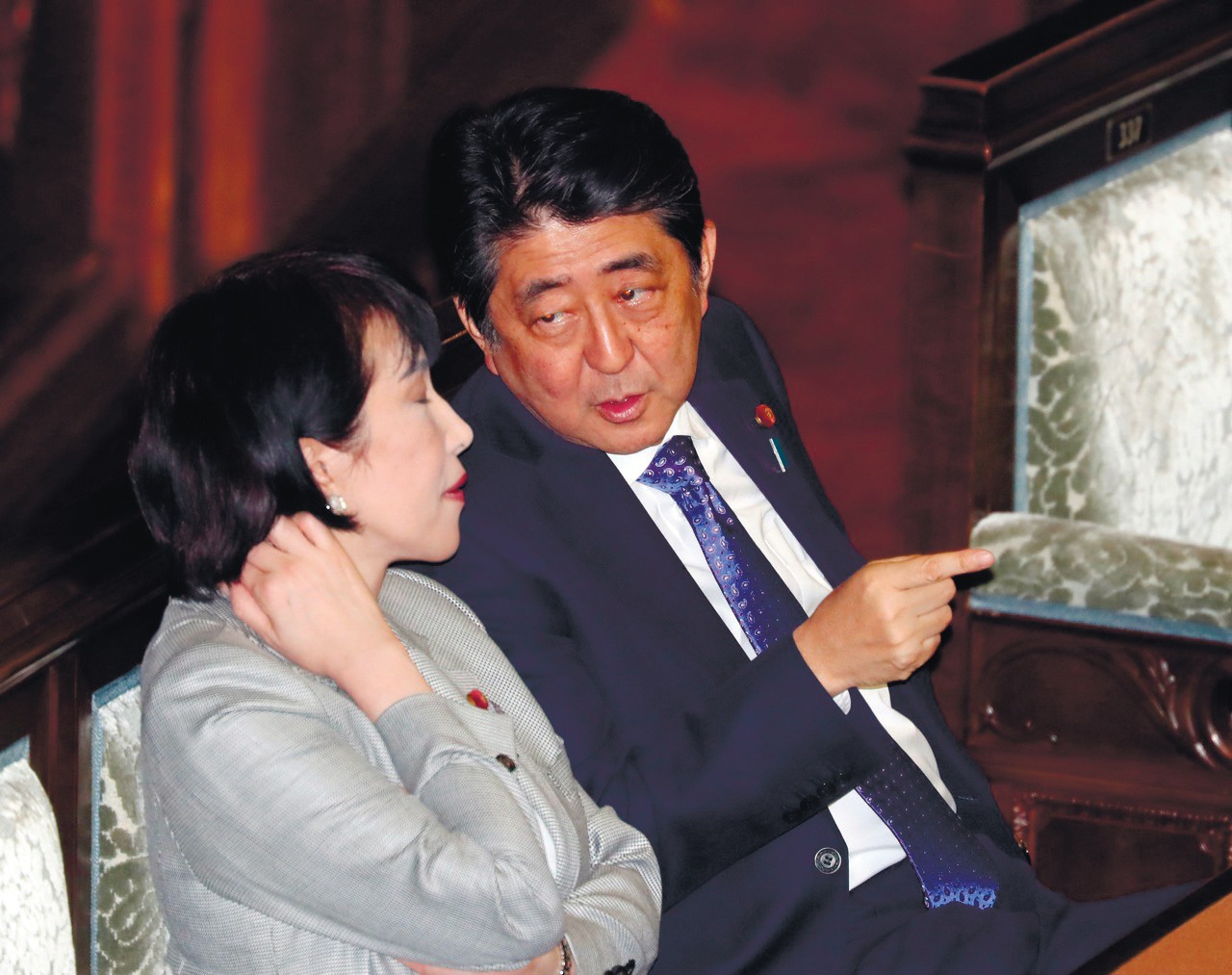
Sanae Takaichi is widely seen as the ideological heir to the late Prime Minister Shinzo Abe. Abe worked to gently steer Japan away from the strict constraints of postwar pacifism by reinterpreting its right to self-defence, bolstering its armed forces, and taking a more engaged role in international alliances. Takaichi is carrying forward that same vision, but doing so with greater urgency and directness. Where Abe moved carefully, paving the way for change through compromise and incremental adjustments, Takaichi frequently emphasizes the need to accelerate the pace: overhauling defence policy documents, boosting military budgets, and expanding Japan’s role from a strictly defensive posture to that of an active shaper of global security frameworks.
Moreover, Abe was one of the first Japanese leaders to systematically adopt a tougher stance toward Beijing while still keeping economic channels open. Takaichi has inherited this dual-track approach but frames it more explicitly. In her view, China is no longer just a “partner and competitor” but a clear strategic challenge, one that requires both Japan’s diplomacy and economic strategy to be realigned accordingly.
Abe championed the vision of a “Free and Open Indo-Pacific” and broadened Japan’s network of partnerships, reaching from the United States to India and Australia. Rather than dismantling this framework, Takaichi is expanding it. She is bringing European nations into the fold, deepening ties with Central Asia, and placing greater emphasis on a wide-ranging web of international connections.
That said, labelling her merely as Abe’s successor would be an oversimplification. There are at least two major distinctions. The first lies in pace and political style. Abe was a pragmatic strategist who frequently leaned on compromise and gradual progress. Takaichi, by contrast, is far more ideological and forthright, resulting in a policy approach that is sharper and less willing to bend.
The second difference is the geopolitical context. Abe navigated a world where globalization was still relatively stable and the United States remained a predictable partner. Takaichi, however, is operating in an era marked by heightened geopolitical rivalry, energy vulnerabilities, and growing uncertainty in US foreign policy. Consequently, her approach comes across as inherently more assertive, even though it springs from the same ideological foundation.
Ultimately, Takaichi’s agenda is a more forceful and fast-tracked version of Abe’s legacy. She is advancing the same core ideas, but doing so under vastly different circumstances and with far less hesitation, aiming to translate the strategic initiatives Abe introduced into concrete reality.
Tokyo opts for diversification
Recent events strongly bear out this shift. Against a backdrop of global instability and escalating conflicts, Japan’s leadership is working to transform the nation from a passive “consumer of security” into an active provider. It is doing so by bolstering its defence capabilities, widening military cooperation, and gradually easing restrictions on arms exports. Through these moves, Tokyo is making it clear that it will no longer accept being boxed into a strictly defensive posture.
At the same time, Japan’s stance toward China is visibly evolving. Where Japanese diplomacy once tried to balance deep economic ties with political disagreements, the focus has now shifted. China is increasingly viewed less as a vital economic partner and more as a systemic challenge that must shape Japan’s strategic calculations. This shift is evident in Tokyo’s push to diversify supply chains, cut back on reliance on Chinese materials, and simultaneously deepen cooperation with Western allies in critical technologies and rare-earth minerals. While Chinese media often portrays these moves as part of a broader containment strategy, Japan and Western nations see them as a pragmatic response to an increasingly competitive landscape.
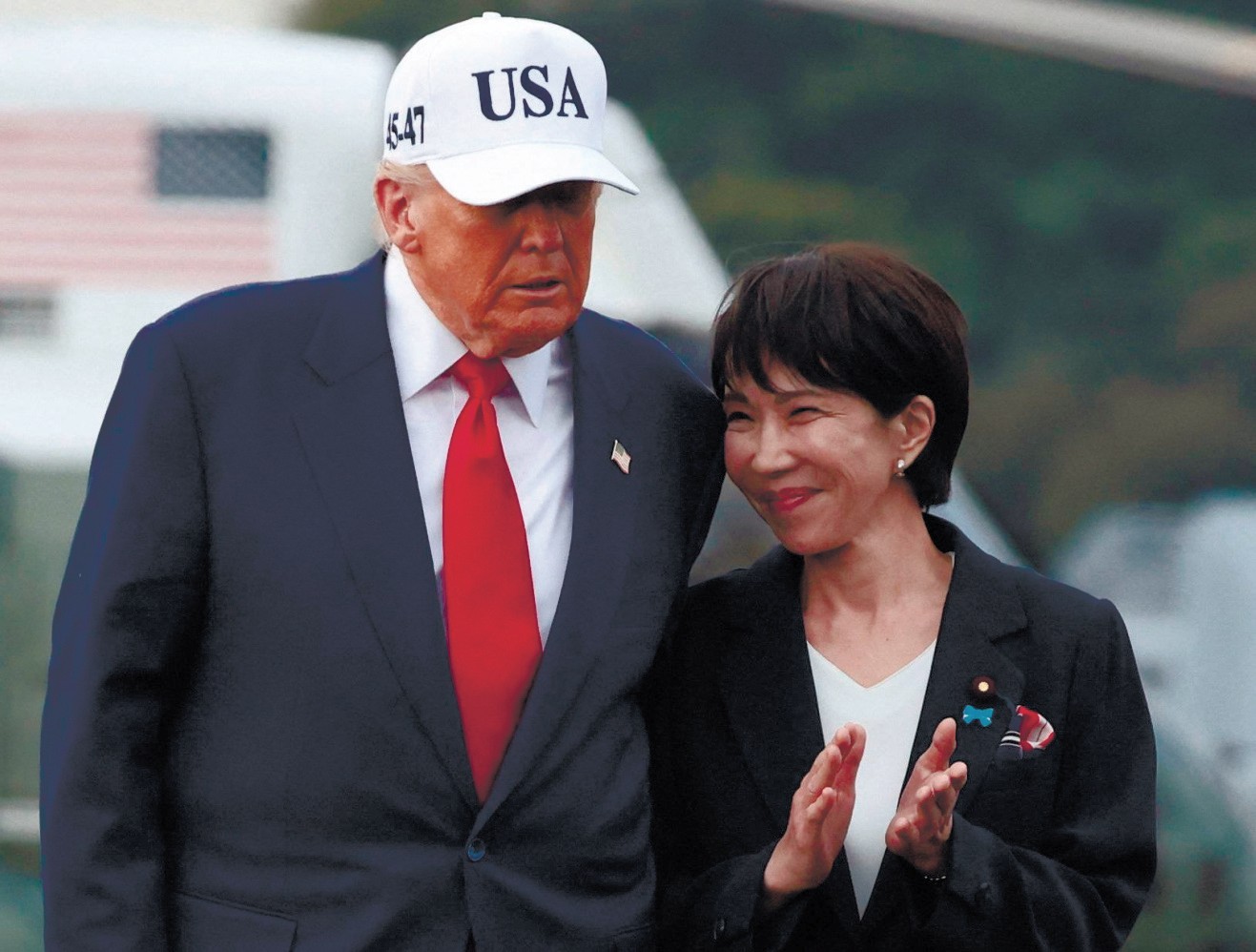
However, Japan is not relying solely on its alliance with the United States, even though that partnership remains the cornerstone of its foreign policy. Tokyo’s interactions with the Trump administration highlight the complex nature of this relationship. On one hand, Japan strives to maintain the closest possible alignment with Washington. On the other, it is increasingly mindful of the risks posed by American unpredictability. Growing US pressure on security issues—including potential expectations for Japan to help secure maritime routes in the Middle East—is pushing Japanese leaders to seek additional strategic backing. This dynamic explains Tokyo’s renewed outreach to Europe, particularly France, which Japan regards as a relatively independent and capable player in the Indo-Pacific.
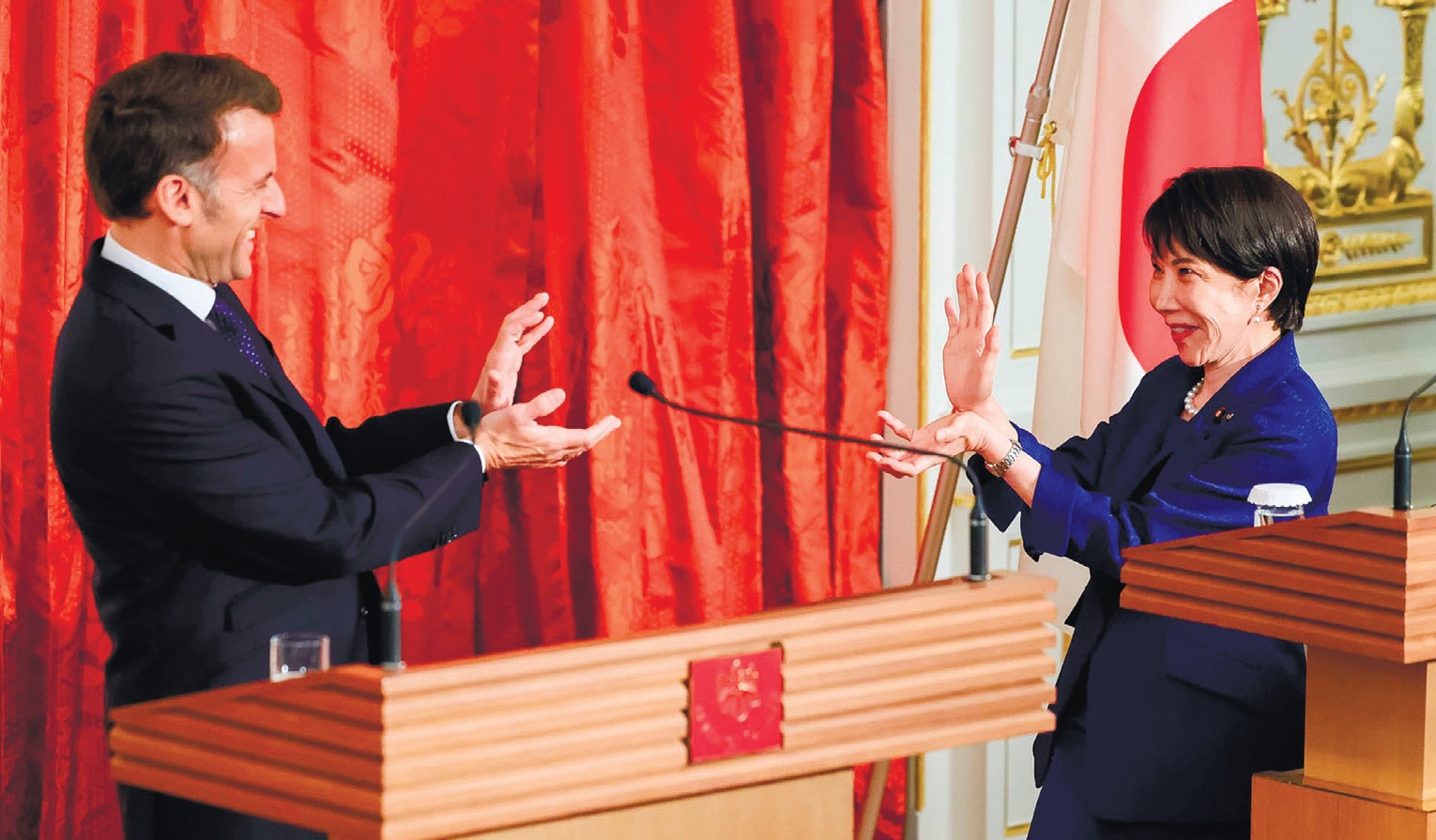
The European pivot is steadily becoming a vital tool for diversifying Japan’s foreign policy. French President Emmanuel Macron’s recent visit to Tokyo, for instance, showed that discussions with Paris are moving past diplomatic pleasantries into concrete cooperation spanning defence, energy, artificial intelligence, and space exploration. For Tokyo, this opens up valuable strategic flexibility, allowing it to broaden its options and reduce over-reliance on Washington without jeopardizing its core alliance. In this way, Japan is gradually constructing a partnership ecosystem where influence is distributed across a web of interconnected relationships rather than concentrated in a single ally.
Projection of power in Japanese policy
Energy security plays a central role in this broader strategy. Ongoing tensions involving Iran and the resulting vulnerabilities in the Strait of Hormuz have once again underscored Japan’s exposure as one of the world’s top energy importers. Securing stable shipping lanes, contributing to international maritime security efforts, and identifying alternative energy sources have therefore become top priorities on Tokyo’s diplomatic agenda. This reality is pushing Japan toward a more pragmatic foreign policy, one that increasingly embraces the strategic use of hard power to safeguard national interests.
This shift is most evident in Japan’s National Security Strategy, approved on December 16, 2022. Although the framework was initially adopted by the previous administration, it is now being actively implemented in today’s volatile landscape. The most notable change is a substantial boost in defence spending. Tokyo is steadily moving toward allocating roughly 2 percent of GDP to its military—a threshold that was once considered politically unattainable. Equally significant is Japan’s first postwar initiative to develop long-range strike capabilities, shifting from a purely defensive posture to one that can target potential threats at their source. In recent years, the Self-Defense Forces have begun rolling out new long-range systems under the Type 25 designation. Two domestically engineered platforms have already entered production: an upgraded coastal anti-ship missile and a hypersonic glide vehicle.
Additionally, Japan is prioritizing the security of its sea lanes and the defence of its remote island territories. Naval destroyers are undergoing modernization, missile defence networks are being reinforced, and the fighter jet fleet is being upgraded through the integration of next-generation platforms and joint development projects with allied nations. Crucially, Tokyo is also expanding its domestic defence industry while gradually relaxing rules on arms exports. The goal is twofold: to bolster Japan’s own military readiness and to integrate into global defence supply chains, deepen cooperation with allies, and generate new revenue streams for its military-industrial sector.
Japanese defence equipment—especially naval vessels, air defence systems, and advanced technological components—is drawing increasing interest from international partners, largely thanks to its proven reliability, high quality, and cutting-edge engineering.
Looking toward Central Asia and the South Caucasus
Another defining feature of Japan’s renewed foreign policy is its willingness to look beyond traditional allies and cultivate ties with regions where Japanese engagement has historically been limited. Central Asia stands out as a prime example of this outward-looking approach. In fact, it was under Sanae Takaichi’s leadership that the inaugural “Central Asia + Japan” summit was convened.
Held on December 19–20 of last year, the summit underscored Tokyo’s view of the region as a strategic priority for long-term engagement. Talks centred on improving transport links, securing access to natural resources, developing infrastructure, and deepening economic ties. Through this outreach, Japan effectively signalled its readiness to play a more active role in shaping broader regional dynamics across Eurasia.
Tokyo aims to diversify both its diplomatic and economic ties, lessen its reliance on a narrow circle of traditional partners, and simultaneously bolster its footprint in strategically vital regions where major powers’ interests converge. Yet Japan is also taking a realistic view of its own limitations. It has no intention of displacing other major actors, particularly China. Tokyo fully recognizes that executing large-scale connectivity projects linking the region with Japan would be practically infeasible without accounting for Beijing’s established role.
Consequently, Japan is concentrating on niche projects, leveraging its technological know-how, financial tools, and high-quality standards to offer alternative models for infrastructure and logistics development. This approach reflects a deliberate choice to avoid direct competition with China, opting instead to strike a careful balance and expand its regional influence through specialization and collaborative partnerships.
Looking ahead, this trajectory suggests that Japan will likely ramp up its engagement in the South Caucasus as well, with Azerbaijan standing out as a key target. Baku is already well integrated into broader regional frameworks that connect it to Central Asia, making it a natural extension of Tokyo’s outreach.
Interestingly, these overlapping networks only amplify the strategic potential of the Middle Corridor, creating new avenues for cooperation among all participating nations. Rather than fuelling zero-sum rivalry, this interconnectedness can transform geopolitical competition into a broader landscape of mutual opportunity, provided each country’s core interests are respected.
Ultimately, however, none of this changes the core reality: Tokyo is racing to adapt to a world where the old rules—steady globalization, predictable alliances, and the clear separation of economics from geopolitics—have fallen away. As a result, Japan’s foreign policy is growing more proactive, more nuanced, and, crucially, far less cautious than it was only a few years ago.
RECOMMEND:
 137
137

