
UNDECLARED FAILURE
Pashinyan’s Moscow visit, intended to bolster his standing, generated fresh complications ahead of elections
Author: NURANI
The latest reports regarding Armenia have once again confirmed a long-standing political maxim: every election campaign is essentially a show. However, theatrical elements alone are insufficient to guarantee a victory at the polls. Today, the incumbent Prime Minister of Armenia, Nikol Pashinyan, is leaning heavily into these performative tactics. Whether he is seen eating pierogis and doner kebabs during his campaign tours or showcasing his drumming skills with the newly formed "Varchaband" group, the spectacle is clear.
Substantive social policies, however, remain absent—a tactic also drawn from the classic campaign handbook. It is possible that Pashinyan and his team are reserving such a card for the final stretch; with the vote scheduled for June 7, 2026, there is still time for populist gestures.
Yet, pressing political challenges remain, particularly in the delicate sphere of relations with Russia. This was starkly evident during Pashinyan’s recent visit to Moscow and his discussions with Russian President Vladimir Putin.
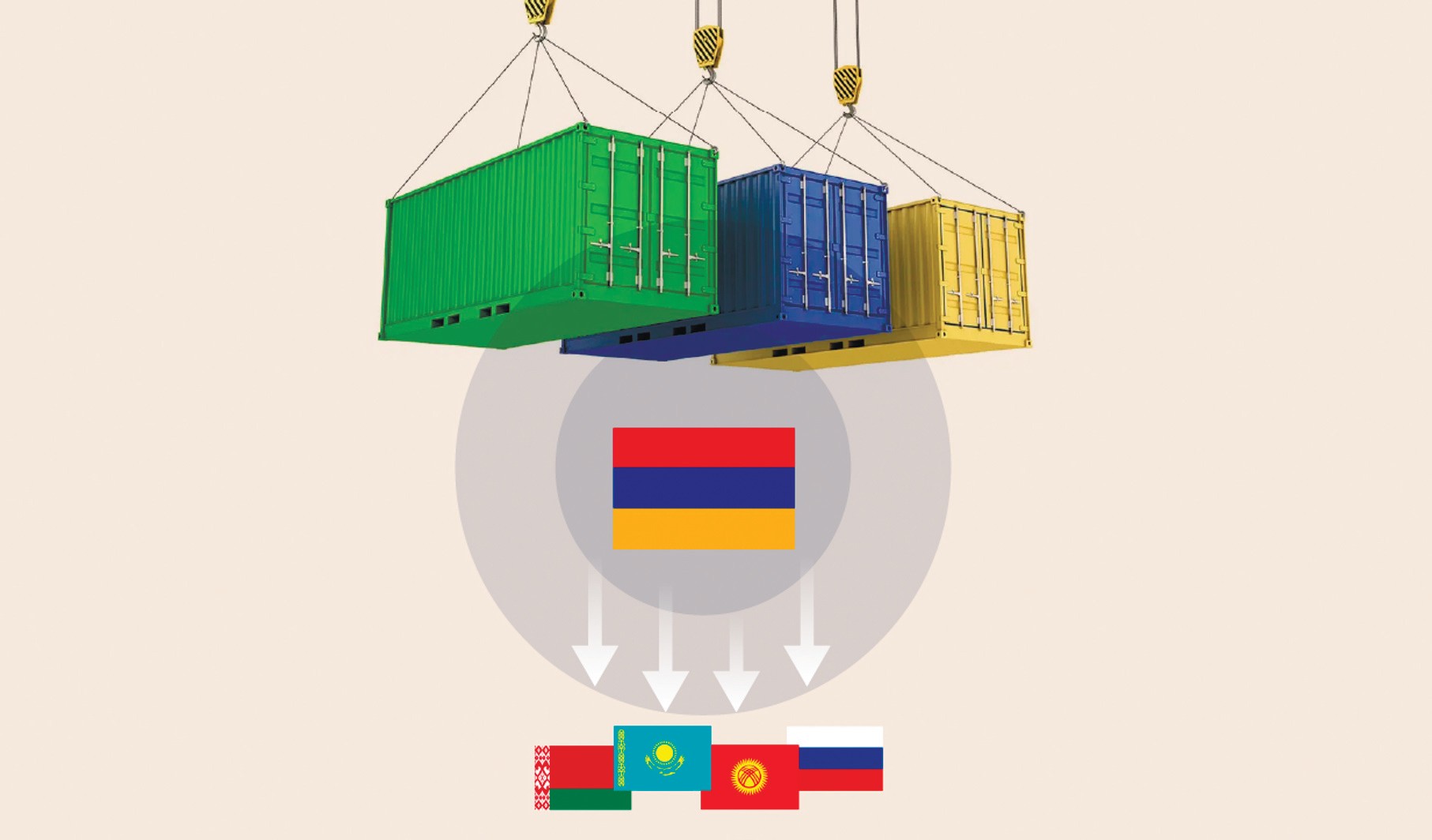
Bilateral ties between Moscow and Yerevan are currently weighed down by numerous issues. These include Armenia’s overtures toward the European Union and discussions regarding the closure of the Metsamor Nuclear Power Plant, which some propose replacing with American modular reactors. There are also hints from Pashinyan that the concessionary management of Armenian railways might be transferred from Russia to Kazakhstan, among other concerns. While high-level meetings, negotiations, and working groups are typically established to resolve such matters, this visit carried an additional subtext.
Moscow has been almost overt in its support for Pashinyan’s opponents within the revanchist camp. For the incumbent Prime Minister, resolving this tension was a priority, yet whether he succeeded in this task remains questionable.
Populist victory and political defeat
Most of Pashinyan’s domestic supporters and the international liberal community were likely unimpressed when, in Moscow, he chose to highlight Armenian democracy. He informed the Russian President that there are no political prisoners in his country. Furthermore, he asserted that no sentences are handed down in Armenia for social media posts.
It must be noted, however, that Pashinyan is somewhat embellishing the truth; opposition circles were quick to point out that nearly half the country has faced interrogation over social media content. As for the claim regarding political prisoners, the arrest of the opposition Mayor of Gyumri, Vardan Ghukasyan, casts significant doubt on the Prime Minister’s declarations.
In another vein, Armenia has long enjoyed the favour of the international human rights community. Even the lethal suppression of protesters in Yerevan following disputed presidential elections was overlooked by international bodies before Pashinyan took office. High-ranking Council of Europe emissaries often vociferously demanded the release of "political prisoners" in Azerbaijan, yet when questioned about similar cases in Armenia, they would claim a lack of a legal definition for the term. Moreover, negotiations with Putin are hardly the venue where appeals to Armenia’s "democratic" credentials hold any sway.
It is unclear if Pashinyan was truly naive enough to play the democracy card in the Kremlin, or if his comments were intended for the European political establishment and his own voters. Regardless, Moscow concluded the talks by presenting Pashinyan with a blunt and extensive ultimatum.
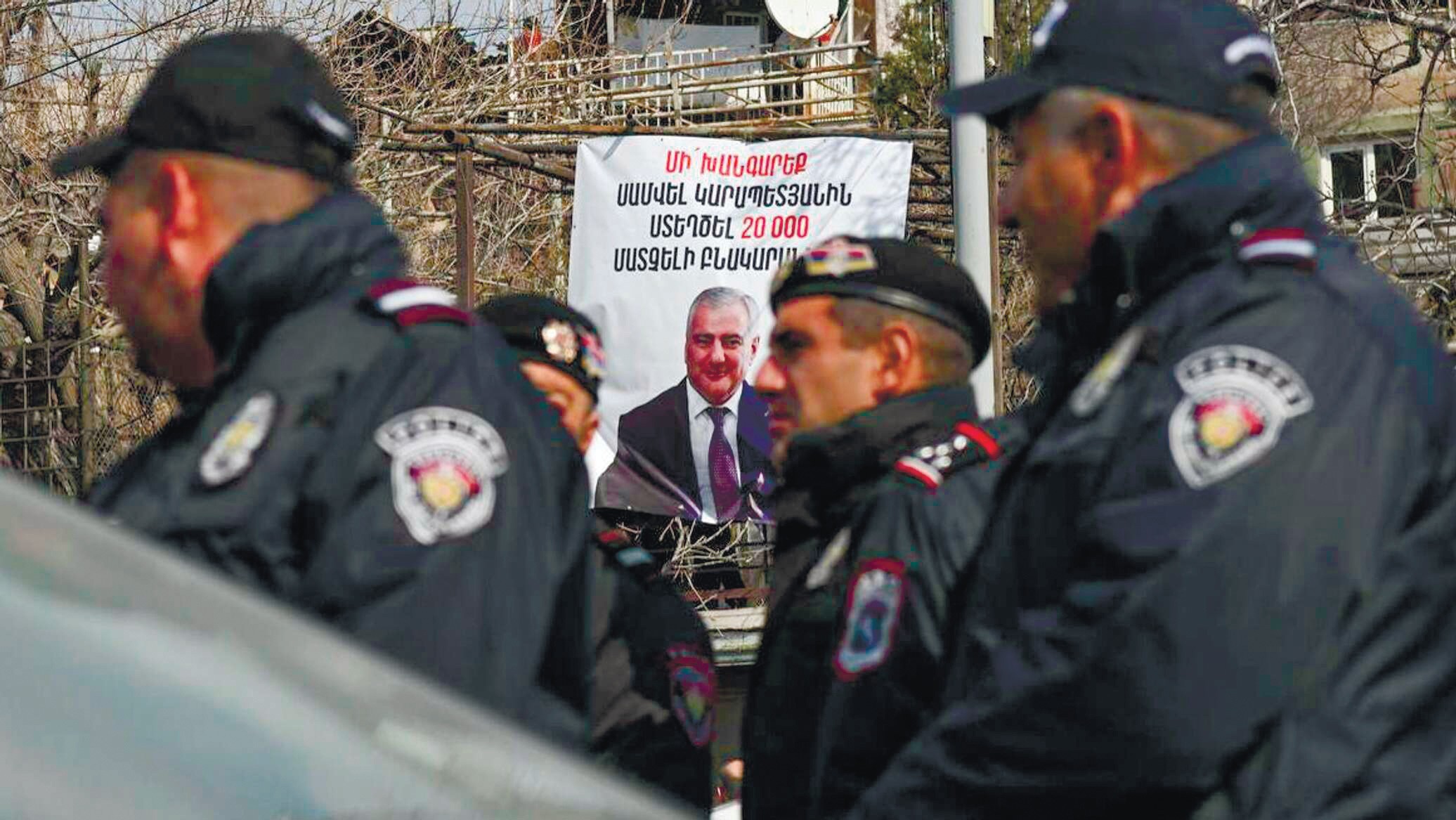
During the public portion of the meeting, a demand was made to stop obstructing pro-Russian candidates and to release Samvel Karapetyan, a figure Moscow is clearly backing. Pashinyan’s hesitant justifications—that Samvel Karapetyan is a Russian citizen and that legal barriers exist regarding his electoral participation—were simply ignored by the Kremlin.
Following the meetings, Armenia was presented with a substantial list of required actions. Primarily, Moscow demanded that Yerevan end its flirtation with the European Union, reminding them that simultaneous membership in the EAEU and the EU is impossible. While Armenia is unlikely to join the EU in the foreseeable future—given the examples of Georgia, Moldova, and Ukraine and Brussel's explicit declaration of an "expansion moratorium"—Russian Deputy Prime Minister Alexei Overchuk has already warned that EU accession would result in the termination of air links with Russia. For Yerevan, this would be a catastrophe.
Moscow is also displeased with plans to replace the Russian-managed Metsamor plant with US modular reactors that do not yet exist—a point the Kremlin was keen to highlight. Essentially, Moscow expects Pashinyan to drop any talk of revising the railway concession agreement. As a warning, Russia banned imports from an Armenian brandy plant, striking at a cultural staple.
The game is just beginning
Arguments from the chattering classes that Pashinyan is striving to distance Armenia from Russian influence may win applause from certain audiences, but they carry little weight. Armenia’s economic reliance on Russia remains intact, extending beyond railways and nuclear energy. Armenia receives oil, gas, and raw diamonds from Russia at domestic prices. In practice, this provides a multi-billion dollar subsidy to the budget; without these financial "crutches," the Armenian economy would collapse.
In the short term, there is no one to replace Russia in this capacity. Theoretically, Iran could step in, but the necessary infrastructure is non-existent. Furthermore, since the war, Iran has shown little interest in investing in the small Armenian market. Oil and gas could be purchased from Azerbaijan, but its export volumes are almost entirely contracted. There are simply no free volumes available for export.
Beyond availability, long-term supplies would require a peace treaty. Baku has repeatedly stated that such a treaty will only be signed once Armenia amends its constitution to remove claims to Garabagh. While the date for parliamentary elections is set, the timing of a constitutional referendum remains uncertain. At best, it might coincide with the elections.
Even then, Azerbaijan is unlikely to provide hydrocarbons at discounted rates. Relying on EU aid is also unrealistic; while Brussels might provide 10 or 20 million euros for medical tents, it cannot solve fuel supplies. Nor can it fill multi-billion dollar budget deficits.
When no good options are visible
Russia has not yet fully engaged in economic "arm-twisting" regarding Armenia. However, post-visit comments suggest this restraint will be brief.
Yerevan is already feeling the impact of its decision to nationalise electricity grids. The country has experienced a wave of power cuts, which is likely to continue. The need for grid modernisation and the generation deficit were noted even before the 44-day war. If anything, the situation has worsened since then. Previously, Armenia drew significant power from occupied Garabagh, an option that no longer exists.
Another vulnerability is labour migration to Russia. Pashinyan’s supporters avoid the topic, but the situation remains dire for Yerevan. Currently, Armenian migrant workers enjoy benefits as citizens of an EAEU member state. However, Moscow could easily begin restrictive measures and deportations. For Armenia, this would be an economic disaster. Up to a third of Armenian families survive on foreign remittances, mostly from Russia.
During the Moscow talks, it was made clear that the Kremlin does not favour Pashinyan’s re-election. The Russian leadership would prefer a pro-Russian candidate to hold the office of Prime Minister.
Resisting Russian pressure is possible, yet exceptionally difficult and risky. This is especially true given the uncertainty over which levers Moscow might pull. Russia maintains a military base, border guards, and influential pro-Russian segments, especially within the Armenian army.
Pashinyan could yield to Moscow’s ultimatum, but doing so would certainly alienate his supporters. In that scenario, no amount of pierogis or drumming would save him. Nor is there any guarantee that he would be accepted by the Kremlin even then. The ultimatum—particularly the demands regarding Samvel Karapetyan and electoral access—is designed less to extract concessions and more to prevent Pashinyan’s re-election. Consequently, despite his supporters' enthusiasm, Pashinyan’s visit was a failure. The resulting consequences will soon become clear.
"As I have already mentioned, I consider the visit to have been highly successful. Everyone else is entitled to their own views. As for our private discussions, we have already reached an agreement regarding future meetings and events. We have agreed to hold high-level meetings, including during the latter half of June".
RECOMMEND:
 173
173