

ENERGY, TRANSIT AND POLITICS
Ilham Aliyev’s visit reaffirmed the strategic unity of Azerbaijan and Georgia
Author: Elchin HUSEYNOV
The state visit of the President of Azerbaijan to Georgia on April 6 appeared at first glance to be a customary demonstration of strategic partnership. However, in the current geopolitical climate, it carries even greater significance, serving as a key indicator of a new power dynamic in the South Caucasus region.
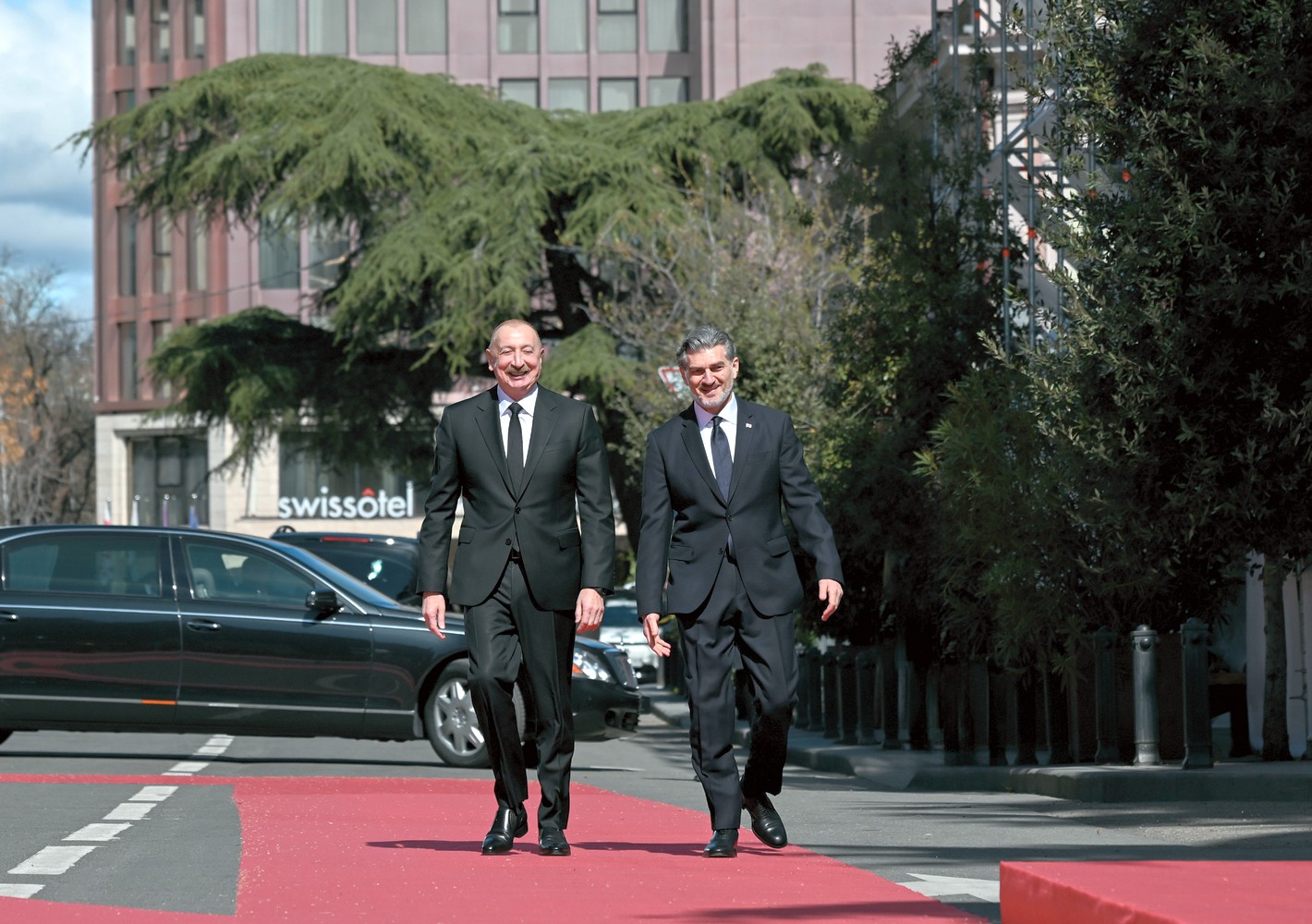
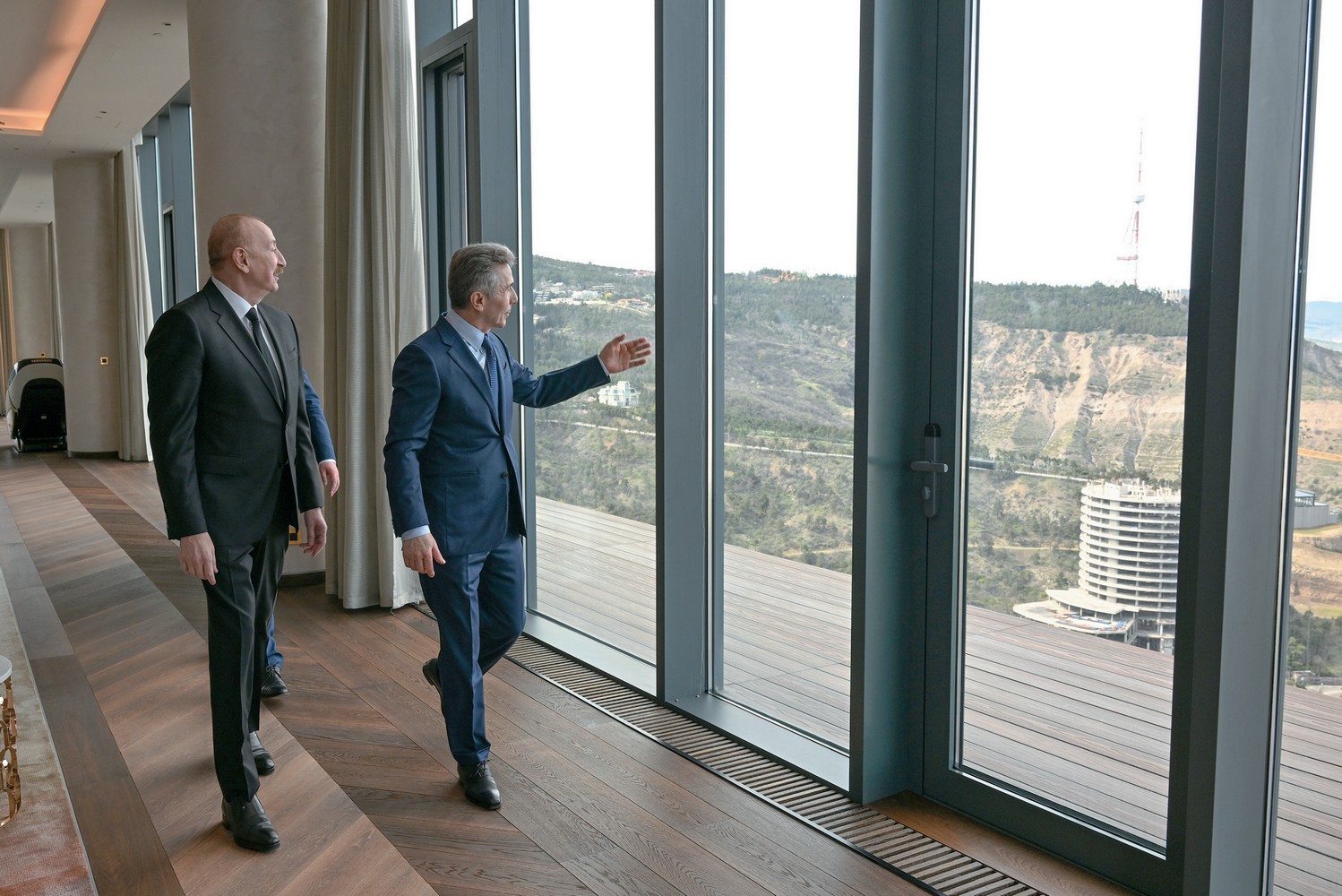
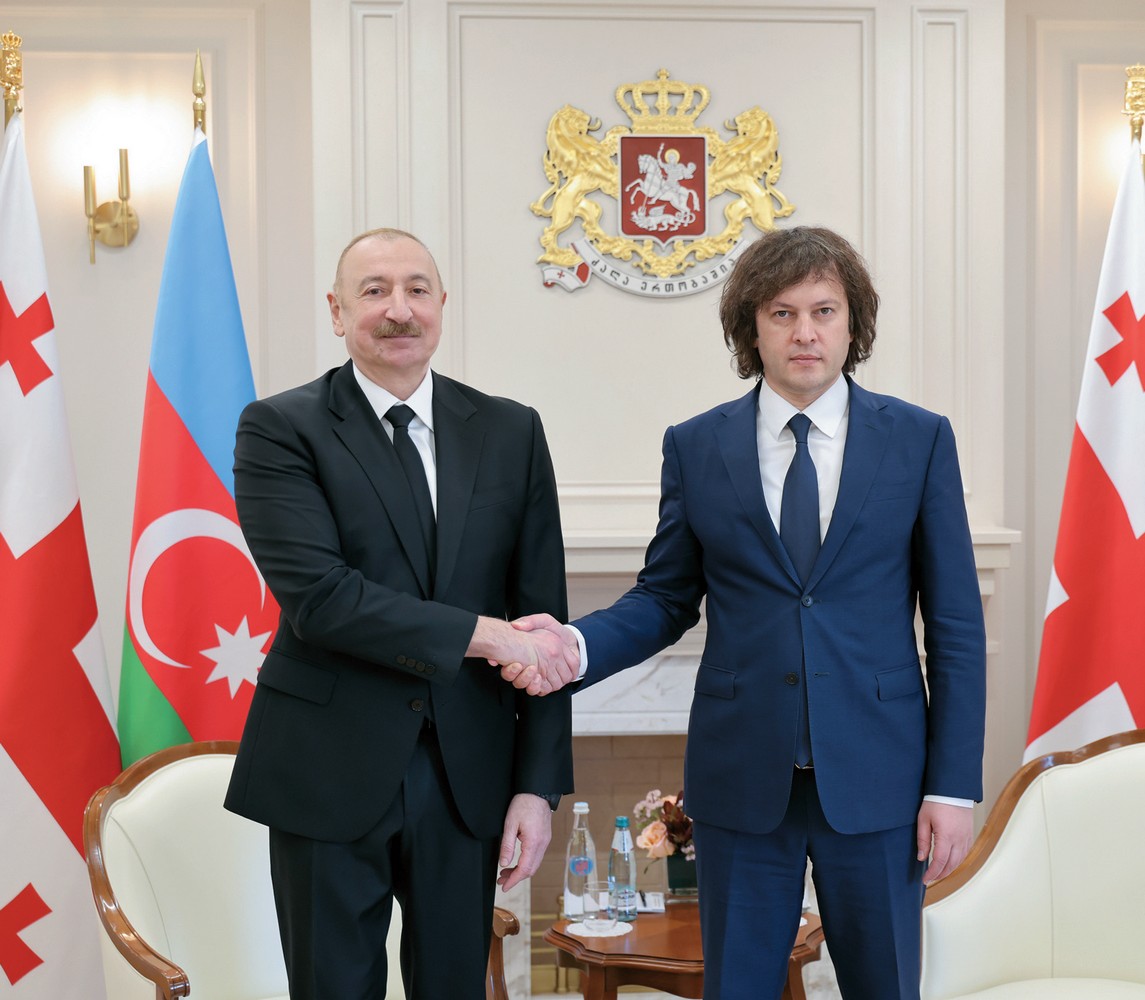
The agenda was as follows: talks with President Mikhail Kavelashvili and Prime Minister Irakli Kobakhidze; a lunch with the honorary chairman of the ruling Georgian Dream party, Bidzina Ivanishvili; expanded negotiations; and joint statements. It should be noted that the content of these meetings extends well beyond the scope of diplomatic protocol.
A framework for regional stability: more than an alliance
Azerbaijani-Georgian relations have long ceased to be simply good-neighbourly. This alliance forms the basis of the entire South Caucasus region's infrastructure. Key projects—from oil and gas routes to the Baku-Tbilisi-Kars railway—have effectively created an alternative geo-economic reality, bypassing traditional centres of influence. Georgia's strategic importance lies in its position as a gateway to Azerbaijan, facilitating access to both the Turkish market and European markets for Azerbaijani goods and services. Georgia's strategic importance as a transit hub is underscored by its position as a key player in the region. Therefore, any high-level visit is not just a matter of diplomacy, but a synchronisation of the entire structure.
The initial round of discussions with President Mikhail Kavelashvili confirmed that the relationship between the two countries is founded on the principles of friendship, good-neighbourliness and strategic partnership. Cooperation is flourishing in a variety of areas, including politics, the economy and energy, as well as green energy, transport, investment and more.
It is important to note the friendly tone adopted by the presidents during their discussions, as well as the strategic nature of the talks. The agenda included joint transport and energy projects, as well as the normalisation process between Azerbaijan and Armenia. The discussions were held in the context of ensuring stability and security in the South Caucasus. The leaders of Azerbaijan and Georgia expressed satisfaction with the cooperation between the two countries within international organisations, and exchanged views on the prospects for ties and other issues of mutual interest.
Following his discussions with Prime Minister Irakli Kobakhidze, Ilham Aliyev stated: 'The issues we discussed today demonstrate the continued strong partnership between Azerbaijan and Georgia. Our historical ties provide a solid foundation for interstate relations. The Georgian and Azerbaijani peoples have lived in friendship and brotherhood for centuries, and these traditions continue today.
Energy: a tool of influence
Ilham Aliyev's visit to Tbilisi coincided with a period of heightened awareness of the strategic importance of the South Caucasus region to Europe. In the wake of recent crises, the EU is exploring sustainable alternatives for its energy supply. In this system, Azerbaijan is responsible for supplying the resource, Georgia acts as the transit country, and Türkiye serves as the distribution hub. Consequently, the Baku-Tbilisi axis is evolving into more than just an economic route; it is also becoming a critical component of Europe's energy security. It is important to note that negotiations between Baku and Tbilisi are always of significance not only for the two countries, but also, indirectly, for Europe and the wider world. "Today, Azerbaijani gas is exported to 16 countries. However, this export once again originates in Georgia, which is the first country on the list. Azerbaijani oil and gas are exported to global markets via Georgia, and the oil resources from the eastern coast of the Caspian Sea pass through Azerbaijan and Georgia. We have already provided sufficient commentary on the existing infrastructure. All this infrastructure is visible, and the Baku-Tbilisi-Ceyhan pipeline has been operating successfully for 20 years. Following this, the Southern Gas Corridor was also implemented... The Middle Corridor passes through Azerbaijan and Georgia, and this is a key transport artery for us. Additional efforts are being and will be taken to expand it," said the President of Azerbaijan.
Irakli Kobakhidze, for his part, noted: "As a bridge connecting Asia and Europe, our countries play an important role in transportation. From this standpoint, we attach great importance to the development and modernisation of transport and logistics infrastructure. Georgia and Azerbaijan have repeatedly demonstrated their reliability and responsibility in implementing international energy and transport projects."
It is evident that significant progress is being made in the economic sphere by the sides. In 2025, bilateral trade turnover exceeded $800 million, and growth remains high in the first quarter of this year. This indicates a potential trade turnover figure of $1 billion by the end of the year. Ilham Aliyev has stated that the favourable investment climate in Georgia is encouraging Azerbaijani sponsors. To date, Azerbaijan has invested $3.7 billion in Georgia's economy. Today, we also had the opportunity to discuss new investment projects for both Azerbaijan and Georgia. Joint investments in third countries may also be a possibility in the future.
Tbilisi is ready to further develop trade and economic relations with Baku. "Azerbaijan remains one of Georgia's largest trading partners, and we expect economic relations to deepen further thanks to growing investment. We expressed our readiness to continue the high-level dialogue and deepen cooperation in various fields," Kobakhidze said.
The Armenian context of the dialogue
Although the topic of Armenia was not officially central to the talks, it was inevitably present in the background. Following the resolution of the Garabagh conflict, the South Caucasus region is undergoing a period of restructuring. It is important to note that any strengthening of the Baku-Tbilisi axis has a direct impact on the regional balance. Georgia's role in this equation is that of a neutral yet pivotal platform, with significant transport, political and diplomatic functions.
Kobakhidze highlighted this segment of the discussions during the joint press conference, stating: 'We thoroughly examined not only bilateral relations, but also matters pertaining to the future of the South Caucasus region as a whole. In this context, we welcome the current peace process between Azerbaijan and Armenia. Georgia firmly supports peaceful coexistence, constructive cooperation and the new initiative in the region. If requested, we are always prepared to facilitate conditions for dialogue and peace processes. The enhancement of cooperation between the countries of the South Caucasus promises to unlock new prospects for the entire region.
Ilham Aliyev, in turn, expressed his gratitude to the Georgian government for its assistance in the peace process between Azerbaijan and Armenia, stating: "I can say that signed documents are not enough to strengthen this process. It is imperative that we reinforce this peace at every stage and at every turn, and the most effective approach to take is through trade. Trade between Azerbaijan and Armenia is currently facilitated through Georgia, and I would like to express my gratitude to the Georgian government for this arrangement.
The regularity of contacts, a high level of trust and the absence of a conflict agenda are the factors that will make the South Caucasus a attractive investment and transit prospect. In effect, Baku, Tbilisi and Yerevan will be able to offer the outside world a key product: predictability. This is a vital component for the region's continued prosperity.
A sign of stability in the South Caucasus
Georgia's Foreign Minister, Maka Bochorishvili, described the arrival of Ilham Aliyev in the country as an event of great significance for Tbilisi: 'The visit of the head of state of our strategic, partner, neighbour and friendly country to Georgia is of great importance to us… In light of the ongoing processes in the region, it is crucial to reinforce political and economic relations between neighbouring states that enjoy friendly relations.' These words emphasise that Tbilisi views bilateral relations not only as historically fraternal, but also as a key instrument of regional security and economic stability.
As stated by Georgian political scientist Archil Sikharulidze, the purpose of the visit was to emphasise the significance of strategic relations, in which Georgia plays a pivotal role in terms of logistics. Sikharulidze also noted that the ruling Georgian Dream party has three key requests of Azerbaijan: the provision of energy resources, support on the international stage, and consideration of Georgia's interests as a transit country. Simultaneously, Baku is pursuing stability within Georgia and endeavouring to maintain a balanced policy between Russia and the West. This visit is a crucial component of a strategic assessment of the current situation.
David Aptsiauri, a seasoned Georgian diplomat with nearly three decades of experience, underscores the far-reaching implications of the Azerbaijani leader's visit, extending beyond the confines of conventional bilateral dialogue: 'Today, the geopolitical weight of both countries and the format of their bilateral interaction are taking on new dimensions, including participation in global projects. The development of the Middle Corridor and the practical implementation of this project are among the key topics of the visit.
Ilham Aliyev's visit to Georgia was a significant event that confirmed the strong ties between the two nations. It was a strategic move that demonstrated stability, economic interdependence and regional leadership for both Azerbaijan and Georgia. This visit also solidified the positions of both countries as key players in the South Caucasus, especially in the context of global and regional changes.
While there were no major statements or breakthrough agreements, the meeting did serve as a foundation for future discussions. It is clear that the strategic Baku-Tbilisi axis has been reaffirmed, which is a signal that regional independence is to be preserved. It is important to note that the South Caucasus is no longer a region of passive influence; it is now an active participant in global politics.
RECOMMEND:
 182
182