

ITALIAN EYE-CANDIES
Colourful houses and harbours dotted with fishing boats make Cinque Terre the most picturesque corner of Liguria
Author: Elchin HUSEYNOV, Baku-Cinque Terre-Baku
Cinque Terre, one of Italy's most picturesque areas, is located on a narrow strip of the Ligurian coast between the cliffs and the sea. The name literally translates as 'Five Lands', referring to the five small villages that cling to the steep slopes above the Ligurian Sea.
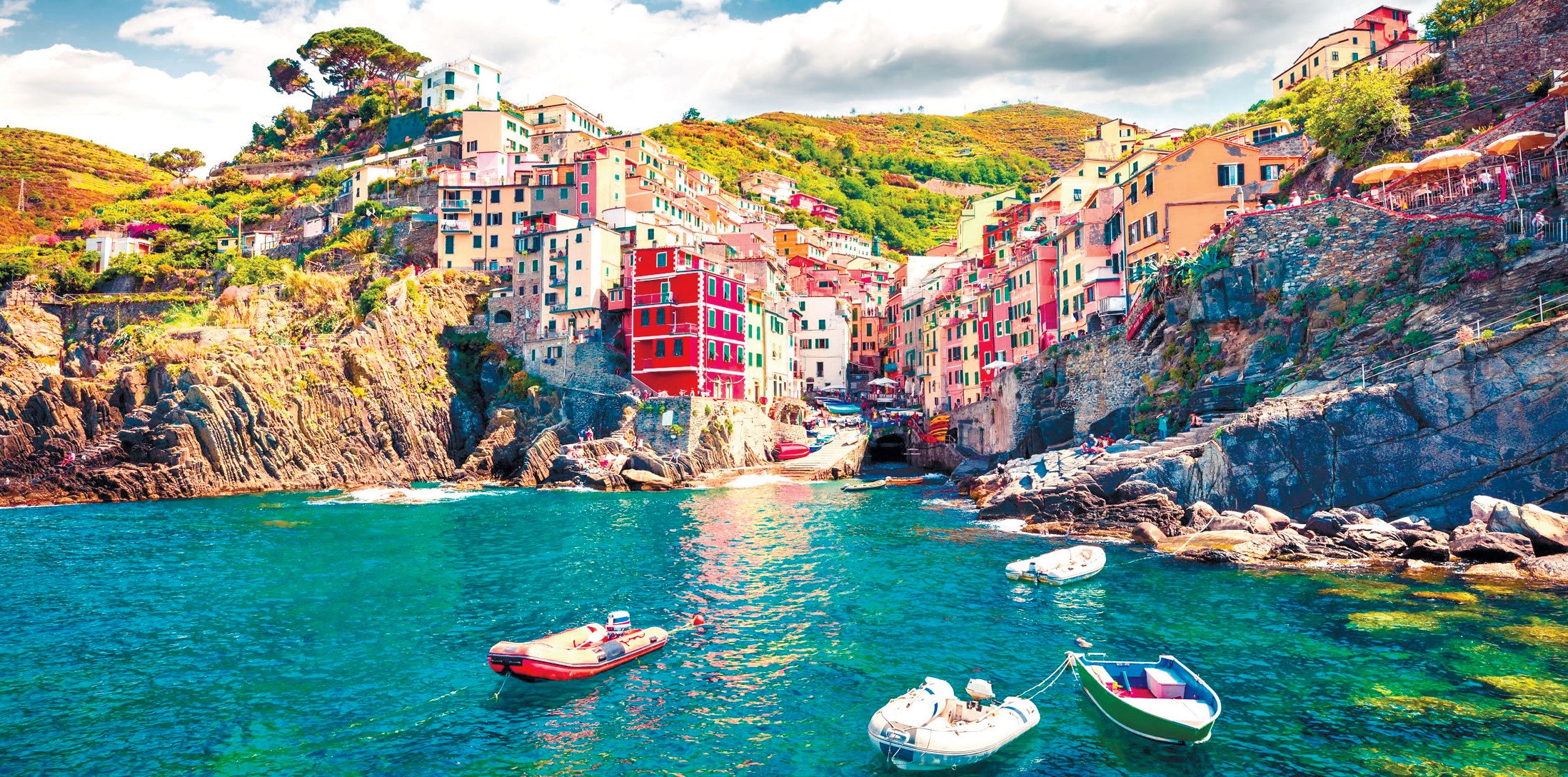
The region's picturesque landscape, characterised by colourful houses, fishing boats in small harbours, vineyards on stone terraces and narrow streets winding up the slope, has long been a symbol of romantic Italy. The villages appear as if they have been painted by an artist, with their overly bright facades, dramatic cliffs and excessively blue sea.
The five villages of Monterosso al Mare, Vernazza, Corniglia, Manarola and Riomaggiore have been almost completely isolated from the outside world for centuries. Historically, access was only possible by sea or via narrow mountain paths. This secluded location has enabled the villages to preserve their distinctive character and the ambience of historic Liguria.
Today, they form part of the Cinque Terre National Park, and their cultural landscape is included on the UNESCO World Heritage List. Despite its global fame, life here still flows to the rhythm of small coastal towns: in the morning, fishermen head out to sea; in the afternoon, tourists stroll along the paths above the cliffs; and in the evening, the narrow streets fill with the scent of seafood and Ligurian wine.
The unique atmosphere of the Cinque Terre, combining natural beauty, ancient traditions and the unhurried Italian way of life, is a major draw for visitors from around the world.
Five villages—five characters
The five villages of Cinque Terre each have their own unique character, atmosphere and main 'focus'. A traveller wishing to understand the true essence of Liguria should visit all five settlements, as each has its own unique history.
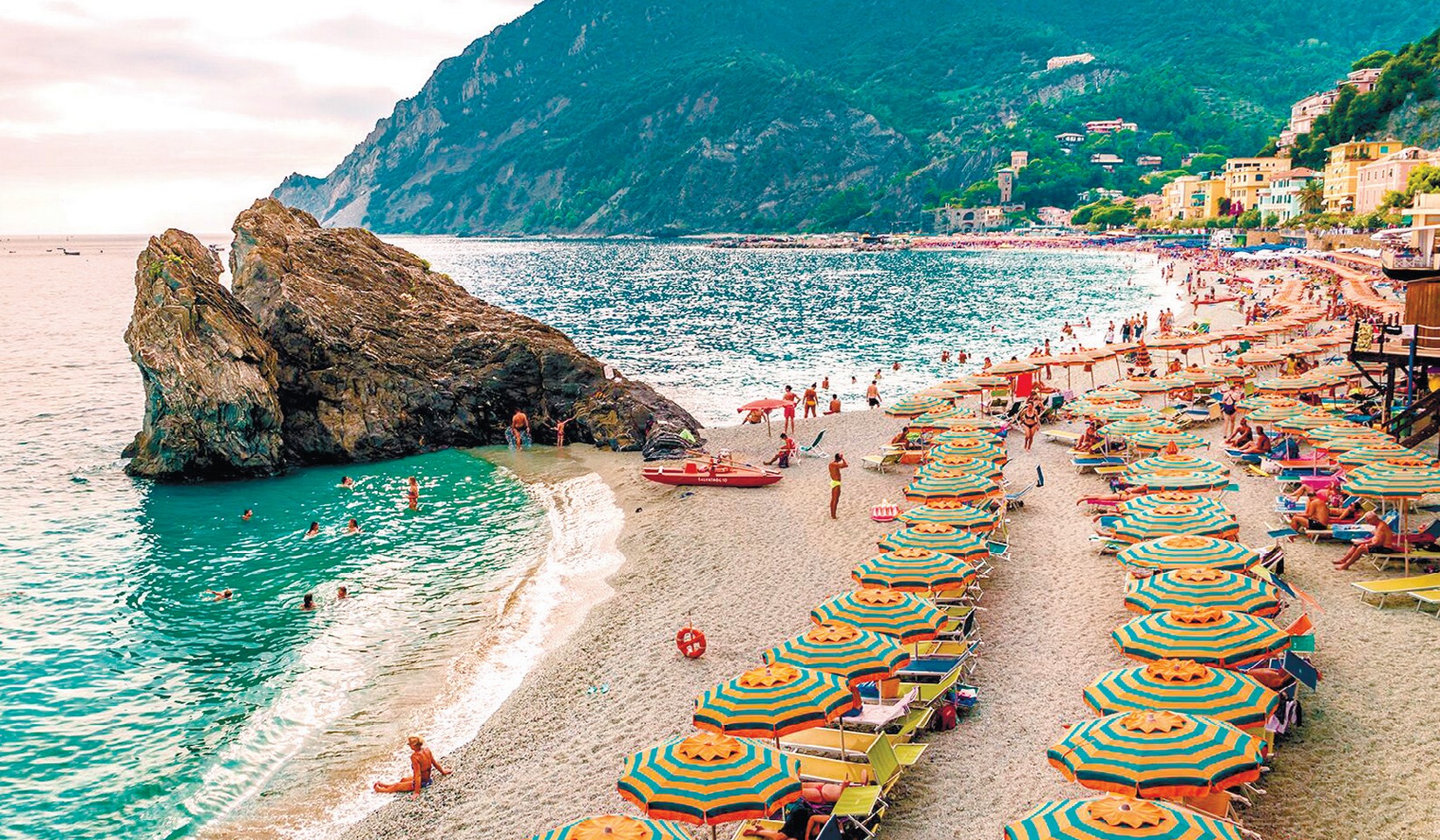
Monterosso is the largest village in the Cinque Terre and the only one with proper sandy beaches. In addition to the promenade, the area also offers the opportunity to spend a full day at the beach. The old town, with its narrow streets and small churches, is located adjacent to a more modern district, which features restaurants and cafés that open directly onto the sea. Monterosso is an ideal starting point for lovers of sun and water.
Vernazza is widely regarded as the most aesthetically pleasing harbour. The town's aesthetic is reminiscent of a professional artist's palette, with houses painted in vibrant colours and perched directly on the cliffs, along with a quaint fishing harbour that offers excellent photo opportunities. The narrow streets lead to the Church of San Pietro, and the evening views from the terraces overlooking the sea are simply mesmerising.
Corniglia is a village located on a cliff. This village is distinctive within the region, as it is located on a high cliff and does not directly border the sea. Access is available either via a long staircase or a picturesque road. The area's tranquil atmosphere, historic stone architecture and picturesque vineyards make Corniglia an ideal location for leisurely strolls and panoramic views.
For those seeking a romantic setting, the town of Riomaggiore is an excellent choice, offering stunning sunsets. This village is located at the southernmost point of the Cinque Terre, and is renowned for its spectacular sunsets. Fishing boats, colourful houses and small cafés by the water create a romantic atmosphere. The narrow streets and stairways are perfect for evening strolls, and the view of the Ligurian Sea bathed in the glow of the setting sun will stay with you for a long time.
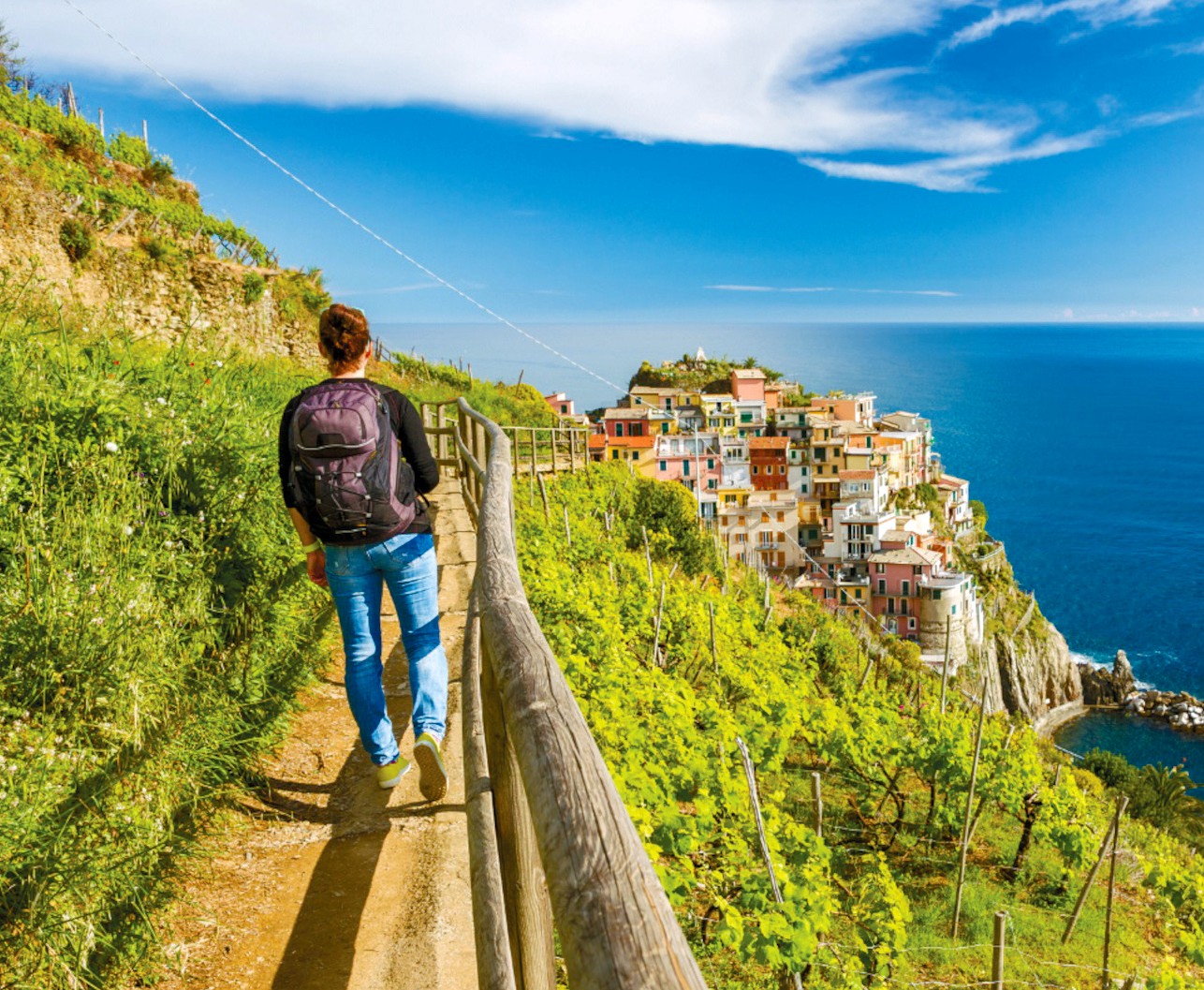
Manarola is widely regarded as the quintessential image of Italy. It is the symbol of the Cinque Terre on Instagram and in tourist brochures. The village appears to emerge naturally from the rock, with colourful houses, narrow streets, an old port and the renowned Via dell'Amore trail leading to Riomaggiore. This location is ideal for visitors wishing to experience the authentic charm of Liguria and capture exceptional photographs.
How to get to the Cinque Terre
Cinque Terre does not have its own international airport, so your journey here begins with a transfer in one of Italy's major cities. The nearest airports are Galileo Galilei in Pisa (85–90 km) and Cristoforo Colombo (100 km) in Genoa. The train journey from Pisa to the region's main transport hub, La Spezia, takes an hour and a half, and from Genoa, around two hours. Travelling by train from Milan or Rome takes longer (3–3.5 hours), but the journey is comfortable and inexpensive, especially if tickets are booked in advance.
The railway is the optimum mode of transportation to Cinque Terre. Inter-regional trains run from major Italian cities such as Rome, Florence or Milan to La Spezia Centrale station. Second-class tickets generally range from €25 to €50 for a one-way ticket. The train journey itself is part of the experience: the trains run along the coast, through tunnels in the cliffs, and offer views of the Ligurian Sea long before the destination is reached.
A special train service operates between La Spezia Centrale station and the villages of the Cinque Terre. It connects all five villages, as well as the town of Levanto, which lies furthest to the north. Train services are frequent, with a frequency of every 15–20 minutes during the high season and every hour during the off-season. A single ticket between the villages costs approximately €3. If you are planning to travel extensively during the day—for example, if you wish to see all five villages in a single day or make several return trips—it is recommended that you purchase the special Cinque Terre Treno MS Card, which offers unlimited travel on the trains. The cost of the pass is €14.80 for one day, €26.50 for two days and €31.50 for three days.
The area's renowned trails also offer the opportunity to explore on foot. The most renowned of these is the 'Blue Trail' (Sentiero Azzurro), which traverses the Ligurian Sea. Please note that an entrance fee applies to some sections of the national park, mainly during the summer months. The trails offer a unique perspective on the Cinque Terre, showcasing panoramic views of terraced vineyards, cliffs, coves and colourful houses from unusual angles that are not visible from the train. Between Manarola and Riomaggiore, another famous walking trail is the Via dell'Amore, a romantic route that is particularly popular with couples.
From late spring to early autumn, a boat service is also in operation, providing transport between the villages and the viewing points along the shore. While a boat trip may be more expensive than the train, it provides a unique and memorable experience. The view of the Cinque Terre from the water, with the colourful houses just a few dozen metres above sea level, is one of the most memorable images of the trip. The cost of a day ticket for the boat routes is between 30 and 50 euros, depending on the route and the season.
Travelling by car has its own particularities. Driving along the A12 motorway to La Spezia or Levanto is straightforward, but access for tourists is restricted within the villages themselves: the centres are pedestrianised and there are few parking spaces. In Monterosso, there are several pay-and-display car parks; a day's parking can cost €12–15, and in Riomaggiore €20 a day, but this is no guarantee of a space, especially in high season. Due to the narrow mountain roads and parking restrictions, most travellers find it easier to leave their car in La Spezia or Levanto and take the train.
Best accommodation options
If your objective is to explore the Cinque Terre in 1–3 days without overspending on accommodation, we recommend La Spezia or Levanto as suitable bases for your trip. In La Spezia, the region's largest city, there is a much wider choice of hotels and apartments than in the villages themselves, and prices are lower too. Accommodation options include modest guest-houses, with prices ranging from €30 to €80 per night, and stylish apartments in the centre, with prices from €120 to €150. In the morning, you can take the train to Monterosso or another village within 10–15 minutes, and in the evening, you can return to a quieter town once the tourists have gone.
Levanto, located to the north of the Cinque Terre, is another convenient option. The town is a quiet resort town with beaches, and it is also on the railway line to the villages in the region. The journey to Monterosso takes 10–15 minutes. Accommodation here can be found at a competitive price, and the atmosphere is more relaxed. In the morning, you can take a stroll along the promenade, and after lunch, set off on an excursion.
However, if you would prefer to stay in the heart of Cinque Terre, be advised that prices will be higher and it is advisable to book well in advance. Small boutique hotels with sea views in Monterosso, Manarola or Vernazza are available from €300 per night during the high season for rooms with a terrace or harbour views. In Corniglia and Riomaggiore, the selection is more restricted, but the scenic cliff-top buildings and windows right above the sea make this option distinctive. This type of accommodation is ideal for those who wish to experience a true village lifestyle, with the added benefit of being able to enjoy the sound of the surf from their windows and explore the area after the tourists have departed.
For most travellers, the optimal combination of comfort, value for money and convenience is to stay in La Spezia or Levanto and take the train there daily. This allows you to enjoy the beauty of the Cinque Terre without paying over the odds for accommodation during the high season, whilst still managing to visit many places in a short space of time.
The Sea on a plate, or the flavours of Liguria
Cinque Terre is renowned for its colourful houses perched on cliffs and picturesque trails, but it is also a place where Italy reveals itself through its cuisine. Each village retains its own unique culinary traditions, whilst the terraced vineyards produce exceptional wines that are truly one of a kind.
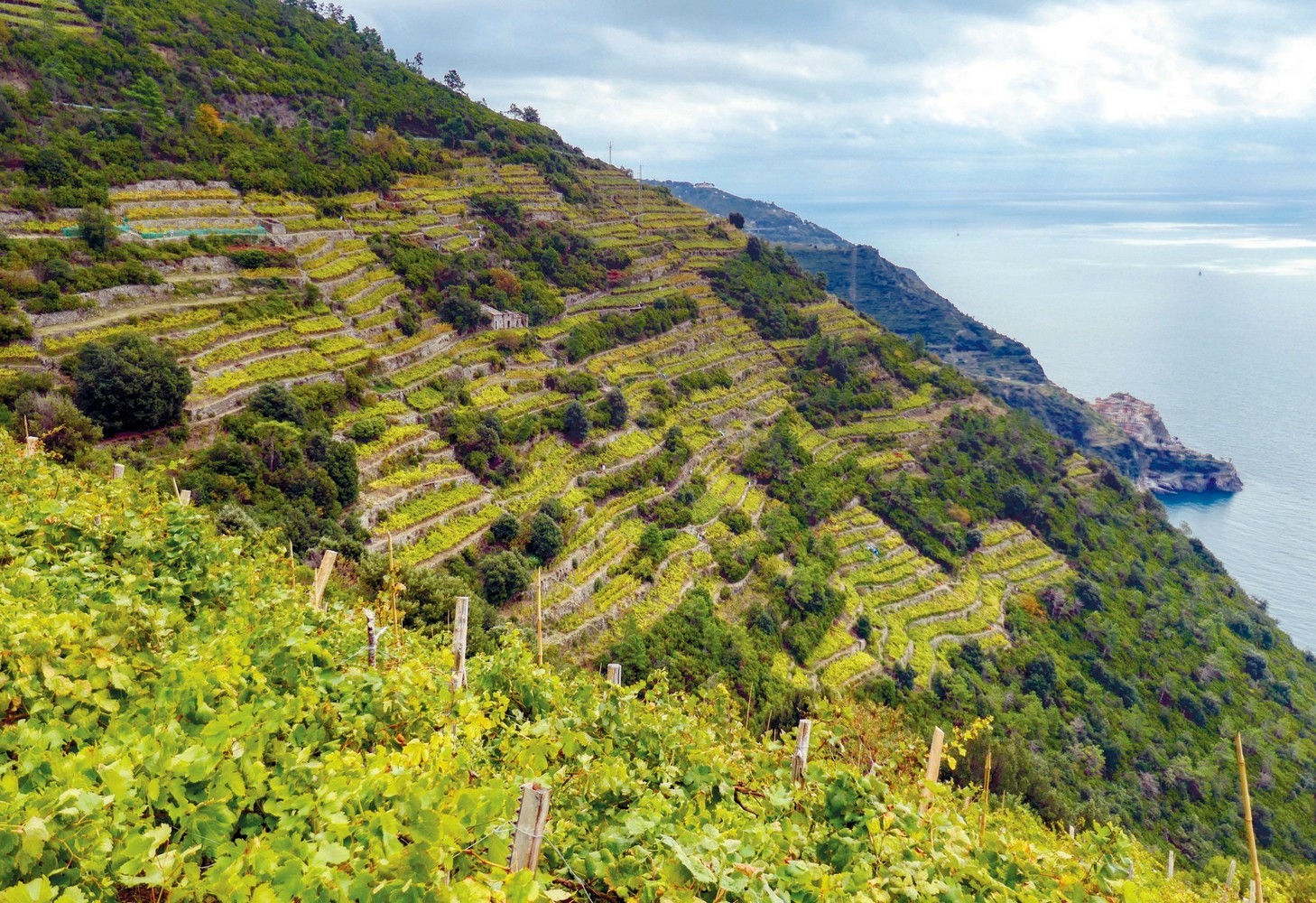
The vineyards here are a true work of nature's architecture. The stone terraces, hand-built hundreds of years ago, retain the soil on the steep slopes where the renowned local grapes are cultivated. The main variety used for the dessert wine Sciacchetrà is cultivated in this region. This sweet vintage drink is the perfect accompaniment to local cheeses and fish and costs between €25 and €35 per bottle in wineries and specialist shops. In addition to Sciacchetrà, each village produces white and rosé wines, which are served directly in restaurants or small bars by the harbour for €4–6 a glass.
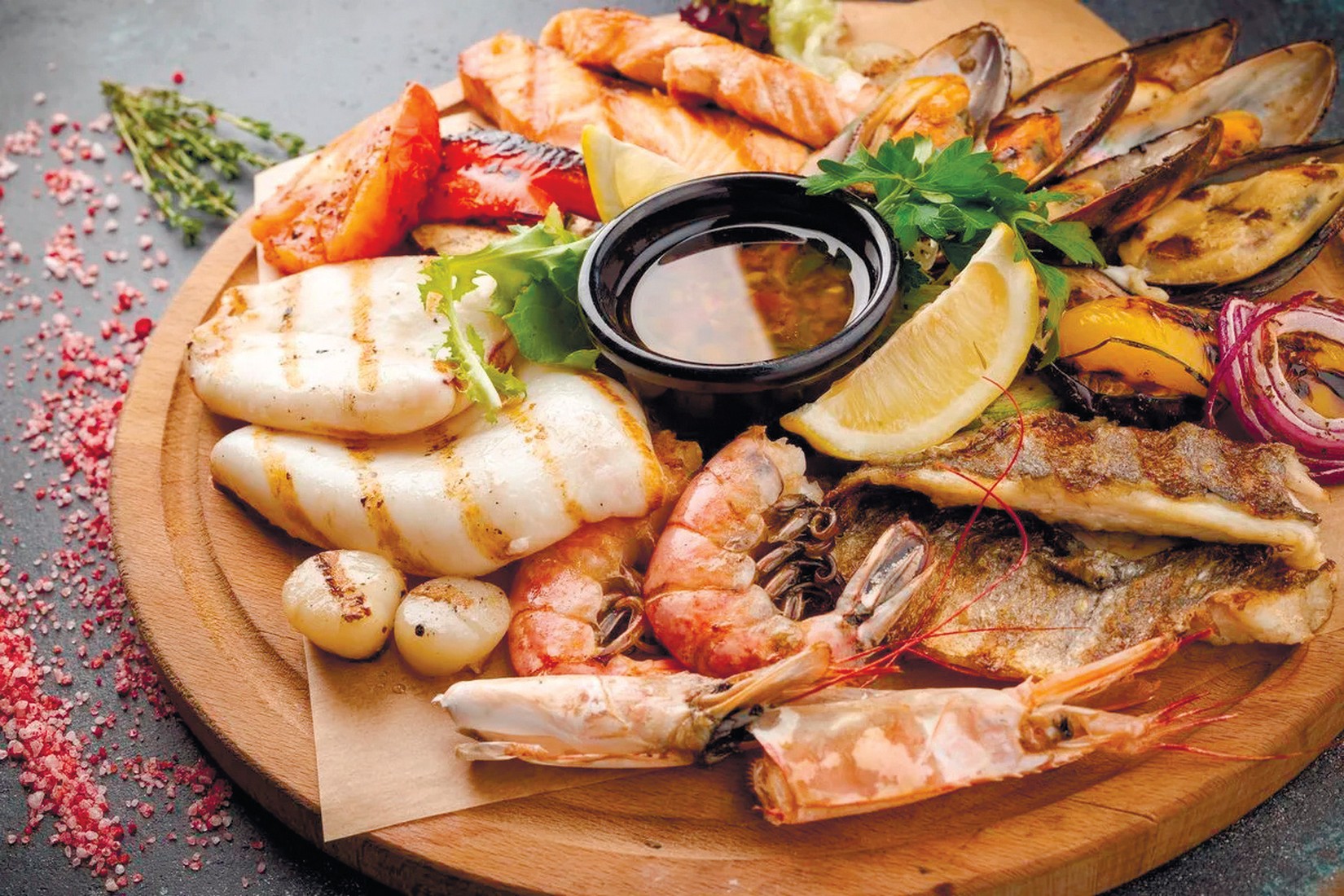
The local cuisine of Cinque Terre is renowned for its seafood dishes and the aromas of Liguria. The region is renowned for its seafood, particularly its fresh anchovies, mussels, squid and prawns, which are prepared with minimal processing to preserve their natural flavours. A popular dish is anchovies in salt, served with lemon and olive oil. In small family-run restaurants, a portion costs between €10 and €15. Focaccia, a traditional Italian bread often topped with olive oil, cheese or herbs, is a popular snack and can be found on virtually every street corner. Pesto from Genoa is another of the region's specialities: a green sauce made from basil, pine nuts, cheese and olive oil. The dish is served with pasta or as a spread, with a price range of €12–15 per plate.
Each village has its own culinary specialities. Monterosso is renowned for its grilled sea fish, Vernazza is celebrated for its fresh seafood served in the tavernas along the harbour, and Manarola is known for its quaint bars where visitors can enjoy a glass of white wine and small snacks. In addition to seafood, Corniglia and Riomaggiore offer local cheeses and olive oil produced in the villages. You can dine in small cafés or trattorias for an average of 20–25 euros, while dinner with a sea view and a glass of wine will cost 30–50 euros.
Should you wish to see the vineyards and experience the produce first-hand, it is recommended that you consider a mini-tour with wine tasting. Many wineries offer tours that include a walk through the terraces and a tasting of local Sciacchetrà, white and rosé wines, sometimes accompanied by snacks (€20–40). This is an unparalleled opportunity to sample unique wines and gain insight into the formation of the Cinque Terre's cultural landscape. Each terrace, stone retaining wall and vineyard is imbued with its own history and decades of tradition.
As you explore the area, be sure to visit the local grocery shops, where you will find a selection of homemade products such as olive oil, sun-dried tomatoes, dried herbs, cheese, wine and pasta. It is an excellent way to bring a small piece of Liguria home with you and continue to enjoy its flavours back at home.
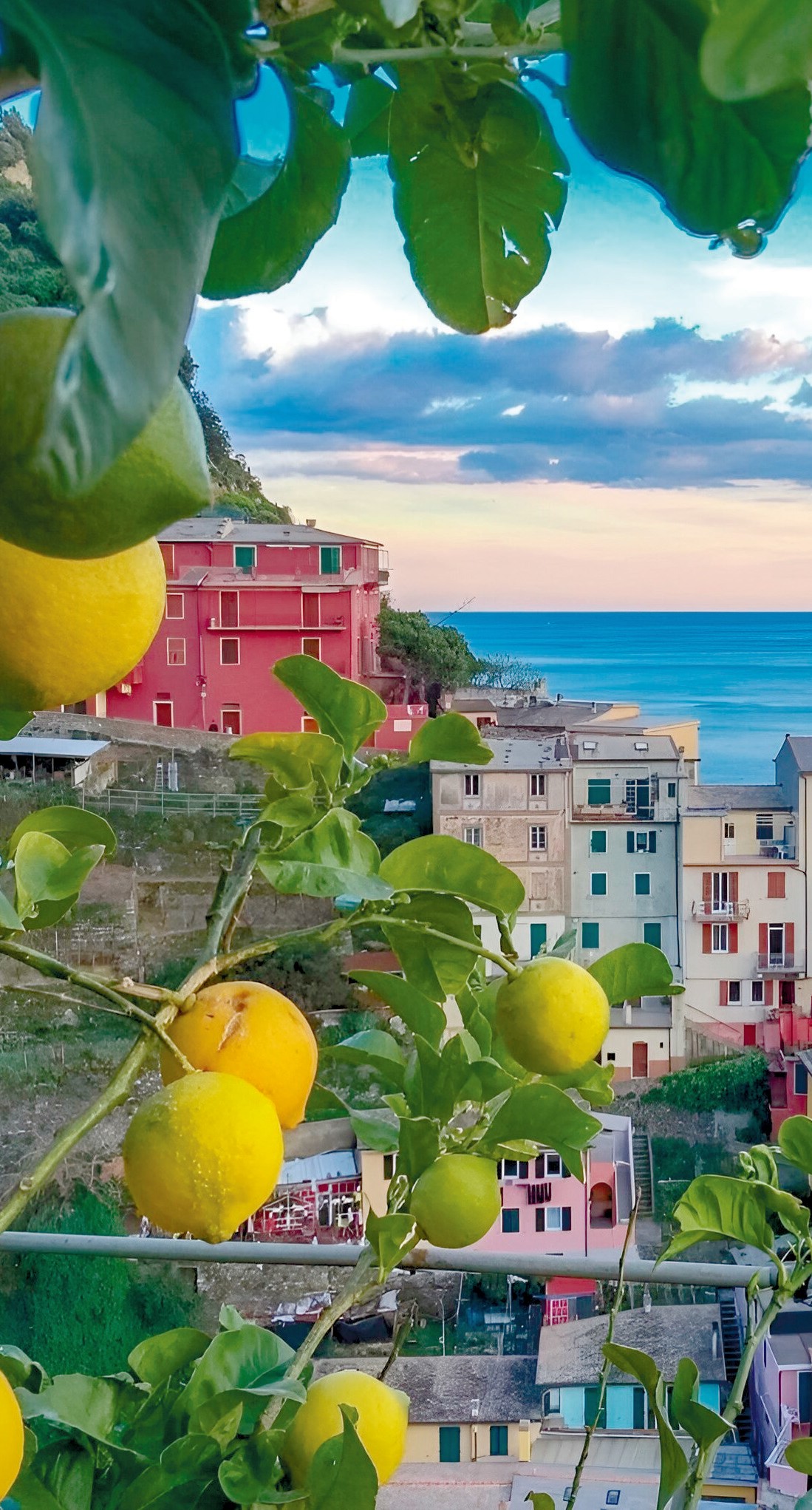
Incidentally, in Cinque Terre, lemons are almost as much a symbol of local life as the sea and the colourful houses perched on the cliffs. These plants can be cultivated in a variety of settings, including small terraced gardens, on mountain slopes, and even in private backyards. The scent of lemon trees pervades the atmosphere. The fruit is used to make homemade liqueurs (primarily limoncello), added to desserts, jams and baked goods, used in marinades for fish and seafood, and served as refreshing drinks and sorbets.
Cinque Terre offers a unique blend of spectacular views, rich history and exquisite culinary experiences. At this establishment, each lunch or dinner becomes an integral part of the experience. The fresh fish is accompanied by a glass of white wine, and a stroll through the vineyards provides the opportunity to appreciate the sense of community and dedication to quality that permeates the local cuisine and architecture.
Tips for a perfect trip
The optimal period for visiting Cinque Terre is from late spring to early autumn. The months of May, June and September are particularly pleasant, with warm weather and pleasant sea temperatures that are suitable for swimming. These months also see fewer tourists, making them an ideal time to visit. During the summer months, the villages experience a significant increase in visitors, leading to higher hotel prices and greater congestion on the trails. During the winter months, the number of tourists is lower, creating a tranquil atmosphere, however, it should be noted that some hiking trails may be closed and ferry services and boat routes may not be operational. In addition, during the winter months, there is a distinct absence of evening and nightlife activities. Life as we know it essentially halts after 6 or 7 p.m.
Cinque Terre's climate is marked by high humidity and frequent rainfall, particularly during the autumn, winter and spring months. Tourists should be aware of the potential hazards when planning their trip, including the possibility of unstable weather conditions. Conversely, the region's consistent rainfall ensures a perennial lushness of the landscape. Even during the off-season, the slopes are covered in lush grass, flowering shrubs and lemon groves, creating a sense of summer freshness and vibrant colours, despite the season.
Regardless of where you choose to stay, it is advisable to carry a map of the national park and keep an eye on the train timetable, especially during the high season. For walking routes, it is recommended that participants wear trainers or light footwear, and they should also bring a small rucksack containing snacks and water. Should you be planning to walk several trails in a day, the Cinque Terre Card will save you money and energy. Please remember to apply sun protection, especially during the summer months, and to bring an umbrella during the off-season. When planning your route, it is advisable to take into account the time of sunset, as the views of the sea at this time are particularly impressive.
The beaches in Cinque Terre are predominantly rocky, with only a limited number of sandy areas, so it is advisable to wear appropriate footwear, such as beach shoes or flip-flops. During the summer months, popular beaches can become very busy, especially in Monterosso, where the only large sandy beach is located. For a peaceful holiday, it is advisable to seek out small coves and rocky terraces, which are often located between villages and offer a more secluded atmosphere. It is also advisable to bring water and a light snack, as there are limited facilities on many beaches and the nearest cafés are in the villages. It is also important to note that sea temperatures can be quite low in summer, especially after periods of precipitation.
These simple yet important tips will help make your trip to Cinque Terre comfortable and memorable. In order to ensure an optimal experience, it is advisable to choose the most suitable time to visit, find a comfortable place to stay and select the most appropriate transport between the villages. This will allow you to focus on the region's natural beauty, unique architecture and culinary delights.
Cinque Terre is a place where the sea, cliffs and history come together, where every village retains its own character, and every bite is a gastronomic discovery. Perambulating through the narrow streets, observing the views from the terraced vineyards, detecting the scent of lemons and fresh fish, and sampling a glass of local wine will ensure an unforgettable trip. Cinque Terre is a destination that can be enjoyed in a variety of ways. Guests can stay in the village itself or choose to base themselves in La Spezia or Levanto. Regardless of their choice, they can expect to experience a blend of beauty, flavour and authentic Italian atmosphere. It is an idyllic journey, where each day is reminiscent of a fairy tale set against the backdrop of the Ligurian Sea.
RECOMMEND:
 118
118

