

RADEV'S REVENGE
Bulgaria’s former president returns to destroy the old system
Author: Natig NAZIMOGHLU
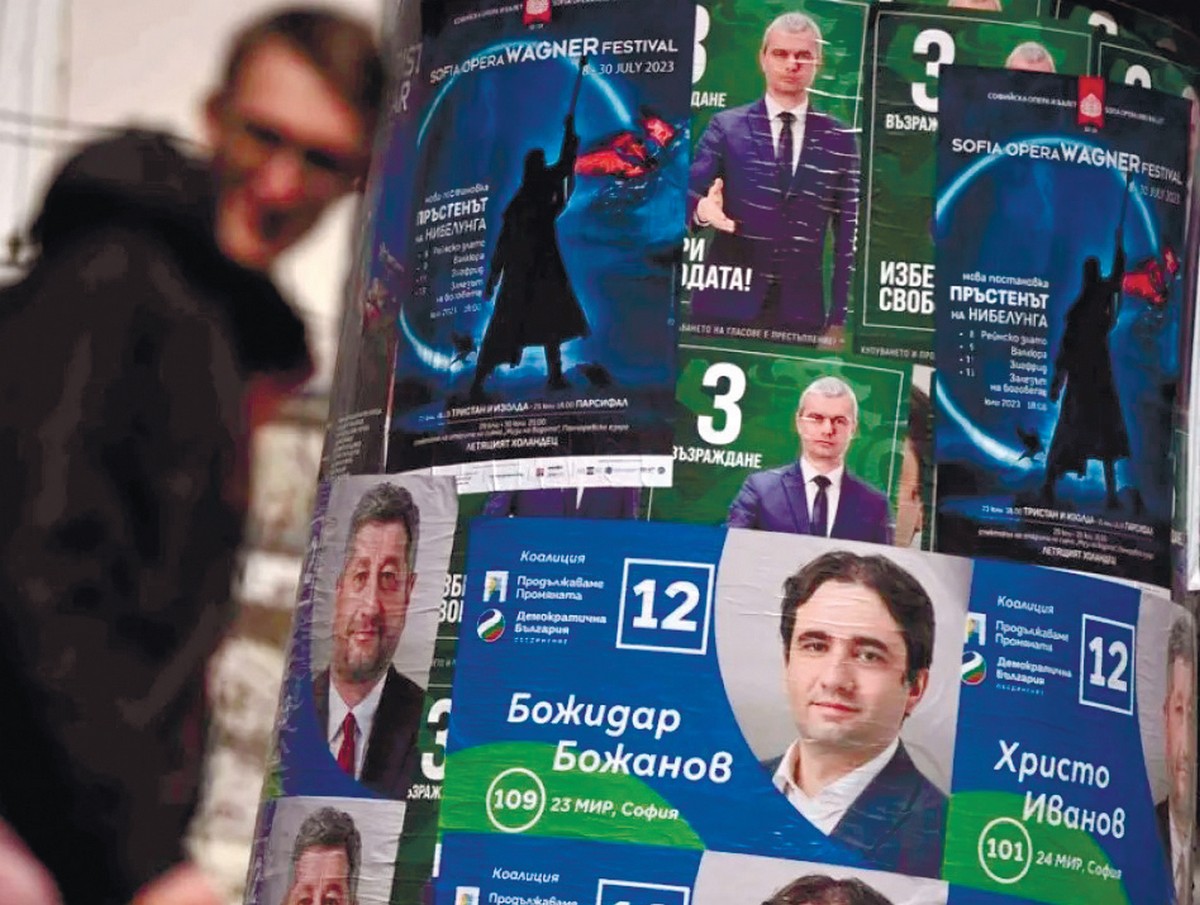
On 19 April, Bulgaria held snap parliamentary elections, the results of which could bring an end to a protracted political crisis. The new government—the tenth in the last five years—will be crucial in determining whether Bulgaria will continue on its unstable path or succeed in stabilising the situation in the country. This path has implications for more than just its own development.
Crisis ended?
The recent parliamentary elections in Bulgaria were a direct result of the mass protests that occurred at the end of 2025. The initial cause of this decision was dissatisfaction with the planned budget for 2026, which provided for tax increases and higher social insurance contributions. However, it quickly became evident that this was a protest against the government's overall policies, which were accused of corruption and an inability to address pressing socio-economic issues. These problems are particularly pronounced given that Bulgaria is the poorest member state of the European Union. It has the lowest minimum wage in the EU, at €620 a month, and faces a significant exodus of its population, with nearly two million citizens having left the country over more than 35 years of post-socialist history.
The coalition, in which the Citizens for European Development of Bulgaria (GERB) party played a key role, was forced to resign, marking the failure of yet another cabinet since the mass protests of 2021. It is evident that the duration of coalition governments has been limited, with none lasting more than a year over the past five years. The caretaker government established in January 2026 supervised the eighth parliamentary election since 2021.
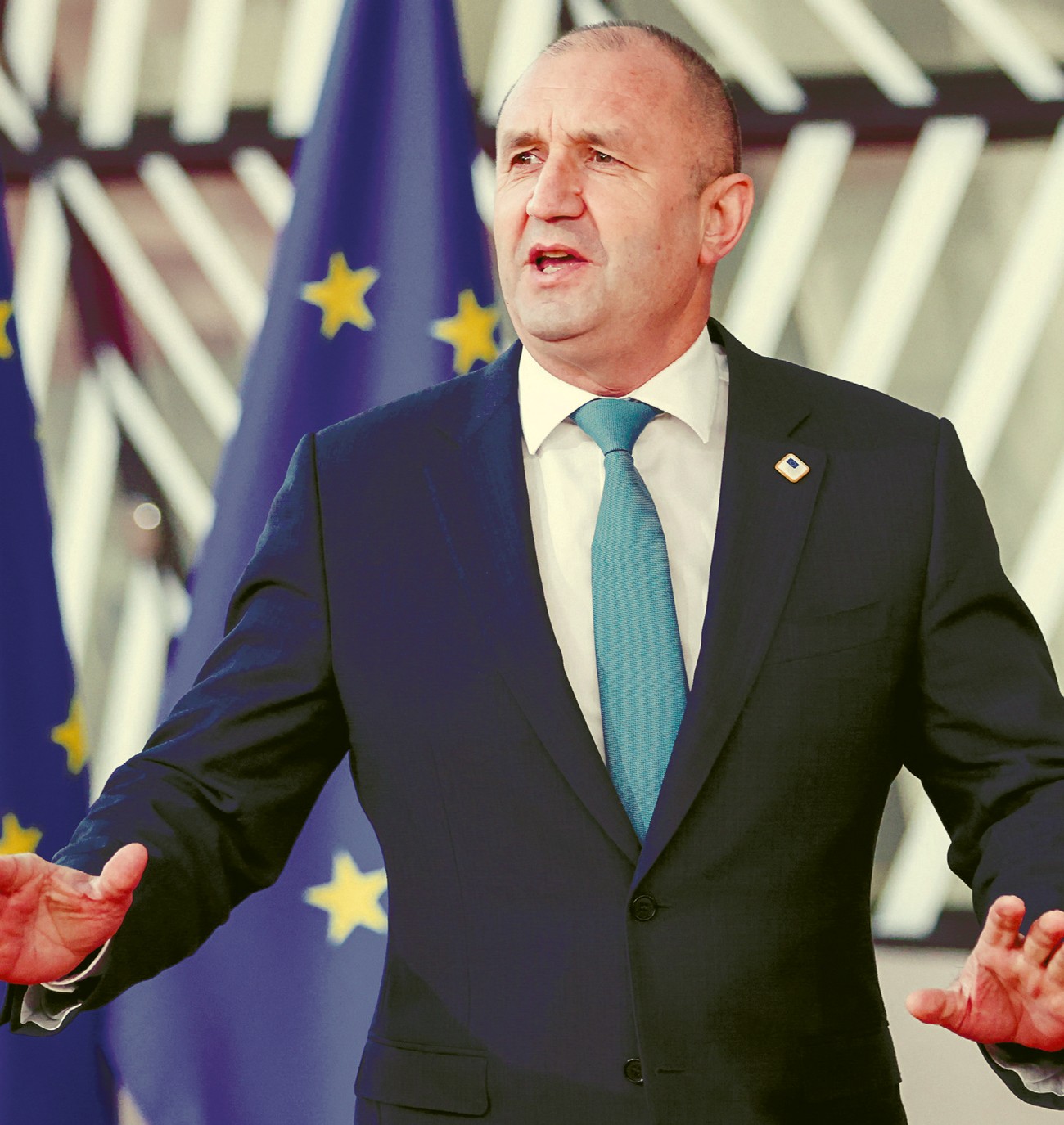
The 19 April election saw a turnout of 47%, indicating a general lack of confidence in the political establishment among the electorate. Nevertheless, the success of one of the political forces participating in the election was quite impressive. The Progressive Bulgaria coalition, led by 62-year-old Rumen Radev, received the largest share of the vote. The retired Bulgarian Air Force general served two terms as the country's president—from 2017 to 2026. During this time, he witnessed the tenure of eight prime ministers, and in 2021, he expressed support for anti-corruption protests. In January of this year, amidst a protest movement, he resigned to run in the elections and challenge the 'oligarchic model of governance'.
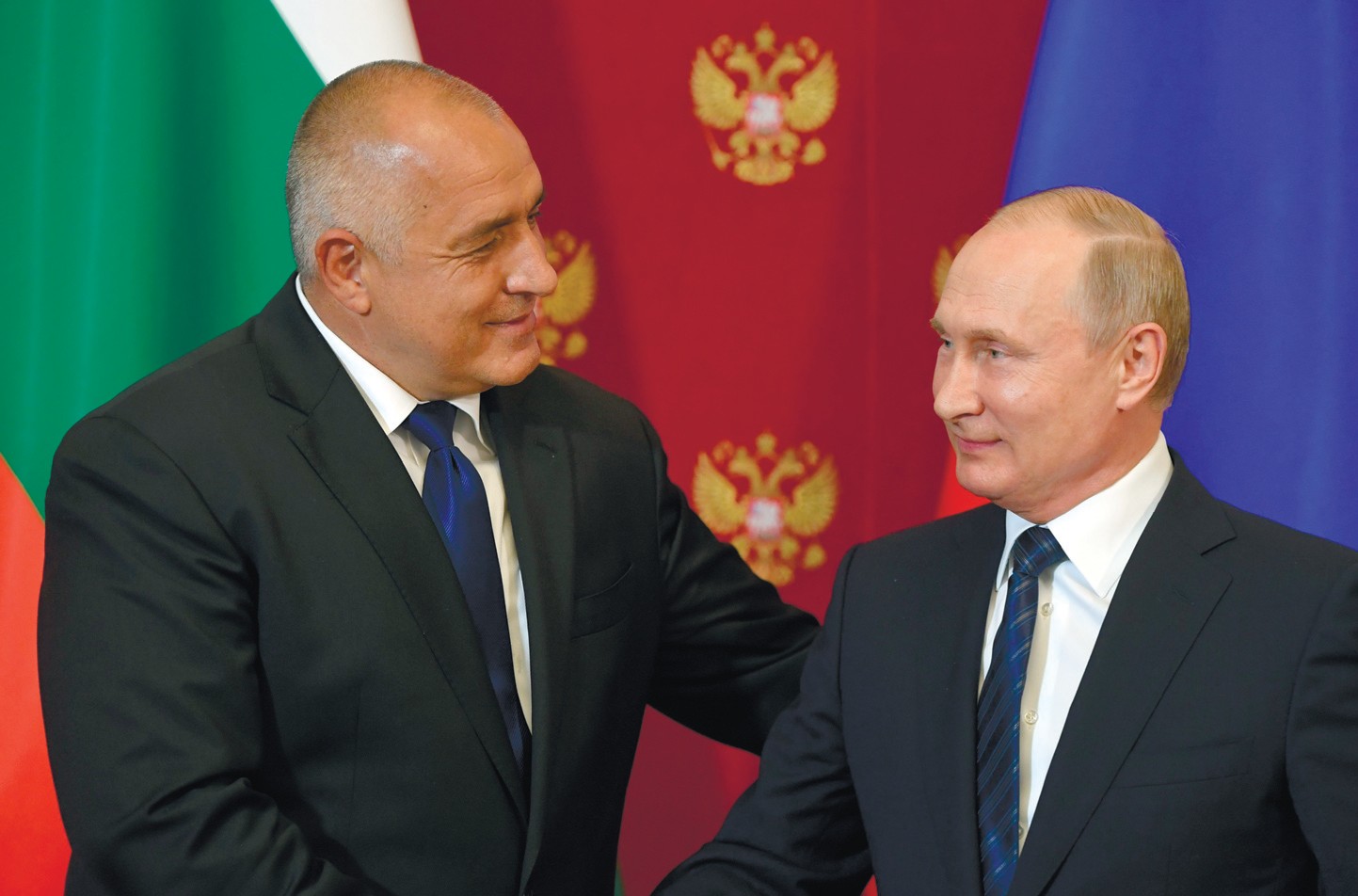
The Progressive Bulgaria (PB) party received the support of nearly 45% of voters, securing 130 seats in the 240-seat parliament. It surpassed the GERB–SDS (Union of Democratic Forces) coalition, led by former Prime Minister Boyko Borisov (who led the government with brief interruptions from 2009 to 2021) and which secured just 13.4% of the vote (39 seats).
In third place was the pro-European liberal coalition Continue the Change—Democratic Bulgaria (CC-DB), which received the support of 12.6% of voters (20 seats).
The 4% threshold for entering parliament was also cleared by the Movement for Rights and Freedoms (MRF), which secured 6.8% of the vote and enjoys influence mainly among Bulgaria's Turkish and, more broadly, Muslim minorities. Additionally, the nationalist, pro-Russian party 'Revival' experienced a significant decline in support, from 13.3% in the 2024 election to 4.3% in the most recent vote.
For the first time in the post-socialist era, the Bulgarian Socialist Party (BSP)—the successor to the Bulgarian Communist Party, which ruled the country from 1944 to 1990—failed to win seats in parliament. Until recently, the BSP retained a certain degree of influence: it was part of the previous coalition government, and it was this party's candidate, Radev, who stood for election in 2016 when he ran for his first presidential term. However, on 19 April 2026, these factors did not align in favour of the BSP. It is widely accepted that a key factor in the Socialists' defeat was the defection of a significant portion of their traditional electorate to the PB.
Following the recent elections, the Progressive Bulgaria party, led by former President Radev, is now in a position to form a government on its own. However, it is not impossible to rule out the possibility that the election winner may form a coalition in order to gain even greater opportunities to lead the country out of the crisis. In this instance, Radev is likely to encounter a significant challenge, as there does not appear to be a single fully acceptable coalition option for PB. A potential alliance with GERB or the DPS could potentially damage Radev's image as a self-proclaimed opponent of the negative legacy accumulated since the days of previous governments. Neither Borisov, whose name is associated with the corruption of the existing political system, nor DPS leader Delian Peevski, who, although not officially, but in fact participated in the previous coalition and even 'managed' to have sanctions imposed on him by the US and the UK for 'significant corruption', can be considered worthy of Radev's attention.
Regarding potential alliances with PP–DB or Vazrazhdane, these are not of interest to the Bulgarian Party due to the foreign policy orientation of these forces. The former is regarded as a staunchly pro-European bloc, whilst the latter is known for its pro-Russian stance. Radev, however, positions himself as a champion of exclusively Bulgarian national interests. However, this does not prevent his opponents from suspecting him of sympathising with Russia, due to the PB leader's reluctance to express Euro-Atlantic views. Indeed, the foreign policy aspect is one of the main points of intrigue regarding the forthcoming activities of the new Bulgarian leadership. The question of Radev's geopolitical future is a natural one.
Pragmatic approach
The 'sovereign foreign policy' advocated by the PB and its leader implies, in particular, a resumption of dialogue with Russia and a refusal or limitation of military aid to Ukraine. Following the recent electoral defeat of Viktor Orban in Hungary, there has been a notable shift in discourse within the European Union, with discussions focusing on the emergence of Radev as a potential new challenge for Brussels. However, it remains to be seen whether Radev will follow in Orban's footsteps. During his 16 years in power, Orban has proven to be a staunch opponent of EU bureaucracy while also advocating pragmatism in his dealings with Russia.
Radev has been known to voice Eurosceptic views, as evidenced by his strong criticism of Bulgaria's transition to the euro in January of this year. However, the leader of the election-winning PB also assures that Bulgaria "will make every effort to continue on its European path". Furthermore, immediately after the polling stations closed on 19 April, Radev emphasised that "a strong Bulgaria and a strong Europe need critical thinking and pragmatism". Furthermore, Radev asserts that Europe, "has fallen victim to its own ambitions to be a moral leader in a world without rules". He emphasises the necessity of "critical thinking, pragmatic action and good results", particularly in the context of establishing a new security architecture and investing significant effort in restoring industrial strength and competitiveness. Radev asserts that this will be "Bulgaria's main contribution to its European mission".
The winner of the Bulgarian elections has stated that he will not pursue an anti-EU agenda, but at the same time recognises the necessity to fortify the country's position in areas that Radev and the BSP deem to be of paramount importance in this intricate geopolitical landscape. Radev considers Bulgaria's relationship with the Russian Federation to be unique, given that it is the only country in the European Union that is both Slavic and Orthodox. Radev emphasises that Bulgaria has the potential to play a pivotal role in facilitating the restoration of diplomatic relations with Russia. He is referring, in particular, to the resumption of energy imports from Russia.
However, it is precisely Radev's pragmatic stance—which does not allow for unconditional pro-Europeanism—that is prompting the Western media and political sphere to accuse the leader of the election-winning BZ of being untrustworthy due to his 'ties with Russia'. The rationale behind this speculation is Radev's stance on Ukraine. He does not condemn Russia's aggression and opposes the European Union's military support for Ukraine, as this 'only prolongs the war'. Incidentally, the PB's stance on this issue enabled it to attract votes from a section of the electorate of the pro-Russian 'Revival' party, which was reflected in the latter's election results.
Meanwhile, Radev has also voiced concerns regarding the defence agreement between Bulgaria and Ukraine, which was signed in March 2026 and is valid for a period of 10 years. It provides for the joint production of drones and ammunition, as well as cooperation on security matters in the Black Sea. Criticism of this agreement is raising concerns within the EU that, under Radev's forthcoming premiership, Bulgaria will disrupt the supply chain for ammunition to Ukraine and cease to act as one of its arms suppliers.
It is not yet clear whether this will result in Bulgaria's new government deciding to change the country's foreign policy course. It is improbable that this will be the case. Radev has expressed dissatisfaction with the EU's military policy, but has promised not to use his country's veto to block joint decisions within the European Union. The only possibility is that Bulgaria might refrain from participating in the implementation of these decisions if they 'harm Bulgaria's national interests'. However, even this option does not guarantee that Sofia will adopt a firm stance against Brussels. There are a number of compelling reasons for this.
Experts have highlighted that the EU possesses considerable mechanisms to apply pressure on Bulgaria. The primary reason for this is that, due to its current critical situation, Bulgaria is reliant on EU funds. In the absence of EU investment, Bulgaria would experience a 10.5% decline in GDP and a 38% decrease in private investment. Sofia's dependence on the EU is also determined by the fact that almost half of Bulgaria's exports of goods and services go to eurozone countries, from which, in turn, more than 40% of imports originate.
Furthermore, Bulgaria's new leadership will have to take into account the prevailing pro-European sentiment among the Bulgarian populace. Polls indicate that the majority of respondents wish to strengthen ties within the EU. Indeed, many voters supported Radev and the BSP not because they expect any foreign policy shifts from them, but because they promised to dismantle a system incapable of stabilising the country's political situation, addressing pressing socio-economic issues, and curbing corruption. In terms of foreign policy, it is sufficient for Bulgarians that Sofia does not act as a passive executor of the will of either Brussels or, even less so, Moscow. It is to be expected that this will be viewed as a guideline for action by the political party that emerged victorious in the Bulgarian elections.
RECOMMEND:
 123
123

