
PECULIAR VISIT
Aliyev-Zelensky talks in Gabala expand the agenda between Azerbaijan and Ukraine
Author: Zaur HASANOV
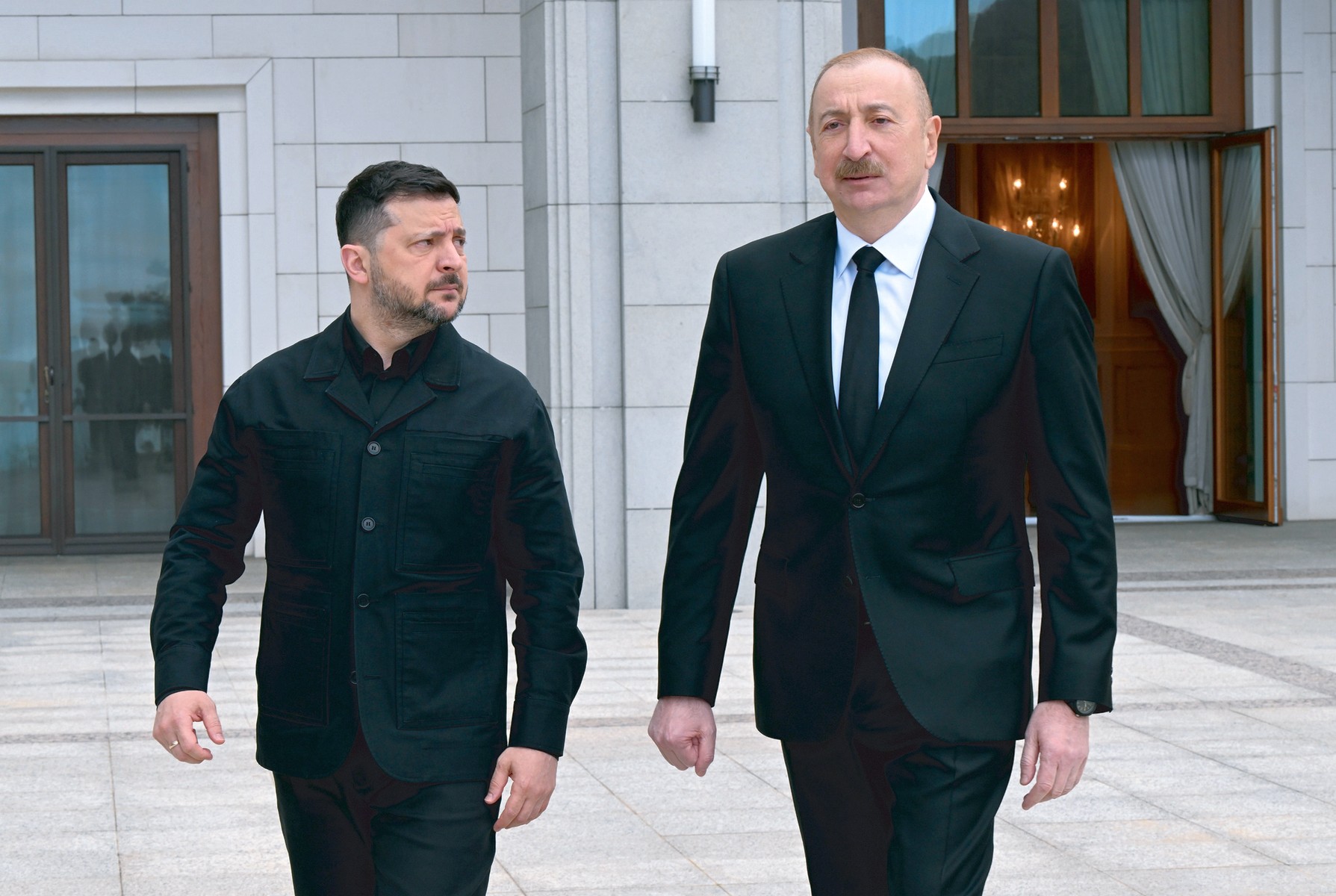
The working visit of Ukrainian President Vladimir Zelensky to Azerbaijan on April 25, 2026, was a notable element of the current diplomatic agenda, against the backdrop of the ongoing reshaping of regional and global political ties. The talks in Gabala with Azerbaijani President Ilham Aliyev confirmed the stability of the political dialogue between the two countries and indicated the sides' desire to further expand cooperation in a number of key areas. Azerbaijan and Ukraine have already signed two documents—in 2008 in Kiev and 2011 in Baku—which formalise their strategic partnership.
In the context of a rapidly changing global landscape, Zelensky's visit was not just a bilateral meeting; it was also a reflection of a broader trend. This trend is marked by an increase in the interaction between states as they seek to strengthen their own positions. This is happening at a time when the security system and economic ties are undergoing significant changes. Gabala provided a forum for discussion on established areas of cooperation, including energy and humanitarian matters, as well as new directions relating to security and strategic resilience.
Political-diplomatic framework
The discussions between Ilham Aliyev and his Ukrainian counterpart in Gabala confirmed the stable and institutionalised nature of the bilateral dialogue. This dialogue has remained regular in recent years and covers a broad range of areas. "We meet with you on a regular basis. This is the seventh meeting of its kind that we have held in the past four years. The most recent meetings took place on the sidelines of international organisations' sessions. However, I believe that your first visit to Azerbaijan as President took place in 2019. Our personal relationship began at that time, and it continues to this day. I recall my visit to Kiev in January 2022. The exchange of views with you and subsequent contacts have constantly raised Ukrainian-Azerbaijani relations to an even higher level," Ilham Aliyev recalled.
During the meeting, the parties exchanged views on expanding cooperation in various fields, including energy, discussed agricultural interaction, and also touched on the work of the intergovernmental commission, reflecting the comprehensive nature of the current agenda.
In his statement, the Azerbaijani President stressed the political continuity and the character of relations between the two countries, noting the important principle of mutual support for sovereignty and territorial integrity. In particular, it was confirmed that Azerbaijan and Ukraine traditionally hold similar positions on issues of international law and state sovereignty, which forms the basis of political understanding between Baku and Kiev.
For his part, Vladimir Zelensky stated: I would like to express my gratitude to Azerbaijan for its support of our sovereignty and territorial integrity. I would also like to note the mirror character of Ukraine's political position towards Azerbaijan. It is evident that the statements issued by both parties have established a political framework that is mutually confirmed. This framework is founded on the principles of territorial integrity and respect for internationally recognised borders, which are of paramount importance.
Overall, the Gabala talks demonstrated not only the preservation of a stable political dialogue, but also its transition into a more structured phase, where institutional mechanisms and political declarations complement one another, forming a solid foundation for bilateral relations.
Energy dimension of the talks
This agenda item occupied a key place in the Gabala talks, reflecting both the traditional nature of cooperation in this sphere and its growing significance amid the transformation of the regional energy architecture. The sides exchanged views on expanding cooperation in various areas, including energy, which confirms that it remains one of the fundamental and institutionally anchored areas of the bilateral dialogue.
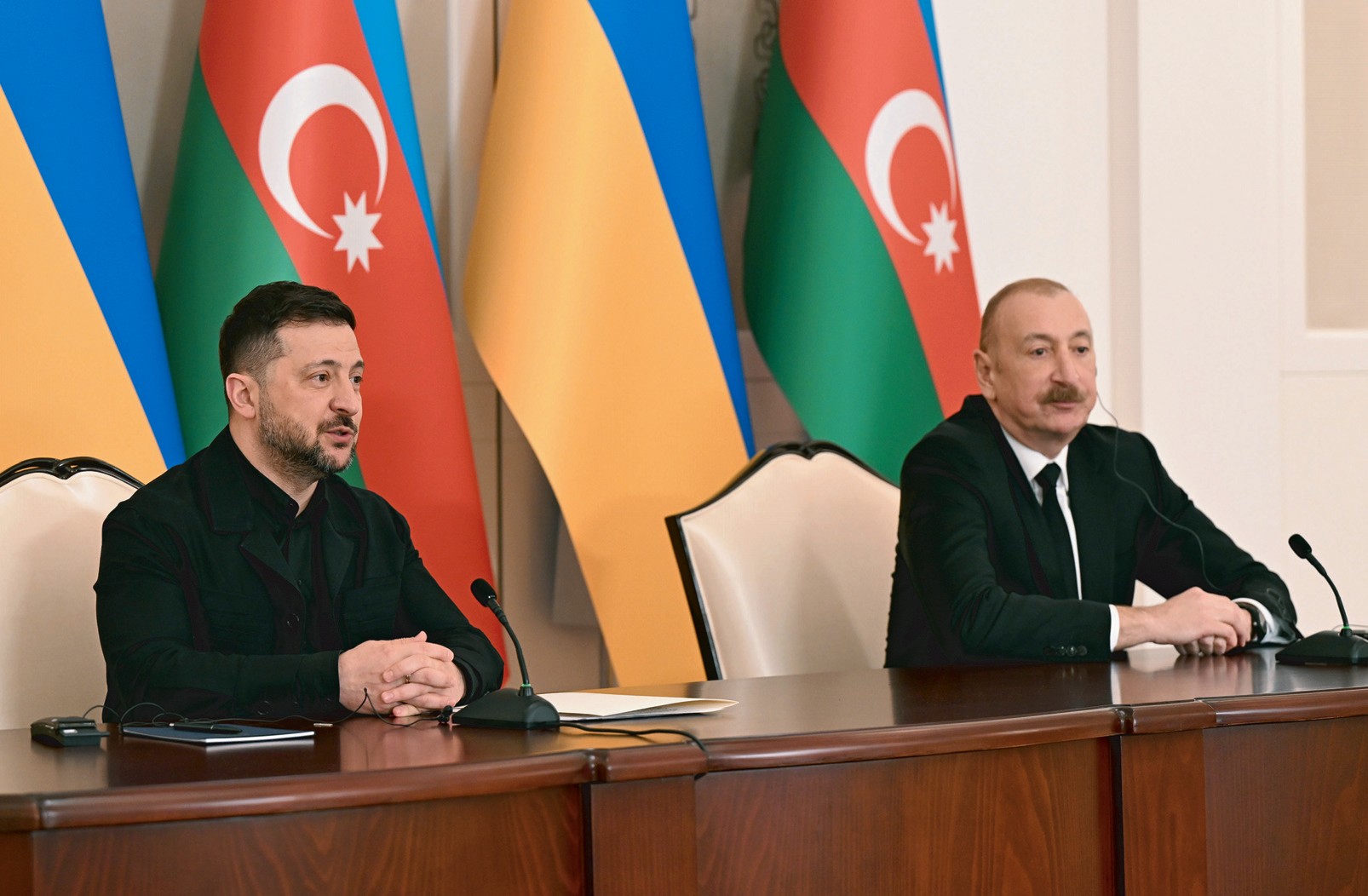
Summing up the negotiations, Ilham Aliyev noted the broad and practical nature of the discussions and stressed: “SOCAR has been working successfully in Ukraine for many years—this means excellent prospects and joint projects. Today we thoroughly discussed joint initiatives, including investment-related issues. Naturally, questions of further increasing trade turnover are also at the centre of the agenda. Our trade turnover has exceeded half a billion dollars. But I hope that in the coming years this figure will continue to grow, because there are great opportunities for that.” This assessment reflects Baku’s consistent policy of developing pragmatic foreign economic ties, in which the energy sector plays a system-forming role.
For his part, the Ukrainian President also affirmed the importance of energy cooperation, noting: “We discussed energy and economic interaction. Expanding cooperation with Azerbaijan in these areas is important for Ukraine.”
Thus, the energy block was presented not as a declaratory element but as a substantive area of the bilateral agenda linked to the practical interests of both sides.
Overall, the energy dimension of the Gabala visit should be seen as a stable component of Azerbaijani-Ukrainian relations, one that combines economic substance with a strategic dimension, mirroring wider processes of reshaping regional energy flows.
Security and the expansion of the strategic agenda
One of the most sensitive and at the same time indicative elements of the Gabala talks was the discussion of security issues, reflecting the gradual expansion of the Azerbaijani-Ukrainian dialogue beyond traditional economic and humanitarian areas. In the context of an increasingly complex regional and international situation, this topic is becoming more practically significant, particularly in relation to infrastructure resilience and the exchange of experience in crisis conditions.
The Azerbaijani President provided a briefing on the outcomes of the meeting, emphasising the exchange of perspectives on military-technical cooperation and underscoring the significant potential for future collaboration in this domain. "The military-industrial complex is developing in both Azerbaijan and Ukraine, creating excellent opportunities for joint production, particularly in the industrial sphere. This was discussed in detail here today, and we are keen to explore opportunities to deepen cooperation in all other areas." This included the potential for collaboration in the development of counter-drone systems, as well as the exchange of expertise in this area. This is in line with Baku's long-standing approach of considering security and related issues within the broader political and regional context, while maintaining a focus on operational security.
President Zelensky, for his part, emphasised the practical significance of the dialogue and noted: "Today, we signed six documents. We can confirm that our delegations will definitely engage in an exchange of views on the specifics of the matter. In today's climate, security is of the utmost importance. With regard to the growth of the defence industry, Ukraine has demonstrated the power of resistance in the face of war, and we are pleased to offer our expert knowledge. Today, our specialists are in Azerbaijan, providing support to their Azerbaijani colleagues. We intend to continue this partnership and move on to joint production."
Separately, the sides touched on matters related to the exchange of experience in infrastructure resilience and responding to modern challenges, which is particularly pertinent under current conditions. It is stressed that this was a framework discussion without disclosing specific parameters of possible interaction, in keeping with the diplomatic practice of such talks.
Humanitarian dimension
The humanitarian dimension has always been a key part of Azerbaijani-Ukrainian relations, and Zelensky's visit to Baku once again confirmed the strength of this aspect of the relationship between the two countries. During the meeting, the two parties discussed issues of humanitarian cooperation, including support for social initiatives and programmes targeting the civilian population. This lends the relationship between the two countries an additional significance that goes beyond the solely political and economic agenda. In response, the Ukrainian side expressed gratitude to Baku for 11 packages of assistance "in a difficult period", including in the field of energy conservation.
The guest expressed their gratitude to Ilham Aliyev for the humanitarian aid and attention shown to Ukrainian children by the Azerbaijani state. It was emphasised that a group of Ukrainian students is scheduled to visit Azerbaijan in the near future. The purpose of the visit is twofold: to allow the students to experience rehabilitation, and to provide them with an opportunity to acquaint themselves with the country's culture and art.
At the meeting's conclusion, the Azerbaijani President acknowledged the talks' generally constructive nature and emphasised the necessity of further developing relations, stating: A wide-ranging discussion was held on a number of issues of mutual interest, and the commitment to further develop cooperation between Azerbaijan and Ukraine was reaffirmed. These words reflect Baku's consistent policy of strengthening pragmatic and balanced international ties, in which the humanitarian strand is an important but not isolated element of the overall architecture of engagement.
In this context, the head of Ukraine's Foreign Ministry, Andriy Sybiha, made an interesting statement. He said that Azerbaijan has provided humanitarian aid worth over $45 million. This includes powerful generators, transformers and other essential equipment. This aid helps keep the energy system running amid constant attacks. "The support given to our children is of equal importance. More than 500 Ukrainian children have taken part in rehabilitation programmes in Azerbaijan.” Baku also handed over five passenger buses to Ukraine as humanitarian aid.
Peacemaking and Azerbaijan’s role
A key component of the Gabala talks was the subject of a peaceful settlement and the diplomatic efforts aimed at ending the war in Ukraine. This initiative effectively extends the scope of the visit beyond the confines of bilateral relations, providing it with a broader international context.
In his statement, Vladimir Zelensky emphasised the significance of this development, stating: "It is of the utmost importance for Ukraine that the war is brought to a definitive conclusion. We would like to express our sincere gratitude to the partners who have kindly taken on the role of mediators in this process. We would like to express our sincere gratitude to the President of Azerbaijan. We have engaged in trilateral negotiations, as well as other formats. Some of these meetings took place in Türkiye, after which we met with our American partners in Geneva. We would also like to hold our negotiations in Azerbaijan, should the Russian side also choose this option."
This development indicates Kiev's openness to considering Azerbaijan as a potential venue for the negotiation process, a move that significantly strengthens Baku's diplomatic position in the current global landscape. In light of the contacts that have already taken place in Türkiye and Geneva, the mention of Azerbaijan in this context indicates an expansion of the geography of potential negotiation formats.
For Azerbaijan, such a role is in line with its foreign policy, which aims to strengthen the country's status as a responsible and balanced participant in international processes. It is important that this prospect is voiced without excessive public detail, in keeping with diplomatic practice, and preserves room for manoeuvre.
One of the first to respond to the initiative proposed by Zelensky was First Deputy Chairman of the Federation Council Committee on International Affairs Vladimir Jabarov: "Provided that Baku can guarantee the safety of all participants, Russia is willing to consider holding trilateral talks with the US and Ukraine in Azerbaijan." Jabarov called Azerbaijan “a normal place” and noted the good relations between Moscow and Baku. “If Azerbaijan is ready to ensure the security of all participants in the negotiations, I think that the members of our negotiating group could easily travel to Azerbaijan,” the senator remarked.
Thus, the inclusion of the theme of a peaceful settlement on the agenda of the Gabala talks gives the visit additional weight, going beyond bilateral engagement and reflecting Azerbaijan’s potential as a venue for broader international contacts.
Overall, the Gabala visit demonstrates that Azerbaijani-Ukrainian relations retain a stable and multi-layered structure, where energy, security and the humanitarian sphere complement one another. What is far more important, however, is that against the backdrop of a changing international configuration, Azerbaijan is increasingly positioning itself not only as a regional partner but also as a potential diplomatic platform for discussing matters of a broader scale. In this sense, Zelensky’s visit reflects the growing political weight of Baku and its capacity to shape new negotiation formats.
RECOMMEND:
 185
185