

THE DECISION-MAKER
The Antalya Forum marks transition to new architecture of regional responsibility, strengthening the role of Türkiye and Azerbaijan
Author: Elchin HUSEYNOV
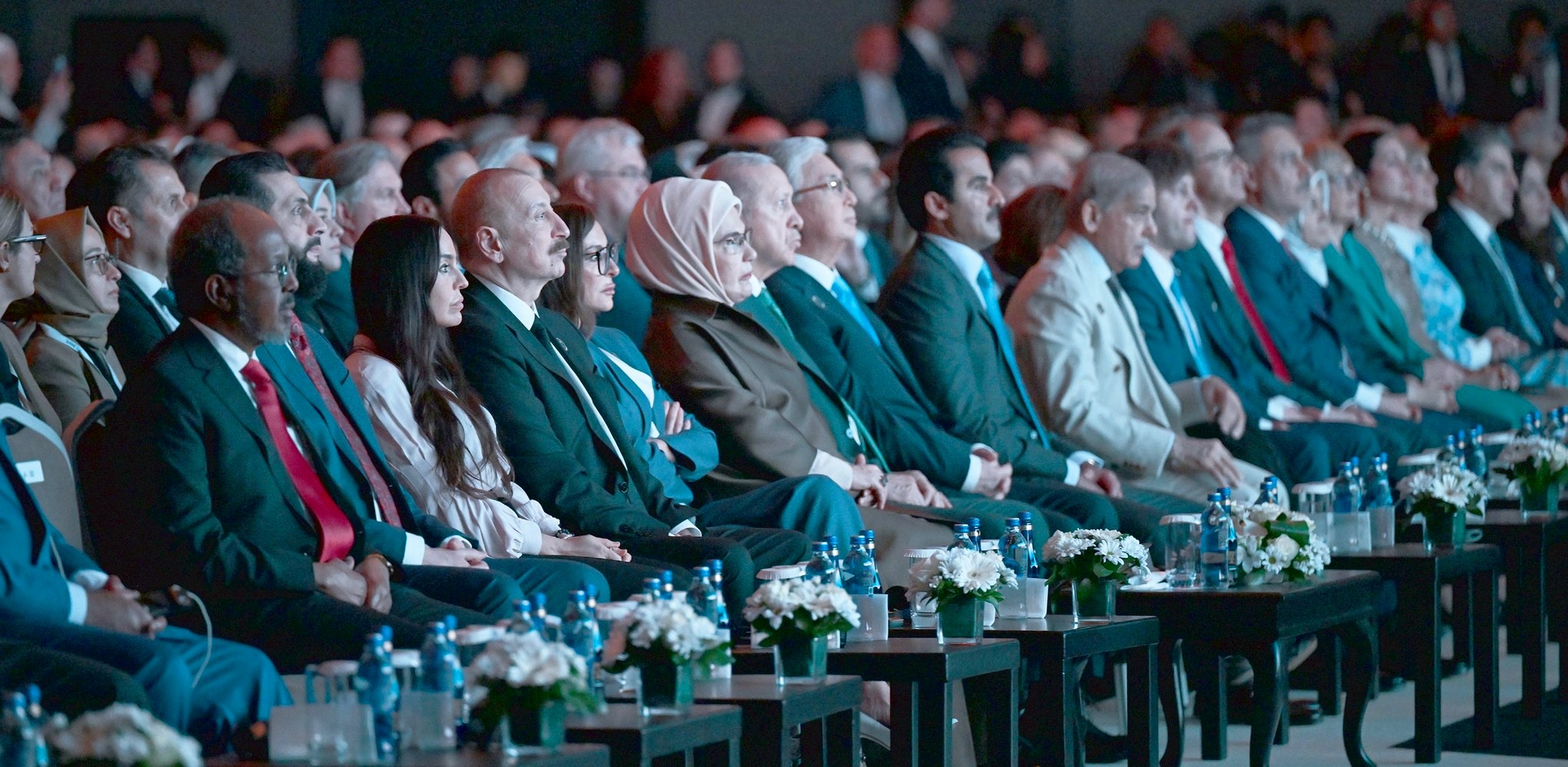
On 11-13 April, 2006, the Antalya Diplomacy Forum was hosted in Antalya, Türkiye. This latest international forum brought together diplomats, politicians, economists, business representatives and the academic community. It has become a regular high-level international event, held since 2021, and has firmly established itself in the diplomatic calendar as one of the key platforms for discussing the global agenda. The forum saw the participation of over 6,400 representatives from more than 150 countries. Politicians and experts from across the globe – ranging from the Asia-Pacific region to Latin America, and from Europe to Central Asia – had the opportunity to exchange views in a single forum. The participation of 23 heads of state and government, 13 deputy heads of state, over 50 ministers, and 66 representatives of international organisations is a testament to the event's significance. The forum featured a comprehensive schedule of over 50 events and sessions, including panel discussions. This event once again solidified Antalya's position as a significant player on the global stage, albeit for a brief period.
Three themes in Antalya
The theme that formed the foundation for the discussions at the 5th forum was 'Overcoming uncertainties in planning for the future'. A range of issues that are shaping the modern world were discussed, including the resolution of regional conflicts, the transformation of the international security system, energy stability, the development of transport corridors, and the search for new formats of diplomatic engagement in the context of increasing geopolitical turbulence. Particular attention was paid to the need to rethink traditional mechanisms of international dialogue and to develop more flexible approaches to managing global crises.
Against the backdrop of the forum's packed agenda, three interrelated themes emerged particularly clearly, which together form its political and analytical content and go far beyond the scope of standard diplomatic discussion.
Firstly, the crisis in the traditional architecture of global governance is becoming increasingly evident. Participants in the discussions noted a decline in the effectiveness of existing international institutions and a growing demand for more flexible, practical forms of diplomacy capable of responding to the accelerating dynamics of conflicts and crises. In this context, diplomacy is increasingly viewed not as a set of formal procedures, but as a tool for rapid political response in conditions of growing turbulence.
Secondly, there is an increasing tendency for regionalisation of global processes and conflicts. The Ukrainian crisis, the transformation of the situation in the Middle East and developments in the South Caucasus were viewed as interlinked elements of a broader fragmentation of the international system. In this context, the political emphasis in the speech by Turkish President Recep Tayyip Erdogan took on particular significance; he stressed that the ongoing process of normalising relations between Türkiye and Armenia is being carried out in coordination with Azerbaijan. He also noted that the Organisation of Turkic States (OTS) continues to strengthen, and that the upcoming summit in Türkiye, where the chairmanship will pass to it from Azerbaijan, is intended to enhance the organisation's international prestige and effectiveness. Erdogan also emphasised his support for the development of the Middle Corridor as the most reliable trade route between Asia and Europe via the Caspian Sea.
Thirdly, Türkiye's role as one of the key intermediary hubs in the new diplomatic landscape is becoming increasingly evident. In this sense, Antalya serves not merely as a venue for discussions, but as a space where political ties and long-term regional configurations are forged. The combination of institutional initiatives, such as the OTS, with the promotion of infrastructure and transport projects strengthens Ankara's position as an actor seeking not only to participate in the international agenda but also, to a large extent, to shape it, setting its own course for regional and interregional integration. In the course of a four-way meeting involving Saudi Arabia, Egypt and Pakistan, the parties involved discussed measures to strengthen peace and stability in the region, as well as potential initiatives to ensure freedom of navigation. According to Türkiye's Foreign Minister, Hakan Fidan, this has enabled concrete measures to be identified for shaping a shared vision of the region's future.
Behind-the-scenes politics
Against the backdrop of such broad international representation, the Azerbaijani delegation is traditionally counted among the forum's active participants. In the context of Baku, such platforms have evolved beyond mere diplomatic representation. They are now instrumental in articulating a foreign policy that is shaped by the post-conflict reality of the South Caucasus, regional connectivity, and emerging transport and energy configurations. In Antalya, the Azerbaijani side once again presented its vision of the shifting balance of power in the region and the country's role as one of the key players in the emerging architecture of cooperation.
It is precisely for this reason that the speeches and contacts of the Azerbaijani delegation within the framework of the forum should be viewed not as a mere formality, but as part of a broader strategy. This strategy ranges from the development of transport and logistics corridors to the strengthening of the country's position as a link between various geopolitical centres. In this context, Antalya becomes not just a venue for diplomatic meetings, but a kind of 'mirror' reflecting Baku's new role within the regional and international frameworks.
In the context of the 5th Antalya Diplomatic Forum, the significance of bilateral and multilateral meetings was particularly pronounced, as these meetings effectively constituted the 'practical core' of the event's political agenda, transcending the scope of a mere ceremonial exchange of views.
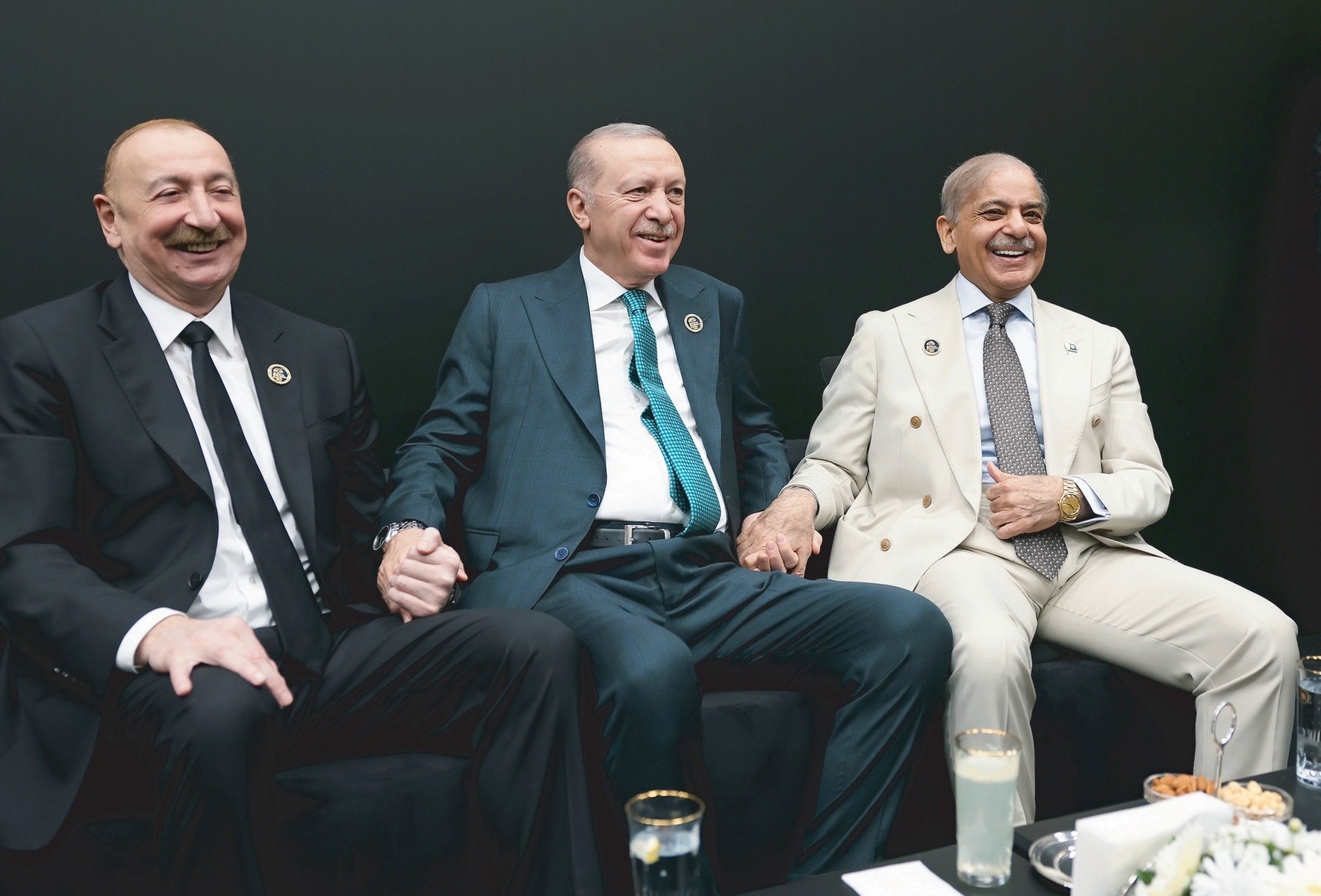
In Antalya, meetings were held between the President of Azerbaijan, Ilham Aliyev, and his Turkish counterpart, Recep Tayyip Erdogan, which confirmed the ongoing nature of strategic cooperation between the two countries. The Prime Minister of Pakistan, Muhammad Shahbaz Sharif, also met with the Aliyev-Erdogan-Sharif trio. This format has become one of the most significant elements of the forum, reflecting the desire to forge flexible political ties between countries united by shared approaches to issues of regional stability and economic interdependence.
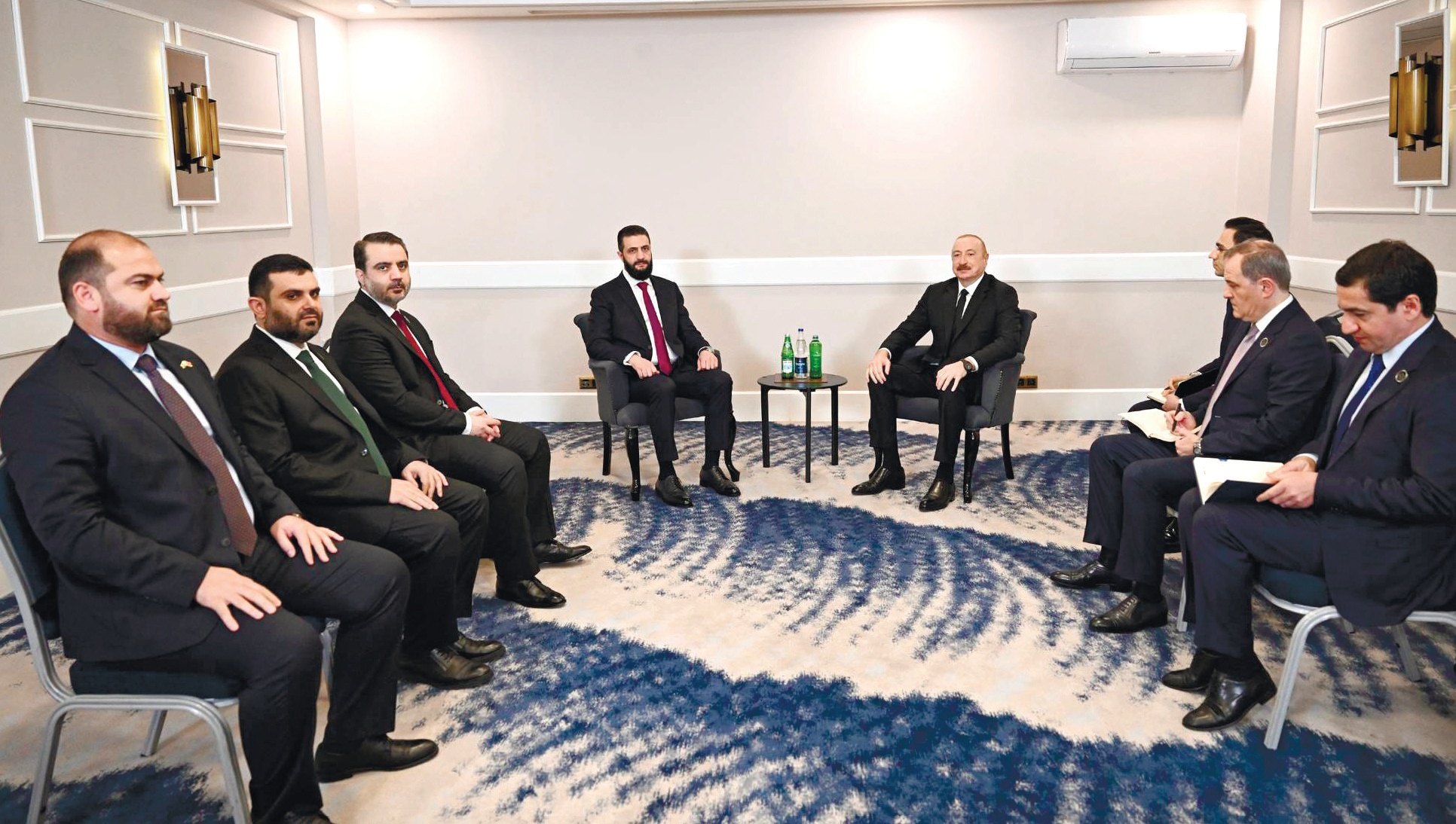
The Syrian track of the talks proved to be of significance. During Ilham Aliyev's conversation with Ahmed al-Sharaa, President of the Syrian Arab Republic for the transitional period, previous contacts were noted with satisfaction. Following the changes in Syria, it was emphasised that concrete steps had been taken to develop relations between the two countries. Particular emphasis was placed on collaborative efforts in the energy sector, notably the initiative to export Azerbaijani gas to Syria via Türkiye. This project is regarded as a contributing factor to enhancing Syria's energy security and facilitating its recovery. In this context, Ahmed al-Sharaa once again expressed his gratitude to Azerbaijan for its support, and the Azerbaijani head of state invited him to visit, an invitation which was accepted with pleasure.
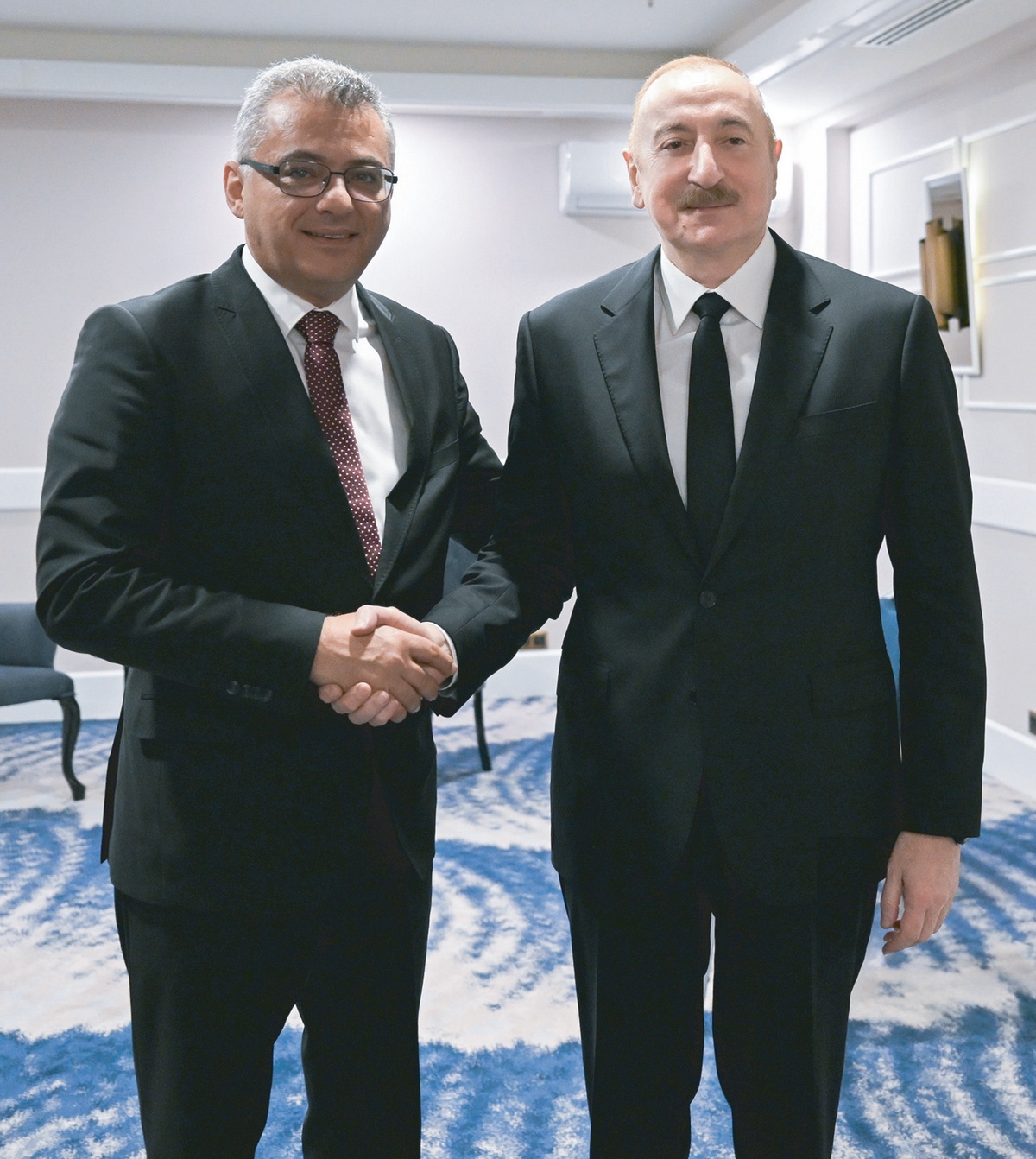
During the meeting with the new President of the Turkish Republic of Northern Cyprus (TRNC), Tufan Erhürman, a separate political focus was also highlighted. During the talks, Ilham Aliyev extended his congratulations to Erhürman on his election as President of the TRNC. He reiterated Azerbaijan's consistent support for Northern Cyprus and emphasised the continued commitment of the country to this support. During the meeting, the importance of the 3rd meeting of members of the friendship groups of the parliaments of Azerbaijan, Türkiye and the TRNC, held in Baku, was emphasised, and issues of cooperation and deepening interaction were discussed, including the role of the TRNC as an observer in the OIC.
As would be expected, this episode was noted by the Greek media, where such contacts are usually viewed through the lens of the TRNC's unrecognised status. However, such criticism is largely habitual in nature and reflects entrenched approaches that are increasingly out of step with the changing regional reality. Baku, for its part, is demonstrating consistency and pragmatism by continuing to deepen cooperation with the Turkic world and has no intention of adjusting its foreign policy course under external pressure.
President Ilham Aliyev and his Moldovan counterpart Maia Sandu discussed the potential for enhanced Azerbaijani-Moldovan relations. They emphasised the importance of developing ties and acknowledged the potential for mutual visits at various levels to expand cooperation. The broad opportunities for cooperation between the two countries in the energy sector were noted.
The series of meetings on 17 April demonstrated that the Antalya Forum functions not only as a discussion platform but also as a mechanism for practical diplomacy, where multi-level formats of interaction are formed – ranging from trilateral political configurations to strategic regional ties spanning the Middle East, the Eastern Mediterranean and the Turkic world.
A new diplomatic formula
One of the most conceptually rich moments of the Antalya Diplomatic Forum was the statement by Hikmet Hajiyev, Assistant to the President of Azerbaijan and Head of the Foreign Policy Department of the Presidential Administration. This statement effectively outlined the ideological framework of Baku's contemporary regional policy. In his interpretation, the key principle is not a reactive but a proactive model of regional behaviour, in which countries themselves determine the architecture of security and development.
"For Azerbaijan, the fundamental principles and main pillars of safeguarding the region's interests lie in addressing regional challenges and problems ourselves, together with our partners in the region with whom we share a common view," he emphasised, effectively rejecting externally imposed models of process management.
In this context, the emphasis on the responsibility and leadership of states is particularly significant. As Hikmet Hajiyev noted, "genuine shared responsibility for regional issues" and "regional leadership" are not merely declarative elements, but practical tools for shaping a sustainable architecture of cooperation. This logic correlates directly with the growing role of the Turkish-Azerbaijani strategic alliance, which, in his assessment, "has risen to the level of an alliance with the signing of the Shusha Declaration by our leaders".
Particular attention was paid to expanding formats of cooperation beyond the bilateral agenda. According to H. Hajiyev, sustainable trilateral and multilateral mechanisms have already been established, including Türkiye-Azerbaijan-Georgia, Türkiye-Azerbaijan-Iran, and cooperation with countries in Central Asia. When considered as a whole, this constitutes a "mechanism for practical cooperation". From his perspective, this mechanism serves the interests of all the involved parties and contributes to the institutionalisation of regional interdependence.
Azerbaijan's transition from a conflict-based to a post-conflict agenda is also of great significance. Hajiyev described this as a qualitative shift in the country's foreign policy stance: 'For many years, we participated in forums with an agenda centred on war and conflict, but now we are coming with an agenda of peace. The war is over, and Azerbaijan is fully committed to a peace agenda in the region." At the same time, the pragmatic nature of current processes is emphasised, including the formation of new economic and transport links in the region and the gradual building of trust between the parties.
Therefore, the Antalya Diplomatic Forum is becoming well-established as a platform for the exchange of views, as well as a space where the outlines of a new regional architecture are taking shape. The key theme that has emerged in all discussions and bilateral contacts is the transition from external management of processes to a model of regional responsibility and self-regulation. In this context, Türkiye and Azerbaijan are not merely participants, but one of the hubs of the emerging system of political and economic ties. In this regard, Antalya is emerging as a significant 'diplomatic hub', where new rules of the regional game are established and tested.
RECOMMEND:
 203
203

