

TIVOLI: A STEP INTO THE PAST
The city of emperors and cardinals
Author: Elchin HUSEYNOV, Baku-Tivoli-Baku
Tivoli encapsulates the essence of Italy, boasting ancient ruins, Renaissance gardens and the enduring sound of water that has resonated here for millennia. Situated approximately an hour from Rome, the town appears to transition into a more tranquil setting characterised by cooler temperatures, verdant landscapes, and a more leisurely pace. This area was chosen by emperors for their private retreats and cardinals competed with one another to create the most impressive fountains. In a single day, visitors can experience the grandeur of Hadrian's Villa, the theatrical splendour of Villa d'Este, and the natural beauty of the Villa Gregoriana's gorges. Tivoli offers visitors a unique perspective on Rome, unveiling a more personal and intimate aspect of the city.
To Tivoli with a breeze
Should you have a free day after exploring Rome, a trip to Tivoli is an excellent option. Access is straightforward: the site is only about 30 km away, and there are a number of options to suit different budgets and requirements. The train is perhaps the best-balanced choice. Trains depart from Tiburtina and Termini stations, with a journey time of approximately 50–60 minutes. Tickets are priced between €3 and €5. Train services are frequent, with up to several dozen runs each day. The journey is tranquil and scenic, particularly in the vicinity of Tivoli, where the city gradually transitions into rolling hills.
The bus is the most economical option. Regional buses (usually departing from Tiburtina station or Ponte Mammolo metro) take approximately 40–60 minutes and cost between €2 and €4. In favourable traffic conditions, this mode of transport can be faster than the train, but there are drawbacks: delays due to traffic congestion and less predictable schedules.
Driving offers a high degree of flexibility. The journey takes 30–40 minutes when there is little traffic, but usually closer to an hour. Fuel costs are estimated at €5–7 for the one-way journey, with the possibility of additional parking fees. Please note that Tivoli's narrow streets and limited parking are characteristic of a medieval town, rather than a modern city.
The choice depends on the traveller's preferences: train for comfort and views, bus for economy, car for freedom of route.
Walking with emperors and cardinals
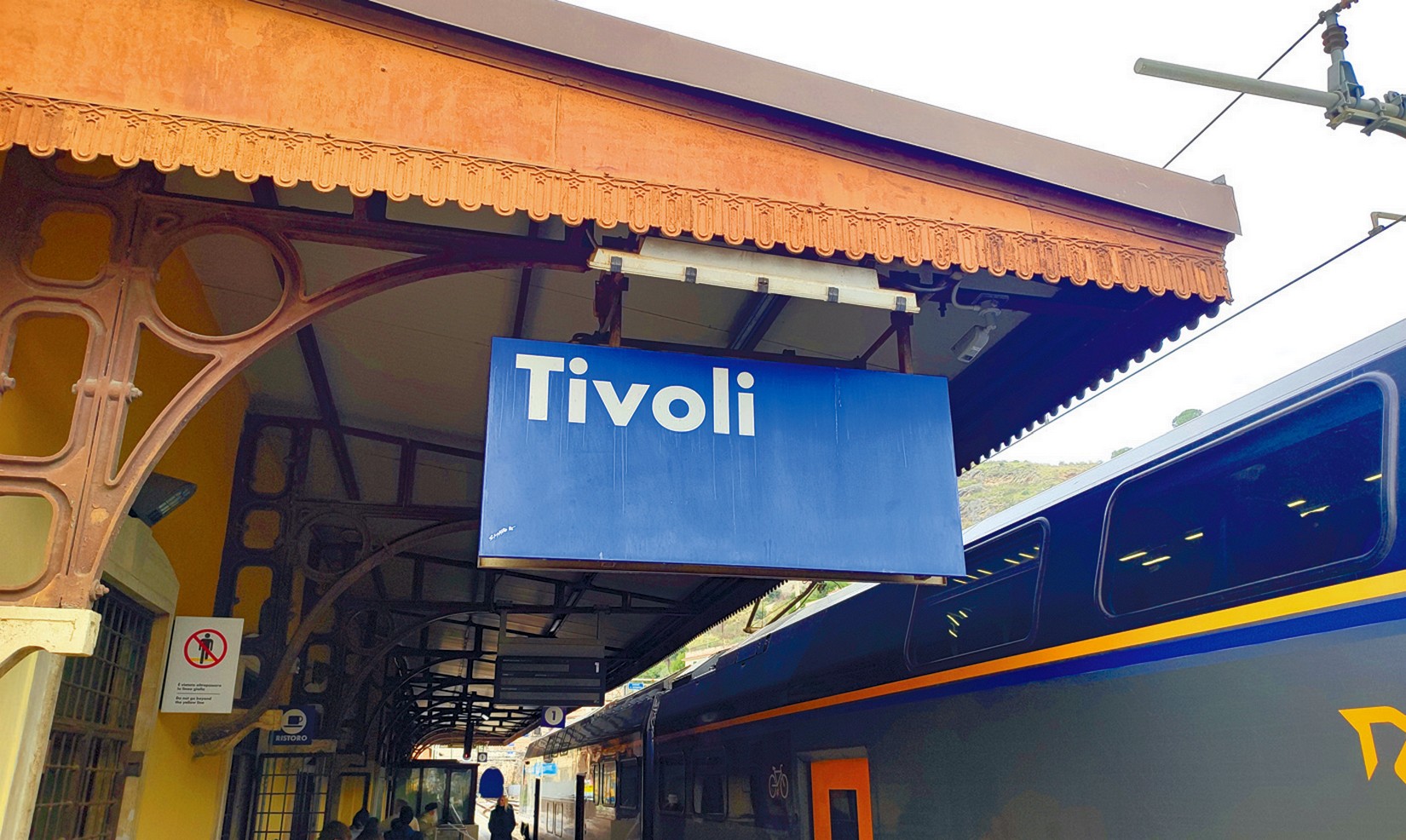
For tourists, the most convenient way to reach Tivoli is by train from Rome. The local station is right in the centre, and your first steps lead you onto quiet streets. It’s best to begin your walk at Villa Gregoriana—just five minutes on foot from the station.
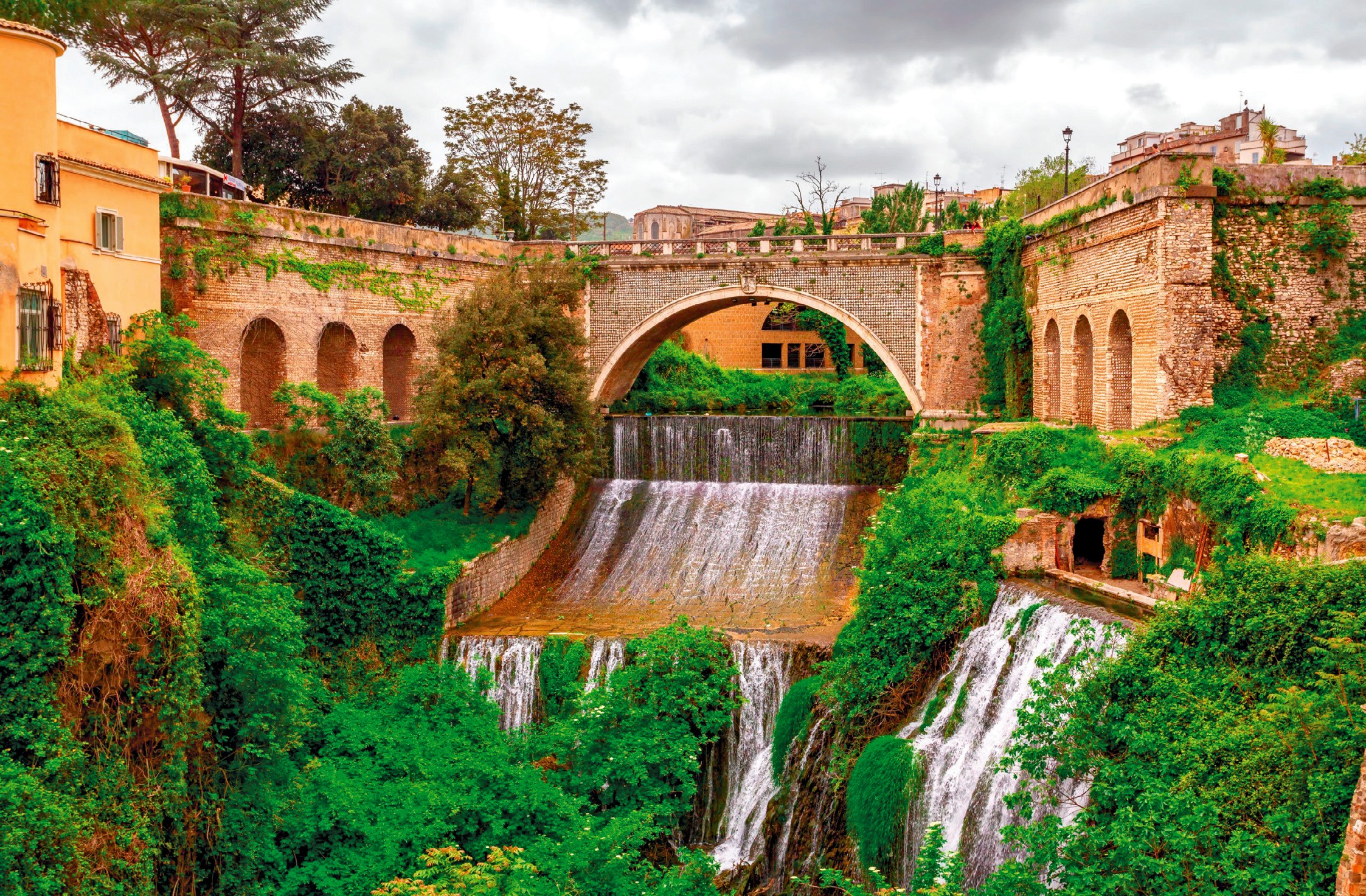
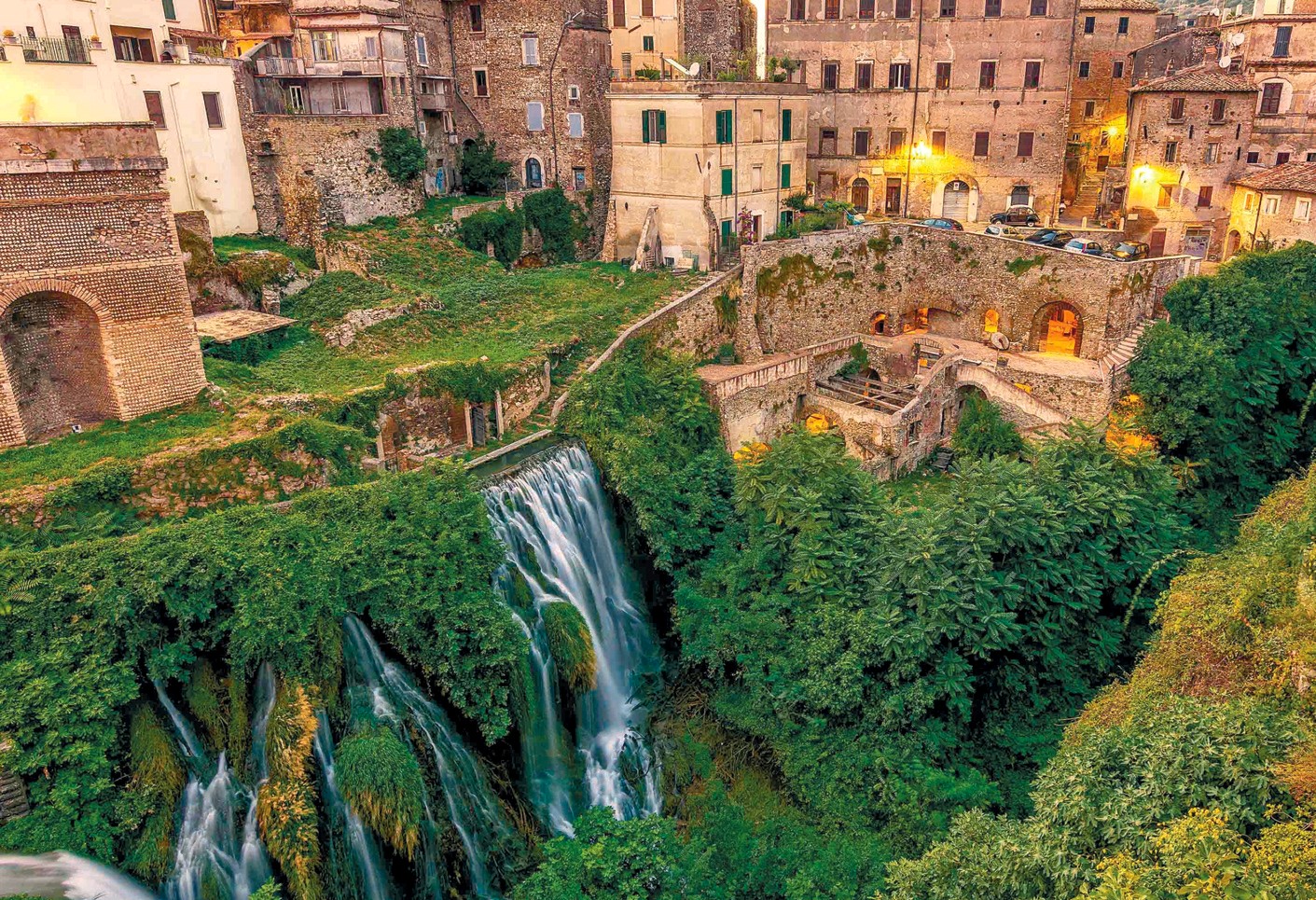
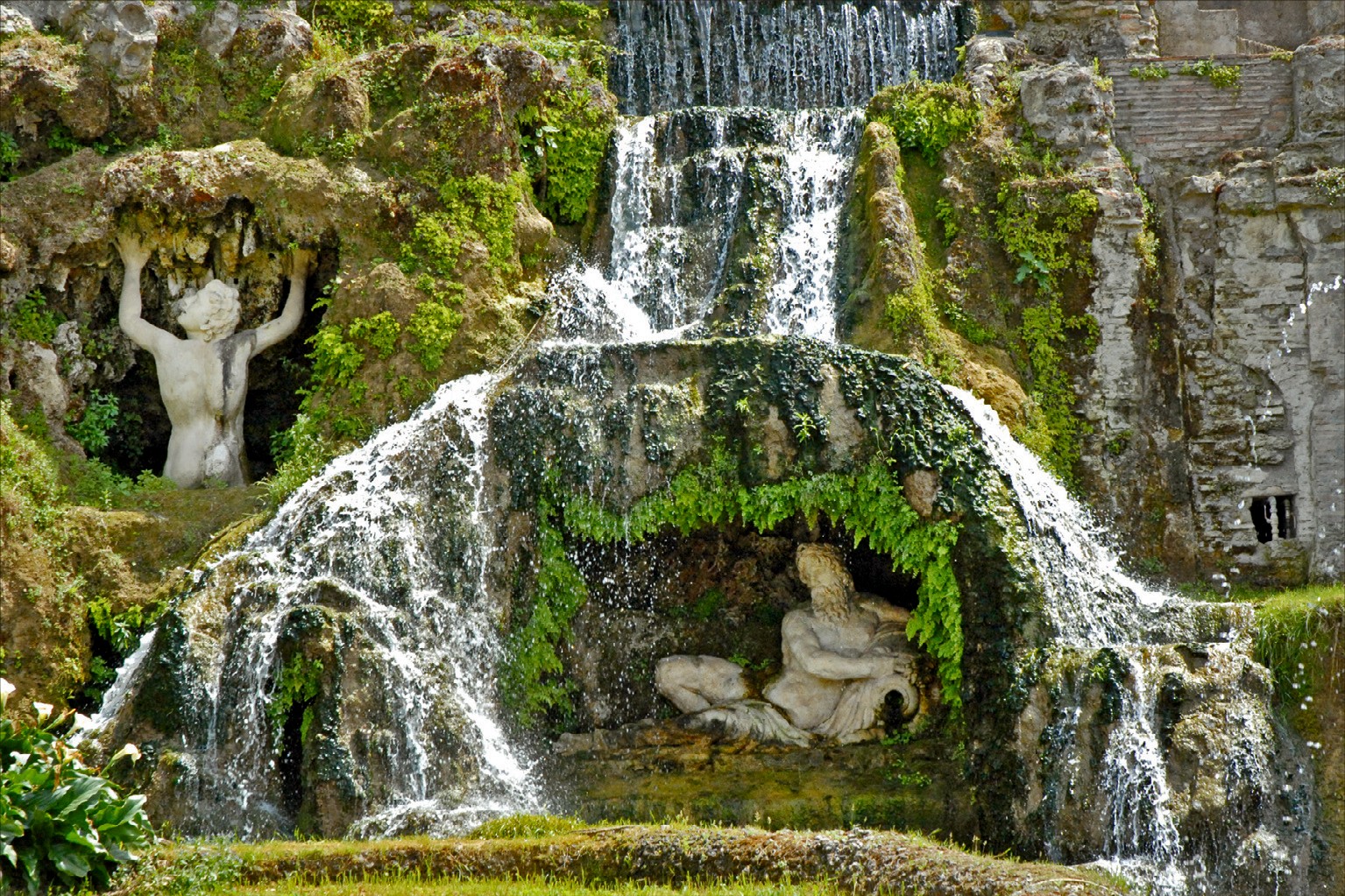
Villa Gregoriana is more than a park with waterfalls; it’s where nature meets human design. Pope Gregory XVI ordered its creation in the 19th century to reinforce the banks of the Aniene River and protect the town from landslides. But it became more than an engineering project—bridges, grottos, and paths transformed the walk into a theatrical experience: the sound of water accompanies each step, creating an effect like a small ancient drama. The most famous cave is Neptune’s Grotto, where bats often roost beneath its dark, cool vaults. Another scenic cave is the Sirens’ Grotto at the gorge’s lower part, where water crashes loudly into a deep pool. Prepare for physical exertion—the walk involves steep descents and climbs along numerous steps, so sturdy shoes with non-slip soles are essential. Tickets cost about €10, and the visit lasts 1.5–2 hours.
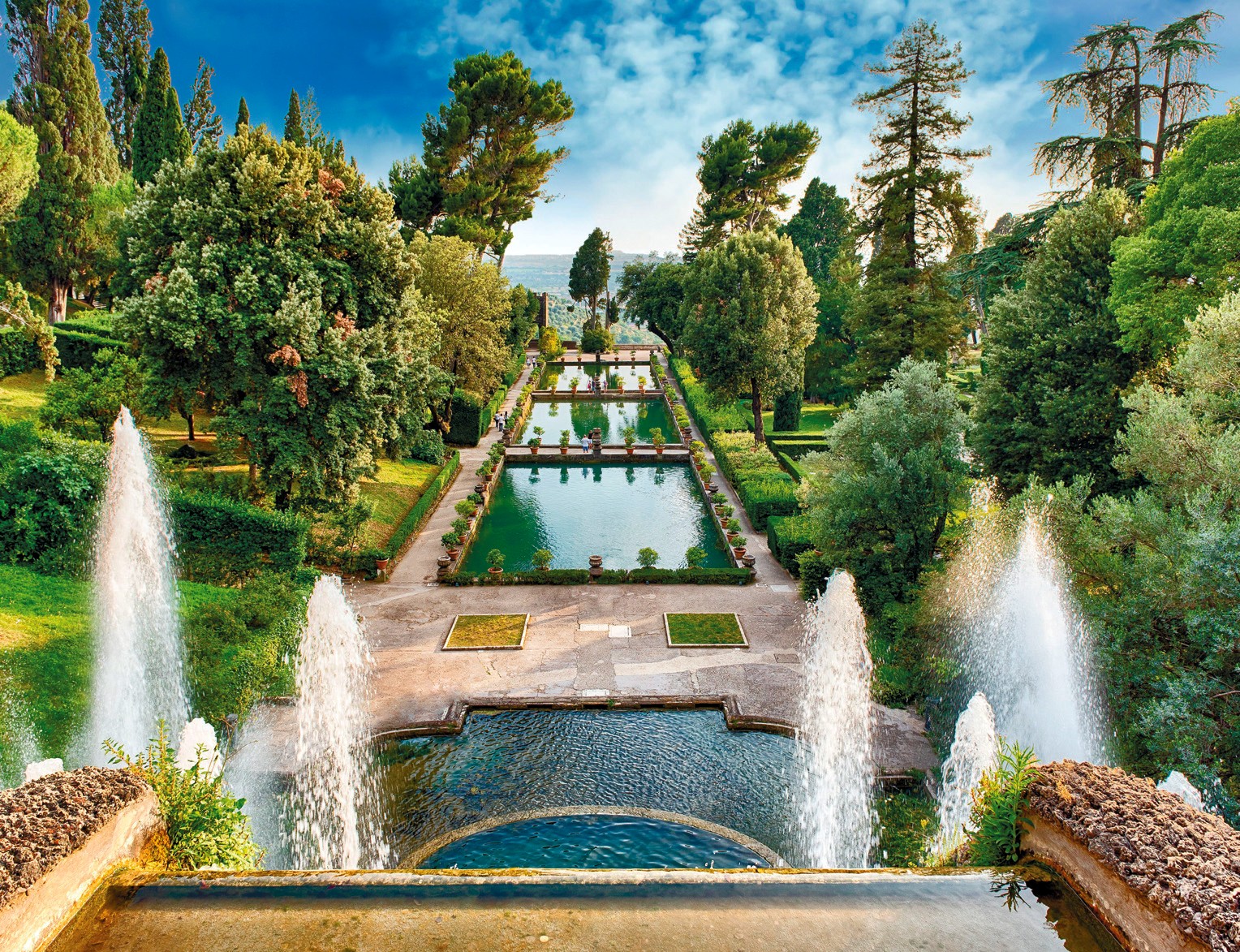
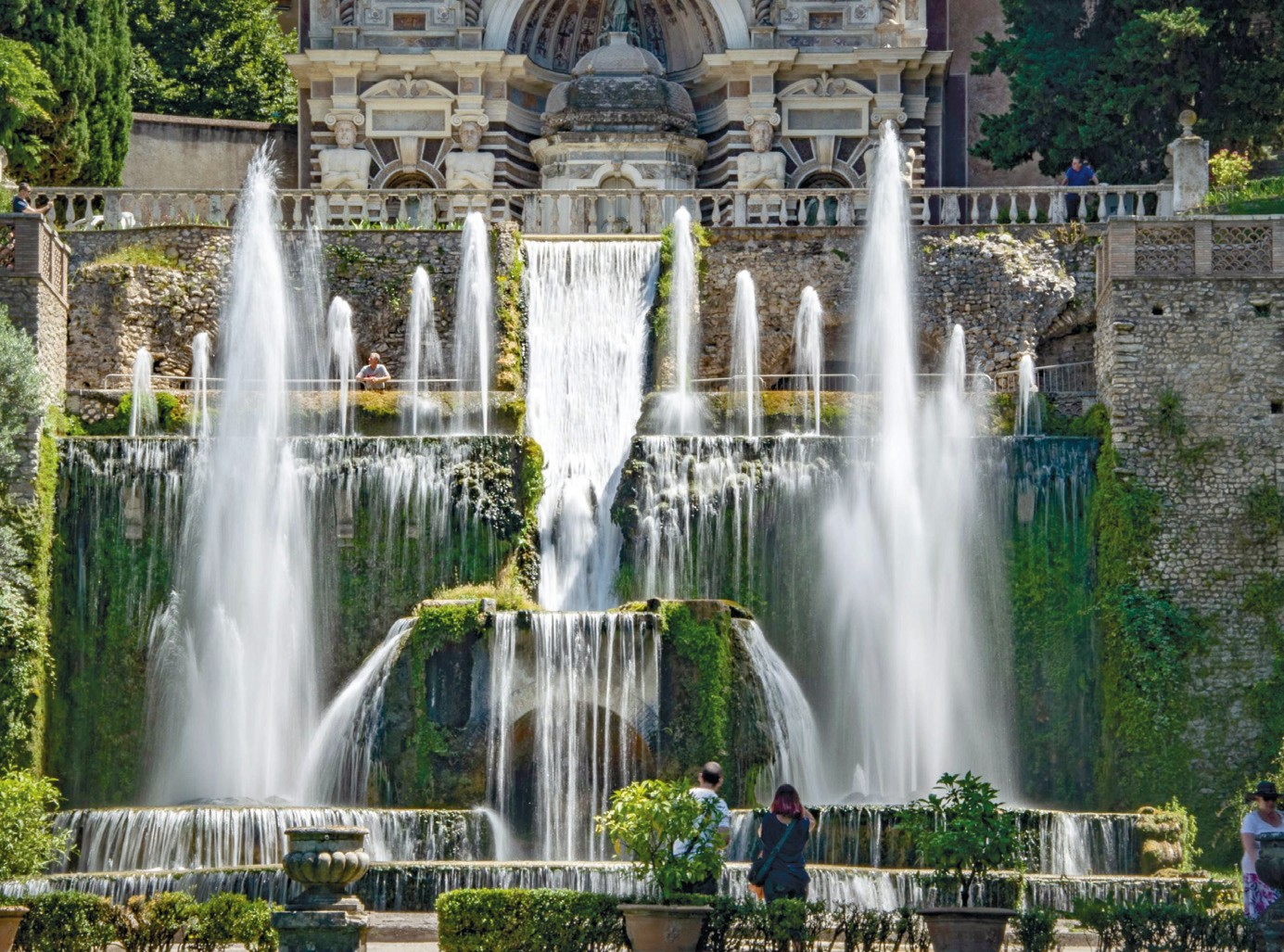
The next stop is Villa d’Este, a Renaissance jewel reachable within 15 minutes. This villa belonged to Cardinal Ippolito II d’Este, son of an Italian duke, built in the 16th century to showcase his status and taste. Over a hundred fountains, terraces, and gardens are not merely beautiful—they were instruments of power and symbols of the cardinal’s ambitions. The “Road of One Hundred Fountains” (Viale delle Cento Fontane) is the villa’s most famous spot: along the 150-metre three-tiered avenue stand fountains spouting water through animal masks, lilies, and eagles. The Organ Fountain is unique—a musical fountain where water pushes air through pipes to produce melodies still audible today. The “Daisy” and “Neptune” fountains astonish with their engineering ingenuity for their time. Walking these terraces reveals how the cardinal hosted grand receptions, demonstrating who commanded art, water, and space. Tickets cost around €15; allow one to two hours for a leisurely tour.
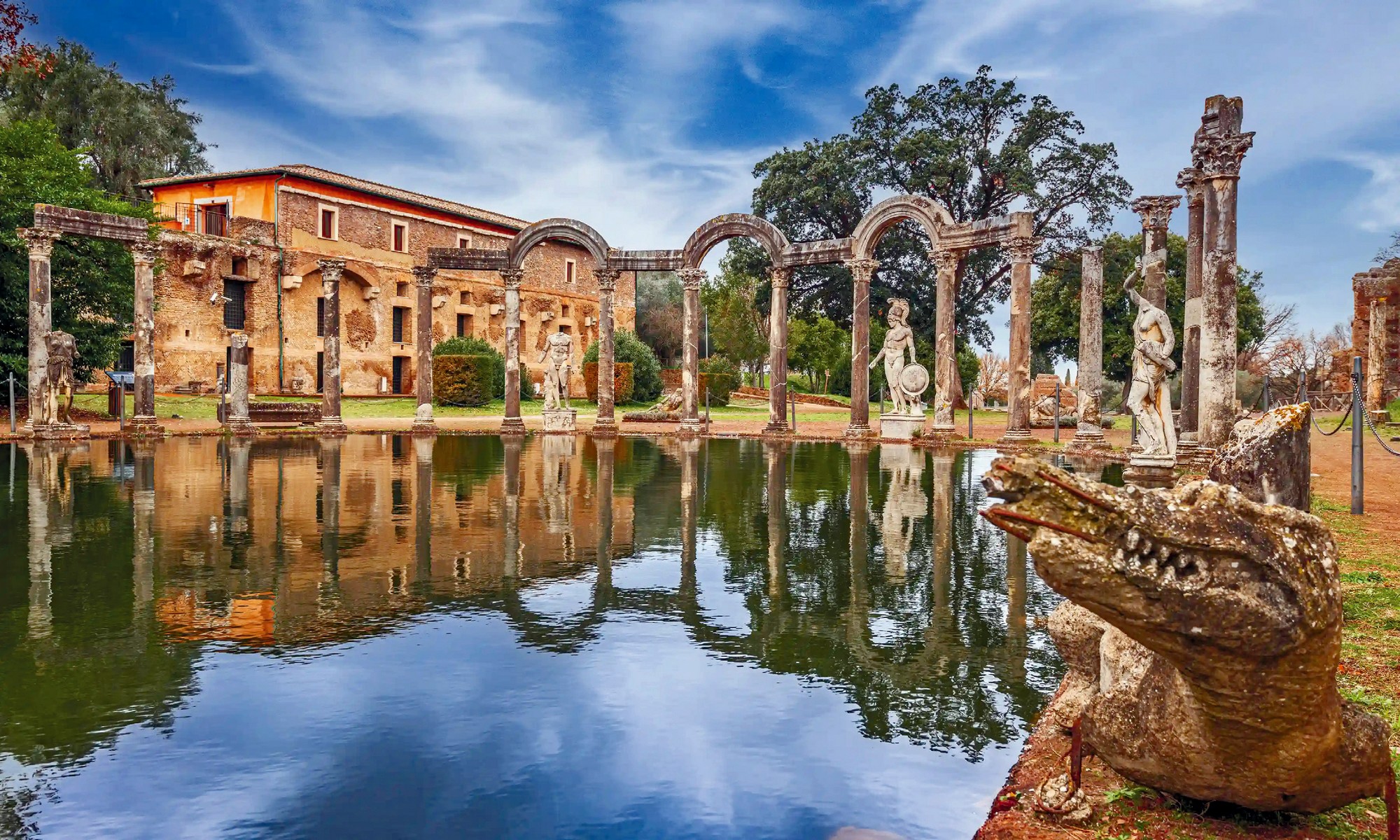
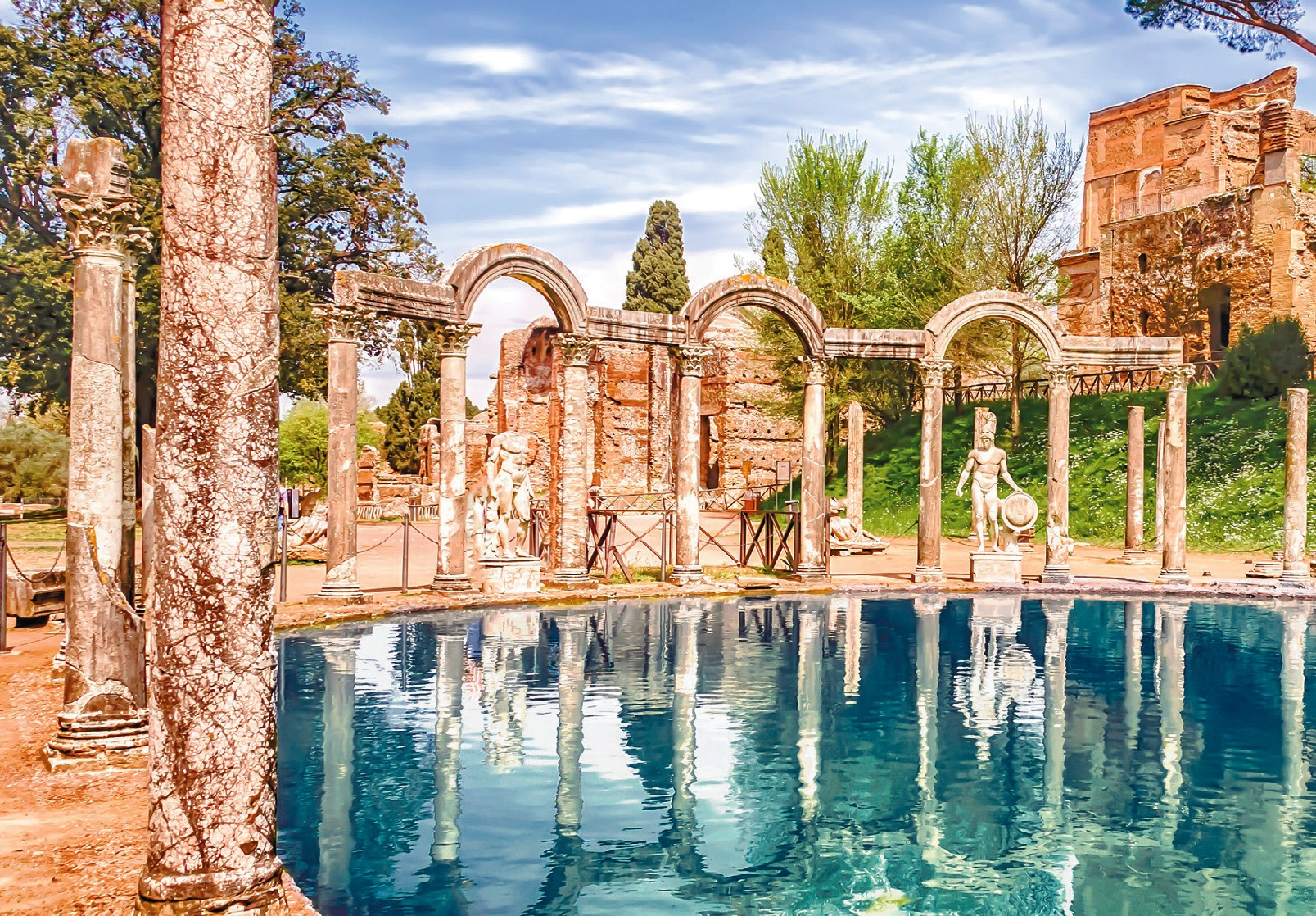
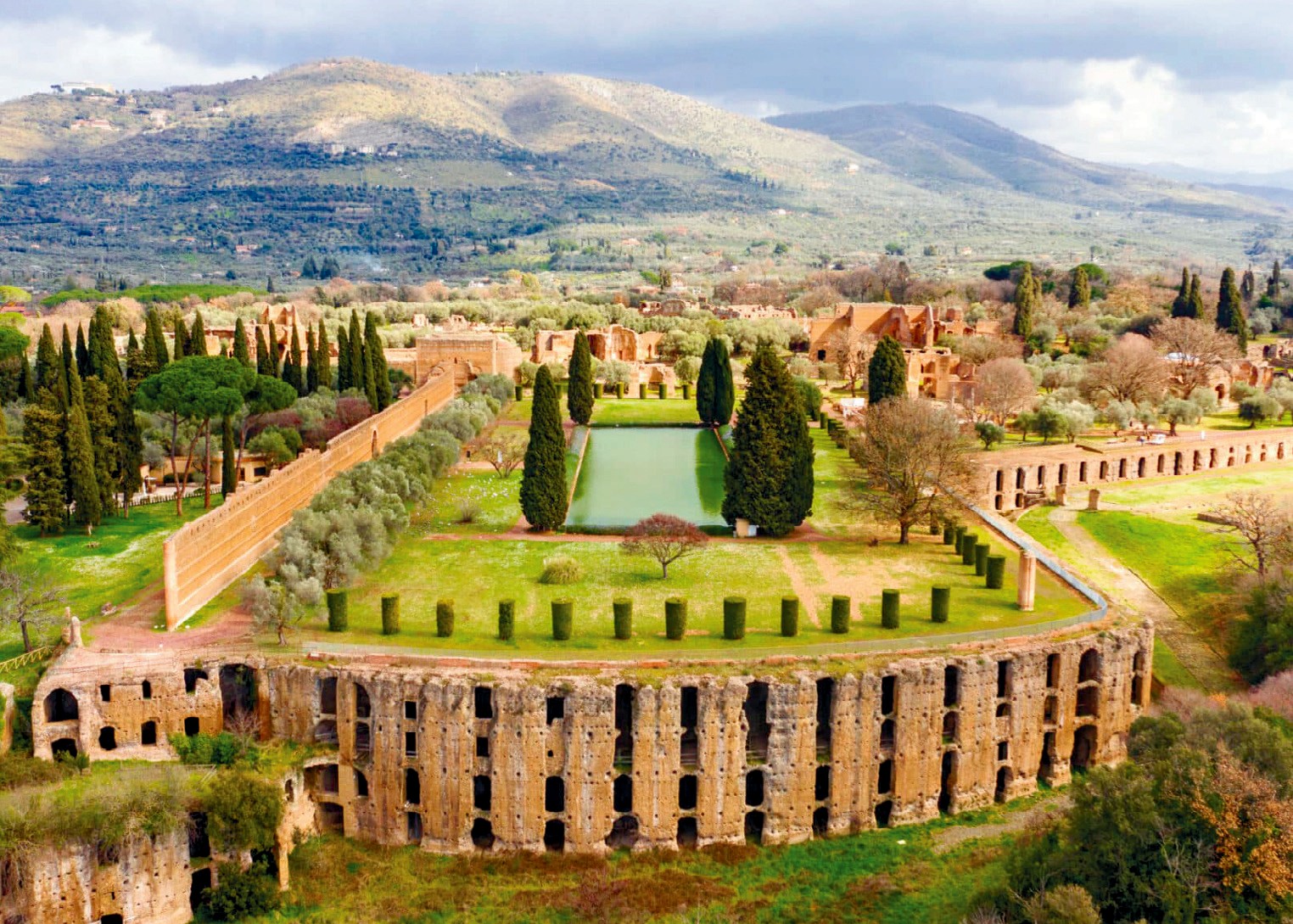
End your main sightseeing at Hadrian’s Villa—the imperial residence built in the 2nd century AD by Emperor Hadrian. Here he created his own miniature empire: palaces, baths, theatres, temples. The villa served as a retreat for study, entertaining guests, and even staging naval battles in its pools—you can imagine the emperor strolling marble terraces among ancient statues. Walking between columns and ruins allows visitors to touch the emperor’s private life, ambitions, and dreams. Hadrian’s Villa lies 5–6 km from Tivoli’s centre; walking takes about an hour, so public transport is advisable. Entry costs €12; allow two to three hours to appreciate its scale fully.
Finally, a stroll through Tivoli’s old town awaits. Narrow streets with colourful façades, small squares with cafés and craft shops create an atmosphere where time flows slowly. At Garibaldi Square you can pause to admire hills; by the Temple of Vesta feel how ancient legends and rituals intertwine with town life. Here tourists find artisan souvenirs and local gelato; every corner holds secrets.
This route combines nature, history and lives of great people; connections between station, villas and old town evoke a genuine journey through time.
The scent of history on your plate
After exploring the city's attractions, including fountains, parks and ancient palaces, visitors will be intrigued to discover Tivoli's culinary offerings. The town's distinctive aromas of fresh bread, spices and guanciale (cured pork cheeks) are a welcoming gesture to visitors.
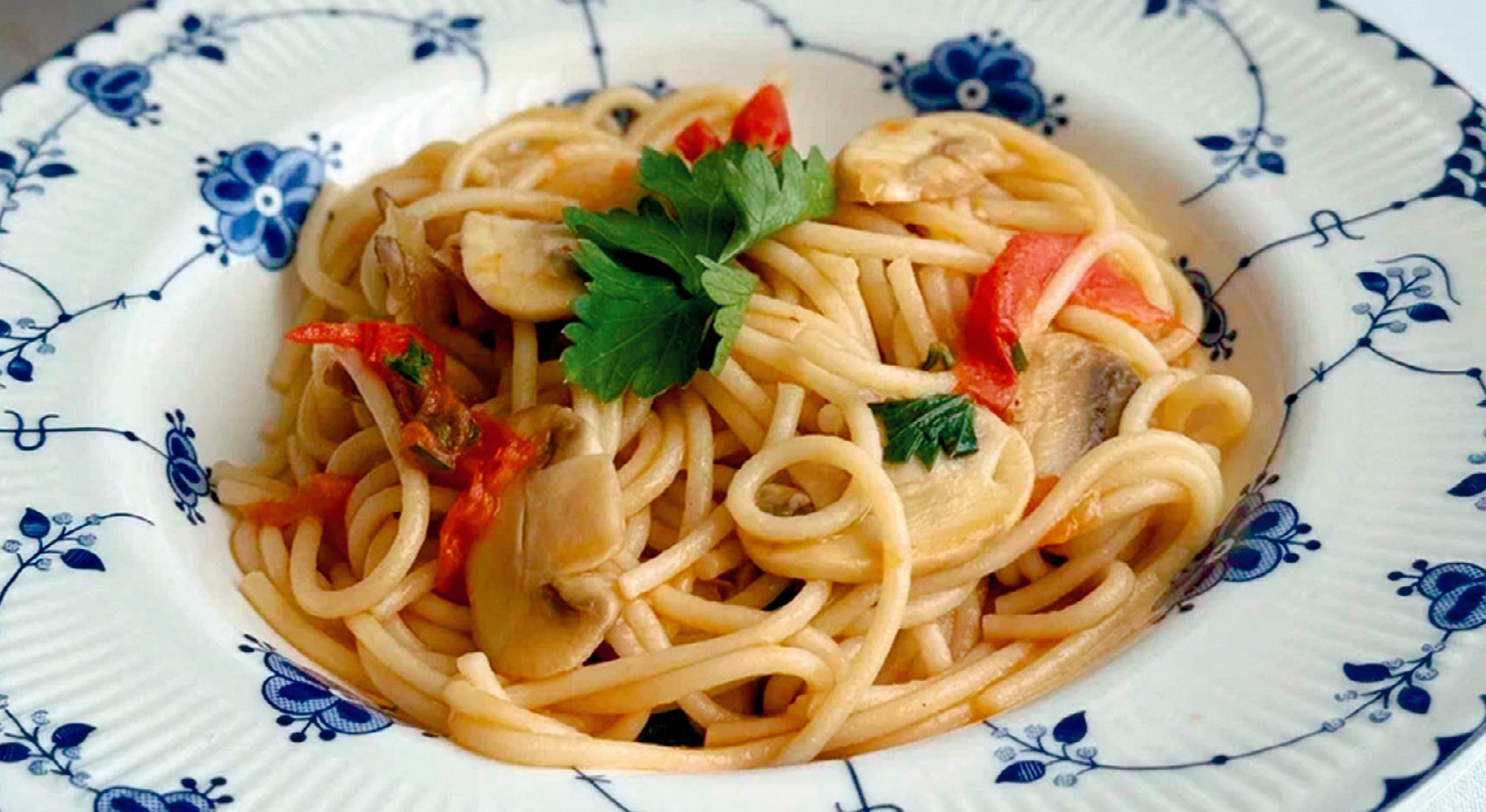
It should be noted that Tivoli does not have a signature dish with a famous name; Roman culinary tradition is the main influence here. Yet the small trattorias in the old town continue to serve fresh handmade pasta: firm tonnarelli, broad fettuccine and homemade ravioli made daily from simple flour and eggs. These are served with rich sauces featuring pork cheeks, wild mushrooms, cheese and black pepper. This cuisine prioritises artisanal techniques and flavour profiles over formal accolades. In small, family-run restaurants in the Old Town, the cost of a meal is €12–15. Tourist restaurants located near squares may charge up to €18.
A glass of white Malvasia Puntinata or robust red Cesanese from Lazio's wineries is the perfect accompaniment to pasta dishes. The local population is well versed in pairing wine with cuisine. The cost of the product is between €5 and €7 per glass, or between €15 and €25 per bottle. Wine in Tivoli represents more than just a drink; it captures the essence of the local character. With each sip, aromas of the surrounding hills, rivers and gardens are revealed, offering a sensory experience that reflects the region's unique identity.
For dessert, we recommend trying wine biscuits, which are small rings lightly scented with wine and occasionally found in pastry shops. Gelato made following traditional recipes is priced at €4–6 per serving, while pastries are available at €2–5.
After dining, you may wish to visit a small café in the old town for an espresso or cappuccino (€2–2.50). Visitors and residents alike can enjoy the outdoor seating, listening to the soothing sounds of fountains and the joyful laughter of children. They can also take in the refreshing scents of wet cobblestones after a summer rain, and appreciate that food in this city is not just a means of sustenance, but an integral part of the urban experience. For a more relaxed evening, why not try a light aperitif with snacks (€5–7), which will allow you to experience how the locals unwind and enjoy the sunset over the hills.
Tivoli's selection of cheeses and sausages is particularly noteworthy. Local cheese ranges from soft to mature, with a vivid herbal aroma. The sausages, sourced from local producers, are renowned for their robust flavour, characterised by the use of garlic and a variety of spices. They are particularly well-suited for pairing with bread and wine. Olive oil here is not mere food but true art; many producers sell first-press oil straight from farms at markets where you can taste it on fresh bread slices. Prices are steep (€15–25 for 500 ml). Honey from local gardens and meadows offers a sweet memory of Tivoli with floral, herbal and woodland fragrances.
Stones, legends and voices of the past
Tivoli's rich history is palpable as you explore the grounds, with each stone bearing the echo of its own narrative. The architecture of old houses, with their colourful façades, narrow streets and fountains, creates an evocative setting that seems to transport visitors to another time and place.
Old Tivoli's architecture is impressive, ranging from ancient Roman baths to Renaissance villas and quiet courtyards inhabited by local families across centuries. Garibaldi Square offers panoramic views over the surrounding hills and valleys, and the town's small squares, cafés and shops give the impression of a unique local character. Medieval arches neighbour 18th-century façades, and narrow lanes lead to little churches adorned with remarkable frescoes.
Tivoli is renowned for its rich legends and engineering marvels. For instance, the fountains at Villa Gregoriana and Villa d'Este are operated without the use of pumps, relying entirely on gravity to facilitate the movement of water through meticulously designed 16th-century channels. This results in the creation of intricate waterfalls and cascades that continue to impress visitors and engineers alike.
The Organ Fountain at Villa d'Este is a remarkable feat of Renaissance engineering, producing melodies through a system of special pipes and no electricity or modern mechanisms.
Local architecture is not only aesthetically pleasing, but also reflects the way of life of people from past centuries. The columns at Villa d'Este and the terraces at Hadrian's Villa are a testament to the power and influence of the cardinals and emperors who hosted lavish celebrations and spectacular water shows, showcasing their prowess in art and engineering.
As you walk along the narrow streets, it is easy to imagine Romans, merchants, cardinals and craftsmen passing by. The architecture of this 21st-century development is defined by small courtyards and stone staircases, both of which are believed to hold secrets that have been passed down through the generations. Every arch and fountain serves as a connection between the past and the present.
It is advisable to avoid main thoroughfares and to seek out less obvious attractions, such as hidden passages, secret patios and old workshops, where Tivoli reveals its true self: a city of legends, architecture and engineering wonders.
Tivoli is more than architecture; it pulses with life: fountain sounds, scents of fresh bread and spices from markets; handmade pasta, local wines; damp cobbles after rain; sunlight glinting on terraces. Every moment here invites photographing, memorising, savouring like a small portion of happiness.
Even if you spend only one day here you will carry away a world where past blends with present; where every corner preserves history; each fountain is a small engineering marvel—and you will long to return to stroll those streets again, taste handmade spaghetti, hear water’s murmur and breathe in Tivoli’s scent—a town where all feelings come alive at once.
RECOMMEND:
 116
116

