

TOMORROW IN ICHERISHEHER
Centuries-long traditions cannot prosper in this era of digital technologies
Author: Omar ALAKBAR
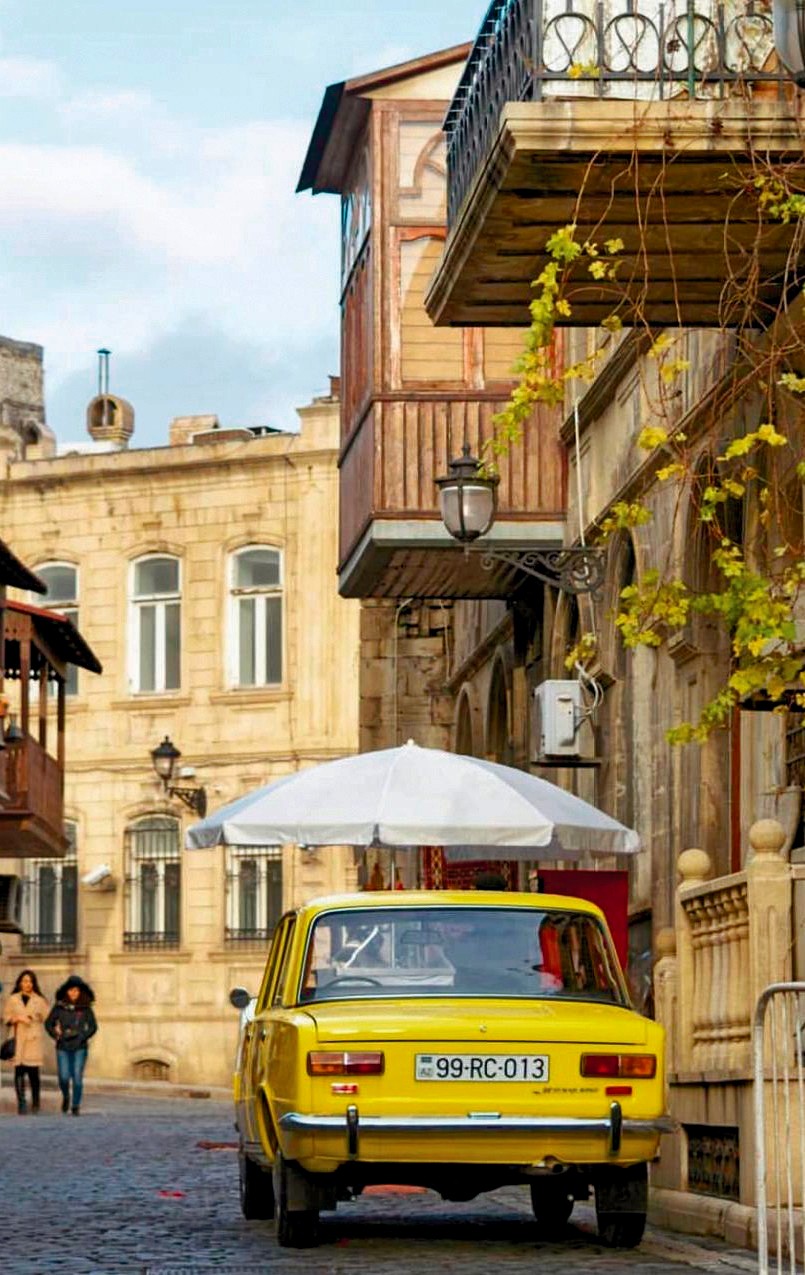
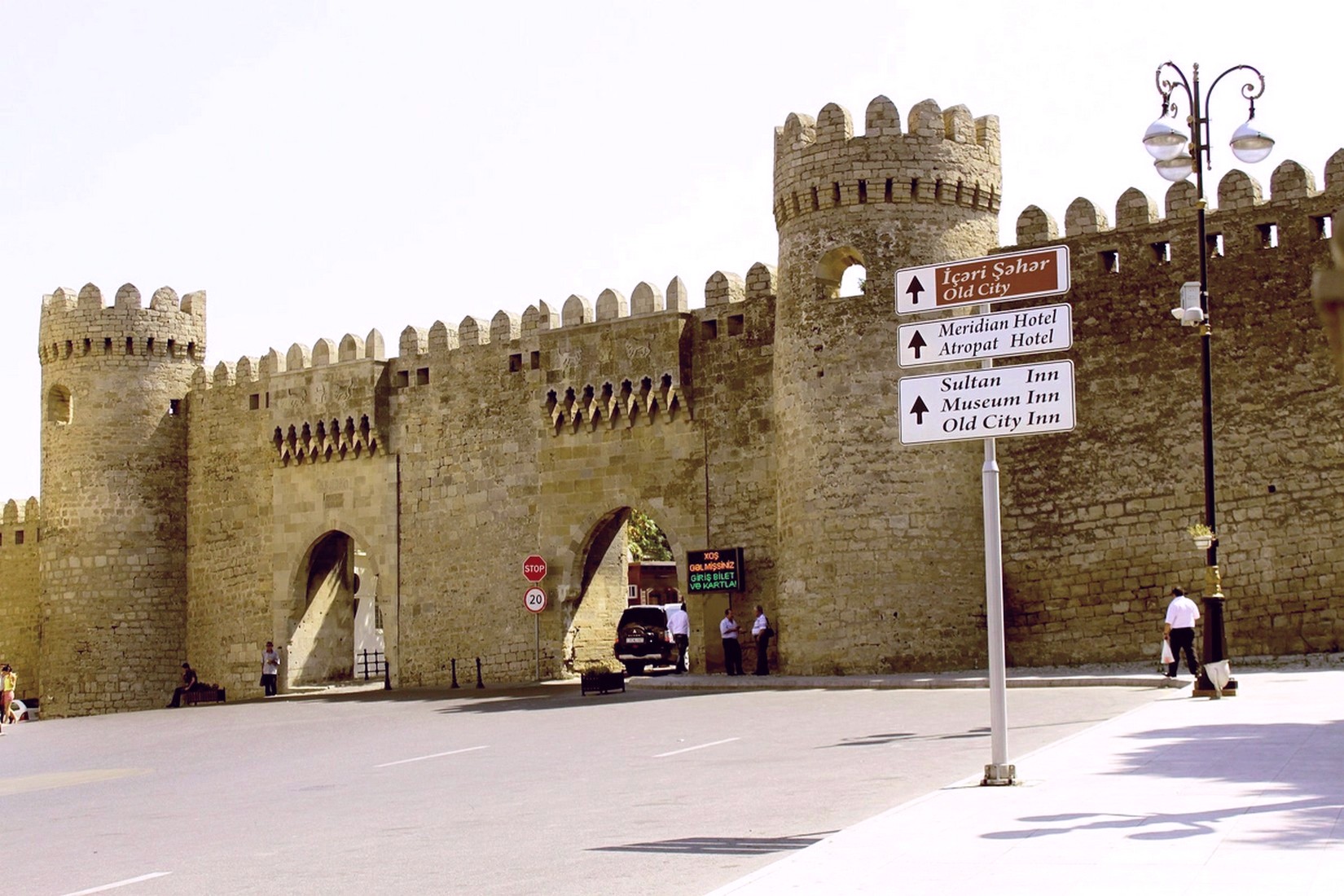
The last World Urban Forum held in Baku provided a unique opportunity to reflect on the future of historic settlements worldwide. The most significant and closest subject of this urban analysis was, of course, Icherisheher – the Old City, the heart of Baku. The question of how this ancient quarter functions today and the direction it will take in the future was the common thread throughout the presentations of key experts. Rufat Mammadov, Chairman of the Board of the Reserve Directorate, and Sabina Hajiyeva, Head of the State Service for the Protection, Development and Restoration of Cultural Heritage, presented a detailed concept for breathing innovation into century-old stones without destroying their soul.
A living space vs. museum stillness
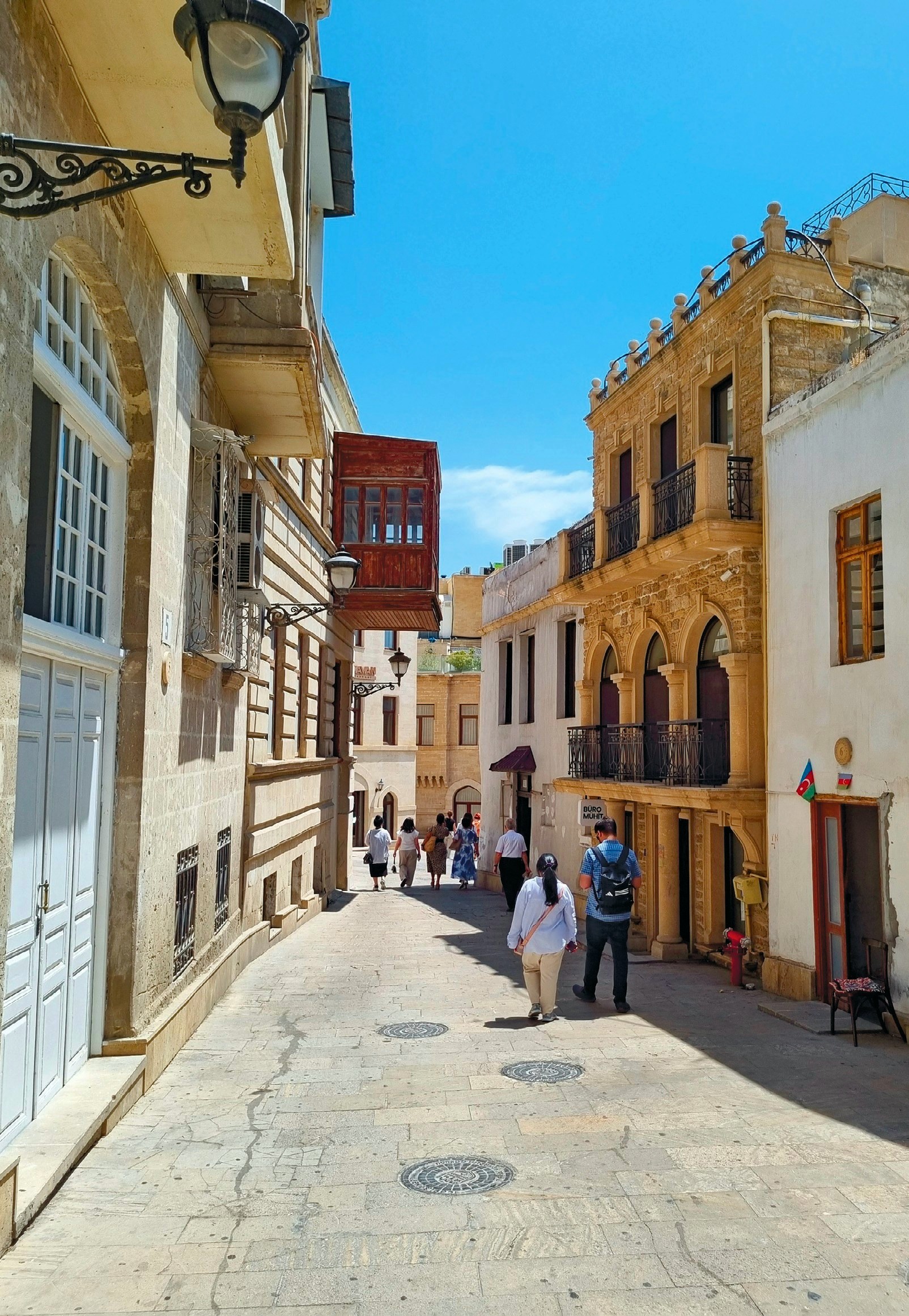
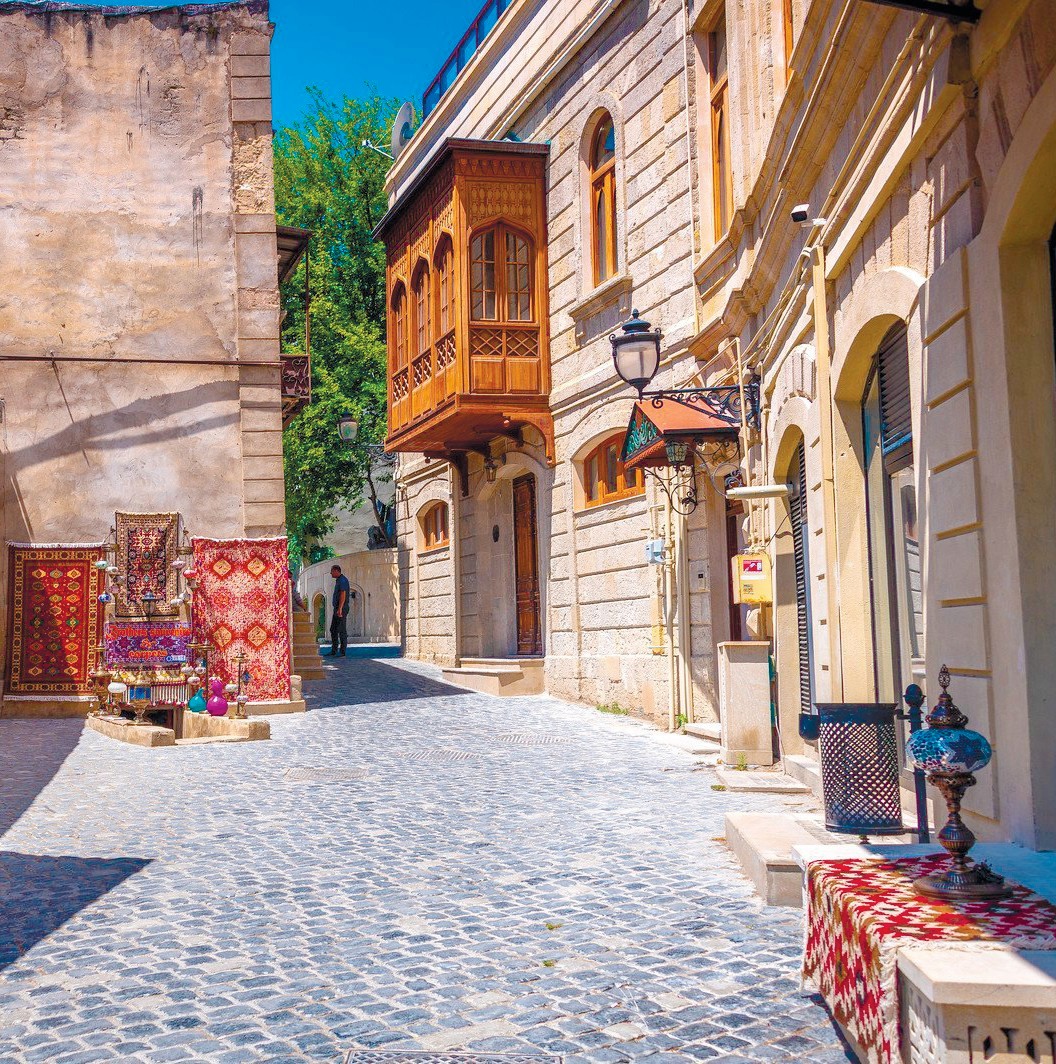
The modern Icherisheher has long since surpassed the limitations of a frozen backdrop. As Hajiyeva articulated during a panel session at the forum, the Old City is not merely a tourist destination; it is a living testament to history, where people continue to reside, work and go about their daily lives. This human factor distinguishes Baku's citadel from many global counterparts, turning it into a fully functioning, vibrant urban space rather than a lifeless attraction for visitors.
Nevertheless, tourism is also evolving. R. Mammadov shared an important observation: thanks to the infusion of new meanings and interactive projects in the quarters, the average time visitors spend in the Old City has increased from 2 to 4–5 hours. A visit to Icherisheher is no longer just a gastronomic tour; it is now a deep immersion experience that leaves visitors with a rich accumulation of memories. Concurrently, the reserve's management is implementing governance based on participatory design. Through resident surveys, everyday domestic problems are identified and systematised, with local community trust recognised as the primary priority of ongoing reforms.
Looking towards tomorrow
What does the future of Icherisheher look like over the coming decades? The solution lies in an extensive but delicate concept of a "Smart Reserve". Digitisation is not intended to replace history, but rather to provide an invisible framework that will support the sustainability of this unique heritage.
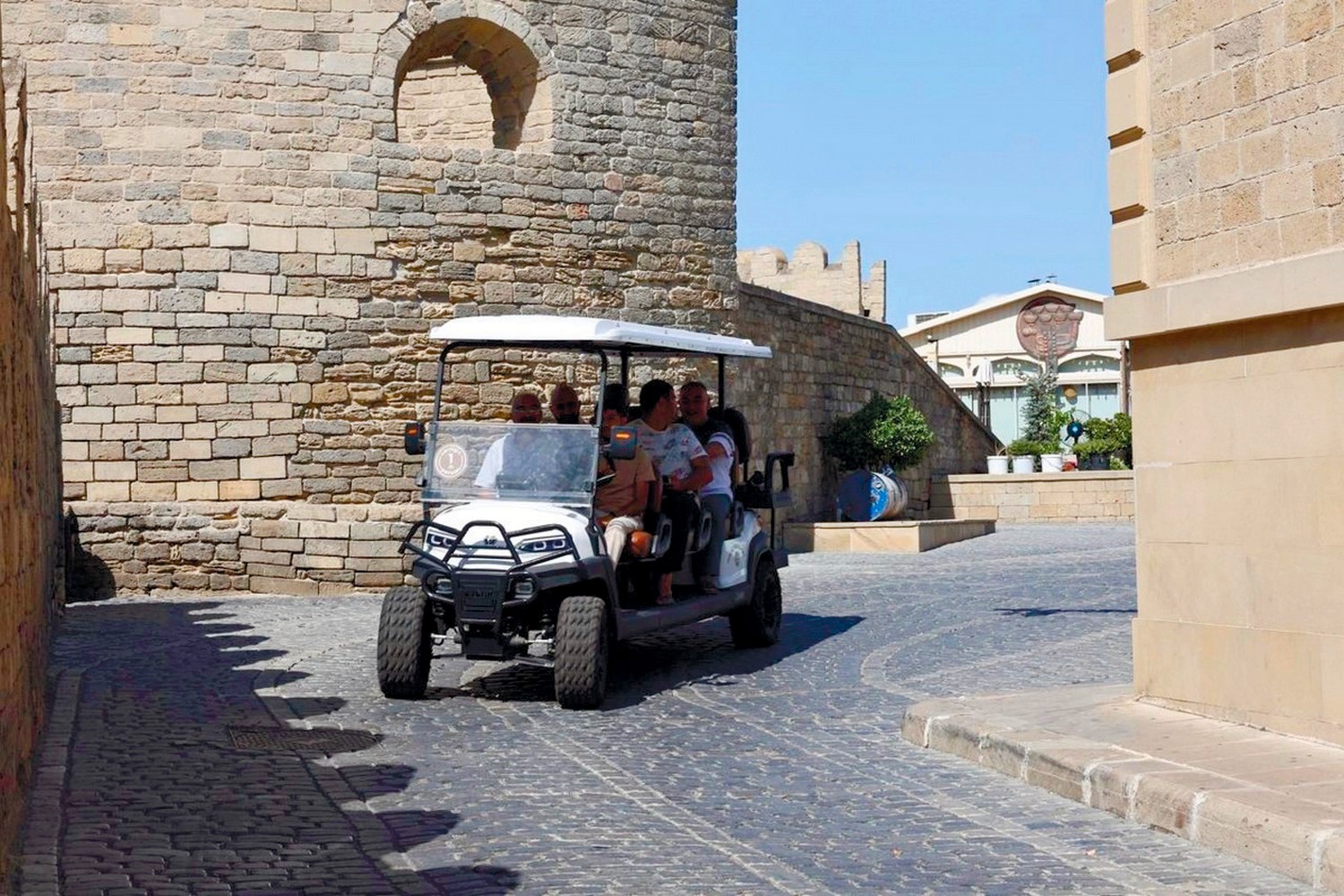
The initial key step will be to establish a unified digital cadastral platform, which will be developed in conjunction with the Executive Authority of Baku and the State Service for Property Affairs. This database will consolidate all information about Icherisheher's properties, while the concurrent inventory and certification of historical monuments alongside a population census will provide an extremely precise digital snapshot of the reserve. Following this, the urban environment will undergo a significant transformation with the integration of services. Through a strategic partnership with Birbank, a comprehensive ecosystem is being developed where transport, payments, ticket bookings and municipal functions will be accessible to residents and visitors via unified technological solutions. Optimising transport flows within the fortress walls will help finally return these streets to pedestrians.
Philosophy of regeneration and social justice
Innovation is not limited to technology; it is inextricably linked to rethinking social responsibility. In the discussion entitled "Rethinking cultural heritage and inclusive urban regeneration", Hajiyeva raised a crucial and sensitive issue regarding funding restoration works. When discussing the regeneration of ancient cities, she emphasises the importance of establishing new, comfortable living conditions in old buildings. Hajiyeva emphasised that the conversation should not focus on individual buildings alone, but on preserving the entire integrity of the historical environment. In this context, the head of the state service articulated a fundamental state position intended to dispel long-standing fears and misconceptions: individuals residing in historic buildings should not be responsible for funding their restoration themselves. She dismissed this assumption as fundamentally erroneous and clearly distinguished the roles involved. Residents are expected to care for their buildings respectfully and avoid causing damage during their daily lives. The government will assume full responsibility for protecting these monuments and quarters. It will also provide targeted funding for their professional restoration. According to Hajiyeva, such close and trusting cooperation between local residents and state organisations forms the foundation of successful Azerbaijani practice.
In conclusion, it is clear that organisers see Icherisheher's future as an ideal balance between authenticity and modernisation. As R. Mammadov has observed, achieving this balance will be one of the most significant challenges for historic cities worldwide in the coming decade. If Icherisheher succeeds in harmoniously combining "smart innovations", careful heritage preservation, state support for residents and human-centred governance, it will undoubtedly become one of the strongest and most viable urban models of the future. This will demonstrate that centuries-old traditions can not only survive but also flourish in such an environment.
RECOMMEND:
 88
88

