

ENERGY SECURITY
Azerbaijan and Türkiye expand joint presence in the new era of energy geopolitics
Author: Ilaha MAMMADLI
Europe seeks to diversify its energy supplies, Central Asia searches for new access to global markets, while the Middle East remains a zone of instability. In this context, transport and energy corridors through Azerbaijan, Georgia, and Türkiye take on special strategic significance.
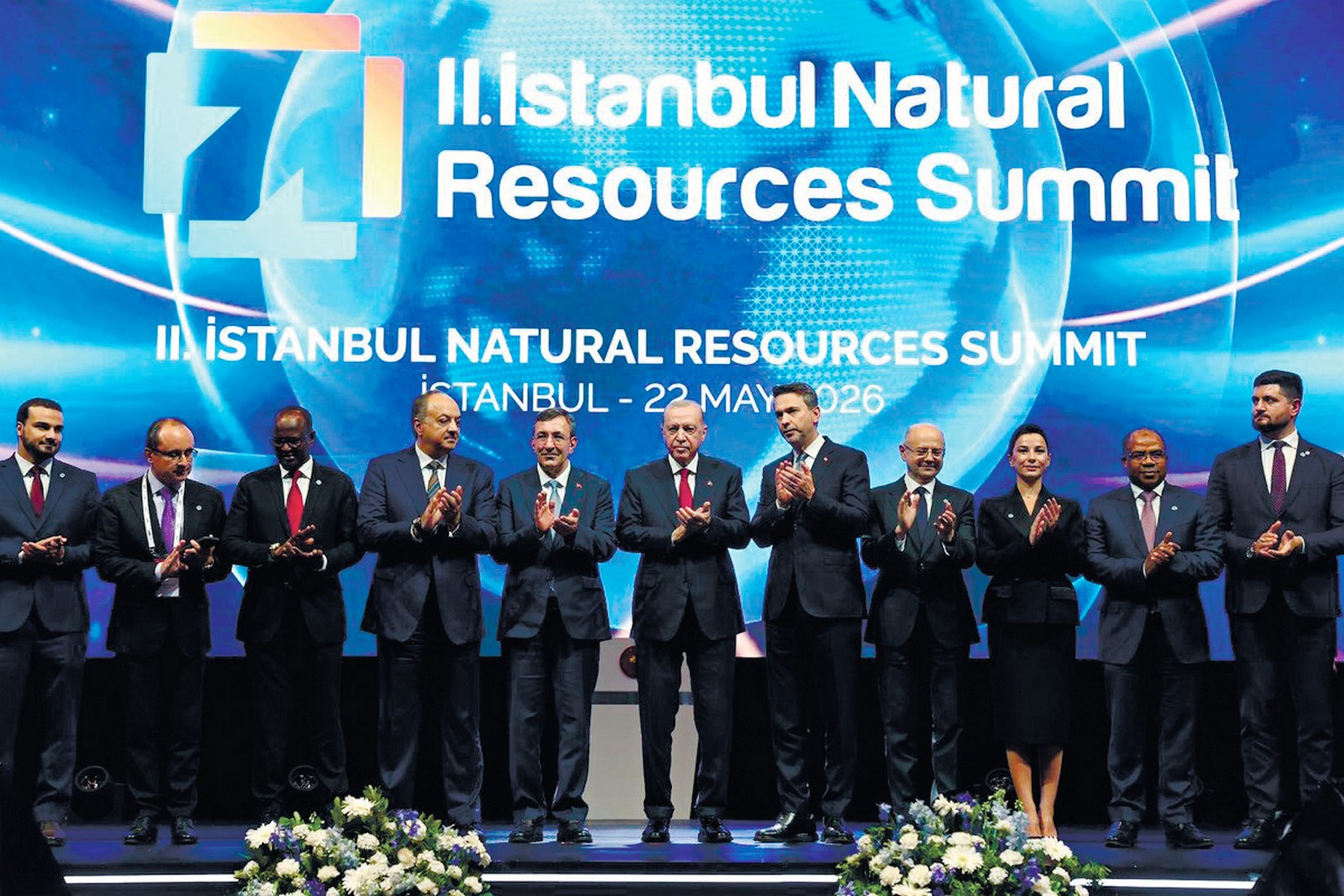
The second Istanbul summit on natural resources demonstrated that Ankara now views energy not only as an economic sector but also as a tool of geopolitical influence, regional integration, and the strengthening of its own independence. Meanwhile, Azerbaijan’s role as one of the central players in forming new energy links between East and West is becoming increasingly prominent.
In Europe and Asia
Over the past two decades, Türkiye has significantly strengthened its position on Eurasia’s energy map. Today, the country possesses extensive and diversified gas infrastructure: international pipelines, LNG terminals, floating regasification units, underground gas storage facilities, and its own fleet of deep-water drilling vessels. Ankara receives gas from more than 50 international companies across 39 countries and is gradually becoming one of Europe’s most important energy centres.
At the same time, Türkiye’s strategy long ago moved beyond merely serving as a transit country. Ankara is actively developing its own resource base to reduce import dependency and bolster national energy security. The Black Sea Sakarya gas field symbolises this new energy policy. Gas production there has already reached 9.5 million cubic metres per day; with the introduction of new floating platforms in the coming years, these volumes are expected to multiply several times. If these plans are realised, Türkiye will be able to meet a significant portion of its domestic demand with its own gas.
Equally important in Ankara’s energy strategy is the Gabar oil field in Shirnak province, which President Recep Tayyip Erdogan described as the largest oil discovery in the republic’s history—currently accounting for 44% of the country’s total domestic oil production.
Türkiye continues expanding its geological exploration activities geographically. Notably, new promising sites have been identified in Diyarbakir, where drilling of 24 wells is planned in the coming years. “We will continue our activities both domestically and abroad so that Turkish Petroleum becomes a company producing 1 million barrels of oil and natural gas,” Erdogan declared.
Moreover, Ankara is gradually increasing its presence far beyond its national borders, turning energy into one of the key instruments of foreign economic and geopolitical influence. The summit paid particular attention to drilling operations off Somalia’s coast, projects in Pakistan, cooperation with Libya, Syria, and Central Asian states. Effectively, Türkiye is shaping a new model of strategic presence where energy, infrastructure, and access to resources become interconnected elements of a unified policy.
A multilateral alliance
In the emerging architecture of Eurasian energy, Azerbaijan holds a special place for Türkiye. Cooperation between Baku and Ankara long ago surpassed traditional oil and gas supply models, becoming one of the key factors for energy and geo-economic stability across the region.
The Baku-Tbilisi-Ceyhan oil pipeline and Trans-Anatolian gas pipeline projects laid the foundation for a new energy configuration stretching from the Caspian to Europe. These routes not only diversified energy supplies but also turned the South Caucasus into one of Eurasia’s most important infrastructure hubs.
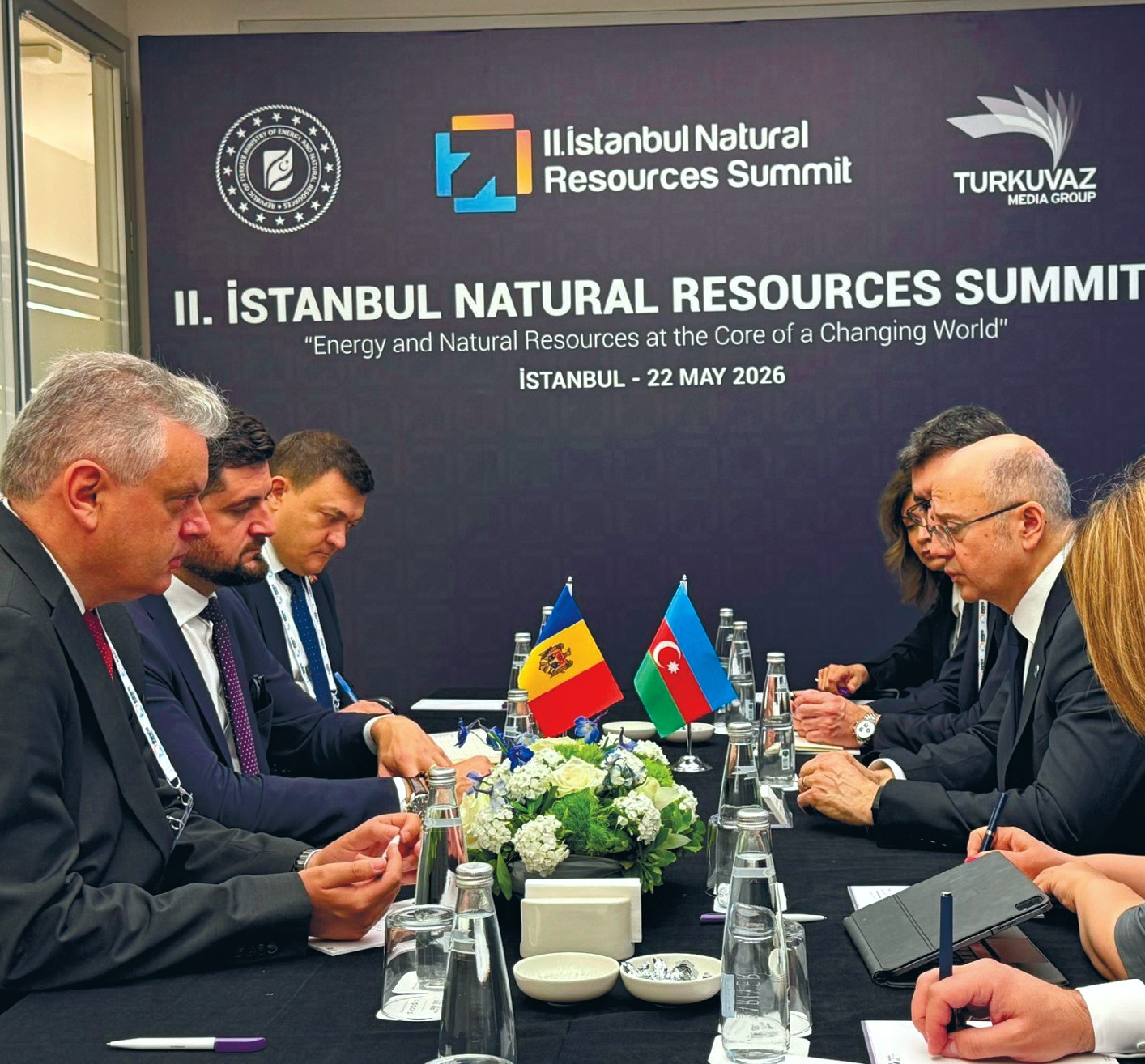
Speaking at the summit, Azerbaijani Energy Minister Parviz Shahbazov emphasised that today energy power is defined not only by production volumes. Increasingly important are supply security, infrastructure interconnectivity, and reliability of strategic partnerships. For this reason, Azerbaijan and Türkiye are gradually expanding cooperation not only in oil and gas but also in electricity and green energy sectors.
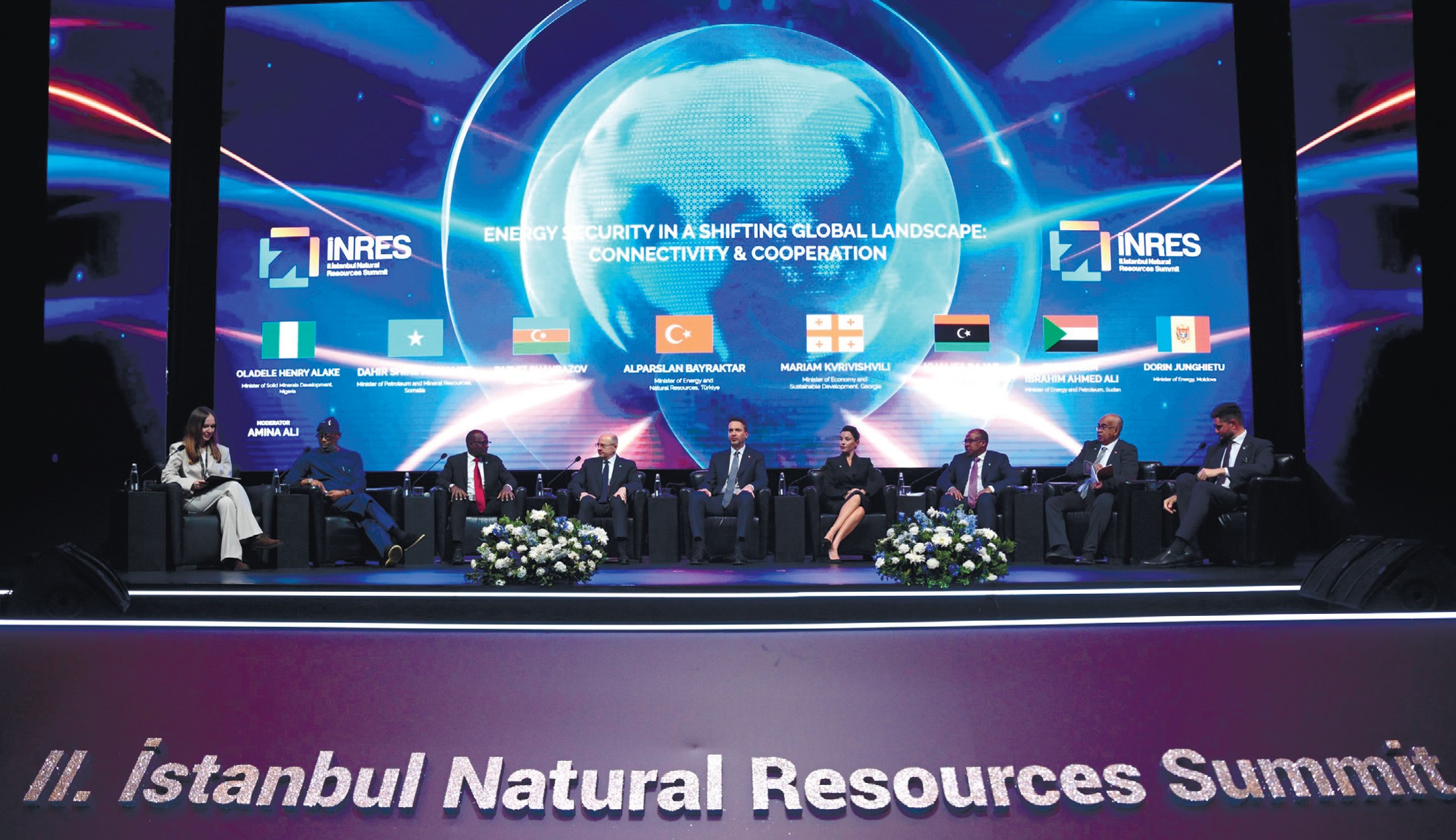
These topics were central during Shahbazov’s meeting with Turkish Minister of Energy and Natural Resources Alparslan Bayraktar. The parties discussed new projects for electricity transmission from Azerbaijan through Nakhchivan and Georgia, as well as prospective energy supply routes from Central Asia to Türkiye and Europe via the Zangezur corridor.
Today the Zangezur corridor is gaining significance not merely as a transport route but as one of the key components of future Eurasian infrastructure. This involves creating a large-scale energy and geo-economic corridor capable of connecting the Caspian region, Central Asia, Türkiye, and Europe into a single system for gas, electricity, goods, and digital communications supply.
If the project’s energy element is realised, Azerbaijan will be able to export electricity through Nakhchivan and Armenian territory to Türkiye and further to European markets. This will significantly expand transportation possibilities not only for traditional energy resources but also for green energy produced in the Caspian region and Central Asian countries.
Against this background, special importance attaches to the Azerbaijan-Georgia-Türkiye-Bulgaria electricity interconnector project. It is already seen as part of future energy integration between Europe and Asia. Given rapidly growing electricity demand, data centre development, digital economy expansion, and accelerated transition to renewable energy sources, such projects become crucial for all Eurasia.
New directions
Alongside developing strategic partnership with Türkiye, Azerbaijan is broadening its energy cooperation geography far beyond traditional areas.
One such direction is Africa. During a meeting between Azerbaijani Energy Minister and Somalia’s Minister of Oil and Mineral Resources Dahir Shire Mohamed, they discussed forming a joint working group, prospects for cooperation in oil and gas sectors, Azerbaijan’s participation in Somalia’s energy projects, and training Somali students in Azerbaijani universities specialising in oil and gas disciplines.
This dialogue gains particular significance due to Türkiye’s active role in Somalia. Ankara is already conducting its first overseas deep-water drilling mission there, expected to conclude within 6–9 months. Against this backdrop a new format of cooperation between Baku and Ankara in Africa is taking shape, potentially forming a basis for expanding their joint energy presence far beyond the South Caucasus.
Meanwhile, Türkiye is simultaneously intensifying its energy activities in neighbouring Syria. As President Erdogan stated, Ankara continues cooperating with Syria’s new government both on oil and mineral extraction and on developing mining industries.
Azerbaijan’s participation in Syria’s energy supply is also gaining importance: it should be recalled that in August 2025 Baku began gas deliveries to Syria via Türkiye; initially these volumes are expected to reach 1.2 billion cubic metres per year. The project is anticipated to enable production of 1200–1300 megawatts of electricity—critically important for restoring Syria's energy infrastructure.
Simultaneously Azerbaijan is strengthening its position in the Black Sea region. During Shahbazov’s meeting with Moldovan Energy Minister Dorin Cungiatu issues of gas supply stability and energy infrastructure development were discussed. For Chisinau, which has actively sought to reduce dependence on traditional gas supply routes in recent years, cooperation with Azerbaijan is becoming increasingly significant.
Another key theme at the Istanbul summit was green energy and establishing new transregional energy routes. The third meeting of ministers from countries participating in the “Green” Energy Corridor project Azerbaijan-Georgia-Türkiye-Bulgaria took place. It was noted during the meeting that at COP29 Azerbaijan proposed creating an “East-West Green Energy Corridor.” The project’s technical specifications have already been fully prepared and agreed upon by all parties.
Given rapidly increasing electricity demand and growing importance of cross-border energy links, participants stressed the project’s significance. To accelerate implementation they agreed to prepare a comprehensive roadmap as soon as possible that will define further steps in developing the energy corridor.
At the summit Georgian Minister of Economy and Sustainable Development Mariam Kvriashvili emphasised that cooperation between Azerbaijan, Georgia, and Türkiye significantly enhances the region’s strategic importance. According to her, amid global instability the South Caucasus is becoming one of Europe’s key elements for energy security.
Tbilisi places particular hopes on the deep-water Anaklia port project which should receive its first vessels by 2029 and on the Black Sea submarine cable linking South Caucasus’ and Europe’s energy systems. Together with energy corridors these projects should form a unified infrastructure platform for efficient operation of the Middle Corridor and further strengthen Georgia’s role as a regional transport and logistics centre. Additional significance is provided by its official inclusion on the European Union’s list of projects of mutual interest—signalling Brussels’ support.
Ankara’s ultimate goal throughout these regional processes is full energy independence. However this does not concern internal independence alone; Türkiye is effectively building a model whereby it becomes one of the main distribution centres for energy resources, electricity, critical minerals, and transport flows between Asia and Europe.
For Azerbaijan participation in these processes means more than expanding export opportunities: Baku is gradually becoming one of the key hubs in the new Eurasian energy system where interests of Europe, Türkiye, Central Asia, and the Caspian region converge.
RECOMMEND:
 85
85

