

DREAMS OF EUROPE
India tries to strengthen new alliances with the UAE and the EU
Author: Ilgar VELIZADE
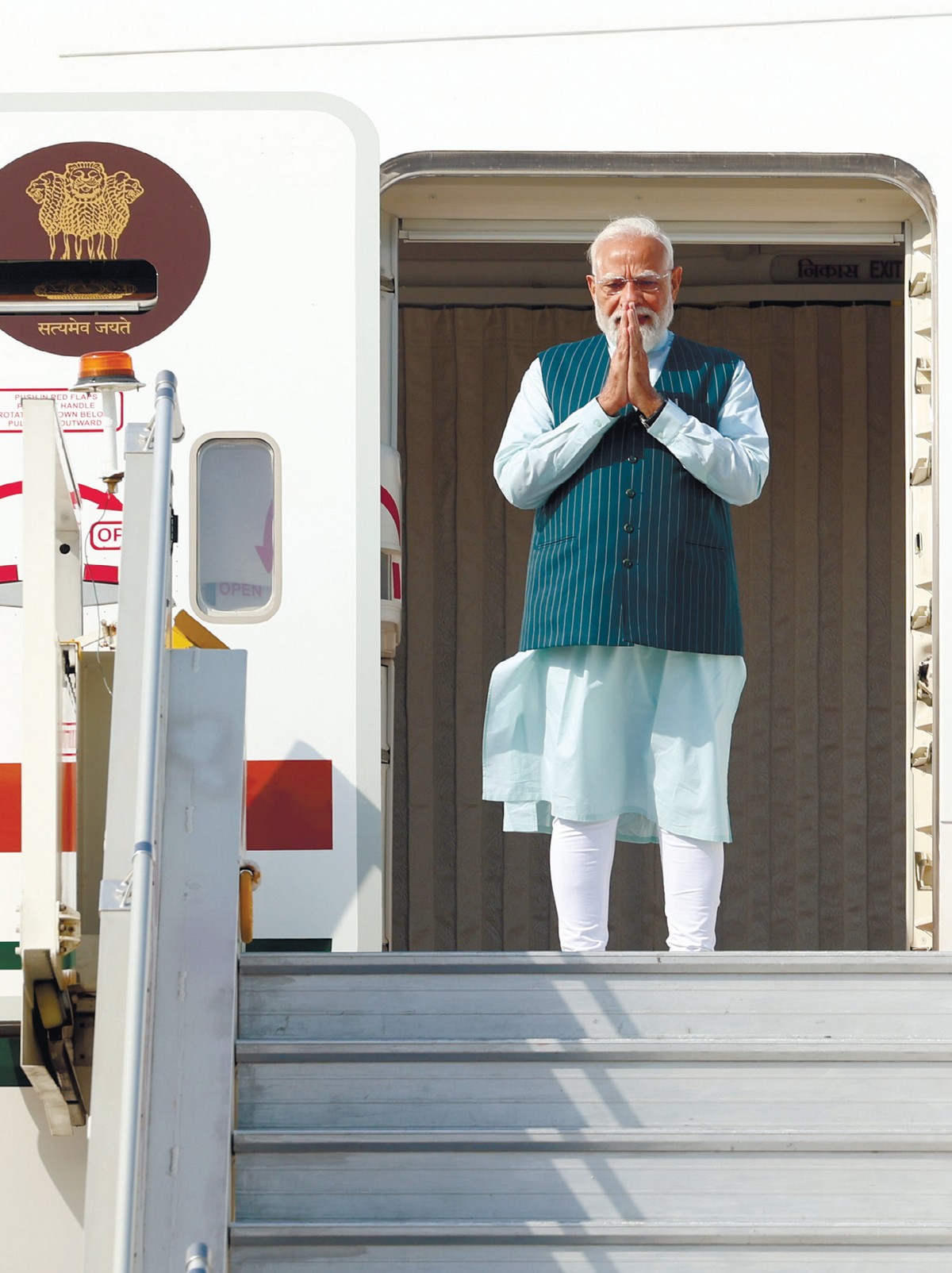
In May, a number of significant events took place that have had a considerable impact on the current global processes. Of particular note was the tour of European countries by Indian Prime Minister Narendra Modi. However, the initiative originated with the United Arab Emirates, a key partner of New Delhi in the Middle East.
In the context of the ongoing restructuring of international relations and the global economy, the crisis in global logistics, and intensifying competition between the US and China, this move can be seen as an attempt by India to strengthen new alliances, expand its own strategic planning horizons, and simultaneously cement its role as one of the key centres of power in the emerging multipolar world.
Meanwhile, behind New Delhi's outward confidence and large-scale geo-economic ambitions lies a whole complex of internal problems. To a large extent, India's current activity reflects not only the growth of its capabilities but also a growing need to find new markets, technologies, investment and external sources of industrial modernisation for its own economy. Indeed, India is increasingly looking to Europe as a strategic gateway to capital, technology, logistics and future supply chains capable of accelerating its transformation into a full-fledged global industrial centre.
Despite India's recent economic growth, it still lags behind China in terms of infrastructure quality, industrialisation levels, production chain depth and logistics efficiency. A substantial segment of the Indian economy continues to exhibit significant heterogeneity. In many cases, New Delhi is still offering the world the potential for future growth rather than a fully formed alternative to the Chinese industrial system.
The UAE as a springboard to the Old World
Perhaps the most practically significant visit was that of Modi to the United Arab Emirates. This direction is now becoming one of the key foreign economic and energy hubs of Indian strategy. Following the visit, the two sides proceeded to sign a series of agreements, encompassing defence, energy, infrastructure and strategic reserves. Particular attention was drawn to the framework agreement on defence partnership between the two countries. The document provides for the development of joint defence technologies, cooperation in cyber and maritime security, joint military exercises and expanding interaction between the defence industries of the two countries.
It is important to note the 'Agreement on Joint Strategic Defence', signed last September, between Saudi Arabia and Pakistan. In the context of the ongoing rivalry between the UAE and Saudi Arabia, Abu Dhabi and Riyadh are progressively establishing military interaction with India and Pakistan, respectively – countries that have experienced protracted and acrimonious conflict. These processes are indicative of a gradual deepening of the geopolitical rift in the Middle East, where economic competition is increasingly intertwining with military-political confrontation and the formation of new regional blocs.
During the visit, the Emirati side also announced a package of investments worth approximately $5 billion in Indian infrastructure, banking and energy. This included investments in logistics, transport hubs, financial institutions and digital economy projects.
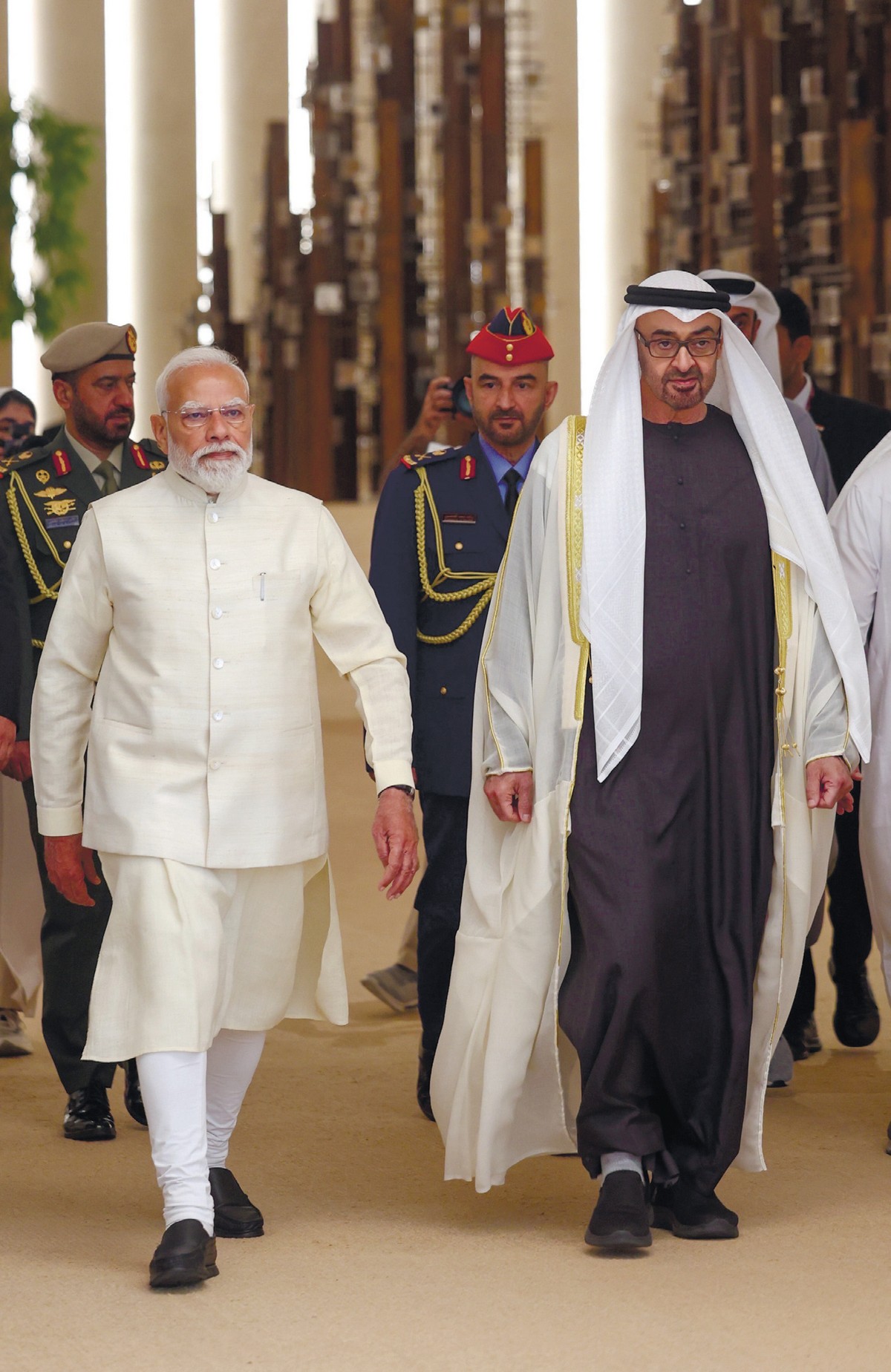
The United Arab Emirates is also important for India as one of the key communication hubs linking the country with the promising European market. The India–Middle East–Europe Economic Corridor project was a key talking point during the meeting between Narendra Modi and UAE President Mohamed bin Zayed Al Nahyan. In effect, this is an attempt to create a new logistics architecture between India, the Gulf states and Europe, bypassing the most vulnerable traditional routes of world trade.
During the talks, Modi thanked the Emirati leadership for ‘treating India as a second home’. Such wording is not accidental, given that more than 3.5 million Indians live in the UAE, and the Indian diaspora itself is one of the largest and most economically influential in the country.
India’s European horizons
In this instance, the primary focus was not on energy, but rather on technology, industrial localisation, logistics, defence cooperation and the restructuring of global supply chains. This occurred against the backdrop of deteriorating Western relations with China.
During the Indian prime minister's meetings with the leadership of the European Union, the primary focus was on the implementation of a free trade agreement and the restructuring of supply chains between India and Europe. The primary issues were as follows: reducing European industry's dependence on Chinese components, relocating some production from China, granting India access to European technology and investment, and protecting logistics routes amid the crisis in the Red Sea and growing instability in global trade.
Brussels recognises India as a pivotal partner in the strategy to reduce the European economy's reliance on China. However, it is important to acknowledge the limitations of this approach. In comparison to China, India's infrastructure, logistics, energy supply and manufacturing capacity are still in many ways inferior. European industry itself remains deeply integrated into Chinese supply chains. Therefore, the discussion is not about replacing China entirely, but rather about gradually diversifying risks and establishing alternative production sites.
As in Abu Dhabi, particular emphasis was placed on the India–Middle East–Europe transport corridor. However, in the talks with the EU, the emphasis was not so much on political support for the project as on its practical integration into European transport and industrial systems. The agenda covered a range of topics, including the potential for linking the corridor with Mediterranean ports, European railway networks, container logistics, customs digitalisation, and infrastructure financing mechanisms.
For Brussels, this route is an attempt to reduce dependence on traditional sea lanes while simultaneously embedding India into the emerging system of other Eurasian supply chains.
All roads lead to Rome
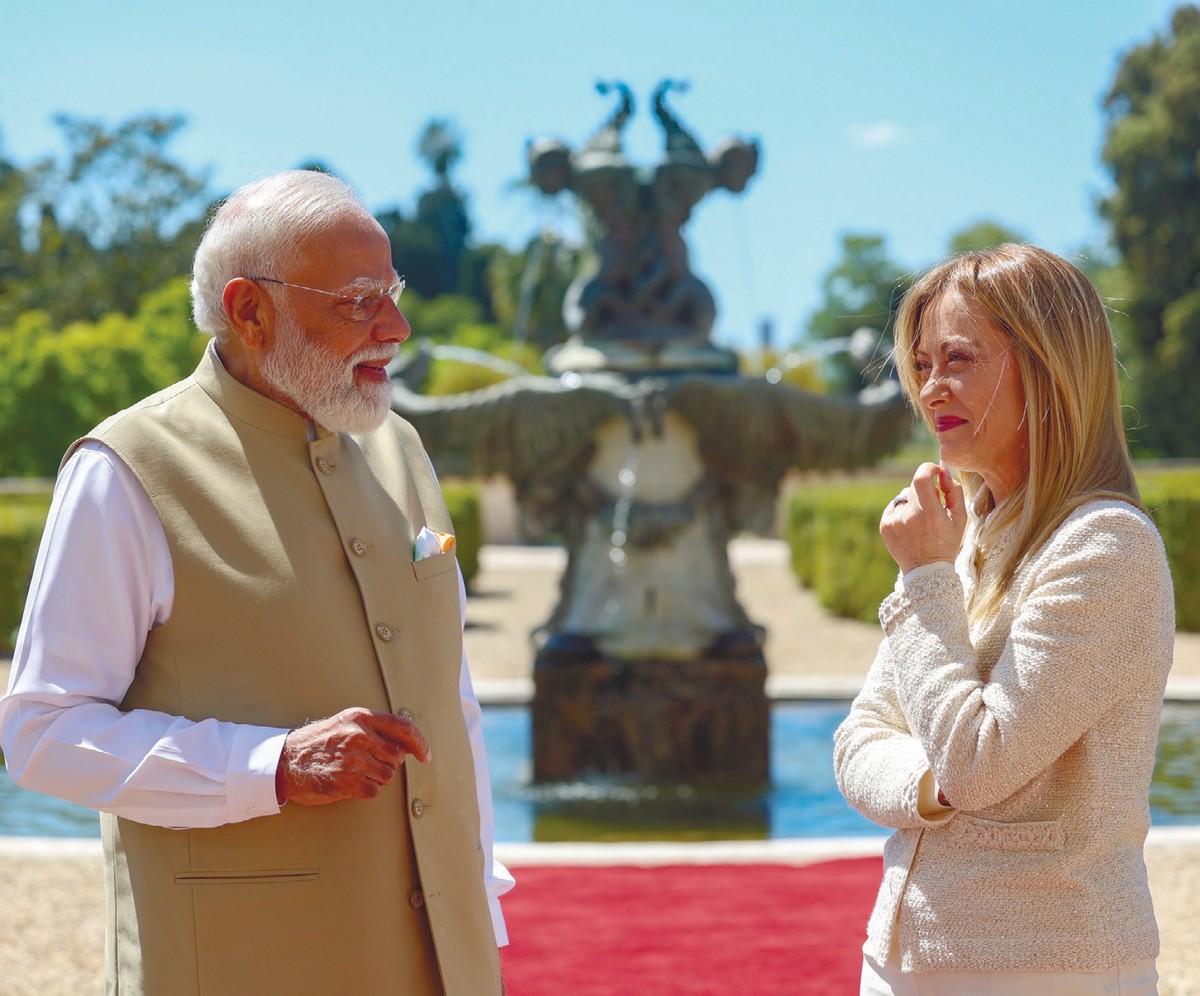
From a political perspective, the most significant event was Modi's visit to Italy, where the level of relations between New Delhi and Rome was officially upgraded to a 'special strategic partnership'. This is not merely a diplomatic formulation.
The two sides agreed on a comprehensive cooperation plan in defence industry, maritime logistics, critical minerals, high-tech manufacturing, shipbuilding, agriculture, combating economic crime, as well as scientific and educational exchanges.
It is worth noting that the India–Middle East–Europe transport corridor has once again become a key issue. India recognises Italy as a pivotal gateway to Southern Europe and the Mediterranean region. Consequently, during the course of the talks, there were active discussions on the development of port infrastructure, container logistics, maritime shipping and transport routes.
Italian Prime Minister Giorgia Meloni has stated that Rome views India as a 'natural partner in shaping new economic routes of Eurasia'. This is a pivotal definition, as it pertains to India's involvement in shaping the future of Eurasian trade and acknowledges New Delhi's expanding role in global logistics.
In addition, both parties agreed to increase bilateral trade turnover to €20 billion by 2029. By comparison, in 2025, trade between them amounted to approximately $16.7 billion.
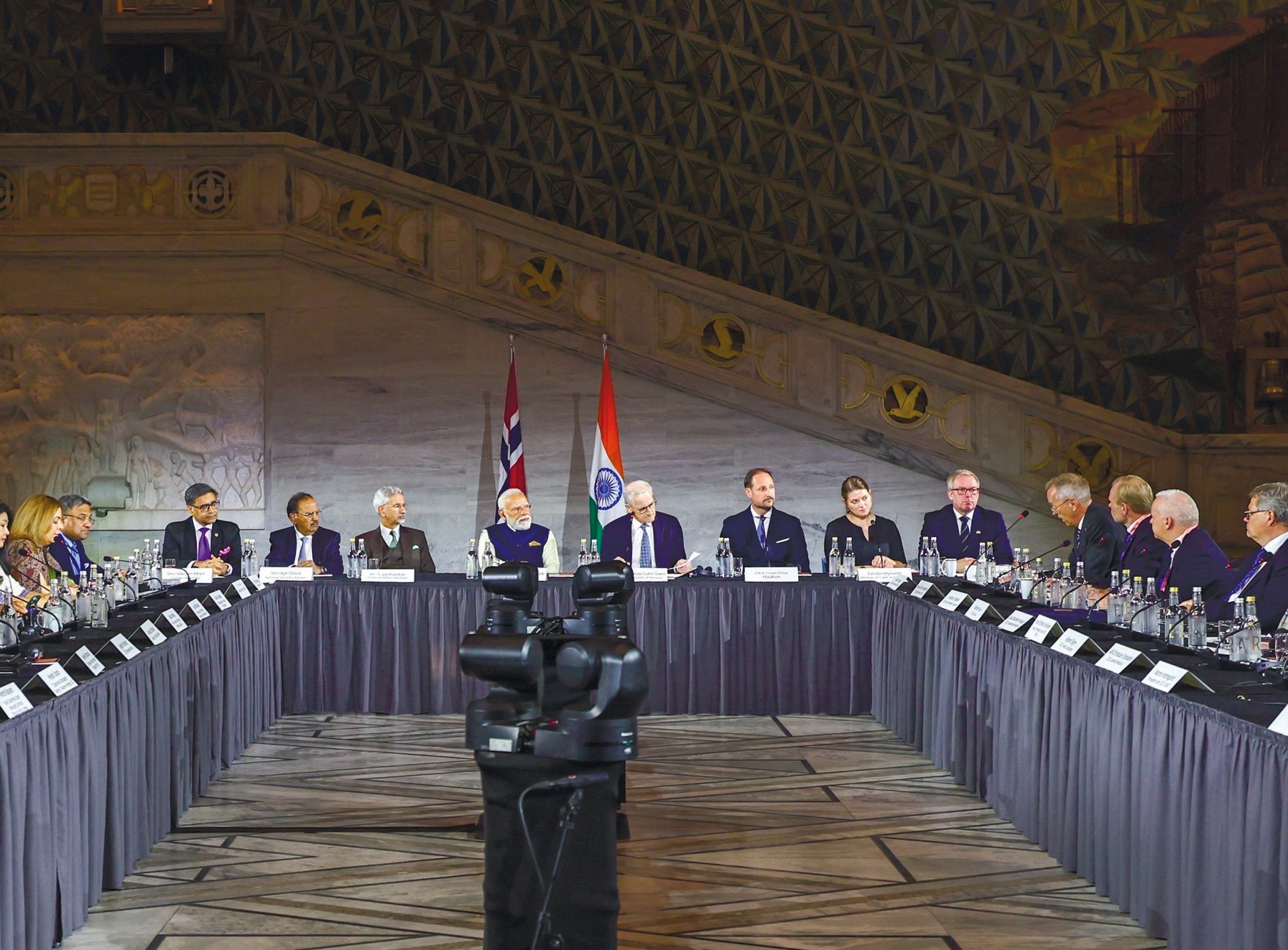
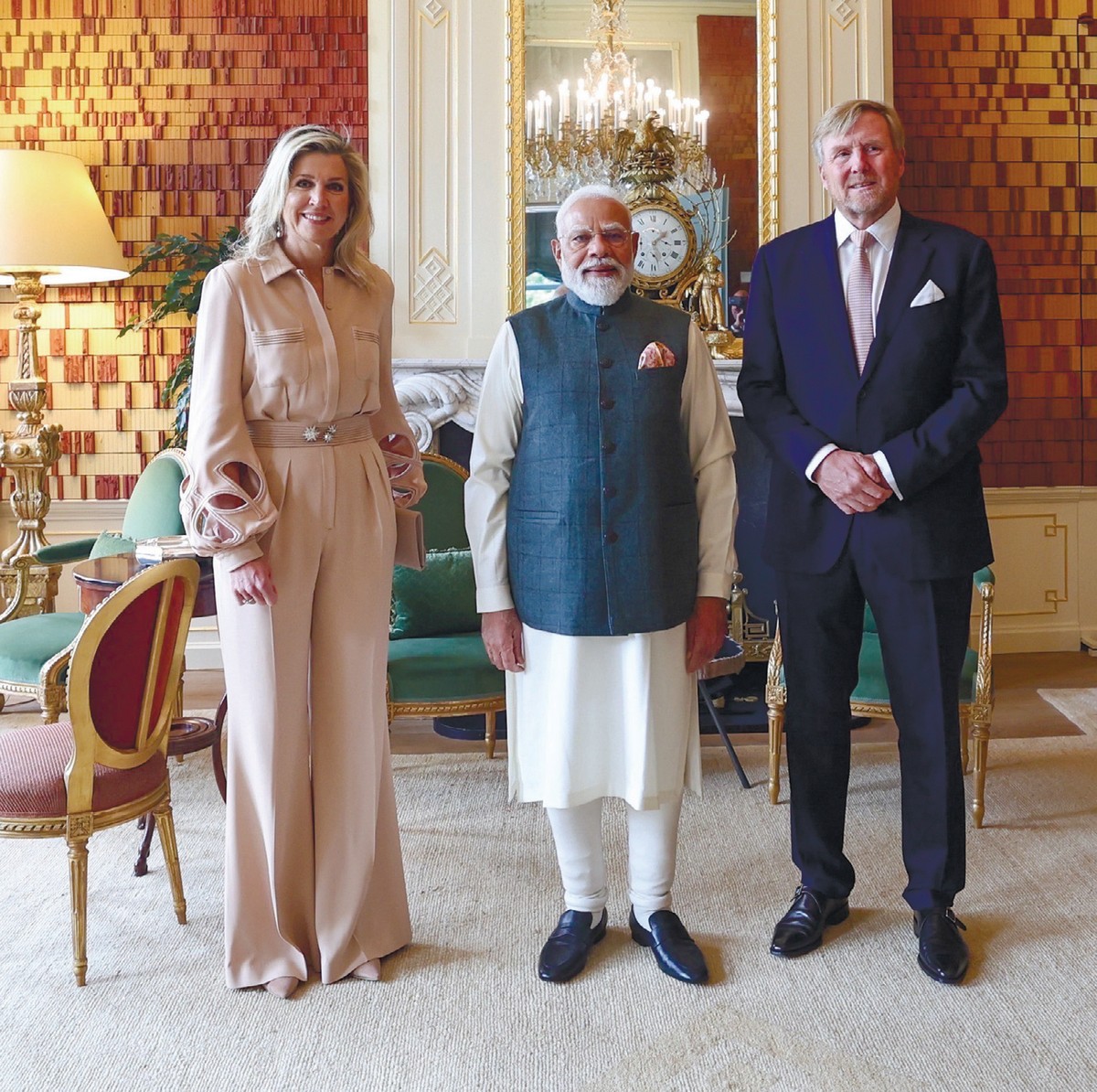
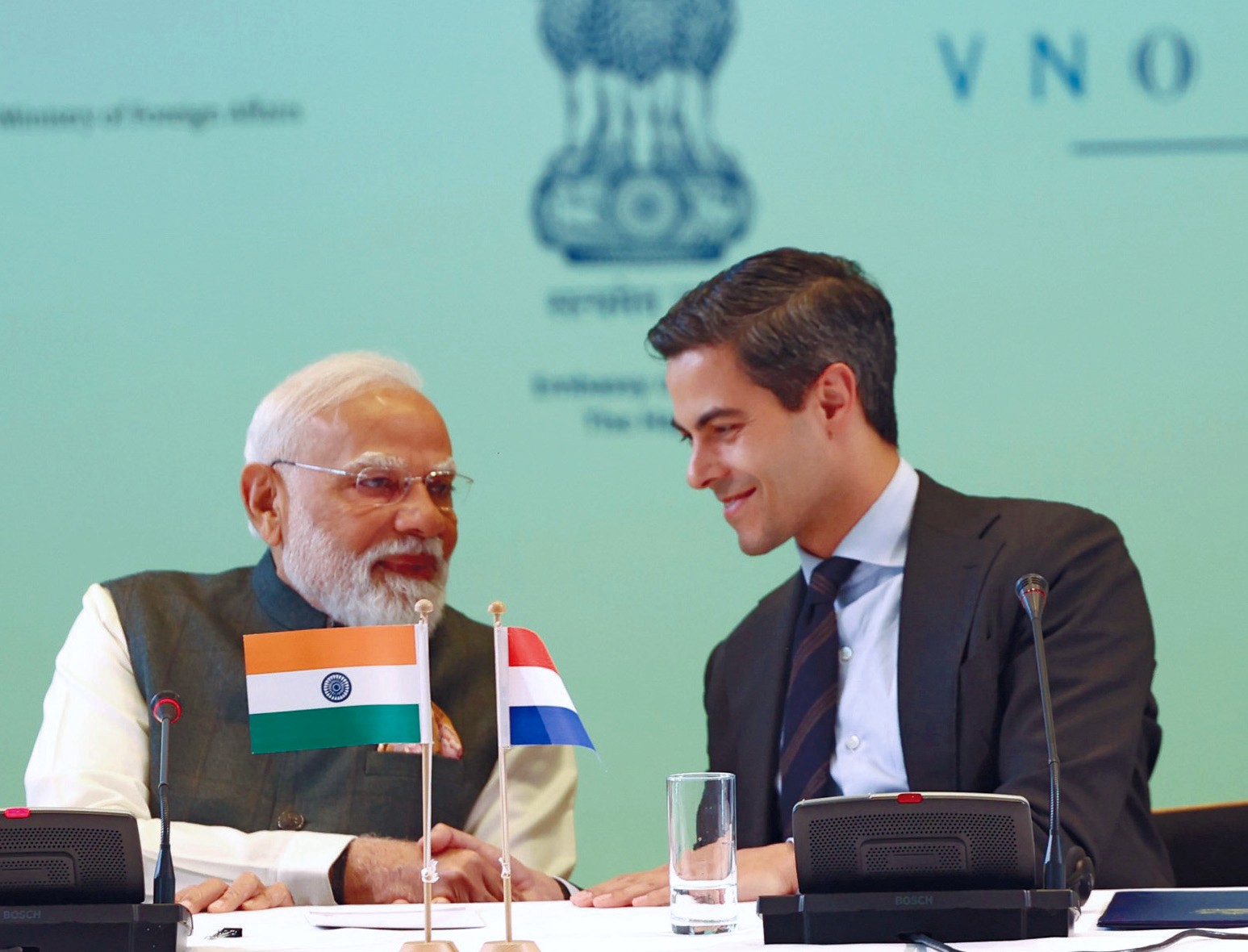
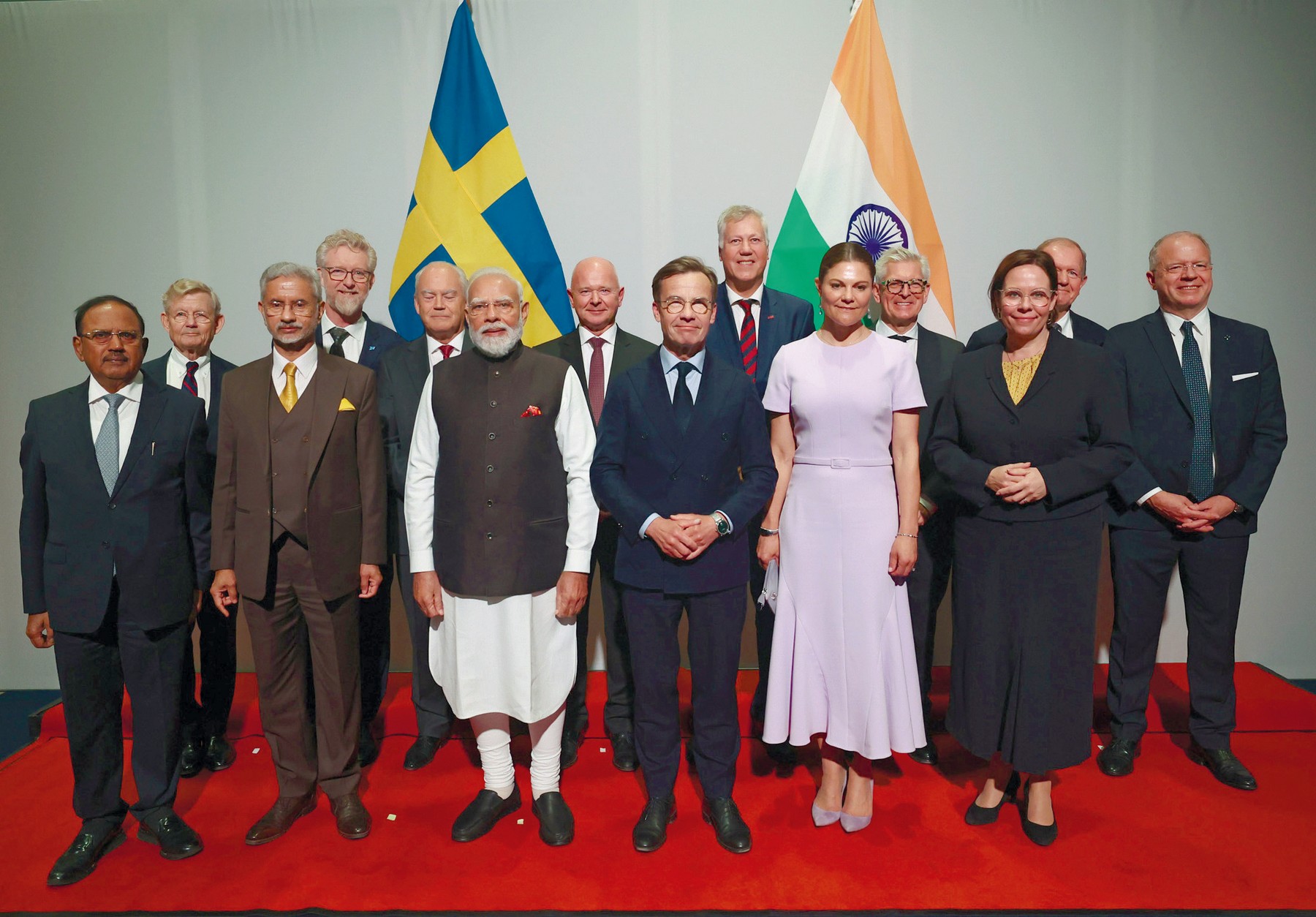
During the tour, particular emphasis was placed on Northern Europe, encompassing Sweden, Norway and the Netherlands. In this instance, India advanced a technological and environmental agenda, promoting cooperation in the following areas: artificial intelligence, semiconductors, hydrogen energy, industrial digitalisation, climate technology and shipping.
Norway also played a significant role as host of the India–Northern Europe Summit. For India, the Nordic states are now becoming a crucial source of the technology needed for industrial modernisation and the energy transition.
New Delhi and Brussels: between ambitions and realities
In the context of the global US–China confrontation, India is positioning itself as a significant alternative platform for production facilities and new supply chains. It is important to note that virtually all of Modi's negotiations in Europe were accompanied by discussions of production localisation, the relocation of industrial capacity, joint manufacturing of high-tech products, and reducing the European economy's dependence on China.
At the same time, it should be noted that for decades China has built a vast industrial ecosystem around itself – from ports, high-speed railways and energy to the complete localisation of components, equipment and technology clusters. In many sectors, Chinese enterprises are able to provide an almost full production cycle within the country, whereas India remains dependent on imports for a significant portion of its equipment, electronics and components.
India's business environment is characterised by several challenges, including a cumbersome bureaucracy, intricate land regulations, inconsistencies in infrastructure quality across states, a shortage of skilled professionals in certain sectors, and relatively higher logistics costs.
Furthermore, China retains a significant advantage in terms of the speed of infrastructure project implementation and the scale of state industrial support.
Therefore, Europe does not view India as a direct replacement for China, but rather as one element of a risk diversification strategy and the gradual distribution of production chains among several centres of power.
The tour demonstrated India's strategy of integrating itself into multiple parallel geo-economic frameworks concurrently. New Delhi maintains relations with Russia, actively developing its partnership with the US, deepening cooperation with Europe and simultaneously strengthening its ties with the Arab monarchies of the Gulf.
This multi-vector approach is gradually taking on characteristics of a complex geopolitical division, and it will be a considerable challenge for New Delhi to sustain it in the long term. As global confrontation among the largest centres of power intensifies, the space for strategic manoeuvre will inevitably shrink, and pressure on India from various geopolitical blocs will grow. So, did Narendra Modi give any thought to this during his tour?
RECOMMEND:
 81
81

