

WAR OR PEACE?
US and Iran attack each other again amid talks
Author: Natig NAZIMOGHLU
As May drew to a close, the situation in Iran once again became a cause for concern. The ongoing talks between Tehran and Washington, which began in the wake of the April ceasefire agreement, have not yet resulted in peace. A pivotal question is currently being discussed in the Middle East: will the current military conflict between the US and Israel against Iran escalate further?
Details of the Islamabad 'deal'
The United States and Iran have reported that they have made progress in talks conducted with Pakistan, in which Pakistan is playing a special mediating role. US President Donald Trump has repeatedly stated that the 'deal is close to completion'. US Secretary of State Marco Rubio, for his part, acknowledged 'some progress' in the negotiations, while emphasising that Washington would grant diplomacy a chance before contemplating engagement with Iran 'through a different avenue'.
Trump has also repeatedly emphasised the potential for an alternative approach, cautioning that failure of the negotiations could result in further hostilities with Iran. The American leader has stated that the deal will either be favourable to all parties or there will be no agreement.
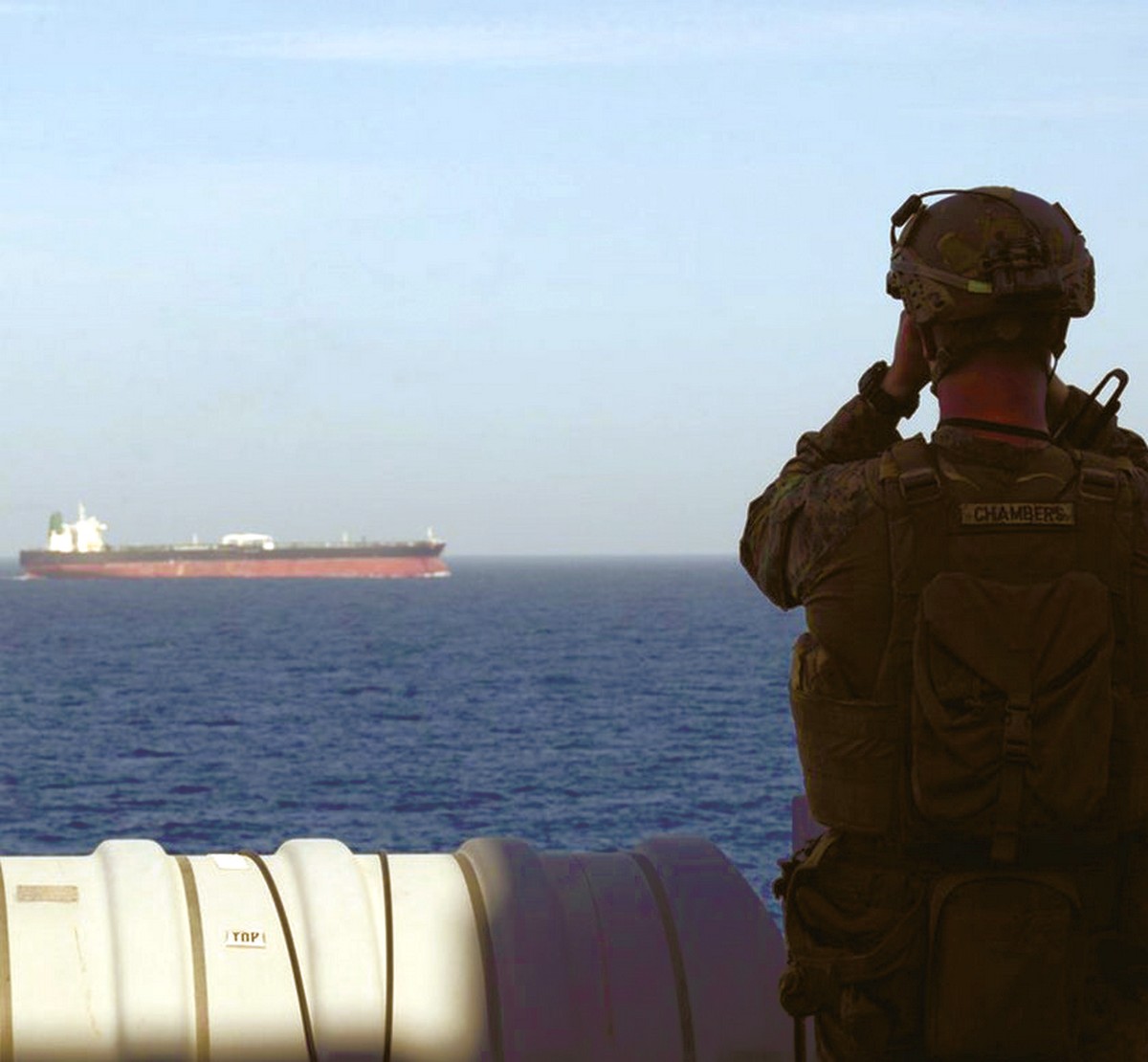
Information leaks have indicated the likelihood of a 'deal'. A report by Iranian state broadcaster IRIB on the 'Islamabad Framework Arrangement'—an agreement currently under discussion between the Islamic Republic and the United States—attracted particular attention. The report indicates that normal shipping in the Strait of Hormuz is expected to resume within a month. This would require Iran to commit to allowing the restoration of pre-war levels of commercial vessels passing through the strait. In return, according to the IRIB report, the US would lift the blockade of Iranian ports and withdraw its military forces from the region around Iran. Should a final agreement be reached, the report states that it will be approved by a UN Security Council resolution within 60 days.
According to American news outlet Axios, a potential US–Iran agreement could include a 60-day extension of the ceasefire. According to sources at Axios, preparations are underway for the resumption of normal shipping in the Strait of Hormuz. This would imply the abolition of the tolls currently being collected by Iran. Furthermore, the report anticipates that the United States will lift the blockade on the Islamic Republic's ports and grant exemptions to several sanctions concerning Iranian oil.
It is also noteworthy to report that the US and Iran have reached an agreement on ensuring security in the Strait of Hormuz and on resuming negotiations over Iran's nuclear programme, as reported by the Arab television channel Al Jazeera. The channel has confirmed that the draft memorandum has been fully agreed and is awaiting formal approval from the US president.
Meanwhile, Trump's latest statements shed light on his delaying of approval for a treaty that is already ready for signing or almost fully developed. When he states that he is 'still not satisfied with the parameters of the agreement', President Trump is referring to the prospects for resolving the situation in the Strait of Hormuz.
It is noteworthy that the IRIB report on the 'Islamabad Framework Arrangement' includes a clause on joint Iranian-Omani control of shipping routes in the strait. However, Trump has stated that any potential deal with Tehran must include the immediate opening of the Strait of Hormuz and the absence of any external control. He emphasises that, as these are international waters, Oman will adhere to the same standards as other nations. The statement concludes with the following words: 'We will have no choice but to destroy them.' This can be interpreted as a direct threat against Oman, an Arab monarchy with which the United States maintains close military and economic cooperation. However, Washington has apparently accused Oman of colluding with Iran.
A far more serious stumbling block appears to be the nuclear issue. Trump has categorically dismissed suggestions that the US would offer a range of sanctions exemptions related to Iranian oil in return for Iran relinquishing its stockpiles of highly enriched uranium. The White House incumbent is convinced that the Iranians 'will hand over the highly enriched uranium, but not in exchange for sanctions relief'.
Trump has also expressed dissatisfaction with the option of shipping Iran's highly enriched uranium stocks to Russia or China. He believes that uranium from Iran must either be handed over to the US 'immediately' or, 'preferably, jointly and in coordination with the Islamic Republic of Iran, destroyed on site'.
However, Tehran has categorically rejected this demand. Ebrahim Azizi, head of the Iranian parliament's National Security and Foreign Policy Committee, stated that Trump's rhetoric will not force Iran to abandon its demands on uranium enrichment, control of the strait and the lifting of US sanctions.
It is evident that the parties are moving towards a new military escalation, despite the existence of certain very serious agreements, due to their diametrically opposed positions on a number of key issues at the heart of the US–Iran confrontation.
‘Aggression’, ‘decisive response’ and the Israeli factor
At the end of May, events occurred that are pushing the region towards a new full-scale conflict. Despite the American administration's statements about progress in the talks, the US nevertheless carried out new strikes on targets in Iran. Firstly, vessels that the US military command claimed were attempting to lay mines in the Gulf of Oman were attacked, as well as Iranian missile launchers on the shore. A strike was then executed on an Iranian ground control point in the port city of Bandar Abbas, which is located on the Gulf of Oman. While the Americans described their actions as 'measured and purely defensive' in response to threats to US forces and commercial shipping in the Strait of Hormuz, Iran regarded the strikes as a 'gross violation of the ceasefire'.
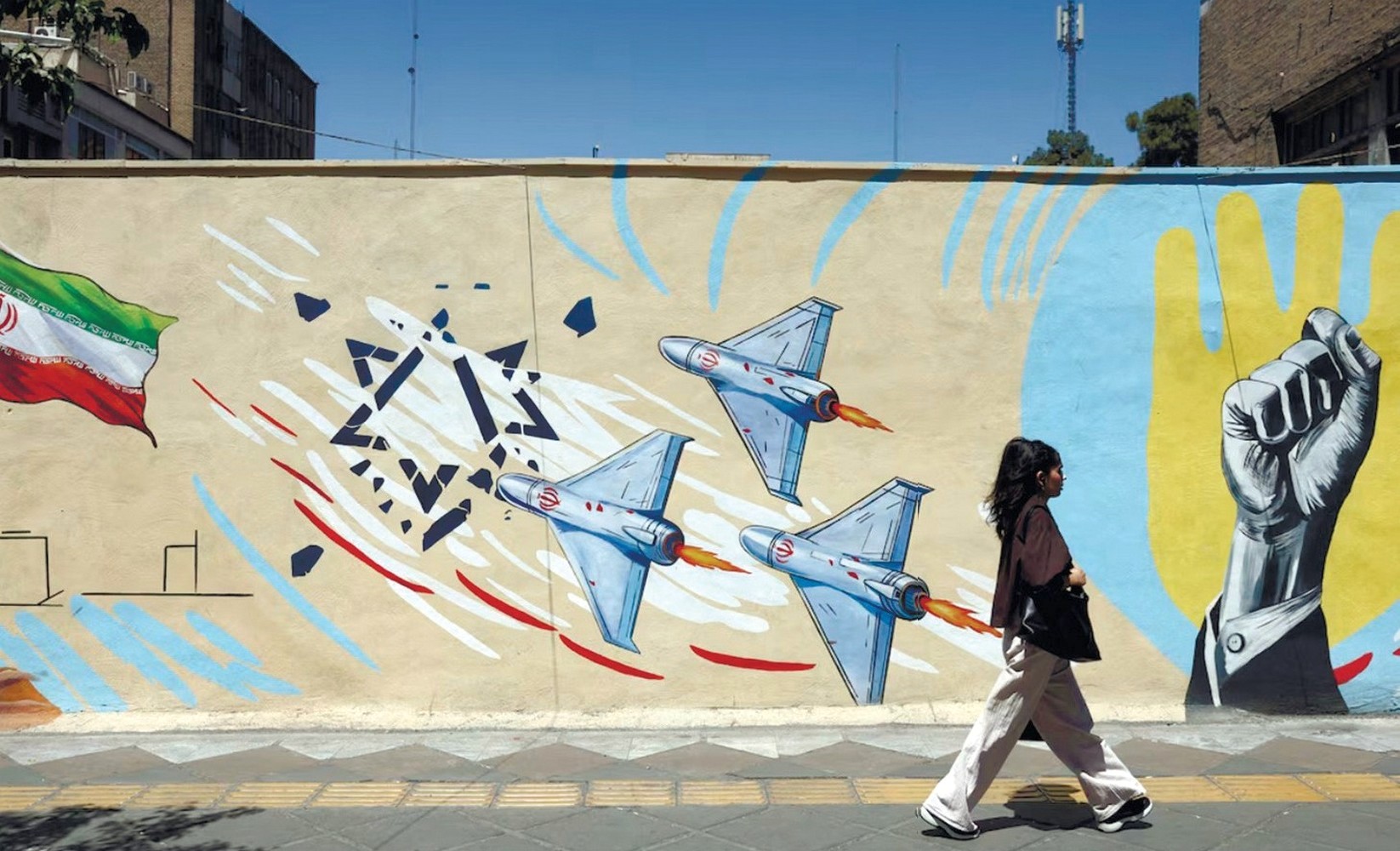
Subsequent events took a more serious turn, with the Islamic Revolutionary Guard Corps (IRGC) declaring a retaliatory strike on a US military base in the region. It has been reported that this refers to an airbase in Kuwait, as that country's military command has stated that its air defence systems have intercepted missiles and drones. Meanwhile, the IRGC has warned that any further 'aggression' by the US would provoke an even 'more decisive response'.
In light of the recent escalation in hostilities, it is important to note that although the ongoing negotiations are confirmed to be extensive, there is no indication that the parties involved are seeking to expedite the process. Trump, who has been threatening a resumption of hostilities ('if an agreement cannot be reached'), has said that he has instructed the American negotiating delegation 'not to rush into a deal'. The Iranian side has also stated that an agreement is not 'inevitable'.
It is evident that while both parties have expressed a readiness to achieve a swift resolution, there is a lack of willingness to compromise on established boundaries. The US and Iran are both keen to conclude an agreement from a position of strength, hence the protracted nature of the talks and the testing of each other's resolve.
The US aims to maintain its dominance in the Middle East, which involves weakening Iran as much as possible, hindering its ability to develop its nuclear and missile programmes, and constraining the resources and influence of Washington's allies, Israel and the Arab monarchies. For Iran, the primary objective is to withstand external pressure and continue strengthening its position as a leading regional power.
It is noteworthy that the Iranian media published an address by Iran's Supreme Leader Ayatollah Mojtaba Khamenei, timed to coincide with the start of the Hajj and addressed not only to Iranians but to Muslims worldwide. The call for friendship and cooperation among all Islamic countries is encouraging, and it is hoped that the call to no longer 'serve as a shield for US military bases' will be taken on board. Furthermore, a significant proportion of Khamenei's address is dedicated to the subject of Israel, with the Iranian leader predicting that the country is 'entering its final stage'.
The Israeli factor continues to play one of the most important roles in the unfolding large-scale regional escalation, at the centre of which are the US and Iran. Israel has made it clear that it would not be satisfied with a peace agreement with Iran that does not eliminate the 'existential threat' posed by Iran to the Jewish state. Israel's Minister of National Security, Itamar Ben-Gvir, has openly stated that the Jewish state will not allow the US and Iran to conclude a 'bad agreement'. He added that both Prime Minister Benjamin Netanyahu and all members of the Israeli government cabinet 'will not allow this to happen'—'an agreement that could harm the State of Israel'. Meanwhile, the Chief of Staff of the Israel Defence Forces, Eyal Zamir, threatened to 'immediately resume intensive combat operations to further weaken the Iranian regime and its capabilities'.
In contrast, the Arab monarchies of the Gulf have expressed their conviction that a resumption of hostilities between the US and Israel with Iran would have catastrophic consequences for the entire Middle East.
Ultimately, the question remains as to whether the parties will continue to demand mutual destruction, or whether they will realise that the continuation of hostilities will result in incalculable casualties and destruction to the entire region. The response to this question will provide clarity on the outcome of the US–Iran talks.
RECOMMEND:
 135
135

