

BATUMI WITHOUT ILLUSIONS
What you can expect in one of the Black Sea’s most popular resorts
Author: Elchin HUSEYNOV, Baku-Batumi-Baku
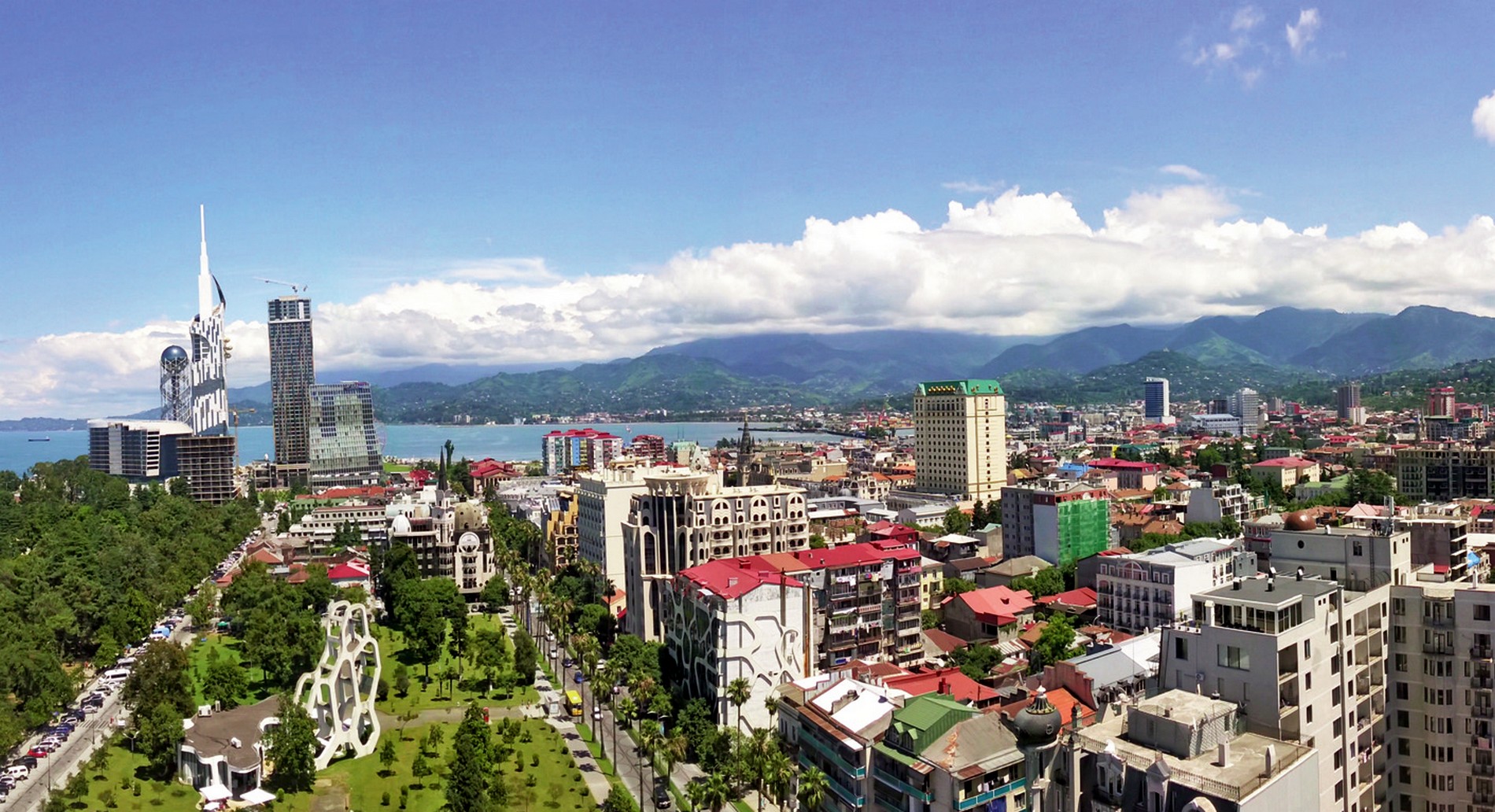
Some people call this city "the Dubai of Georgia", while others think it's just a place full of chaos and overrated development. It's so lovely to see how much the city has changed! Modern hotels, a renovated promenade and improved tourist infrastructure have made it so much more convenient and accessible for travellers.
But if you dig a little deeper, you'll find a whole other world of complexity. The city is growing in a way that's both exciting and a little bit confusing. New buildings are popping up everywhere, but the old courtyards are still there too. And behind all the tourist areas, there are streets that might not get as much attention, but they're just as important. When you visit Batumi, it's best to go in with open, friendly expectations. That way, you're sure to have a wonderful time and be pleasantly surprised.
A city of contrasts
I know it might sound a bit cheesy, but trust me when I say that this is not a cliché. It's a feeling that you'll really start to notice after just a few blocks. In the heart of the city, you'll find charming little streets, beautiful houses with carved balconies, and a vibrant yet relaxed atmosphere. I really like how there's less polish, it makes the city seem so much more genuine!
Just go a little bit further, and you'll see the scene change completely. It's so lovely to see the glass towers, large hotels, casinos and modern residential complexes being built. The architecture is sometimes striking, sometimes not so much: it was built really quickly and not always in a logical way, so it's no use trying to find one style here. I totally get that not everyone is into these contrasts. Some people find Batumi's vibrancy and variety a bit overwhelming, but for others, it's exactly this mix that makes it so captivating. You know, it's important to remember that this isn't your typical, "polished" resort. This is a city that's growing and changing, with all the good and bad that comes with that.
So, it's no surprise that Batumi is one of Georgia's most popular tourist destinations. According to the country's tourism authorities, in 2025 the city welcomed around 2.6 million foreign visitors. That makes it the second most popular destination after Tbilisi and means that it far surpasses other regions in terms of tourism.
It's so lovely to see that more and more tourists are visiting Georgia. Batumi is a real gem, as it's home to about one fifth of all foreign trips to the country.
The city is a real melting pot, with people from all over the world flocking here to enjoy everything it has to offer. The main streams come from our lovely neighbours in the region, including Türkiye, Russia, Armenia and Azerbaijan, as well as from CIS states and the Middle East. You'll find that this geography is all about proximity, flight accessibility and Batumi's popularity as a summer resort. It's a great place to visit, with both sea and casino facilities.
Where to stay and swim
Accommodation in Batumi varies widely in price, quality and atmosphere. It is clear that these differences are especially noticeable in the high season, from small hotels to high-rise seaside complexes. It is clear that budget options cost €25–50 per night per person with a simple breakfast. Mid-range accommodations typically charge €60–120. First-line hotels and international chains start at €130. During peak months, prices rise significantly above these levels.
A distinct category consists of guesthouses and private apartments—the most popular choices for those wishing to save money or stay longer. In the Old City, simple but tidy rooms are available with locals, often including homemade breakfasts and offering a more "authentic" living experience. Atmosphere and location are the most important factors here, not interior design.
It is important to note that all-inclusive hotels, similar to those common in Türkiye or Egypt, are very rare in Batumi. Most establishments operate on either a bed-and-breakfast or half-board basis (breakfast plus dinner). The reason is simple: Batumi is not a closed resort but an urban destination where tourists frequently dine outside their hotels—in cafés, restaurants and along the promenade.
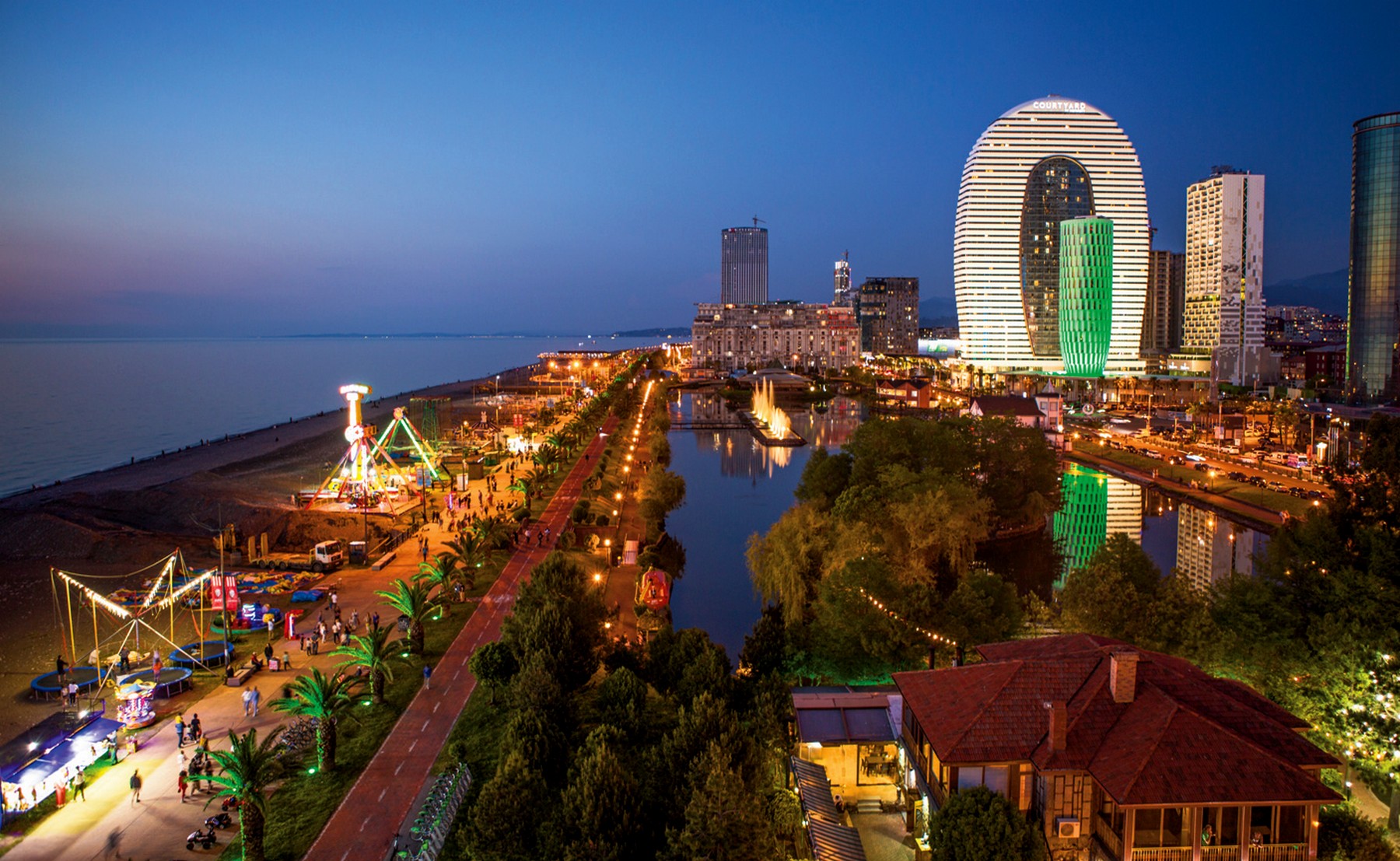
The New Boulevard area is the most obvious choice for most visitors. This modern coastal zone features high-rise apartments, hotels and direct access to the sea. This area is perfect for those who come primarily for the beach and "resort atmosphere". However, it can get very crowded and noisy during peak season. It is clear that some large complexes here put tourist volume ahead of long-term comfort.
The Old City and its adjacent historic centre reveal a very different Batumi. This area has more boutique hotels and guesthouses, narrow streets, cafés, markets and a quieter urban life. It is a 10–15 minute walk from the promenade, making it perfect for those who prefer to live just outside the city centre, but still want to experience the daily rhythm and atmosphere of the city.
There is also a third, more balanced option—the district between the centre and the sea, including the area around Chavchavadze Street and parts near Rustaveli Avenue and the promenade. This compromise is perfect for reaching both beach and centre without feeling isolated deep in the Old City or overwhelmed by the crowded seafront. First-time visitors to Batumi make this choice without question.
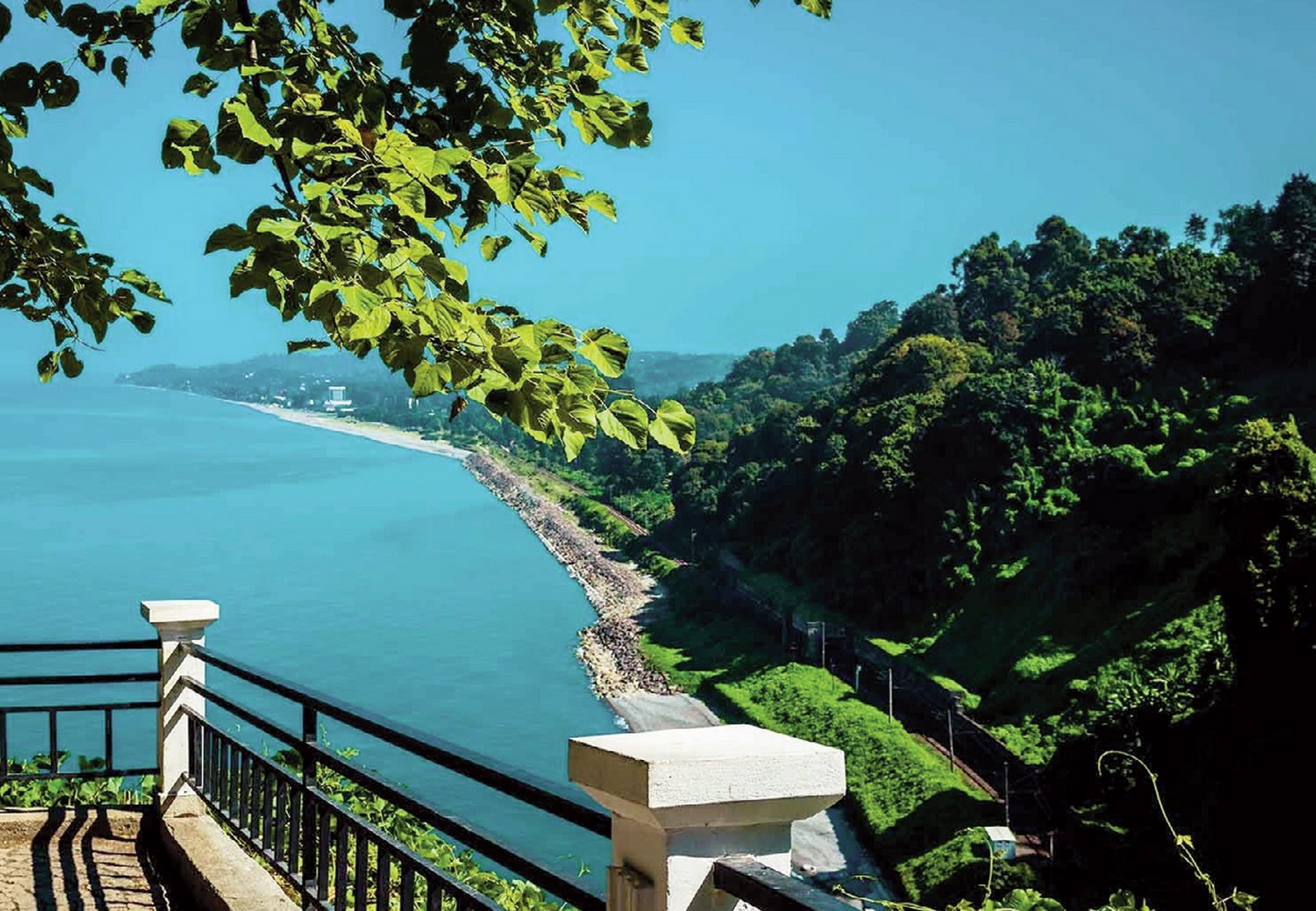
It is also worth mentioning countryside accommodation, which has grown in popularity. Within 10–35 kilometres of Batumi, there are several areas offering a quieter environment. The nearest southern locations—Gonio and Kvariati—are 15–20 minutes away by car. These districts boast some of the cleanest coastal waters and are characterised by the remarkable proximity of mountains to the sea. Despite ongoing construction of modern aparthotels, they still retain a resort-suburban atmosphere suitable for relaxed stays.
Makhinjauri is to the north, right on the city border, and further on are Green Cape (Mtsvane Kontskhi) and Chakvi—some of the greenest parts of Batumi with abundant subtropical vegetation. Housing here occupies hillsides with panoramic views over the sea and Batumi itself.
Kobuleti, a full-fledged resort town with an extensive promenade, sits 30–35 kilometres away. Life moves at a calmer pace; buildings are lower; budget guesthouses and family hotels are more plentiful. Those seeking maximum mountain solitude will find authentic glamping sites and cottages in mountainous Adjara (for example, near Keda). This offers a completely different experience: silence, clouds drifting below terraces and vineyards. It takes around an hour to reach Batumi from here.
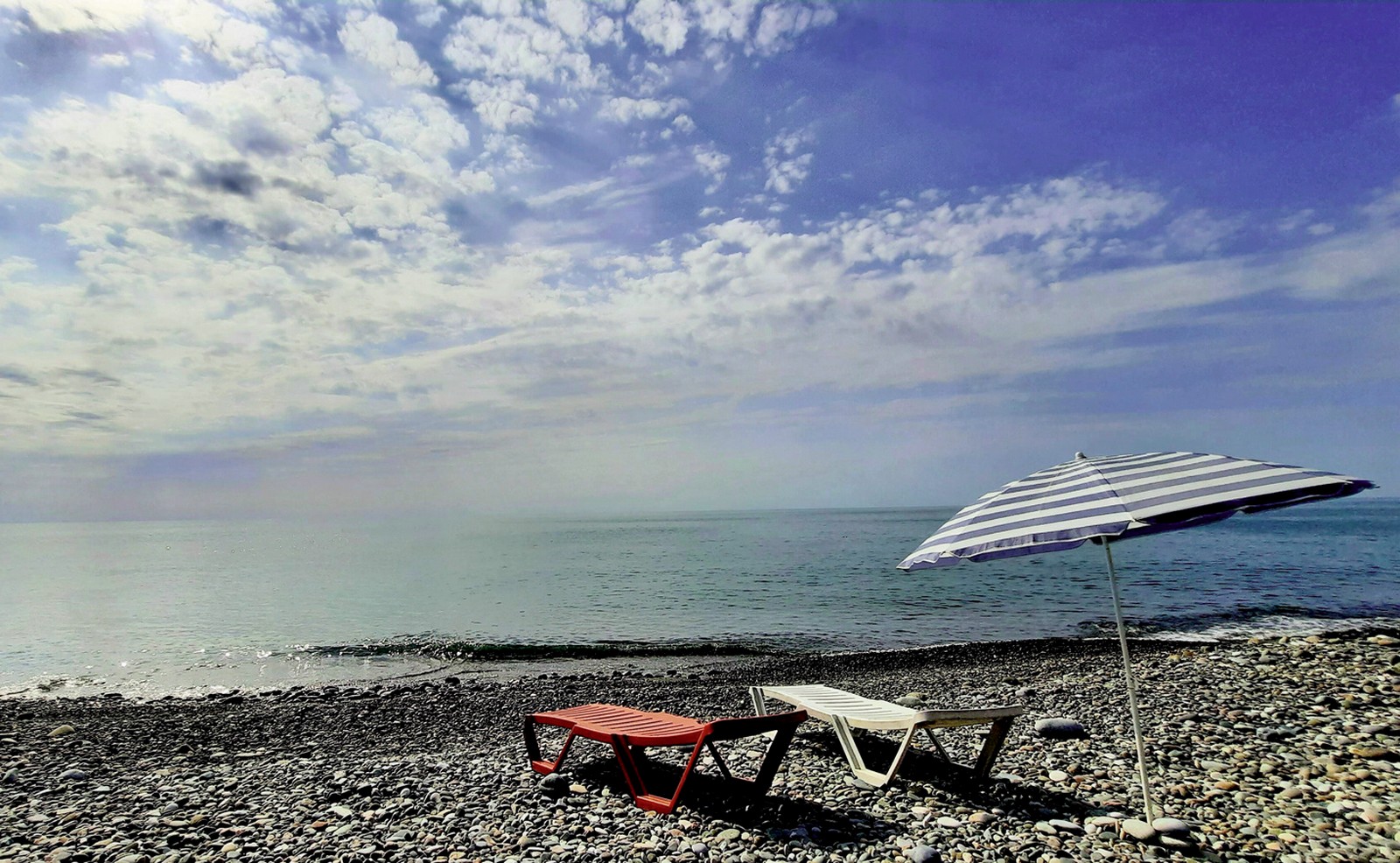
Batumi’s beaches are mostly pebbly and stretch along the entire coastline of the city; however, the quality of recreation depends considerably on location. The central part near the boulevard and port offers better infrastructure but water cleanliness is not always ideal—especially at peak season or after rain. More comfortable swimming spots begin closer to New Boulevard and towards Gonio and Kvariati. It should be borne in mind that entry into the water is generally steep everywhere, and Black Sea waves can change quickly even within a single day depending on conditions.
What to see in Batumi and beyond
Batumi's main sights are located close together, so you can easily explore most of them over two or three days. The city's layout is very straightforward: key points lie either along the promenade or within a short trip from the centre.
The main walking area is Batumi Boulevard—not just a park by the sea, but a long coastal line that shapes the city's tourist identity. Here, palm-lined avenues meet cycle paths, cafés, small attractions and open spaces for strolling. The boulevard is the place to be in the evening. It's the perfect spot for tourists to enjoy music performances, street shows and stunning sunsets over the Black Sea.
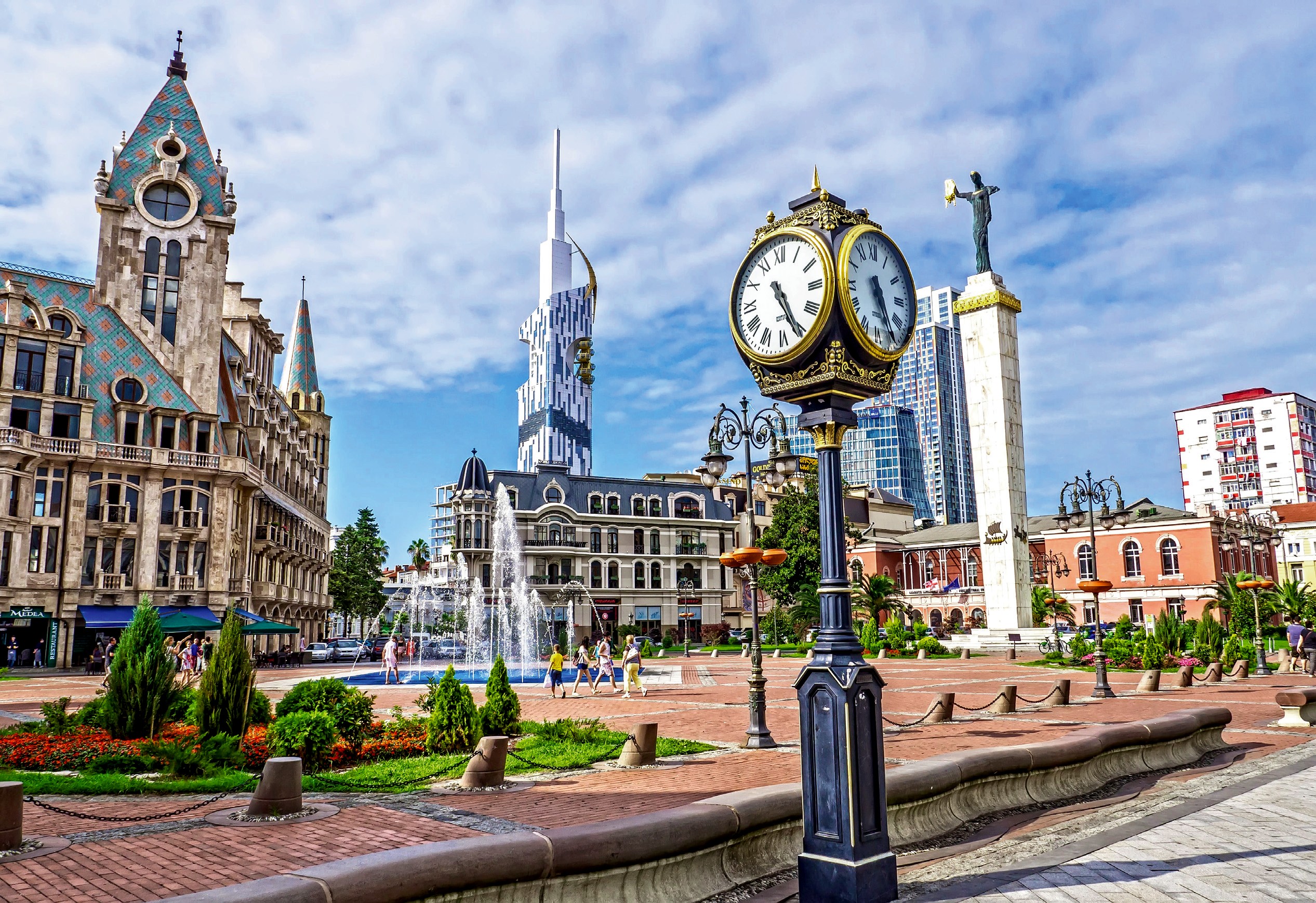
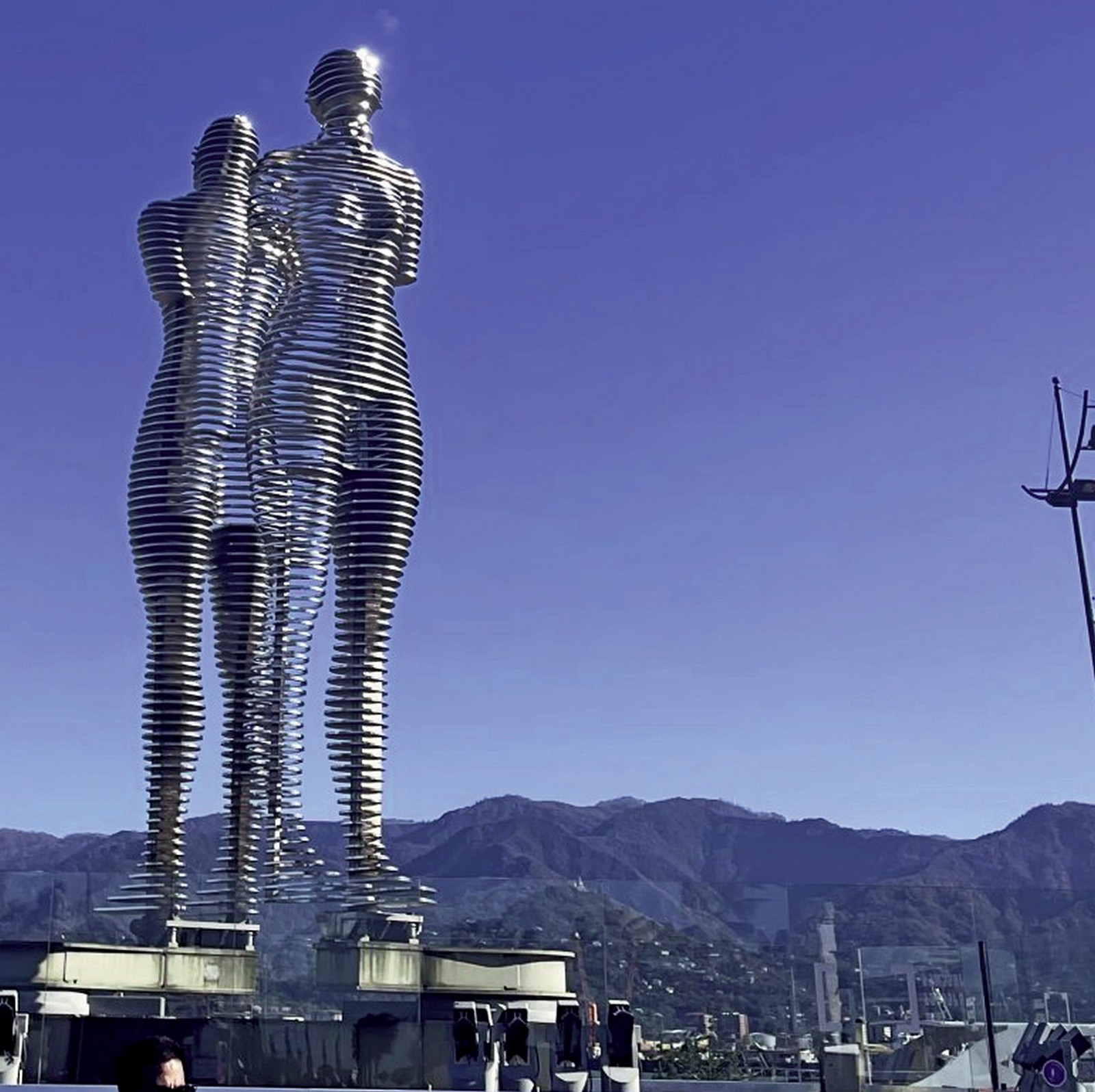
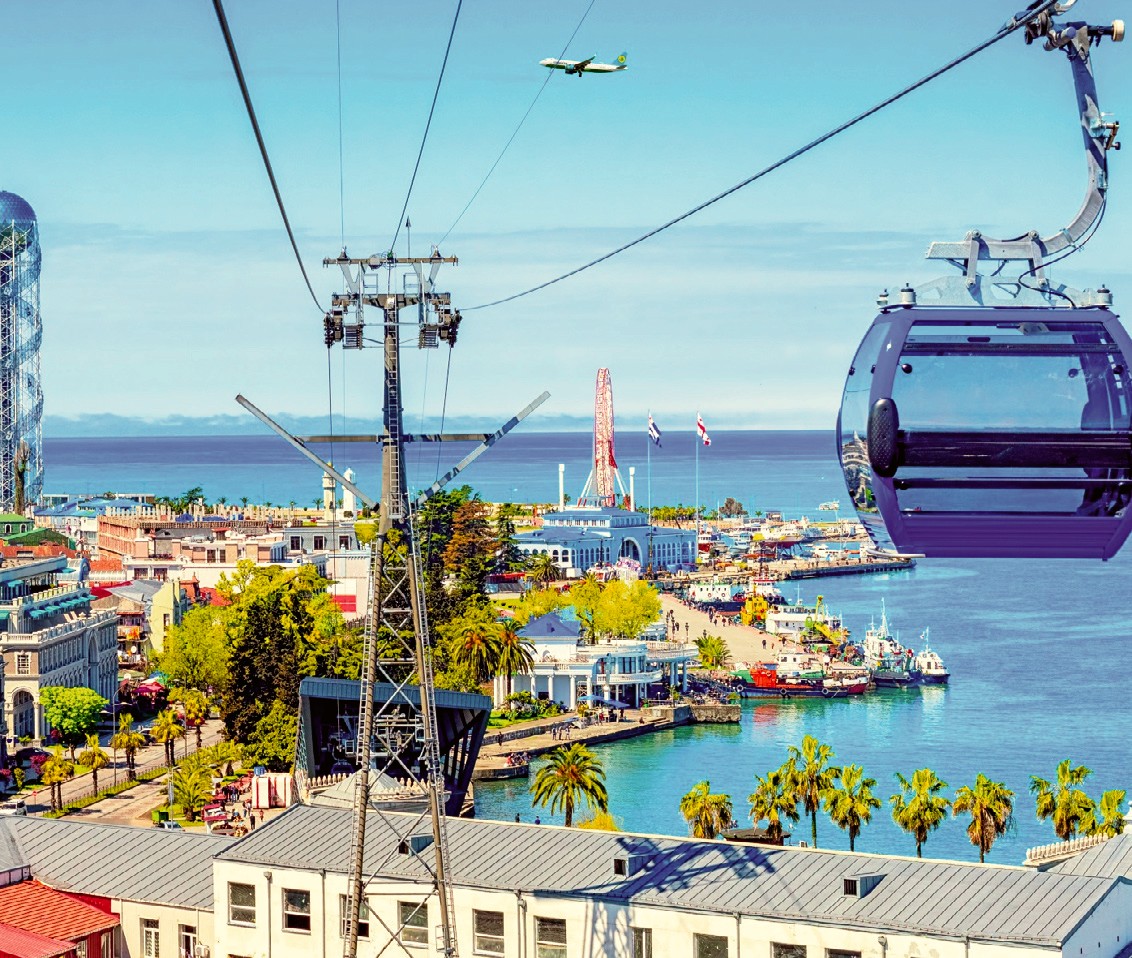
One of Batumi's most recognisable modern symbols on the boulevard is the "Ali and Nino" sculpture—a kinetic installation featuring two figures slowly moving towards each other until merging, then parting again. You will find landmarks such as the Georgian Alphabet Tower, an astronomical clock, colonnades, and dancing fountains nearby. The Argo cable car is a must. It will take you to a hill with stunning panoramic views of Batumi, its port and coastline. Return tickets cost €10 and are a popular activity near sunset.
In the historic part of town, you will find Europe Square, old quarters and waterfront streets where you can admire earlier Batumi architecture – with balconies, narrow facades and less "polished" urban spaces.
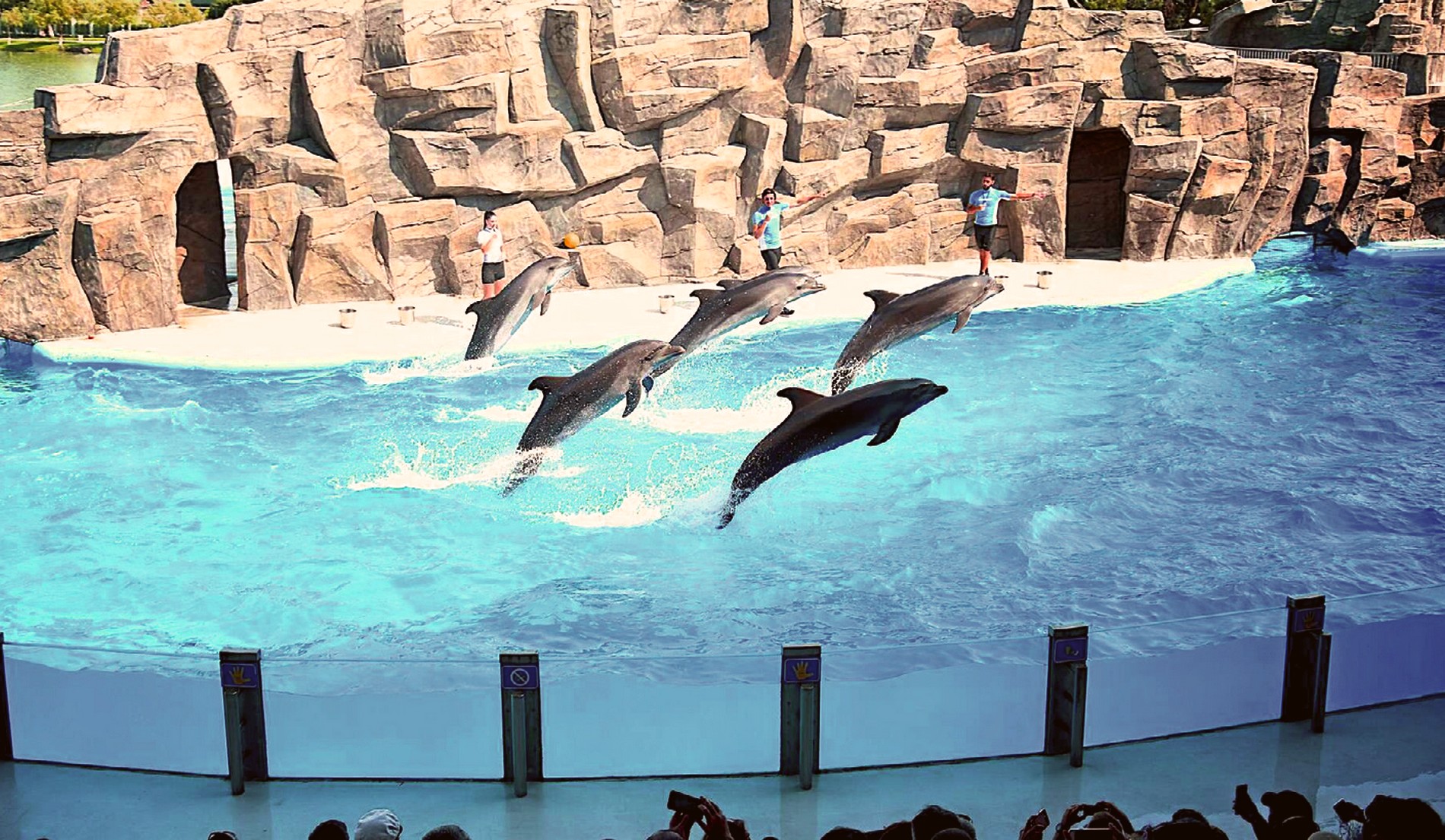
Batumi Dolphinarium, one of the city's most visited family attractions, is close to the boulevard. Shows run several times a day. Tickets cost €8–10 depending on seating and season. Swimming with dolphins costs €50–60.
Batumi Botanical Garden on Green Cape (9–10 kilometres from centre) is undoubtedly one of the region's most tranquil and visually striking spots. It costs about €8 to get in, and visitors can spend hours walking between terraces overlooking sea views amid subtropical flora. Electric carts are the best way to explore this site, which covers an area of approximately 110 hectares (around 150 football fields). Try ziplining here for €22.
Petra Fortress (Tsikhisdziri) and the natural routes towards Makhuntseti (featuring Queen Tamar's bridge and waterfall) and Machakhela National Park are the obvious choices for short historical excursions. The mountainous Adjara region, with its waterfalls, bridges and scenic roads, is another option, making the journey itself part of the experience.
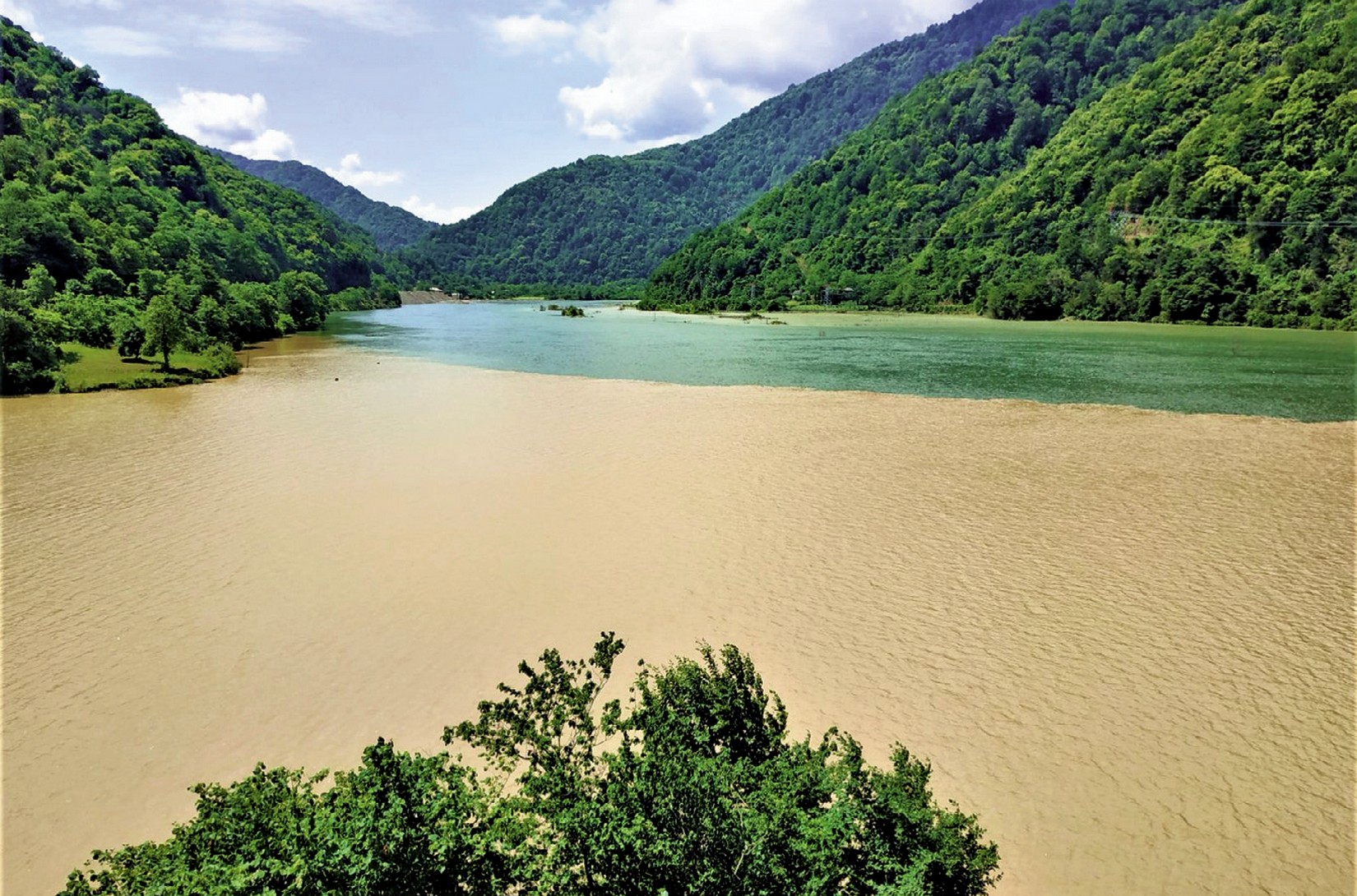
Twelve kilometres from Batumi is a unique natural attraction where the Adjaristskali and Chorokhi rivers meet. The rivers' differently coloured waters create a visible boundary. It is a mere 15-minute drive from Batumi, and it is renowned for its unique visual effect.
Popular guest destinations include wine tours in Keda; skiing at Goderdzi; yachting trips; adventure tours in Chirukhi and Green Lake; hiking in Mtirala National Park; folk tours in Merisi village; and more.
Food in Batumi: pricier than expected
Gastronomy is undoubtedly one of Batumi's main draws. However, the city has become noticeably more expensive in recent years. It is no longer a budget-friendly destination. Today, its prices are the same as those of southern European resorts during peak season, especially along coastal zones and tourist centres.
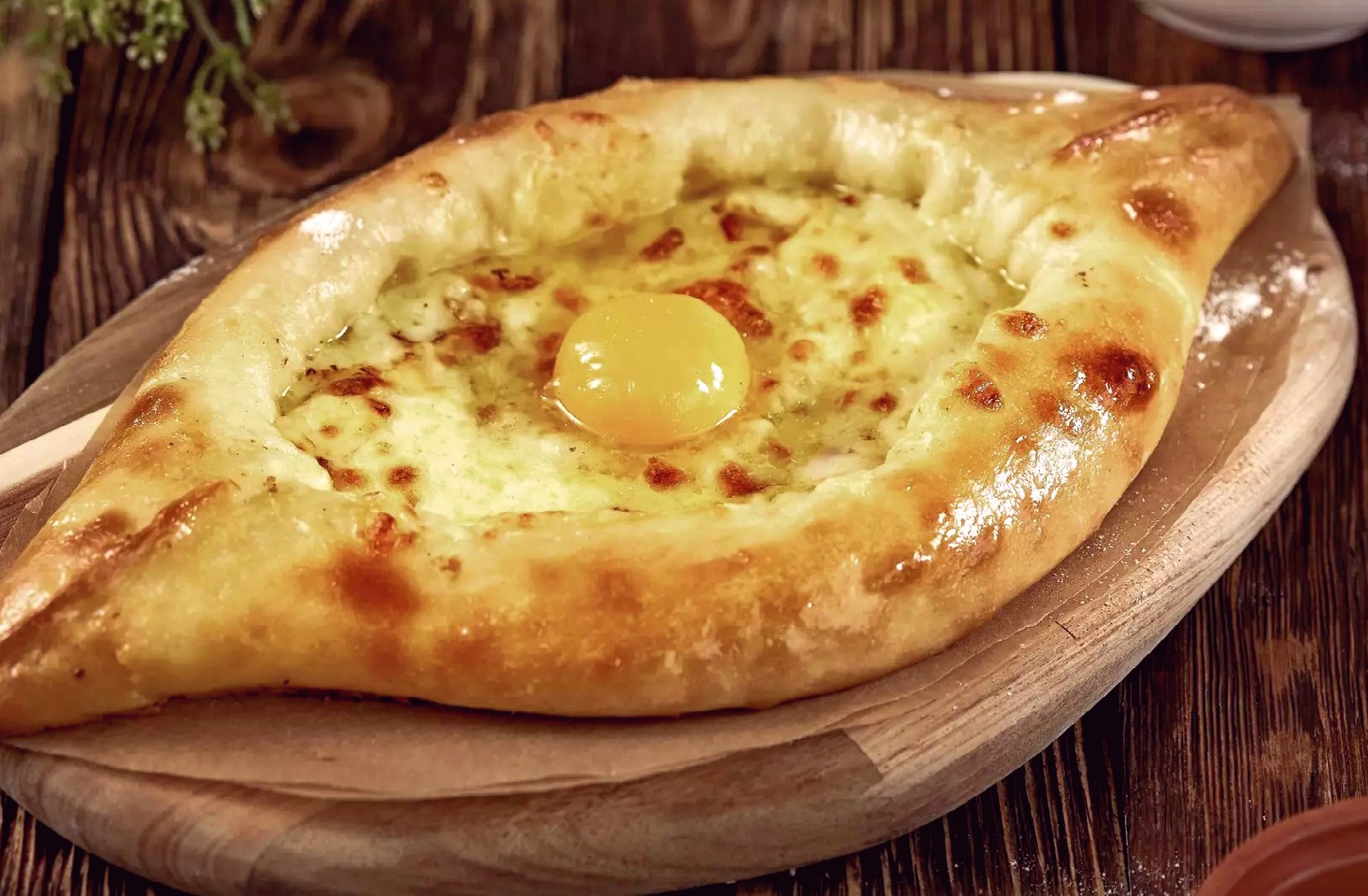
A simple dish in an ordinary café now costs €8–12 per person on average. A meal for two at a mid-range restaurant will set you back between €25 and €45. Popular tourist venues along the promenade or in the city centre will charge significantly more. For your information: Adjarian khachapuri costs €8–9; khinkali dumplings range from €0.50 to €0.80 each.
Batumi is no longer a cheap destination. Its prices are comparable to those of European seaside cities during high season. Furthermore, within Georgia itself, it is often pricier than Tbilisi during the summer months, especially in areas such as the boulevards and the city centre.
Today, Batumi is no longer just about "cheap food by the sea". It offers a range of options: you can dine relatively inexpensively at local cafés or pay European-level prices in tourist hotspots for prime locations by the sea or amidst city buzz.
Evenings in Batumi change noticeably: the promenade and centre become the main gathering points; people take evening strolls; cafés and bars fill up; street musicians and small concerts provide a constant soundtrack to city life. Batumi Boulevard and Europe Square are without doubt the busiest areas. It is an established fact that concerts, festivals and live shows take place there almost every summer evening.
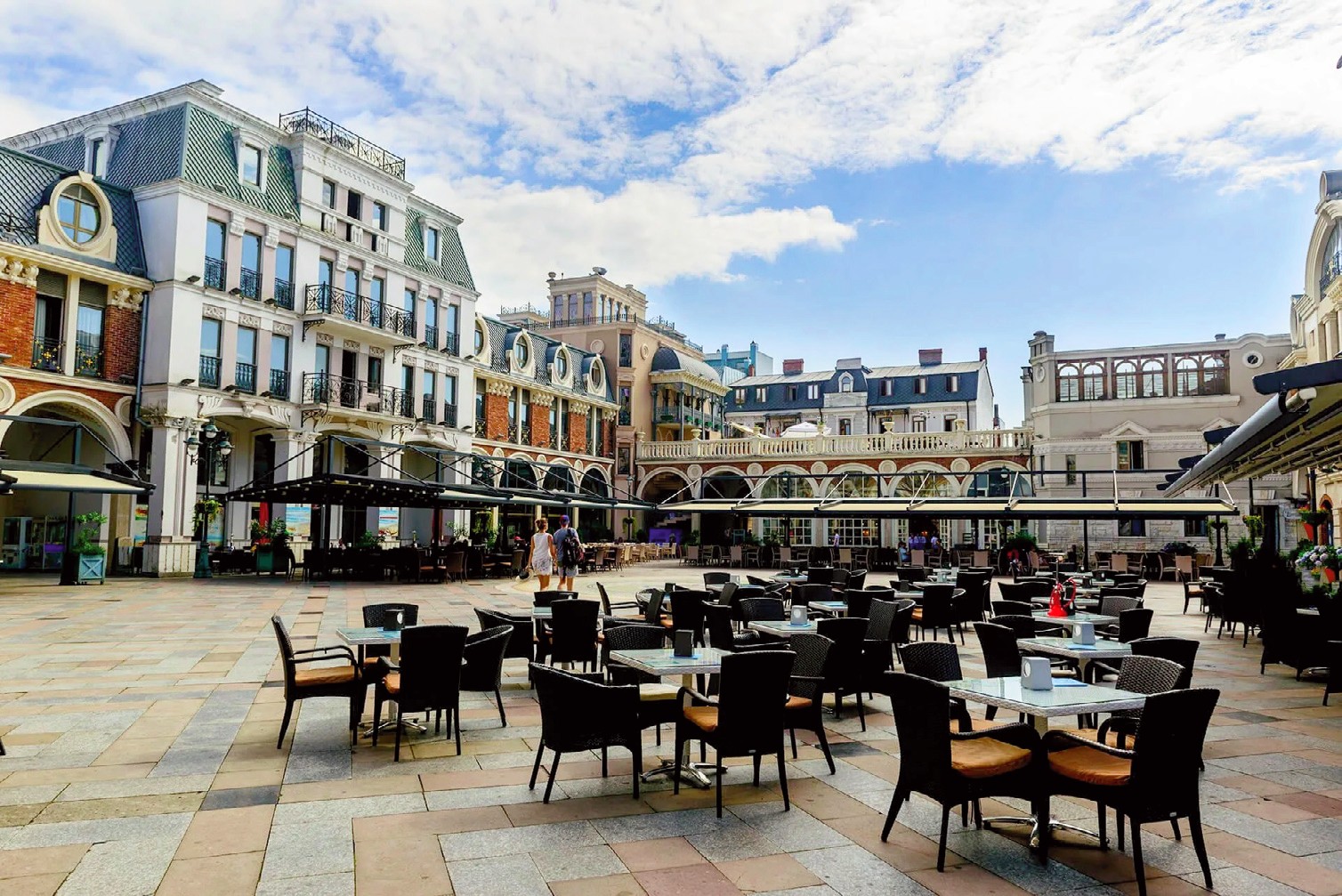
Piazza is the place to be for gastronomy and nightlife in the city. It is just like Venice's St Mark's Square, with a huge selection of restaurants and cafés, and live concerts in the evenings. Prices here are above average citywide: a simple dinner starts at €20–25 per person. The atmosphere and location ensure strong demand.
Nightlife in Batumi also revolves around casinos—numerous venues primarily targeting tourists. For some this forms an important part of their holiday; for others it is simply an unavoidable element of the urban landscape.
Pros, cons and key considerations
Batumi is a dynamic, rapidly growing resort city. The level of comfort experienced here depends heavily on season, location and individual expectations. It has strong points but also features that need awareness beforehand.
Traffic congestion is still the major drawback. Despite its compact size, central districts and promenade become overcrowded in the evening. Short trips take longer than expected, especially near Europe Square, Rustaveli Street and approaches to New Boulevard.
It is clear that there are significant issues with uneven urban development and infrastructure gaps. Rapid growth has led to the construction of modern high-rises alongside neighbourhoods that are less well maintained, construction sites and vacant land. This creates a clear visual inconsistency that is not accepted by all.
It is vital to pay close attention to seasonality. In summer, there are heavy tourist crowds, prices rise, beaches and promenades become tightly packed, and infrastructure operates at full capacity. By contrast, in the off-season, many establishments close and the atmosphere is calmer yet less 'resort-like'.
Littering is strictly punished throughout Georgia. Disposing of cigarette butts or bottles will cost you €32, while throwing rubbish from vehicles can reach up to €80. Public alcohol consumption fines range from €16 to €48, escalating to €159 for repeat offences within one year. Noise violations between 11 pm and 8 am incur €48 fines, rising to €127 for repeated breaches.
Seaside relaxation is about more than just sandy beaches. If you're after pebbly beaches with steep water entry and Black Sea wave conditions that can change rapidly, this is not the place for you.
Batumi's advantages are clear: the sea is close to everywhere in town; there is a wide range of accommodation and dining options; and opportunities for quick changes in holiday style thanks to nearby mountains, waterfalls and smaller resort spots that can be reached within one or two hours.
To summarise, Batumi is not an idealised holiday resort in conventional terms. It is a lively, complex city full of contrasts. Comfort and convenience are guaranteed, but be prepared to learn its rhythm and peculiarities.
Enjoy your stay!
RECOMMEND:
 113
113

