

WAR OF ATTRITION
Moscow and Kiev are still far from peace
Author: Natig NAZIMOGHLU
Hostilities between Russia and Ukraine are becoming increasingly large-scale and fierce. This is taking place amid a near-total cessation of negotiations—a fact that by no means suggests a swift conclusion to the war.
Mutual strikes
The most significant development in the ongoing conflict, which has now lasted for over four years, is arguably the widespread use of unmanned aerial vehicles. Both Russia and Ukraine are using long-range drones, enabling them to strike strategic targets deep within each other's territory.
Russia continues to launch missile and drone strikes against Ukrainian regions and cities, including Zaporozhye, Kherson, Odessa, Dnepropetrovsk, Sumy, and the capital, Kiev. On June 8, the Russian Ministry of Defence announced that Russian troops had taken control of the town of Khimik in the Donetsk region.
In response, Ukraine has been attacking strategic sites within Russian territory. For instance, industrial action has impacted a military plant in Cheboksary, the Kuibyshev oil refinery in the Samara region, and oil infrastructure facilities in the Vladimir region and Novorossiysk. A missile alert was declared across 14 Russian regions, extending as far as the Sverdlovsk, Tyumen, Orenburg, and Chelyabinsk regions, the Perm Krai, Udmurtia, Tatarstan, and Chuvashia. These developments underscore Ukraine's augmented capacity to strike deep into Russian territory, with drones successfully targeting objectives situated over 900 kilometres from the front line. Military experts cite this as a key factor in explaining the recent successes of the Armed Forces of Ukraine.
There has also been an escalation in military activity by Ukraine in the Crimean region. The Chongar Bridge, which serves as the shortest and most convenient route between the Russian-annexed peninsula and the rest of mainland Ukraine, was attacked. This route had been used by Russian troops to transfer equipment and ammunition from the peninsula to the southern sector of the front. In addition, another bridge of strategic importance, connecting Khenichesk with the Arabat Spit in the Russian-occupied part of Ukraine's Kherson region, has been struck. All of this serves to intensify not only military but also economic pressure on the territories "annexed" by Russia, primarily Crimea, which is experiencing a severe fuel shortage.
The current situation on the front line has been highlighted by a statement from the Commander-in-Chief of the Armed Forces of Ukraine, Aleksandr Syrskiy, who noted that since the beginning of 2026, the Ukrainian army has reclaimed 600 square kilometres from Russia. Kiev is using this assertion to counter Moscow's claims of a growing offensive by the Russian army. These claims are accompanied by threats from Moscow to force the Ukrainians into a weaker negotiating position should Kiev continue to reject its "root-cause" demands. It is worth noting that Ukraine's Foreign Minister, Andrey Sybikha, has made a similar statement. He asserts that Russia will have to end the war diplomatically in any case, but that the future conditions for doing so will be far worse.
There is a growing consensus among global centres that Ukraine has gained the upper hand in its war with Russia. In particular, the former director of the US Defense Intelligence Agency, retired Lieutenant General Robert Ashley, emphasised that, from an operational perspective, Ukraine is winning because it is destroying the enemy's operational targets, creating conditions for further operations, and maintaining freedom of action.
However, do such authoritative judgements truly indicate that Ukraine is on the verge of victory in its war against Russia? At this time, it is not possible to make such an assertion, as the overall situation on the front line indicates that the positions of the warring sides remain almost entirely static, with neither side achieving any major breakthrough.
In this regard, it is pertinent to consider the view of another authoritative American, retired General Joseph Ralston, who remarked that Russia is not strong enough to capture all the territory it desires without resorting to nuclear weapons, while Ukraine is not strong enough to reclaim its lost lands. It is challenging to find fault with this evaluation of the belligerents' capacities at the present phase of the conflict. However, this impasse could lead both Russia and Ukraine to recognise the urgent need for peace, creating an opportunity for new negotiations. Concurrently, it could sustain a scenario where both sides, each still counting on victory, show little genuine interest in a potential long-term ceasefire. It is evident that there is currently a complete absence of dialogue pertaining to peace or even a truce.
Will full-scale negotiations begin?
The suspension of negotiations, which were previously mediated by the US administration and President Donald Trump personally, is primarily attributed to the White House shifting its priority focus to the Middle East. Consequently, Ukraine's strategic calculations are focused on intensifying diplomatic efforts, which, in conjunction with the tangible strengthening of its defensive and offensive capabilities, could encourage Russia to engage in direct negotiations to bring an end to the war. Vladimir Zelensky, the Ukrainian President, has outlined a comprehensive diplomatic strategy aimed at ensuring that Russia is aware that the war is not going to yield any further benefits for them.
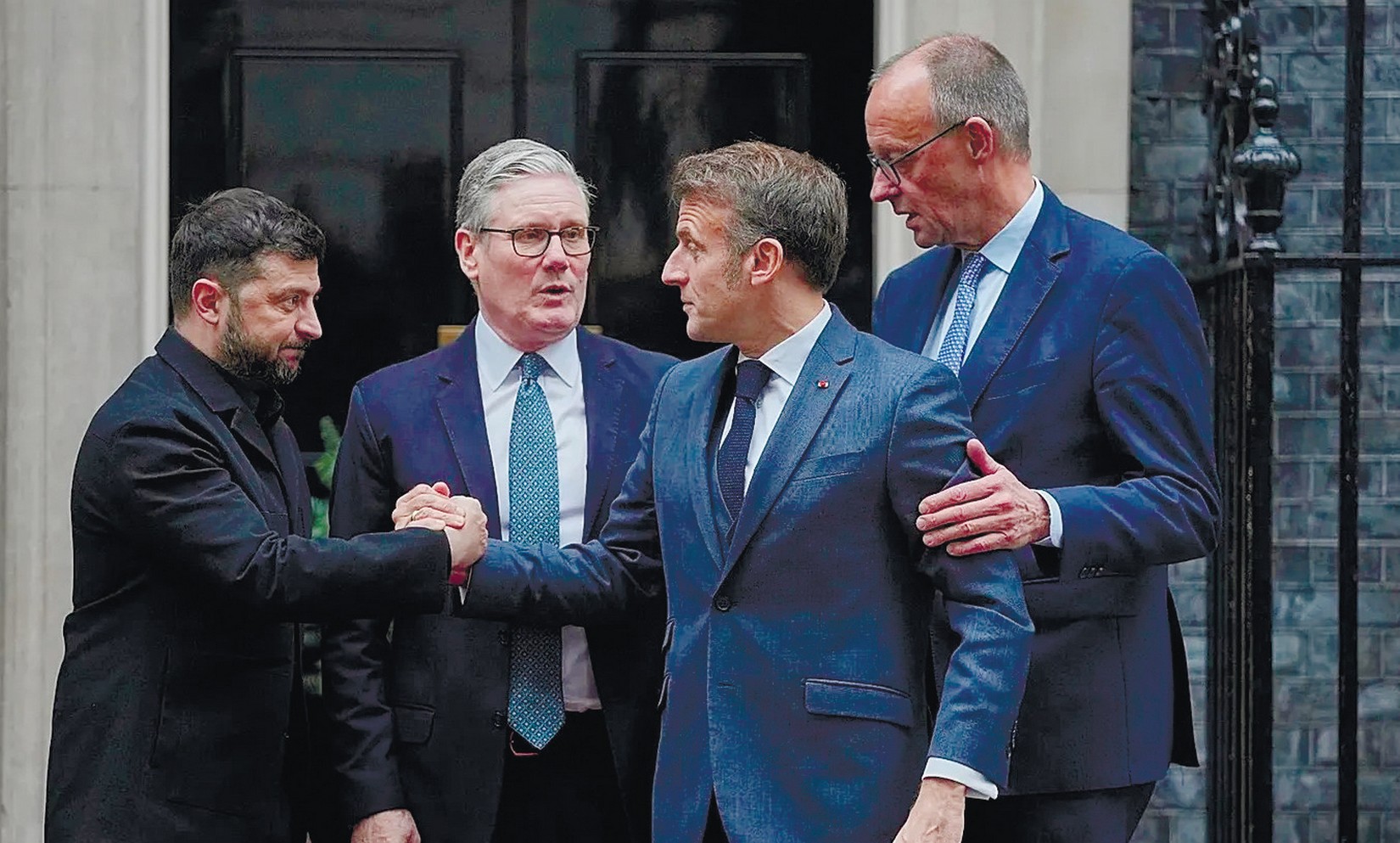
One of the objectives of Kiev's diplomatic efforts is to ensure European involvement in any negotiations with Russia concerning Ukraine. Zelensky engaged in discussions in London with the "European Trio" – British Prime Minister Keir Starmer, German Federal Chancellor Friedrich Merz, and French President Emmanuel Macron – with a focus on intensifying pressure on the Russian economy, increasing military aid to Ukraine, and the joint production of missiles required for air defence and long-range strikes. The London meeting also saw the unveiling of peace conditions, which, from the participants' perspective, include establishing the current line of contact as the starting point for a cessation of hostilities, deploying multinational forces in Ukraine, and freezing Russian assets until compensation is paid for the damage inflicted during the invasion of Ukrainian territory.
The Ukrainian leader subsequently arrived in Tallinn for the Nordic-Baltic summit. There, he reiterated that Europe must have a seat at the table in any potential negotiations with the Russian Federation. Furthermore, Zelensky believes that Europe cannot act merely as a mediator because it stands firmly on Ukraine's side. In doing so, amid an evident crisis in American mediation, Kiev is seeking to establish a new negotiating dynamic in which the European nations supporting it become key participants in the dialogue with the Russian Federation.
However, Moscow is firmly opposed to European participation in any new round of talks. However, the primary cause of the diplomatic pause is the failure of the warring factions to reach any compromise, given their starkly contrasting positions.
The core disagreement remains over the Donbas. Russia insists on the withdrawal of the Ukrainian Armed Forces from the Donbas region as a prerequisite for a ceasefire. This very issue was the focal point of an open letter from Zelensky to Russian President Vladimir Putin, published on June 4. Zelensky has proposed the initiation of direct negotiations as a means of bringing the war in Donbas to a conclusion, acknowledging that Russia would be unable to establish complete control over the region.
During his participation in the St Petersburg International Economic Forum, Putin issued a definitive rejection of the proposal. Putin has stated that he does not see any reason for him to meet with Zelensky until a peace agreement has been drafted. Furthermore, the Russian president believes that a meeting at this stage would only benefit Ukraine by halting the Russian offensive. He expressed confidence that hostilities would eventually conclude with Russia achieving its designated goals, and called upon the Russian military to maintain their efforts in this regard.
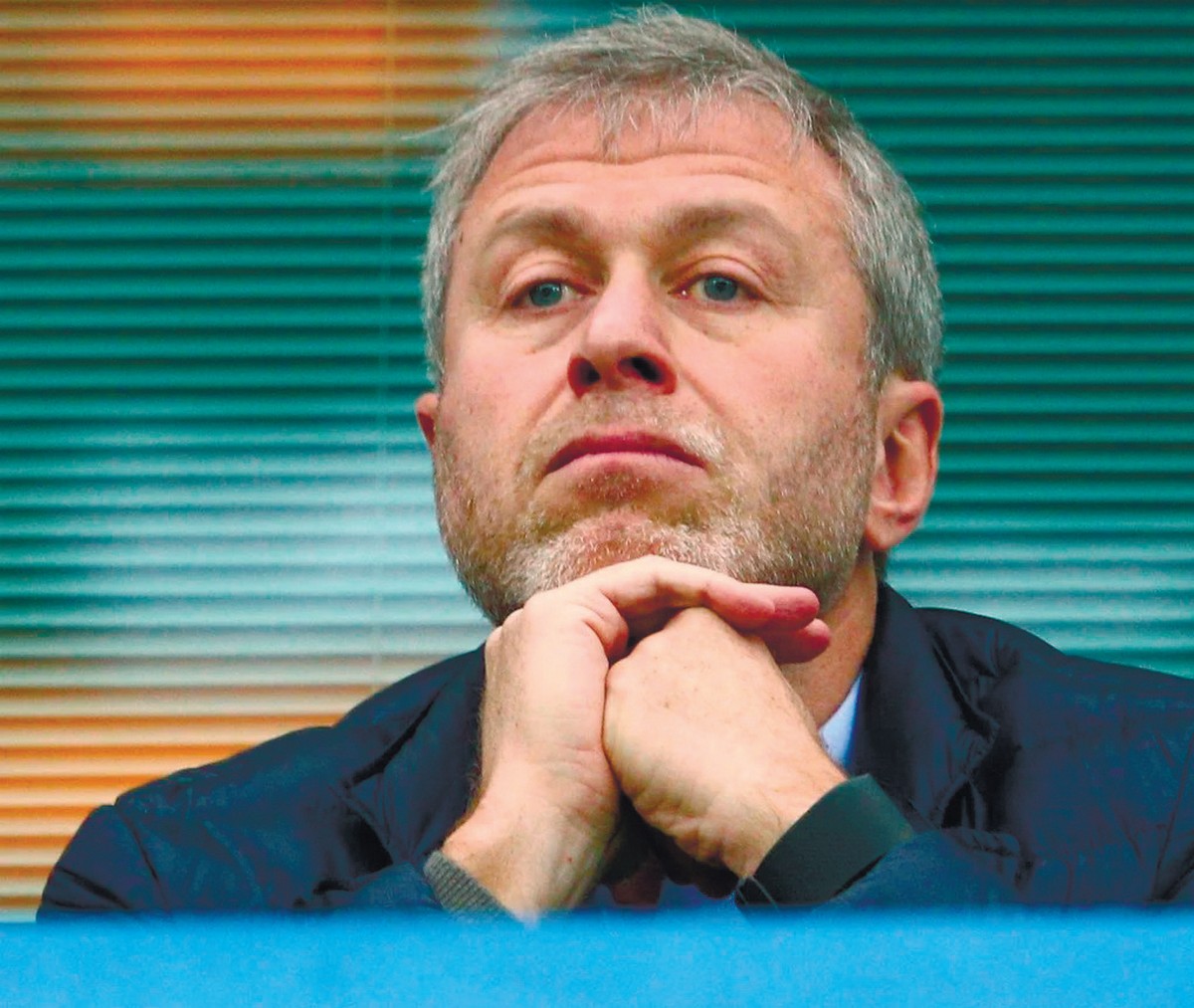
Meanwhile, when considering the outlook of the present situation, it is important to note another significant event that could indicate a mutual interest in accelerating the end of hostilities, or alternatively, a lack of sufficient grounds for a swift peace. This refers to the unexpected visit of Russian oligarch Roman Abramovich to Kiev. In an interview with Sky News, Ukrainian President Zelensky suggested that Putin had initiated Abramovich's arrival in Kiev. In contrast, Putin himself asserts that it was the Ukrainian side that invited a representative of Russian business circles to convey a message to the Kremlin.
Nevertheless, Zelensky revealed that Abramovich conveyed a crucial message to Moscow. Ukraine will not surrender the Donbas. At the same time, Zelensky confirmed that Kiev is ready to freeze the current front line with Russia on a "stay where we stand" basis. The Ukrainian president believes that this is the quickest path to peace, and that the conflict can then move into a diplomatic phase.
However, as long as this diplomatic approach remains unrealised and disputes over key ceasefire conditions persist, the war will inevitably continue. Furthermore, it is taking forms that would have seemed inconceivable until recently; for instance, the St Petersburg forum and Putin's speech took place while Russia's northern capital was being attacked by hundreds of Ukrainian drones. Consequently, a full-scale peace process appears to be the only viable option for resolving the Russia-Ukraine war, which is proving to be a significant drain on the human and state resources of both nations. This was also acknowledged by UN Secretary-General António Guterres, who urged Moscow and Kiev to engage in direct negotiations on an equal footing.
RECOMMEND:
 107
107