

A CRITICAL PAUSE?
US and Iran agree to de-escalate crisis—but stop short of resolving core differences
Author: Samir VELIYEV
The most significant recent development was the news that a memorandum of understanding had been reached between the US and Iran, paving the way to resolving key issues not only of regional but also of international politics. It is noteworthy that the announcement was made on the eve of Donald Trump's birthday, perhaps as a gesture of good will.
The provisions mentioned in statements by the parties and media leaks include questions of ending the armed confrontation, the future of US sanctions, the unblocking of Iranian assets, ensuring the safety of shipping in the Strait of Hormuz, and the parameters for the further functioning of Iran's nuclear programme. However, the absence of an officially published text means that it is impossible to judge with certainty the final content of the agreements reached. Furthermore, the differences in interpretation of individual points between Washington and Tehran indicate that many details may yet become the subject of further negotiations.
Intrigue persists
On June 14, US President Donald Trump announced via his Truth Social platform that a peace agreement with Iran would be signed on June 19. It subsequently came to light that the document would be signed by the Speaker of the Iranian Parliament, Mohammad-Bagher Ghalibaf, and the US Vice President, JD Vance. It is important to note that Washington and Tehran interpret the meaning of the agreements reached quite differently. In fact, it is as if the talks are not about one document, but two entirely different ones.
From Washington's standpoint, the memorandum addresses multiple practical concerns simultaneously. First and foremost, the objective is to restrict Iran's nuclear programme by implementing additional control mechanisms, expanding inspections, and establishing agreed restrictions on specific types of nuclear activity. Concurrently, these accords serve to mitigate the probability of a military confrontation concerning Iran's nuclear programme, thereby reducing the risks associated with shipping through the Strait of Hormuz and global energy trade. Furthermore, the resumption of dialogue between the US and Iran is likely to encourage more predictable interaction between the two parties, thereby reducing the probability of uncontrolled escalation in the region. However, the Iranian side has highlighted other aspects of the discussion.
In Tehran, the memorandum is viewed primarily as an opportunity to achieve a partial easing of sanctions pressure without renouncing Iran's own nuclear programme. The Iranian authorities have made it clear that there will be no curtailing of nuclear activities or relinquishing of the right to uranium enrichment, which they regard as an inalienable right of the country. The primary expectations are linked to expanding oil exports, restoring access to international financial transactions, reclaiming part of frozen assets, and reducing the risk of military confrontation with the US and Israel. Furthermore, it is fundamentally important for the Iranian leadership to demonstrate to the domestic audience and external partners that the negotiations have not resulted in unilateral concessions by Tehran.
Unsurprisingly, the media in both countries present the memorandum as a diplomatic victory for their own side. In all likelihood, many of the document’s provisions are formulated in such a way as to allow differing political interpretations.
Hormuz as an indicator of the agreements
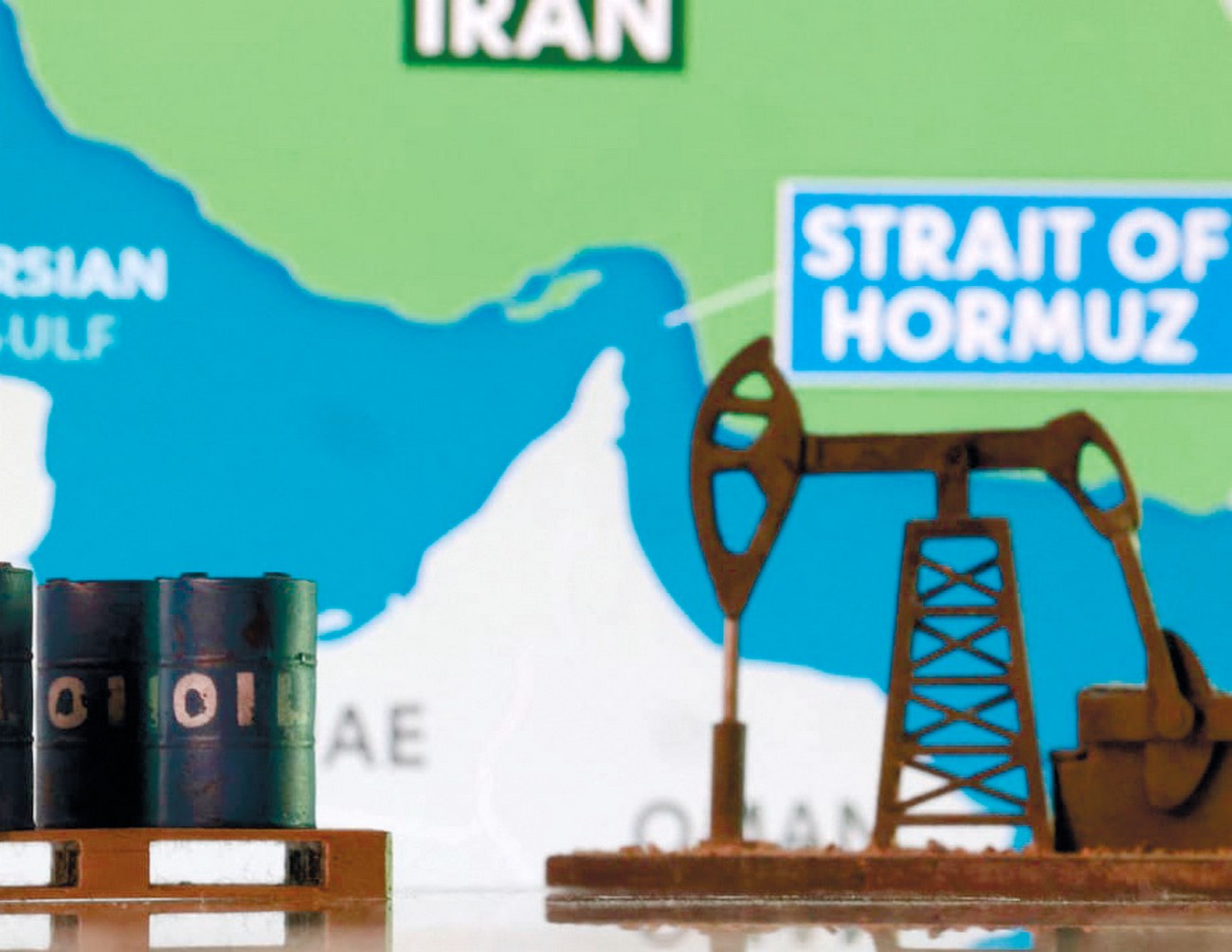
From a business perspective, the most significant element of the agreements is the potential for restoring full-scale shipping through the Strait of Hormuz. This route has been a particular focus for global energy markets in recent weeks, given that about 20% of the world's seaborne oil supplies and a significant share of liquefied natural gas trade pass through it.
The latest crisis has demonstrated that the concept of unrestricted freedom of navigation through Hormuz is no longer absolute. The recent armed confrontation between the US, Israel and Iran has once again demonstrated that one of the world's key energy corridors has the potential to act as an instrument of geopolitical pressure, with serious consequences for the global economy.
In light of these developments, the Gulf states are intensifying their efforts to reduce reliance on Hormuz. Despite the agreements reached, it is unlikely that the countries of the region will abandon their plans to build up capacity for bypassing the strait. At the same time, it is widely acknowledged that the potential for alternative routes is currently restricted. According to estimates by the International Energy Agency, existing bypass capacities allow for the redirection of only 3.5–5.5 million barrels of oil per day, whereas about 20 million barrels pass through Hormuz. In summary, pipelines can mitigate risk but do not constitute a replacement for sea routes.
Saudi Arabia and the UAE appear best prepared for such challenges, as they have alternative export corridors via the Red Sea and the port of Fujairah. However, for Qatar, Kuwait, Bahrain and, to a large extent, Iraq, dependence on the Strait of Hormuz remains almost total. Qatar is particularly vulnerable, given that the vast majority of its LNG exports pass through this route and there are essentially no full-fledged alternatives for liquefied gas deliveries.
Therefore, talk of Hormuz soon losing its importance appears premature. In the coming years, the issue will not be about replacing the strait but about attempts to limit the consequences of its possible blockade. Despite the construction of new pipelines and the development of alternative infrastructure, the global energy system remains closely tied to this narrow maritime corridor. The paradox of the situation is that the more actively states invest in bypass routes, the more clearly the strategic irreplaceability of the Strait of Hormuz for the world economy is confirmed. This explains the key significance of the agreements reached.
The nuclear question
One of the key questions of the agreement is the prospect of implementing the understandings on Iran's nuclear programme. The American side views the memorandum as the first stage of a larger process aimed at eliminating the risks of Iran acquiring nuclear weapons. Washington's strategy emphasises the limitation of uranium enrichment capabilities, the enhancement of international oversight of nuclear facilities, and the establishment of mechanisms to prevent a rapid transition from a civilian nuclear programme to a military one. In essence, the objective is to establish a long-term system of restrictions that will prevent Iran from acquiring a full-fledged military nuclear capability.
Tehran, for its part, focuses on a different set of issues. The Iranian authorities have emphasised their commitment to the development of peaceful nuclear energy, a right recognised by international law and the Treaty on the Non-Proliferation of Nuclear Weapons. In the Iranian interpretation, the memorandum is regarded as a mechanism for the temporary regulation of certain areas of nuclear activity in exchange for economic concessions, the easing of sanctions pressure, and the unblocking of the country's financial assets. Simultaneously, Tehran is seeking to ensure that any wording used does not create the impression of a withdrawal from the national nuclear programme in its entirety.
A situation is emerging in which Washington seeks to present the agreements reached as the beginning of a process of gradual dismantling of the military dimension of Iran's nuclear programme. In contrast, Tehran views the agreements as an instrument for normalising relations with the West without relinquishing the core elements of its own technological and energy strategies.
The lack of an officially published text of the memorandum means that there is room for different interpretations of its content, and each side can emphasise the provisions that are most advantageous to itself. It is possible that many of the most sensitive issues were deliberately excluded from the initial document and deferred to subsequent stages of negotiations.
For this reason, the question of the final status of Iran's nuclear programme will most likely remain the central theme of further dialogue. The durability of the agreements reached and the prospects for long-term stabilisation of the situation in the Middle East as a whole will largely depend on whether Washington and Tehran manage to find a compromise between the demands of international control and Iran's aspiration to preserve the right to develop its own nuclear sector.
Will the sanctions be lifted?
A key element of the understandings is the question of sanctions, which Washington and Tehran also interpret differently. While the American side places the main emphasis on nuclear restrictions and security issues, for Iran the sanctions issue is the main practical outcome of the negotiations.
According to publications and statements by Iranian sources, the agreements reached may provide for a phased easing of certain restrictions on oil exports, the simplification of financial transactions, and the unblocking of part of Iranian assets held abroad. This involves tens of billions of dollars, access to which had been restricted as a result of the years-long sanctions regime. In Tehran, this aspect is regarded as one of the primary accomplishments of the negotiation process.
At this time, it is premature to speak of a full lifting of sanctions. Based on the available information, it appears that the matter pertains to a mechanism for the gradual and conditional easing of restrictions, directly linked to Iran's fulfilment of its obligations. This approach aligns with Washington's long-standing stance of utilising sanctions as a means to ensure adherence to international agreements.
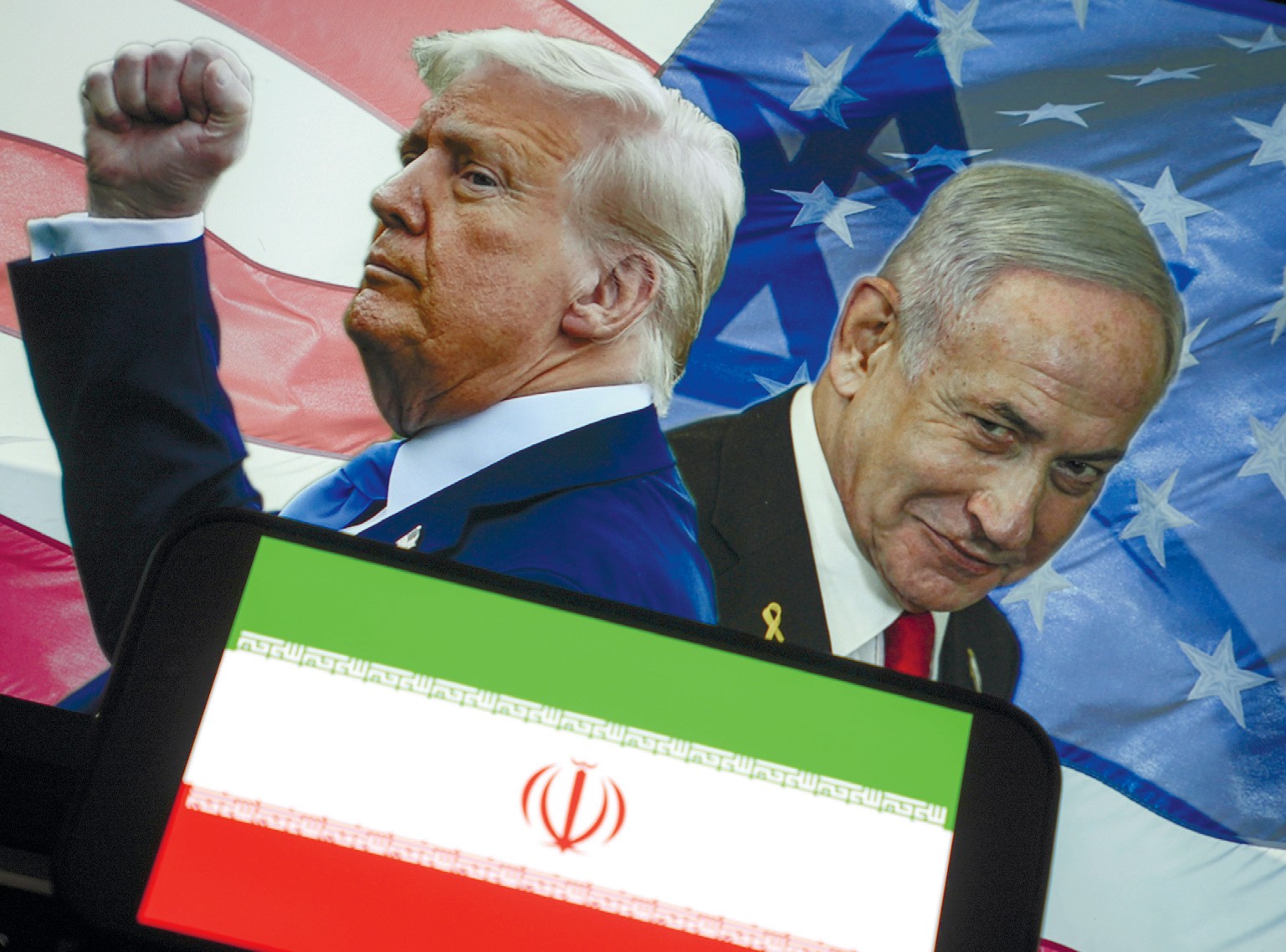
It is important to note that the agreements reached between Washington and Tehran have provoked an extremely negative reaction in Israel. A substantial proportion of the Israeli political and expert community perceive negotiations with Iran, the discussion of sanctions relief, and the prospect of normalising US-Iranian relations as an attempt to strike a regional deal without taking the interests of the Jewish state into account.
In Israel, there is a strong conviction that any easing of sanctions will inevitably strengthen Iran, providing it with additional financial resources to reinforce its regional positions.
In Tel Aviv, there are concerns that Washington, in the interest of de-escalation, may be willing to make concessions to Tehran that could potentially compromise Israel's interests. As the agreement progresses, Israel may seek to modify or even impede certain aspects of the understandings, leveraging its substantial political and lobbying capabilities to do so.
RECOMMEND:
 145
145