

BEIJING: A CITY OF SURPRISES
The Chinese capital is a combination of past lessons and future lifestyle
Author: Baku-Beijing-Baku, Elchin HUSEYNOV
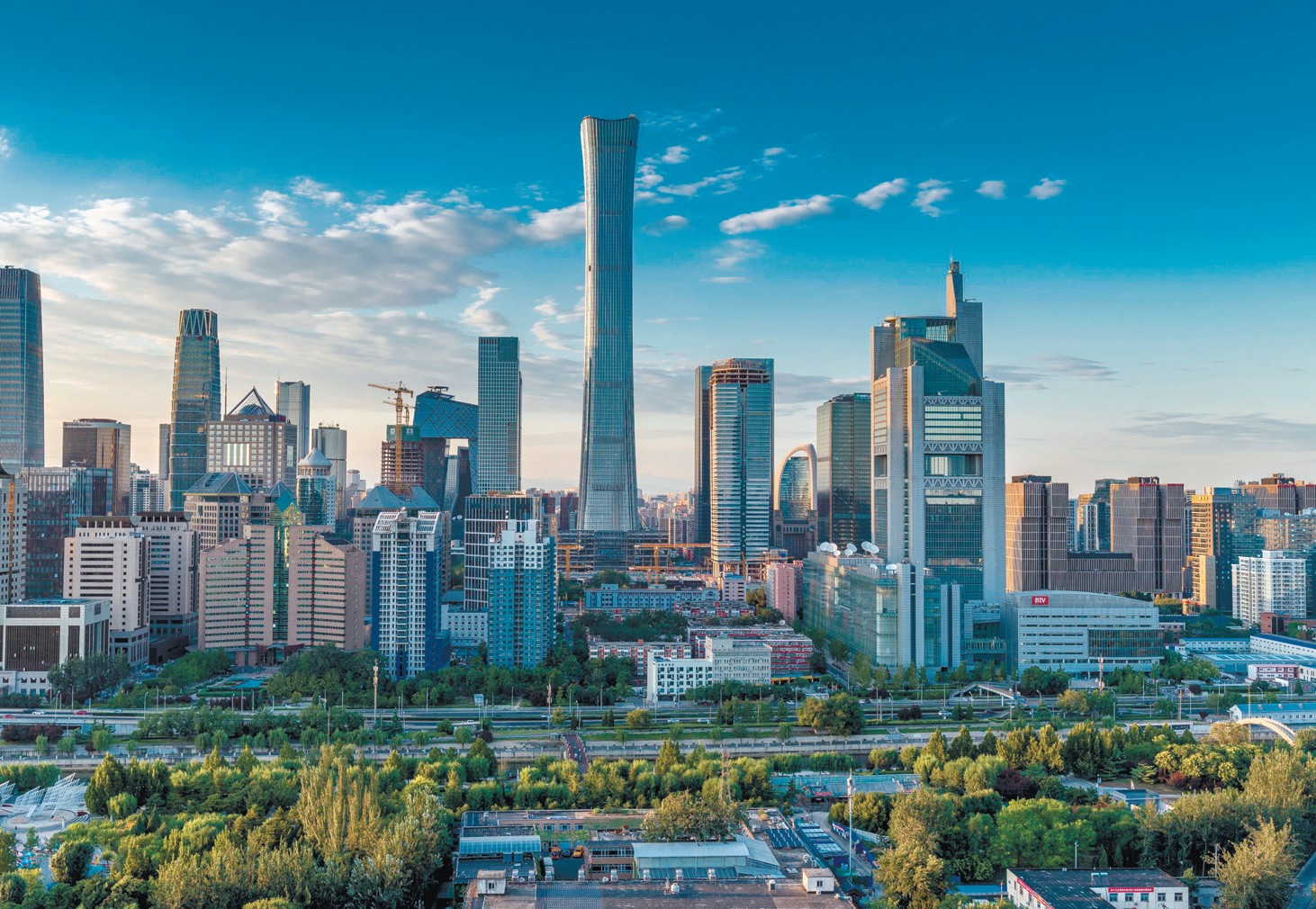
Beijing is one of the few cities in the world where there is no boundary between the past and the future. Behind the walls of imperial palaces dating back several centuries, skyscrapers rise up, while ancient temples stand side by side with technologies that until recently seemed like science fiction.
For nearly 800 years, Beijing has undeniably been the political centre of China. The emperors of the Yuan, Ming and Qing dynasties ruled from this location, and decisions that shape the development of the world's second-largest economy are taken here today. Beijing is unquestionably the heart of the Middle Kingdom. The scale of the capital is no less impressive than its history. The city is home to over 22 million people. Beijing's population is roughly double that of the whole of Azerbaijan. The capital's underground system is without doubt one of the largest in the world. Beijing's historic axis runs for nearly eight kilometres. This important historical site has survived since the Middle Ages and is included on the World Heritage List.
The Chinese capital is the new China. Pay for everything with your smartphone—from metro journeys to cups of tea. High-speed trains reach speeds of up to 350 kph. Cash is becoming a rarity due to modern technology. It is clear that delivery robots in hotels and restaurants are now part of everyday life.
It is an undeniable fact that Beijing's greatest treasure lies in its striking contrasts. The historic hutong neighbourhoods, where locals play mahjong and do their morning exercises, sit side by side with ultra-modern business districts. Beijing is more than just the capital of China; it is a city where you can witness several eras all at once. There is no place on Earth where the past and the future coexist in such perfect harmony.
The journey begins at home
You must prepare for your trip to Beijing in advance. Let me be clear: this is not about a visa. There is a visa-free regime for Azerbaijani citizens, and direct flights between the two capitals are operating regularly. It is imperative that you prepare your smartphone. In modern China, your phone has replaced your wallet, city map, ticket office and even the tourist information centre.
The first thing you need to do is install payment apps. Remember that many shops, cafés and services in Beijing are reluctant to accept cash, but they do accept payment via Alipay or WeChat everywhere. These apps are essential for any traveller, so it is crucial to ensure they work smoothly whilst still in Baku by linking your usual bank cards to them.
You must also sort out your mobile connection in advance. Mobile data is essential for many Chinese services. Experienced travellers know that the best way to stay connected is by purchasing an eSIM before you fly or researching options for buying a Chinese SIM card in advance. You will also need to set up a VPN service. After all, most Western apps are blocked in China, including WhatsApp, Facebook, Messenger, Telegram, Instagram, X, YouTube, all Google services and many others. You must install apps such as AMAP or maps.me (for navigation) on your phone.
Download a translation app that supports Chinese in advance (use a VPN to communicate via Google Translate more easily). Most Chinese people do not speak any foreign languages at all. Even staff at many hotels do not always speak English. And that's not to mention ordinary city-dwellers whom you'll meet on the streets and might want to ask something. In such situations, the Chinese rely on portable electronic translators (in hotels, restaurants and shops) and translation apps on their smartphones. You must bear this in mind and make sure you've sorted this out in advance.
Make a note of the trip.com app—it's the only international booking service that works in China (incidentally, the Chinese developed this app themselves). Use it and you will be able to purchase tickets for any form of transport or attraction, as well as hotels (although there will be a slight mark-up).
Another important detail that many people only realise too late is visiting the main attractions. In Beijing, it is not enough to simply turn up at a museum and buy a ticket. You must make an advance booking to visit a number of the most popular attractions. This applies first and foremost to the Forbidden City and Tiananmen Square, where visitor numbers are limited and tickets for certain dates sell out several days in advance.
Within 24 hours of your departure, you must complete the China Arrival Card online and obtain a personal QR code. You will need this when going through passport control upon arrival in China.
And don't forget: take your passport with you wherever you go. In Beijing, it is the traveller's most important document: you must show it when entering museums, palace complexes, railway stations and some parks. You must keep it to hand at all times.
First impressions
It is clear that impressions of Beijing are linked to the sheer scale of the city, rather than any specific sights. The capital has two airports: the older and busier Beijing Capital International Airport (Shoudu) and the new, massive Beijing Daxing International Airport. For most flights, including those operated by AZAL, Shoudu is the one used, as it is closer (30–32 km) to the city centre.
There are several ways to get from the airport into the city. The Airport Express is the easiest and quickest way to travel. It costs just 25 yuan ($3.5), takes less than half an hour and allows you to avoid Beijing's infamous traffic jams. Travel on the metro from the city centre. It has over 500 stations. In this respect, the Chinese capital is among the world's leaders. The network is so extensive that most attractions can be reached without changing trains or with just one change.
Shuttle buses are a budget option (20–35 yuan), but they can be unreliable due to traffic congestion. Taxis are the most convenient way to get from Shoudu Airport to your hotel, especially after a long flight. Official taxi ranks are located right outside the terminals, and the fare to central Beijing is between 150 and 250 yuan, depending on the distance and traffic conditions. Use the DiDi service (available on the Alipay app) as an alternative to a traditional taxi—it's the Chinese equivalent of Uber. The app is available in English, allows you to see the fare in advance and saves you from having to explain the address to the driver. You should know that the journey from Shoudu Airport to the city centre costs between 80 and 150 yuan. This is often cheaper than a regular taxi. Ensure the necessary services and your internet connection are working properly whilst you are still at the airport.
Do not accept offers from airport touts. They speak English, but ordinary drivers in Beijing do not speak any foreign languages. They will persistently offer their services at a 'good price'. The final cost of the journey is almost always significantly higher than the initial quote.
Two Beijings in one city
The capital reveals itself gradually. It consists of several layers that overlap one another—the imperial, the everyday and the almost vanishing old city.
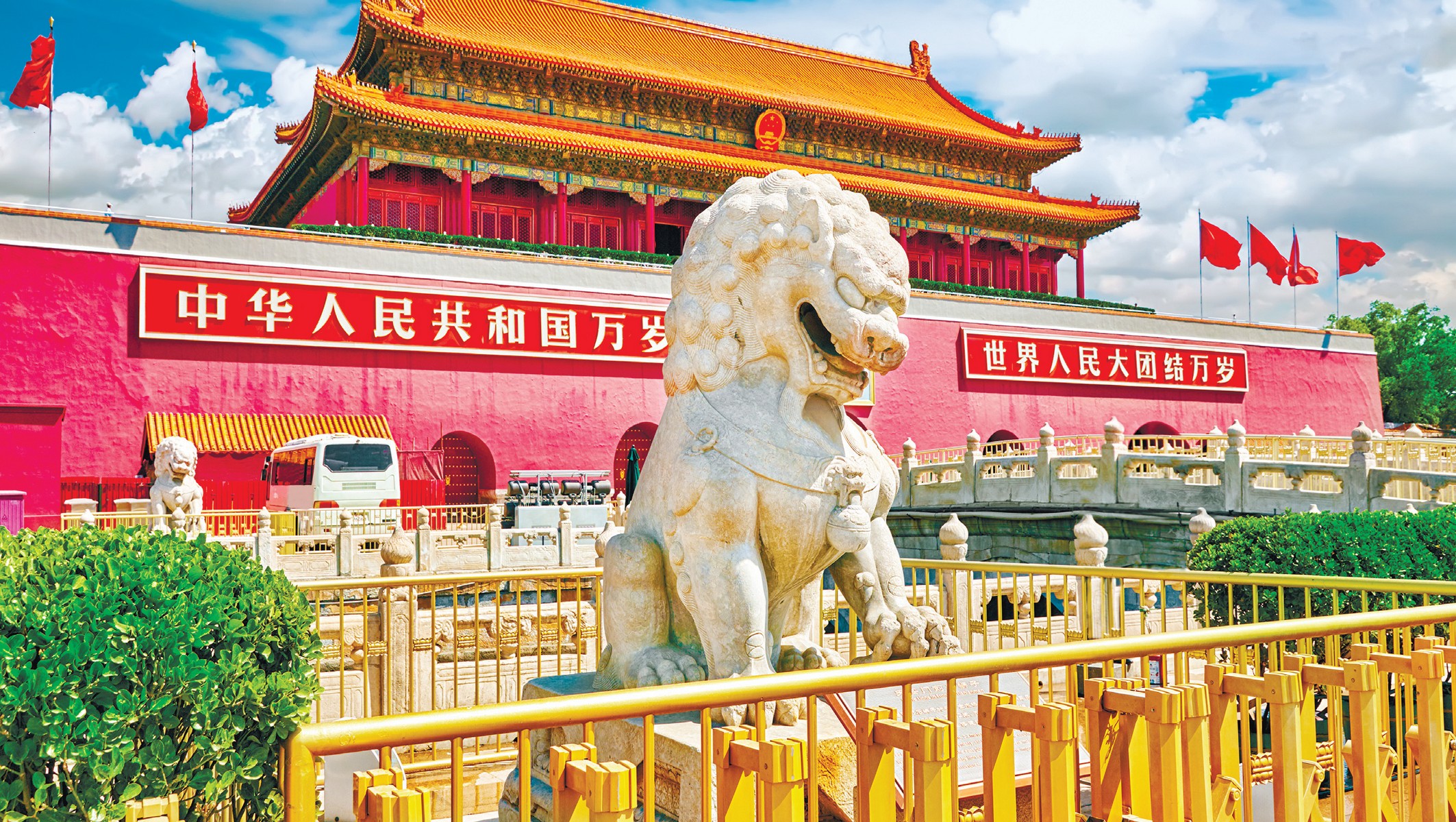
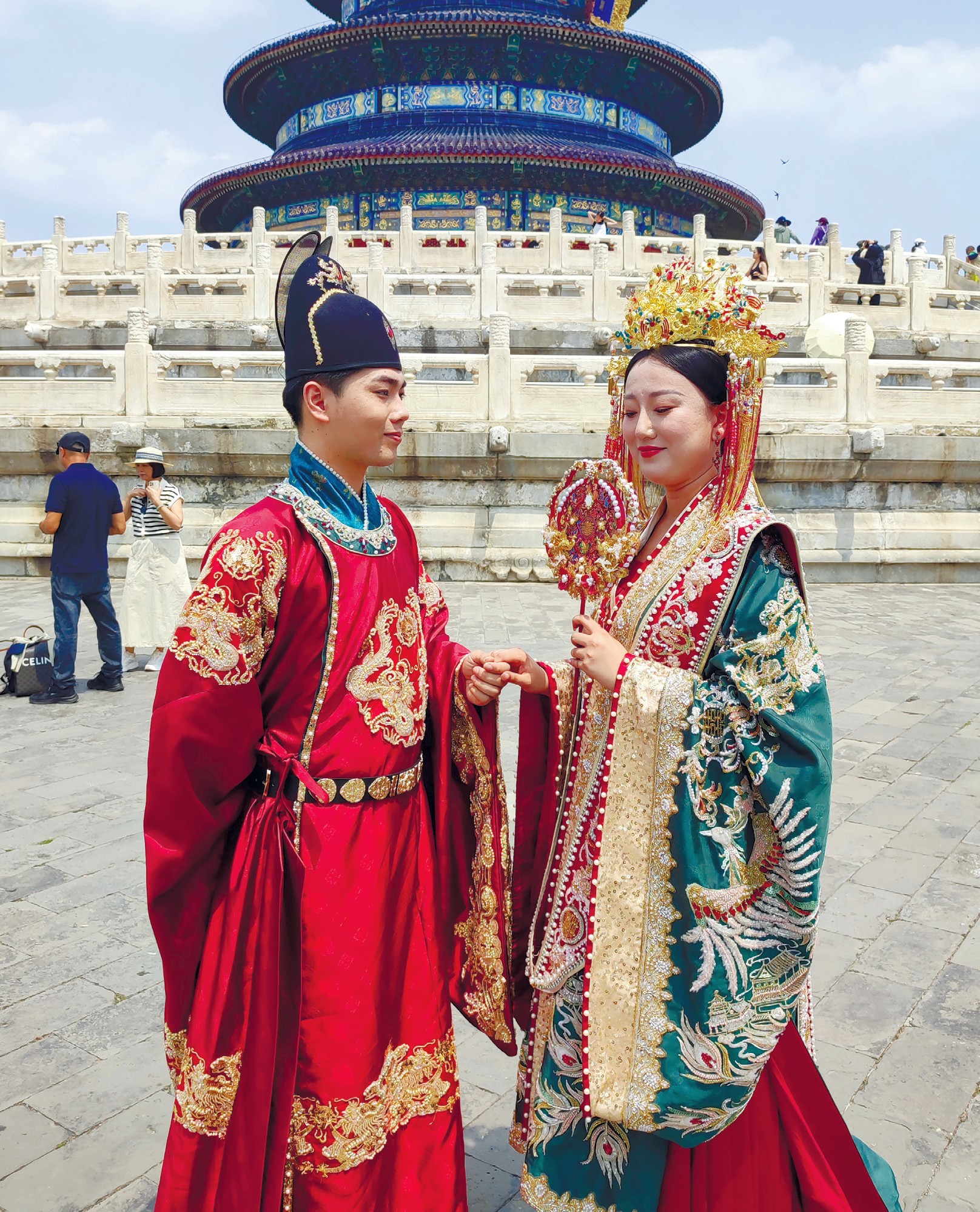
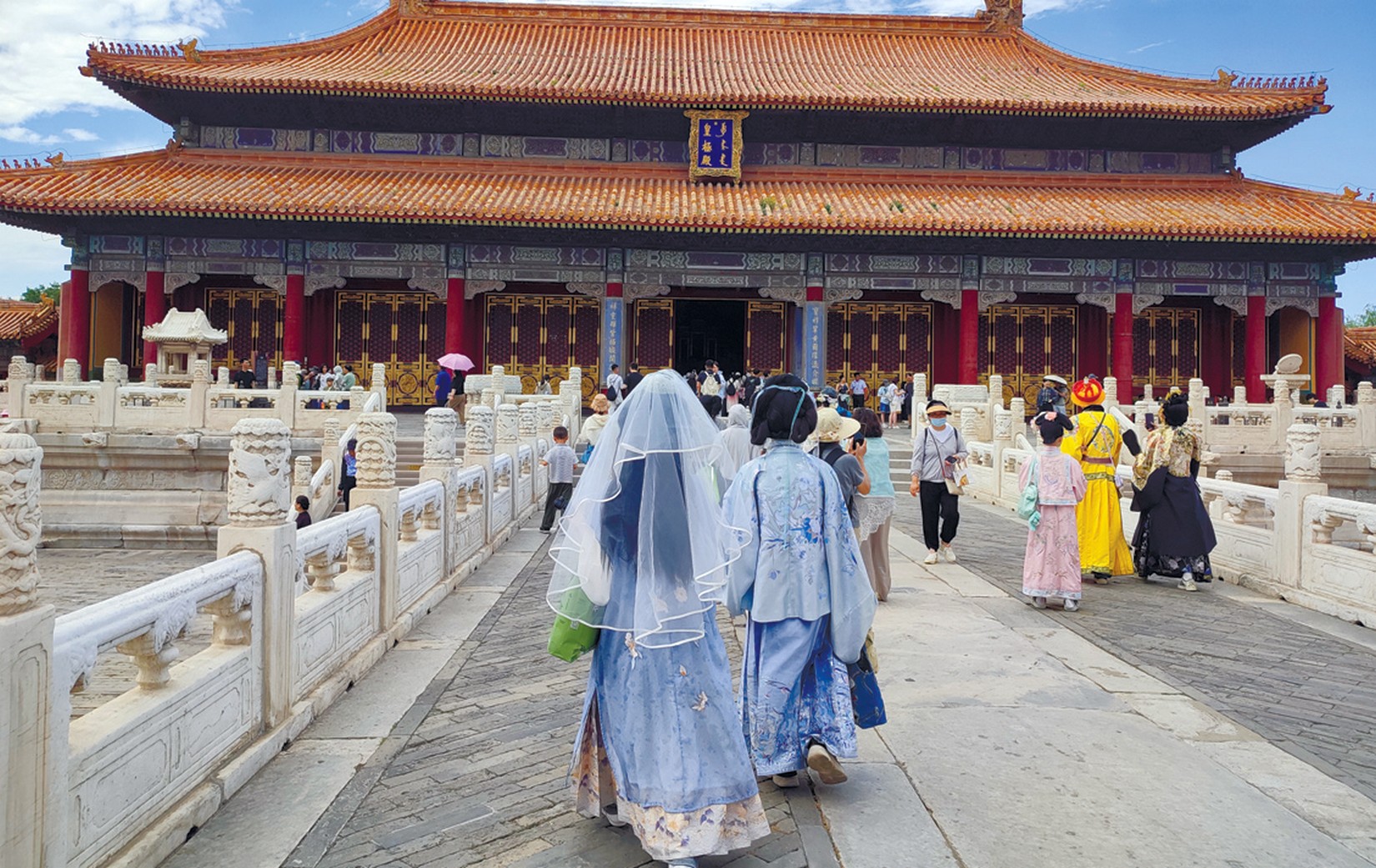
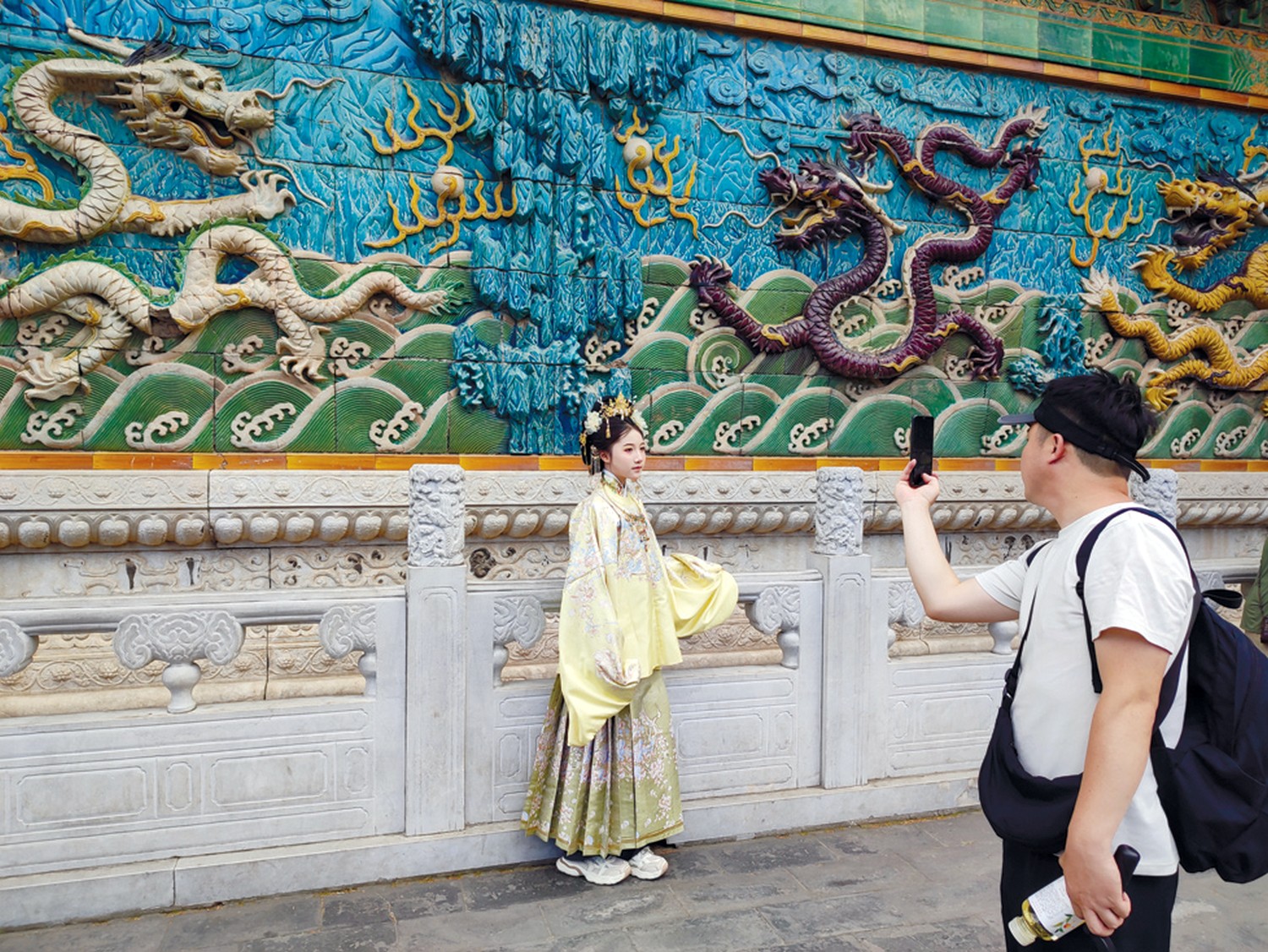
You must understand that there are symbols without which it is impossible to understand China. Tiananmen Square is a space where the state is palpable, both physically and in terms of its scale and order. Nearby lies the Forbidden City, which for almost 500 years was accessible to no one but the emperor and his entourage. This is not just a palace—it is a self-contained universe comprising nearly nine thousand rooms, where power was not just a symbol but an architectural reality. You will encounter many Chinese people, especially young women, dressed in traditional hanfu costumes. A visit to the country's main attraction is a special occasion. It is also an opportunity to try on traditional dress.
The Temple of Heaven is just a short walk away. Here, emperors would address the heavens not as rulers, but as intermediaries between earth and the cosmos. The Summer Palace is where those in power first allowed themselves a respite, transforming nature into an extension of imperial aesthetics.
But the moment you turn off the wide boulevards, Beijing changes. For people from Baku, this contrast is reminiscent of the difference between the grand architecture of the White City and the atmosphere of the old neighbourhoods of the former Soviet Union. Narrow alleys (hutongs), rectangular courtyards (siheyuan), doors opening directly onto the street, where life is not hidden behind façades. This is not a 'tourist attraction'; it is everyday life. People bring chairs out onto the street, play mahjong, hang out their washing above the passageways, and chat with neighbours across the courtyard. Here, the bicycle is not a nostalgic relic, but a perfectly normal means of transport.
Beijing's main contrast is clearly felt here: between the imperial order and the vibrant, almost informal urban fabric.
The same is happening in Baku: hutongs are disappearing. They are being demolished or rebuilt, giving way to glass-fronted blocks. Stroll through them and you will see for yourself: this is not just a tourist route, it is an encounter with a city that is literally vanishing before your very eyes.
For those who want to explore this contrast in greater depth, Beijing has a first-rate guided tour system. You will see the classic routes through the imperial centre—Tiananmen Square, the Forbidden City, the Temple of Heaven—with expert guides who will explain not only the history but also the symbolism: why the buildings are aligned along an axis, why colours are significant, and why even distances here were a political tool.
I am certain that walks through the hutongs should be considered separately. This is a different format altogether: walking or cycling tours, often with stops at small teahouses, family-run eateries and hidden courtyards that a tourist would almost never find on their own. It is the best way to experience the city 'as it really is'.
There is another dimension to Beijing: trips beyond the city centre. These trips go to ancient temples, suburban areas and natural landscapes. In these places, Beijing almost blends into the more tranquil countryside. It is clear from these itineraries that the capital is not just about power and history. It is also a vast region living its own multi-layered life.
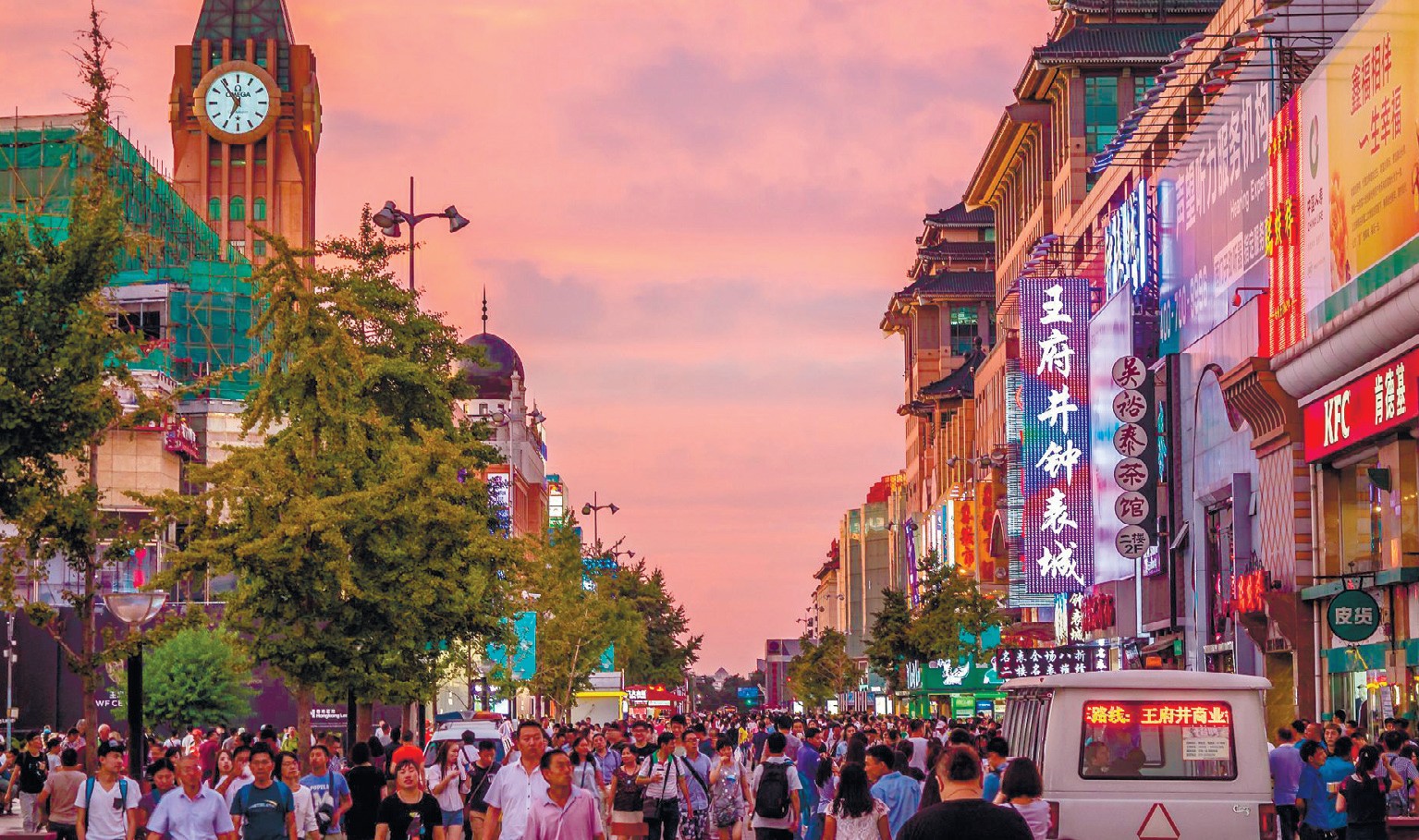
Beijing's capital landmarks are well known, but the city's other attractions should not be overlooked. You must visit Jingshan Park for the best panoramic view of the Forbidden City. You should also see the ancient Yonghegong Temple, the largest Buddhist monastery in the Chinese capital. And you can't miss the National Museum of China, which is one of the world's largest museums. If you like city life, you must take a stroll along the famous Wangfujing shopping street. This is Beijing's liveliest area, with shops, restaurants and an evening atmosphere like no other. You should also visit the historic Qianmen Street, which has retained the spirit of the old city, and the Sanlitun district—the centre of modern Beijing life with its trendy boutiques, bars and restaurants.
The Olympic Park is a must-see, with its iconic 'Bird's Nest' and 'Water Cube' stadiums, built for the 2008 Olympics. You must visit the Great Wall of China when you go to Beijing. The most popular sections are just an hour and a half to two hours' drive from the city centre.
And don't worry about toilets—they're everywhere, reasonably clean and, most importantly, free. China has free water dispensers with cold and hot water at airports, railway stations and on trains. This is a great feature. Passengers should bring thermos flasks or bottles to make tea, prepare instant noodles or top up their drinking water.
Cuisine with a twist
Beijing is capable of surprising visitors not only with its palaces, temples and skyscrapers, but also with its cuisine. Let me be clear: it is not always a pleasant experience. For many tourists, food is one of the most challenging aspects of a trip to China.
The main problem is that the cuisine served in China itself bears little resemblance to the familiar dishes found in Chinese restaurants across Europe or the CIS countries. Even familiar names often denote a completely different flavour here. I can assure you that most dishes are heavily seasoned with spices, sauces, herbs, fermented ingredients and chilli. It is not uncommon for tourists to make simple mistakes when ordering.
The language barrier only adds to the confusion. It is clear that in many small eateries, the menu is only available in Chinese and photographs do not always help diners to understand the composition of a dish. It is clear that many travellers are drawn to familiar tastes. This is possible, but not straightforward. Beijing has very few restaurants serving European cuisine. However, there are plenty of familiar American fast-food chains, such as McDonald's, KFC, Starbucks and Burger King. However, outside the tourist areas, you will struggle to find familiar dishes, if you can find them at all.
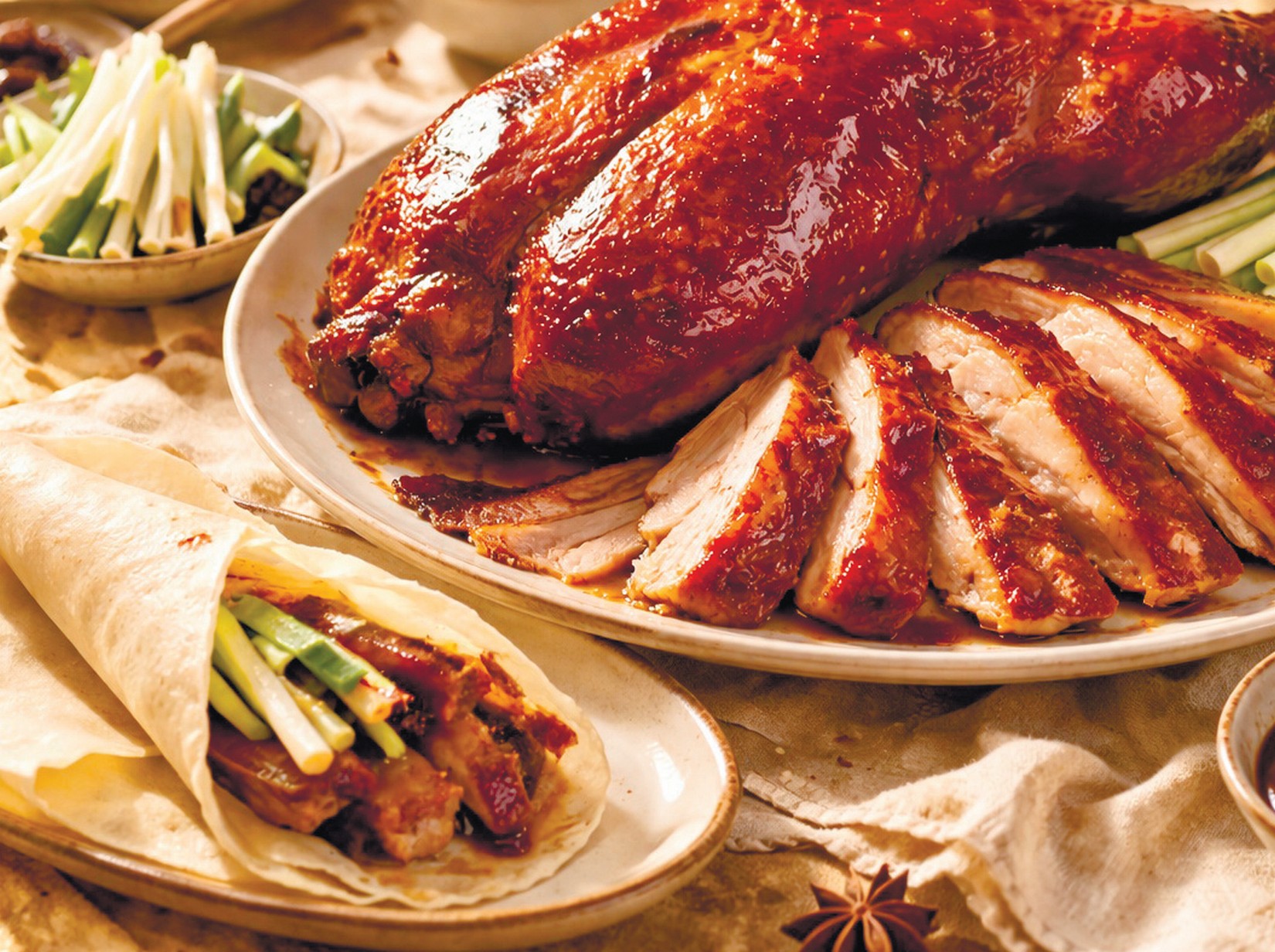
The capital's main culinary icon is undoubtedly Peking duck. It is one of the few local dishes that most foreigners make a point of trying. The duck is served with thin pancakes, a slightly sweet sauce and vegetables. In good restaurants, it is carved right in front of the guests, turning the serving into a little show.
Another popular dish is jiaozi, Chinese dumplings. They are boiled, fried or steamed. The fillings are familiar—pork, beef, prawns, vegetables—but there are also combinations that will surprise and delight.
Chinese noodles are in a league of their own. You will find them sold literally at every turn. However, tourists should be aware that local broths are often very rich in flavour due to the large amount of spices, soy sauce, pepper and various aromatic additions. I am confident that even the uninitiated will find this food too heavy or too spicy.
Street food deserves special attention. In the evening, the neighbourhoods transform into vast open-air food courts. Treat yourself to a wide variety of kebabs, grilled seafood, flatbreads, dumplings and snacks. Tourists most often encounter unfamiliar flavours and ingredients here, so it is worth experimenting with caution.
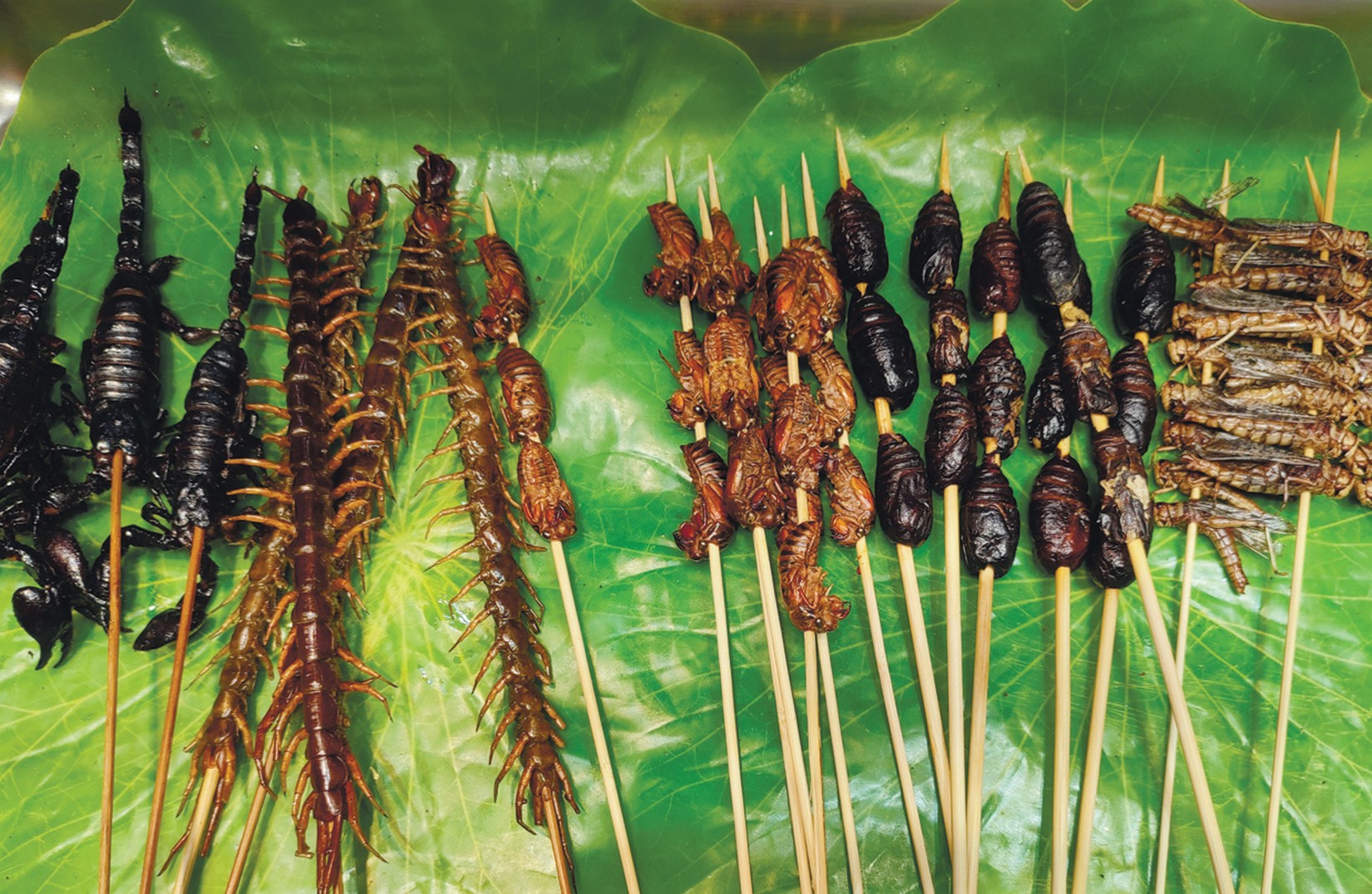
Beijing's gastronomic oddities are not for the unprepared tourist. In some markets, you can see scorpions, tarantulas, grasshoppers, crickets, silkworms and other insects threaded onto wooden skewers and grilled right in front of customers. For a European, it is just as impressive as the Great Wall of China. Many settle for a souvenir photo, never trying the local delicacy. Chinese culinary culture is completely different from what we are used to, and these contrasts are the best way to illustrate this.
A tea ceremony for millionaires
Tea culture in Beijing is not just a part of gastronomy—it's a whole separate world. It has its own logic, tastes and even an economy, and tourists are often surprised by this. Here, tea is not just an accompaniment to dessert, it is a beverage in its own right, with its own philosophy and traditions.
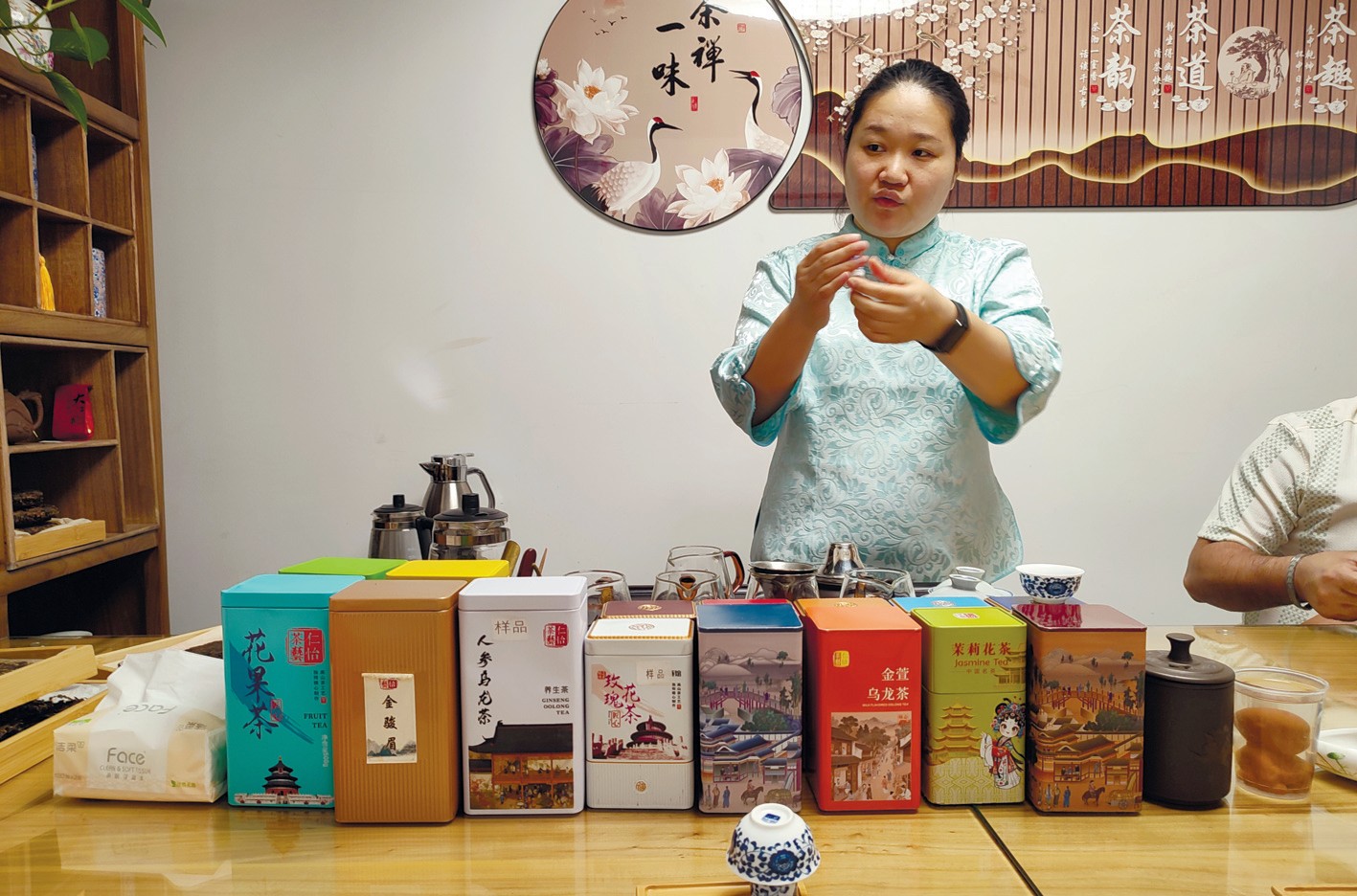
The heart of the tea tradition lies in understanding how tea 'works'. If you attend a tea ceremony, you will learn a lot about Chinese teas. There is no need to get bogged down in the details—after all, there are over 3,000 varieties of tea in China. Green teas, like Longjing, offer a refreshing sensation and a slight herbal bitterness. They are drunk to 'refresh' the palate and the mind. Oolongs occupy a middle ground: they are more complex, with a multi-layered flavour that changes from infusion to infusion when brewed repeatedly at short intervals. Oolongs are the obvious choice for tea houses during ceremonies because they reveal their full character best during the brewing process.
Pu'er, on the other hand, delivers a rich, deep, almost 'earthy' flavour—a tea that is unmistakably heavier and more mature. Jasmine tea is the perfect way to introduce someone to Chinese tea culture. It is here that tourists are often surprised—by the prices. In Beijing, tea prices vary significantly, defying expectations at times. The simplest everyday varieties are available at a reasonable price—around $7–15 for a 200-gram packet. This is everyday tea. You can buy it in shops and supermarkets. Mid-range teas, particularly good oolong or aged pu'er, cost significantly more, especially if the seller offers a tasting and a 'tea service' as part of the experience. In such cases, the price inevitably rises. This is not only because of the quality of the leaves, but also because of the experience itself. This includes the ceremony, the explanations and the atmosphere. Prices range from $100–200 to $700–1,000.
The real shock for many tourists is undoubtedly the specialist tea houses. Some pu-erhs and rare varieties can cost as much as $5,000 and above. This is especially true of aged batches and 'collector's' editions. At the same time, sellers often offer free tea tastings and explain the differences between varieties very convincingly, creating a sense of value, even if the price initially seems unexpected.
In Beijing, it is vital to understand that tea is not just a product, but an experience. You are paying for the experience, not just the leaves. This includes the tasting, the story, the ceremony, the atmosphere and the personal attention. The price of the same tea can vary depending on whether you buy it in an ordinary shop, a tea house or a tourist shop.
There is no doubt that this is the defining feature of Beijing's tea culture: it is both very accessible and very expensive—depending on where and how you engage with it.
You will not be able to understand Beijing in just a few days. You must discover it for yourself—step by step, neighbourhood by neighbourhood, from ancient temples to ultra-modern districts. But that is precisely what makes it so appealing. The Chinese capital does not set out to win over tourists straight away. Let me be clear: it is vast, complex, contradictory and surprisingly vibrant. It leaves you with one thing—the desire to return one day.
RECOMMEND:
 85
85

