

A BATTLE BEYOND THE GRAVE
Anatomy of conspiracy: Who is trying to destroy the King of Pop's name and why
Author: Sabira ALAKBAR
A few days have passed since the anniversary of Michael Jackson's death on June 25. And perhaps now is precisely the time to ask a question that has long transcended music, show business, and even common sense: why, so many years later, does a fierce, relentless war continue to rage around one man's name?
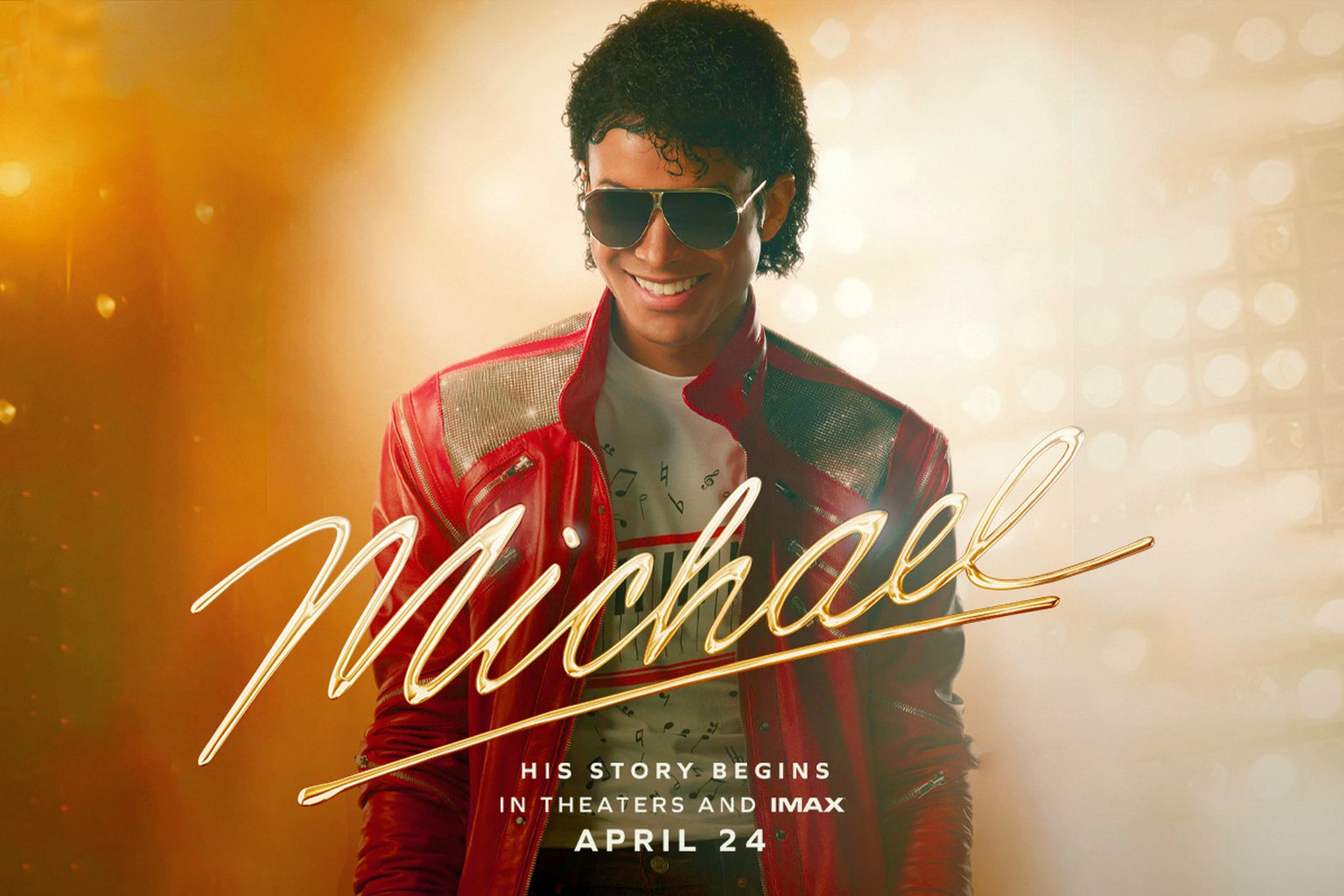
The current year has given this dispute a new, unprecedented momentum, transforming the global information space into a battlefield. First, the magnificent biopic ‘Michael’, directed by Antoine Fuqua and phenomenally starring the star's own nephew, Jaafar Jackson, hit the big screens. The film grossed a colossal box office and once again served as a reminder of the scale of Jackson's genius; however, critics immediately reproached it for smoothing over the rough edges and being overly loyal to the estate.
The industry's counter-response was immediate, exposing the full depth of the divide: streaming giant Netflix promptly released a high-profile, three-part documentary project, ‘Michael Jackson: The Verdict’. The project dealt a targeted and severe blow to the artist's legacy, forcing an audience of millions to relive the dark details of the Neverland raids and the 2005 criminal trial.
This illustrative media duel—a cinematic triumph pitted against a ruthless Netflix exposé—clearly demonstrates that the battle over the artist's image does not pause for a single second.
History has seen many great artists. Yet only a handful continue to be the object of such a fierce, almost palpable confrontation after their departure. Lawsuits surrounding Michael Jackson never cease, and mutually exclusive films continue to be released. This has long ceased to be the story of a mere musician. It is an unprecedented phenomenon: a story of how myths are born, how public opinion is manipulated, and why the influence of a single individual proves so terrifyingly potent that decades cannot extinguish the debates surrounding him.
Phenomenon that broke boundaries
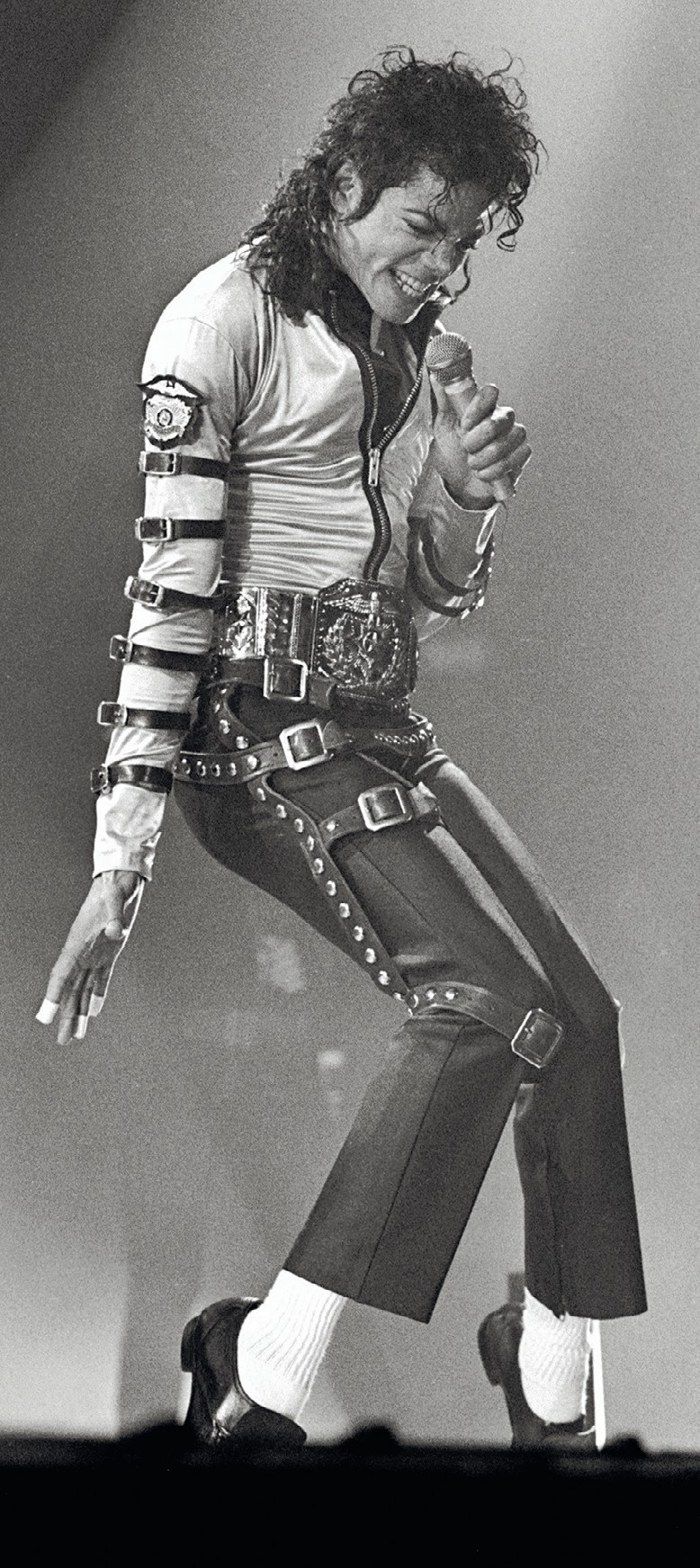
Michael Jackson was not merely a pop singer. He was a cultural tectonic shift, a man capable of uniting millions of people regardless of their language, religion, race, or nationality. His concerts became planetary phenomena, where people fainted at his mere appearance on stage—without a single sound, purely due to the fact of his presence. His work became a universal language understood by the entire world without translation.
Such personalities inevitably transcend the narrow confines of the entertainment industry. They become independent, influential social phenomena. Yet this dazzling coin has always had a dark reverse side: colossal money, colossal influence, and colossal outside interests.
Paradoxically, it was this very artist, often deemed detached from reality, who executed one of the most shrewd and visionary financial deals in the history of show business. The purchase of the ATV music publishing company was not the whim of a starstruck celebrity, but the decision of a strategist who understood the true value of intellectual property before anyone else. He did not buy records; he acquired the right to own music that would play forever.
In other words, when Jackson bought ATV Music in 1985 for what was then a colossal $47.5 million, he acquired the rights to a massive library consisting of approximately 4,000 songs. The crown jewel of this catalogue, for which the whole venture was undertaken, was the heritage of The Beatles. Yet, besides that, ATV owned the rights to hits by many other legendary musicians—Elvis Presley, Little Richard, Sly Stone, and others. What did these rights mean in practice?
Owning the ATV catalogue meant that Michael Jackson received publishing royalties every time these songs were played on the radio, television, used in films, advertisements, or re-recorded by other artists. This is precisely why Paul McCartney, who had himself once amiably advised Michael to invest in music catalogues, was so vexed when Jackson bought The Beatles' songs out from under his nose—following this deal, McCartney had to pay Michael for the right to perform his own songs at his own concerts.
Later, in 1995, Michael merged this catalogue with Sony, creating the giant Sony/ATV, which subsequently grew to encompass millions of songs, absorbing the catalogues of Bob Dylan, Marvin Gaye, the Rolling Stones, and Queen. Yet the foundation of this billion-dollar business always remained those exact 4,000 tracks, spearheaded by the legacy of The Beatles. Thus, the catalogue turned into one of the most expensive music assets on the planet.
And this is precisely where the main, tragic paradox of Jackson's biography lies. The man who managed to calculate the value of musical heritage half a century ahead simultaneously found himself caught in a brutal financial trap. His wealth was estimated in the hundreds of millions, yet almost all of it was locked up in colossal assets rather than liquid cash. Astronomical expenses for maintaining his personal world, multi-million loans, endless legal fees, and the suffocating media pressure of his final years gradually turned the ultra-wealthy artist into a hostage of chronic liquidity shortages.
The boy behind an empire
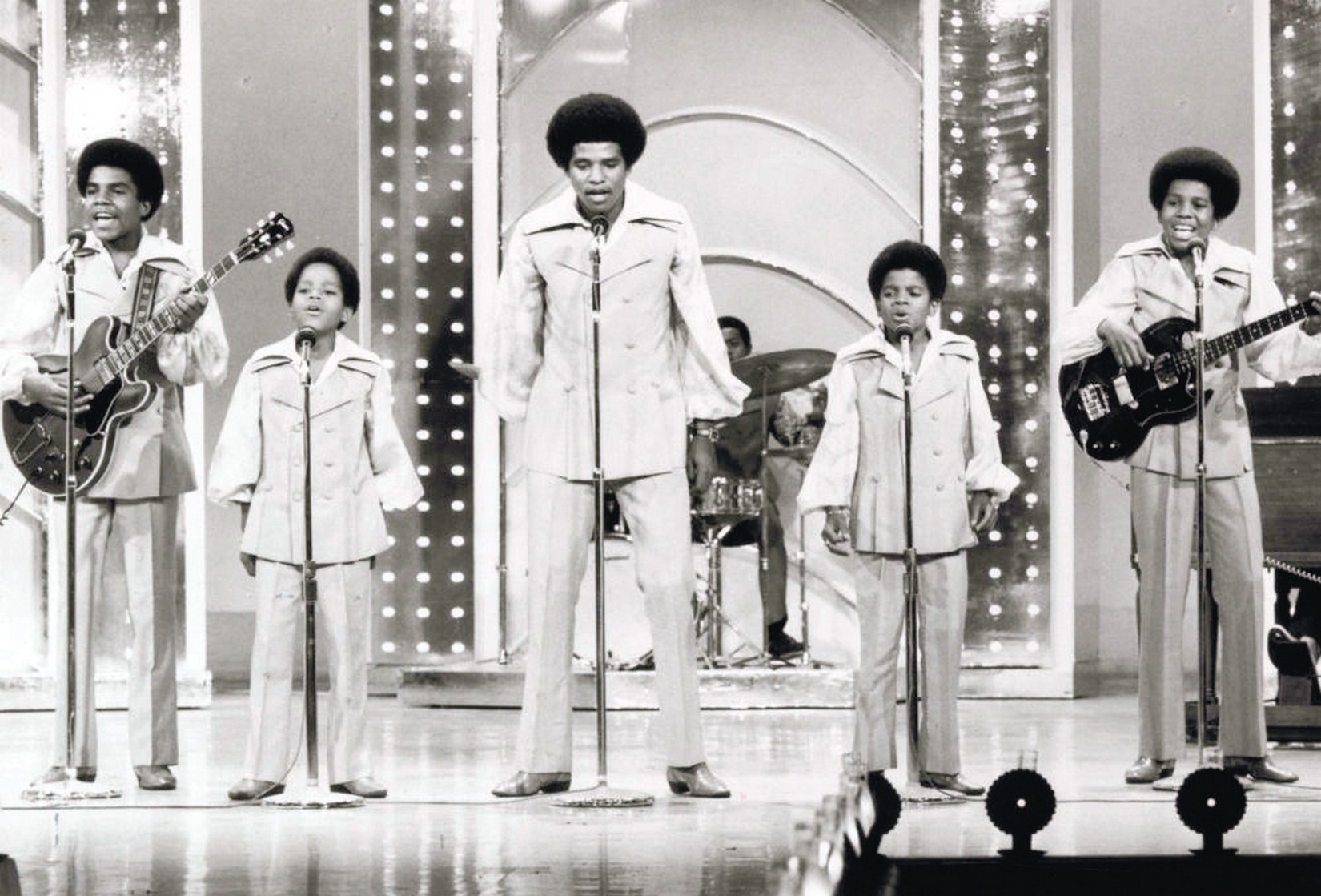
However, explaining this drama solely through figures and contracts means seeing a flat stage set instead of a living person. The second, true half of the picture originates in early childhood. A child raised under the iron, despotic control of a father, deprived of the right to ordinary human joys, and turning into the primary source of income for his family far too early, is doomed to carry this psychological trauma to the very end. Behind the dazzling image of an omnipotent global superstar hid a frightened child who spent his whole life desperately trying to reclaim what he never had—a normal childhood.
The Neverland Ranch was not the whim of an eccentric rich man. It was a desperate, naive attempt to build a fortress, an isolated world where this stolen childhood could finally be realised. Yet it was this very fragile fortress that came into the crosshairs of unprecedented public and media pressure. For many years, he lived under a magnifying glass, subjected to total hounding.
In 2005, a final full stop seemed to be placed on this drama: Michael Jackson was fully acquitted on all counts during a gruelling criminal trial. This is an established and immutable legal fact. Yet while the legal story concluded, the information war showed no signs of stopping. On the contrary, the public trial of his name only gained momentum, turning the artist's life into a continuous hell. For millions of ordinary citizens, fuelled by rating-hungry tabloids, the court's verdict never became the definitive conclusion.
The race card in the big game
Michael Jackson's conflict with the recording industry as a whole and the leadership of Sony in particular was never a banal dispute over sales percentages. In the early 2000s, this confrontation spilled over into the public sphere and swiftly acquired an overt, highly acute racial undertone.
Michael, always a pioneer, openly accused the corporation's top management of systemic racism, stating that major record labels had for decades exploited, robbed, and manipulated Black artists, depriving them of the rights to their own music. He publicly denounced the head of Sony Music at the time, Tommy Mottola, describing him as malicious and racist, an executive who exploited and ruined creators for personal profit and to preserve his grip on the industry.
This was not merely an emotional breakdown—it was a tectonic challenge to the entire established system of American show business. The King of Pop used his immense influence to elevate a corporate war to the level of a national and social discourse. Jackson openly stood up for the rights of Black musicians, aligning himself with civil rights leaders and organising mass protests right outside Sony's offices. From that moment on, the battle over the ATV catalogue became a highly dangerous precedent for the industry: the most popular artist in the world was not just demanding his money; he was undermining the very foundations of the dominance of white executives over Black talent. Many biographers agree that once this scandal took on a racial dimension, the system activated its destruction mechanism against Jackson at full power, turning him into a pariah who needed to be stripped of all credibility.
The fatal line: This is it
All these years of legal conflicts, racial disputes, financial traps, and unprecedented press pressure left profound scars on his psychological and physical well-being. However, the most dramatic and tragic knot was tied in 2009.
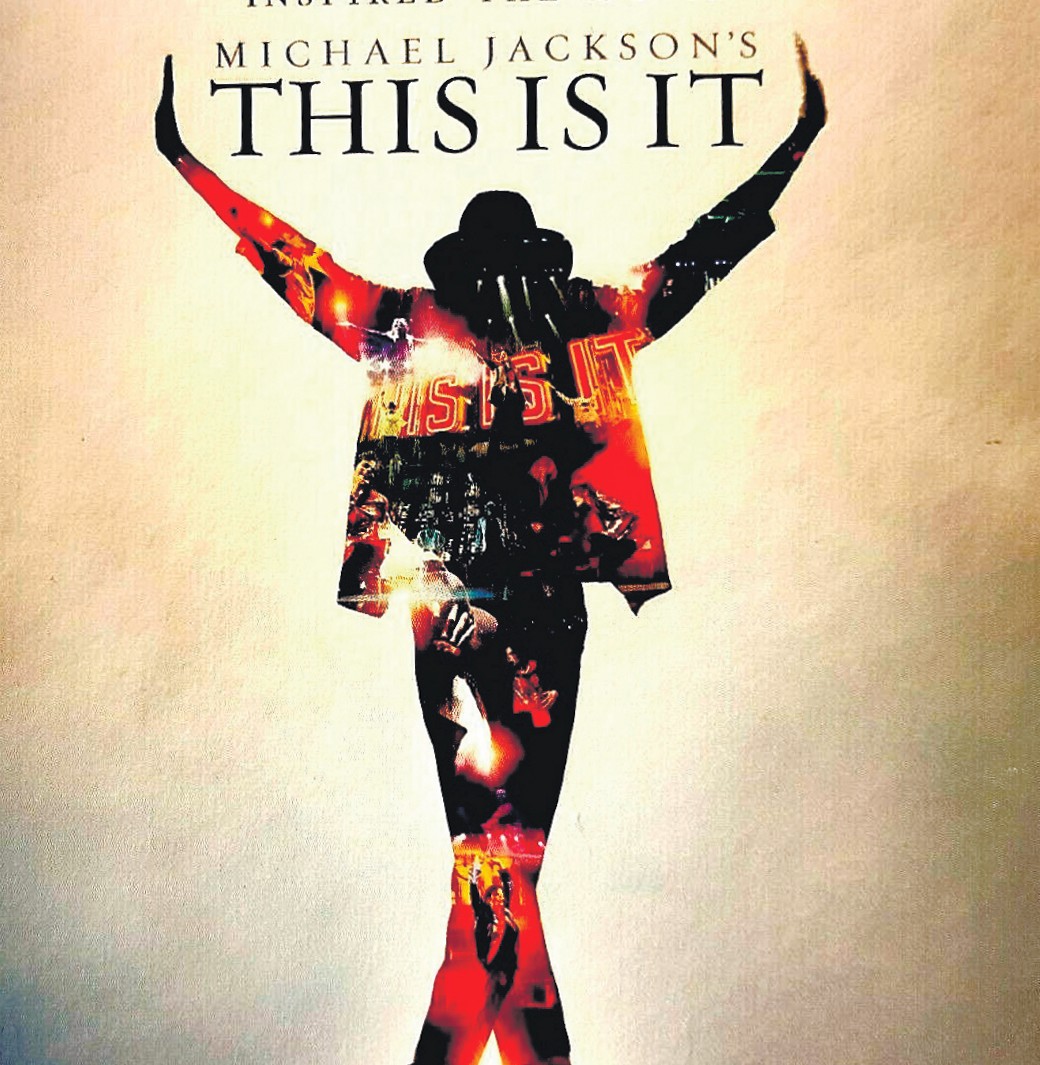
Michael announced his grand return—a series of London concerts under the prophetic title ‘This Is It’. This was intended to be the greatest comeback in pop music history, a triumph that would settle all his debts and restore his former crown.
And here it is crucial to emphasise the most chilling aspect: Michael died on the very eve of this spectacular show, literally just before the concerts were due to begin.
The testimonies of those working on the show's preparation at the time paint a frightening yet awe-inspiring picture. On one hand, the surviving rehearsal footage reveals a genius: Michael moved phenomenally, sang, directed the process, and maintained a supreme, unattainable level of artistry. On the other hand, the production team unanimously stated that backstage he was mortally exhausted, barely slept, and was in a state of severe stress and physical depletion. These two realities do not contradict each other: the great artist pushed himself to the absolute limit until his final breath, burning out completely under a colossal burden of responsibility and expectation.
The official court verdict is well known: criminal medical negligence, for which his personal physician, Conrad Murray, was sent to prison. The artist's heart stopped due to a lethal dose of a powerful anaesthetic.
However, for a vast segment of society, this simple and mundane explanation felt insufficient. Michael's death occurring at the exact moment when billions of dollars were at stake, when tickets for fifty concerts had sold out in minutes, and the artist himself was preparing to make a historic breakthrough, appears far too ominous.
Tragic irony and the eternal battle
Too many factors converged at a single point: the massive financial interests of the promoters, long-running hidden conflicts with major music labels, and the subsequent fate of his assets. The most symbolic and painful note in this story was what unfolded after his departure.
Shortly after Michael's death, his hard-won and fiercely protected stake in Sony/ATV was sold back to the Sony corporation itself by the executors of his estate. Legally, everything was above board. Yet in the public consciousness, this step looked like a twisted mockery of fate: a man who had fought Sony for years for his independence, accused the system of racism, and publicly declared the sacred value of this music catalogue, ultimately lost his life's crowning achievement the moment his heart stopped beating.
What was it? A fatal coincidence? Historical inevitability? Or one of the most tragic and cynical ironies in the history of show business? An answer that satisfies everyone does not exist.
To be sure, claims to the effect that he was physically eliminated to sabotage the concert remain a sensational hypothesis circulating among fans and investigative writers. Today, there is no direct evidence capable of proving a conspiracy theory in court. Most researchers lean towards the view that his end was the tragic consequence of colossal pressure, isolation, and an induced dependence on medication.
But why do we continue to look for hidden motives? Quite simply because history has known very few individuals whose impact on humanity cannot be measured by mundane record sales. Michael Jackson, much like Elvis Presley, was a figure whose influence was terrifying in its magnitude. And when such titans pass away right before their major, redemptive return to the stage, the world refuses to believe in the mere negligence of a doctor.
History will likely never provide a definitive answer. Yet one fact remains indisputable: years after the applause has faded, the world continues to argue fiercely not so much about his music, but about his soul and his right to a good name. This means only one thing: the influence of a truly great artist does not end on the day the curtain falls. Sometimes, it is at that exact moment that his longest, most crucial battle begins—the battle for his own immortality.
RECOMMEND:
 142
142

