

NUCLEAR THREAT
When taboo turns into a tool of pressure
Author: Namig HASANOV
The modern world has once again entered an era of global instability. Military conflicts, geopolitical rivalry and the crisis of international institutions are pushing humanity to revisit a topic that until recently seemed a relic of the Cold War. The 21st century is defined by one undeniable paradox: nobody wants a full-scale nuclear war because the catastrophic consequences are obvious. Nuclear weapons are increasingly used not as instruments of warfare but as tools of political pressure, diplomatic blackmail and demonstrations of power. It is clear that this is one of the main threats of our time.
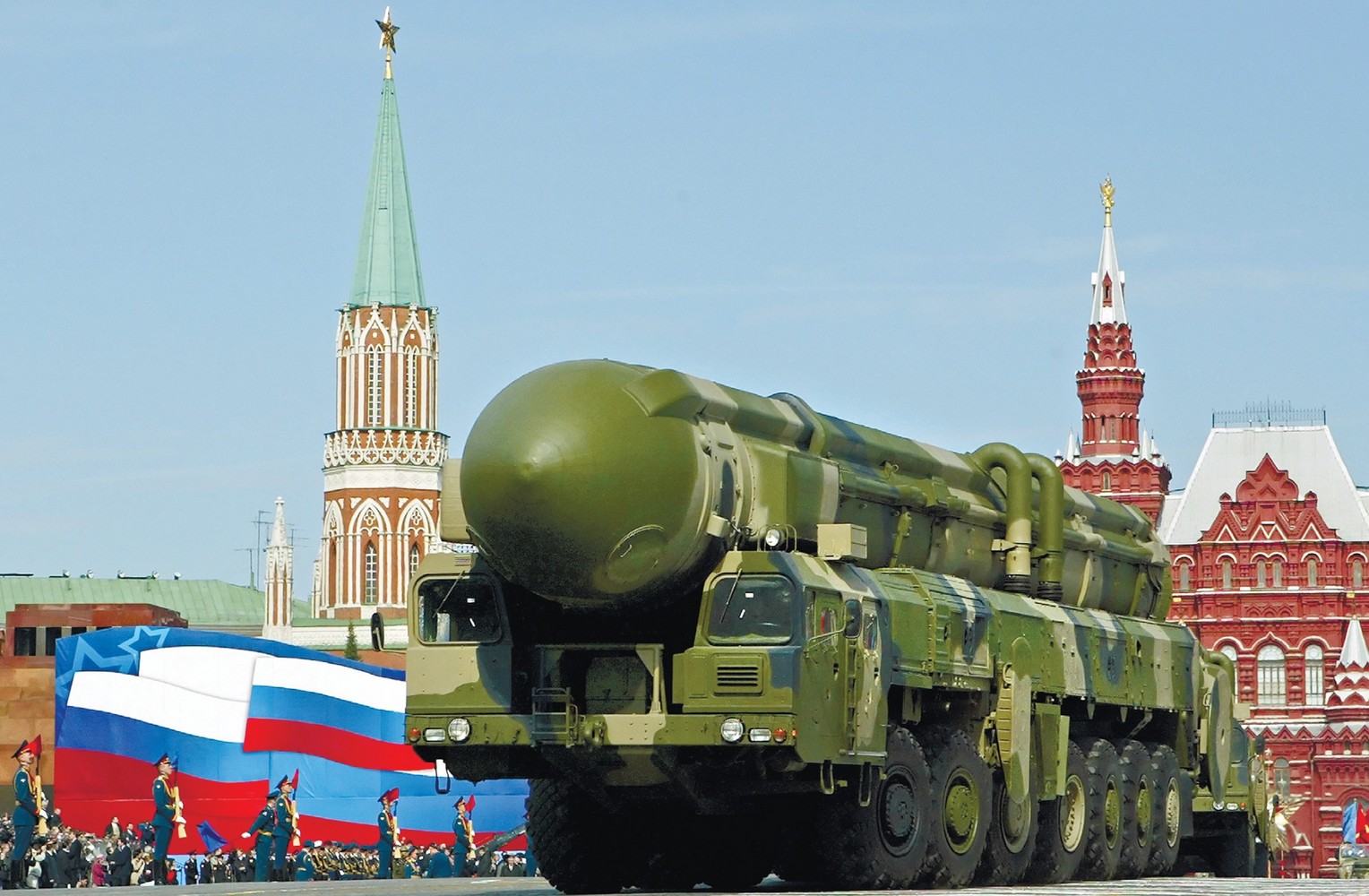
Kremlin’s nuclear club
For decades after the Cold War ended, it was clear that the primary role of nuclear weapons was deterrence. The very existence of strategic arsenals was supposed to render their use pointless—the cost of retaliatory strikes was too high. However, this logic has begun to change in recent years.
Since the war against Ukraine began, Moscow has regularly used nuclear rhetoric as part of its foreign policy strategy. Russian officials have made it clear that they are ready to defend their interests "by all available means". There are also reports of tactical nuclear weapons being deployed to Belarus, strategic forces exercises, and frequent reminders of Russia's nuclear potential. These elements have become integral to the political agenda.
This tactic pursues several objectives simultaneously. Its primary aim is clear: to deter Western countries from further escalating the conflict and restrict the volume of military aid to Ukraine. Secondly, it cultivates an atmosphere of uncertainty, compelling policy-makers and societies to consider even the unlikely scenario of nuclear weapon use. This risk is a lever of pressure, even if the probability remains low.
In expert discussions, the focus is firmly on tactical nuclear weapons (TNW) rather than strategic ones. TNW missiles are not like intercontinental missiles designed for strikes on other nuclear states' territories. TNW are intended for use directly in combat zones or against specific military targets. Their yield may be significantly lower than that of strategic warheads, but even limited use would be without precedent: it would mark the first deployment of nuclear weapons in armed conflict since 1945. It is clear why such statements provoke such serious responses from the international community.
The paradox is that the relatively smaller yield of TNW makes them a convenient tool for political blackmail. It is suggested that a "limited" nuclear strike is possible without triggering global catastrophe. However, most experts advise caution, as setting such a precedent could potentially disrupt the current nuclear taboo and lead to further escalation with consequences that are difficult to predict.
Consequently, the subject of nuclear weapon use, including low-yield charges, has emerged as a component of political discourse. This development is being closely monitored in Beijing, New Delhi, Islamabad, Pyongyang, and Tehran. When the world's largest nuclear power regularly uses this rhetoric, it gradually changes behavioural norms for other states as well.
The possession of a nuclear arsenal can no longer be regarded as a mere security issue; it has become a political tool that exerts regular pressure on governments. This shift in perspective has profound implications for the global security system, presenting novel challenges that must be addressed.
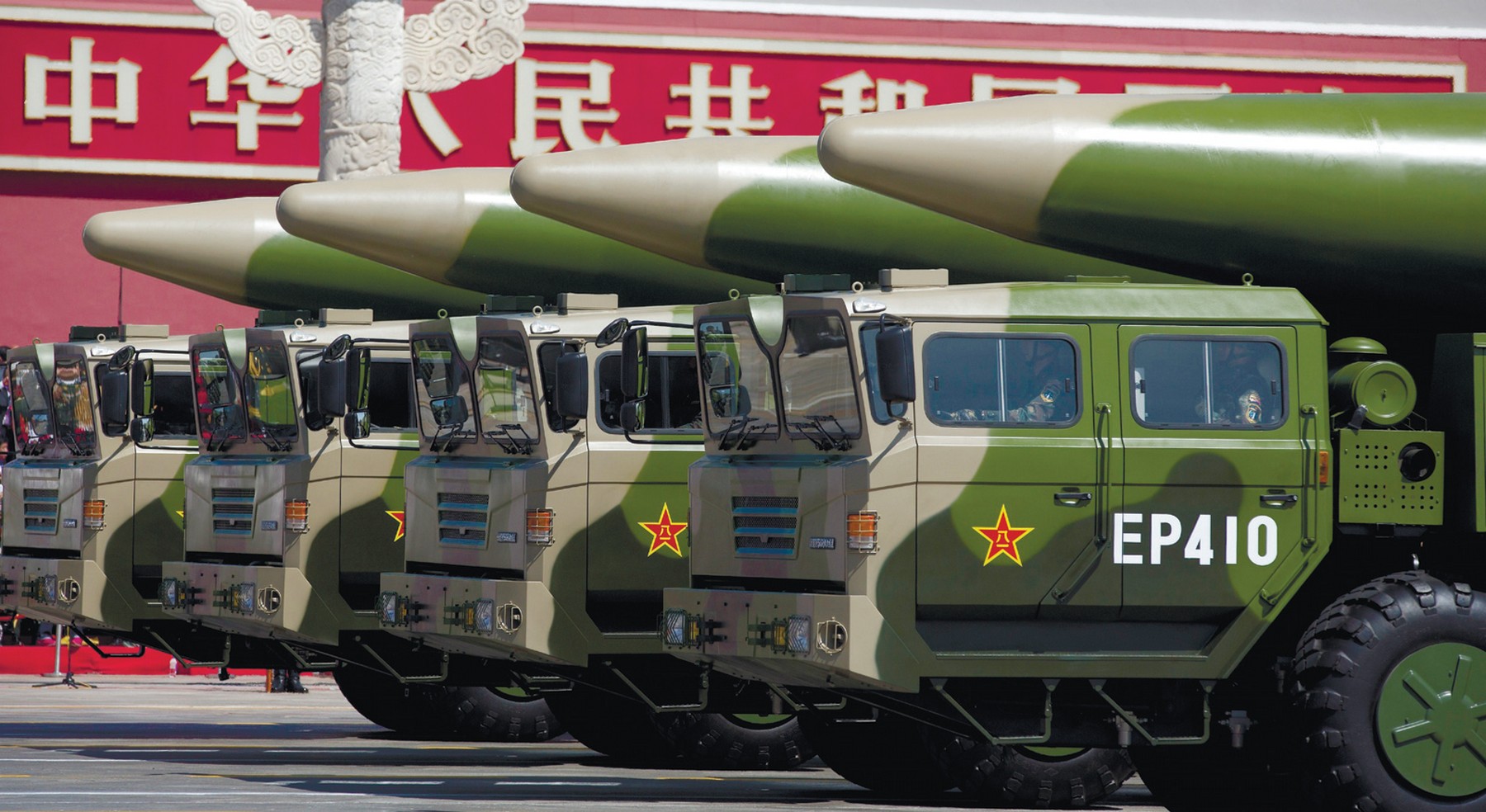
Peking duck
During the Cold War, the nuclear balance was primarily defined by US-Soviet rivalry; today, a third key player is gradually entering this system—China. However, China has historically refrained from developing an arsenal comparable to those of the US or Russia. The strategy was based on minimal deterrence, meaning that the country possessed just enough nuclear weapons to guarantee retaliation in the event of an attack.
This stance began to shift in response to mounting tensions between China and the US. Beijing is monitoring developments in American global military presence, improvements in intelligence capabilities, precision weapons, and missile defence systems closely. For Chinese leadership, this raises concerns about strategic vulnerability: whether a small arsenal could guarantee reliable retaliation in a major conflict.
Consequently, China has begun a systematic expansion of its nuclear capabilities. The objective is not to match US warhead numbers, but to develop a more reliable deterrent that cannot be neutralised by a first strike.
The scale of change is evident in China's arsenal dynamics. A few years ago, Beijing maintained a relatively modest nuclear potential. Today, it is undergoing its most extensive expansion ever recorded in Chinese history. According to estimates by international research organisations, China has increased its warhead count from approximately 200–300 in the late 2010s to over 600 by the mid-2020s. Analysts have observed that China possesses the capacity to produce more than 100 warheads per year. At current rates, the arsenal could exceed 1,000 warheads by the early 2030s.
This strategy is analogous to the preparation of China's most renowned dish—Peking duck—which is renowned for its multi-stage process. Multi-step development is also China's principal strategy in this new nuclear race.
Washington has identified China's expanding armament as a pivotal element in the transformation of the global strategic landscape. In response, the United States has initiated a programme to modernise its nuclear triad, which consists of intercontinental missiles, strategic submarines, and air carriers. These programmes are planned for decades ahead to maintain American superiority amid the emergence of a new competitor.
A separate concern remains the situation around Taiwan. While any potential conflict over the island is primarily regional, direct confrontation between China and the US would risk triggering the largest crisis between nuclear powers since the Cold War.
Thus, modern nuclear competition does not follow the classic Cold War pattern. China does not seek simple parity with US or Russian nuclear forces; rather, its goal is to achieve such capability levels that potential adversaries cannot count on strategic advantage. Yet this process itself fuels a new spiral of mistrust: each side expands defensive capabilities while viewing the other’s actions as threats.
Nuclear neighbour
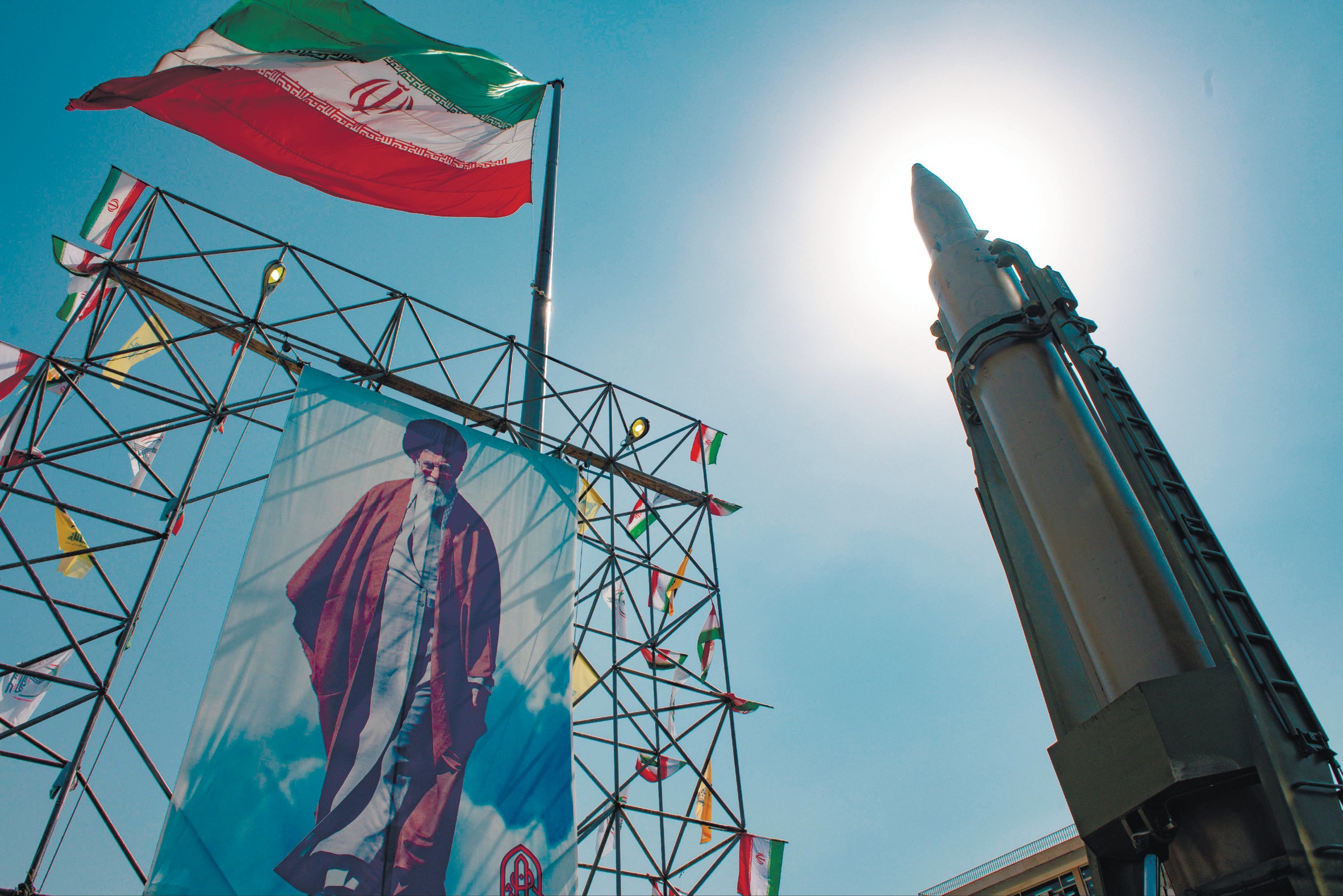
For many countries worldwide, Iran's nuclear programme is a matter of global security; for the South Caucasus region it is also an immediate regional factor. Azerbaijan finds itself in a complex environment: on one side is Russia, the largest nuclear power, and on the other is Iran, which has been developing its nuclear infrastructure for decades and remains under international suspicion regarding its long-term goals.
It is important to note the significant role of the Islamic Revolutionary Guard Corps (IRGC), which is one of Iran's most influential internal forces. It wields significant military capabilities and political influence; its regional activities have long been subjects of debate.
The primary concern is not only Iran's potential acquisition of nuclear capability, but also how securely such capability would be protected from internal upheavals or control by non-state actors. In contrast to the established patterns of nuclear power rivalry, where the threat of retaliation serves as a form of deterrence, the dynamics involving radical groups introduce a substantially different set of risks.
Experts emphasise that the most perilous scenario is not the direct utilisation of nuclear weapons by such entities, given that the development of a fully operational nuclear device demands substantial technological and industrial capabilities. Instead, the primary concern lies in their potential access to nuclear materials, technology, or facilities through allied structures and proxy groups. It is evident that the expansion of armed groups associated with Iran is a contributing factor to the prevailing instability in the region.
This uncertainty is a cause for significant concern. The issue at hand is not the automatic transfer of nuclear weapons to radical groups, a technically highly challenging scenario with significant risks even for states themselves. Instead, it is the potential impact of possessing nuclear potential on state confidence in impunity and the broader scope for proxy actions through allies and affiliated forces.
Therefore, the main challenge lies not only with who possesses nuclear weapons but also with how effectively mechanisms of accountability and control function in a world where conflicts are increasingly fought not only between states but also through associated non-state actors.
No rules?
A thorough examination of the available facts indicates a resurgence of nuclear rhetoric in international politics. Some states use threats of mass destruction as tools of pressure; others expand their arsenals in order to maintain strategic balance; and still others seek capabilities that might shift regional power dynamics.
The principal danger today lies not only in the number of nuclear warheads, but also in the gradual erosion of the rules that have governed behaviour among nuclear powers for decades. The transition of nuclear weapons from a last-resort defence measure to a component of everyday political discourse introduces heightened risks of misjudgement, miscalculation and dangerous escalation.
Perhaps the key question of the 21st century is no longer who holds the largest arsenal, but whether there remains recognition that certain boundaries exist beyond which consequences become unpredictable for all parties involved. Nuclear weapons are dangerous due to their destructive power, but an even greater danger is a world where the fear of that power disappears.
RECOMMEND:
 85
85

