

SHUSHA’S CODE FOR A NEW ERA
Shusha Global Media Forum as a platform for dialogue on peace, trust and global change
Author: Elchin HUSEYNOV
The information space has undoubtedly become one of the key arenas of contemporary global politics. States, international organisations and leading global media must take action to ensure information reliability and foster professional dialogue. The crisis of trust in traditional news sources, the rapid development of digital platforms, disinformation and artificial intelligence have made this clear. It is clear that issues once confined to the professional journalism community have now become part of the global agenda.
An authoritative platform
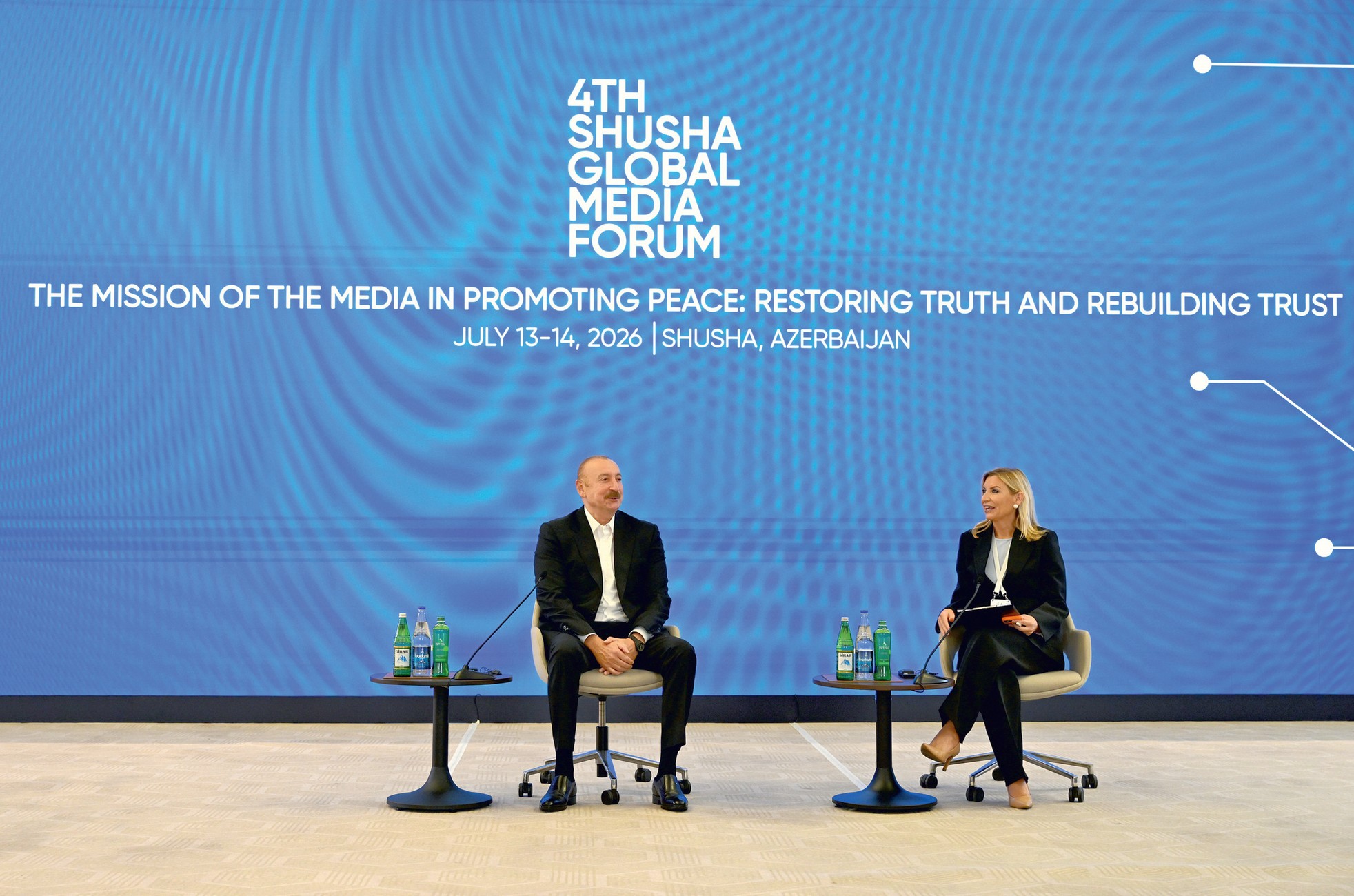
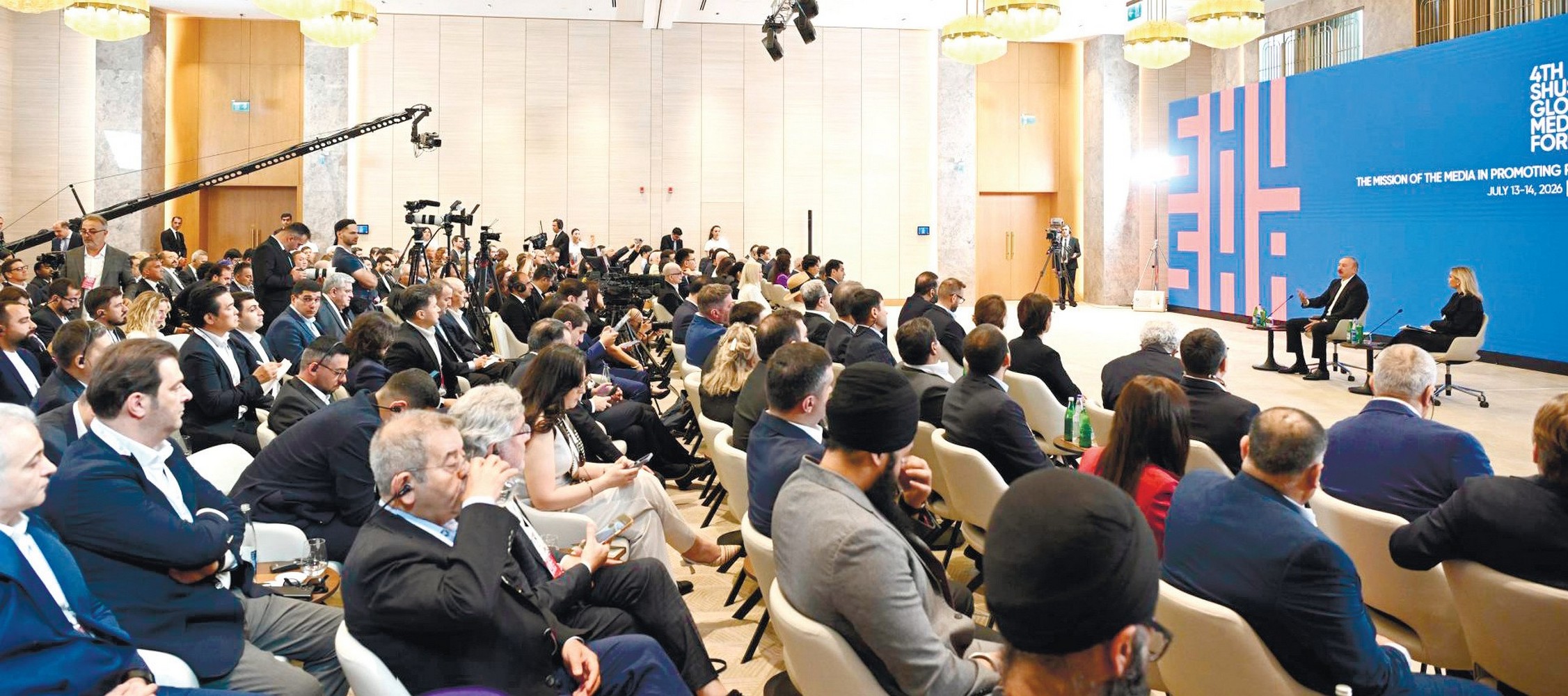
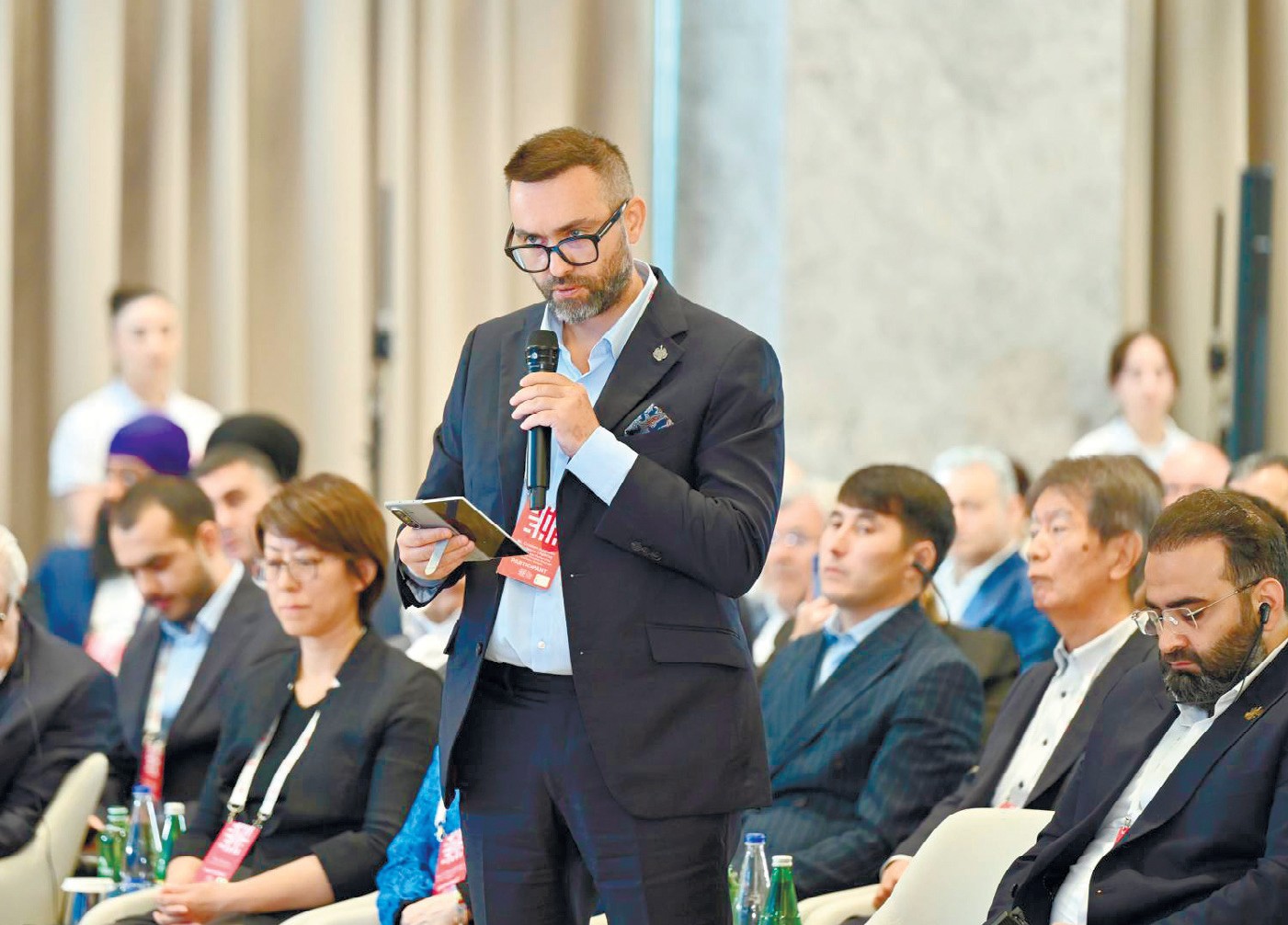
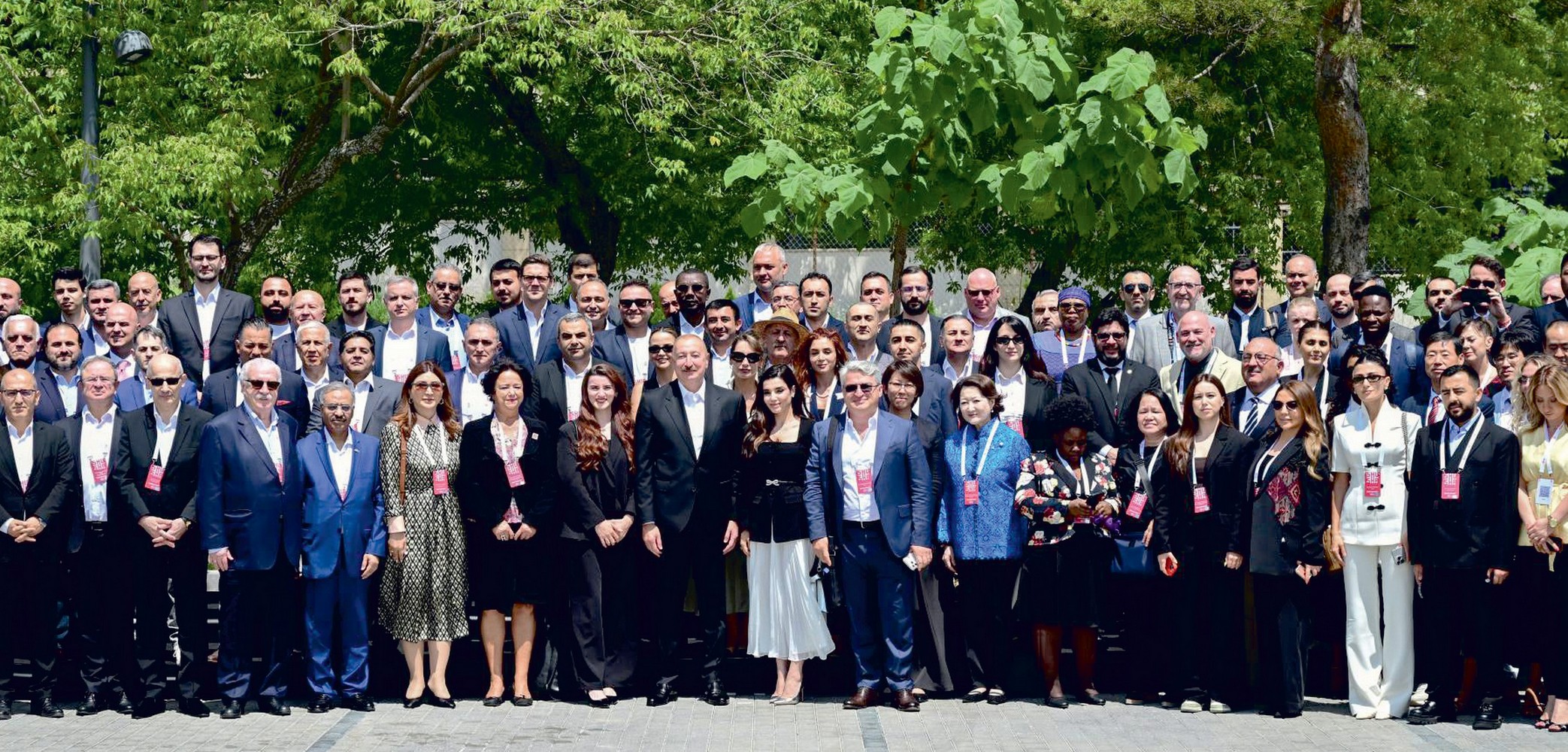
The Shusha Global Media Forum has rapidly become one of the world's most respected platforms for discussing the future of the global media environment. What was once a new international initiative by Azerbaijan is now a major player in the field. The event, which took place on 13-14 July under the theme "the mission of media in promoting peace: restoring truth and rebuilding trust", saw representatives of the international journalism community, media leaders, experts and members of international organisations gather in Shusha. The purpose of the event was to address some of today's most pressing challenges facing global media.
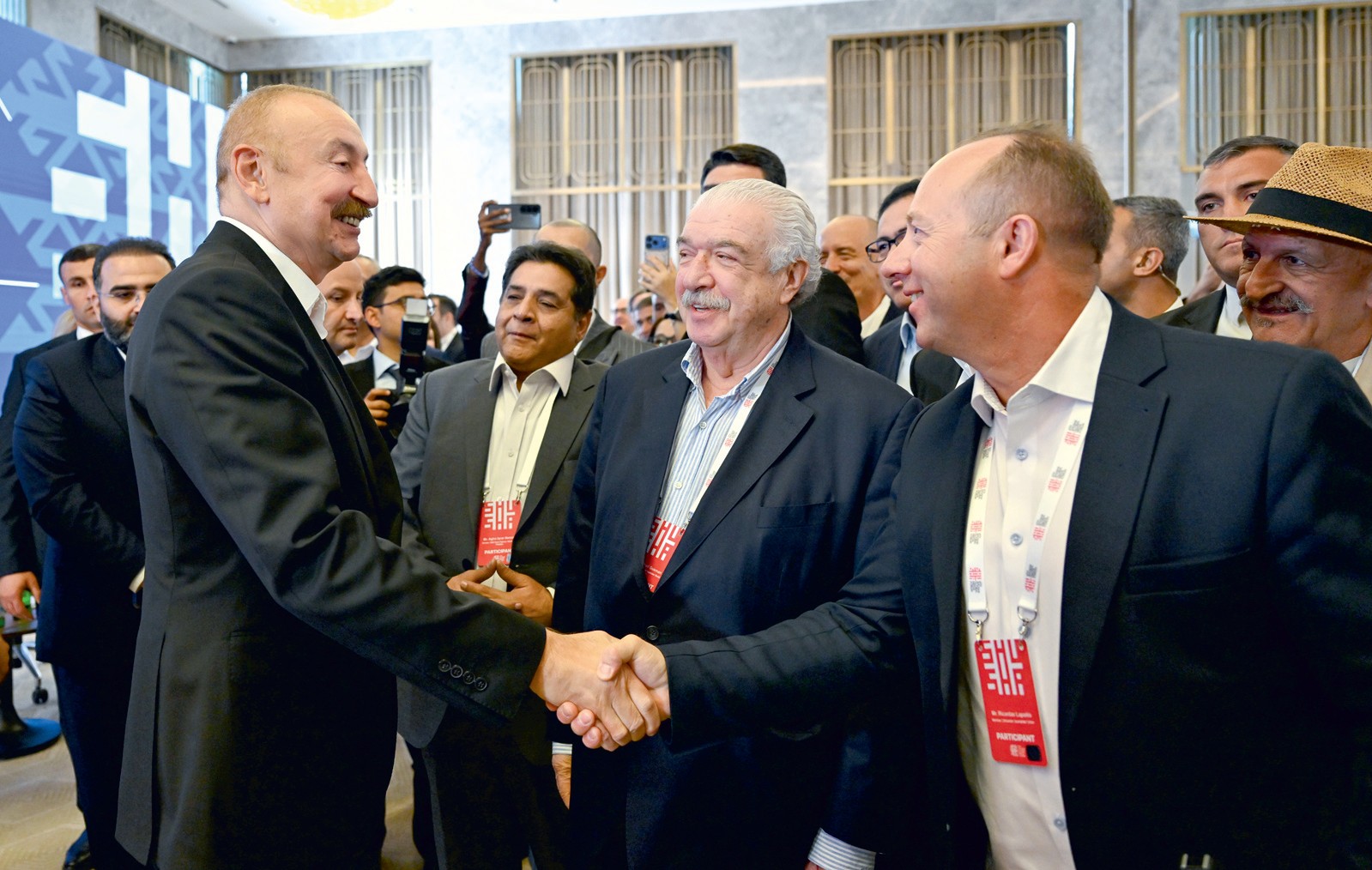
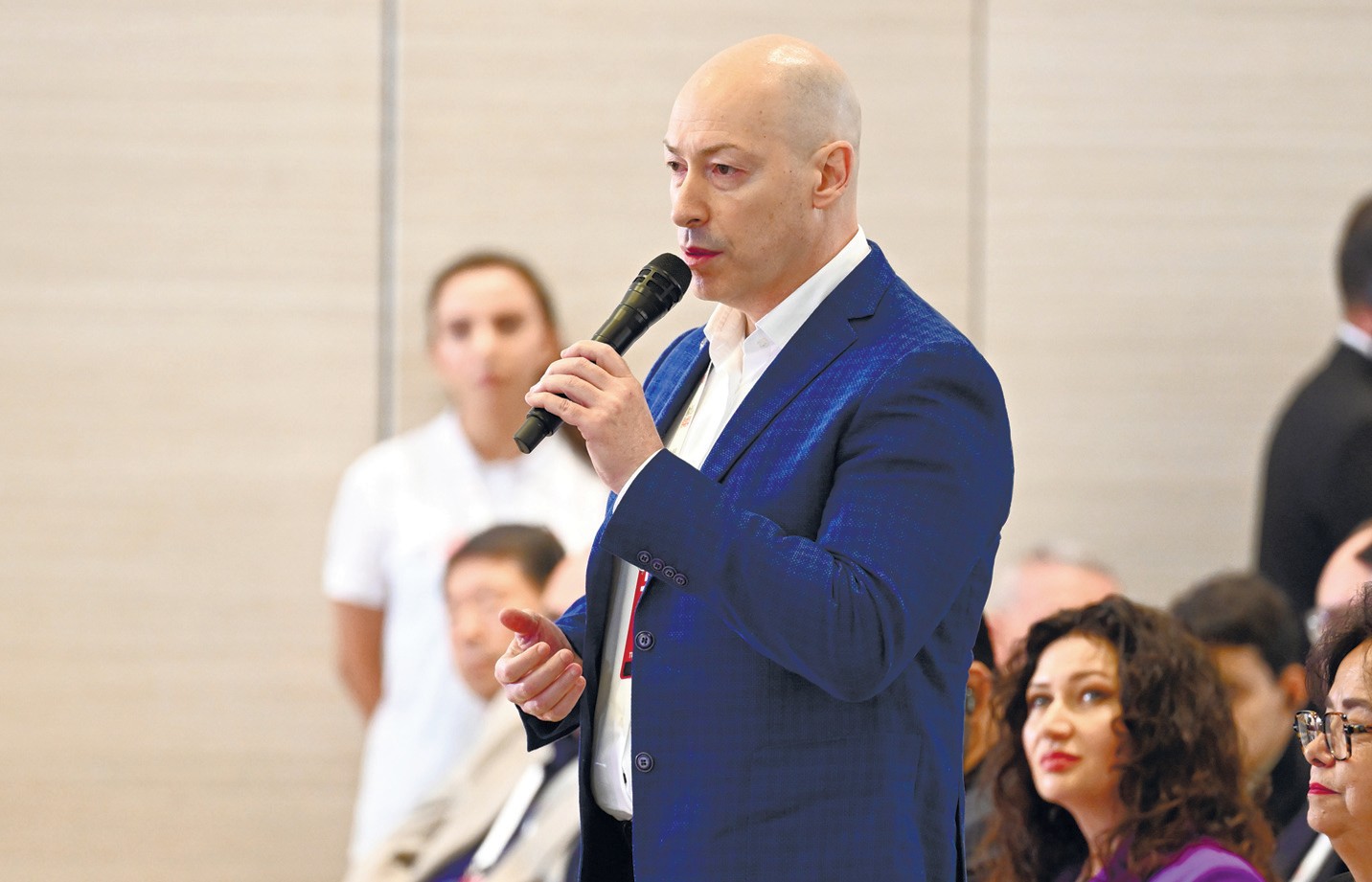
Almost 160 media professionals, experts and leaders from 53 countries took part in the forum. The event was attended by representatives from around 30 international news agencies, more than 60 leading media organisations, as well as nearly ten international bodies and companies. The programme featured panel discussions, one-on-one meetings, and interactive sessions focusing on the role of media in peace-building, international cooperation against disinformation, restoring public trust, ensuring information security on digital platforms, as well as issues of media ethics and responsible journalism in the age of artificial intelligence.
The forum's significance is clear: continuity is key. The first event took place in 2022 as the international media forum, held under the motto "global trends, new challenges in media". The Shusha Global Media Forum format was developed from this initiative. Subsequent editions directly addressed the most urgent challenges of their times: new media in the fourth industrial revolution, combating false narratives and disinformation, digital transformation, and strengthening information resilience in the era of artificial intelligence. The forum has successfully brought together 600 media representatives, experts and officials from 81 countries over the last four years. It is now firmly established as one of the leading international platforms for discussing the global media agenda.
This year's central theme is clear: promote peace through responsible journalism and rebuild trust. In a context where information serves as a tool of political confrontation and false information often spreads faster than verification efforts can catch up, trust in professional journalism is a key factor for international stability. The speech and responses of Azerbaijani President Ilham Aliyev were particularly significant, outlining Baku's main approaches to regional security issues, international cooperation, and the role of media in today's world.
Azerbaijan as a middle power
The fourth Shusha global media forum sent a clear political signal: the discussion of Azerbaijan's new role in the modern international system was a key highlight. When asked about the reasons why more foreign experts are calling Azerbaijan a middle power, President Ilham Aliyev confidently offered his own interpretation of the term. He noted that no standard criteria yet exist for such an assessment.
"I have read some analytical articles and am aware of certain experts' views that Azerbaijan is becoming a middle power," Ilham Aliyev stated. "This term recognises a country's potential—its ability to defend its national interests regardless of what major powers think or do—and its willingness to deploy all its resources should anyone attempt to harm it. This includes defence capability, both in terms of what is shown at military parades and what is proven on the battlefield."
The head of state confidently outlined the key characteristics of a modern middle power: independence in foreign policy; capacity to ensure its own security; and protection of national interests irrespective of global power centres' positions. This refers not only to internal state stability but also to genuine influence over international processes.
"And naturally," he added, "one important factor is the ability to influence events beyond one's own borders by word or statement. Azerbaijan has repeatedly demonstrated this ability. I also believe responsibility—responsibility for what happens within one's country and, to some extent, for the entire region—can be considered part of this definition."
This assessment is no coincidence. Since gaining independence, Azerbaijan has significantly strengthened its international standing. It has become a key player in Eurasian energy and transport projects, expanded its network of strategic partnerships and established itself as a state capable of engaging with various centres of power while retaining decision-making autonomy. In this context, calling Azerbaijan a middle power reflects not political ambition but a new geopolitical reality.
The President reiterated this point later during the forum, linking the country’s current international status to over thirty years of independent development.
A new architecture for the South Caucasus
Ilham Aliyev's speech in Shusha made one thing crystal clear: his vision for the future South Caucasus as a space of peace, stability and cooperation, with the region's own countries playing the leading role. Azerbaijan's President is adamant: the South Caucasus must not become a pawn in external power struggles.
Ilham Aliyev made his position clear when he stated that the South Caucasus must not be viewed as a stage for geopolitical struggle if further regional development is to be achieved. He stated that Azerbaijan successfully avoided involvement in such confrontations and did not allow itself to be used "either against another or against some unclear party". It is imperative that other countries in the region follow a similar path.
Baku's vision for the South Caucasus future is clear: it focuses on direct cooperation between regional states and a rejection of bloc confrontation politics. It is vital for countries interested in peace and stability to build individual formats of engagement with each South Caucasus nation. These must be based on respect for sovereignty and mutual benefit principles.
The President placed particular emphasis on regional cooperation formats, with a focus on the "3+3" initiative, originally designed as a forum for interaction among regional states following conflict resolution. Ilham Aliyev has confirmed that changes in the South Caucasus situation after restoring Azerbaijan's territorial integrity have affected approaches to this format.
Baku is clear: a new stage for the South Caucasus means moving on from past confrontational models. It means establishing a new relationship architecture where regional states set their own development agenda and external partners interact with them through cooperation rather than rivalry.
Ilham Aliyev also highlighted the constructive role of the United States in advancing negotiations. Washington's active participation was key to finding mutually acceptable solutions. He was clear that, while international support is important, ultimate success depends primarily on the parties' willingness to fulfil agreed commitments.
Restoring transport links is another crucial element in the region's future architecture. Opening the Zangezur corridor will be an economic and geopolitical game-changer, transforming relations across the South Caucasus.
"The corridor's launch will completely reshape transport connections within the region, strengthening security throughout the South Caucasus. We need this now. It will undoubtedly boost optimism regarding cooperation in the South Caucasus. We are therefore very grateful personally to President Trump and his team," Ilham Aliyev said.
World order changing
The Shusha Global Media Forum made one thing crystal clear: transformation within today's international system is going to be a top priority. President Ilham Aliyev was direct in his response to journalists' questions, emphasising that the world has entered a period of significant geopolitical shifts. He made it clear that the old mechanisms for security and international cooperation no longer fully meet new challenges.
The head of state stated that it is clear that there is a transition towards a new world order model characterised by greater emphasis on independent foreign policy, national resilience, and states' ability to protect their interests autonomously. It is clear that countries able to engage with multiple centres of power without joining political blocs or sacrificing national interests are particularly sought after today.
President Aliyev was clear in his address to the Russian-Ukrainian conflict. He reaffirmed Azerbaijan's consistent stance and reiterated support for fundamental principles of international law: "Azerbaijan has always supported and will continue to support Ukraine's territorial integrity and sovereignty."
At the same time, he presented a thought that became one of the forum's most striking points and went beyond Ukrainian issues. He addressed the Ukrainian people directly, saying: "As I said last year, I'm telling you again today: do not accept conflict. That is precisely what they are doing."
These words reflect not only Azerbaijan's position on Ukraine but also its approach to respecting states' territorial integrity and sovereignty principles. In this context, Baku firmly advocates respect for sovereignty and opposes any attempt to alter internationally recognised borders by force.
In this context, President Aliyev also made clear his intention to reform international relations systems. Many international institutions are currently facing significant challenges and must adapt to new geopolitical realities. States capable of conducting independent and pragmatic foreign policies while building constructive ties with various centres of power become especially important under these conditions.
This approach has allowed Azerbaijan to significantly strengthen its position on the global stage and become a notable participant in political and economic processes worldwide. As demonstrated by President Aliyev’s replies at shusha forum, this role is set only to grow amid formation of a new world order.
Energy partnership with Europe: a new level of relations
Ilham Aliyev made it clear in Shusha that energy cooperation between Azerbaijan and other countries is a top priority. The President was clear that Azerbaijani gas supplies already reach 16 countries, 14 of which are in Europe. He specifically identified Austria and Germany as emerging destinations.
He is convinced that the expansion of supply geography is a clear reflection of Azerbaijan's evolving role in Europe's energy market. "We are the global leader in pipeline gas deliveries, supplying gas to 16 countries. This volume will continue to grow," Ilham Aliyev stated.
Baku views current cooperation levels as a foundation for further expansion, not an end point. The President confirmed that ongoing talks with several European Union nations are underway to start new deliveries and increase existing volumes.
Securing long-term agreements is a crucial aspect of this strategy. These agreements will create conditions for investment in increased production and export infrastructure expansion. Azerbaijan regards energy cooperation with Europe as a long-term strategic partnership extending beyond individual contracts.
Shusha as a platform for new dialogue
The media forum demonstrated beyond doubt how issues around information, international politics and global security are increasingly interconnected today. In a time of major global transformation, the role of the media is much more extensive than simply delivering news. They are spaces where perceptions about ongoing processes are formed, where new challenges are debated and where international dialogue is constructed.
Shusha is the obvious choice as the forum venue. This city, long symbolic of conflict, is now a place for international meetings, opinion exchange and future-oriented discussions.
President Ilham Aliyev's address at the forum made it clear: Azerbaijan's main foreign policy and economic strategies are to strengthen partnerships with European nations, develop transport and energy links, promote regional cooperation and shape a new reality in the South Caucasus.
The Shusha Global Media Forum is of paramount importance. It brings together media representatives and serves as a platform for discussing processes far beyond information spheres. In an era where competing narratives become part of international politics, such platforms assume vital roles.
Shusha is the place where history, the present day and the future converge. Holding this forum here is a clear sign of the region's transformation. The South Caucasus is moving away from confrontation and embracing dialogue, communication and new opportunities.
RECOMMEND:
 170
170

