

VIVA ESPAÑA!
On the biggest World Cup in history

Author: Sanan SHAFIZADE
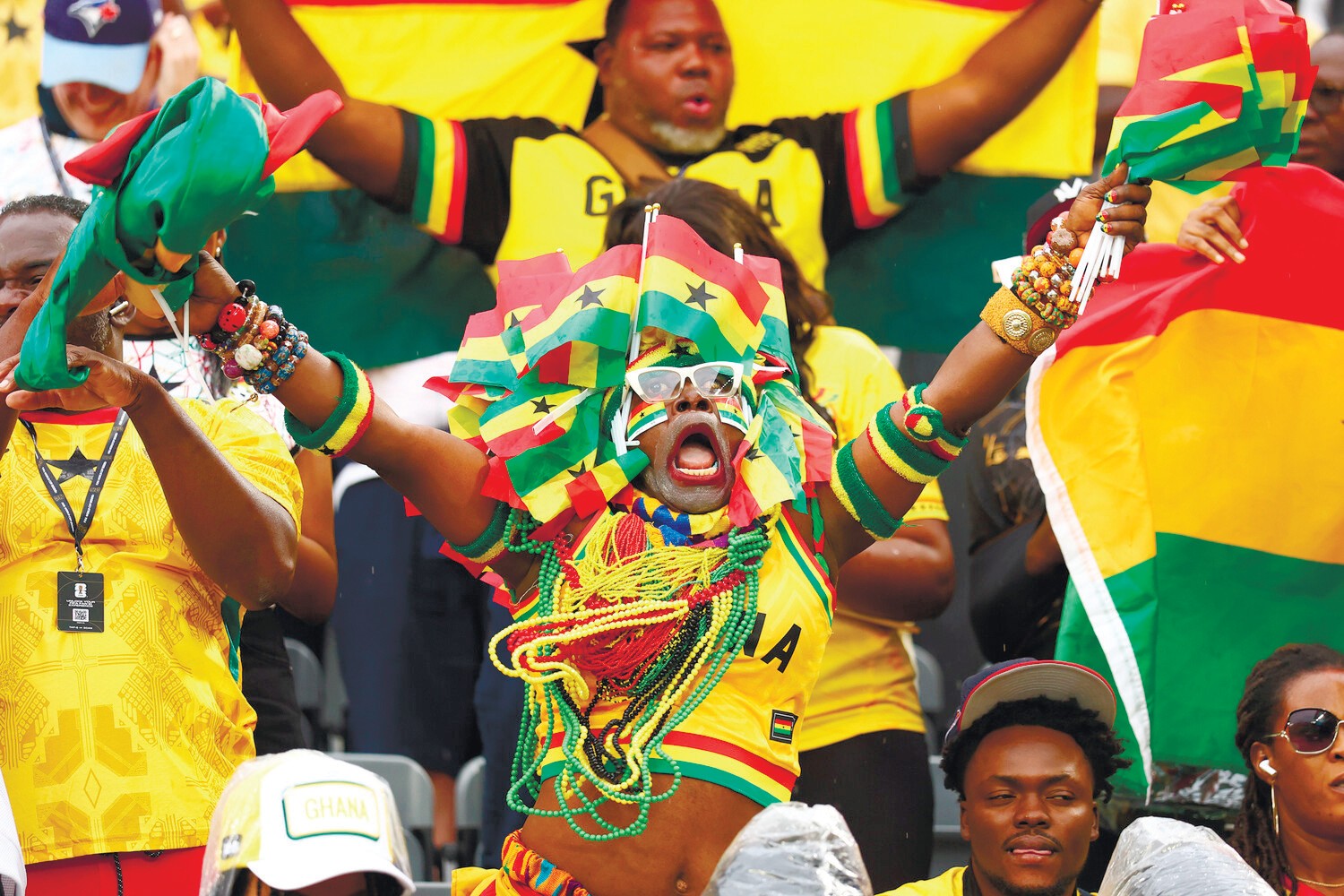
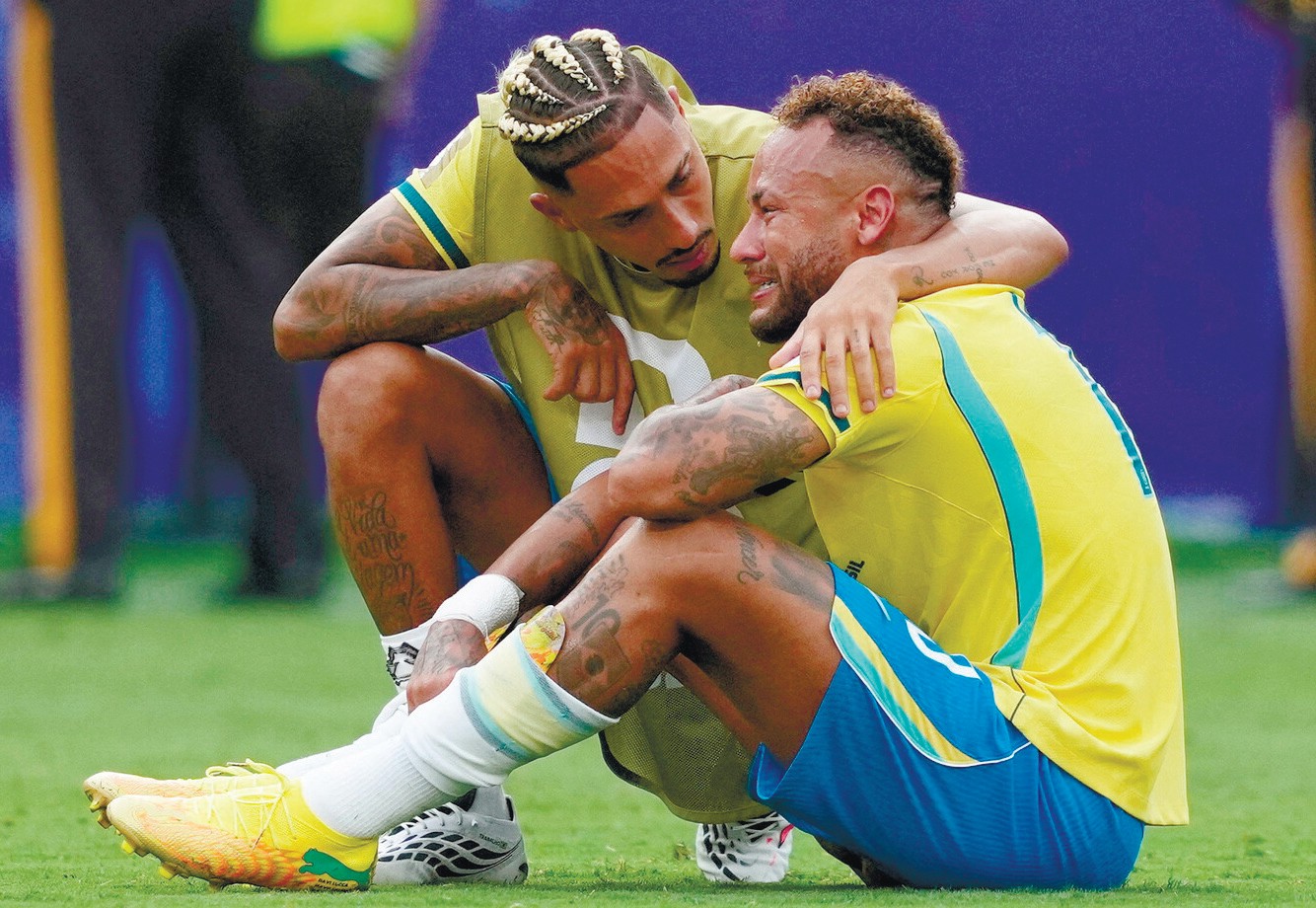
The year 2026 will be remembered as the beginning of a new era in world football. The tournament, which was held for the first time with 48 national teams and organised jointly by three countries—the USA, Canada and Mexico—has become an event that will be talked about for a long time to come. This is not only because of the sporting results, but also because of the scale of the organisation and the numerous innovations.
A new era of records
The long-standing traditional 32-team format is now being phased out. Following a decision by FIFA, the number of participating teams was increased to 48, and the number of matches rose from 64 to 104. The teams were divided into 12 groups of four. The top two teams in each group automatically qualified for the knockout stages, and the eight best teams that had finished no higher than third also qualified.
Following a review of the schedule, it was decided to extend the duration of the tournament by 39 days. In order to be victorious, teams were now required to participate in eight matches as opposed to seven. For the first time, matches were held simultaneously across 16 cities in three countries. There were more than 60 matches in the United States, with the final being held at a stadium in the New York/New Jersey area.
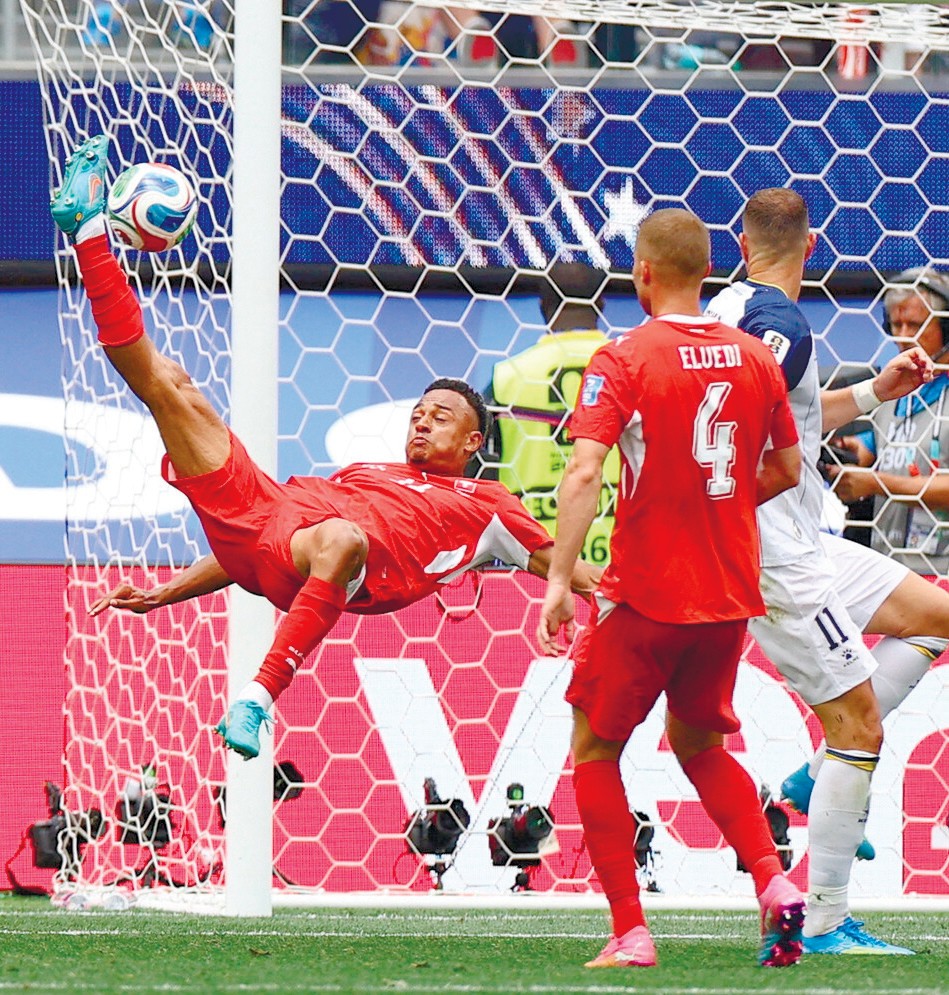
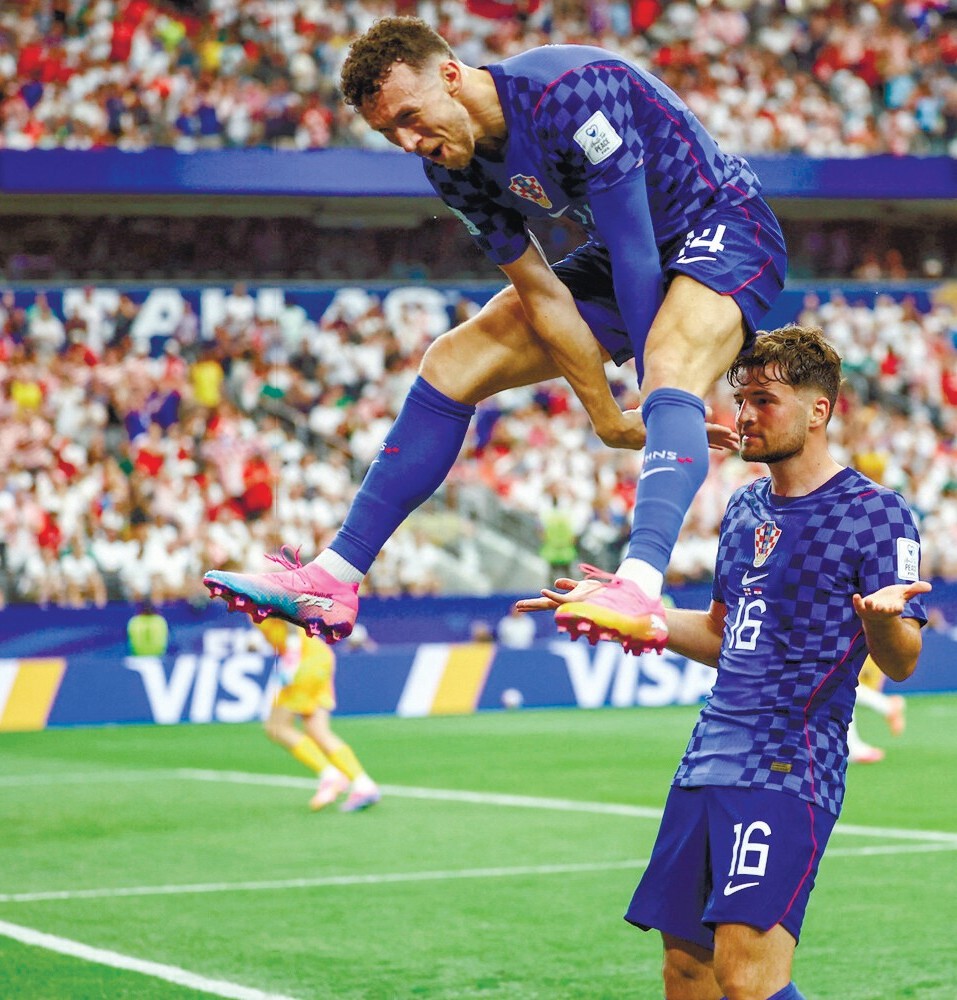
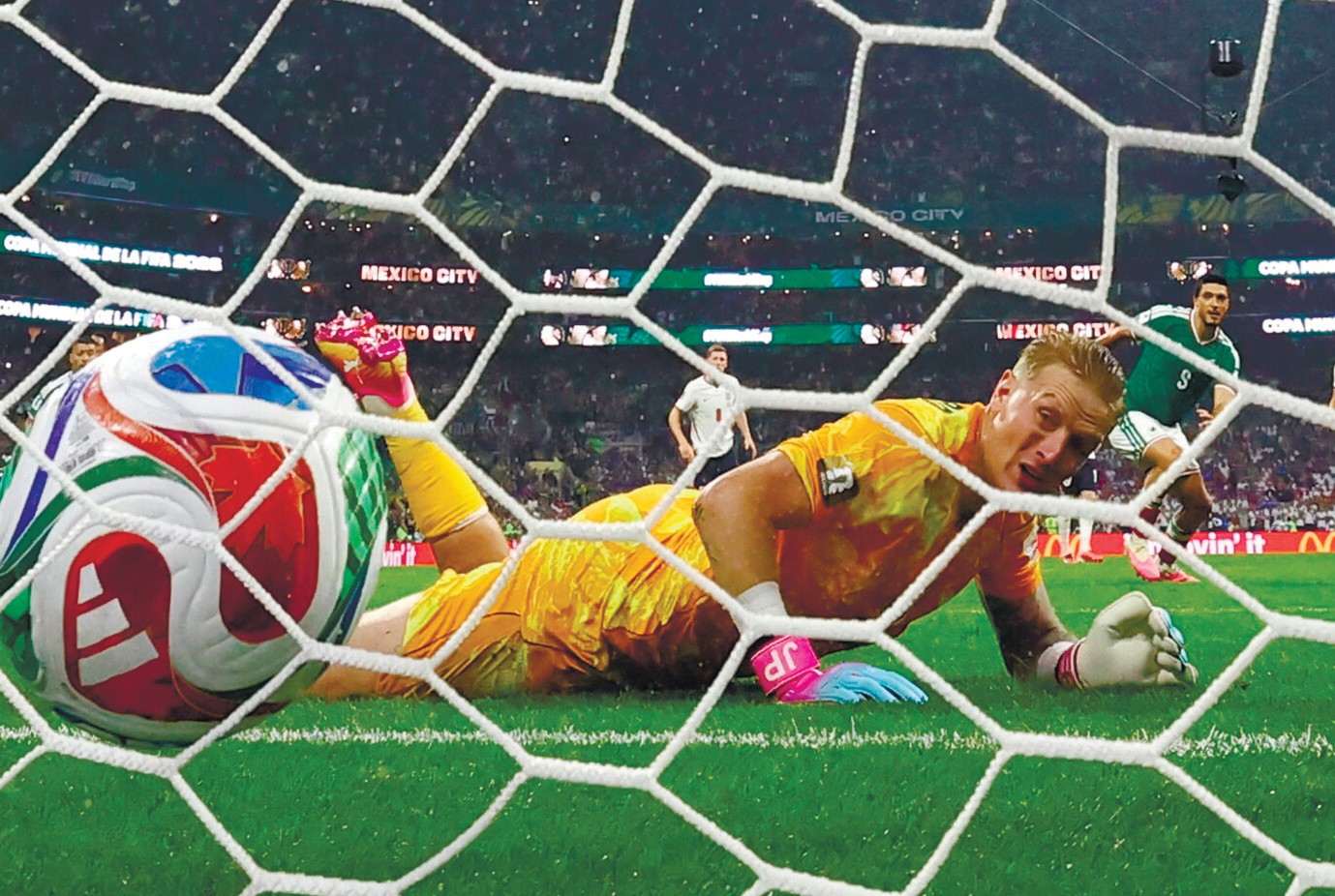
Undoubtedly, the World Cup will be remembered for its high-scoring nature. A total of 308 goals were scored during the tournament, which is an all-time record in the history of the World Cup.
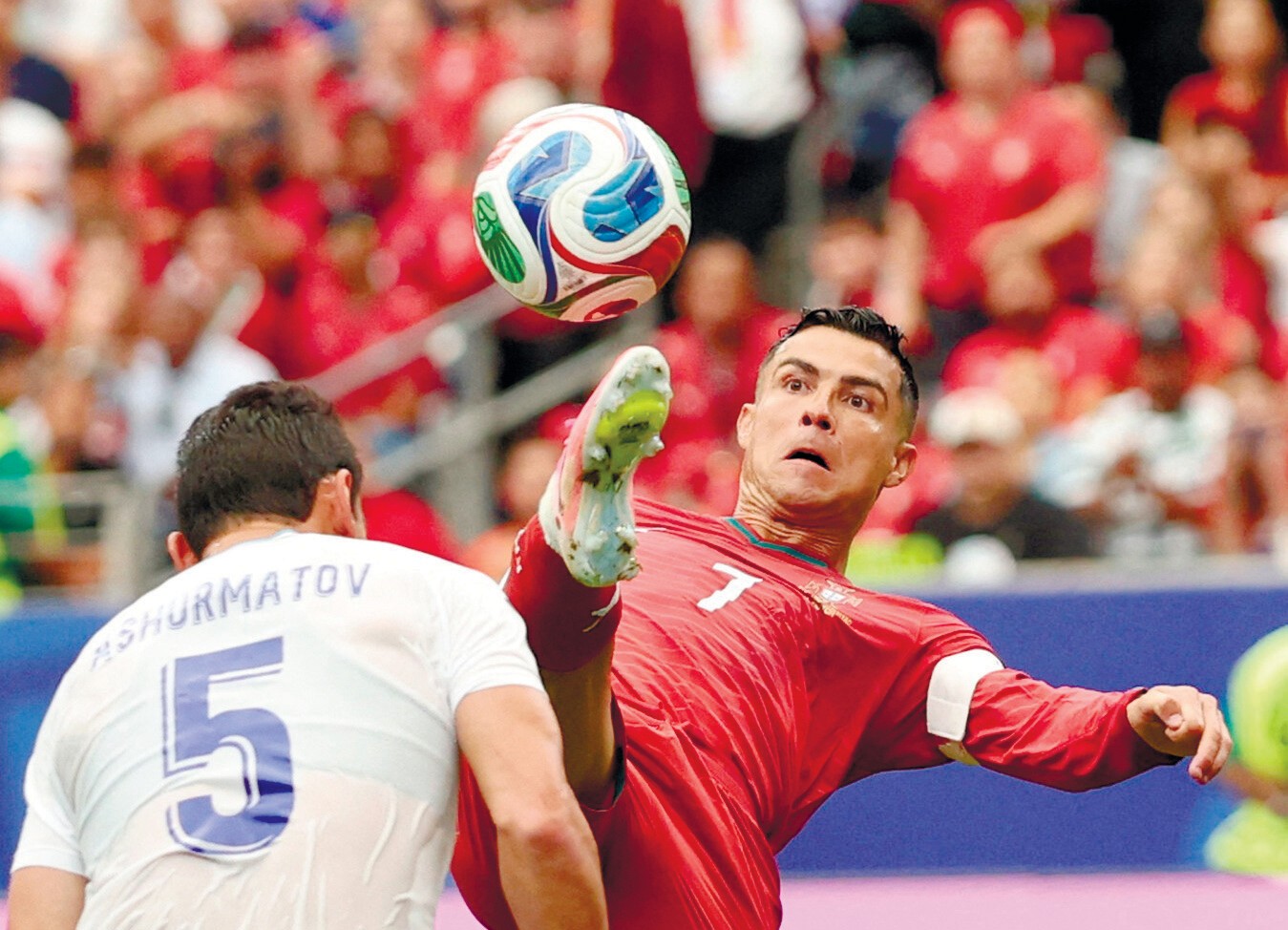
Statistical analyses indicate that this tournament featured the oldest starting line-ups on record. Faced with immense pressure and the unprecedented scale of the competition, managers tended to rely more on experienced players with strong mental resilience than on young talents. A notable example was the 40-year-old Cape Verde goalkeeper Vozinha, who demonstrated consistent high performance throughout the tournament. The 39-year-old Lionel Messi and the 41-year-old Cristiano Ronaldo also provided fans with memorable moments.
A demanding schedule, long flights, high temperatures and an increased number of matches meant that managers had to make the most of their right to make five substitutions. It is becoming increasingly evident that the players who replace the starting line-up from the substitutes' bench are becoming the heroes of the matches. Their influence on the outcome of games is proving to be significantly greater than at previous World Cups.
Champions and newcomers
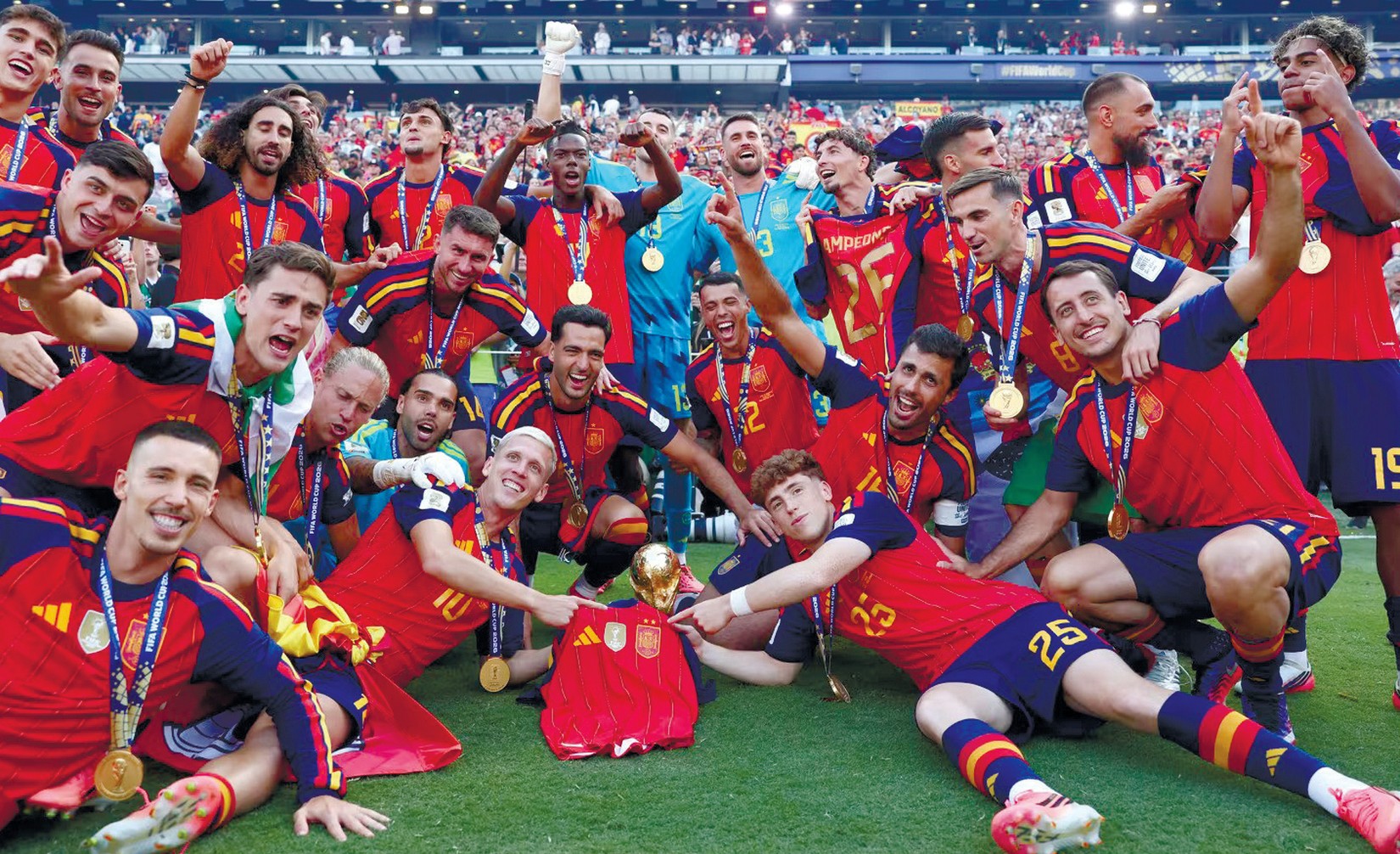
The fact that Spain, Argentina, France and England—the top four teams in the FIFA rankings—reached the semi-finals confirmed that the world's strongest teams had made it through to the knockout stages. In the final, Spain emerged victorious over Argentina with a 1–0 score line in extra time, securing their second world championship title.
The new format of the tournament saw the debuts of teams such as Jordan, Uzbekistan, Curaçao and Cape Verde, adding considerable colour to the event. The small island nation of Cape Verde made a particularly strong impression. The team drew with Spain and Uruguay, and then, in the round of 32, gave Argentina a run for their money right up until the end of extra time, emerging as one of the tournament's biggest surprises.
It is also worth noting the success of the Norwegian national team, which, under the leadership of Martin Ødegaard, reached the quarter-finals for the first time.
Hosting the tournament in North America brought significant economic success to the organisers, but also presented a number of challenges. Teams and supporters had to travel thousands of kilometres across four time zones. The players faced significant challenges when travelling from the cooler climate of Vancouver to the hot and humid conditions of Miami. Due to adverse weather conditions, several matches commenced behind schedule. In some cases, it was necessary for the games to be temporarily halted in order to mitigate the risk of lightning strikes.
Incidentally, the tournament was met with criticism from some traditional football fans, who felt it was too similar to American sporting spectacles. The event was marked by a significant show, and the dynamic ticketing pricing system further highlighted the increasing commercialisation of global football.
For the first time in the history of the World Cup, there were mandatory drink breaks midway through each half, during which television broadcasters were able to air additional adverts.
Despite the high cost of tickets and organisational challenges, the World Cup attracted a record audience—over 6.6 million spectators in the stadiums.
Key takeaways
The 2026 World Cup confirmed that modern football has evolved into a global event with significant commercial and cultural impact. Today, it is the largest global event, with a unifying effect on continents, industries and cultures.
Spain's tactical discipline and the selfless play of the underdogs serve to highlight the fact that the spirit of football remains the crowning glory of world championships. Lamine Yamal secured his second world champion title, while the Spanish national team demonstrated clear dominance and tactical prowess throughout the tournament. Due to excellent performances in midfield, swift attacks and a highly effective defence, the Spanish team secured a 1–0 victory over Argentina in extra time at the World Cup final. Over eight matches, the team conceded just one goal, demonstrating the tournament's most reliable defence.
Argentina demonstrated a strong performance, coming close to defending the title they had won four years earlier. During the tournament, the team demonstrated their resilience and confidence, successfully reaching the final. However, in the decisive match, they were unable to contend with the agile and high-energy style of the Spanish team.
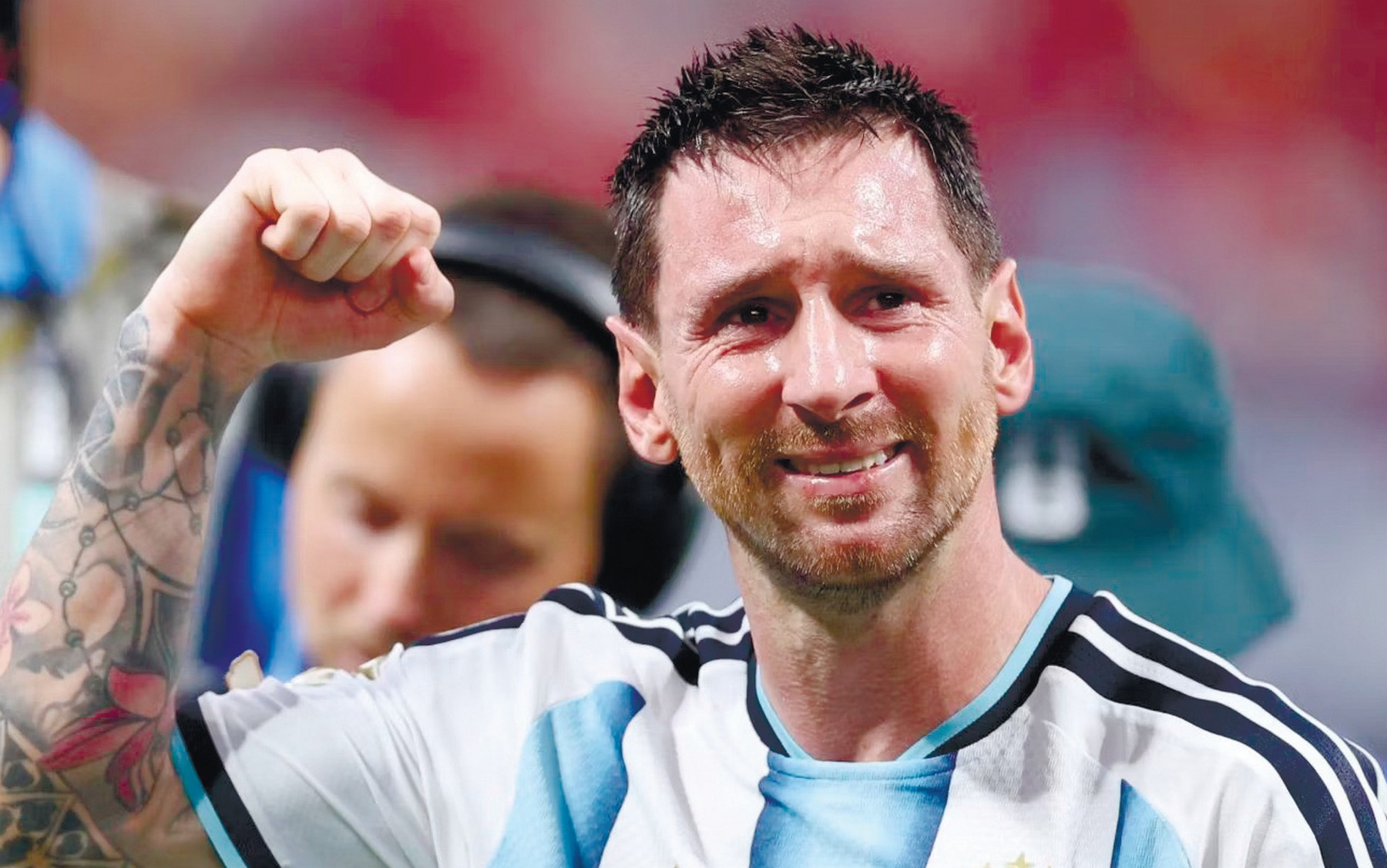
Special recognition is due to Lionel Messi, aged 39, who once again demonstrated his role as the team's key leader during the matches against Egypt and England. Due to his performance, the Argentines were able to successfully alter the course of the matches on two separate occasions, effectively transforming defeat into victory.
The semi-finalists, France and England, were also considered the main favourites for the tournament. Despite their confident progression to the last four, they were unable to overcome the challenges presented by Spain and Argentina.
It is clear that Norway's performance in the tournament has been a major success. The team displayed mature and well-balanced football, reaching the quarter-finals for the first time in their history.
The Cape Verde national team, however, was rightly hailed as the tournament's biggest revelation. Due to the expansion of the field, the small island nation was given the opportunity to play in the World Cup, and it quickly won the hearts of millions of fans. Goalkeeper Vozinha became one of the tournament's biggest stars, whilst the country itself found itself in the spotlight for tourists. Following a draw with both Spain and Uruguay, the team displayed remarkable resilience in the round of 32, offering a strong challenge to Argentina until extra time.
The tournament hosts—the USA, Canada and Mexico—successfully navigated the group stage, but were eliminated in the early rounds of the knock-out stages by more experienced sides from Europe and South America, bringing their campaign to a premature conclusion.
Therefore, the football festival concluded successfully for Spain.
The 2030 World Cup
The next World Cup, to be held in 2030, will be a significant event. To mark the centenary of the World Cup, the tournament will, for the first time, be held across three continents—Europe, Africa and South America—and in six countries. This decision by FIFA represents a significant milestone in the development of international sporting culture and logistics in world football.
Spain, Portugal and Morocco will be the main hosts of the tournament. It is there that the bulk of the 104 matches will be played, including the group stage matches, the quarter-finals, the semi-finals and the final.
As a tribute to the history of the first World Cup, the opening three matches will be hosted by Uruguay, Argentina and Paraguay. The national teams of these countries will automatically qualify for the finals. Thus, six national teams—Spain, Portugal, Morocco, Uruguay, Argentina and Paraguay—will be exempt from the qualifying rounds by virtue of their status as tournament hosts.
Interestingly, FIFA is already considering the possibility of further expanding the World Cup. According to unofficial reports, as many as 68 national teams could take part in the 2030 World Cup.
RECOMMEND:
 79
79

