

DALYAN—TÜRKIYE’S VENICE
Where the river meets the sea, and nature and history blend in harmony

Author: Elchin HUSEYNOV, Baku–Dalyan–Baku
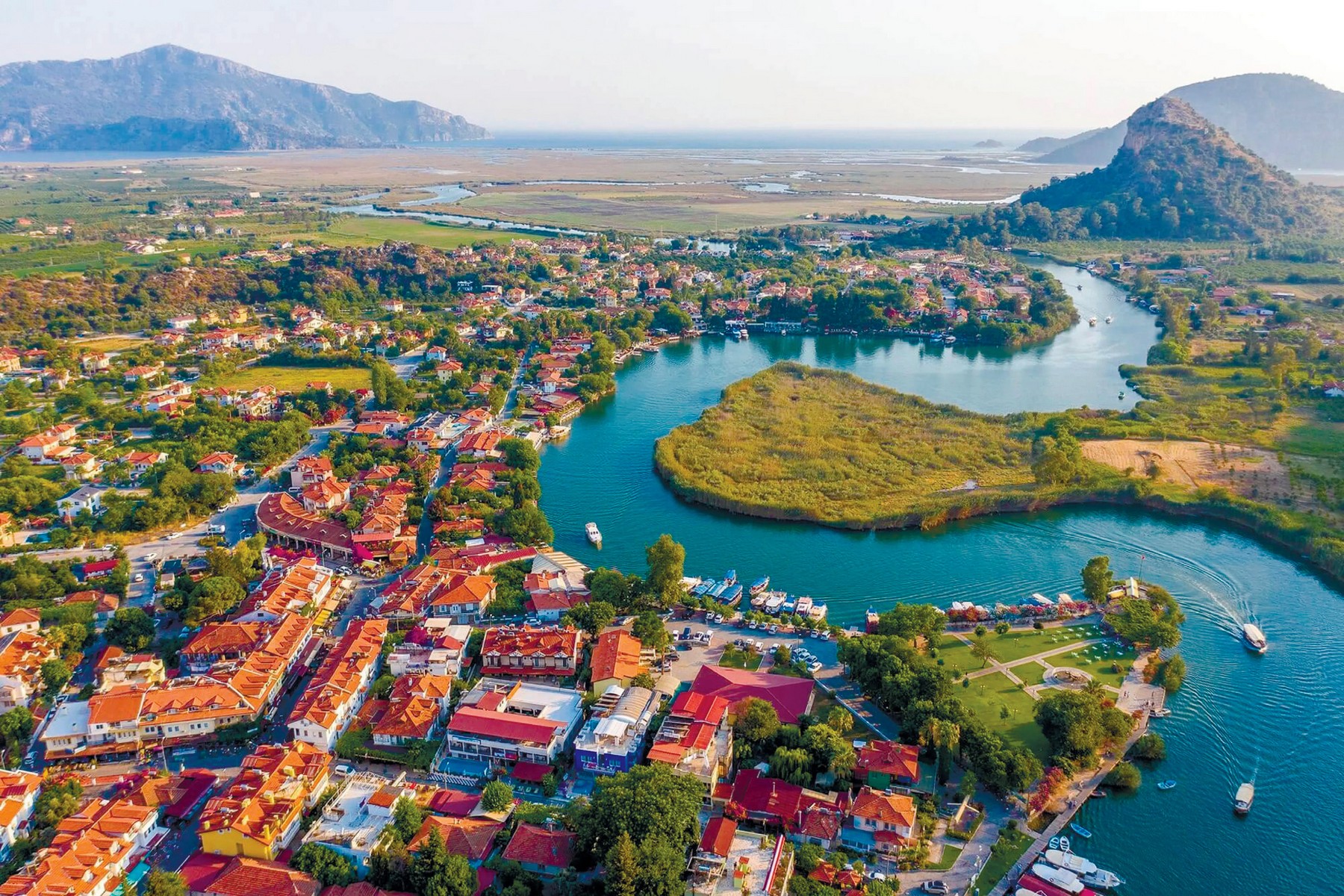
Dalyan is a small resort town on Türkiye’s Aegean coast, located not far from Dalaman International Airport. Unlike the noisy resorts dominated by high-rise hotels, it has retained the atmosphere of a quiet provincial town, where life revolves around the river of the same name. The river connects freshwater Lake Köyceğiz with the Aegean Sea, forming a picturesque delta with numerous channels and dense reed beds. As a result, Dalyan is considered one of Türkiye’s most unusual destinations, where ancient monuments, a nature reserve, the famous Iztuzu Beach and the habitat of rare loggerhead sea turtles exist within just a few kilometres of one another.
How to get there, when to go and where to stay
Dalyan is located in south-western Türkiye, approximately 30 kilometres from Dalaman Airport, so the journey takes only 30–40 minutes after landing. Travellers can get there by bus, taxi, private transfer or hired car. The last option is particularly convenient for those planning to visit other resorts in the region during their holiday.
The town lies roughly halfway between Fethiye, 70 kilometres away, and Marmaris, approximately 90 kilometres away. Many travellers therefore combine a stay in Dalyan with trips to these popular resorts, as well as to the famous Ölüdeniz Beach, Saklıkent Gorge or the ancient city of Knidos.
The best times to visit are considered to be May to June and September to October. During these periods, air temperatures generally range from 25 to 32°C, the sea is already warm enough for swimming, and the summer heat has either not yet reached its peak or is beginning to subside. July and August are also suitable for a holiday, although daytime temperatures often exceed 35°C.
Unlike Bodrum, Marmaris, Fethiye and Antalya, Dalyan remains one of the lesser-known resorts in Türkiye. There are no huge hotel complexes, noisy nightclubs or crowded beaches. This is precisely why it attracts people who value peace and quiet, nature and a relaxed pace of life. Despite its growing popularity, Dalyan has retained the atmosphere of a small provincial town.
Most international visitors are Europeans, particularly tourists from the United Kingdom. Many British visitors return every year and have been doing so for decades, while some have even bought their own houses or apartments and spend a considerable part of the year here. There are also many holidaymakers from Germany, the Netherlands and other European countries.
The choice of accommodation is fairly broad. There are almost no large five-star all-inclusive resort complexes. Most accommodation consists of small family-run hotels, comfortable boutique hotels, guesthouses and apartments with swimming pools. This is one of the main factors shaping the resort’s distinctive atmosphere.
When choosing a hotel, it is worth considering its location. Those who want to walk along the waterfront in the evening and visit restaurants and shops should stay in central Dalyan. Travellers seeking maximum peace and quiet may prefer small hotels on the outskirts, surrounded by gardens and orange groves. Some hotels are located directly on the riverbank and have their own jetties, allowing excursion boats to collect visitors straight from the hotel—one of the features rarely found at other Turkish resorts.
Accommodation prices depend on the season. During the low season, a double room in a good three- or four-star hotel can be found for $60–90 per night. In summer, prices are more often in the $100–180 range, while the most popular boutique hotels on the riverfront may cost even more.
Türkiye’s Venice: from ancient Kaunos to the present day
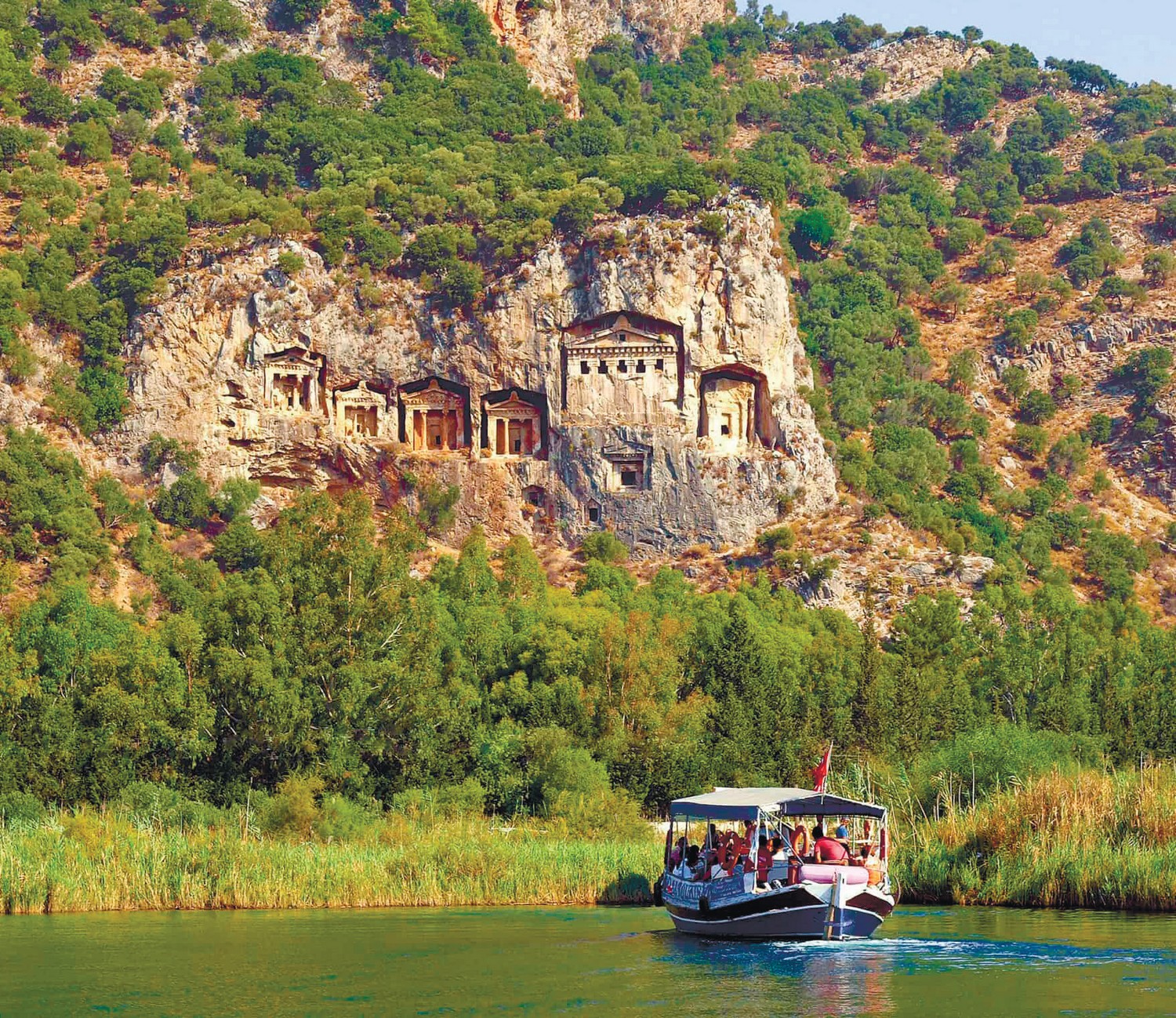
Dalyan’s history is inseparable from that of the ancient city of Kaunos, whose ruins lie on the opposite bank of the river. More than 2,000 years ago, it was a prosperous trading port that received vessels travelling along the coast of Asia Minor. Nature gradually changed the city’s fortunes, however. Over the centuries, the river deposited silt, the shoreline shifted, the harbour became shallow, and Kaunos lost its importance as a seaport. The city was eventually abandoned, and today its rich past is recalled only by the ruins of an ancient theatre, temples, Roman baths and city walls, as well as the imposing tombs carved into the sheer cliffs that have become a symbol of the entire region.
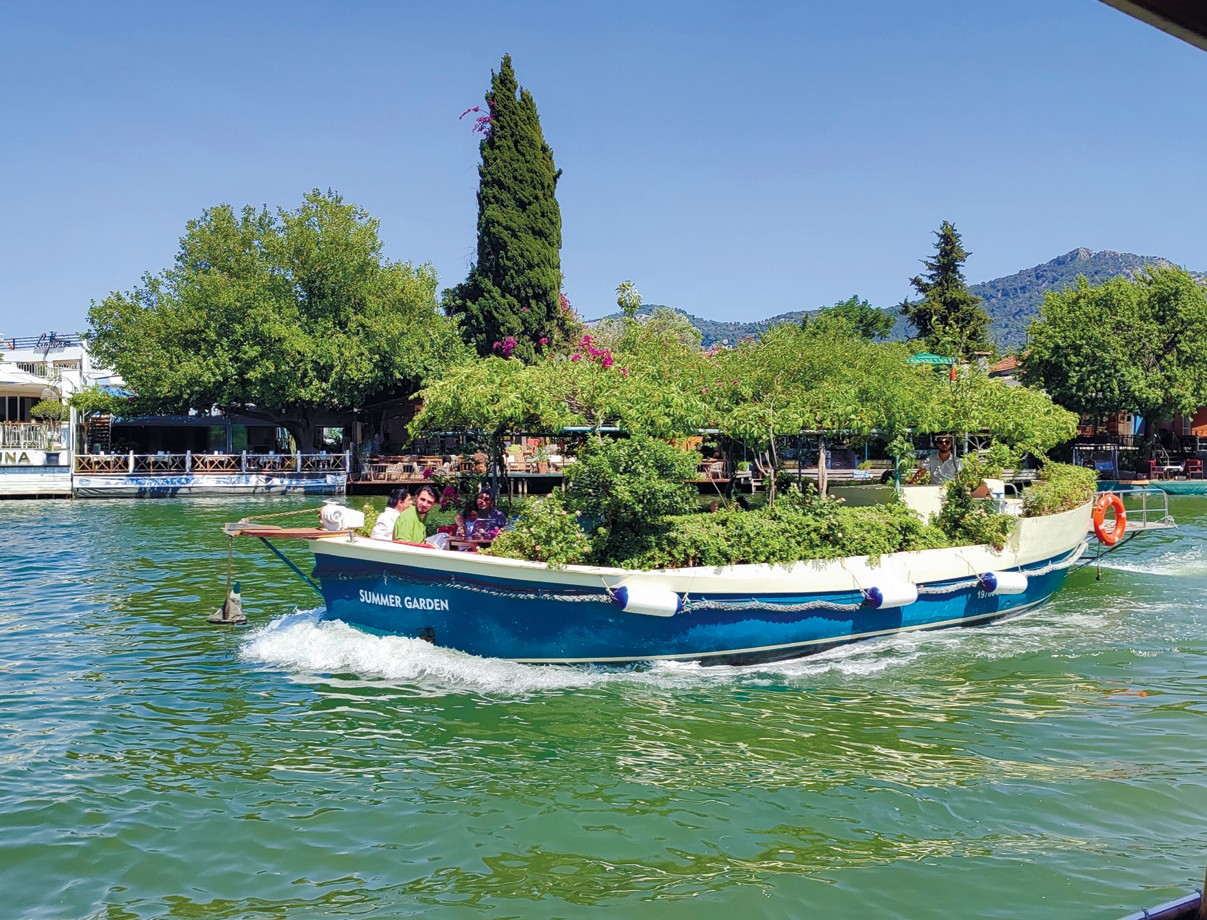
Today, Dalyan moves at a very different pace, but the river remains its main artery. From early morning until late evening, excursion boats, small fishing vessels and private motorboats travel along its calm waters. Comfortable cafés and restaurants line the waterfront, with tables positioned right beside the water and boats mooring just a few metres from diners.
It is because of the river that Dalyan is often called Türkiye’s Venice. The comparison is, of course, an approximate one: unlike the Italian city, Dalyan has no magnificent palaces, canals or gondolas. Yet water genuinely sets the rhythm of life at the resort. For local residents, boats have long been an ordinary means of transport, while for visitors they are the best way to discover the town and its surroundings.
The main journey begins on the river itself. Just a few minutes after departure, the imposing Lycian rock tombs carved high above the water come into view. Their façades resemble ancient temples and are more than 2,000 years old. When sunlight illuminates the pale rock, the ancient burial chambers appear to hover above the river.
After viewing the tombs, boats usually moor on the opposite bank, where the route to the ruins of Kaunos begins. Visitors can see a well-preserved ancient theatre, the remains of the agora, Roman baths, temples and city fortifications. Once they reach the theatre, tourists receive another pleasant bonus: a panoramic view of the winding river, the green delta and the surrounding area.
Along the river to the sea
Most tourists visiting Dalyan choose this particular excursion. In a single day, it offers the chance to see virtually all the resort’s main attractions—the ancient city of Kaunos, the famous rock tombs, therapeutic mud baths and one of Türkiye’s most beautiful beaches. Much of the route runs along the picturesque river, making the journey itself no less interesting than the stops along the way.
Leaving ancient Kaunos behind, the boat continues through the river’s winding delta. Tall reed beds form a genuine labyrinth of dozens of channels, where herons, cormorants, kingfishers and other birds can be seen amid the silence. The area is regarded as one of the most valuable natural zones in south-western Türkiye and forms part of a protected natural complex.
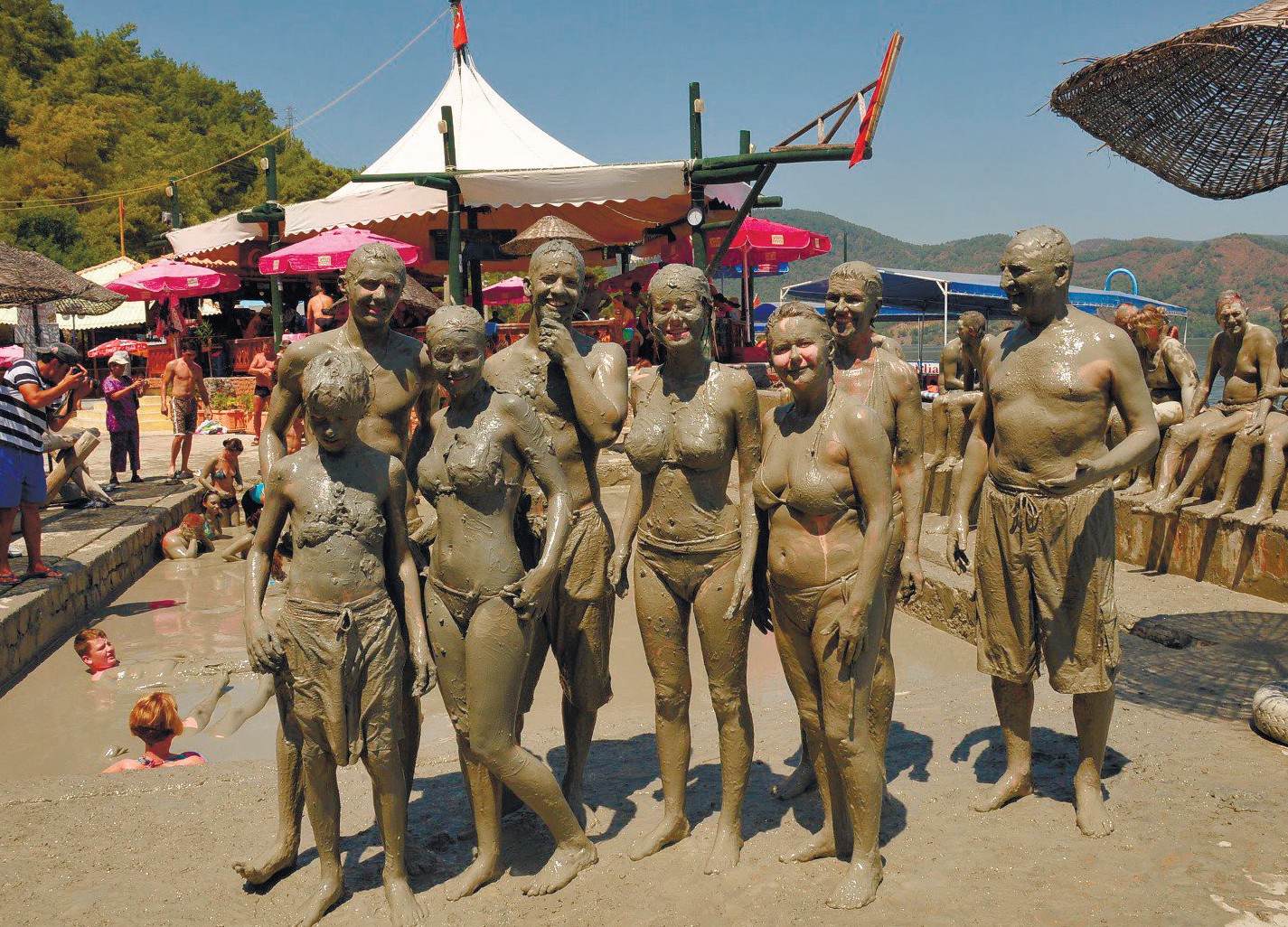
The next stop is the famous mud baths and thermal springs. This is one of Dalyan’s most popular excursions, although it is best treated as an unusual form of entertainment rather than a medical procedure. First, tourists cover themselves in thick mineral mud, wait for it to dry in the sun and then wash it off in pools of warm, sulphurous water. Local residents and many visitors are convinced that the treatment benefits the skin and the body in general. At the same time, there is no scientific evidence of any pronounced rejuvenating effect. Even so, a visit to the mud baths remains an entertaining part of the trip and consistently produces plenty of positive emotions.
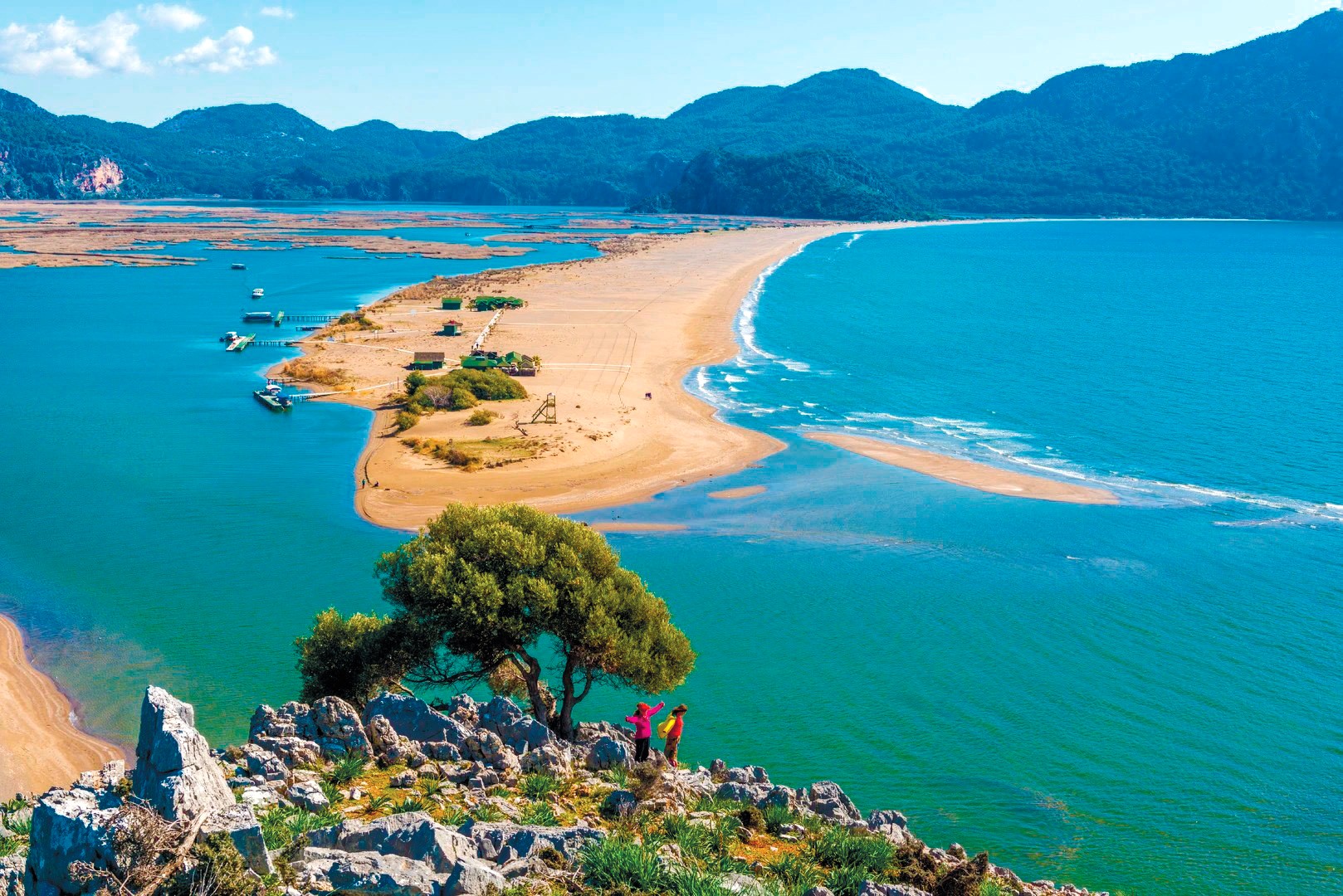
Afterwards, the boat heads towards the region’s main natural treasure—Iztuzu Beach. The sandy spit, almost five kilometres long, separates the Mediterranean Sea from the calm waters of the river delta, creating an unusual landscape rarely found elsewhere. Thanks to its fine golden sand, clear water and lack of large-scale development, Iztuzu has been regarded as one of Türkiye’s best beaches for many years.
Iztuzu became internationally famous not only for its beauty. It is one of the most important breeding grounds for loggerhead sea turtles in the eastern Mediterranean. Every summer, female turtles come ashore to lay their eggs, and several weeks later hundreds of tiny hatchlings begin their journey towards the sea. Strict environmental rules are in place to protect this unique ecosystem: visitor access is restricted during the evening and at night, while part of the beach is under special protection. The Centre for Research, Rescue and Rehabilitation of Sea Turtles also operates here, providing assistance to injured animals and conducting scientific research.
Iztuzu can also be reached by road, but most travellers recommend choosing the river route. It offers the chance to see Dalyan from its most beautiful angle—to pass between reed-covered islands, admire the ancient rock tombs once more and gradually emerge into the place where the river’s calm waters meet the Mediterranean’s azure waves.
The taste of Dalyan
After a busy day spent on the river and by the sea, the town seems to change its rhythm. As the heat subsides and the sun begins to disappear behind the mountains, the waterfront gradually fills with people. Restaurants open their summer terraces, the lights of excursion boats come on, and families and groups of friends gather unhurriedly around the tables. Many consider the evening the best time to get to know this small resort.
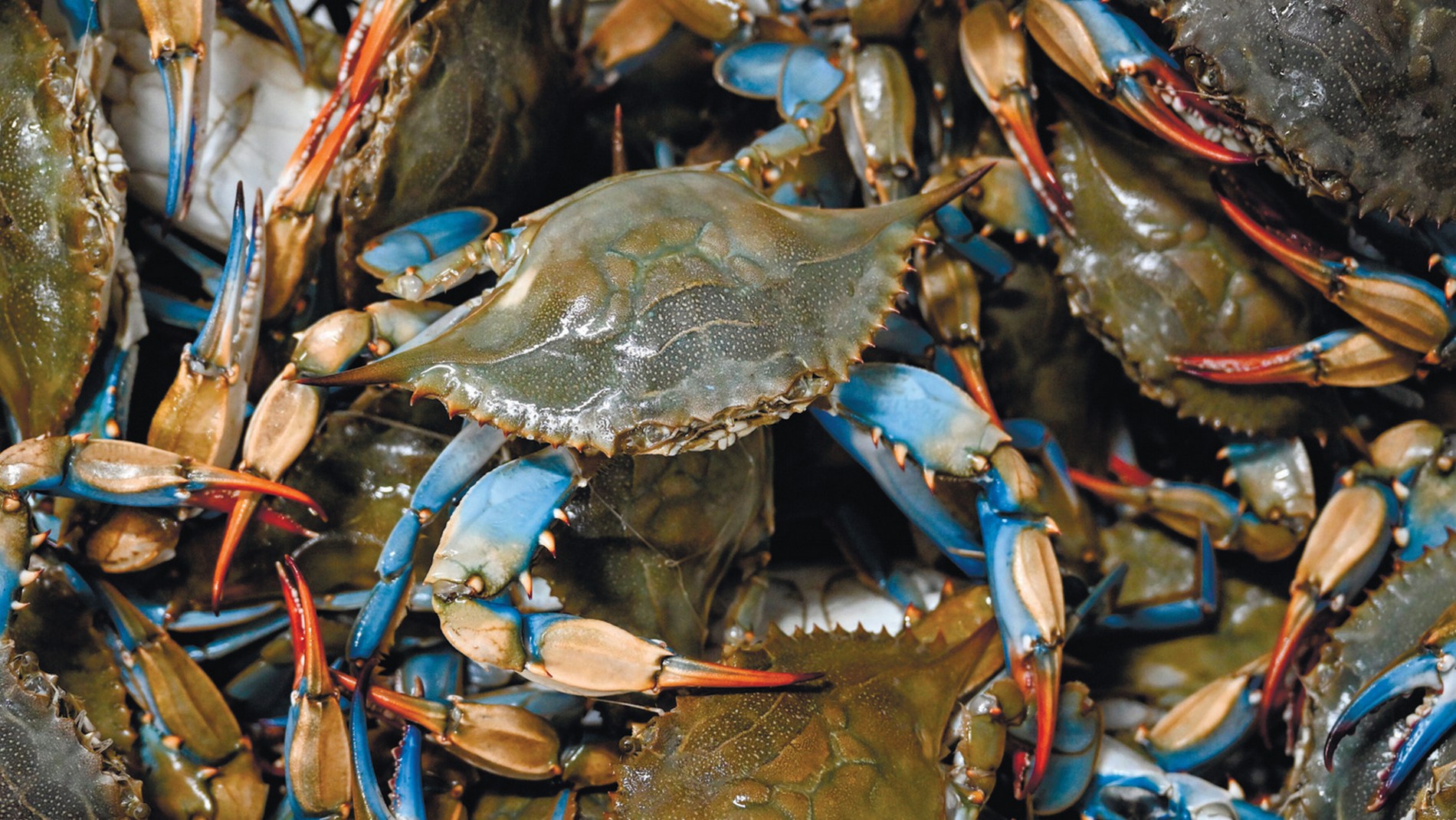
Dalyan has long enjoyed a reputation as one of the region’s gastronomic centres. Thanks to its proximity to both the sea and the river, local restaurants always offer a wide selection of fresh fish and seafood. The blue crab is particularly famous and has become a true culinary symbol of the town. It is served in a variety of ways—grilled, boiled or baked with spices. Preparing the crab is not particularly easy, however, so waiters often help guests or explain how to reach the tastiest meat.
Sea bass, gilt-head bream, squid, octopus, prawns and mussels are no less popular. Almost every dinner begins with traditional Turkish meze—small cold appetisers, including haydari, ezme, aubergine dishes, stuffed vine leaves, yoghurt-based sauces and salads made with fresh vegetables.
Most restaurants are situated along the river, so dining here becomes not only a gastronomic but also an aesthetic experience. While freshly prepared fish is being served, excursion boats pass slowly by, reflected in the still water, and the ancient rock tombs on the opposite bank gradually light up. The scene is particularly impressive after sunset and remains one of the most vivid memories of Dalyan.
Perhaps this is where the resort’s main appeal lies. Visitors come here not for noisy entertainment and endless night-life, but for leisurely walks, remarkable nature, a rich history and a sense of calm that has become a genuine luxury today. That is why many travellers who visit Dalyan once return again.
RECOMMEND:
 80
80

