

GUARDIANS OF ETERNITY
Libraries remain the foundation of culture and science in the digital age
Author: Sabira ALAKBAR
As August approaches, the world cultural calendar marks an important date: 9 August is World Book Lovers Day in many countries. On the eve of this celebration, libraries, book clubs and educational centres traditionally become venues for public readings, scholarly discussions and cultural events. It is an excellent news hook for reflection: what role does the library play in the twenty-first century, and why, despite rapid technological development, does the physical book collection remain an unshakeable foundation of national identity?
We are ensnared by the illusion of unfettered access to knowledge. The smartphone screen conveys the impression that all the wisdom of humanity is just one click away. In the context of digital abundance, there are sometimes sceptical voices raised: why maintain massive buildings and spend resources on storing piles of paper if everything can simply be "moved online"?
However, this view is not merely superficial—it is dangerous. The apparent practicality of total digitisation is based on a fundamental misunderstanding of the modern library's functions. It is not merely a storage facility for "paper carriers", but rather a strategic reserve of national security, an institutional foundation of science, and a key space of social memory.
The Azerbaijani library
The awareness of the value of the book in our country has deep historical roots. The chronicle of Azerbaijani library culture is the story of preserving the national spirit, language and scientific thought through the centuries.
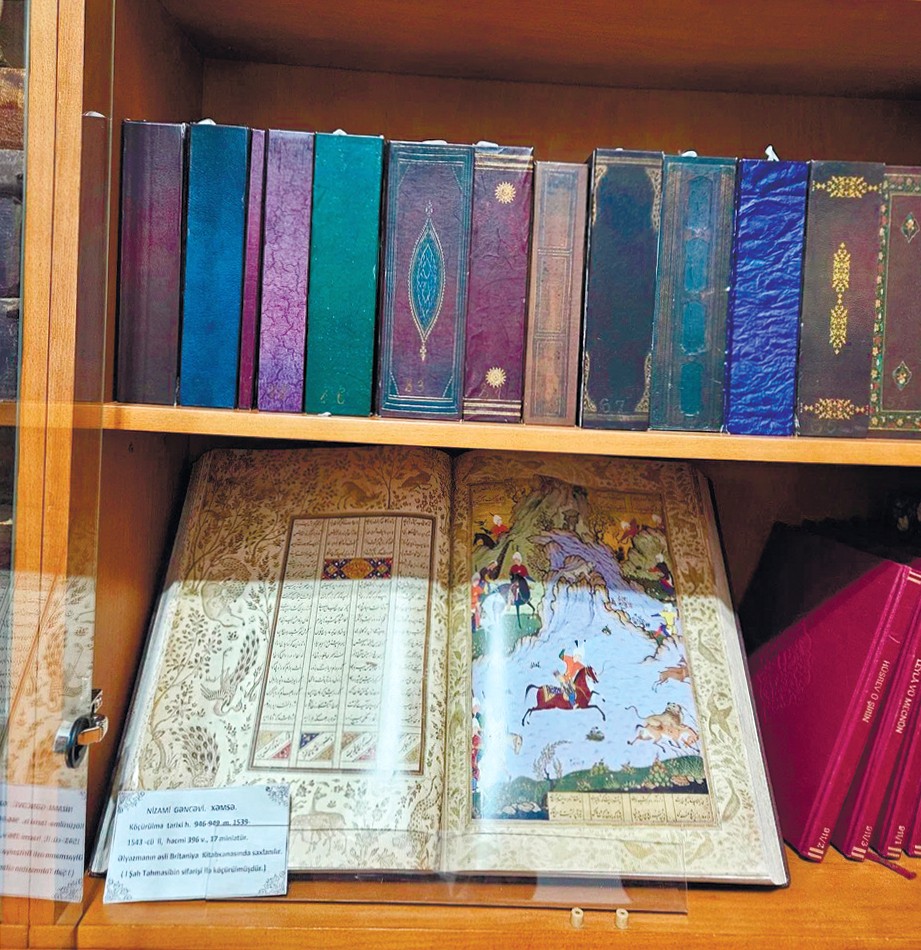
Even in the Middle Ages, the richest book collections flourished on our land. Palace and academic libraries, the famous library of the Maragha Observatory founded by Nasreddin Tusi, and manuscript collections in Barda, Ganja, Shamakhi and Tabriz attracted scholars and thinkers from across the Middle East. The book was perceived not merely as a source of information, but as a sacred vessel of thought and a work of art.
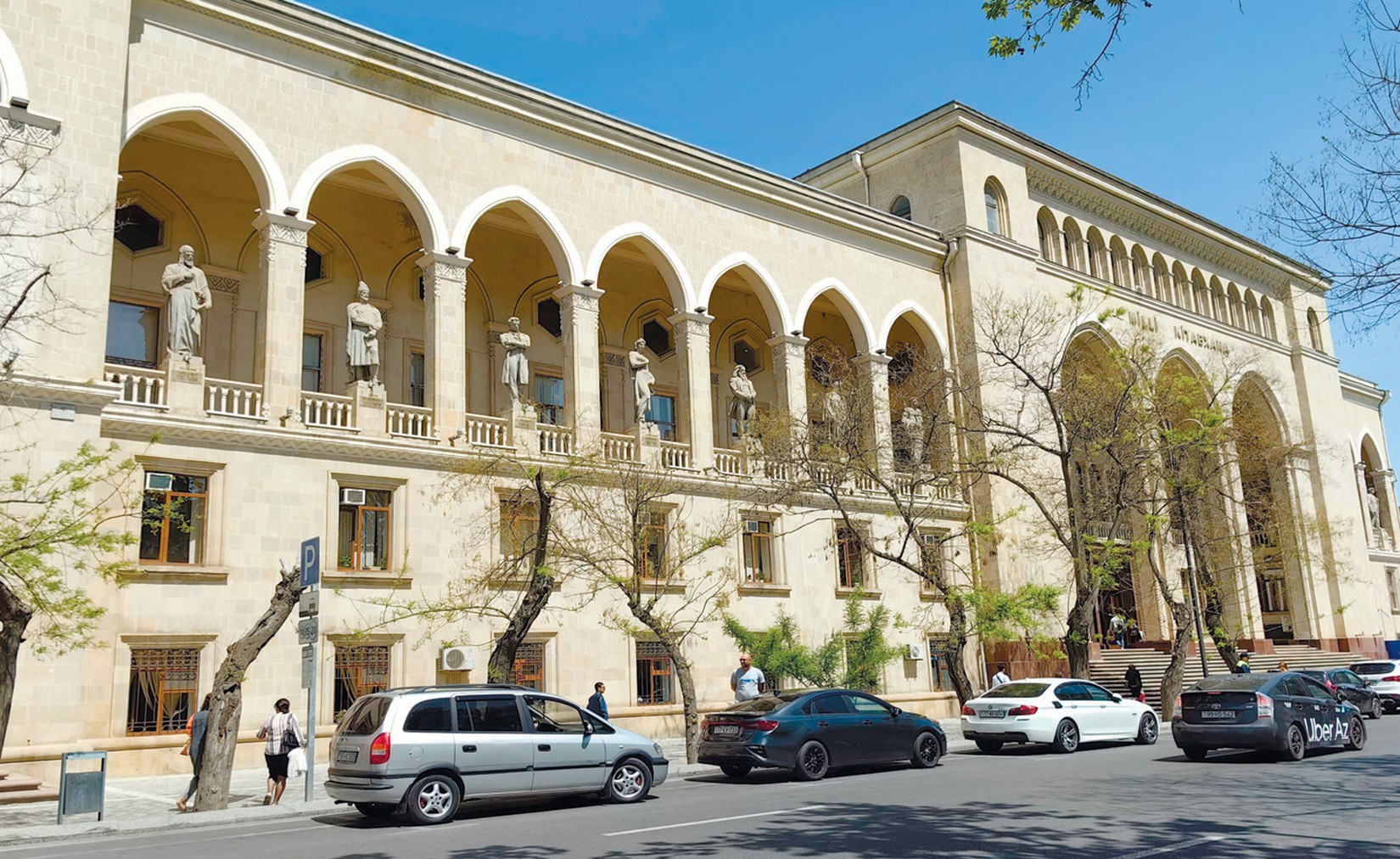
The formation of the country’s modern institutional library system also has clear historical milestones: on May 23, 1923, the official opening of the Main Library of Azerbaijan took place—now the Mirza Fatali Akhundov National Library of Azerbaijan—which today serves as the country’s main book depository and scientific-methodological centre.
In 1975–1976, Azerbaijan launched a large-scale reform to create a centralised library system, initiated by the nationwide leader of the Azerbaijani people, Heydar Aliyev, to modernise the cultural infrastructure. Before that, public reading rooms developed in isolation, which led to duplication of collections, a shortage of rare books and a lack of qualified bibliographers. The reform brought together the disparate urban and rural institutions in each district around a single Central District Library, turning the rest into its branches. This made it possible to create unified acquisitions departments, shared catalogues and a system of interlibrary lending for ordinary citizens. Thanks to centralisation, by 1982 the republic’s book stock had grown to 98 million copies, serving more than 3 million active readers. The administrative structure created in those years proved so effective that it still forms the backbone of modern librarianship in Azerbaijan.
At the present stage, the state continues to invest in library infrastructure—a striking example of this was the construction and opening of the new high-tech building of the Central Scientific Library of ANAS.
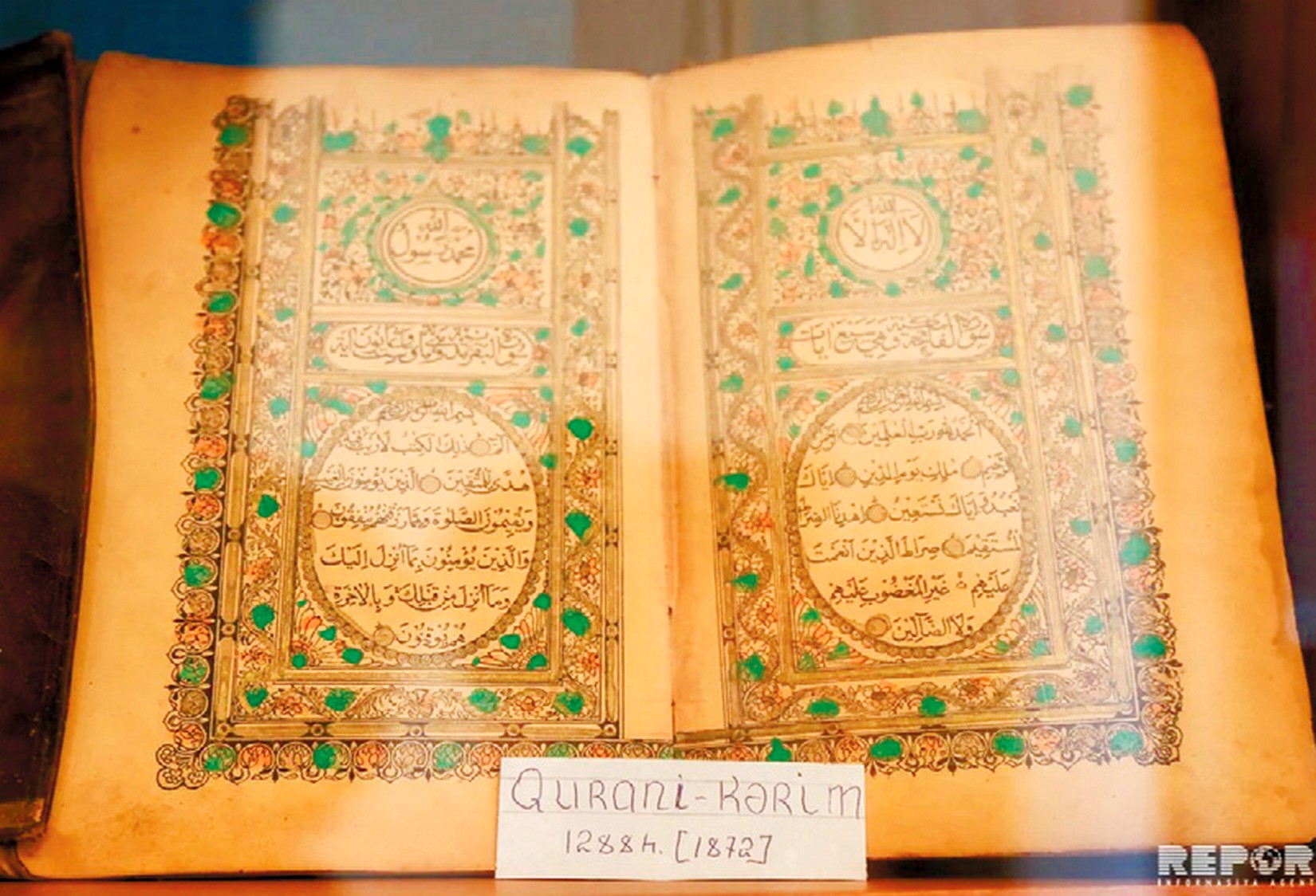
Today, the country’s leading libraries, including the collections of the Institute of Manuscripts named after Muhammad Fuzuli, hold priceless treasures in their holdings.
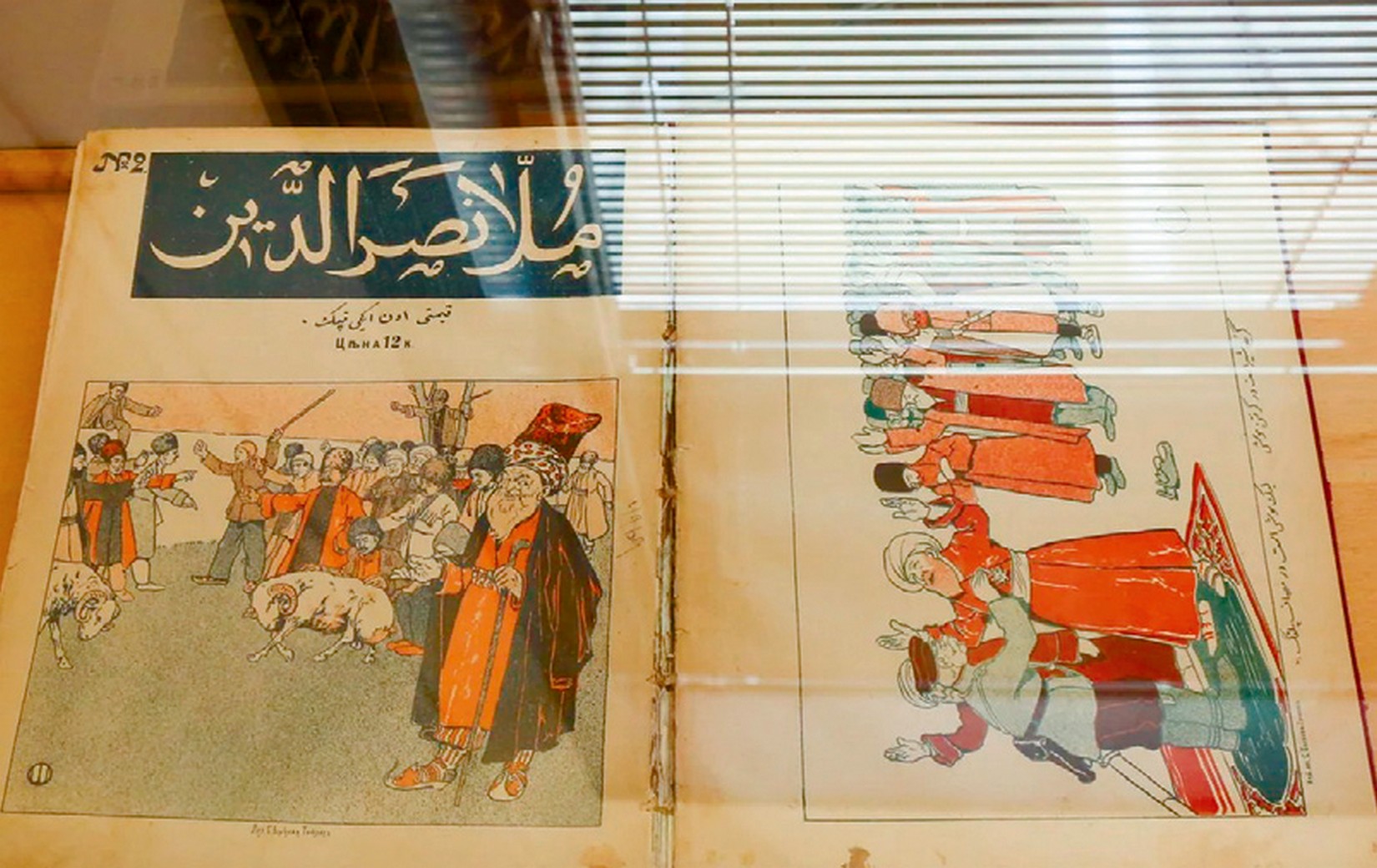
These are unique manuscripts and rarities: medieval copies of poetic divans, ancient medical and astronomical treatises illustrated with oriental miniatures; archives from the ADR and enlightenment period: the first national newspapers and magazines (“Ekinchi”, “Molla Nasreddin”), documents from the age of enlightenment that recorded the formation of our thought and statehood; scientific collections: holdings used daily by researchers, doctoral students and academic scholars.
President Ilham Aliyev set the strategic direction for the development of Azerbaijan’s library sector, directing key state decisions towards digitisation and infrastructure modernisation. The large-scale state programme he signed ensured the widespread introduction of information technologies and the conversion of the book heritage into modern electronic formats. On the head of state’s personal instructions, the country’s largest book depositories were built and reconstructed, including the high-tech building of the Central Scientific Library. The structural reform he carried out as part of the optimisation of the Ministry of Culture made it possible to close ineffective institutions and introduce unified progressive standards of public service.
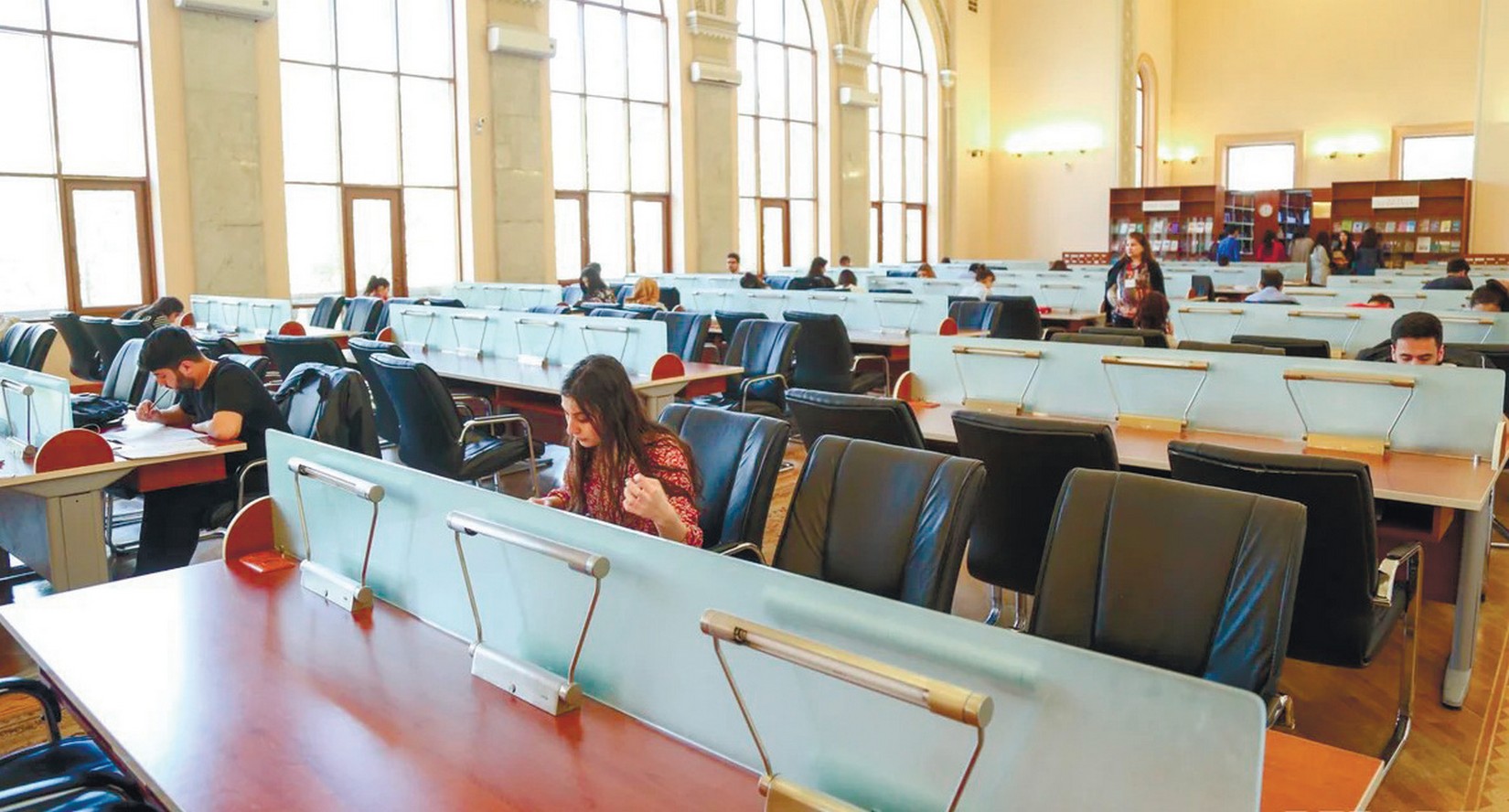
In line with the President’s strategic course towards digital transformation, the country’s leading libraries, including the Presidential Library, have successfully integrated artificial intelligence technologies into their platforms. Today, thanks to these decisions, Azerbaijan’s classical libraries have been definitively transformed into modern multimedia hubs with access to global scientific databases. The reforms being carried out are aimed exclusively at saving them from neglect and turning them into modern multimedia co-working spaces. Instead of eliminating book collections, the state is merging small and dilapidated institutions into large cultural centres, where traditional reading rooms are combined with computer classrooms, lecture halls and social areas.
The illusion of “full digital”
All these large-scale transformations and the introduction of multimedia technologies clearly demonstrate that the country is pursuing sensible modernisation. Yet against the backdrop of digitisation successes, a question sometimes arises in society: if technology allows us to go so far, can the entire book collection eventually be moved into virtual space?
The answer lies in understanding the boundary between a digital service and fundamental preservation. The idea of shifting centuries-old printed heritage exclusively online within a short period inevitably collides with the harsh realities of technology, law and security. The first barrier is the scale and complexity of the process. Converting a physical book into digital form is not simple scanning. It is highly complex scientific and technological work: attribution, creation of metadata, optical character recognition, expert verification of the text and provision of specific conditions for the long-term storage of digital files. To digitise multi-million collections to a high standard requires not years but decades of continuous work by qualified specialists, as well as colossal financial investment.
The second, even more insurmountable barrier is copyright. Only works that have entered the public domain can be made freely available online without breaking the law. Everything written, published and studied in the twentieth and twenty-first centuries is protected by strict intellectual property rules. To provide readers with legal digital access to a contemporary publication, a library must regularly purchase electronic licences, the cost of which is often many times higher than the price of a printed copy.
Finally, there is the factor of digital vulnerability. The electronic format appears eternal, but in reality it is incredibly fragile. Large-scale server failures, cyberattacks, format obsolescence, sanctions-related cut-offs from international databases and simple power outages can erase or block gigabytes of data in a second.
The physical book has been and remains the only autonomous, energy-independent information carrier capable of preserving a nation’s cultural code for centuries—without passwords, software updates or an internet connection.
The territory of science
For the academic community—historians, orientalists, philologists, cultural scholars and textual scholars—a digital copy will never replace the physical original source.
In the academic world there is a concept of the materiality of the text. What matters to a researcher is not only the bare letter: watermarks on paper, the composition of ink, marginalia (notes in the margins left by owners in past centuries), binding features and censorship stamps provide a vast body of information about an era.
Moreover, library and archive collections hold millions of extremely rare documents, personal archives and fragile manuscripts that, due to their physical condition, simply cannot be placed under a scanner—they could be destroyed.
That is precisely why the institution of scholarly visas and special research permits is so developed in international practice. Scholars from around the world spend years seeking grants and institutional permissions to hold documents in person in the Rare Manuscripts Room of the British Library, the Vatican Apostolic Library or the Manuscripts Hall of the National Library of Azerbaijan. The opportunity to touch an authentic source is the foundation on which academic scholarship is built and historical truth is preserved.
International experience
The world’s advanced countries long ago abandoned the perception of the library as a “quiet warehouse for issuing books”. Today they invest substantial funds in their transformation, implementing the concept of the American sociologist and professor at the University of West Florida, Ray Oldenburg, of the “third place”—a space after home and work where a person develops intellectually and socialises.
In Finland, the central library has become a dynamic urban hub. The lower floors house lecture halls and workshops, while the upper level is given over to a panoramic book space that has become the most visited place in the city. In the United States, the New York Public Library combines preservation of the original Declaration of Independence with a powerful social mission: it provides free access to closed international scientific databases, thereby reducing digital inequality. The National Library of China, in parallel with digitising ancient scrolls, is building vast new physical facilities with intelligent climate-control systems for paper folios, recognising that the physical collection is the state’s gold reserve.
Symbiosis, not replacement
Digitisation is an excellent and necessary tool. Electronic catalogues, multimedia services and digitised fragments of manuscripts make the work of researchers, doctoral students and undergraduates faster and more convenient. The digital library is intended to complement the physical library; it is not intended to replace it.
In an age of information overload, fragmented thinking and endless notifications, the library remains perhaps the only space whose atmosphere encourages deep, thoughtful reading and serious analytical work.
As we commemorate World Book Lovers Day on 9 August, it is crucial to emphasise the pivotal conclusion: the strategy of a modern state is founded on progressive modernisation and comprehensive support for this institution. The transformation of libraries into multimedia hubs, the careful preservation of unique printed collections and their gradual integration with the latest technologies prove that the traditional book and innovation complement each other harmoniously. A forward-thinking society treats its cultural heritage with the utmost care, skilfully integrating classical cultural institutions into the digital age. This process not only strengthens national identity and historical memory, but also enhances the country's scientific potential.
RECOMMEND:
 153
153

