

TESTING THE NATURE
Natural disasters changing perceptions of security, technology and the resilience of modern states

Author: Zaur HASANOV
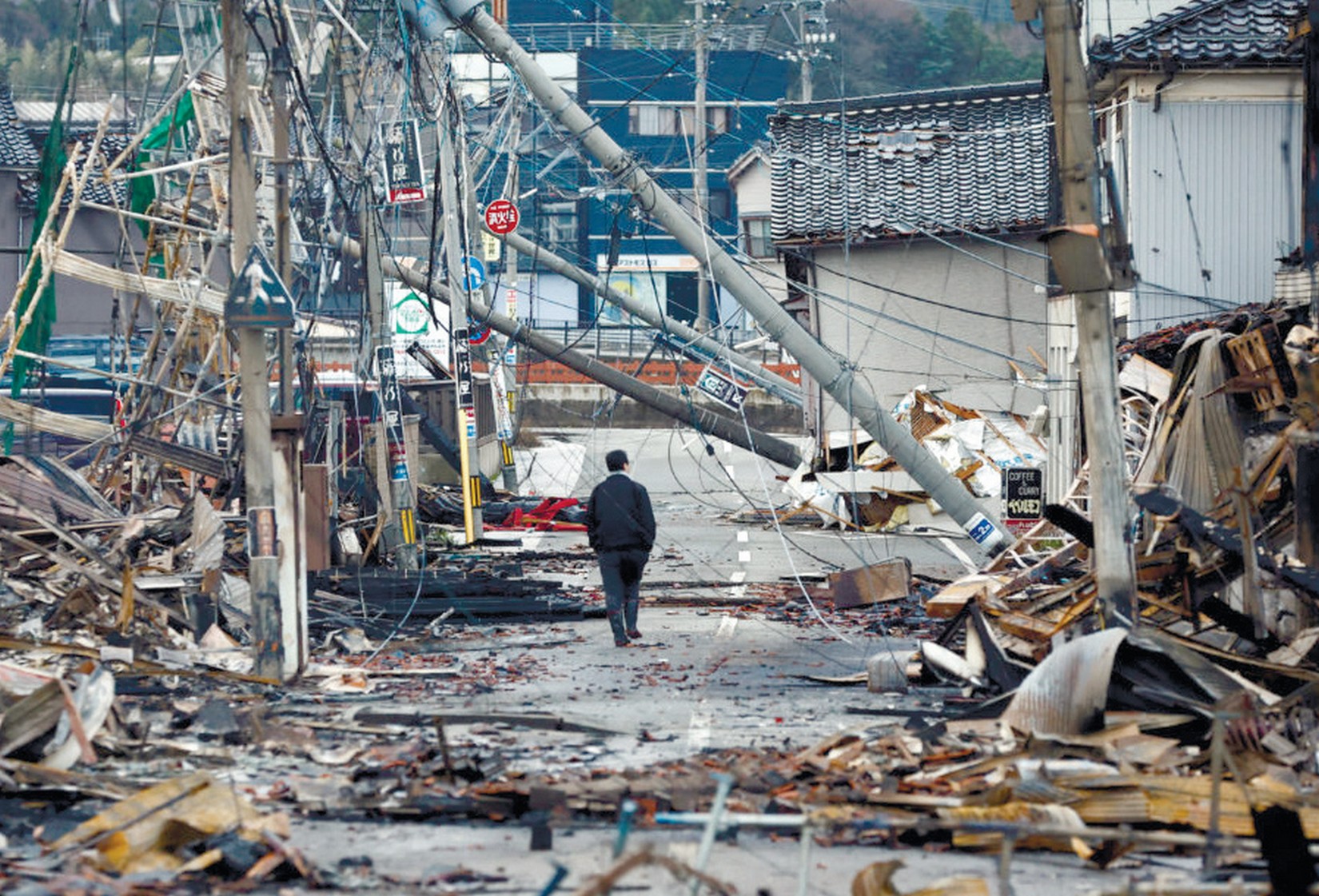
On 28 July, south-western Japan was once again subject to a natural disaster. A magnitude-7.1 earthquake that struck Kumamoto Prefecture on the island of Kyushu caused buildings to collapse, fires to break out, and roads and bridges to be damaged. In the hours following the tremors, the Japan Meteorological Agency issued a tsunami warning for coastal areas, and authorities urged residents to leave dangerous zones immediately. The warning was subsequently lifted, but the threat of further powerful tremors remains.
As information came in, the scale of the disaster became clearer. In response, rescue operations were initiated across the region, and hundreds of thousands of residents were ordered to evacuate. thousands of people were accommodated in temporary centres. The earthquake caused disruption to electricity supplies and communications, and the number of deaths and injuries continued to rise as rescuers cleared rubble and inspected damaged buildings.
The disaster also had an almost immediate effect on the transport system. Services on the Shinkansen high-speed railway and several regional railway lines on Kyushu were suspended, the runway at Kumamoto Airport was closed, and flights were cancelled or diverted. Concurrently, the authorities initiated inspections of bridges, tunnels and other critical infrastructure to mitigate the risk of further accidents.
The initial economic repercussions were swift in materialising. Kumamoto is one of Japan's major industrial centres, with a strong presence in the automotive, electronics and semiconductor sectors. In the aftermath of the earthquake, several major companies, including Toyota, Sony, Renesas, Honda and other manufacturers, took the precautionary measure of temporarily halting operations at their facilities to assess the damage and ensure the safety of their staff.
Yet the main significance of this tragedy lies not only in the scale of the destruction. The earthquake has once again raised a question for the international community that grows more pressing every year: if even one of the world’s best-prepared countries cannot completely avoid the serious consequences of a natural disaster, how ready are other states for similar challenges?
Technology vs nature
Japan has long been regarded as the global benchmark for earthquake preparedness. In practice, however, the disaster has merely confirmed an obvious truth: the consequences of a natural disaster cannot be eliminated entirely, even with the highest level of technological development.
For many years, Tokyo has systematically invested in reducing seismic risks. The country has some of the world's strictest building regulations, which require structures to be designed and constructed with high seismic activity in mind. Japan has also developed an extensive early-warning system that can transmit alerts to the public several seconds before destructive waves arrive, automatically stop high-speed trains, shut down potentially dangerous equipment at industrial facilities and activate other protective mechanisms.
Emergency services have also demonstrated a high level of preparedness. Japan's rescue units are widely regarded as being among the best-equipped in the world, and emergency-response procedures are practised to such an extent that they are almost automatic. This facilitates the organisation of evacuations, the establishment of temporary accommodation centres, and the immediate management of consequences following a disaster.
However, even the most comprehensive protection system has its limitations. Despite the deployment of advanced technology, strict building standards and decades of expertise, tectonic plates continue to move. These measures have the potential to significantly reduce the number of casualties, limit the scale of destruction, and expedite rescue operations. However, it should be noted that they cannot entirely prevent human tragedies or economic losses amounting to billions of dollars.
This is why approaches to assessing countries' preparedness for natural disasters have also changed in recent years. Historically, the primary concern was the ability to minimise destruction. Today, increasing importance is attached to a country’s resilience after disaster strikes—how quickly it can restore transport, energy supplies, industrial operations and communications, and return society to normal life.
A world at risk
While the recent tragedy in Japan may appear to be an isolated event, statistical data from recent years suggests otherwise. It is becoming increasingly apparent that major natural disasters are no longer isolated incidents but a new reality with which states on different continents must now contend. Geological events such as earthquakes, floods, hurricanes, wildfires and extreme heat are having an increasingly significant impact not only on individual regions, but also on the global economy, international trade and worldwide supply chains.
According to international insurance and analytical organisations, the economic damage caused by natural disasters has increased several-fold over recent decades, reaching hundreds of billions of dollars per year. As cities expand, infrastructure develops and the global economy becomes more complex, the cost of each new disaster also rises.
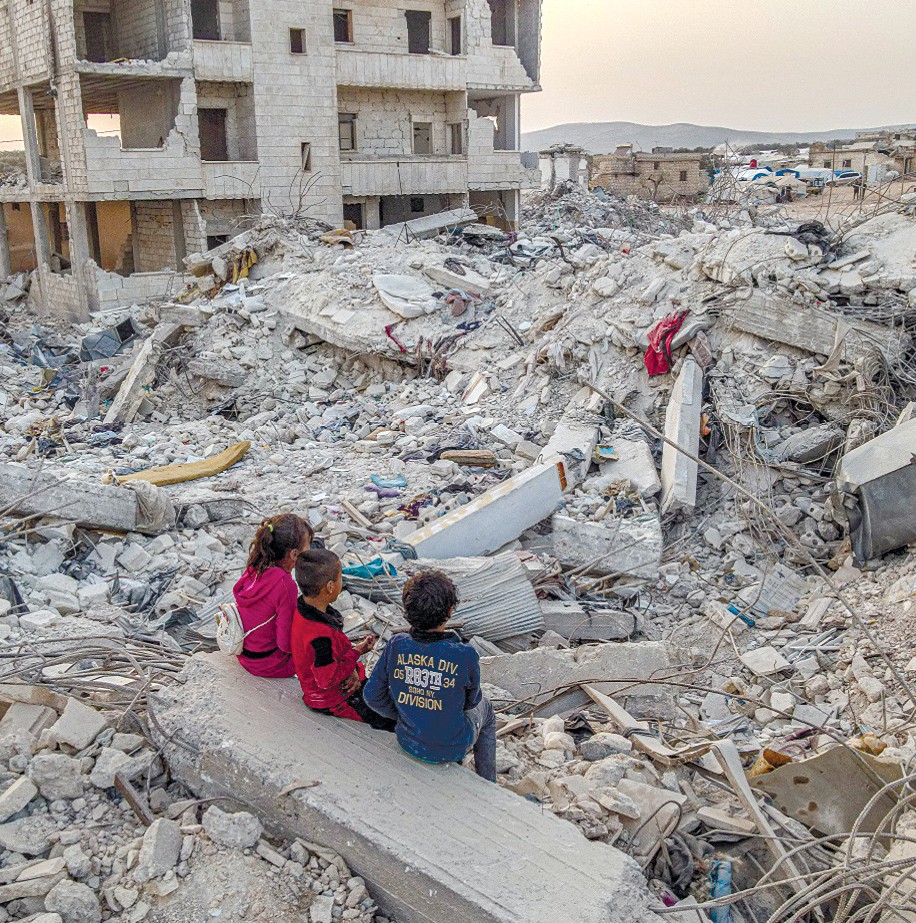
In recent years, the world has seen a series of natural disasters of considerable magnitude. In February 2023, a major earthquake in Türkiye and Syria resulted in tens of thousands of deaths and was one of the largest humanitarian disasters of the 21st century. In the autumn of the same year, a destructive earthquake struck Morocco, while Afghanistan was hit repeatedly by strong tremors that caused numerous casualties. In the spring of 2025, a major earthquake occurred in Myanmar, resulting in extensive damage to buildings and infrastructure.
Concurrently, there has been an increase in the number of extreme weather events. Hurricanes that regularly strike the southern US states and the Gulf Coast cause tens of billions of dollars in damage every year. In recent years, Europe has experienced severe flooding due to heavy rainfall, while record high temperatures and prolonged droughts have led to large-scale wildfires in Canada, Greece, Portugal, Spain and the US state of California. Natural disasters are increasingly regarded as international crises, rather than simply local problems.
It is not only the geography of disasters that is changing, but also their cost. As the global economy becomes more complex, the value of infrastructure, industry and logistics systems rises, increasing the potential losses from any large-scale disaster. Several decades ago, the consequences of such events were felt primarily at a national level. In the contemporary business environment, the closure of a significant industrial region or transport hub can lead to global supply chain disruptions, impacting a wide range of goods, from automobiles to microelectronics.
This has led experts to increasingly refer to a new era of "complex risks," where a natural disaster can trigger a cascading effect of economic, social and logistical consequences. The primary issue is no longer just the increasing frequency of such events; it is also the fact that our interconnected world is becoming increasingly vulnerable to each new shock.
Climate and nature: where is the line?
It is becoming increasingly evident that almost every major natural disaster now inevitably becomes part of the debate over climate change. However, it should be noted that not all natural disasters have the same causes, and therefore require different scientific explanations.
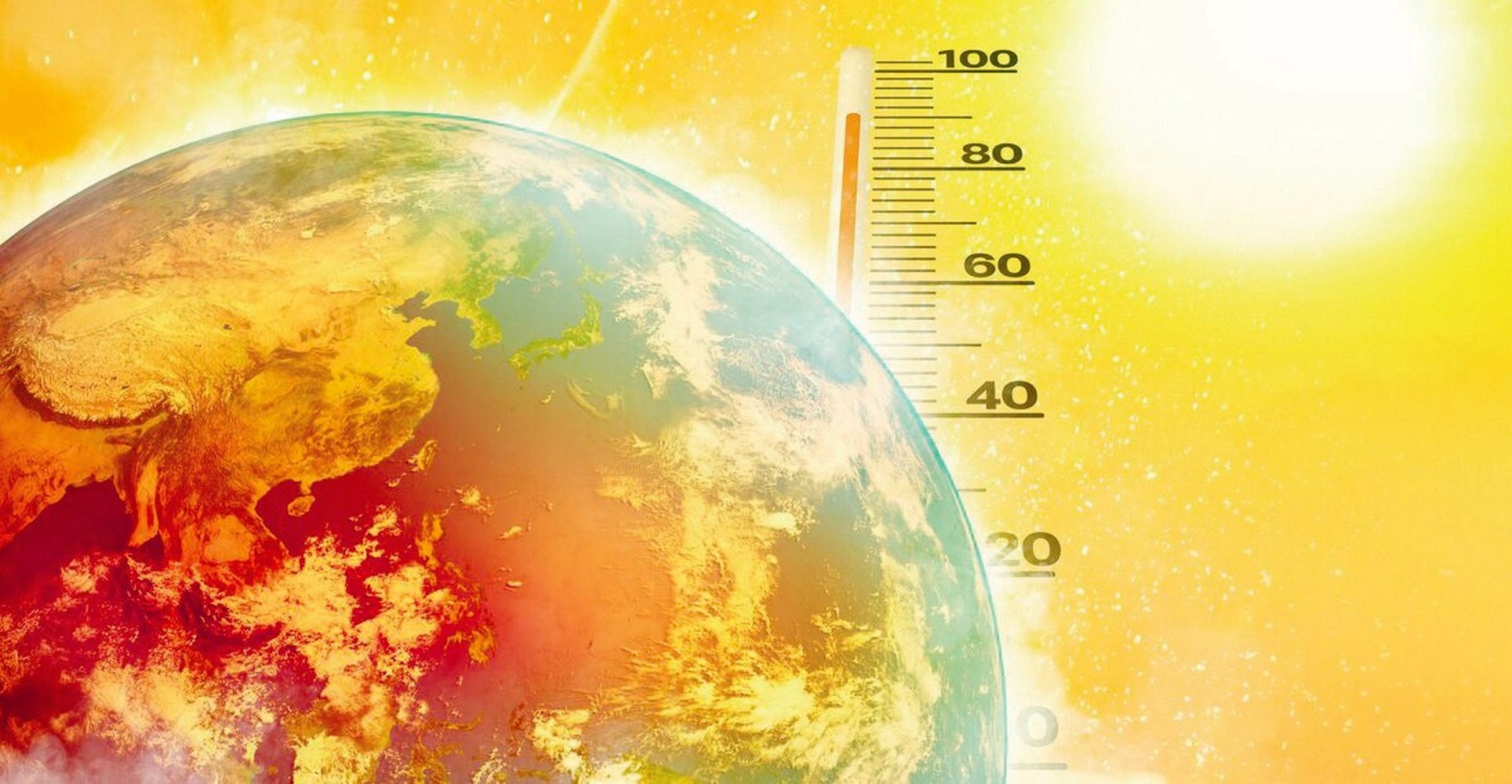
The majority of climatologists concur that global warming is already exerting a notable influence on the frequency and intensity of numerous extreme weather events. Rising average temperatures in the atmosphere and the world's oceans contribute to longer heatwaves, intensify droughts, increase the likelihood of extreme rainfall and flooding, and create conditions for more powerful tropical cyclones and large-scale wildfires. Consequently, many countries are now experiencing weather anomalies that would have been regarded as exceptional only a few decades ago.
However, it is important to note that this pattern does not apply to every type of natural disaster. Earthquakes such as the one in Japan are caused by different factors. These phenomena are the result of the movement and interaction of tectonic plates deep within the Earth's crust. At present, there is no scientific evidence that global climate change directly increases the frequency or strength of earthquakes. There is no consensus among scientists on this issue.
However, the connection between climate change and natural risks is much broader than it may initially appear. While earthquakes are not necessarily linked to climate change, it is becoming increasingly common for countries to prepare for a wide range of threats simultaneously. These include seismic activity, extreme heat, floods, storms and wildfires. This places a considerably greater burden on infrastructure, healthcare systems, rescue services and government budgets.
Consequently, contemporary national-security strategies are progressively pivoting from a focus on addressing individual types of natural disaster to enhancing states' collective resilience to natural hazards. For most countries, the question is no longer which disaster might occur next, but how prepared society, the economy and infrastructure will be for the next test.
Technology for security
Historically, the primary focus of technological development in the field of security was on rescue operations and recovery after natural disasters. In today's business environment, there is an increasing focus on the proactive identification and mitigation of potential risks. States are increasingly investing in technologies that are unable to halt the forces of nature, but can buy the most valuable resource of all: time.
Early-warning systems are becoming one of the key tools in this field. Specialists are able to detect signs of impending danger almost instantly thanks to networks of seismic sensors, satellite monitoring and modern data-processing capabilities. In such cases, the public can be sent warnings. In the case of earthquakes, the available time is often measured in seconds. Nevertheless, those seconds can be sufficient to bring high-speed trains to a halt, deactivate potentially hazardous industrial machinery, halt lift operations, issue warnings to air traffic control services, and provide people with an opportunity to take cover.
It is becoming increasingly evident that artificial intelligence is assuming an increasingly significant role. Modern algorithms analyse vast amounts of information received from satellites, weather stations, seismographs, hydrological monitoring posts and thousands of other sensors. This facilitates the identification of potential threats, the development of more accurate forecasting models, the assessment of possible scenarios for emergency development and the provision of real-time decision support to authorities.
Security issues are also increasingly becoming part of the concept of "smart cities". Modern urban infrastructure is designed to adapt to changing conditions as quickly as possible during an emergency. This includes automatically redirecting traffic, ensuring the uninterrupted operation of communications and power systems, and coordinating the actions of emergency services.
In effect, a new technological competition is now underway among the leading states. Its primary criterion is not the speed of calculations or the power of supercomputers, but rather technology's capacity to save human lives. In the 21st century, a competitive advantage belongs not only to countries with advanced technologies, but also to those capable of using them to strengthen society's resilience in the face of natural disasters.
Working together to face challenges
Major disasters such as earthquakes, floods, hurricanes and wildfires are becoming increasingly complex, requiring international coordination. This involves the collaboration of rescue services, scientists, humanitarian organisations and governments from different countries. International search-and-rescue missions, rapid humanitarian assistance, and the exchange of technologies and scientific expertise are no longer simply expressions of goodwill but an objective necessity. In the face of major disasters, the importance of international solidarity and the ability to act promptly together becomes paramount.
Recent events have demonstrated that even the most advanced technologies cannot entirely eliminate natural threats to humanity. The 21st century is widely regarded as an era of artificial intelligence, space exploration and the digital economy. However, major seismic events, destructive hurricanes and large-scale floods continue to underscore our inability to fully control the forces of nature.
This represents a paradigm shift in the very nature of security. The true level of preparedness of a state is no longer measured by its ability to prevent the inevitable, but by its capacity to protect people, preserve critical infrastructure, restore normal life quickly and, when necessary, join forces with the international community. Perhaps the most significant lesson of the Japanese tragedy is that no country is completely invulnerable in the face of nature's forces. However, some societies are able to significantly reduce the human and economic cost of such disasters through preparedness, technology and cooperation.
RECOMMEND:
 87
87