

NEW WORLD DIPLOMACY
On the ASEAN Foreign Ministers’ Summit in Manila and the transition to a multipolar world order
Author: Irina KHALTURINA
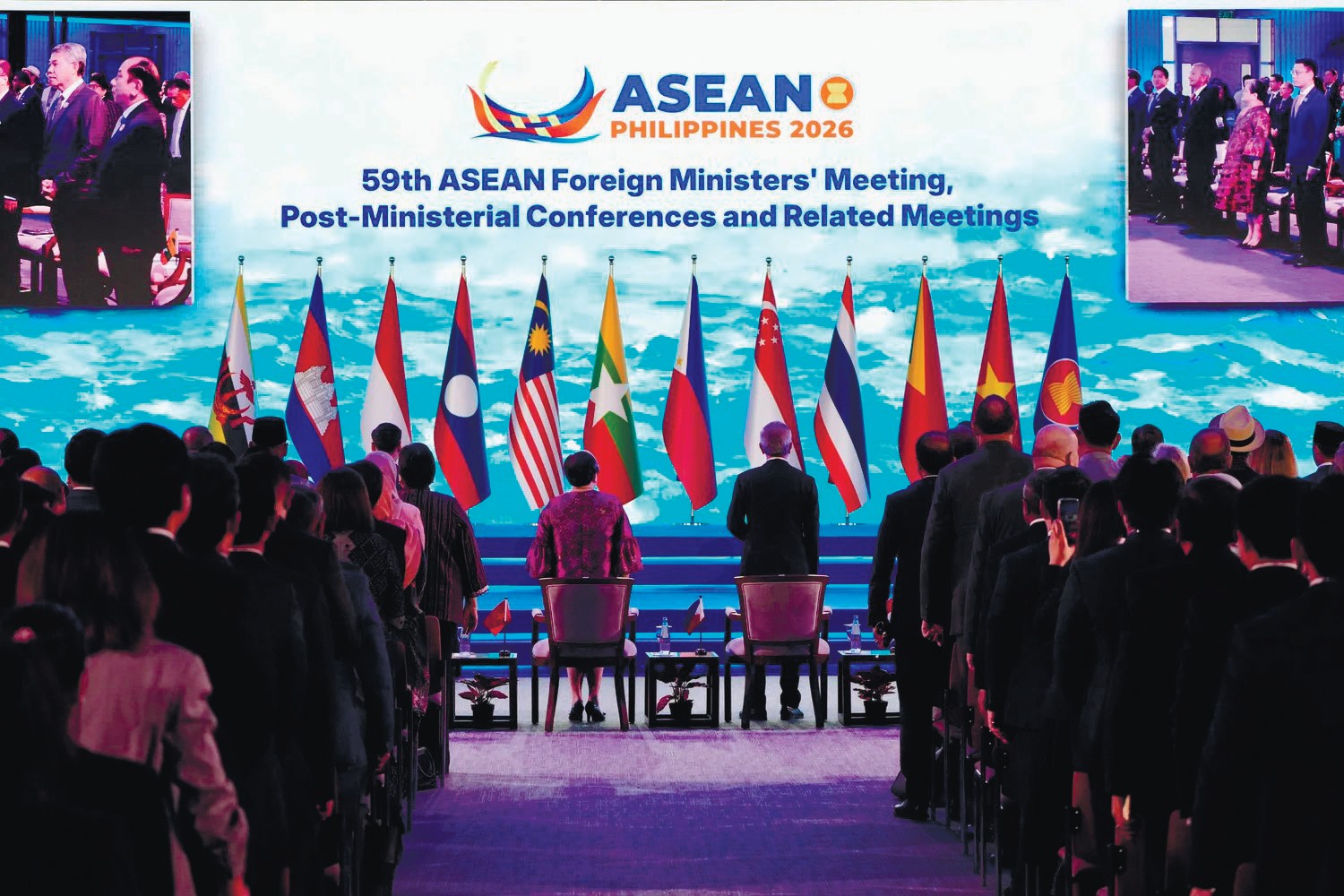
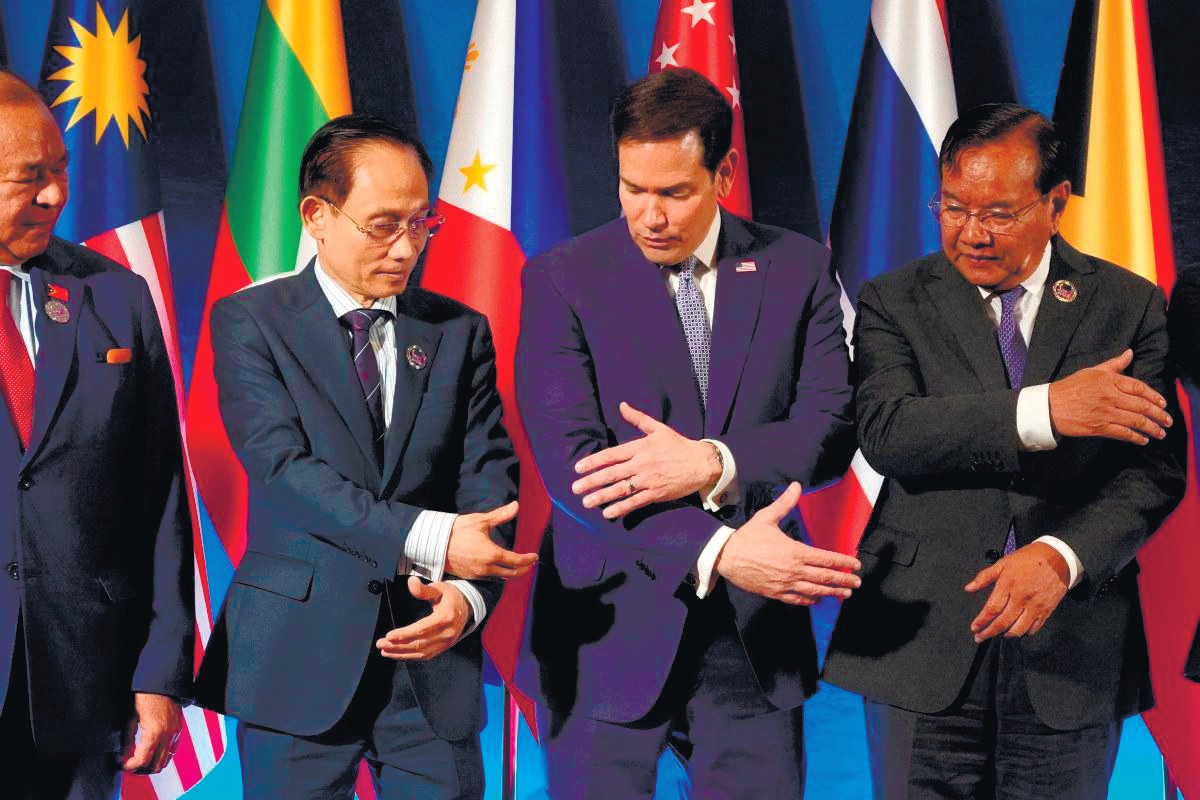
The global system is undergoing a rapid transformation. The former unipolar model of international relations is gradually being replaced by a more complex and multipolar world order. In this context, the ability of states to maintain an open political dialogue is taking on particular significance. The 59th ASEAN Foreign Ministers' Summit, held from 18 to 24 July in Manila, Philippines under the motto 'Shaping Our Future Together', has become a vital element of international cooperation.
Role in the regional security architecture
The activities of the Association of Southeast Asian Nations (ASEAN) are consistently the focus of attention for the global media and expert communities. Today, this regional intergovernmental organisation, which brings together the political, economic and cultural cooperation of the countries of Southeast Asia, is one of the world's most dynamically developing integration bodies. ASEAN is comprised of 11 member states: Indonesia, Malaysia, Singapore, Thailand, the Philippines, Brunei, Vietnam, Laos, Myanmar, Cambodia, and East Timor.
The population of the ASEAN countries totals nearly 700 million people, the region's total area exceeds 4.5 million square kilometres, and its combined nominal GDP stands at $4 trillion. The meeting in Manila provided a forum for both internal organisational development discussions and a comprehensive international dialogue. Representatives of all ASEAN member states, with the exception of Myanmar, as well as numerous dialogue partners of the organisation, were in attendance.
The foreign ministers emphasised the need to preserve ASEAN's central role in shaping the regional security architecture against the backdrop of growing geopolitical competition, intensifying strategic rivalry between major powers and ongoing international crises.
It is particularly significant that 2026 marks the 50th anniversary of the Treaty of Amity and Cooperation in Southeast Asia. This legally binding document, which enshrines the principles of peaceful coexistence, respect for sovereignty and mutual cooperation, has remained one of the fundamental elements of the regional order for half a century.
Global risks
Over the past decades, ASEAN countries have succeeded in significantly strengthening mechanisms for economic integration and expanding international cooperation. Today, the region possesses enormous demographic potential, rapidly growing markets, a developed industrial base and high investment appeal. It is precisely these factors that have transformed South-East Asia into one of the key centres of the global economy and a vital element of the emerging multipolar system of international relations.
Rapid economic development is inevitably accompanied by new challenges. The more deeply ASEAN countries are integrated into the global economy, the more they depend on the smooth functioning of international trade, global supply chains, energy infrastructure and digital communications.
Events in recent years have clearly demonstrated the vulnerability of states when energy supplies and global logistics chains are disrupted. For ASEAN members, these risks are of particular significance given the region’s high dependence on international trade. In particular, the situation in the Middle East—in the Strait of Hormuz and the Red Sea—affects ASEAN in terms of energy, fertilisers and food. As for the vulnerability of energy systems, this is also driven by a number of factors—the increasingly severe impacts of climate change, geopolitical tensions and the rapid development of AI. In other words, the main focus is no longer on how to produce cleaner or cheaper energy. Increasingly, the focus is on how to build systems capable of withstanding conflicts whilst simultaneously providing the reliable electricity required by modern economies and armed forces.
The relevance of this is confirmed by the ongoing attacks in Ukraine and Iran on power stations, power lines, fuel depots and oil refineries, gas pipelines and seagoing vessels, logistics hubs, railway trains and liquefied natural gas terminals. All these facilities, naturally, are of the same strategic importance as airfields or naval bases.
At the same time, data centres, semiconductor manufacturing plants and modern cloud platforms are becoming critically important elements of the national economy. Their energy consumption is growing rapidly due to the development of artificial intelligence. At the same time, these facilities are increasingly viewed as potential targets for cyber-attacks and hybrid operations, as the functioning of both the civilian economy and the defence sector depends on their operation.
With this in mind, the meeting documents also addressed issues relating to supply chain security and energy stability. Following the ASEAN ministerial meeting, a joint statement was adopted on the situation in the Middle East, expressing deep concern at the escalation of the conflict, including military action between the US and Iran, and calling for an immediate cessation of hostilities.
Rubio and Lavrov on the key issues
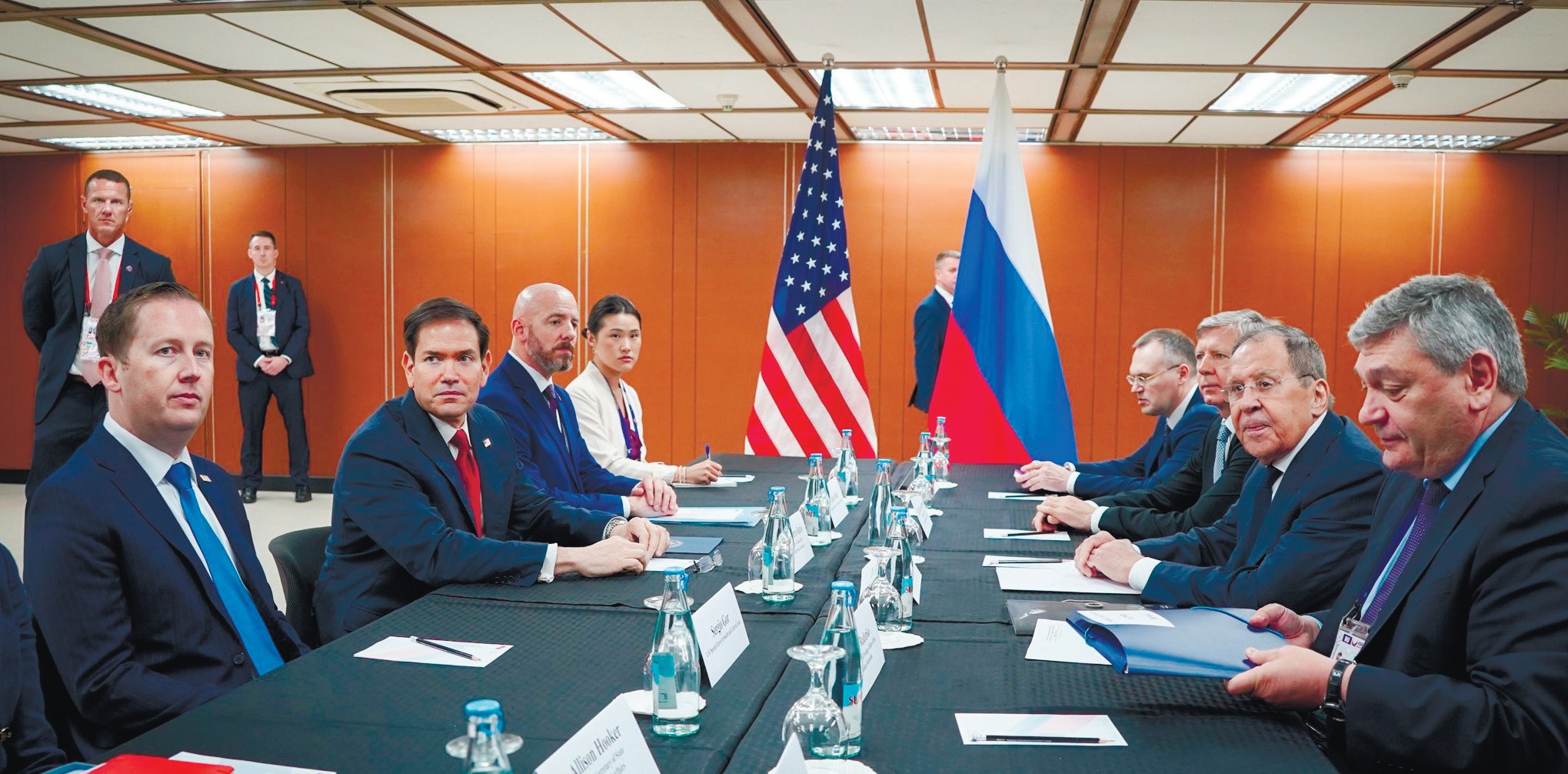
One of the most significant moments on the international agenda was the 35-minute meeting between the Russian Foreign Minister and the US Secretary of State on the sidelines of the ASEAN summit in Manila. According to the Russian Foreign Ministry, a comprehensive dialogue was held concerning a broad spectrum of bilateral and international matters. Lavrov provided his American counterpart with an update on the situation along the line of contact and restated Moscow's commitment to a political and diplomatic settlement, as well as its support for the proposals discussed in Anchorage.
Following the meeting, Marco Rubio stated that new ideas would be required to achieve peace in Ukraine. He noted that the proposals put forward earlier 'were unacceptable to Ukraine at the time' and, in his view, were unlikely to 'be acceptable to them now either'. "If peace is to be achieved, it will be thanks to some new ideas and new concepts, and we are prepared to put forward some of them in an appropriate setting and format, should the opportunity arise and the right conditions be created. We are ready to play that role," said Rubio.
It is noteworthy that just the day before, American negotiators—Special Envoy Stephen Whitcoff and US Presidential Adviser Jared Kushner—met with Volodymyr Zelenskyy and discussed "ways to resume diplomatic efforts to end the conflict". The US's decision to initiate a meeting with the Russian Foreign Minister, following consultations with Kyiv, demonstrates Washington's efforts to evaluate potential steps towards achieving peace. It could be argued that, following a shift in focus to the Middle East crisis, the White House is now seeking to re-establish engagement on Ukraine.
At the same time, however, it is important not to exaggerate the significance of the half-hour working meeting in Manila or to expect a breakthrough from it. The discussion was exploratory in nature.
Digital transformation as an element of national security
Judging by the final statements and meetings on the sidelines of the summit, the countries of the region are also largely concerned with issues relating to digital technologies. The rivalry between China and the US in this field stands out particularly in this context. For ASEAN members, the issue is not only about access to technology as such, but also about maintaining strategic autonomy amidst intensifying competition between the world’s major powers. They are keen to develop cooperation with both Washington and Beijing, whilst avoiding having to make a stark choice between the two centres of power. Digital transformation is therefore becoming not just an economic issue, but also a matter of national security.
Countries in the region are striving to ensure the reliability of telecommunications networks, protection against cyber threats and the independence of key elements of the digital economy. The establishment of regional cooperation mechanisms plays a particular role here, as ASEAN countries have varying levels of technological development and differing capacities for accessing cutting-edge technologies.
At the same time, significant opportunities are opening up for the countries of South-East Asia. The region is already becoming one of the world’s largest centres for electronics manufacturing and is attracting investment in artificial intelligence, data centres, cloud technologies and semiconductor production. However, further growth will depend on the ability of states to ensure a sustainable energy base, a skilled workforce and a secure digital environment. Thus, the ASEAN agenda is gradually extending far beyond traditional regional security issues.
It is noteworthy in this regard that ASEAN continues to actively expand its network of external partnerships. During the forum, a decision was taken to develop cooperation with a number of countries. Türkiye was granted the status of an ASEAN dialogue partner, whilst Germany and Qatar were granted sectoral dialogue partner status. This reflects the organisation's desire to deepen cooperation in areas such as technology, investment, energy and sustainable development.
In the current global economic climate, with its shifting geopolitical landscape, the expansion of the ASEAN network is of particular importance. During the ministerial meetings, the main priorities for preparations for the 49th ASEAN Summit, to be held in November 2026, were agreed upon. It is expected that the heads of state will discuss the implementation of the 'ASEAN Community Vision 2045', as well as issues relating to further integration and the strengthening of the regional security architecture in the context of the changing international situation.
ASEAN is thus seeking to maintain a central role in the emerging multipolar world by balancing and expanding its network of partnerships, whilst prioritising preventive diplomacy, the peaceful settlement of disputes, maritime security and compliance with international law. The organisation is developing cooperative relationships with a number of countries and international bodies, including the US, China, the European Union, Russia, Türkiye, and several Middle Eastern states. ASEAN's ability to reconcile differing interests and maintain dialogue amidst the rivalry between major powers remains a key strength. In this sense, the 59th ASEAN Foreign Ministers' Meeting served not only as a forum for discussing current crises, but also as a reflection of a deeper process: the transition of the global system towards multipolarity. In this new multipolar system, the balance of power will be determined not only by the military might of individual states, but also by the ability to forge sustainable relationships.
RECOMMEND:
 76
76

