

THE NEW GEOGRAPHY OF CAPITAL
Investment to Inkia Energy provides new perspectives for SOFAZ's global diversification
Author: Ilaha KHALILOVA
The global investment climate of recent years has prompted the world's largest sovereign wealth funds to reconsider their established approaches to capital management. Alongside bonds and publicly traded shares, real assets—such as infrastructure, energy, property and other sectors capable of generating long-term cash flow whilst also serving as a means of diversification—are taking up an increasingly significant share of their portfolios.
The investment by the State Oil Fund of Azerbaijan (SOFAZ) in Inkia Energy, Peru's largest independent electricity producer, is indicative of this trend. However, the significance of the deal goes beyond simply acquiring exposure to a single energy asset: it simultaneously opens up a new geographical direction for the SOFAZ and expands the fund's presence in international infrastructure.
More than just a new asset
As at 1 July 2026, North America accounted for 27.5 per cent of the SOFAZ’s investment portfolio, Europe for 27 per cent and Asia for 9.9 per cent, whilst Latin America’s share stood at just 0.1 per cent. Consequently, the Peruvian investment is not yet capable of radically altering the portfolio's geographical structure; however, its significance lies, first and foremost, in the fund's entry into a new region.
The investment strategies employed by major sovereign wealth funds are seldom modified abruptly. The entry of a business into a new market is typically initiated with a series of carefully selected deals. These deals are designed to enable the fund to gain the necessary expertise, build a network of partners and assess the regulatory environment. In this sense, Inkia has the potential to become SOFAZ's inaugural platform for a more extensive exploration of Latin America.
The choice of Peru as a location for the new factory cannot be considered coincidental. The country combines several factors that are attractive to a long-term infrastructure investor: growing demand for electricity, a large mining sector, a need for new generation capacity, and significant potential for renewable energy. The mining industry is of particular importance, as its development is directly linked to the availability of a reliable energy supply.
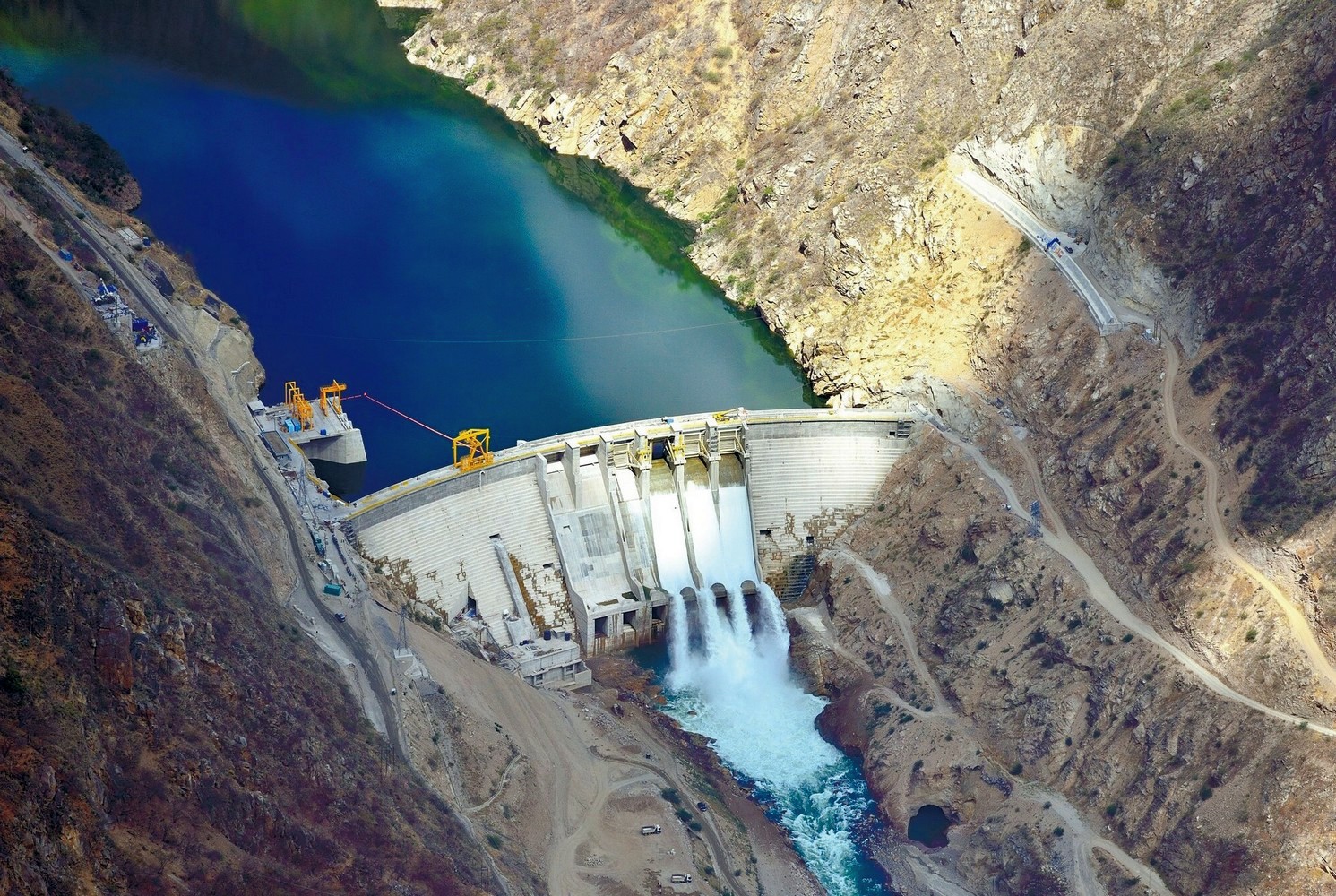
It is also crucial for the investor that this is not a project yet to be built. Through its subsidiaries, Kallpa Generación and Orazul Energy Peru, Inkia manages operational generation assets with a total effective capacity of around 2.6 GW and accounts for approximately 22 per cent of the country's electricity generation. In summary, SOFAZ gains access to a functioning energy platform with an established business, infrastructure and cash flows.
In addition, the company's future projects portfolio exceeds 4 GW, which is approximately one and a half times its current installed capacity. This includes solar and wind power, gas-fired generation and energy storage systems, with around 1 GW coming from upcoming solar and wind projects. In terms of investment, the appeal of Nokia is based on two factors. Firstly, the company's current assets generate a cash flow, and secondly, its new projects have the potential to create further growth.
Access to global infrastructure
The structure of the deal itself is also of significance. In February 2026, Canada's CPP Investments agreed to acquire a 50 per cent stake in Inkia, with a total enterprise value of $3.4 billion. The remaining 50 per cent was transferred to a continuation vehicle managed by the investment firm I Squared Capital.
Notably, the $3.4 billion figure represents the valuation of the entire business, not the value of SOFAZ's stake. The fund did not acquire a controlling interest in Inkia, nor does it exercise any significant influence over the company. Instead, it is one of the investors in the vehicle that owns the remaining 50 per cent. Therefore, it is a more accurate statement to say that SOFAZ has gained investment exposure to Inkia via the I Squared Capital platform.
A continuation vehicle is a mechanism common in the private equity and infrastructure investment markets, allowing a management company to retain ownership of a high-quality asset after the initial fund's term has ended. Existing investors are given the opportunity to exit their investment, whilst new investors can enter an already operating business. In the case of Inkia, a special fund with a value of around $600 million was established, with the valuation of the structure based on an assessment carried out as part of a direct transaction with CPP Investments.
For SOFAZ, this model presents a valuable opportunity to gain exposure to a significant infrastructure asset by leveraging I Squared Capital's specialist expertise, while avoiding the responsibilities of directly managing the energy business. Concurrently, the fund is subject to the same investment structure as major international institutional investors.
I Squared Capital is a highly regarded investment management firm with a portfolio worth over $60 billion. The firm's strategic investments span a diverse range of sectors, including energy, utilities, digital infrastructure, transport, logistics and more. For SOFAZ, a partner's experience in identifying, structuring and managing infrastructure assets in markets where, alongside economic factors, currency, regulatory and political risks must be taken into account is particularly important.
The expansion of Inkia's investor base is also noteworthy. In June 2026, the ALTÉRRA fund announced that it was co-financing the company alongside I Squared Capital, marking the fund's inaugural direct investment in Latin America. Consequently, a pool of international institutional capital is forming around Inkia, viewing the company not merely as a regional electricity generator, but as an infrastructure platform with the potential for scaling up.
From property to infrastructure
For SOFAZ, investment in real assets is not a new concept. The current investment policy permits the allocation of up to 10 per cent of the portfolio to such assets, encompassing property and infrastructure. The first investments in property were made as far back as 2012, after which the portfolio came to include properties in London, Moscow, Paris and Tokyo, as well as private property funds.
Today, the scope of this diversification is expanding. While SOFAZ's initial portfolio was predominantly composed of property in major global centres, it has since diversified into international infrastructure. In this sense, the Peruvian investment provides both geographical and sectoral diversification.
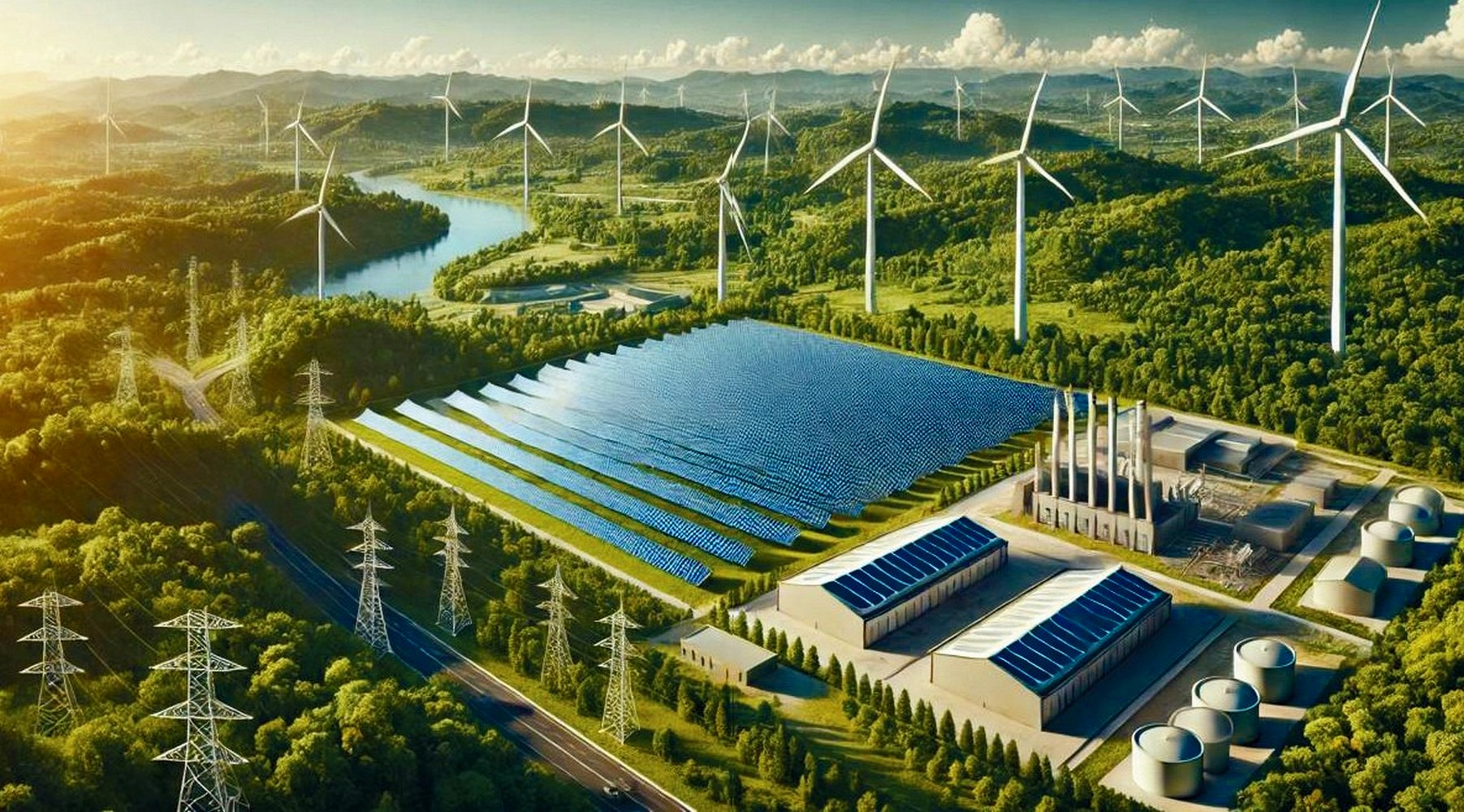
The energy portfolio of the Inka Group is an additional factor in the company's favour. The company strategically integrates hydropower and gas-fired generation with solar and wind projects, while its forward-looking portfolio also encompasses energy storage systems. This model is beneficial for long-term investors as it reduces their dependence on a single segment of the energy market while enabling their participation in the energy transition.
Energy storage systems are of particular importance: as the share of solar and wind generation increases, so does the need for grid balancing and electricity storage. Inkia is therefore focusing not on a single energy technology, but on a broader platform combining traditional and new sources of generation.
It should be noted that this growth potential is not without risk. The energy sector in Peru is closely linked to the overall state of the economy, investment activity and industrial demand, particularly in the mining sector. International investors should be aware of the potential impact of currency, political and regulatory risks on their investments. Furthermore, an increase in renewable generation requires the corresponding development of grid infrastructure. New capacity must be built and integrated into the power system.
Therefore, the future value of Inkia will be determined less by the size of its project portfolio and more by its ability to turn these projects into operational and profitable assets. In this regard, the expertise of the specialist infrastructure investor I Squared Capital is a vital component of the overall investment structure.
A new direction
SOFAZ has not disclosed the amount of its investment in Inkia. Therefore, it is still too early to assess the direct impact of the deal on the returns of the entire portfolio. Its strategic significance lies elsewhere. The fund is expanding its investment geography, entering a new segment of real assets and gaining practical experience of operating in the Latin American infrastructure market.
The question now is whether Peru will serve as a springboard for SOFAZ's further presence in the region. There is certainly potential for this. Latin America offers significant opportunities for the development of energy, transport and utilities infrastructure, and the investment in Inkia will allow the fund to study the region's specific characteristics directly through investment in an existing business.
In this regard, the Peruvian project could act as a pilot for the subsequent phase of SOFAZ's investment strategy. Should the model prove effective, Latin America's current share of the fund's portfolio—just 0.1 per cent—could mark the starting point for a new direction in its global investment activities.
RECOMMEND:
 51
51

