

BAKU PUSHES TO THE LIMIT
1,500 athletes, 113 km and a finish decided by a single second
Author: Sanan SHAFIZADE
5 September 2026 will be a date that will forever be etched in the annals of Azerbaijani sporting history. Baku successfully hosted one of the most prestigious competitions of endurance and willpower for the first time: the international Alufar IRONMAN 70.3 Baku triathlon. This historic event was a defining moment for the domestic sporting community, as well as for the development of sports tourism, the improvement of urban infrastructure and the enhancement of the country's international standing.
What is Half IRONMAN?
In the world of triathlon, the IRONMAN 70.3 series is known as Half IRONMAN. The name of the race is derived from the total distance of the competition, which is 70.3 miles (113 km). This is exactly half of the classic 140.6-mile (226 km) distance. In the race held along the coastline and streets of Baku, competitors had to cover an extremely challenging 113-kilometre course.
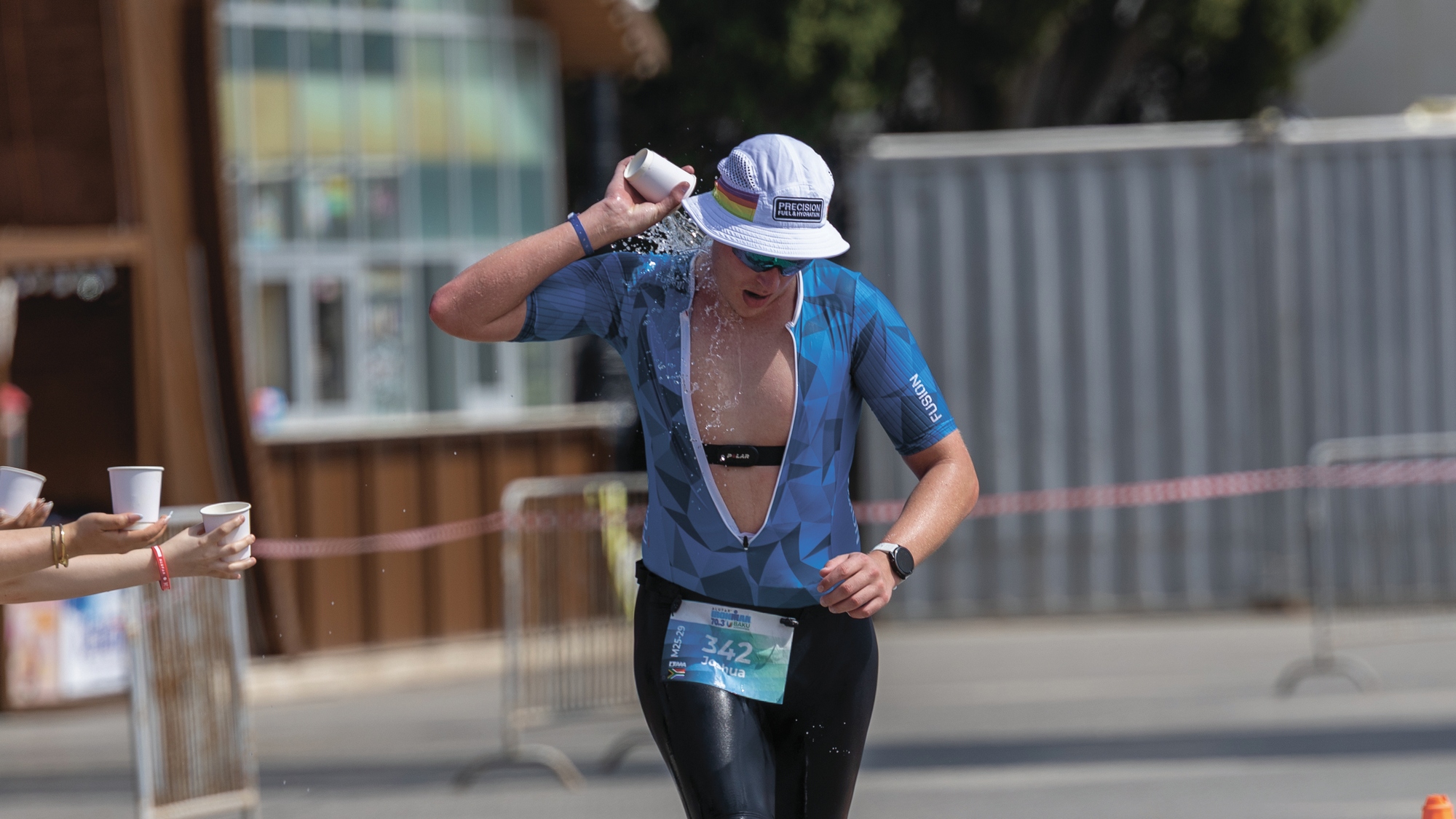
The Half IRONMAN event demands both speed and exceptional endurance from athletes. In comparison with full-distance competitions, the dynamics here are higher, and every second is of strategic importance. The Baku course comprised three primary stages: The event consists of 1.9 km of swimming, 90 km of cycling and 21.1 km of running. The total distance is 113 km (70.3 miles).
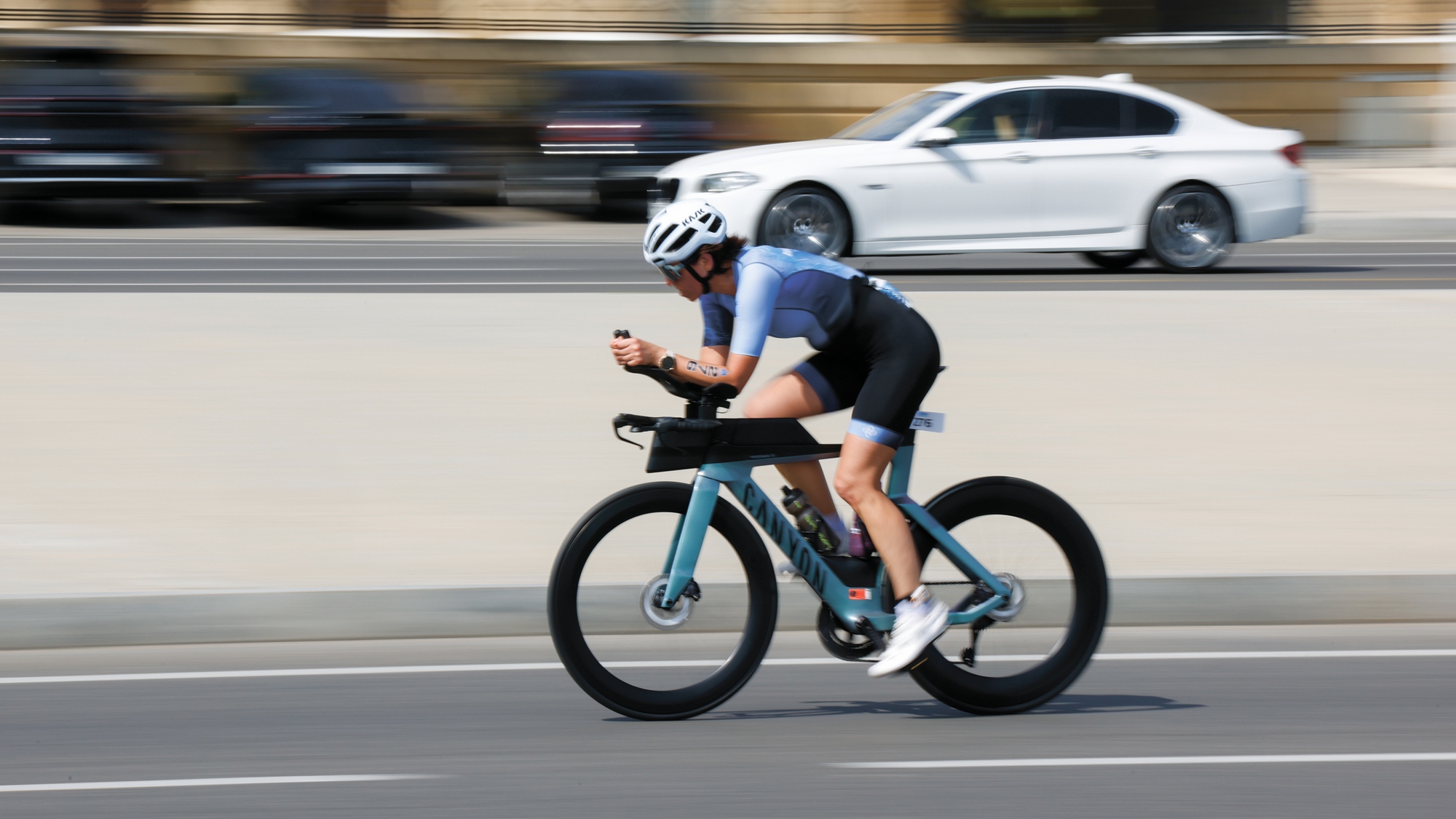
The race commenced with the swimming stage, which took place in a specially designated area of the sea. The water temperature was approximately 23°C, a key factor in the selection of wetsuits by athletes. Simultaneously, the gentle undulations of the waters in Baku Bay enabled swimmers to achieve high speeds. Following the completion of this stage, triathletes proceeded directly to the transition zone, where they transitioned to the bicycle. The 90 km distance consisted of two laps. This round of the competition, which took place along Baku Boulevard, the territory of the historic oil fields and the wide magistrals of the capital, generated considerable interest.
Although the route was considered to be relatively flat in comparison to mountain courses, the strong and changeable wind that is a symbol of Baku proved to be a considerable challenge for the athletes. In order to succeed, they were required to maintain their positions and distribute their efforts in an effective manner.
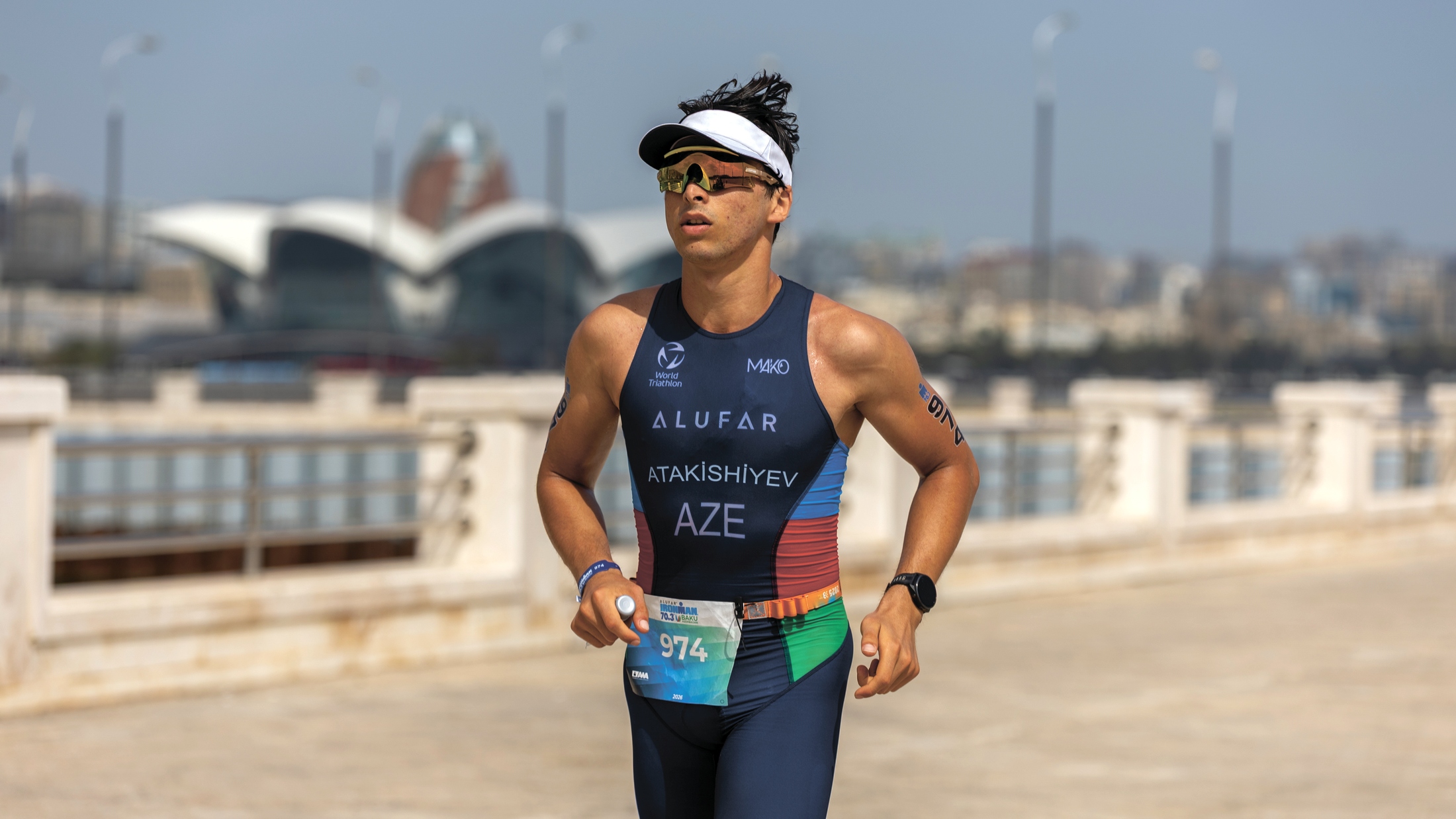
The final stage of the race—the 21.1 km half-marathon—consisted of three laps and passed through Baku's most picturesque locations. Participants ran along the Seaside National Park, past the ancient walls of the Old City (included in the UNESCO World Heritage List), as well as along certain sections of the city's Formula 1 route in Baku.
The completely flat course helped athletes maintain maximum speed right up to the very finish.
A sensational twist
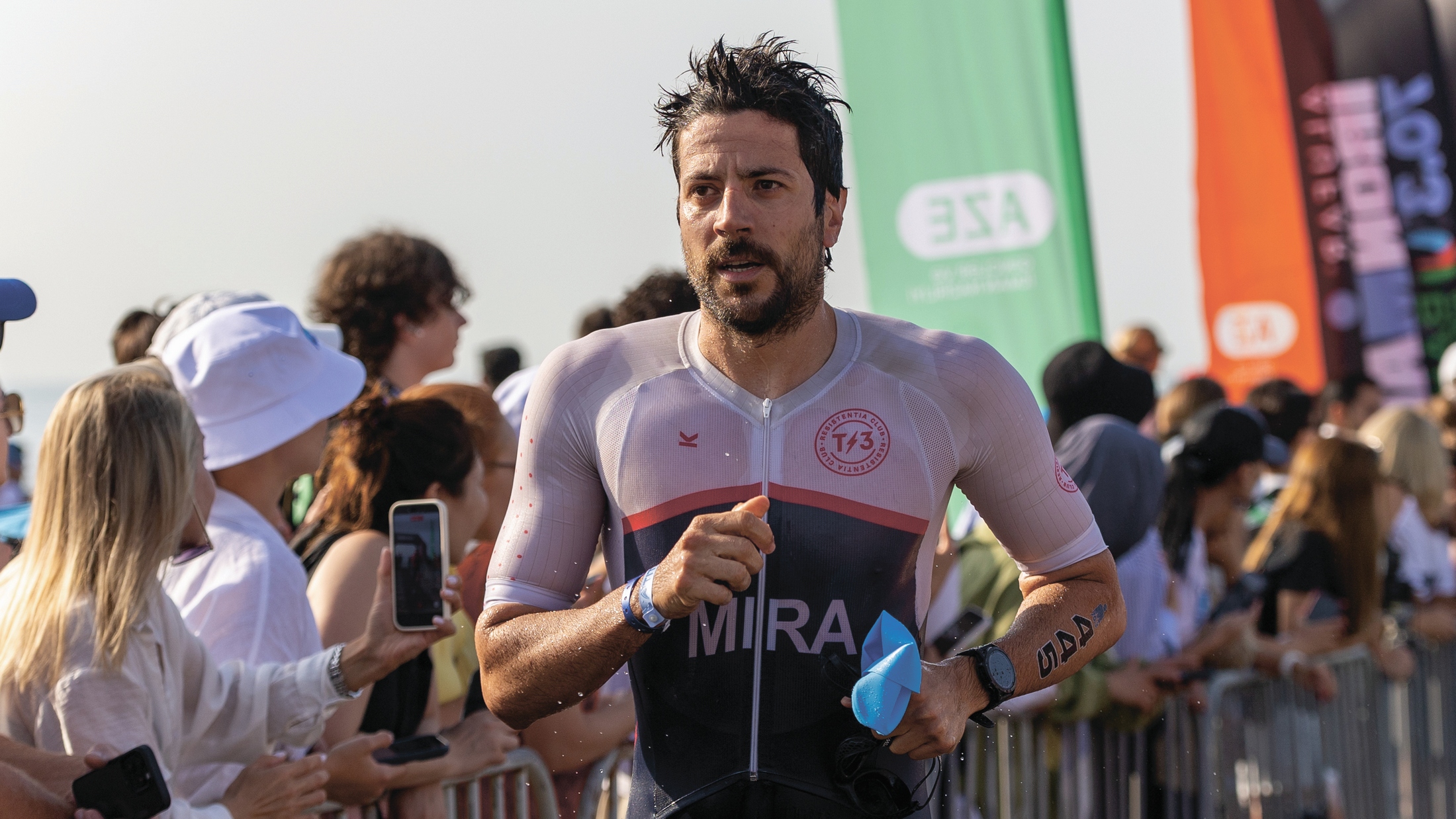
The Baku race saw one of the most dramatic finishes in the history of IRONMAN 70.3 tournaments. The event saw the participation of over 1,500 athletes from 62 countries. The outcome of the competition was determined not by seconds but by fractions of a second.
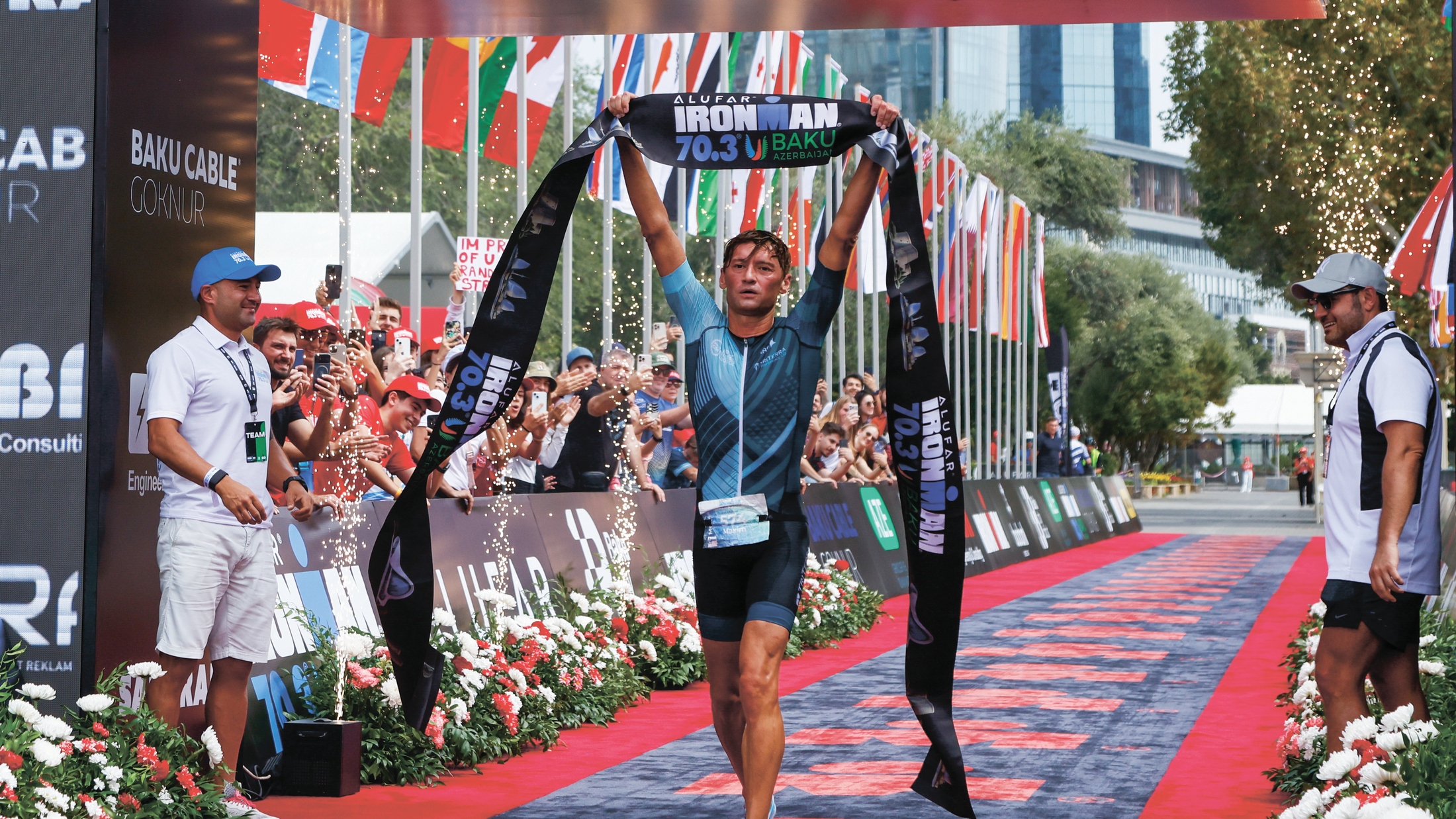
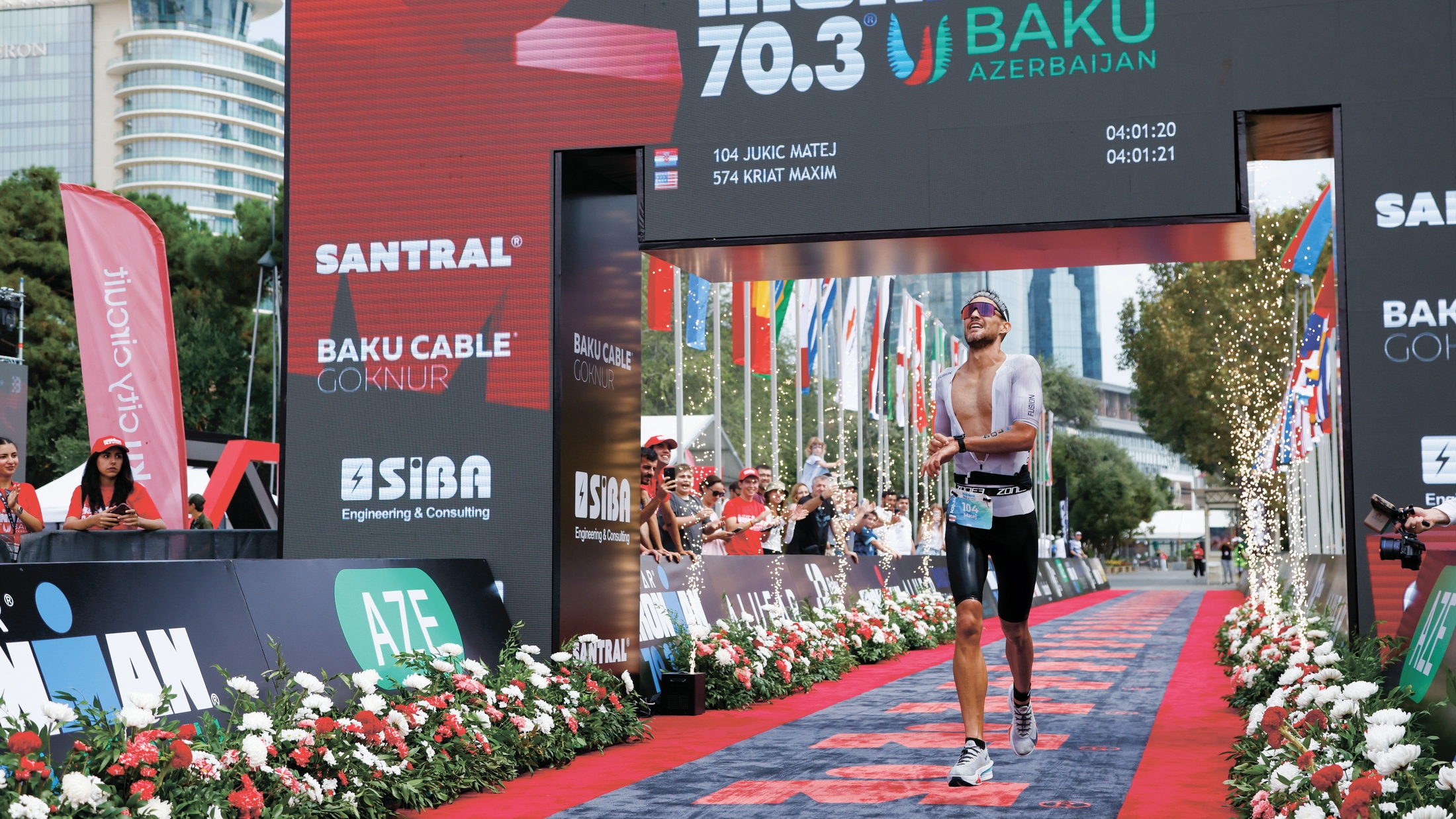
US Representative Maxim Kriat was the first to cross the finish line, achieving a time of 04:01:21. However, the "chip time" system used in triathlons—that is, the athlete's individual time from the moment the electronic chip passes the start line until crossing the finish line—introduced a sensational twist into the final protocol.
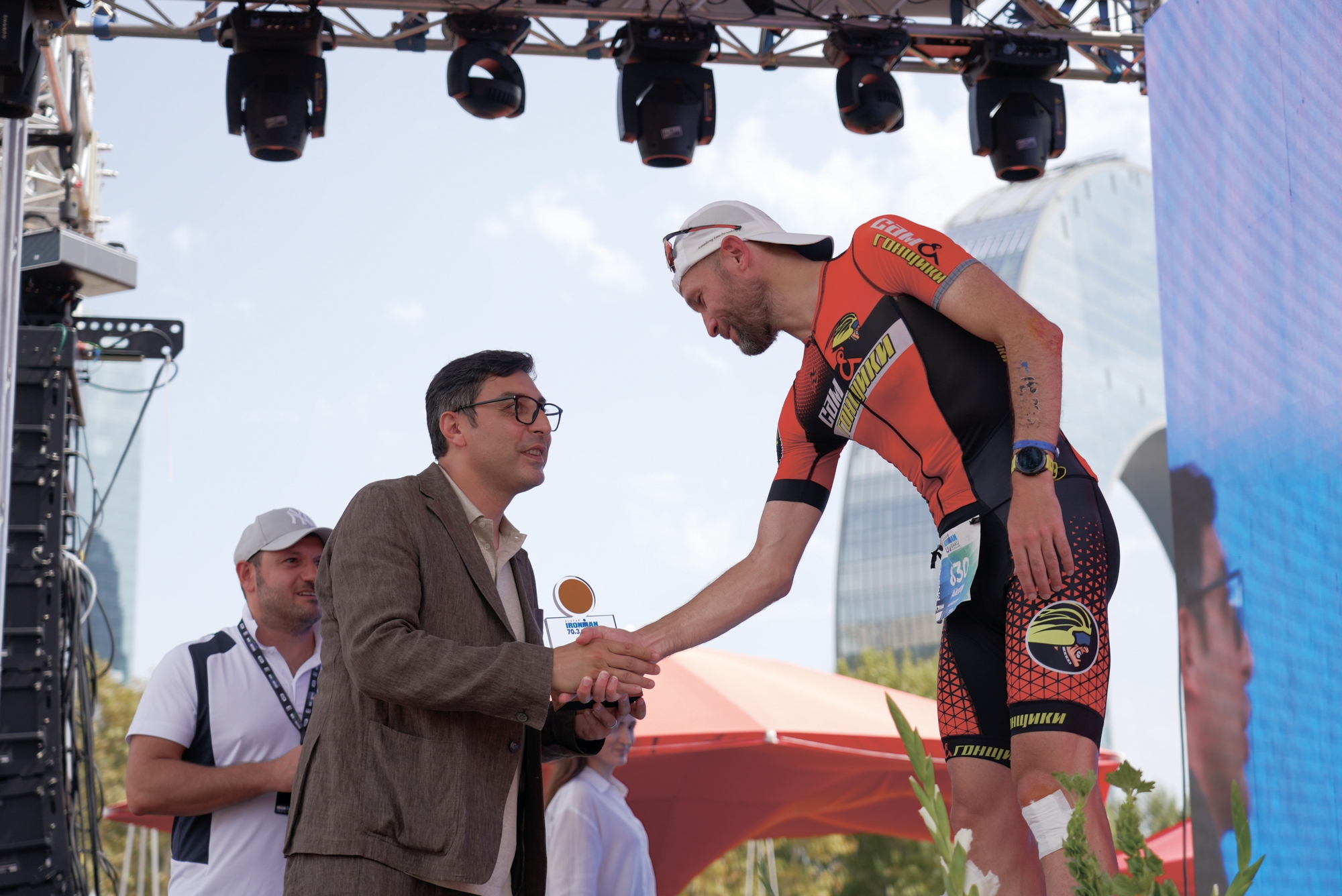
Croatian triathlete Matej Jukić completed the race in 04:01:20, beating his rival on chip time by just one second, and claimed the title of first champion of Alufar IRONMAN 70.3 Baku.
This result demonstrated the intense competition that characterises the Half IRONMAN distance and the favourable conditions for athletes seeking to achieve high speeds on the Baku course.
It should be noted that the Baku race did not have the status of an exclusively regional tournament. In accordance with the competition rules, 25 athletes (12 men and 13 women) who achieved the best results in their respective age groups were granted direct qualification slots for the IRONMAN 70.3 World Championship, which is scheduled to take place in 2027 in the US. This factor maximised the motivation of the foreign elite athletes who came to compete in Baku.
A test for Azerbaijani triathletes
The Half IRONMAN Baku race provided a rigorous challenge and valuable learning experience for domestic triathletes, offering a platform for growth and development. A total of 123 athletes from Azerbaijan participated in the competition. The first to complete the event was Teymur Farajov. After completing the 113-kilometre course in 4 hours, 36 minutes and 10 seconds, he achieved a significant result in the history of domestic triathlon.
In addition to the main race, the programme included IRONKIDS, a competition for children, and the Fun Run, a mass 5 km race. These events play a significant role in popularising triathlon in Azerbaijan and promoting a healthy lifestyle among the younger generation.
Baku withstood the test
Holding the swimming stage in the sea, the cycling race (with the closure of 90 km of central roads) and the half-marathon in the very centre of the city requires a high level of management.
On the day of the competition, the routes of 13 bus lines were changed. The phased closure of roads and their prompt reopening immediately after the race allowed inconvenience for city residents to be reduced to a minimum.
During the competitions, coastal security services and rescuers operated at sea, while medical points were deployed on land to provide assistance in the event of cycling accidents. Hundreds of local volunteers provided athletes with water and nutrition and helped with navigation along the route, which allowed the event to be held in accordance with international standards.
Sport, tourism and international image
It should be noted that the Half IRONMAN event is considered to be one of the most significant events in the world in terms of its economic return and tourism effect. Foreign triathletes tend to participate in such competitions accompanied by their families, coaches and support groups.
It is estimated that guests from 62 countries spent a certain amount of money in Baku's hotels, restaurants and on transport. By scheduling the race in early September, the summer tourist season in the capital was effectively extended.
The athletes' routes—the Maiden Tower, the Flame Towers, the Boulevard—received coverage on IRONMAN's global media platforms and in the press. This has served to reinforce Azerbaijan's reputation on the global stage as a safe, modern and sporting nation.
Following Formula 1, the European Games and UEFA matches, Baku once again demonstrated its ability to host mass open-air city competitions at the highest level.
The success of the race is a strong indication of the potential for hosting an IRONMAN competition in full format—over the 226 km distance—in Azerbaijan in the future. Furthermore, the achievements of local athletes have significantly contributed to the growth of triathlon clubs nationwide and the increasing popularity of the sport.
RECOMMEND:
 55
55