

LOOKING INTO TOMORROW
China’s main metropolis can surprise even the most experienced travellers
Author: Elchin HUSEYNOV, Baku–Shanghai–Baku
Shanghai is the city that best reflects the new China. It is the country’s largest metropolis, one of the world’s leading financial and trading centres, and a place where futuristic skyscrapers stand alongside old neighbourhoods, while highly advanced technologies have long been part of everyday life. It is no coincidence that Shanghai is known as a showcase for the economic miracle of the Middle Kingdom.
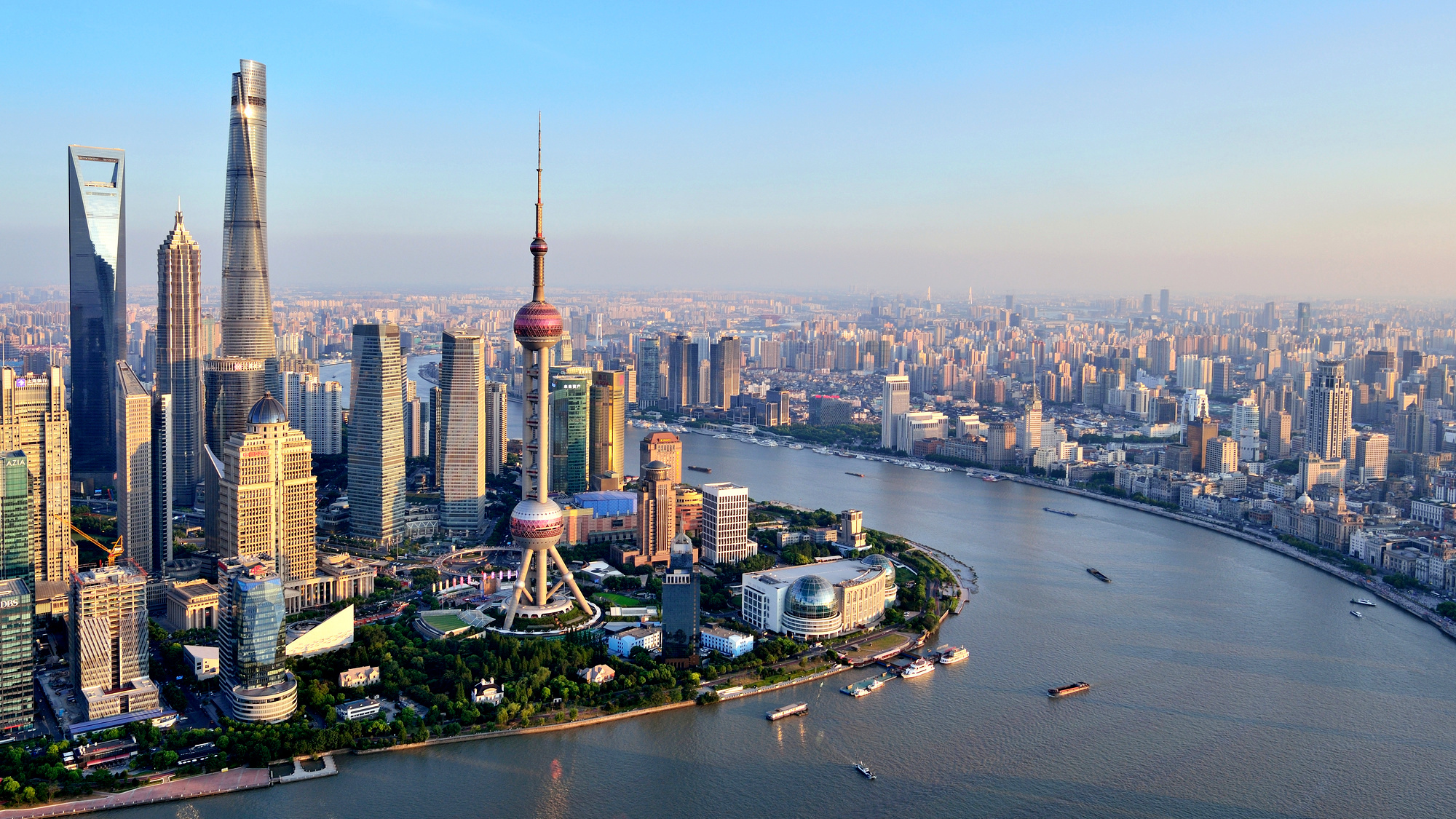
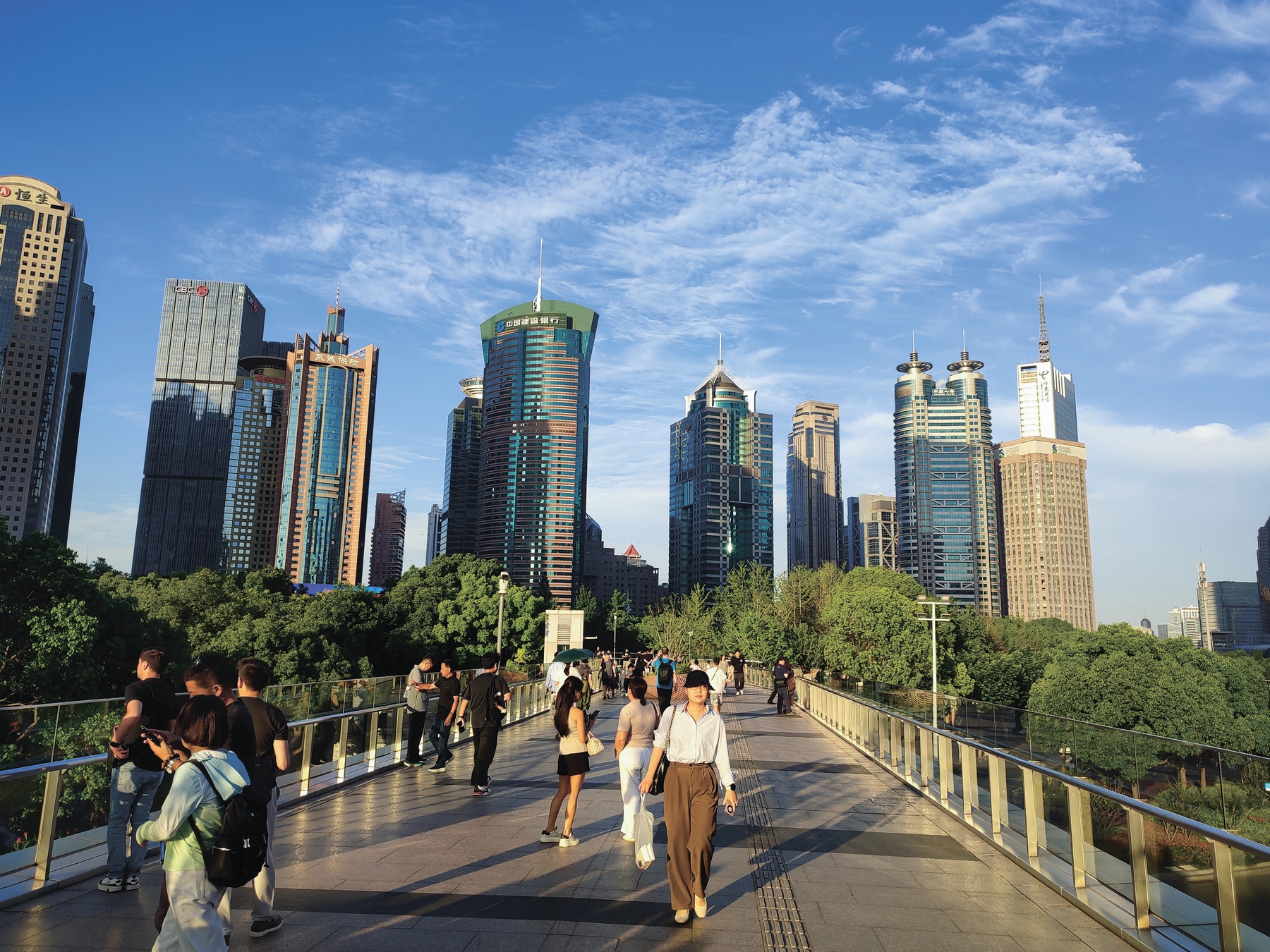
A century and a half ago, this was a relatively small port city. Today, almost 25 million people live here, and its port is considered the largest in the world. This is where China displays its ambitions, while the Pudong district, with its extraordinary towers, has long been one of the most recognisable urban landscapes on the planet.
Shanghai’s scale is not its only surprise. Behind the glass and concrete lies an entirely different world—tree-lined streets in the former French Concession, tea houses, colonial mansions, old neighbourhoods and parks where local residents practise tai chi and dance to music in the mornings. This contrast between the future and the past, the frantic pace of a metropolis and the unexpected tranquillity of certain districts, makes Shanghai one of Asia’s most fascinating cities.
At first glance
For most tourists, an introduction to Shanghai begins at Pudong International Airport, Asia’s largest aviation hub. Tens of millions of passengers pass through it every year, and the airport serves as one of China’s main gateways for travellers from around the world.
There are several ways to get from Pudong Airport to central Shanghai. The most unusual is the famous Maglev train, which takes passengers to Longyang Road station in eight minutes, reaching a speed of 431 km/h. From there, you can change to the metro and reach the city centre in roughly half an hour. A more economical option is Metro Line 2, which passes through People’s Square, the heart of Shanghai and the metropolis’s largest transport hub, before continuing towards the Jing’an district and the famous Nanjing pedestrian street.
Shuttle buses are cheaper, although the journey takes longer. The most comfortable option, of course, is a taxi or the Didi service, particularly if you have a large amount of luggage. Depending on traffic, the journey to the centre takes between 40 minutes and an hour and a half.
Many tourists from Azerbaijan reach Shanghai in a different way. After spending several days in Beijing, they continue their journey by high-speed train, which links the country’s two largest cities. Modern trains cover the distance of more than 1,300 kilometres in just 4.5–5 hours, reaching speeds of up to 350 km/h. The journey itself becomes a separate experience and offers another reminder of how far China has advanced in developing its transport infrastructure. It is worth bearing in mind, however, that the trip is not cheap—the one-way fare exceeds $100.
Those arriving in Shanghai by high-speed train usually find themselves at the enormous Hongqiao railway station, which is integrated with the airport of the same name serving domestic flights. From there, you can reach the city centre by metro, taxi or Didi; the journey to People’s Square takes approximately half an hour.
Whether you arrive at Pudong or Hongqiao station, your first impression of Shanghai is always connected with its scale. A forest of skyscrapers, multi-level flyovers, endless road interchanges and streams of people create the impression of a city living at a frantic pace. Yet within a few hours, you begin to notice something else: remarkable cleanliness, order, a sense of security and technologies that have long become part of everyday life. Paying for purchases and transport by smartphone, QR codes and the delivery of practically everything imaginable create the feeling that Shanghai is living several years ahead of familiar reality.
Visitors from the future
If Beijing is associated with imperial palaces and centuries of history, Shanghai represents twenty-first-century China. The city is home to the country’s largest stock exchange, as well as the headquarters of leading banks, technology corporations and international companies.
Shanghai has hundreds of buildings more than 100 metres high, while its metro system, comprising more than 20 lines and nearly 520 stations, is one of the largest in the world. It carries millions of passengers every day and has long served as the true circulatory system of the metropolis. Thanks to the metro, most districts and attractions can be reached quickly, conveniently and relatively cheaply.
Life here is organised with remarkable efficiency. A few taps on a smartphone are enough to pay for purchases, call a taxi, order food, buy a train ticket and much more. Cash is gradually becoming a rarity, while QR codes and the Alipay and WeChat Pay mobile applications have become integral parts of everyday life. Even street vendors, small shops and musicians prefer cashless payments. You may even come across a beggar who accepts donations via a QR code rather than in cash.
Shanghai gives the impression of a city where the future has already arrived. Restaurants and hotels increasingly feature robot waiters and delivery robots, while courier services can deliver an order in just a few minutes. Many processes are so automated, however, that you quickly become accustomed to them and stop regarding them as unusual.
Transport deserves particular attention. Shanghai’s streets resemble a vast exhibition of the achievements of China’s car industry. It feels as though the era of internal-combustion engines is gradually becoming a thing of the past. BYD, Nio, Zeekr, Li Auto, XPeng, Aito and the rapidly growing range of Xiaomi models dominate the roads. They are joined by thousands of silent electric scooters and bicycles, which make even the busiest avenues seem unusually quiet. For many foreign tourists, the abundance of unfamiliar car brands becomes one of the main cultural shocks and a clear indication of how rapidly China is changing.
Shanghai surprises visitors with more than its technology. It is almost impossible to encounter the chaos that many people associate with Asian megacities. The city challenges familiar ideas about China, presenting the country not through ancient pagodas and imperial palaces but through skyscrapers, advanced technology and a pace of life that until recently seemed like science fiction.
From the colonial past to the lights of the metropolis
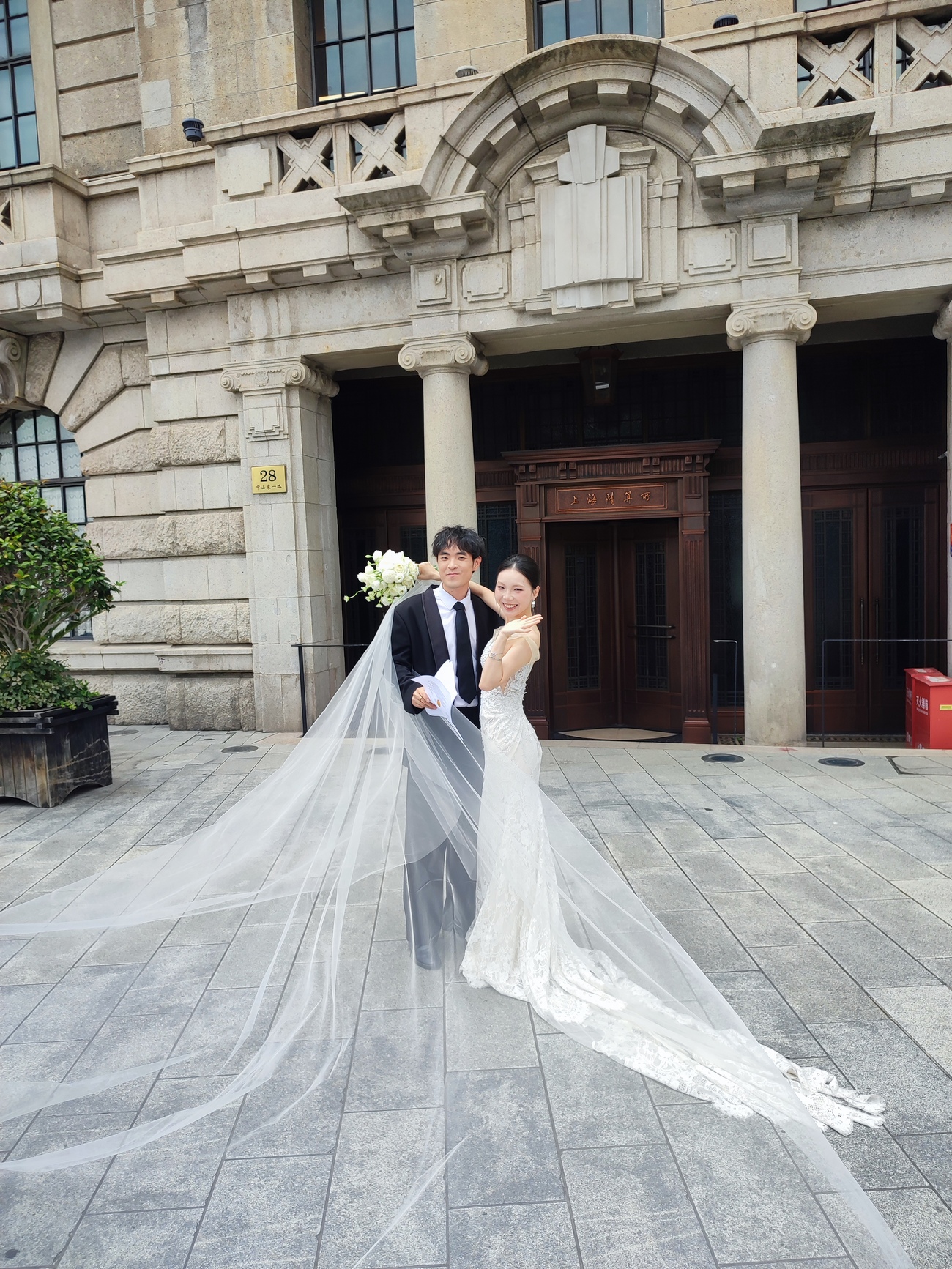
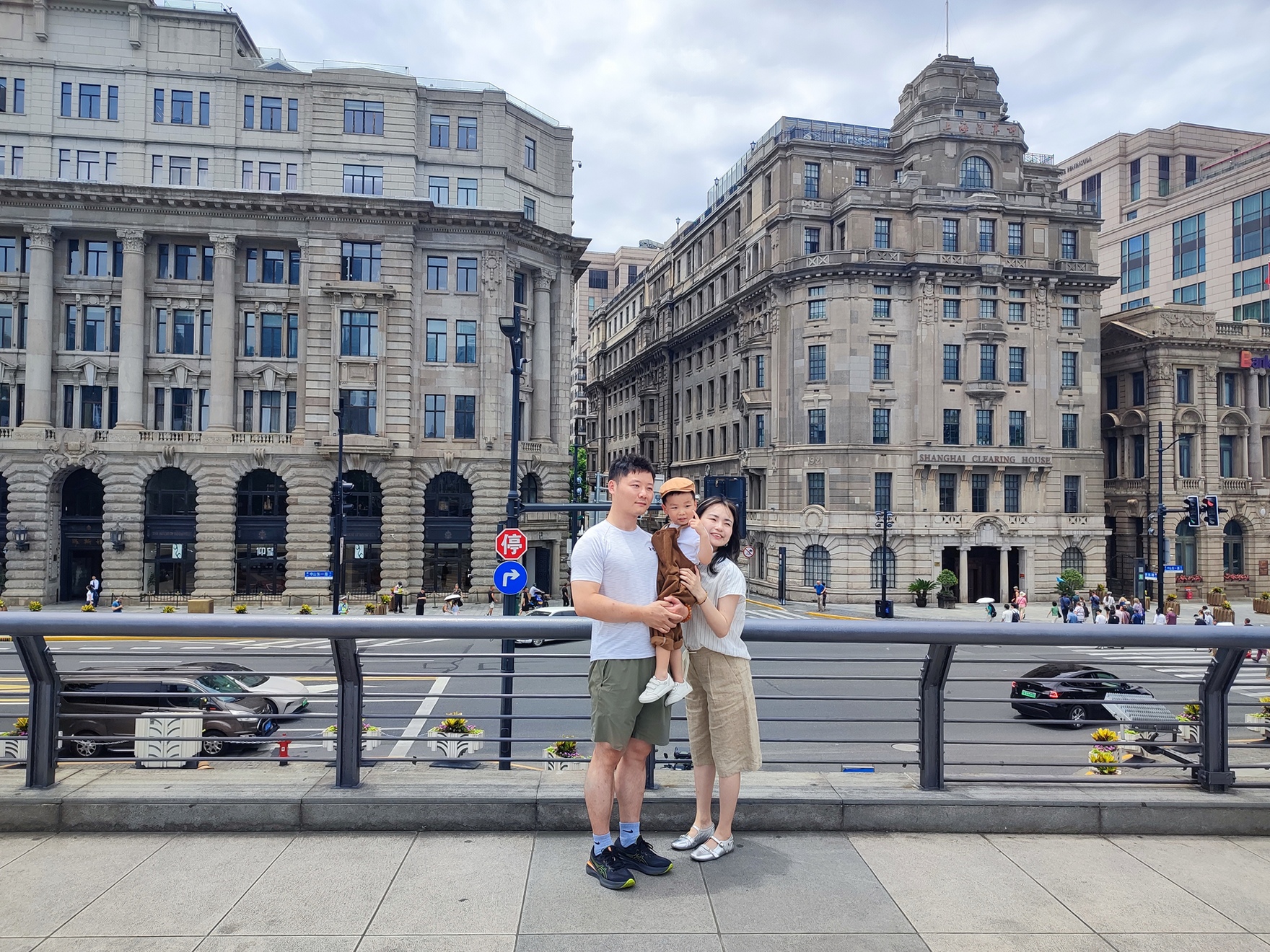
The best place to begin exploring Shanghai is the Bund, the famous promenade on the western bank of the Huangpu River. Dozens of magnificent European-style buildings, constructed in the late nineteenth and early twentieth centuries when Shanghai was Asia’s most important trading centre, are concentrated here. Banks, trading houses and offices of foreign companies once occupied these buildings; today, their colonial architecture forms a kind of open-air museum. The Bund’s main attraction, however, is elsewhere: it offers perhaps the most famous view of modern Shanghai.
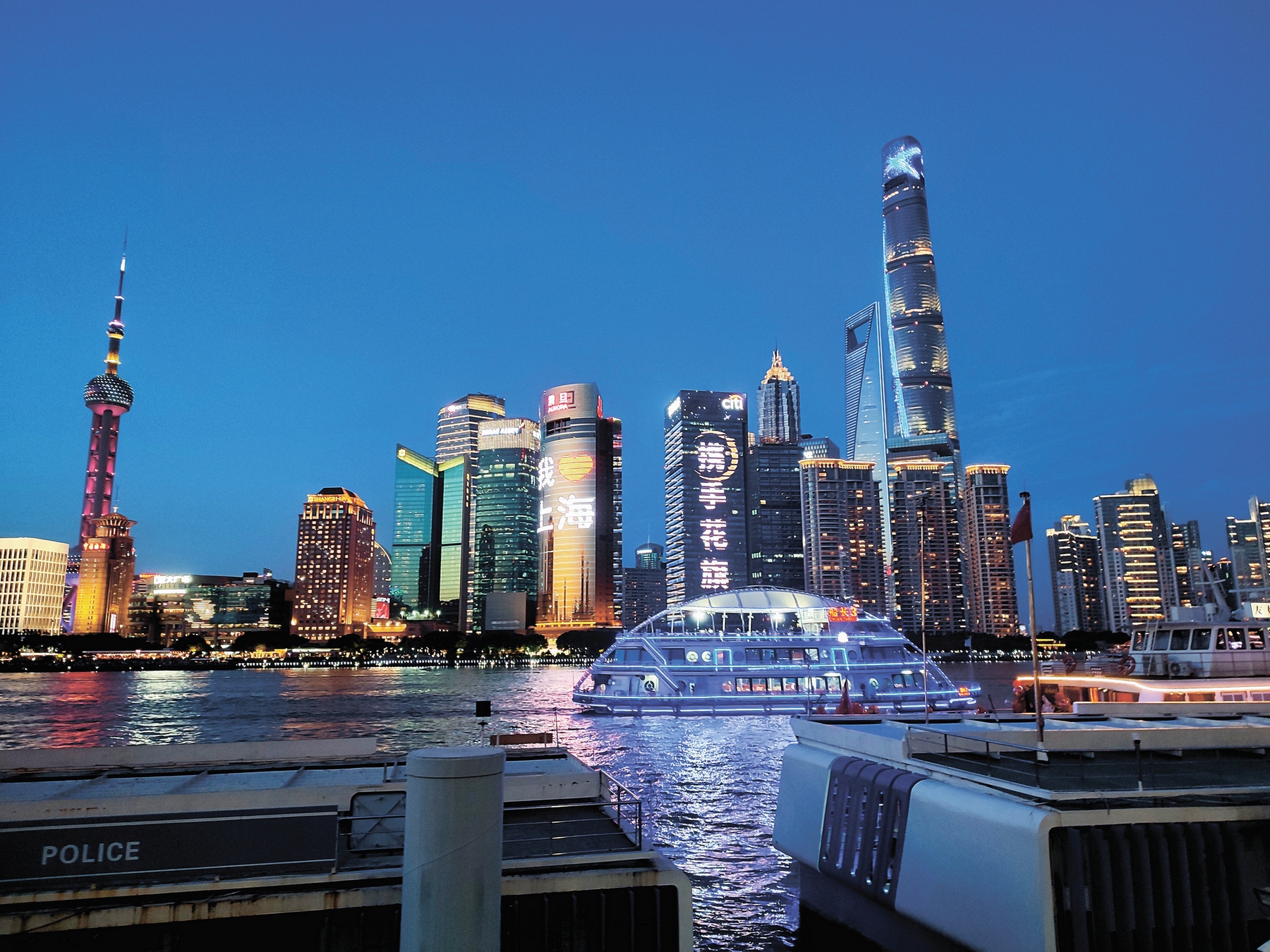
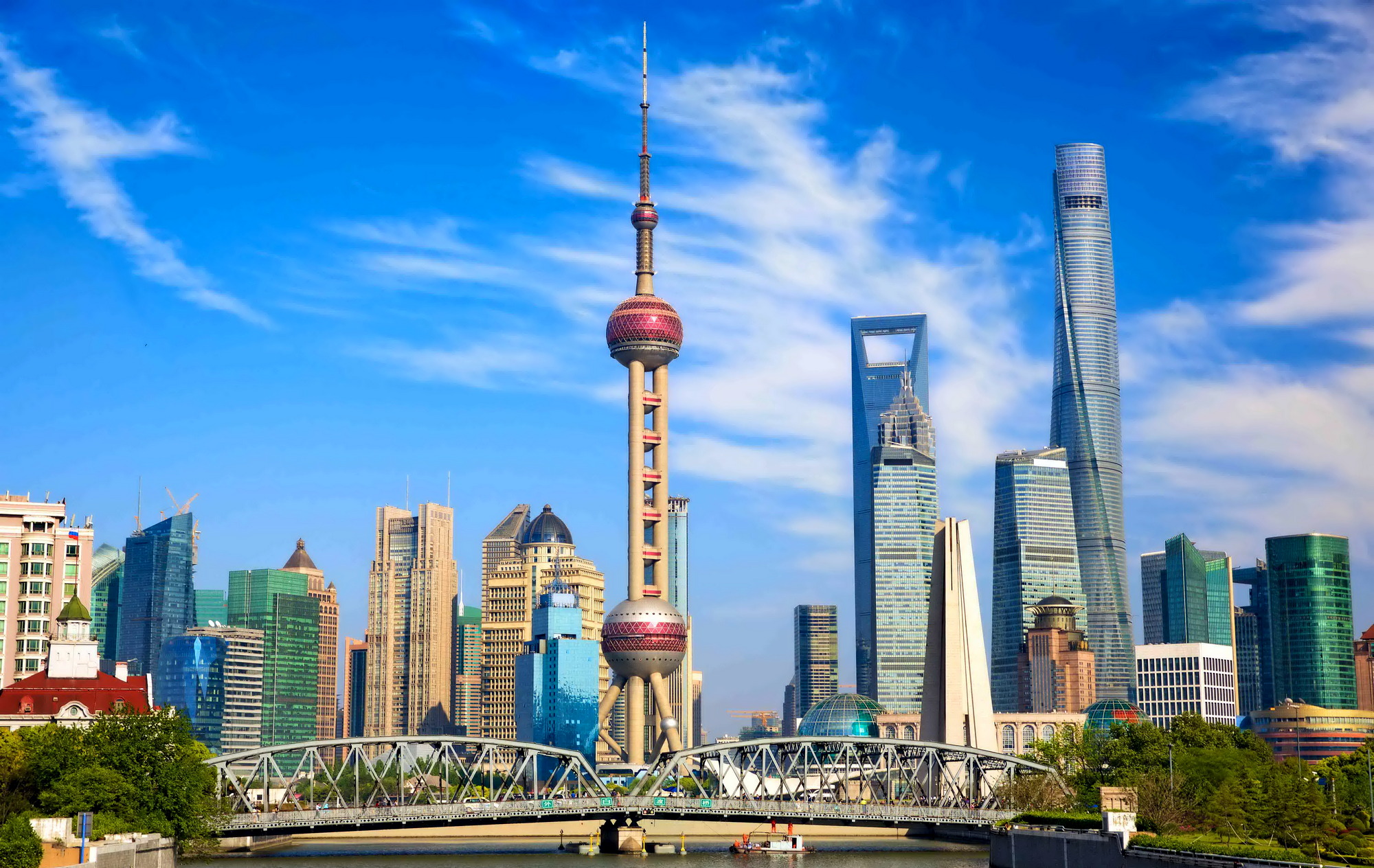
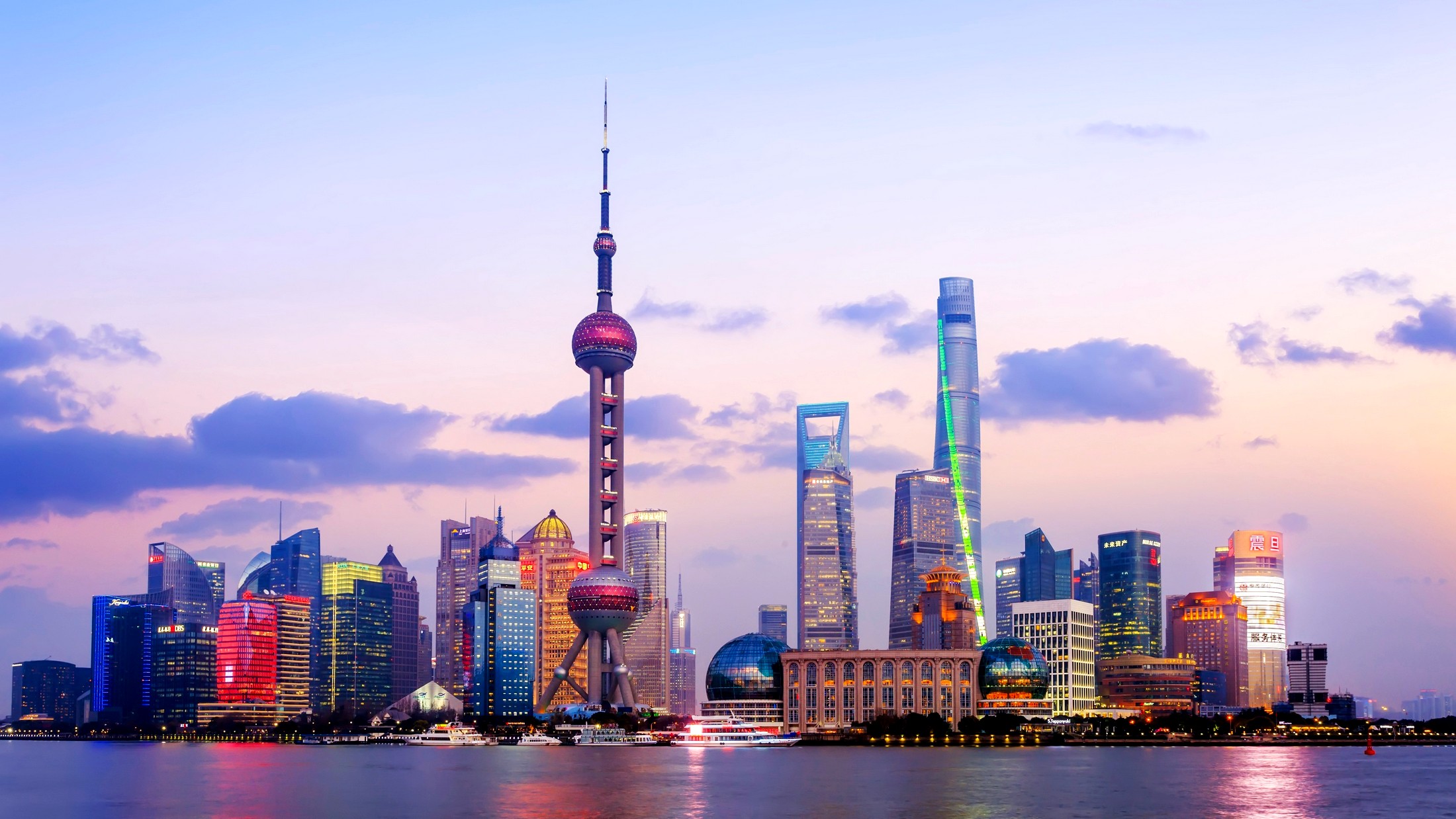
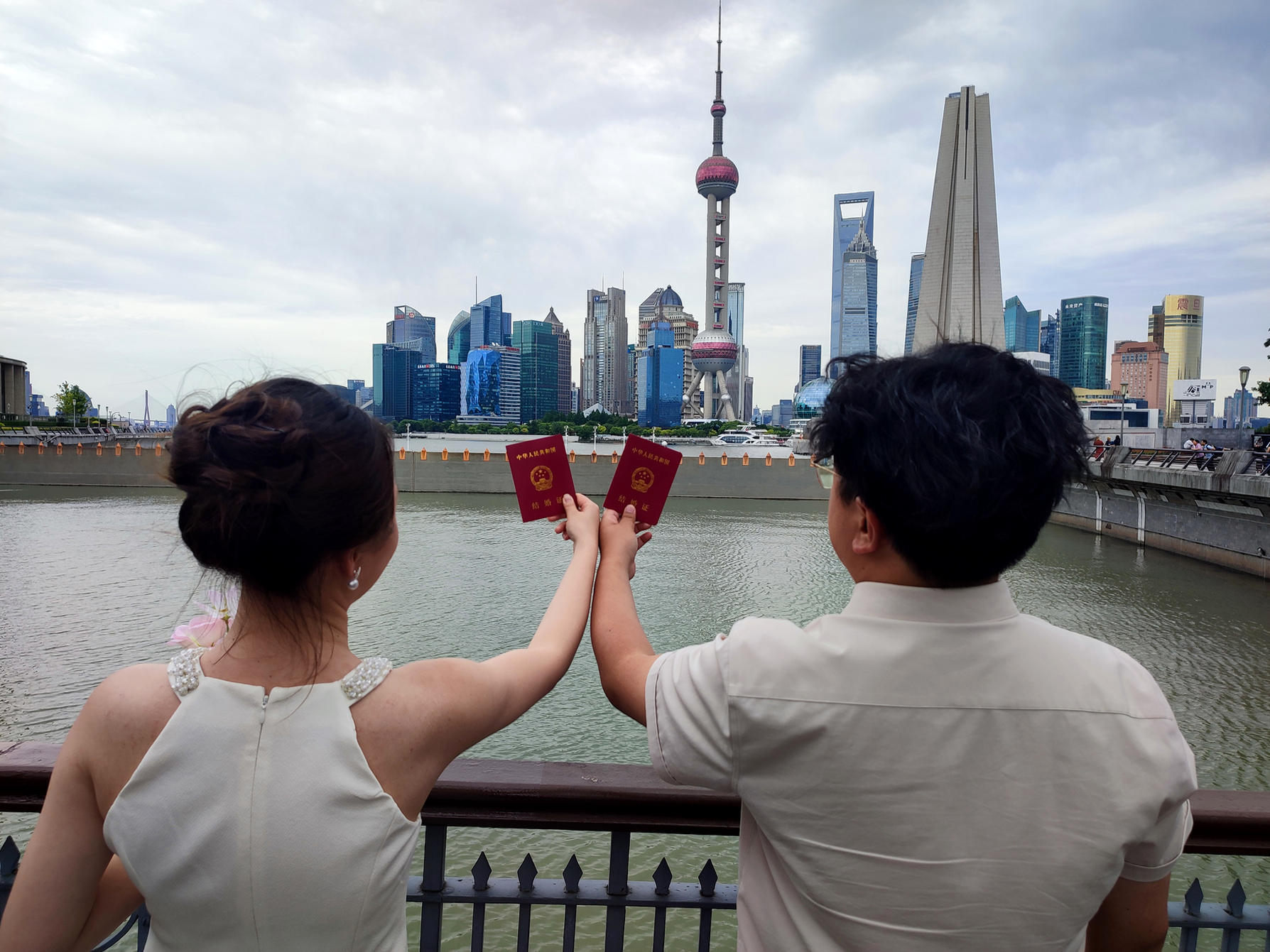
On the opposite bank of the river rises Pudong, a symbol of the new China. Just a few decades ago, the area consisted of warehouses and farmland. Today, it resembles the set of a science-fiction film. The Oriental Pearl Tower, the Shanghai World Financial Centre, the Jin Mao Tower and the magnificent Shanghai Tower form one of the most recognisable cityscapes on the planet.
Shanghai Tower deserves particular attention. At 632 metres, it is the world’s third-tallest building. High-speed lifts carry visitors to the observation deck in less than a minute, while a spectacular panorama of the multi-million-strong metropolis opens up from a height of more than 560 metres. Tourists are advised to arrive an hour or an hour and a half before sunset, allowing them to see the city first in daylight and then in a sea of evening lights. Tickets cost from 180 yuan.
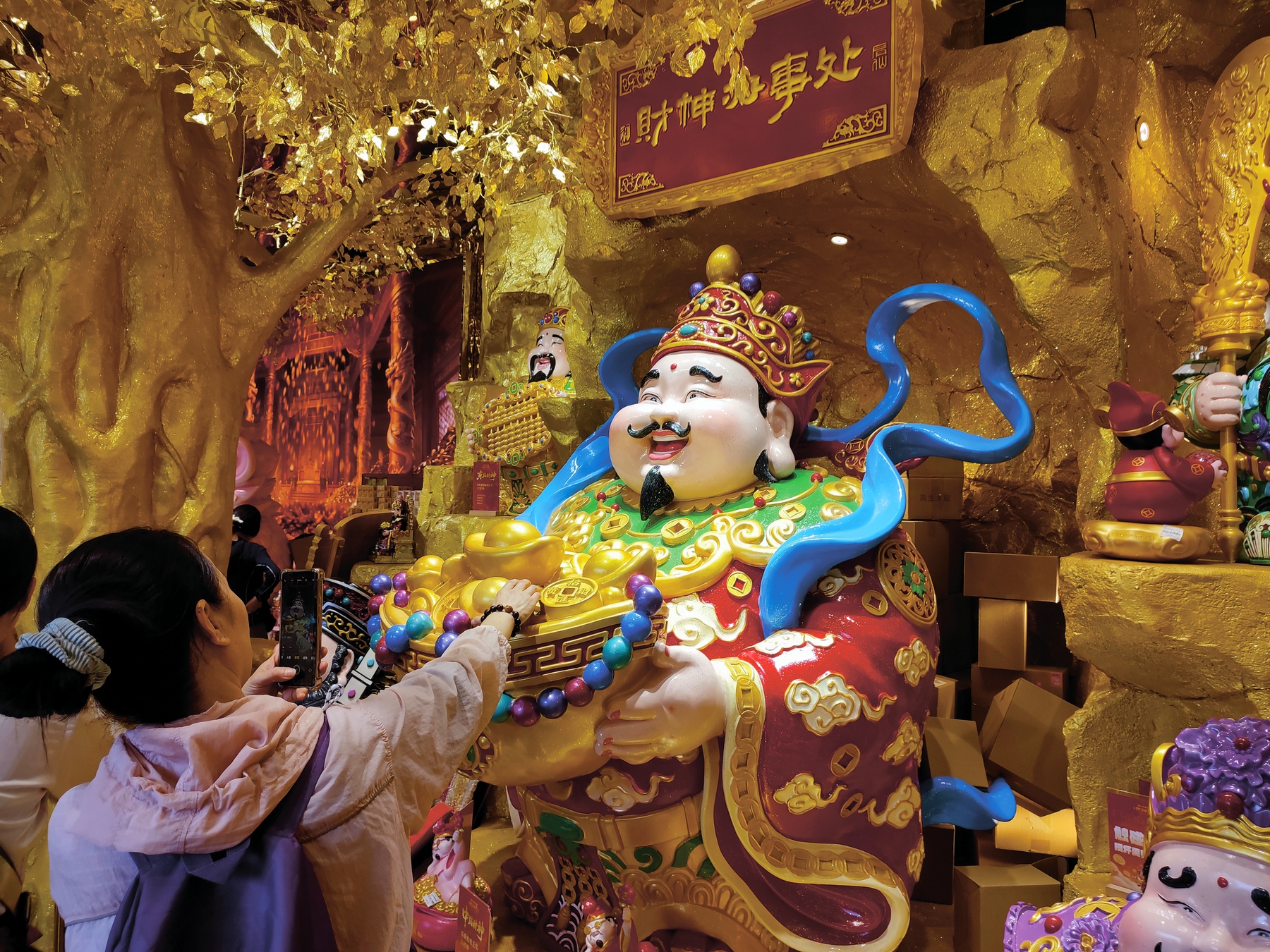
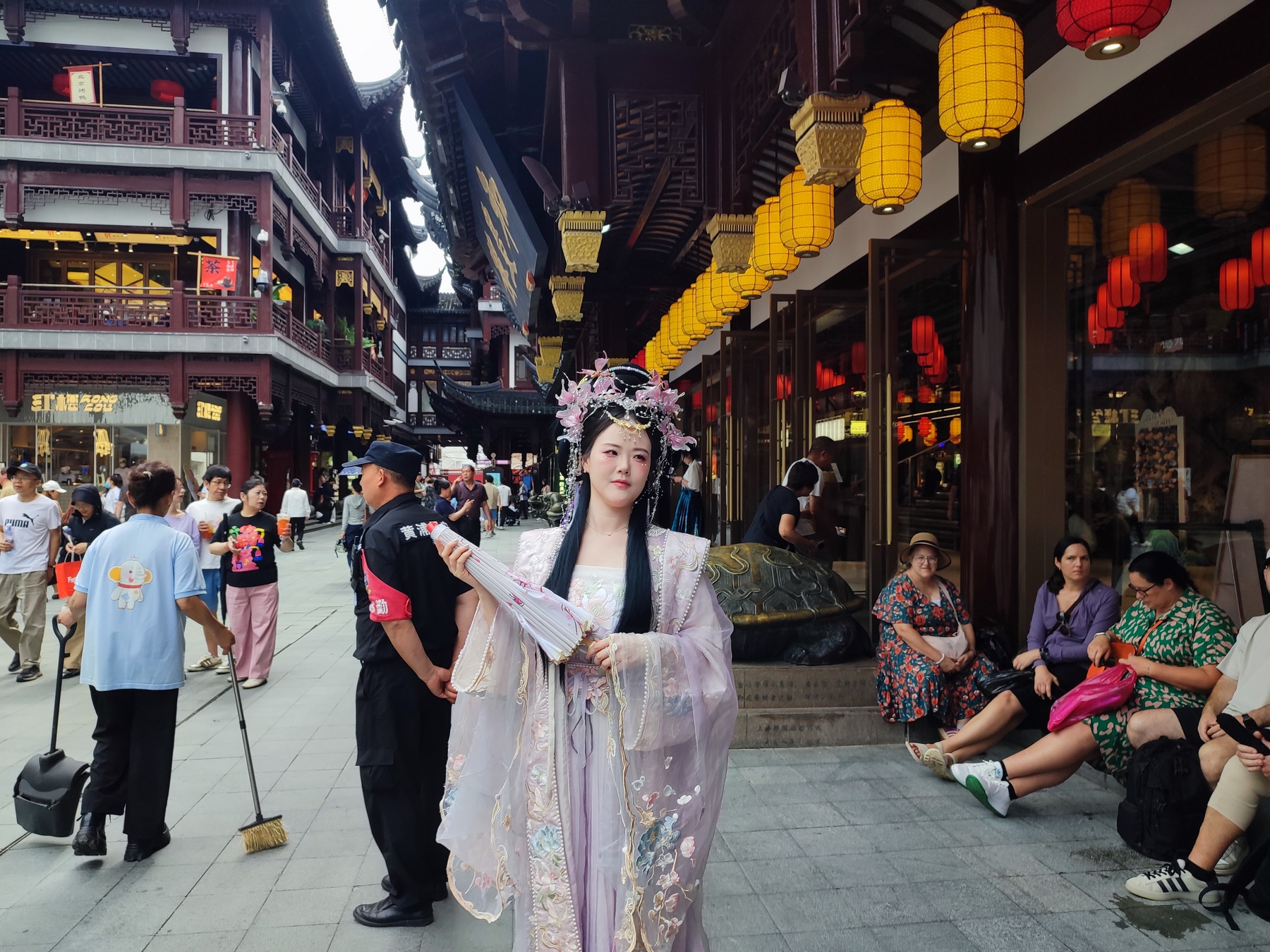
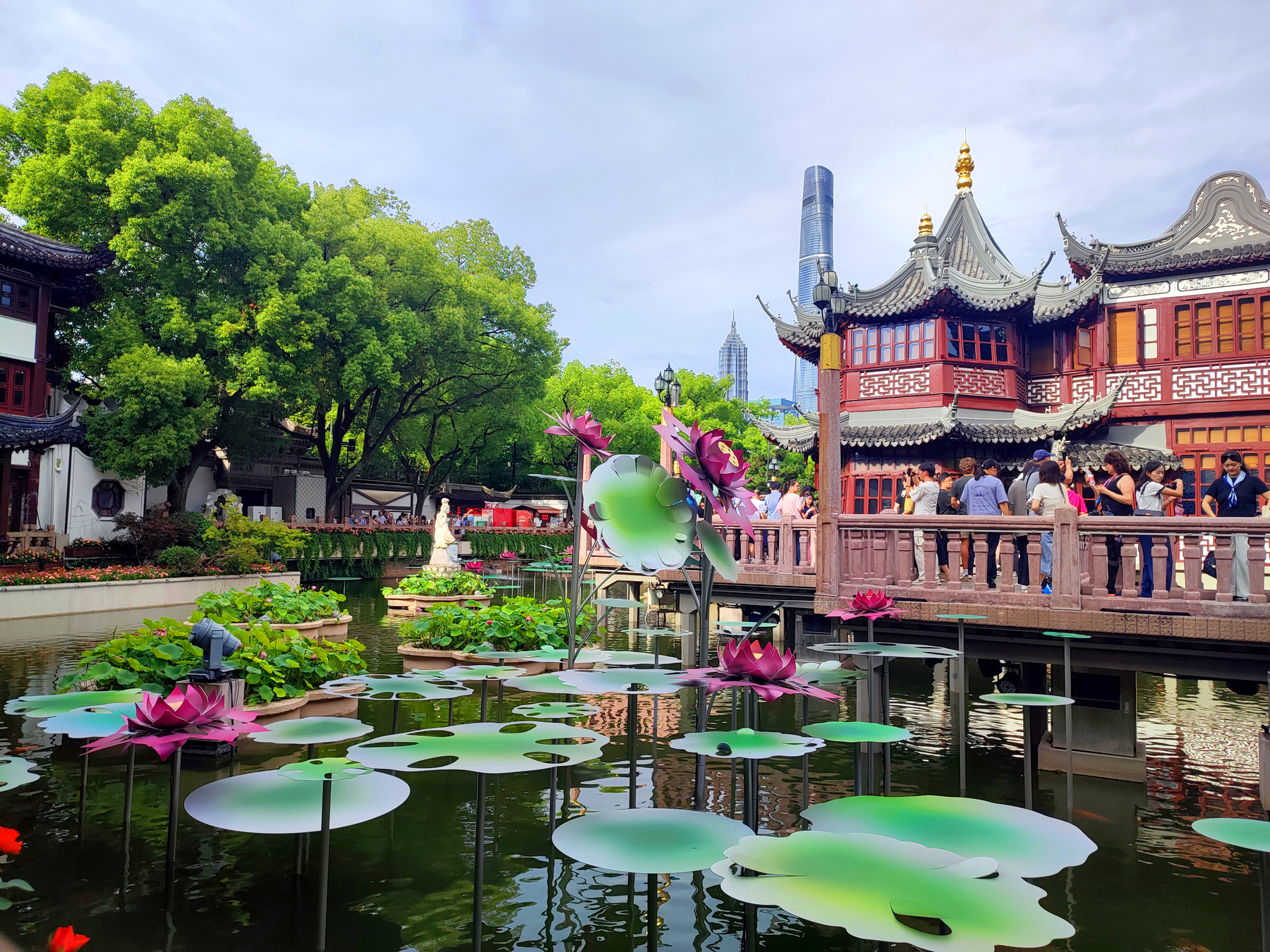
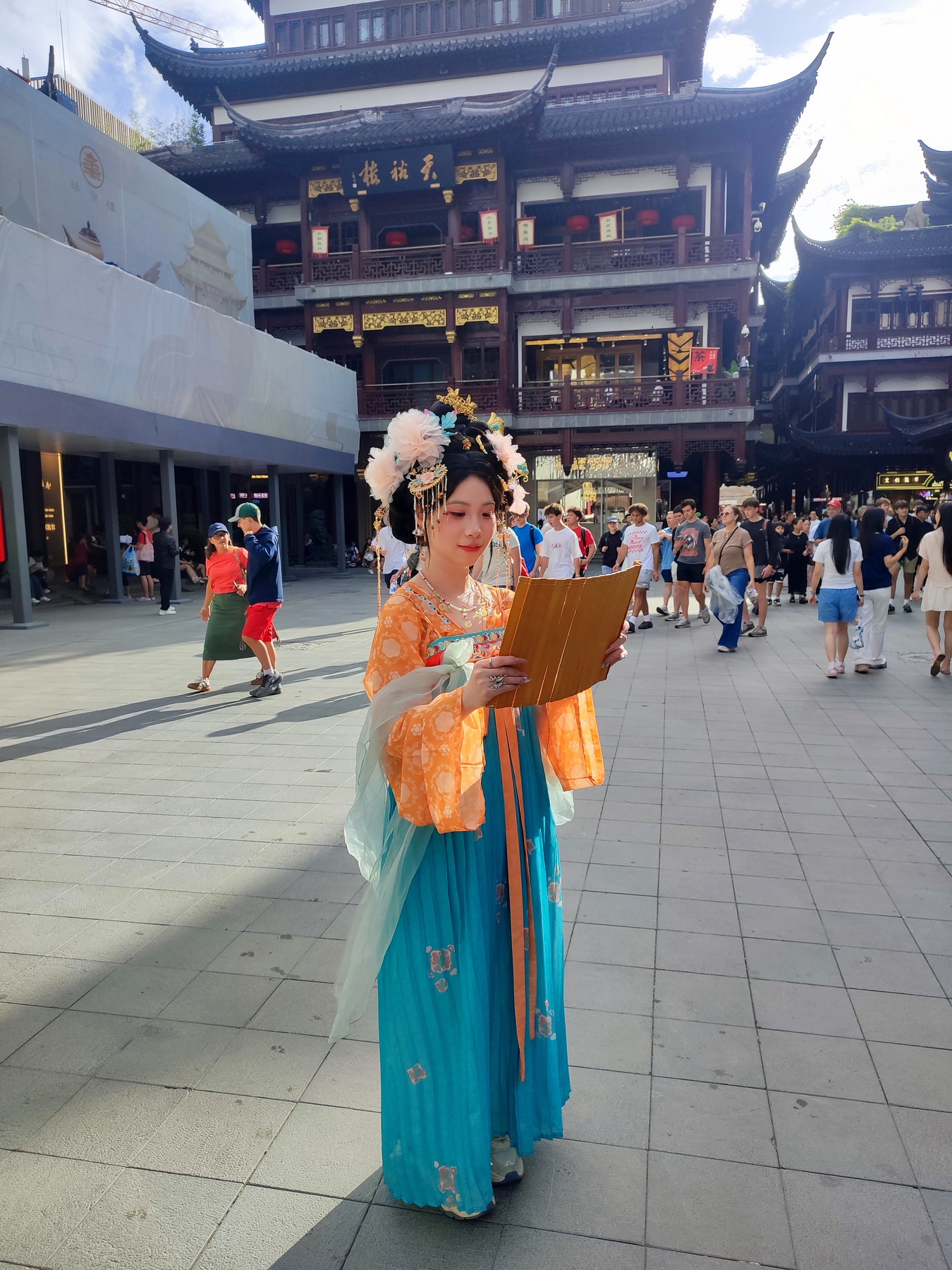
A completely different Shanghai awaits in the Old City. Its main attraction is Yu Garden, created more than 400 years ago. Elegant pavilions, carp-filled ponds, stone bridges and traditional architecture create an atmosphere of old China that contrasts sharply with the skyscrapers of Pudong. Numerous shops, tea houses and souvenir stalls are located nearby.
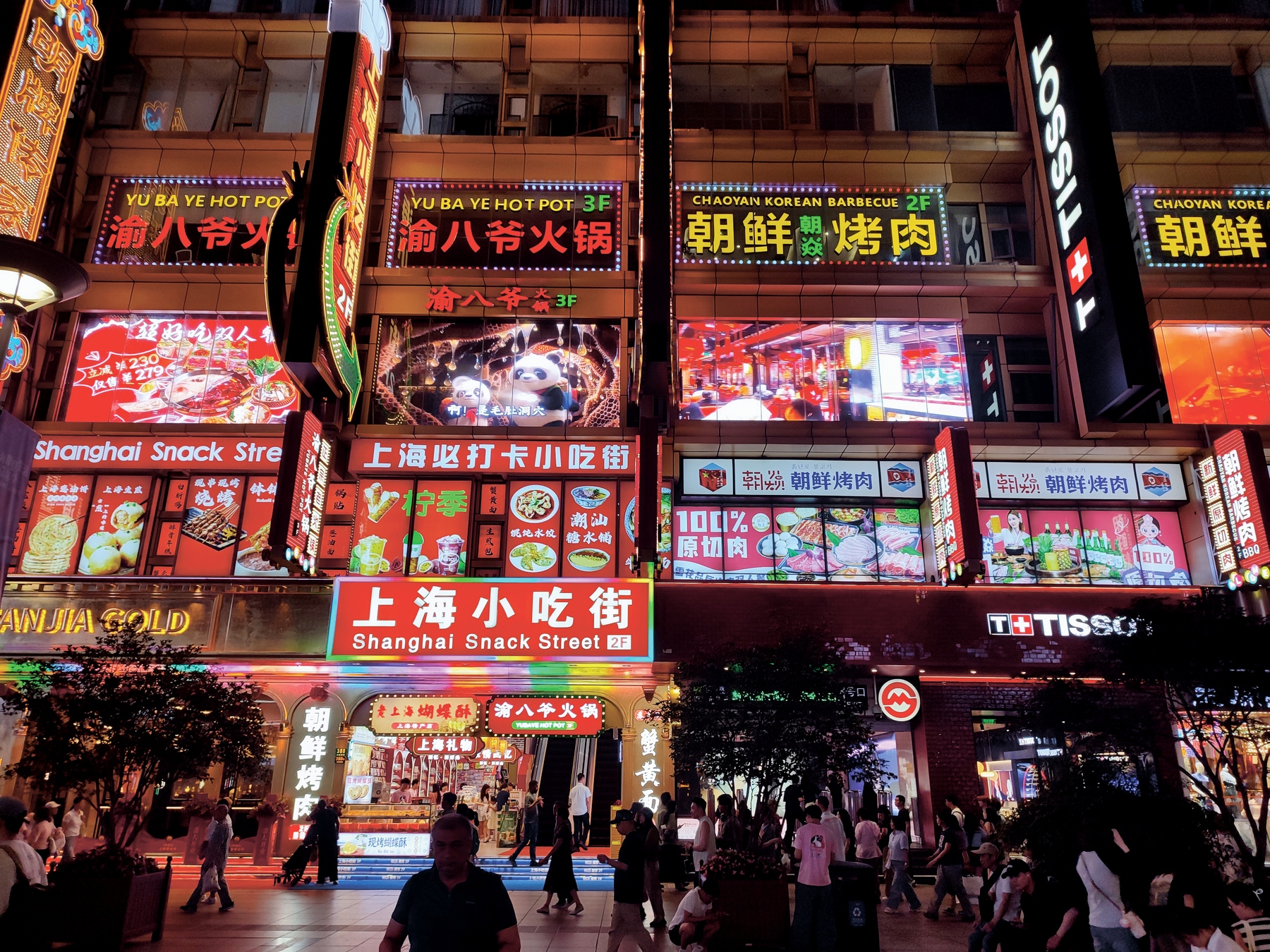
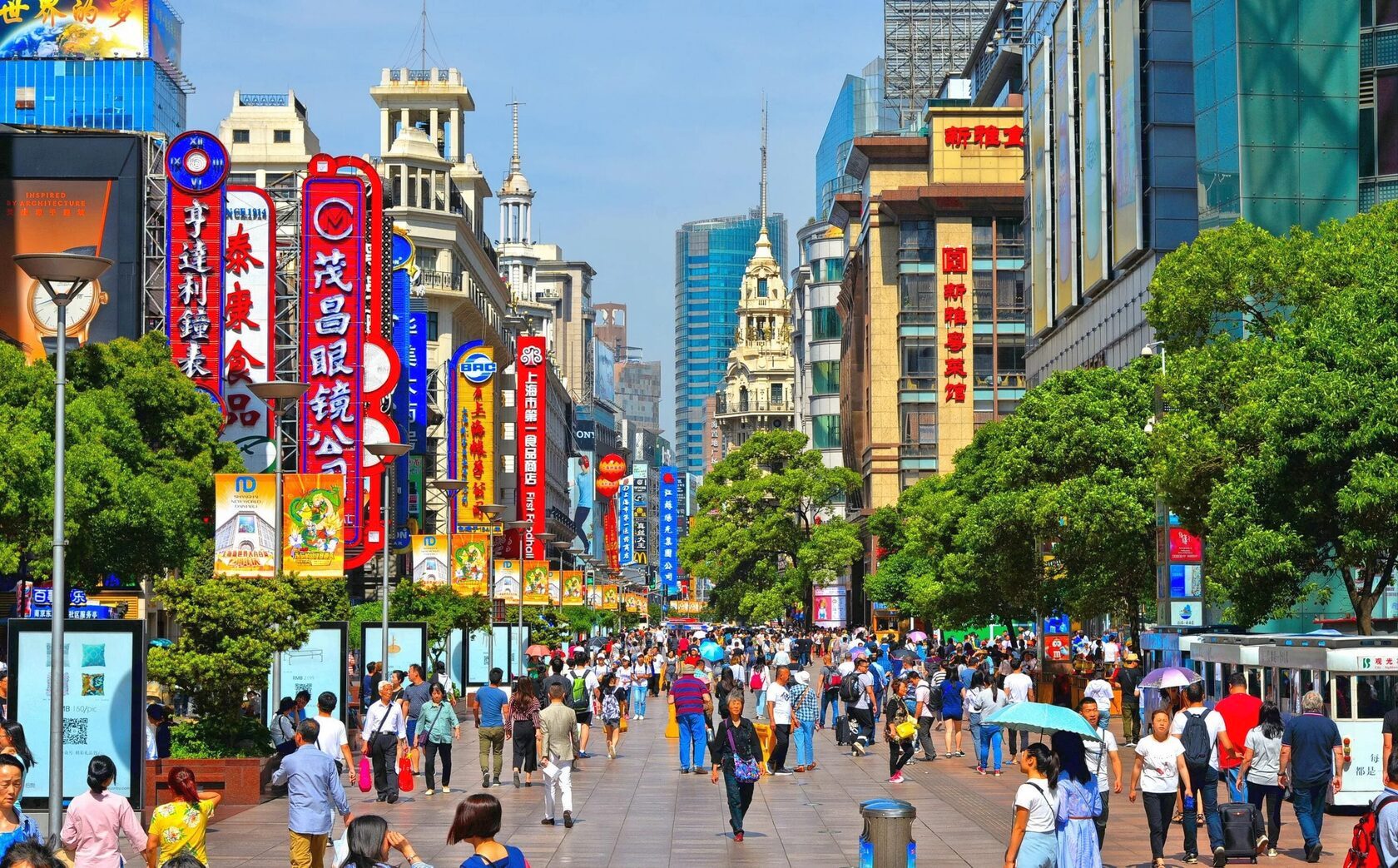
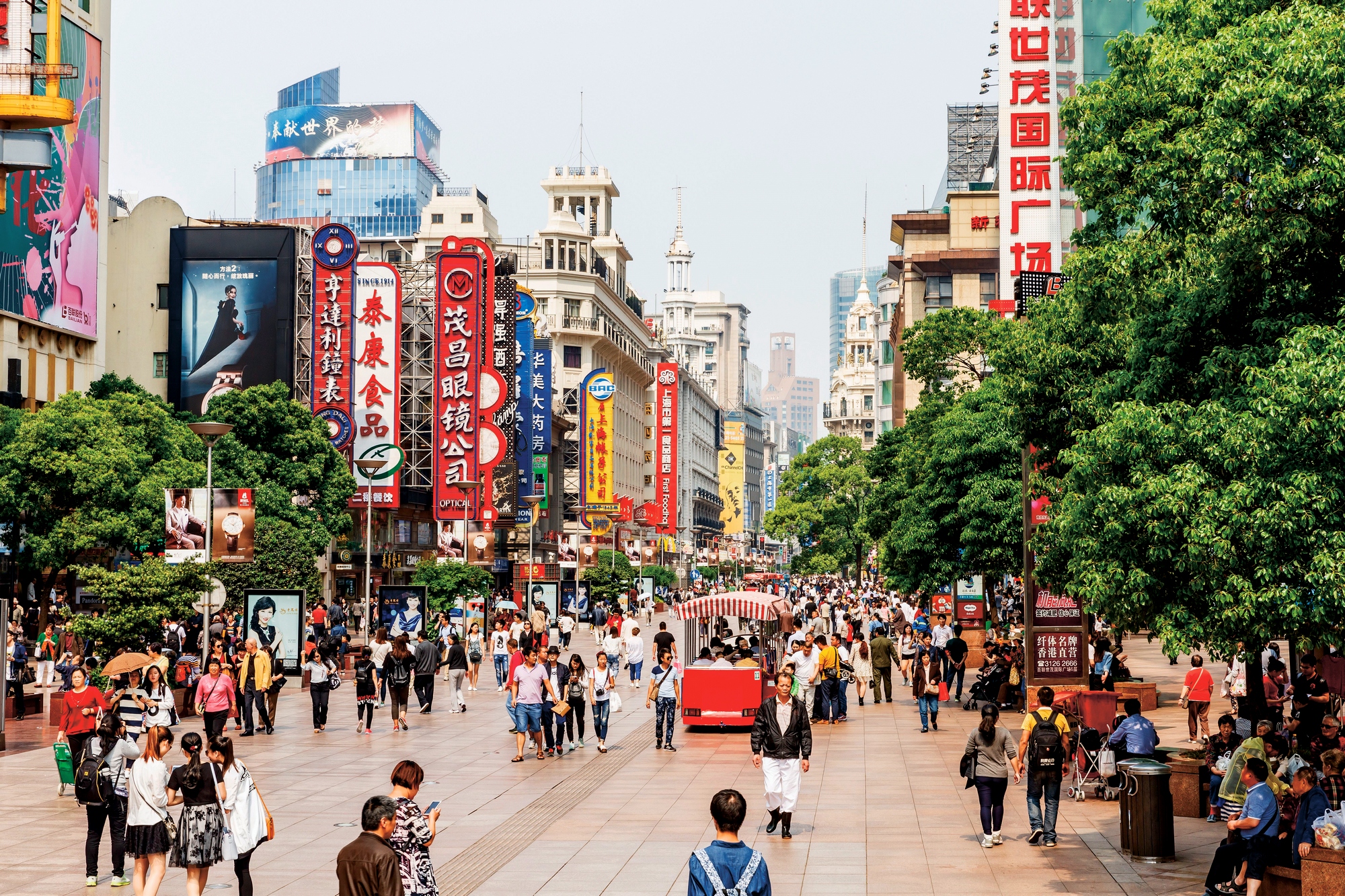
The city is impossible to imagine without Nanjing Road, China’s famous shopping artery. Luxury shopping centres, historic buildings, restaurants and bright neon signs stand side by side here. Those wishing to see a completely different Shanghai should visit the former French Concession. Tree-lined avenues, inviting cafés, old mansions and a leisurely pace of life make this one of the city’s most atmospheric districts.
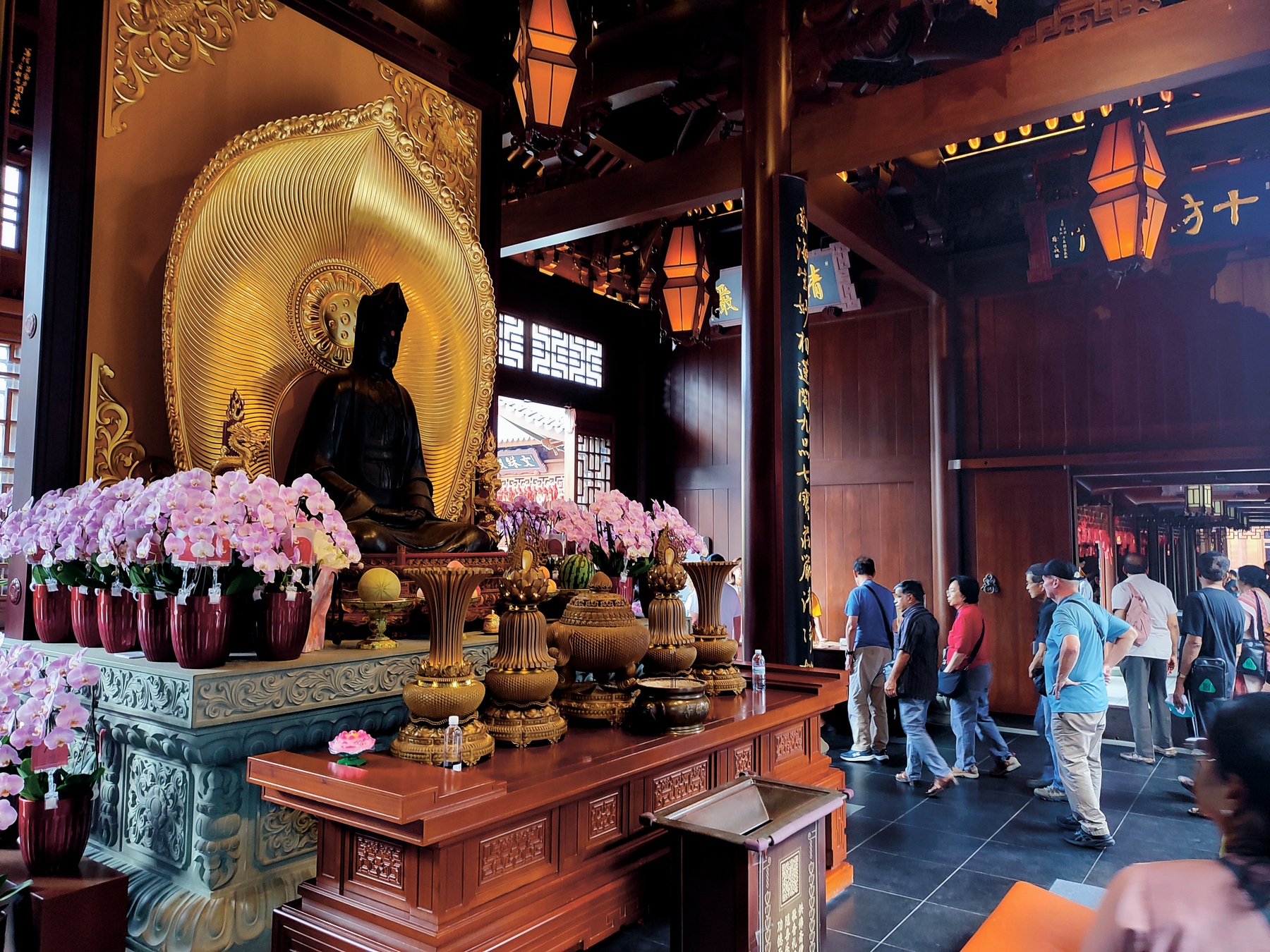
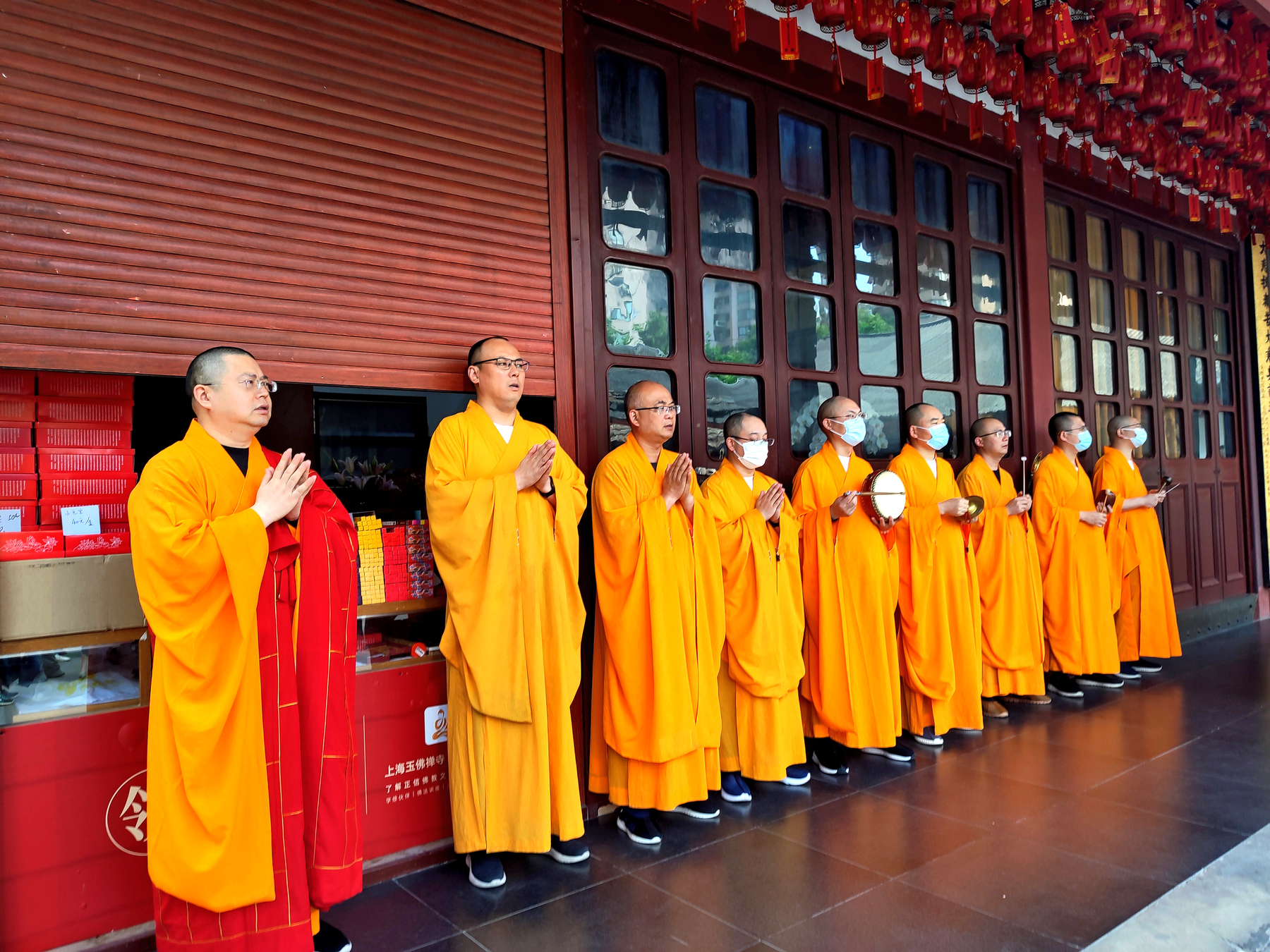
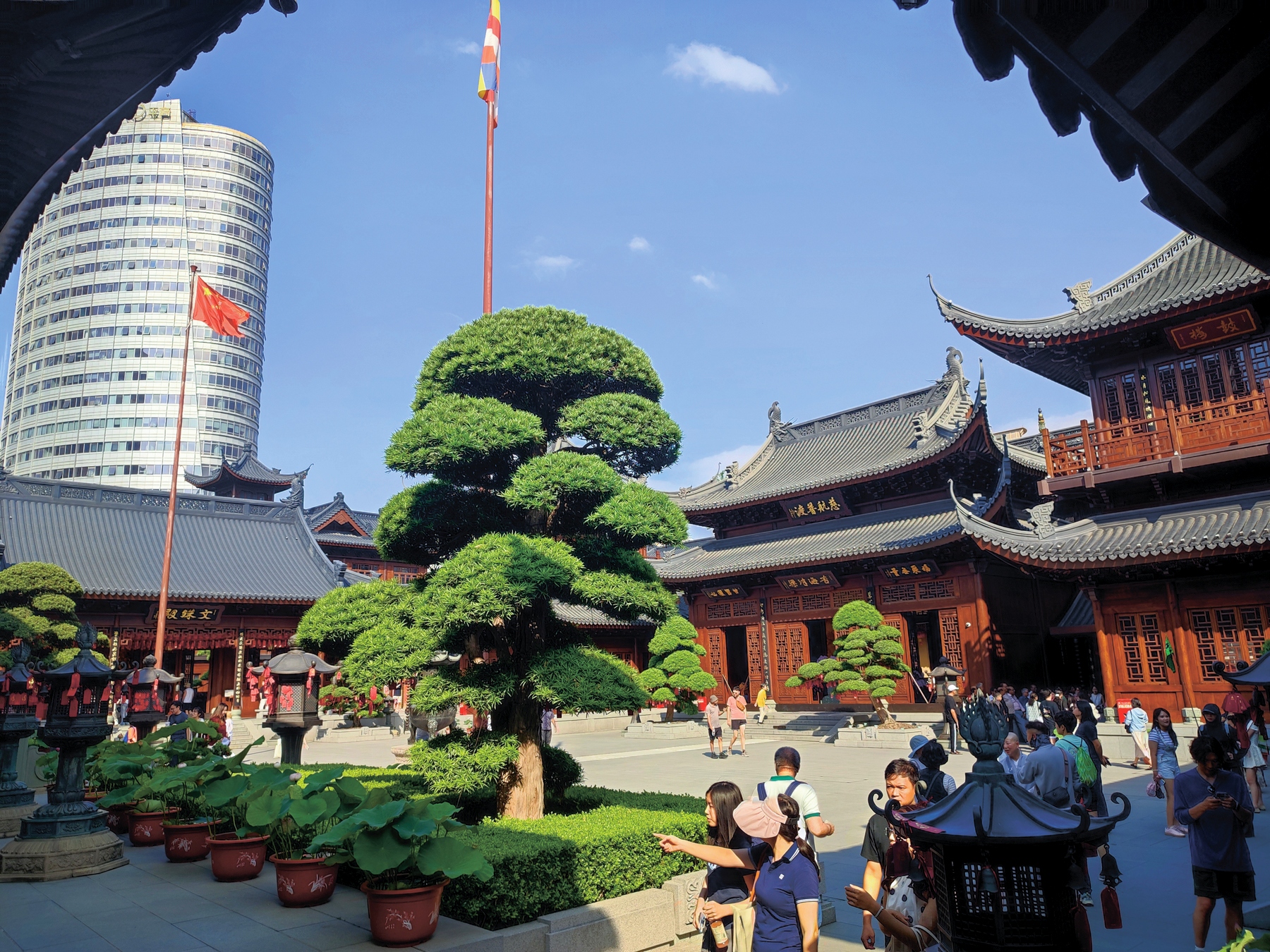
Among the best-known Buddhist sites are the Jade Buddha Temple and Jing’an Temple, visited every day by tourists and worshippers alike. The best way to finish exploring the city is with a cruise along the Huangpu River. Evening cruises allow you to see Shanghai’s two faces at once: the elegant Bund with its colonial architecture and the futuristic Pudong with its hundreds of glittering skyscrapers.
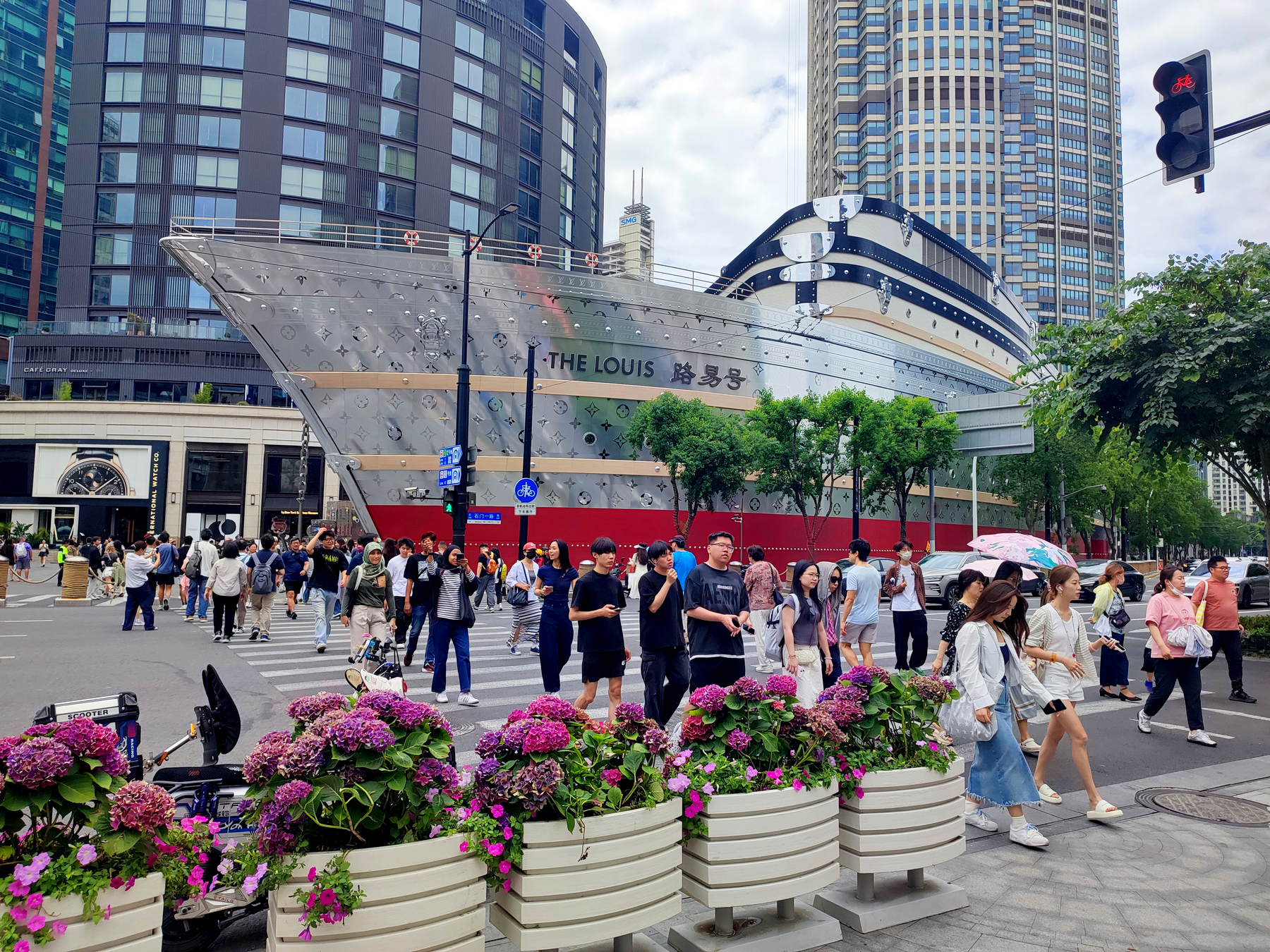
One of modern Shanghai’s symbols is the enormous three-deck Louis Vuitton boutique boat moored beside the HKRI Taikoo Hui shopping complex. The futuristic structure, which resembles an ocean liner, quickly became the city’s most photographed location.
Coffee lovers should visit the Starbucks Reserve Roastery, one of the largest and most impressive coffee centres in the world. Here, you can sample dozens of varieties of coffee and tea, watch the entire roasting process and buy exclusive products sold only in China.
People’s Square and the Shanghai Museum, considered one of the finest museums in the country, are also worth visiting. You should also make time for Xintiandi, where old shikumen houses have been transformed into fashionable restaurants, bars and boutiques. Art lovers can head to the West Bund, with its contemporary art museums and riverside promenades.
Travellers with children are likely to enjoy Shanghai Disneyland and the Shanghai Haichang Ocean Park marine theme park. Those wishing to see the city from below can use the Bund Sightseeing Tunnel, the city’s most unusual and, at the same time, most controversial attraction. This is not simply a transport link but an entertainment ride featuring a light show and sound effects.
Shanghai reveals itself at its most impressive after sunset. Illuminated skyscrapers, light shows projected onto building façades, evening walks along the Bund and cruises on the Huangpu create an atmosphere that often leads people to compare the city with New York, Hong Kong and Singapore all at once. If Shanghai impresses by day with its scale, it genuinely fascinates at night. Many believe that the city’s true introduction begins not in the morning but after sunset.
The taste of Shanghai, tea and shopping
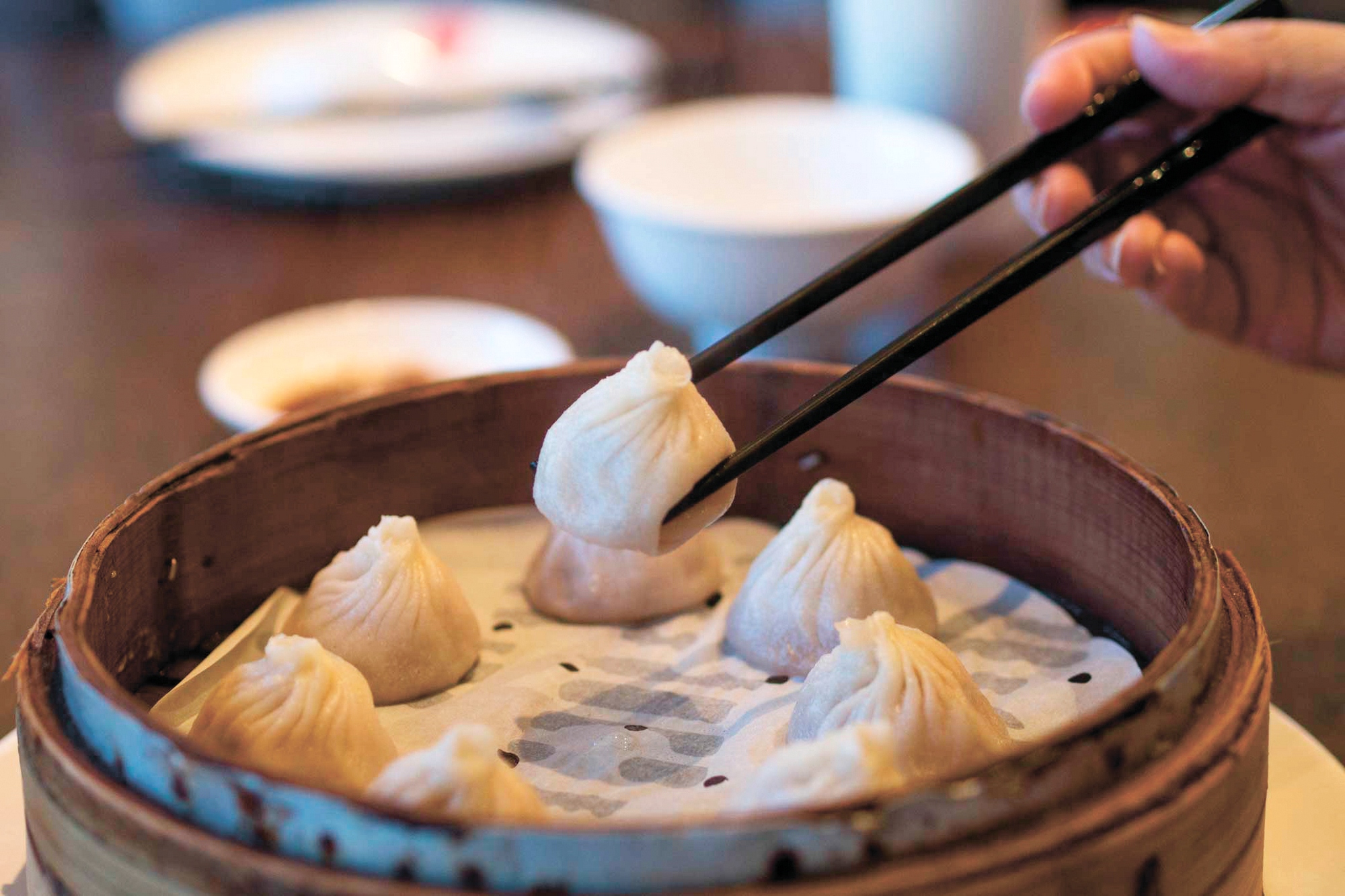
Shanghai cannot be called China’s gastronomic capital, unlike Chengdu or Guangzhou, for example. Even so, it has dishes that should not be missed. The most famous are xiaolongbao—small dumplings filled with meat and fragrant broth, which have become a symbol of local cuisine. Shengjianbao, fried buns with a meat filling, are equally popular, as are seafood dishes and hairy crabs, whose season falls in autumn. Lunch at an ordinary café costs $6–12, while dinner at a good restaurant costs $20–45.
Tea culture is a separate subject. Shanghai has many tea houses where guests are introduced to traditional ceremonies and dozens of varieties of tea. The best known include Longjing, Biluochun, oolong, pu-erh and white teas. Prices can be surprising: a small packet of good tea costs $15–45, while rare varieties can cost several hundred or even several thousand dollars. Tourists should nevertheless be careful. So-called tea scams still occur in popular areas, with foreigners invited to a “friendly ceremony” and then presented with a bill for several hundred dollars. It is therefore better to buy tea from specialist shops or large shopping centres.
Shanghai is also considered one of China’s best cities for shopping. The main shopping street, Nanjing Road, stretches for more than five kilometres and brings together luxury boutiques, shopping centres and international brands. Those looking for better bargains should visit markets and shopping complexes where they can buy clothing, electronics, souvenirs and various replicas of well-known brands. Bargaining is not merely permitted here but often necessary. In some cases, it is possible to reduce the initial price by two or three times. In recent years, however, the counterfeit market has contracted significantly, while shopping has increasingly shifted towards modern shopping centres.
If you have more than two or three days, it is worth travelling beyond the metropolis to visit the ancient town of Zhujiajiao, often called the “Venice of Shanghai”. Located an hour’s drive from the city centre, it is known for its narrow canals, stone bridges, old Ming- and Qing-era houses and leisurely pace of life, which contrasts sharply with the rhythm of ultra-modern Shanghai. Boat trips along the canals, traditional tea houses and numerous souvenir shops make Zhujiajiao a popular destination for day trips.
How much does it cost?
Contrary to popular belief, Shanghai cannot be called a cheap city, but neither is it excessively expensive. A double room in a good four-star hotel costs $70–100, while rates at five-star hotels start at $150. Metro journeys cost just $0.50–1, while taxi rides in the city centre rarely exceed $7–15. Access to skyscraper observation decks costs $25–30, while evening cruises on the Huangpu River start at $18.
Before travelling, it is best to install the Alipay and WeChat Pay applications, as they have long been the main means of payment. Most tourists prefer to use an eSIM, an embedded SIM card, which allows them to stay connected and avoid problems accessing the foreign services they normally use. The metro remains the most convenient form of transport, while navigation applications make getting around the city considerably easier.
Spring and autumn are considered the best seasons to visit Shanghai. Summers are hot and humid, and typhoons are not uncommon. In winter, temperatures rarely fall below zero, but the high humidity makes the cold feel considerably sharper. Above all, visitors should be prepared for the fact that Shanghai is nothing like the China many people imagine before travelling there. The city can surprise you every day, which is why many travellers leave with the feeling that they have seen not only one of the world’s largest metropolises but also caught a glimpse of the future.
RECOMMEND:
 66
66

