

THE WORLD AFTER 9/11
Attack that changed America, international politics and the perception of threats
Author: Irina KHALTURINA
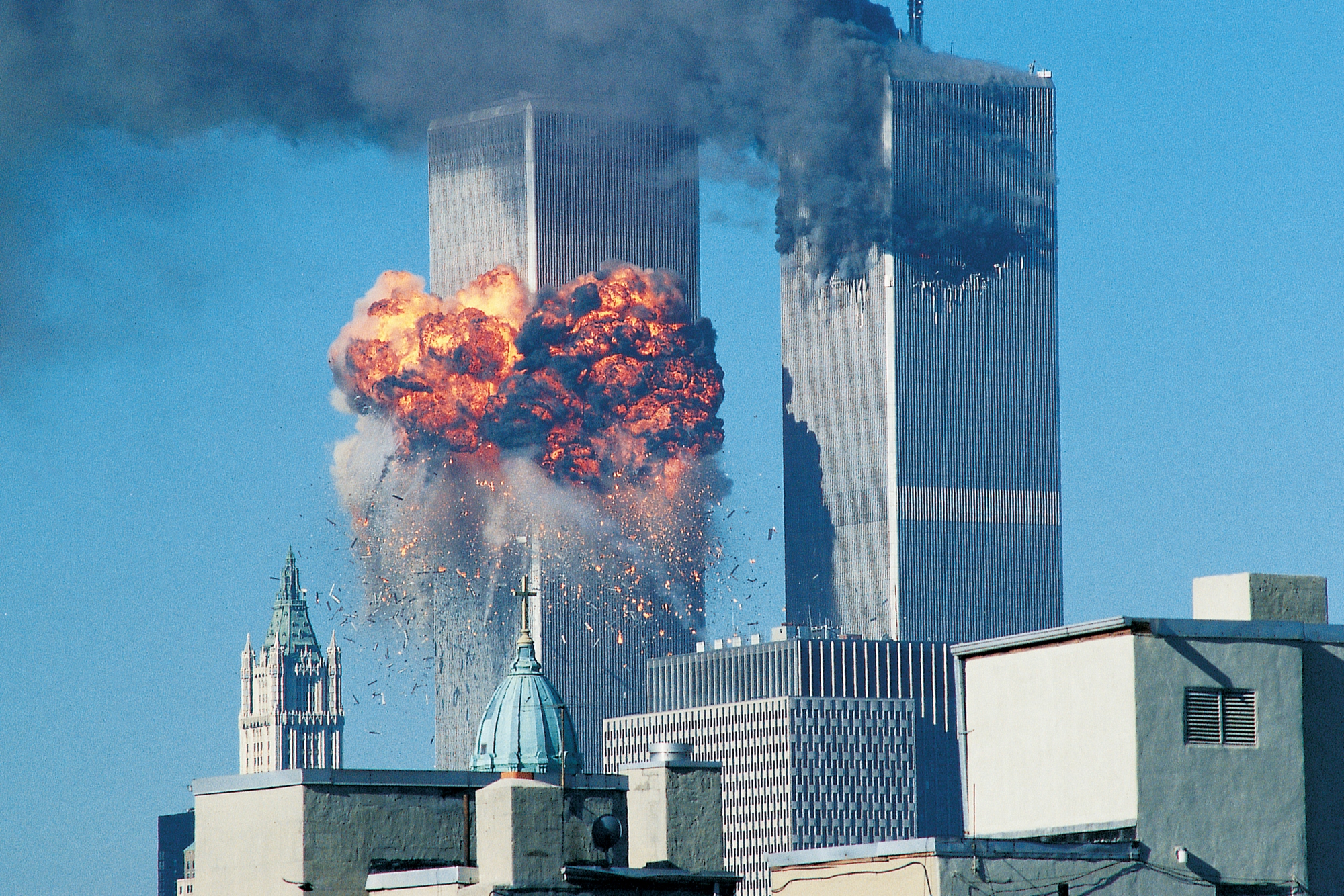
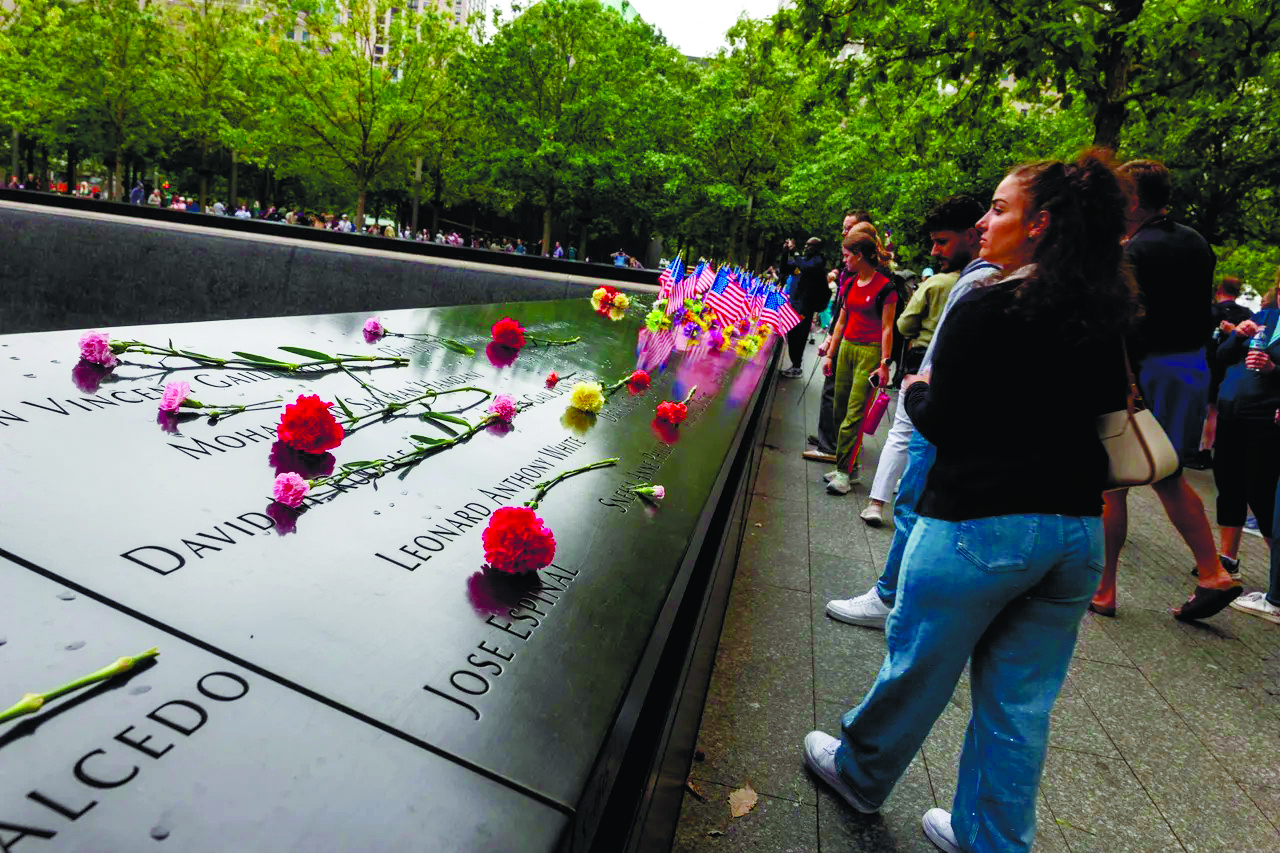
The terrorist attacks of September 11, 2001, in the United States shocked the entire world. On that particular morning, the death toll stood at almost 3,000, including citizens of the US and more than 90 other countries. Even after a period of twenty-five years, the number of individuals afflicted with illnesses continues to increase among rescue workers, fire-fighters, police officers, clean-up workers, volunteers and survivors, including those who resided, worked or studied in the vicinity of the disaster. A significant proportion of these individuals have been diagnosed with serious conditions resulting from the toxic air that followed the collapse of the World Trade Centre.
In the context of modern history, it was the deadliest terrorist attack in terms of casualties, with millions able to witness the event as it unfolded. This large-scale tragic event triggered such an unprecedented wave of patriotism and unity in the US that even inter-party disputes were suspended for a time.
According to several scholars in the field of international relations, the attacks initially led to a strengthening of international solidarity around the US, enabling Washington to consolidate a coalition against terrorism. This sentiment was echoed in the headline of the French newspaper Le Monde, which two days after the tragedy declared: "We are all Americans."
The war that changed America
Following this event, Washington initiated a global war on terror, the results of which are still being debated since it never had a clear strategic plan. Consequently, the sense of unity among Western nations under the Stars and Stripes gradually diminished. On October 7, 2001, Operation Enduring Freedom was initiated in Afghanistan. However, by 2021, the withdrawal of American troops had occurred, and the Taliban had regained control of the country. This incident, which involved the seizure of significant stockpiles of weapons and equipment supplied by the US and other countries to the Afghan security forces by militants, shocked the world once again.
Another controversial American decision was the strike on Iraq. Despite the absence of evidence that Saddam Hussein's regime participated in the planning or execution of the September 11 attacks, Operation Iraqi Freedom was launched in March 2003 with the bombing of Baghdad. The war lasted almost nine years and resulted in the deaths of at least 110,000 Iraqis and more than 4,000 Americans. The overthrow of Hussein's regime did not deliver the promised freedom for Iraq. Instead, the country descended into large-scale armed and sectarian violence, which between 2006 and 2007 took on the characteristics of a civil war.
The withdrawal of American troops in 2011 created a security vacuum that jihadist groups, especially ISIS, were able to exploit. By 2014, the events in Syria had exacerbated the already significant instability in the Middle East, enabling the Islamic State to establish a self-proclaimed "caliphate" for a period of time. A number of Western countries, including the US, suffered major terrorist attacks linked to this group.
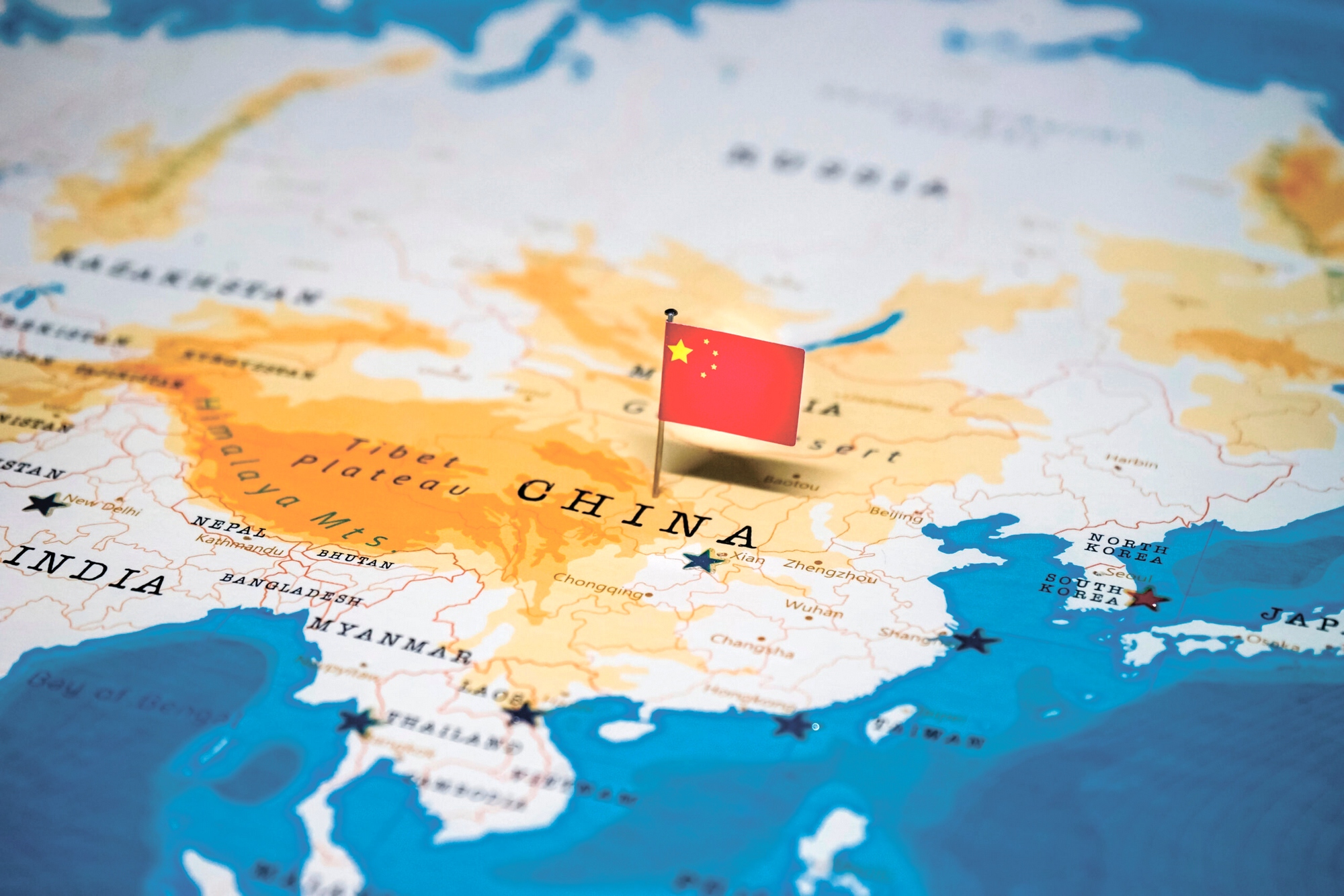
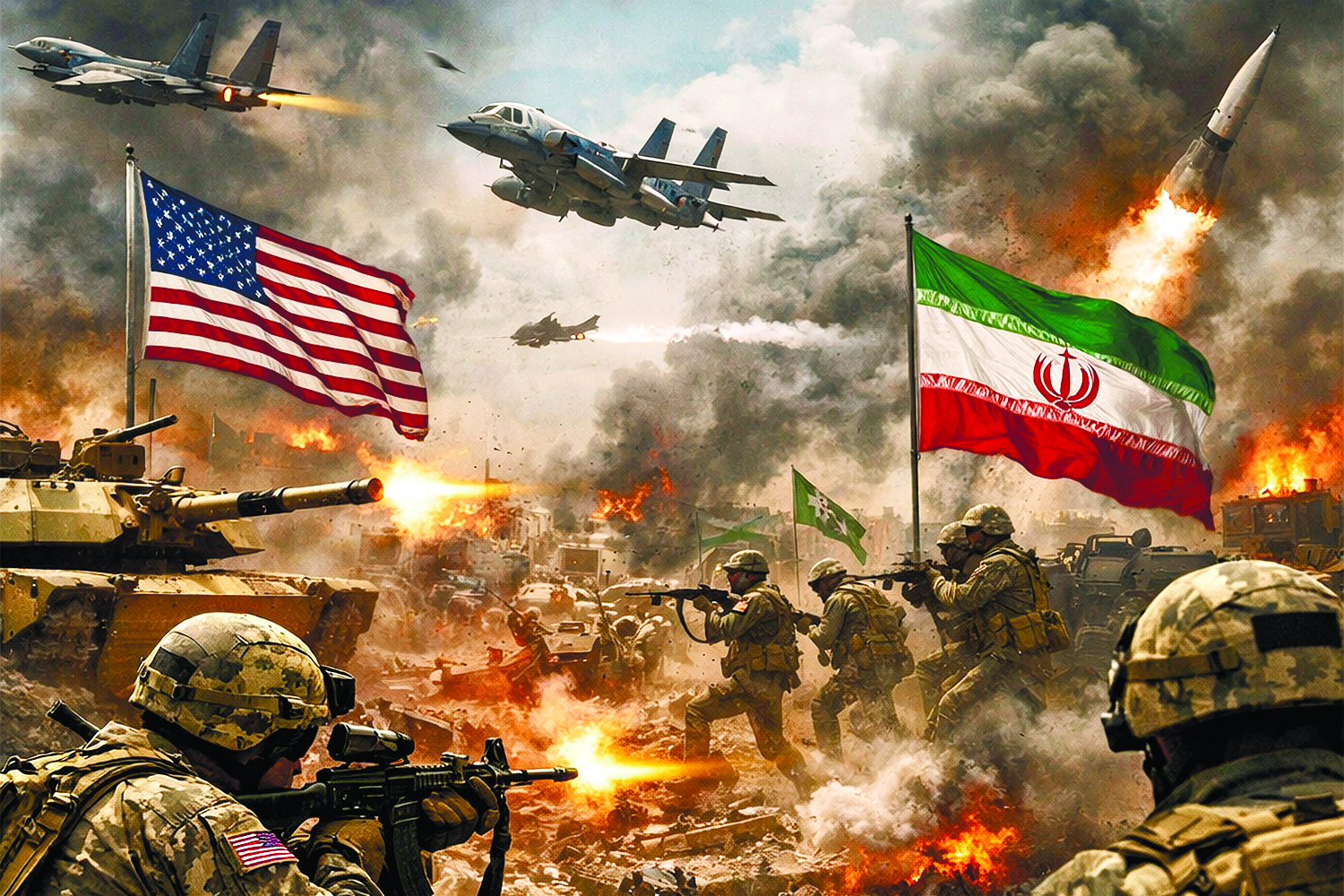
It is widely acknowledged that protracted wars in the Middle East have weakened the US position and contributed to the strengthening of Iran's regional influence. Analysts have identified a correlation between China's increased presence and influence in the Indo-Pacific region and its broader global impact.
Interestingly, a quarter of a century after 9/11, the families of the victims continue to voice their concerns about Saudi Arabia's responsibility, citing new material from recently disclosed documents. As the long-standing lawsuit against the Saudi kingdom approaches trial, the families of the victims are calling on the Trump administration to declassify further government documents. They believe that this will finally deliver justice.
The lawsuit revolves around Omar al-Bayoumi, a Saudi citizen who resided in the San Diego area during the 1990s and was among the initial suspects in the FBI's investigation. However, he was subsequently released without any charges being pressed. Among the materials seized from Bayoumi was a sheet of paper bearing an image of an airplane and mathematical calculations of altitude and distance. The plaintiffs have expressed concerns about the authenticity of this document, although it does not contain definitive evidence that it was used to prepare the attack. However, it has been alleged that this evidence was not included in certain summaries of the 9/11 Commission.
There are also purported videos that appear to demonstrate Bayoumi's close association with Anwar al-Awlaki, who subsequently rose to prominence as a prominent ideologue and leader within al-Qaeda in the Arabian Peninsula. It has also come to light that Bayoumi's name was found in a lease agreement that was signed by the first two plane hijackers. Saudi Arabia has consistently denied all allegations and has stated in court that it remains "an ally of the United States and a sworn enemy of al-Qaeda."
The price of security
The US Patriot Act, enacted just 45 days after September 11, gave rise to a debate over how to balance national security with constitutional guarantees. In the aftermath of the attacks, the prevailing sentiment in the United States that the nation's strategic positioning between two vast oceans, the Atlantic and the Pacific, offered sufficient protection was dispelled. Simultaneously, the broad surveillance powers obtained, including the wiretapping of telephone conversations domestically and abroad, as well as a significantly expanded detention mandate, gave rise to disputes about violations of civil liberties.
Similar disputes and accusations against the US of human rights violations were caused by the detention of terrorism suspects in the prisons of Guantanamo in Cuba, Abu Ghraib in Iraq, as well as in various so-called secret detention centres in third countries. According to numerous testimonies, detainees at the facility were subjected to "enhanced interrogation techniques"—including sleep deprivation, sexual humiliation and waterboarding (simulated drowning).
In the aftermath of 9/11, even law-abiding Muslims (or individuals who appeared to be Muslim) residing in the US and other Western countries encountered mounting pressure and hostility, which at times resulted in fatal attacks. One of the first victims was Balbir Singh Sodhi, a gas station owner in Arizona, who was shot four days after the attacks. The attacker killed Sodhi, a bearded man in a turban who practised Sikhism, mistaking him for an Arab.
Such attitudes towards Muslims are, sadly, still in evidence today. For instance, Abdul El-Sayed, the Democratic Senate candidate from Michigan who, if elected, would become the first Muslim US senator, has repeatedly been the subject of accusations and attacks. His supporters have linked these to Islamophobic stereotypes.
In New York, some American media and political commentators have called on the city's first Muslim mayor, Zohran Mamdani, not to attend the memorial ceremony for the victims of the attacks at the World Trade Centre. Rudy Giuliani, who served as Mayor of New York from 1994 to 2001, expressed opposition to his involvement, and the issue was also met with criticism from other politicians and public activists. Therefore, a quarter of a century after 9/11, the question of where criticism of political views ends and religious or ethnic discrimination begins remains part of American public debate. The issues of immigration, which were already the subject of fierce debate even before the attacks, became completely intertwined with the national security factor in the aftermath of 9/11.
It should also be noted that the concept of "national security" has undergone significant changes. Researchers of terrorist organisations emphasise that September 11 did not emerge spontaneously. The attacks were the result of a long-term evolution of international terrorism, the development of al-Qaeda, the vulnerability of the American aviation system and serious institutional problems within the intelligence and law enforcement agencies.
The 9/11 Commission identified a number of issues relating to the sharing of information between various government agencies. The CIA and FBI each had their own fragments of information about al-Qaeda and its members, but these were not always combined into a single picture in a timely manner. It is reasonable to hypothesise that enhanced collaboration between agencies could have provided the American authorities with additional opportunities to prevent the attack.
On 11 September 2001, 19 al-Qaeda militants successfully passed airport security checks and hijacked four planes. It was established that nine militants were selected by the CAPPS system for additional baggage screening. This does not mean that the passenger himself was subjected to additional screening. Since then, the United States has implemented the most extensive restructuring of its aviation security system. This example was followed by other countries. In light of this, security measures were strengthened at all levels to counter threats of this magnitude.
Threat after 9/11
In the current era, the probability of a recurrence of an attack on the scale and severity of 9/11 is exceptionally low. In the current business environment, many similar plots are identified and prevented before they can be executed. However, this does not mean that the threat posed by terrorist organisations has been eliminated. In September 2026, we find ourselves living in a world that is both extremely unpredictable and rapidly changing. This is a world that is also losing its former geopolitical landmarks and "red lines". Technological and physical developments are transforming at an unprecedented pace, generating a sense of both fascination and trepidation. This creates new combinations of risks that may also prove to be underestimated.
For instance, such a "hellish mixture" could be a combination of online propaganda, cheap drones and cyberattacks using AI. The next catastrophe could reveal the vulnerability not of physical but of digital infrastructure, on which the functioning of modern states is built. It is possible that a new threat could emerge in the form of another pandemic from an artificially created or modified pathogen. In Europe, there is now a growing awareness of a new form of "nihilistic violent extremism." This term refers to young people who are attracted not so much by a specific ideology as by violence, fame and internet communities. An investigation conducted in nine EU countries identified more than 4,300 web addresses linked to one such online network.
A key question to consider is the potential impact of September 11th ceasing to be a personal recollection for most Americans and people from other countries. It is estimated that more than 100 million US residents were born after the attacks and therefore have no personal memory of that day.
In September 2026, American media highlighted a generation of young people for whom the events of 9/11 are primarily known through their parents' stories, school lessons and historical documents. It is important to note that the history of 9/11 encompasses more than just a terrorist attack. It is a story about how one tragedy changed American foreign policy, the national security system, attitudes towards immigration and religion, international law and even the perception of how vulnerable a modern state can be. And a quarter of a century later, the main question remains open: has the world managed to make itself safer, or has it simply learned to prepare for the threats of the past, while the next great threat may look completely different?
RECOMMEND:
 34
34

