

SIX IN ONE
New visa regulations can change travel rules across the Persian Gulf

Author: Zaur HASANOV
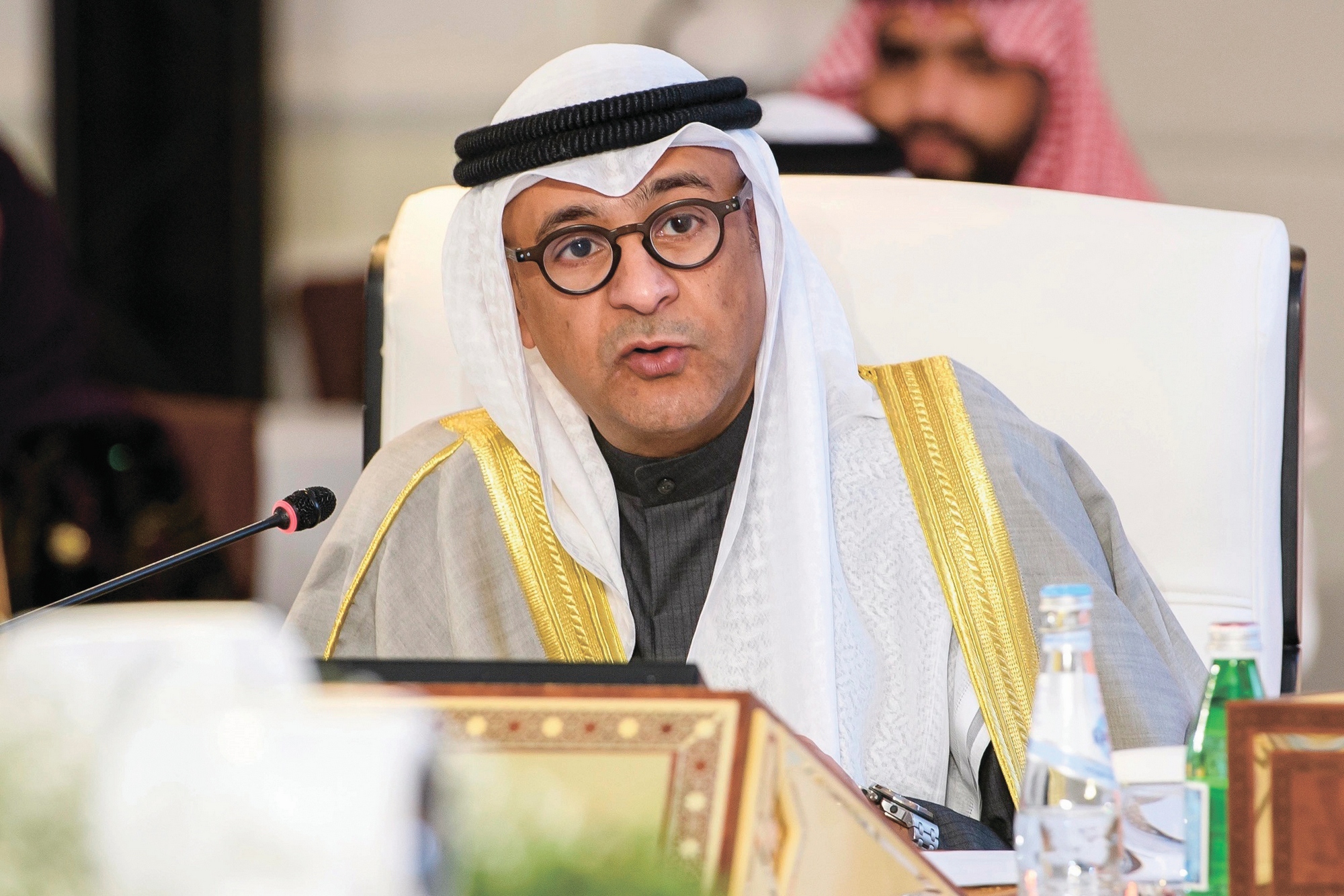
An Arab Schengen may soon become a reality. This was announced in September by the Secretary-General of the Cooperation Council for the Arab States of the Gulf (GCC), Jasem Mohamed Albudaiwi. According to him, a unified tourist visa for the six countries of the association will be introduced “very soon.”
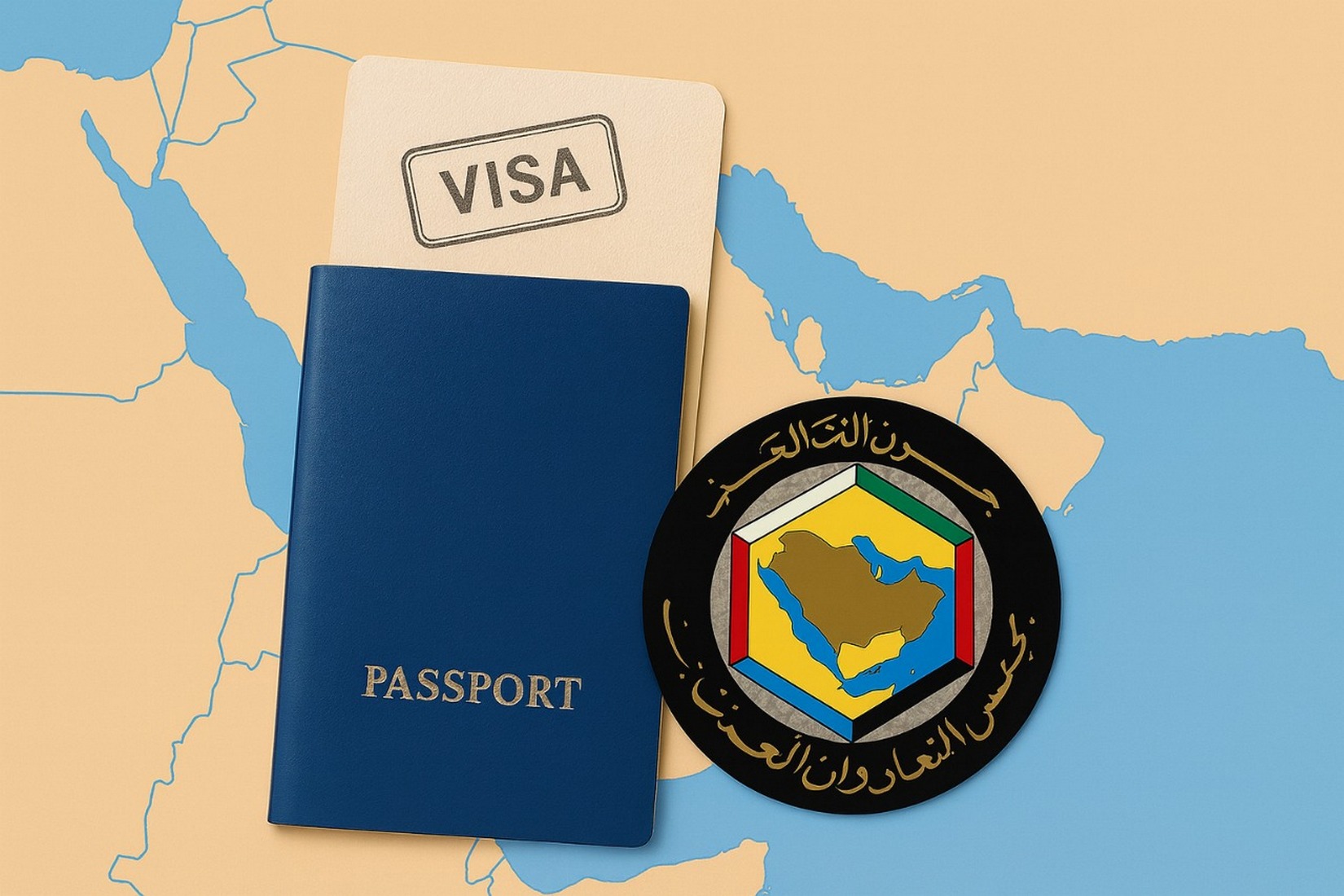
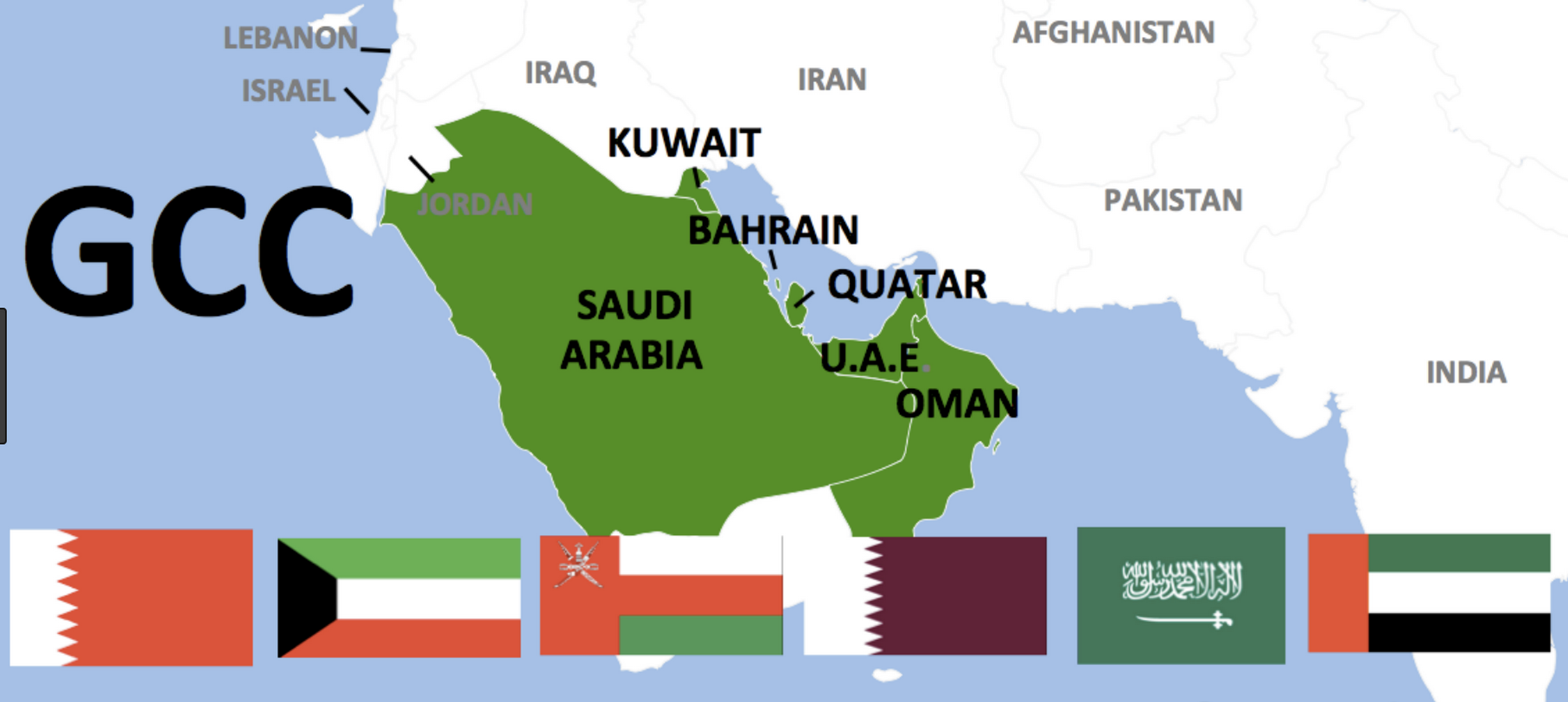
The project involves Bahrain, Qatar, Kuwait, the UAE, Oman and Saudi Arabia. The unified visa is intended to allow tourists to visit several states in the region within a single trip without the need to obtain a separate permit for each country.
At first glance, this is merely about convenience for travellers. But behind the project lies a far more ambitious goal—to turn six separate tourist destinations into a single space and make the Persian Gulf a new major centre of international tourism.
Six countries—one visa
The concept of a unified tourist visa for the Persian Gulf countries is not a recent development. The decision to establish this system was made by the leaders of the Gulf Cooperation Council states in 2023. The project is close to practical implementation, and the exact launch date will be announced in due course.
The principle is straightforward: a tourist is granted a permit that allows them to travel across Bahrain, Qatar, Kuwait, the UAE, Oman and Saudi Arabia without the need for individual visas for each country. The application process is planned to be moved entirely into electronic format. It is anticipated that the duration of stay under the unified visa will range from 30 to 90 days, although the final parameters are yet to be finalised.
This has led to the unofficial designation of the project as "Arab Schengen." However, it is not a direct analogue of the European system. The Schengen system is predicated on two key elements: the implementation of a uniform visa policy and the elimination of conventional passport control measures at internal borders among participating nations. In the case of the GCC, the focus is on a single tourist permit intended to simplify travel between the six states. The preservation of national borders, immigration procedures and security matters is thereby ensured.
The delay in launching is explained by the need to agree among the six countries not only on visa rules but also on technical procedures, border control and information exchange. The relevant agencies are currently in the process of completing technical and regulatory coordination.
If all goes according to plan, tourists will be able to regard the Gulf countries not as six separate destinations but as one large route.
The Gulf as a single resort
A unified tourist visa for the Persian Gulf countries is not only a way to make life easier for travellers. It is meant to help form a common tourism market in which the six states will not so much compete for the same guest as benefit from his longer stay in the region.
This was directly pointed out by one of the initiators of the project, UAE Minister of Economy Abdullah bin Touq Al Marri. According to him, the unified tourist visa will help increase hotel revenues, tourist spending and the length of stay of travellers in the countries of the association.
The logic here is simple. Today a tourist might fly, say, to Dubai, spend a few days there and return home without visiting neighbouring countries. The unified visa is meant to make another scenario more natural: several days in the UAE, then Saudi Arabia, Qatar, Bahrain or Oman. And the more states included in the route, the longer the tourist remains in the region and the more money he leaves in hotels, restaurants, shopping centres, transport and tourism infrastructure.
For the Gulf countries this is especially important against the backdrop of large-scale economic diversification programmes. States that depended on oil and gas revenues for decades are actively developing tourism, the hotel business, entertainment and the hosting of international events. Saudi Arabia is doing this within Vision 2030, the UAE has already turned into one of the world’s largest tourist centres, while Qatar, Oman and Bahrain are striving to carve out their own niches in the international market.
Thus, the unified visa is meant to sell to the foreign tourist not individual Dubai, Doha or Riyadh but the entire region at once. In essence, six countries are attempting to achieve something far more difficult to accomplish separately: to turn the Persian Gulf into a single tourism space.
More tourists or simply more routes?
The potential of the new system is indeed considerable. In 2025, the Persian Gulf countries received 75.7 million tourists, against 72.2 million a year earlier. At the same time, 20.1 million tourist trips were movements between the countries themselves.
According to estimates cited by the international company Colliers, a unified visa could increase intra-regional tourism by at least 20%, and the average length of stay of travellers from roughly 3.5 to 7 nights. For the hotel business, airlines, restaurants, shopping centres and tourism companies, this could mean a noticeable rise in demand.
But a caveat must be made here. Not every additional tourist who crosses the border of a neighbouring country will be a new tourist for the entire region. Some travellers already visit several Gulf states today; the unified visa will merely simplify such a route. Therefore, some growth will represent not the emergence of new demand but its redistribution between cities and countries.
The real effect of the project will depend precisely on this. A visa alone is not enough: convenient flight routes, developed ground transport, joint tourism packages and clear pricing policy are needed. Then a trip across several countries will genuinely become more attractive than an ordinary holiday in one of them.
Colliers regards the unified visa as a medium- and long-term factor in tourism demand growth. At the same time, the greatest opportunities will be gained not only by large centres such as Dubai and Riyadh but also by lesser-known destinations that can attract a tourist for an additional few days.
Thus, the main question is no longer whether the unified visa can simplify travel. Far more interesting is another matter: will the Gulf countries manage to persuade the tourist to stay longer and choose several countries at once instead of just one?
What will change for tourists
For travellers from Azerbaijan, the new regime will be especially interesting because trips to the Gulf countries are already relatively accessible today, but entry rules differ in each country.
Azerbaijani citizens are already able to travel to the UAE without the need for a visa. Holders of ordinary passports are permitted to stay for up to 90 days. This is also confirmed by the UAE Ministry of Foreign Affairs. Visitors to Qatar are permitted to travel without a preliminary visa. Azerbaijan is on the list of countries whose citizens are eligible for visa-free entry. For citizens of Azerbaijan, a streamlined process is in place for obtaining a tourist electronic visa, which can be facilitated online. Additionally, under specific provisions outlined in the regulations, a visa can be obtained upon arrival. This system greatly facilitates the application process compared to the traditional consulate application process.
For those travelling to Oman and Bahrain, a preliminary electronic visa application is required. It should be noted that it remains the responsibility of the traveller to familiarise themselves with the entry requirements of each country, submit an application through the relevant system, and obtain a separate entry permit.
The most challenging destination continues to be Kuwait. Experts have highlighted that visa procedures for Azerbaijani citizens are less convenient than those in place in other Gulf countries, which clearly illustrates the main problem of the current system: there is a lack of uniformity in the rules across the six neighbouring states.
The unified tourist document, or "visa mosaic", has been developed to address these concerns. For Azerbaijani travellers, this will not necessarily mean access to places that are currently impossible to reach. A more significant development is the ability to plan a trip across the entire region within a single system, rather than separately checking the requirements of each country.
A separate issue to consider is the cost of the new visa. The official price of the unified permit has not yet been announced, so it is still impossible to assess whether it will prove cheaper than a set of separate visas. However, tourists may save money not only on the consular fee, but on other aspects of the process too. One application, one set of documents and no need to separately obtain permits for several countries in themselves make a multi-country trip simpler and cheaper in terms of time and organisational costs.
A point of convergence
The introduction of a unified tourist document will not result in the creation of a European Schengen-style region in the Gulf countries, nor will it lead to the dissolution of their current borders. However, it has the potential to transform the very model of regional tourism.
If today a traveller is choosing between Dubai, Doha, Riyadh or Muscat, in the future it will be easier for them to regard them as parts of one big journey. For the countries themselves, this is an opportunity to increase the length of tourists' stays, expand routes and encourage guests to spend more time and money not just in one city but across the entire region.
The project now has an additional dimension. The Gulf countries compete quite fiercely with one another on a number of fronts, including investment, tourism, international events, transport flows and the status of main regional centre. The introduction of a unified tourist visa will not eliminate this competitive dynamic. However, it has the potential to foster a shift in dynamics, gradually transforming rivalry into closer cooperation.
It is possible that such practical steps are indicative of a more profound convergence. The concept of a political union or an "Arab EU" is not being pursued at this time. Instead, there is a gradual emergence of common mechanisms where it is more advantageous for individual states to act together.
Therefore, the primary significance of the Arab Schengen may not lie in the visa itself. It has the potential to emerge as a pivotal point of convergence for the six Gulf countries, helping them to perceive the region not only as a field of competition but also as a shared space.
RECOMMEND:
 32
32

