

POWER WITHOUT UNITY
More members, less consensus: as BRICS expands its economic footprint, forging a common front becomes harder than ever
Author: Samir VELIYEV
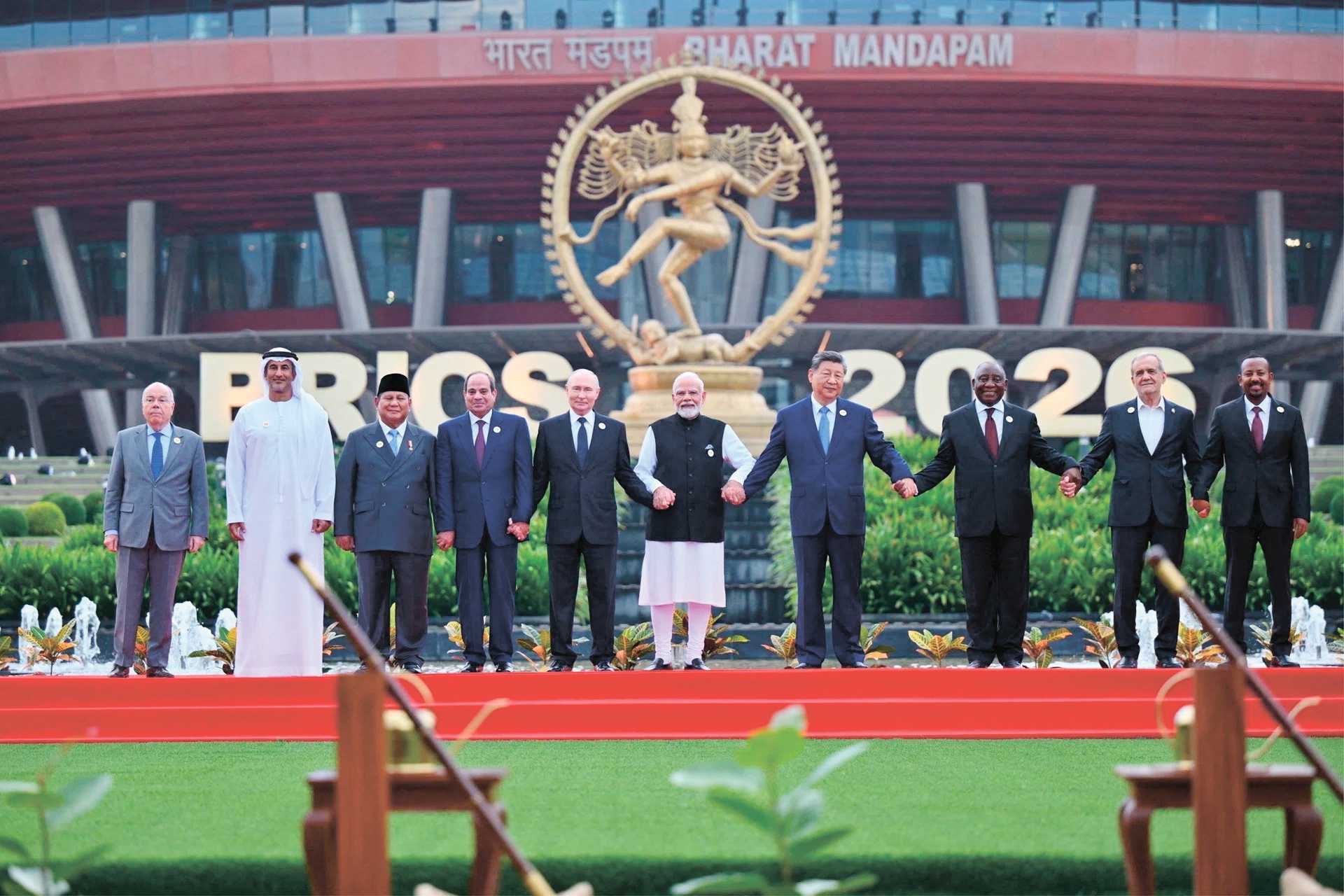
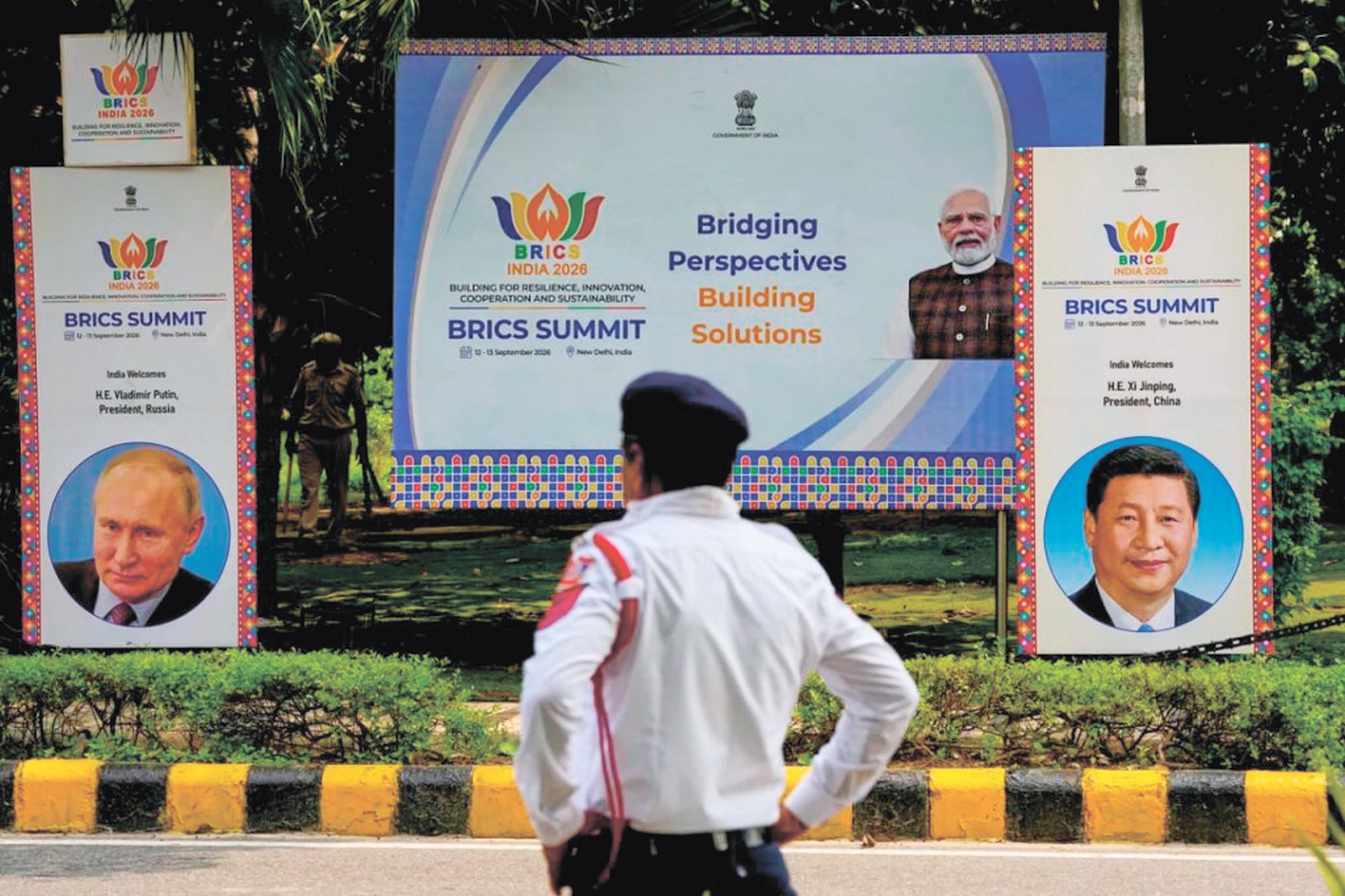
Despite the BRICS summit held in New Delhi on September 12-13, 2026, having been held under the motto "Strengthening resilience, innovation, cooperation, and sustainable development", the proceedings were effectively dominated by discussions on reinforcing internal mechanisms and enhancing the group's capacity to navigate rising volatility across the global political and economic landscape.
Complicated issues on the BRICS agenda
It could be argued that the most political intrigue took place not at the main summit meeting, but instead in the corridors and private meetings. Member states that rarely align on key issues – and at times find themselves in direct confrontation – are increasingly seeking to leverage the bloc as a forum for settling bilateral friction and advancing initiatives independently of Western mediation.
Until recently, the focus of attention on the BRICS group was on its growth, with questions of which countries would join next, how large the group would become, and whether it could truly become a significant challenge to Western-led institutions.
In the current business environment, the dynamics have undergone a fundamental shift. BRICS already accounts for almost half of the global population and approximately 40 per cent of the world's purchasing power parity-based economic output. However, as its stature grows, a more complex challenge becomes evident: how can this significant responsibility be effectively managed when member states are too diverse to act as a unified bloc?
The 18th BRICS summit was convened with the specific aim of resolving this issue. In practice, arriving at a resolution has proved to be a very challenging process. While the group's expansion has significantly increased its economic, demographic and political influence, it has also made it extremely difficult for it to transform into a conventional geopolitical alliance with a unified foreign policy.
The challenge is further compounded by the fact that BRICS members span vastly disparate geographical regions and face fundamentally distinct threat landscapes. For Russia, the overriding priority remains the uncertainty stemming from the war in Ukraine and Western sanction pressure. For Iran and the Gulf states, the primary concerns are Middle Eastern conflicts and security, delicate relations with Israel and the US, and the safeguarding of critical oil transit routes. The People's Republic of China continues to prioritise its ongoing strategic rivalry with the United States of America, the question of Taiwan, and restrictions on trade and technology. Meanwhile, India must successfully navigate its ongoing dispute with Pakistan, its intricate relations with Beijing, and the maintenance of its crucial partnerships with the West.
Brazil and its Latin American neighbours operate under an entirely different agenda, where trade, sustainable development, climate action, and the overhaul of multilateral institutions take precedence. For African member states, the focus is now firmly on attracting investment, building infrastructure, reducing debt and securing broader access to capital.
Consequently, BRICS must build consensus among nations that view major global issues through radically different lenses, and on certain questions, stand on opposing sides of the rift. It is clear that, while the group's overall influence has undoubtedly been strengthened by expansion, the search for common ground has also become more complex. As the geographic scope of the association expands, the challenge of synthesising numerous national interests into a cohesive foreign policy stance becomes increasingly significant.
In search of common ground
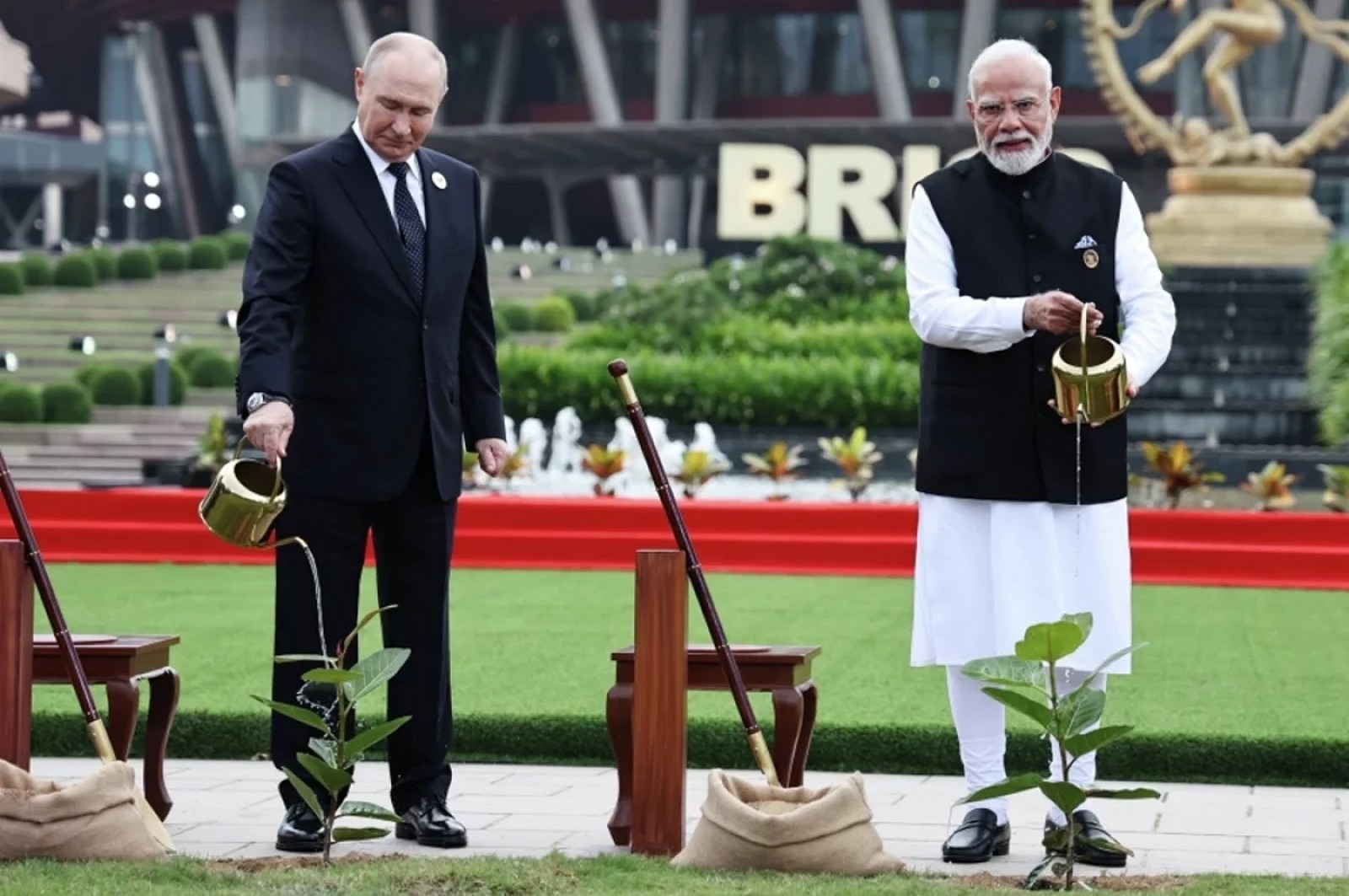
However, the proceedings in New Delhi demonstrated that a lack of strategic uniformity does not prevent BRICS members from striking pragmatic deals on targeted issues. India offers a particularly pertinent example of this. While New Delhi collaborates closely with the US, participates in the Quad safety dialogue, and actively courts Western technology and investment, it has no intention of scaling back its ties with Moscow. The recent bilateral meeting between Narendra Modi and Vladimir Putin highlighted India's strategic autonomy, demonstrating its commitment to prioritising its own national interests without being compelled to choose between Moscow and Washington.
It is also important to note that Xi Jinping had a discussion with Putin about the Ukrainian conflict. According to Kremlin spokesperson Dmitry Peskov, both Modi and Xi offered their assistance in facilitating a resolution. In this respect, the interests of China and India largely align: a protracted war would hinder global trade, disrupt energy markets and complicate their respective relations with Moscow and the West, making both powers keen to see a resolution. Beyond economics lies a calculated political objective. Beijing and New Delhi are keen to ensure that diplomatic resolution is not monopolised by the US and Europe. Should mediation be driven by China and India, it would demonstrate that the Global South has the capacity to act as an independent, influential force in resolving major international disputes.
Thus, Xi Jinping's first trip to India in seven years was of paramount significance. In the wake of the border clashes and years of heightened friction, Beijing and New Delhi are now working proactively to prevent further escalation. Modi observed that recent meetings with Xi had contributed to the advancement of bilateral relations in a more constructive direction. In response, Xi suggested the enhancement of coordination between China and India across various international organisations, including the BRICS, the UN, the SCO, and the G20.
Naturally, underlying strategic rivalry between the two Asian giants has by no means vanished. Yet both Beijing and New Delhi recognize that renewed conflict would ultimately serve the interests of third parties. As a result, they are endeavouring to manage their differences responsibly while cooperating where their objectives align. For India, this balancing act is vital: it continues to deepen ties with the West, maintains its partnership with Russia, and simultaneously restores dialogue with China. BRICS provides precisely the multi-alignment platform necessary for New Delhi to execute such an independent foreign policy without anchoring itself to any single geopolitical pole.
Tested by the Middle East
As recently as May, BRICS foreign ministers were unable to issue a joint declaration due to significant differences of opinion between Iran and the UAE. At the New Delhi summit, these points of contention were partially resolved, leading to a joint declaration that urged against further escalation while allowing each nation to preserve its core position.
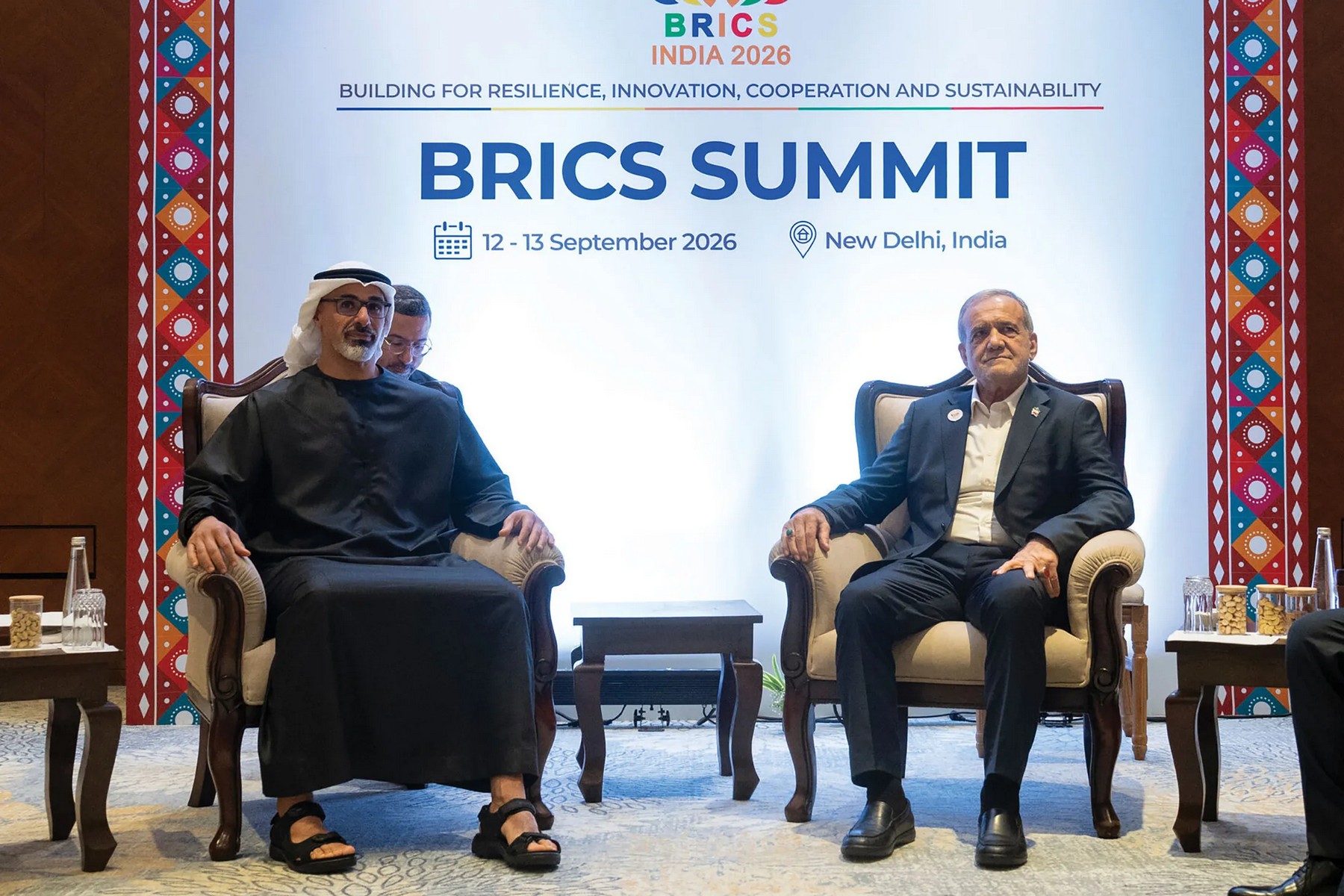
Nevertheless, it was the bilateral dynamic between Tehran and Abu Dhabi that delivered one of the summit's principal surprises. Iranian President Masoud Pezeshkian engaged in diplomatic discussions in New Delhi with the Crown Prince of Abu Dhabi, Khaled bin Mohamed bin Zayed Al Nahyan. Following their meeting, Pezeshkian announced that both sides had agreed to leave past grievances behind and advance bilateral ties – a dialogue that subsequently continued at the foreign minister level.
In other news, BRICS adopted a notably firmer stance. The grouping explicitly opposed unilateral and secondary sanctions, as well as coercive tariff barriers. While the US was not explicitly named, the message was unequivocal in its rejection of the economic sanctions imposed on Russia, Iran, and other member states.
Furthermore, the summit condemned all attacks on civilian and peaceful nuclear infrastructure. On the Palestinian question, BRICS opposed forced displacement and reaffirmed its commitment to a two-state solution based on the 1967 borders with East Jerusalem as the Palestinian capital, while calling on Israel to withdraw its remaining forces from Lebanon.
The pattern is clear: on contentious issues, BRICS employs carefully measured language, but where member interests fully align, it asserts a far more uncompromising voice.
At the core: the economic agenda
Judging by the trajectory and outcome of the summit, economic cooperation within the bloc is rapidly assuming strategic political weight. The most pronounced shifts are taking place in the financial realm. Rather than pursuing a single BRICS currency, the group is prioritizing cross-border payment infrastructure, the interoperability of national payment systems, and expanded trade in local currencies. The overarching goal is to diminish reliance on the US dollar-denominated system while accommodating the diverse motivations of its members: Russia and Iran seek to insulate themselves from Western sanctions; China aims to curb American financial dominance; and India, Brazil, Indonesia, and the UAE desire greater strategic autonomy without severing economic ties with the West.
Concurrently, BRICS is striving to forge resilient supply chains, expand critical mineral processing, and deepen technological cooperation across artificial intelligence, quantum computing, and digital infrastructure. Proposals are also underway to establish a dedicated grain exchange to facilitate intra-bloc agricultural trade.
Energy policy reflects a similarly pragmatic ethos. While supporting the broader energy transition, BRICS rejects a rigid, one-size-fits-all decarbonization blueprint. For a coalition that includes both the world's leading energy producers and its largest consumers of oil, gas, and coal, the priority lies not in an abrupt exit from fossil fuels, but in balancing environmental goals with supply security and affordable energy prices.
A unified outlook with diverse players
In essence, the BRICS countries are gradually establishing their own financial, trade and technological frameworks without attempting to form a rigid economic or political bloc. This aspect encapsulates the distinctive character of the association: its members are at liberty to pursue disparate national agendas and establish alliances with external powers while capitalising on areas of mutual interest.
However, this flexible model does have an inherent vulnerability: numerous BRICS initiatives have been in the conceptual stage for years. In order to address this execution gap, Narendra Modi proposed on 13 September 2026 the establishment of a formal monitoring mechanism to oversee the implementation of decisions across rotating chairmanships. In the future, the true test for BRICS will be its ability to execute ambitious frameworks rather than just generate them.
Another enduring challenge is China's overwhelming economic weight within the grouping. For India and several other members, reducing dependence on Western-dominated financial structures must not result in acquiring a fresh vulnerability to Beijing. This underscores the rationale behind BRICS's strategic emphasis on a decentralised model anchored in local currencies, interoperable payment networks, and sovereign control over strategic resources.
The report highlights the primary strengths and weaknesses of the BRICS alliance. The absence of binding alliance discipline allows it to unite nations with vastly different priorities, yet complicates the adoption of unified geopolitical decisions. The long-term influence of BRICS will ultimately be determined by its members' ability to translate high-level declarations into functional institutions. This task will become increasingly complex as the membership of the group expands and its internal diversity deepens.
RECOMMEND:
 58
58

