
KAS WITH A SURPRISE
A small Mediterranean town that is far more interesting than an ordinary Turkish resort
Author: Elchin HUSEYNOV, Baku-Kas-Baku
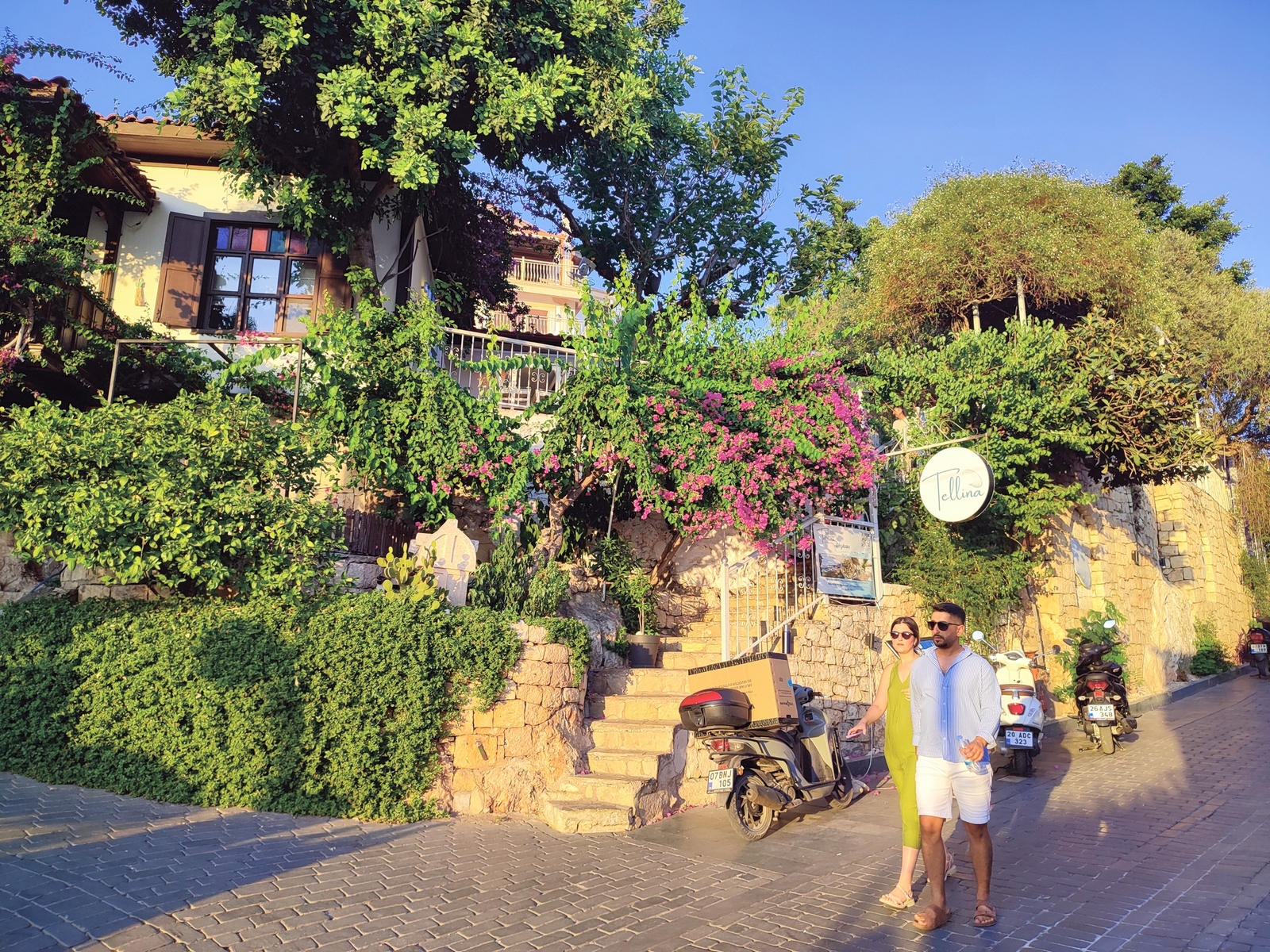
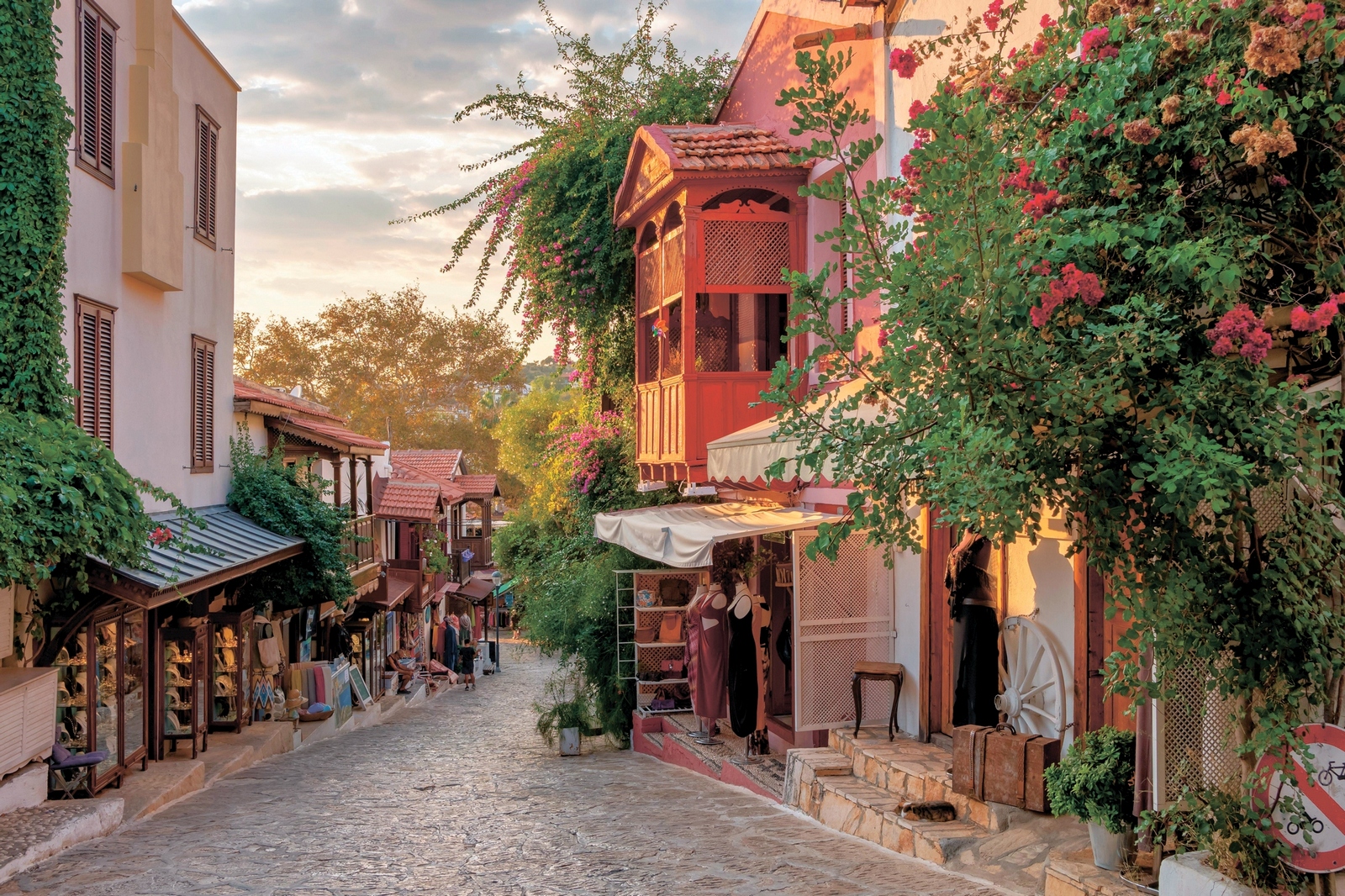
The Turkish coast is renowned for its numerous attractions, including the sea, sunshine and well-known resort amenities. Kas is an exception to this. The area is not characterised by the presence of a large number of tourists. Instead of a continuous line of hotels, there is a small town that descends towards the sea along a hillside. Rather than noisy promenades, there are narrow streets, old houses, bougainvillaea, cafés and small shops.
Kas appears to be an ideal destination for those seeking a more active holiday experience. During the day, you can go out to sea; in the evening, you can take a stroll through the old town; and the following day, you can visit ancient ruins or one of the picturesque bays nearby. Set against the backdrop of the mountains, the Mediterranean and the history of Lycia, the region's modern landscape is intricately interwoven with its historical past, extending far beyond the confines of museums.
Modern Kas was founded on the site of ancient Antiphellos, a significant Lycian port. As a result, the town itself contains an ancient theatre, sarcophagi and other monuments, while to the east there is a vast historical landscape of ancient Lycia. According to the official tourism portal of Türkiye, Kas is one of the region's key destinations for discovering Lycian heritage, the sea and outdoor activities.
Therefore, Kas should be regarded not as another beach resort, but as a convenient base from which to explore this corner of the Mediterranean.
How to get there and where to begin
For most travellers, the journey to Kas begins at one of two airports—Dalaman or Antalya. The choice matters. Dalaman Airport is 145–150 kilometres from Kas. By car or private transfer, the journey takes 2–2.5 hours without lengthy stops. The route passes through Göcek, Fethiye, Patara and Kalkan, destinations that are still unfamiliar to many tourists.
Antalya Airport is approximately 190 kilometres from Kas, and the journey takes 3–3.5 hours. The main route follows the scenic D400: first Kemer, then Kumluca, Finike and Demre, before reaching Kas. This option is longer, but the road passes through one of the most beautiful sections of Türkiye’s Mediterranean coast.
Public transport is also available. From both airports, it is possible to travel with changes via the bus stations of nearby towns. However, this option is considerably less convenient with luggage and takes longer. When travelling as a couple or family, it is advisable to compare the cost of a private transfer with the bus route in advance, as the difference per person may be minimal.
Kas is an excellent option for those who hire a car. The centre itself is compact, so a car is more useful for getting around town than for visiting beaches, ancient monuments and neighbouring resorts.
It is recommended that your initial exploration be conducted on foot. The town's main thoroughfares lead directly to the harbour, where the town's commercial and recreational activities are concentrated. The area is well connected, with walks along the sea starting here and streets in the opposite direction climbing towards the old neighbourhoods. It is evident that one of Kas's primary characteristics is the coexistence of ancient history and modern life.
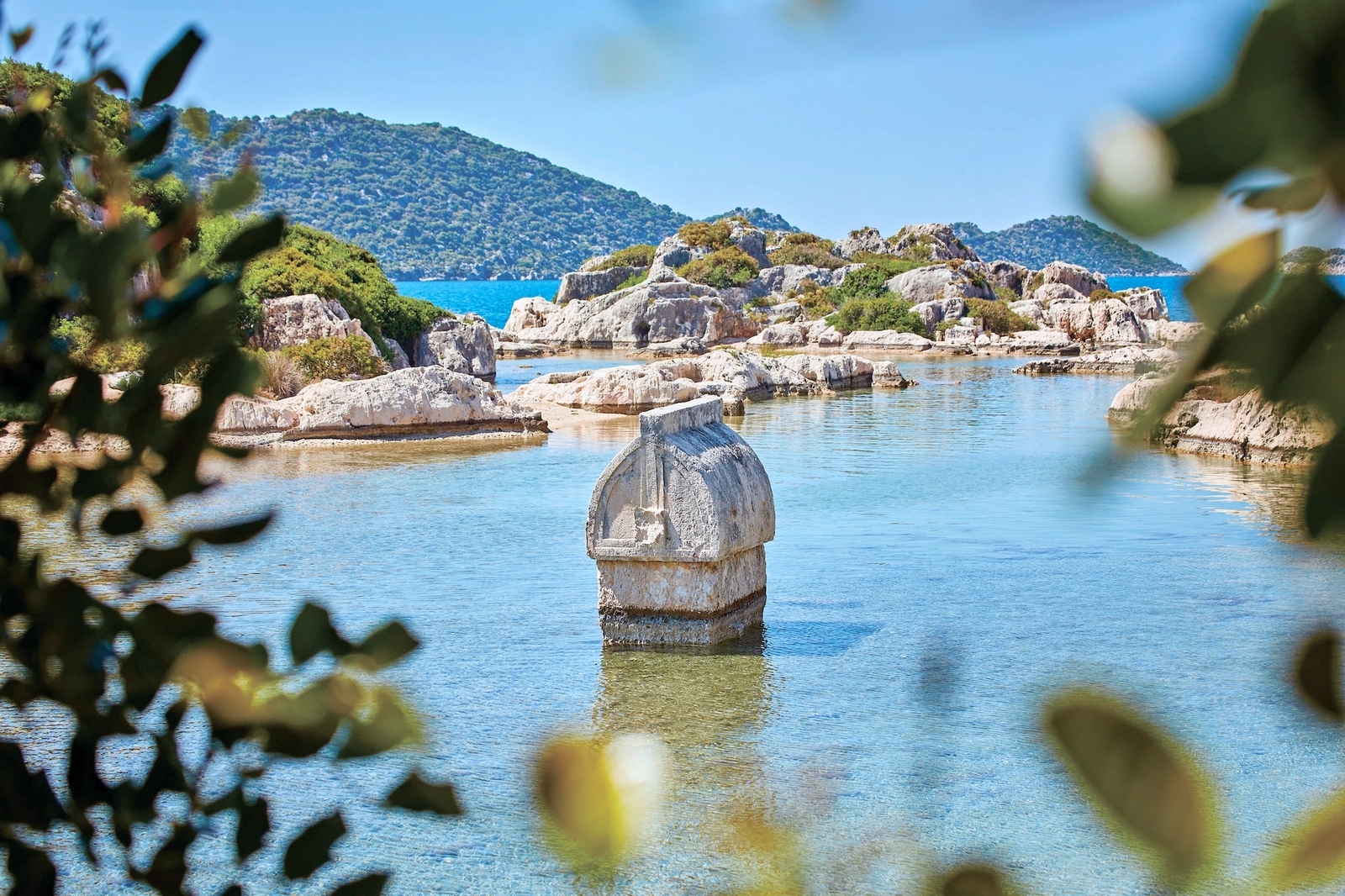
Kas is located on the site of ancient Antiphellos. Its most significant landmark is the well-preserved Hellenistic theatre. In the vicinity, visitors can explore Lycian tombs and sarcophagi, including the renowned Lion Tomb, which has become a symbol of the town.
Kas's value, however, lies not only in individual monuments. The town is located within the territory of ancient Lycia, making it an ideal base for exploring the region's ancient cities and other historic sites. Depending on your route, you can travel from here to Patara, Xanthos and Letoon, or eastwards to Demre and ancient Myra.
There is no necessity to turn your trip into an archaeological expedition. Kas is a destination that lends itself to a variety of experiences, including an exploration of the historic old town in the morning, a seaside excursion in the afternoon, and a dining experience at the harbour in the evening. The following day, you will have the opportunity to select from a range of destinations within the town.
The beach people visit Kas for
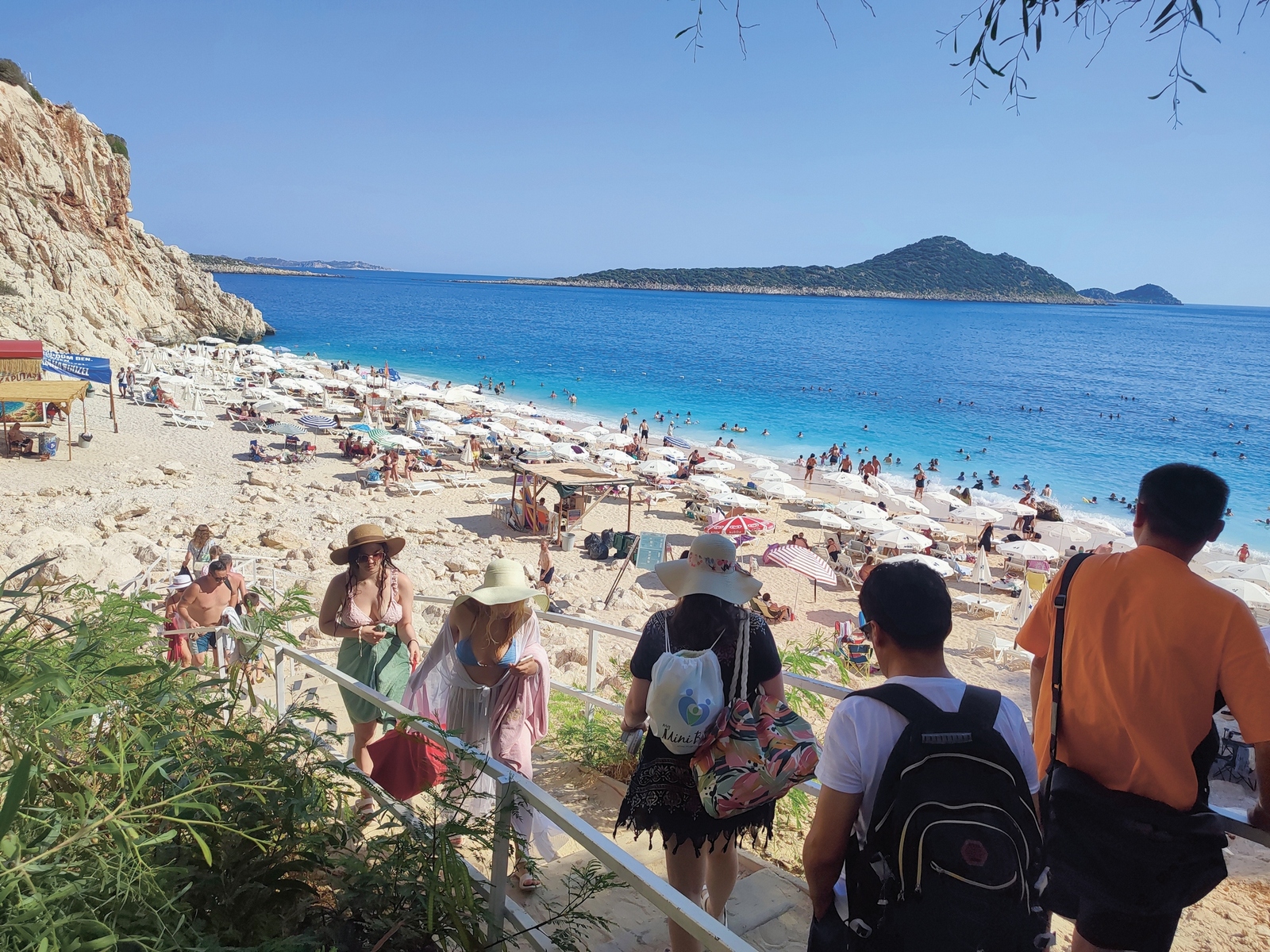
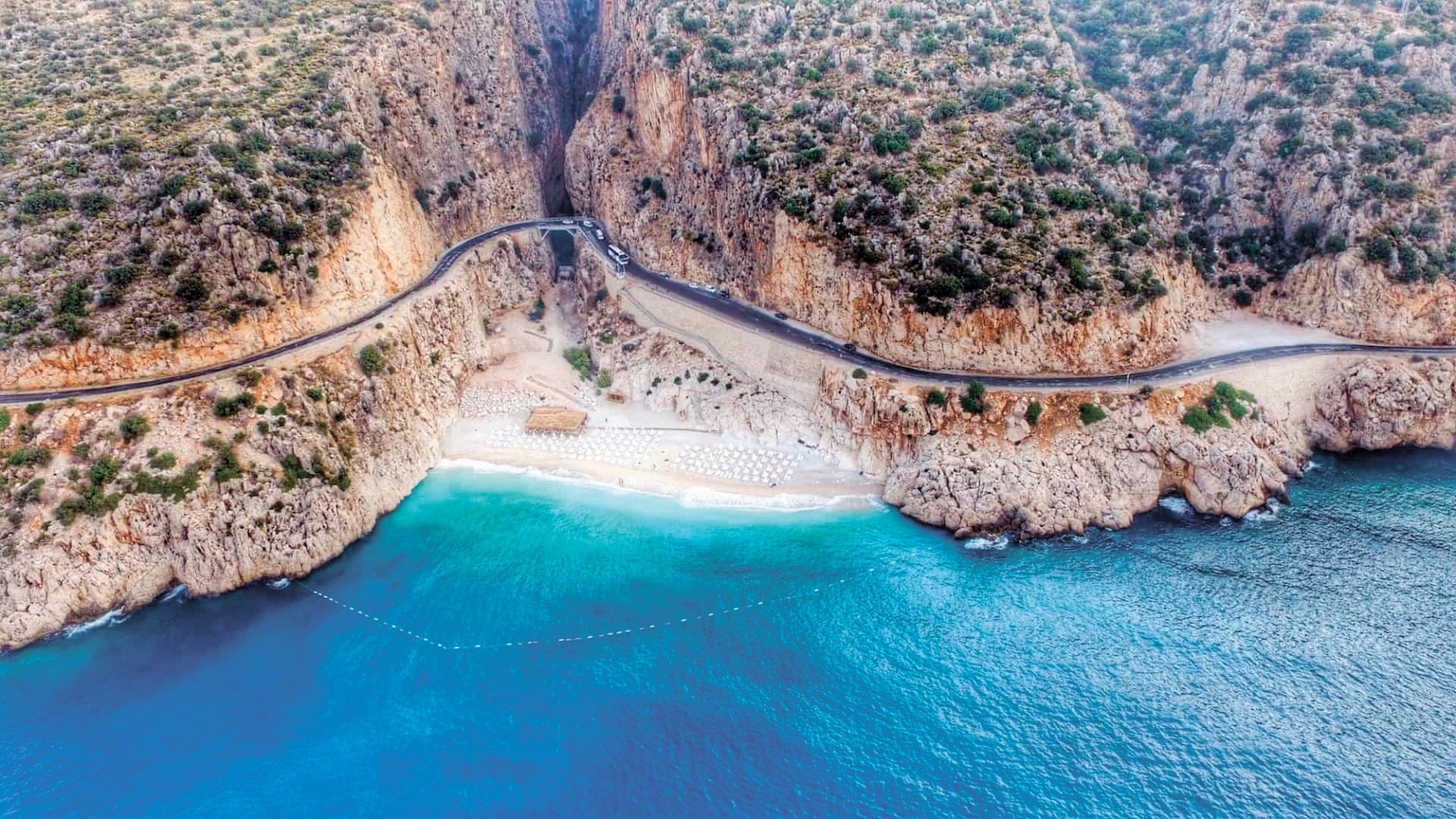
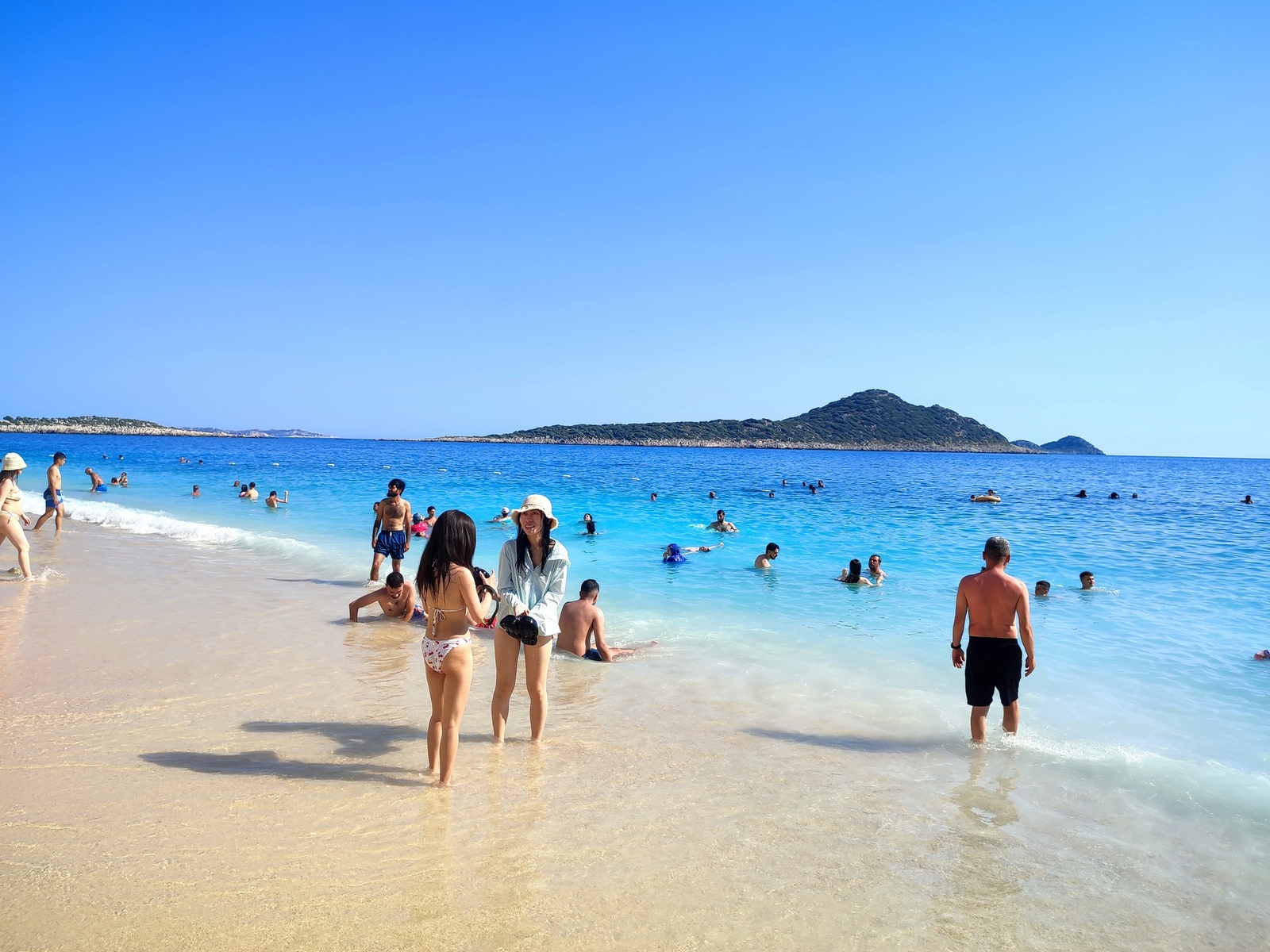
Kas has plenty of places for swimming, but one has long served as its calling card. Kaputas is the small beach whose image most often appears in advertisements for the Turkish Mediterranean: a narrow strip of pale sand between high cliffs, fronted by water of an intensely azure-turquoise colour.
Kaputas is 21 kilometres from central Kas, in the direction of Kalkan. The beach lies in a small cove at the mouth of a canyon. From the road above, it looks almost toy-sized, and that first impression can be misleading: to reach the sea, you have to descend a long staircase. The view from above, however, is precisely what brings thousands of visitors here. Kas Municipality also describes Kaputas as one of Türkiye’s most beautiful beaches.
Getting there from Kas is fairly easy. Dolmushes—minibuses—run regularly between Kas and neighbouring Kalkan and stop directly at Kaputas. During the high season, the interval can be approximately half an hour. By car, the journey is even simpler: Kaputas is right beside the D400. Parking is more difficult, however. There is no large dedicated car park, and the spaces along the road fill quickly, particularly at the height of the season. A car gives you freedom of movement, but it does not necessarily save time.
After paying a nominal entrance fee, you face the descent down the staircase. Going down is easy; climbing back up, particularly after several hours in the sun, is a different matter. Kaputas’s main feature becomes clear as soon as you reach the shore: the beach is small. This is not a kilometre-long stretch of sand where everyone can find a secluded spot. It becomes crowded in high season, so privacy should not be expected. The water, however, is genuinely impressive—clean and transparent, with the vivid turquoise-blue shade that can sometimes look like the result of digital editing. Here, it is entirely real.
The sea near the shore may be cooler than expected because fresh water flows down from the canyon. The depth also increases fairly quickly, so Kaputas is better suited to confident swimmers than to small children who need a shallow, calm entry into the water.
The beach is managed by the Kas Municipality. Facilities include toilets, showers and changing cabins, with umbrellas and sun loungers available for an additional fee. A municipal café also operates on the shore. One advantage of this location is the convenience of having ready access to amenities such as water and snacks. However, it should be noted that prices are noticeably higher than in Kas itself. Even basic items such as ice cream, corn and soft drinks are considerably more expensive than in town. Should you be planning to spend several hours at Kaputas, it would be sensible to purchase water and a light snack in advance.
To describe Kaputas as merely a "beautiful beach" would not do it justice. Its appeal lies in the combination of several features: a drive along one of the coast's most scenic sections, a spectacular view from above, an unusual cove, transparent water and the chance to swim in what feels like the setting of an advertisement for Türkiye.
Kaputas is the most popular beach in Kas, but it is far from the only place to swim. Indeed, many tourists opt for beaches in closer proximity to town for a typical day at sea. The most convenient option is Eskisehir Cakil. Its central location allows for convenient access on foot after exploring Kas. This is a small pebble cove with very clean water, surrounded by cafés and beach clubs. Despite the limited space, it is one of the most convenient options for those who wish to swim during the morning or evening.
Büyük Cakil is located 1.5 kilometres from the centre. This stretch of coast is distinguished by its expansive pebble beaches, well-appointed dining options, and comprehensive beach facilities. It offers excellent views of the sea and the island of Meis, also known as Kastellorizo. The water is highly transparent and rapidly becomes deep, which makes the beach especially popular with people who come primarily to swim.
Another popular option is Akcagerme, which is located 3–4 kilometres from Kas. This municipal beach boasts fine pebbles, a gentle entry into the water and well-developed facilities. It is particularly well suited to families with children, as the water is usually calmer and shallower. Entry to the beach itself is free, while umbrellas and sun loungers are charged separately.
The Cukurbag Peninsula has other swimming spots, including Hidayet Koyu and İncebogaz. Hidayet is better suited to people who enjoy snorkelling and observing marine life, while İncebogaz is interesting because of its unusual position on a narrow isthmus, where you can choose between two sides of the coast. Finally, there is Limanagzi, a cove most conveniently reached by boat from Kas. There is no road to it, but the journey itself takes very little time. The water is calmer, beach clubs operate there and it is well suited to spending an entire day by the sea.
Kekova and other adventures
If Kaputas is Kas’s main destination for beach lovers, Kekova is its principal excursion. Almost everyone who stays here for at least a few days eventually finds themselves on a boat travelling along the coast towards Kekova Island.
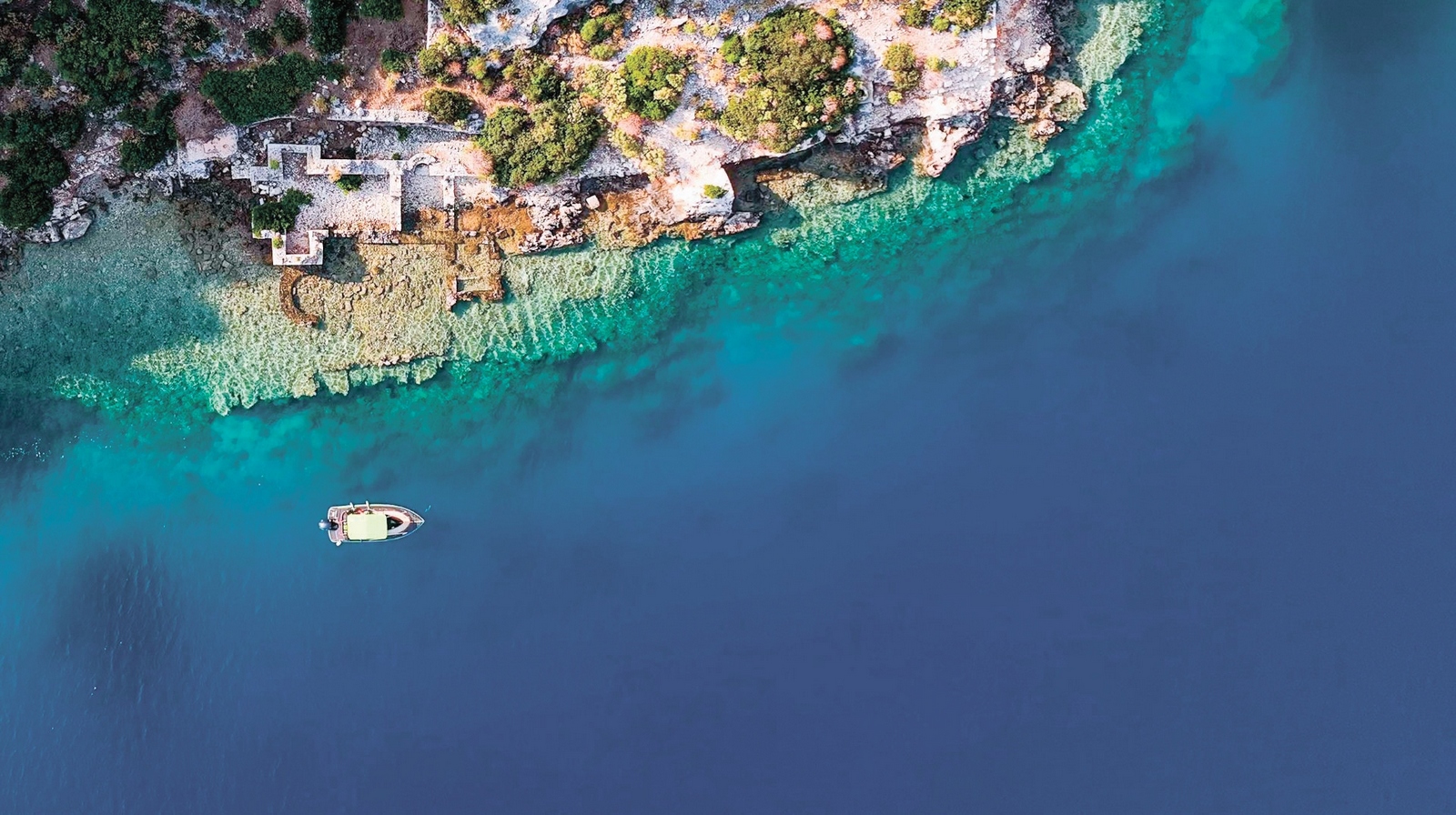
The main attraction on the route is the sunken city. Following earthquakes, part of the ancient settlement was submerged. Today, boats pass along the shore, allowing passengers to view the underwater ruins through the clear water. Swimming directly beside the archaeological sites is not permitted, but several stops in coves are included. The trip usually takes a full day and can cost €45–50.
For those seeking a more intimate experience, sea kayaking is available. Transfers from Kas are organised to Ücagiz, where the Kekova route begins. This option is more expensive than a standard group boat trip, with an approximate cost of €55 per person, which includes the transfer from Kas and lunch. The small group size and the opportunity to observe the coastline almost at water level make it a particularly appealing destination for active travellers.
An alternative option worth considering is a jeep safari in the Saklikent area. This is not a sea excursion, but an excursion to a different landscape, featuring a canyon, mountain roads and waterfalls. There is also the possibility of combining the trip with a visit to Patara. Local operators currently charge €40–50 for such tours, depending on the programme.
History enthusiasts may wish to opt for a separate tour of Lycia, covering Xanthos, Letoon and Patara. Visiting these sites independently is possible for those with a car, but an organised tour is more convenient for those who do not wish to deal with routes and timetables. In a single day, visitors can see several of the most important monuments of ancient Lycia.
Kas is also considered to be one of the main diving centres on Türkiye's Mediterranean coast. There are programmes available for beginners, as well as full dives for certified divers. Some local operators offer introductory dives at a cost of between €35 and €40.
Paragliding is an excellent option for those wishing to enjoy the spectacular coastline from a unique perspective. Flights take place over Kas, offering views of the town, the sea and the surrounding islands from above. Kas also offers a range of more tranquil activities, including regular boat trips, excursions to coves, sea fishing, stand-up paddle-boarding and other water activities. The Greek island of Kastellorizo, known in Türkiye as Meis, is also in close proximity—the island is visible from Kas's waterfront, and boats travel there during the tourist season.
Accommodation, food and souvenirs
Kas is not one of those Turkish resorts where the choice of hotel is determined mainly by an all-inclusive package. Location is much more important here. If you want to walk through the old streets every evening, sit in cafés and return to your room on foot, choose a hotel in the centre or near the harbour. Many small boutique hotels and family-run guesthouses are located there.
For a quieter holiday, the Cukurbag Peninsula is an excellent option. The area has a greater number of hotels with swimming pools, terraces and sea views, but these are located further afield. A third option is the Büyük Cakil area, which is conveniently located close to the sea without being too far from town.
Kas is generally suited to small hotels, but it should be noted that even these establishments are relatively expensive.
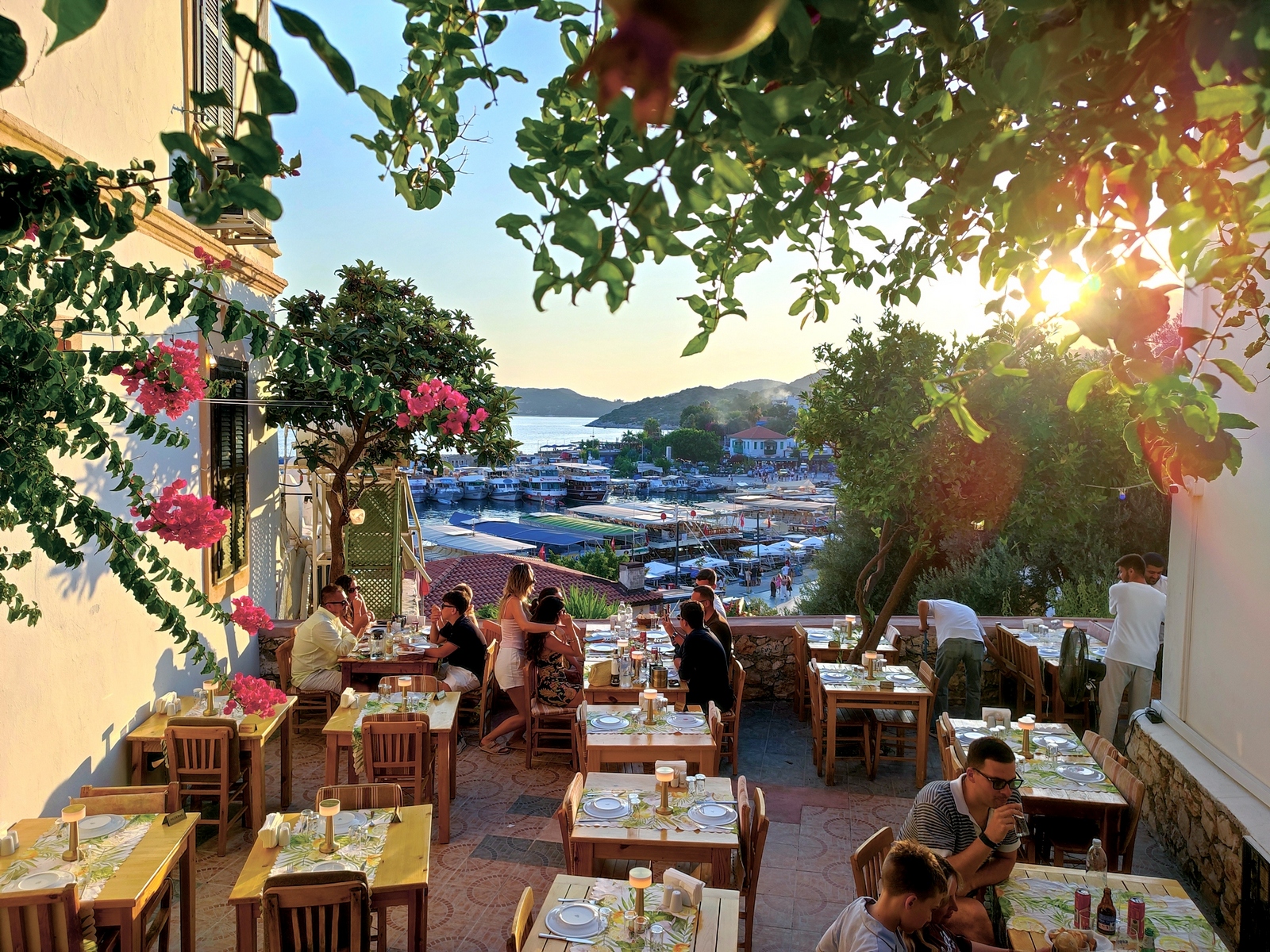
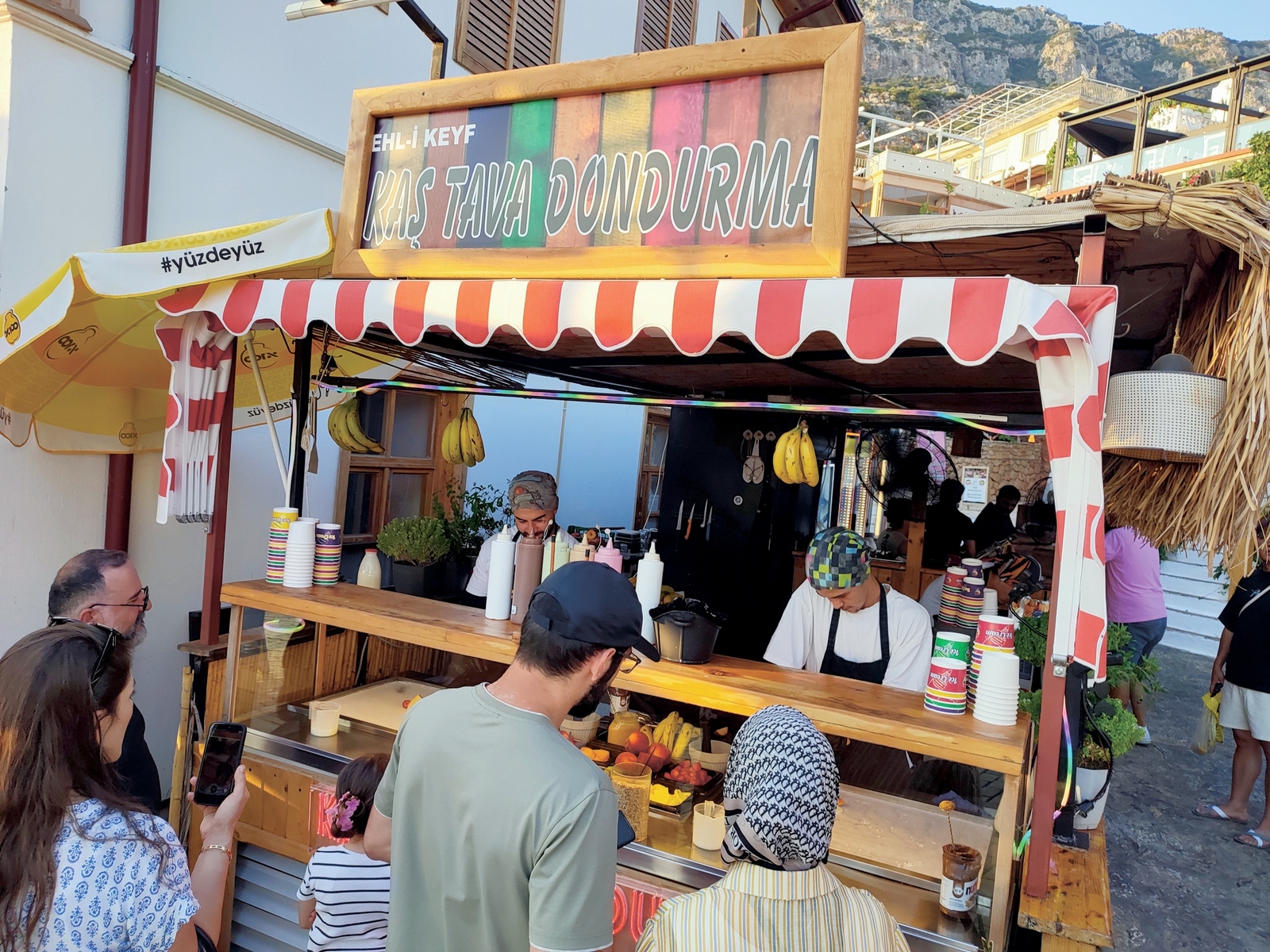
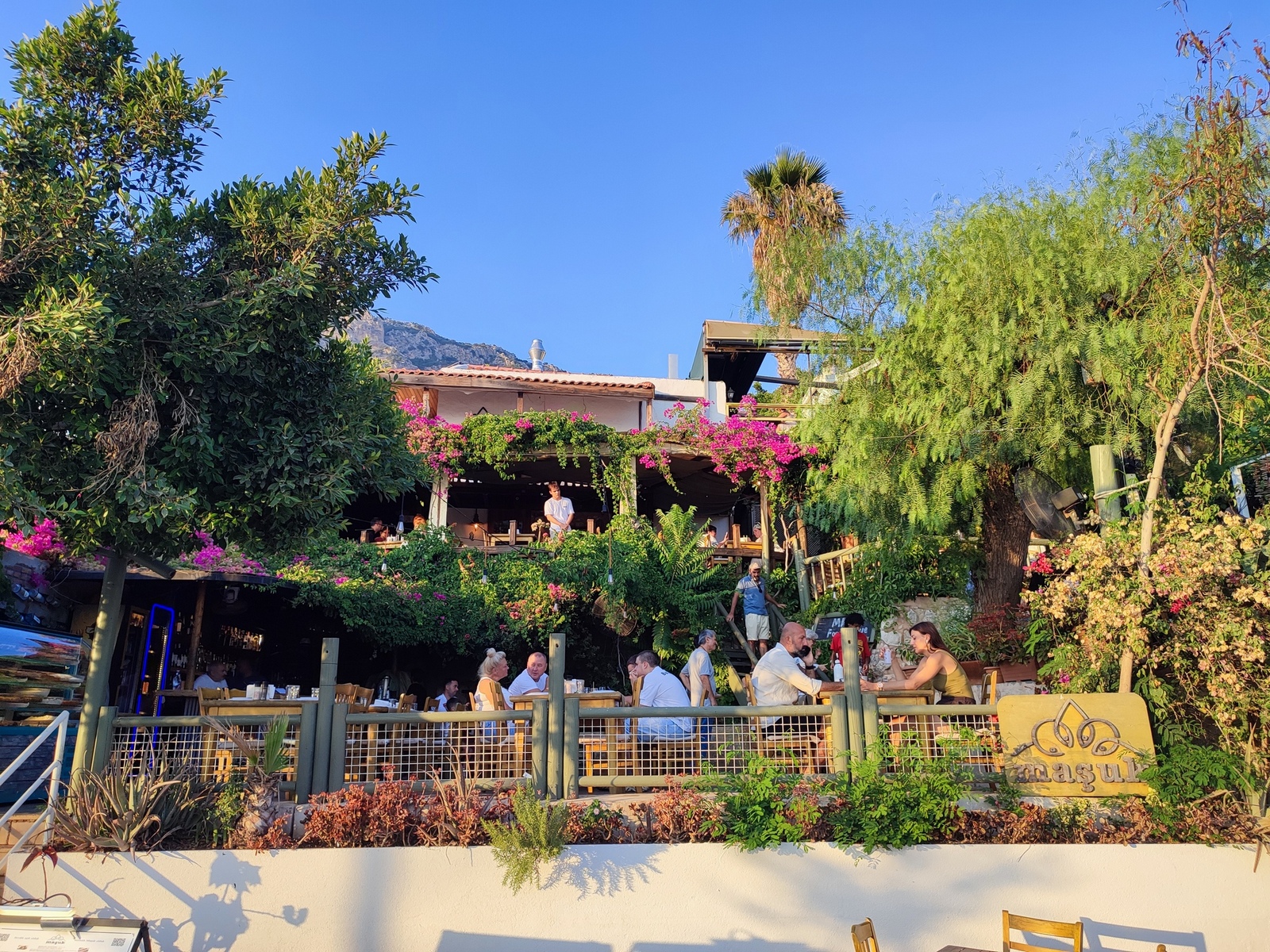
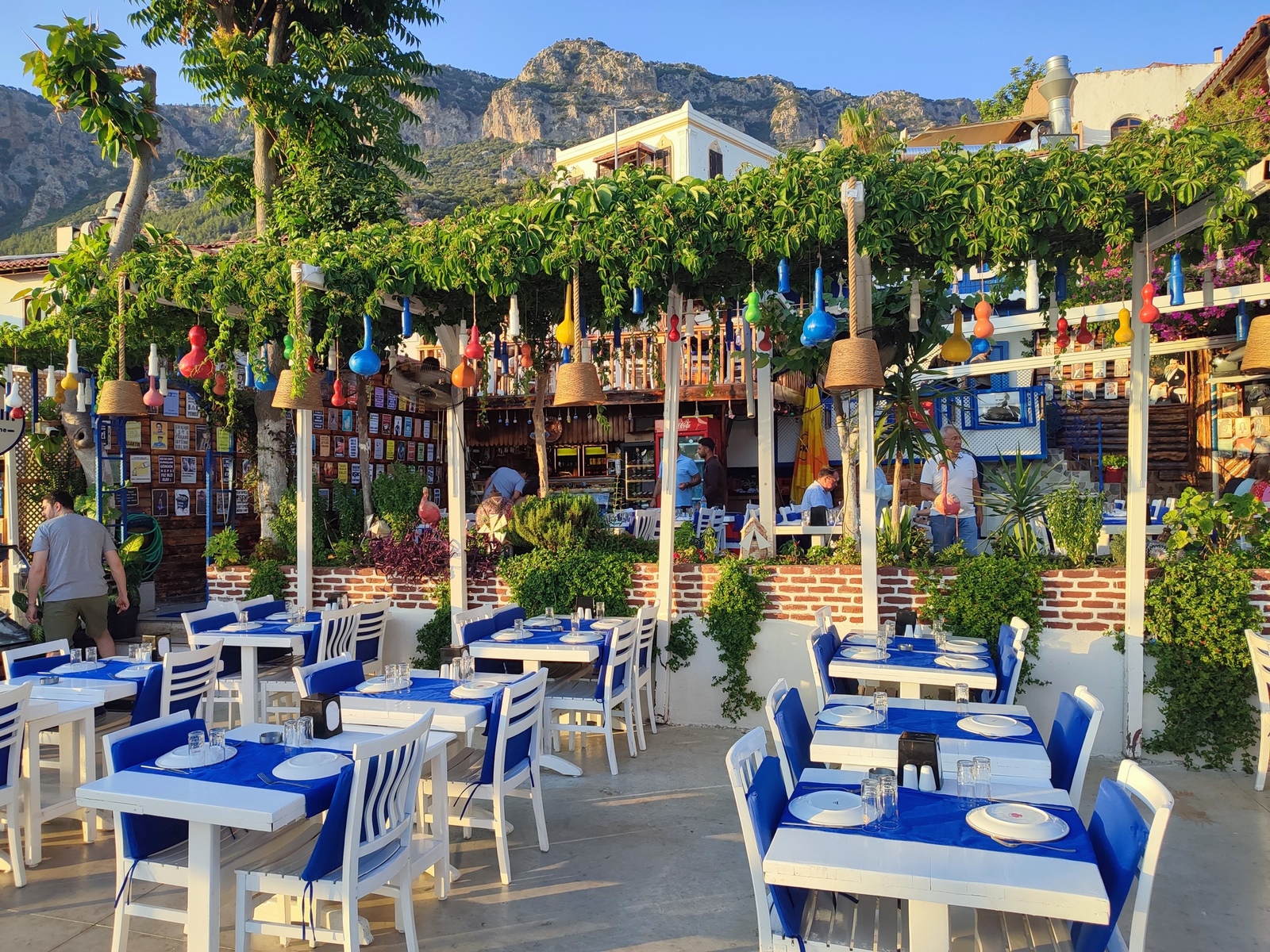
Restaurants are more convenient for visitors: simply walk into the centre in the evening and you will find a wide selection of establishments. The majority of the town's activity is concentrated around the harbour and the pedestrian streets of the old town. The majority of menus include fish and seafood, meze, salads, grilled meat and Turkish breakfasts. For a full dinner, consider a traditional meyhane, while for something lighter, a small café with a sea view is an excellent option.
It is not necessary to seek out the most expensive restaurant in Kas. Much of the pleasure lies in the atmosphere itself: choosing a table on a narrow street, ordering several meze dishes, fresh fish or seafood and spending the evening without rushing.
For souvenirs, we recommend visiting Uzun Carsi, which is considered to be one of the most beautiful streets in the old town. Small shops and workshops sell jewellery, ceramics, textiles, handicrafts, carpets and items featuring Lycian motifs. There is a high concentration of small boutiques specialising in jewellery and products created by local artisans.
If you are interested in purchasing a memento of your time in Kas, we would recommend small handmade ceramic pieces, jewellery, textiles and products featuring Lycian symbols. Edible gifts on offer include local sweets and other regional products.
However, it is advisable to exercise caution when purchasing "ancient" coins, stones or alleged archaeological discoveries. Genuine antiquities are not souvenirs that can simply be placed in a suitcase. It is recommended that the history of Lycia be left where it is and that visitors take home a piece crafted by contemporary artisans.
No rush
A long list of essential sights is not required in Kas. A period of two or three days is sufficient to familiarise oneself with the town, take a dip and visit Kaputas or Kekova. A four or five-day itinerary can be created to include Patara or Kalkan, the ancient cities of Lycia, or one of the boat excursions.
The optimal visiting periods are late spring, early summer and September to October, when the intense summer heat has not yet arrived or has already abated. The main appeal of Kas, however, is not tied to a particular month or beach. Should you be seeking an opportunity to unwind, this location is well suited to that purpose. The sea in the morning, a coastal trip during the day, and the old streets and a harbour-side dinner in the evening will provide the perfect setting.
Kas is unique in that it offers the best of all worlds: a resort experience, an adventure and an opportunity to learn about history. In this location, all three converge.
RECOMMEND:
 60