

TOWARDS THE FUTURE
Technologies that once seemed like science fiction may become part of everyday life tomorrow
Author: Zaur HASANOV
Until recently, driverless cars, humanoid robots and flying taxis seemed like products of the imagination. Today, however, they are already being tested in various countries, and some technologies are gradually moving from laboratories into the real world.
The next 10–20 years may bring changes that are difficult to imagine today. Robots will begin to perform an increasing amount of routine work, cars will be able to drive without human operators, air taxis will become a new form of urban transport, and artificial intelligence will evolve from an assistant into a full participant in many processes.
But which of today’s predictions will actually become reality—and when?
Becoming a colleague
Historically, robots that resembled humans were more commonly seen in films than in industrial settings. The situation is now undergoing change. In the US, China, South Korea and other countries, companies are developing humanoids capable of following a wide range of commands, working in manufacturing and performing simple operations. The primary distinction between the latest generation of machines and their predecessors lies in the integration of artificial intelligence. In contrast to mere repetition of pre-programmed movements, modern robots are designed to understand their surroundings, analyse the situation, and select an appropriate action autonomously.
The leading manufacturers are currently engaged in testing these machines in real working environments. Tesla is developing its Optimus humanoid robot, BMW is using Figure robots at production sites, while Chinese companies such as Unitree and UBTECH are actively bringing their models to market.
China is developing at a particularly rapid rate. The country is prioritising the mass production of humanoids and the establishment of its own industrial ecosystem for them. According to estimates by US company IDC, the global humanoid-robot market is set to grow to more than 500,000 machines delivered annually by 2030. These devices would no longer be considered experimental, but rather a potentially mass-market industrial product.
The price is also a key consideration. While the initial sophisticated robots were priced in the hundreds of thousands of dollars, some modern models are now available at significantly lower prices. For instance, the Chinese company Unitree lists a starting price of approximately $13,500 for its G1 model. While it is not yet a fully capable household assistant, the emergence of a relatively affordable humanoid robot is indicative of the rapid decline in the cost of the technology.
In the coming years, the primary focus of robotics investment will be in the industrial sector, with robots being deployed in factories, warehouses and logistics centres. The subsequent phase will encompass the service sector and domestic work. A robot capable of preparing a simple meal, cleaning a flat, bringing in the shopping or helping an elderly person is technically far more complicated than an industrial robot: the home environment is unpredictable, and the number of possible tasks is virtually limitless.
Taking to the skies
If someone needs to get across a large city quickly today, they call a taxi. In the not-too-distant future, that taxi may have another route available—upwards. Electric vertical take-off and landing aircraft, known as eVTOLs, are already undergoing testing. In essence, they are small electric aircraft that do not require a runway, rather than cars with wings.
The most interesting example at present is the UAE. Joby Aviation is preparing to launch an air-taxi service in Dubai, and in February 2026, together with Uber, it demonstrated how passengers would be able to book such a flight directly through a mobile app. In Abu Dhabi, meanwhile, another US manufacturer, Archer Aviation, is preparing its Midnight aircraft for operation. In May 2026, the company and the UAE aviation regulator agreed on a special certification procedure that would allow limited commercial operations to begin. This means the first passenger could take a flying taxi much sooner than might seem likely.
In the US, for example, Joby is already conducting final tests before seeking certification of its aircraft from the Federal Aviation Administration. The company is preparing its first passenger flights under a US pilot programme in 2026.
Initially, air taxis are expected to be an expensive service for airports, business districts and tourist routes. Later, if the cost of flights falls, they could become a regular form of urban transport.
No driver anymore
Just a few years ago, it was difficult to imagine being able to order a taxi, sit in the back seat, press a button—and have the car set off by itself. No driver, no one at the wheel. For most cities around the world, this still sounds like the future. For residents of some Chinese cities, however, it is already an ordinary service.
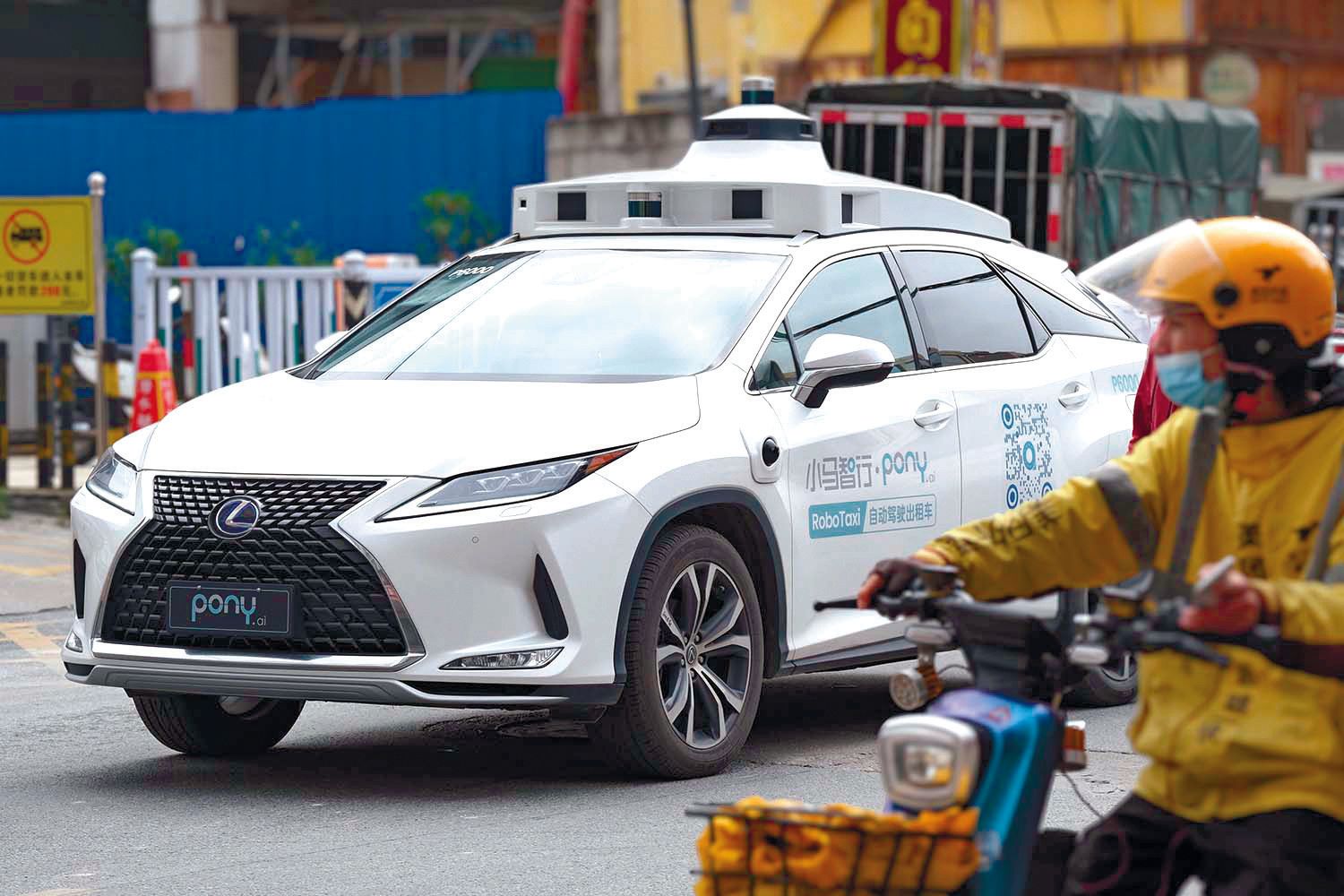
One of the main centres of this technological revolution is the well-known city of Wuhan. Chinese company Baidu launched its fully driverless Apollo Go taxis there in 2022. In June 2024, the service moved to fully autonomous operation across practically the entire city. By February 2026, more than 20 million passenger trips had already been completed. Wuhan is not the only Chinese city where the technology has moved beyond the experimental stage. Similar autonomous services are now being actively rolled out in Beijing, Shanghai, Shenzhen, Chengdu, Chongqing, Haikou and Sanya. Baidu is not the only company leading China’s race. Pony.ai, WeRide and others are also developing robotaxis and already providing paid services in the country.
Development in the US is following a similar path. Waymo is already providing driverless commercial rides in several American cities, while Tesla and Amazon are launching their own robotaxi projects. A genuine technological race between American and Chinese companies is therefore taking shape.
However, fully driverless transport cannot yet be regarded as a solved problem. In April 2026, a serious software-system failure brought more than 100 robotaxis to a halt in Wuhan, with some vehicles stopping in the middle of busy roads.
AI to replace us?
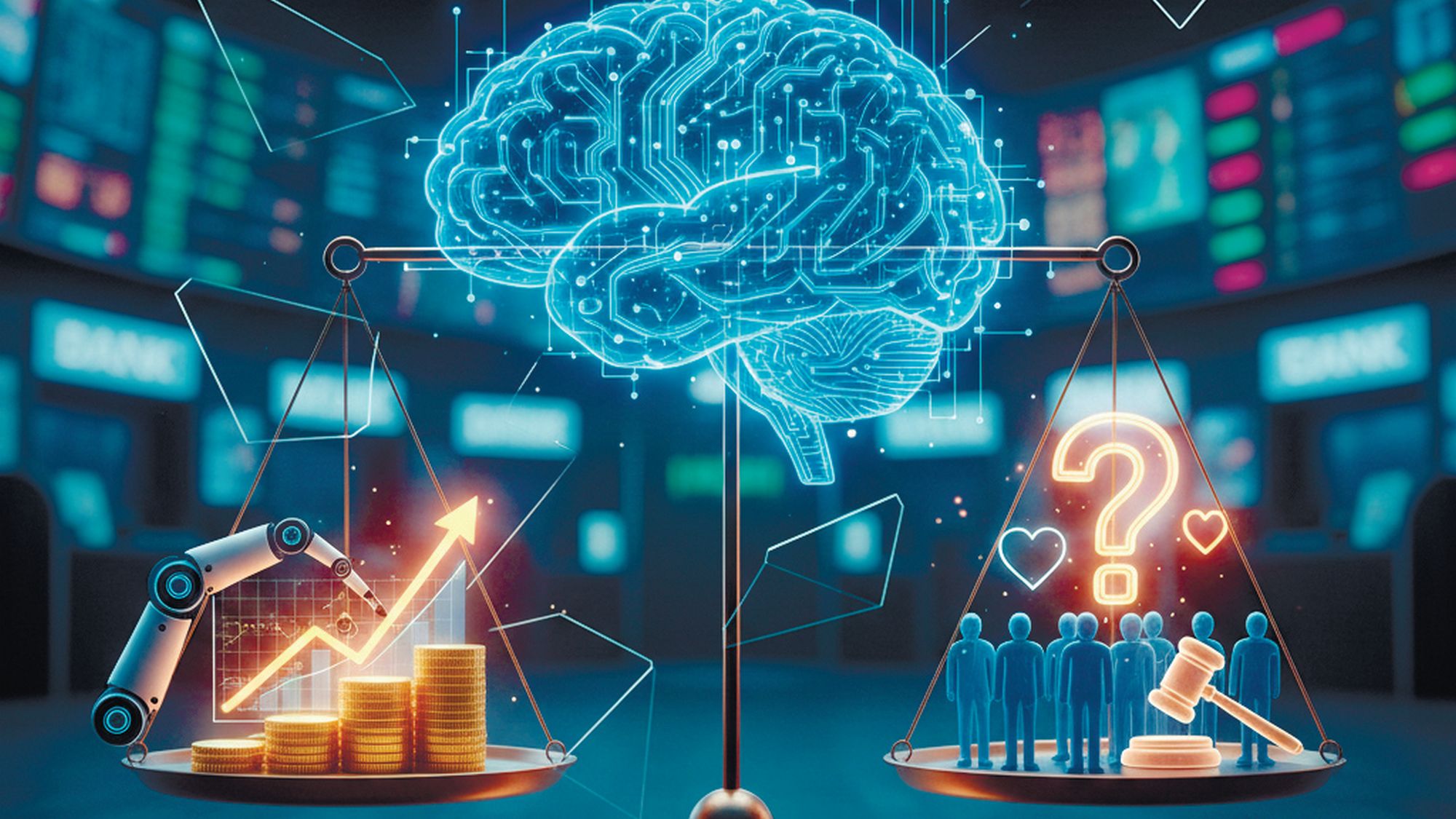
We are already accustomed to posing questions to artificial intelligence and receiving answers. However, the subsequent phase of AI advancement will diverge significantly from this. Individuals will no longer be required to meticulously articulate every step of the process to a machine. The user simply sets a task, and the system will then find the necessary information, open the relevant programmes, prepare documents, carry out calculations and present the result.
These systems are commonly referred to as AI agents. The primary distinction between these bots and conventional ones lies in their capacity to autonomously execute multi-stage tasks over extended periods, ranging from minutes to hours. These tools are already being used for programming, data analysis, document preparation, information searches and other tasks. According to one of the largest AI developers, by May 2026, more than 70% of users of its agent tool had assigned the system at least one task that would have taken a person more than an hour to complete.
This issue is not limited to programmers. The use of artificial intelligence is gradually becoming more prevalent in a variety of professional sectors, including legal work, finance, recruitment, marketing and customer service. A recent Google study, based on an analysis of 15 million anonymised interactions with AI, has found that the technology is already being used in tasks associated with more than 800 occupations. At the same time, the automation of entire professions remains limited. In most cases, AI works alongside people rather than replacing them.
The pace of change is nevertheless striking. Gartner forecasts that global spending on cross-functional AI agents and digital assistants will exceed $23 billion in 2030, while IDC expects there to be about 2.2 billion active AI agents by then.
If these predictions prove accurate, the office of the future will look entirely different. An employee may have more than one digital assistant, with each specialised in a specific task. These could include document analysis, information retrieval, presentation preparation, and scheduling and correspondence monitoring. People will set tasks, supervise the results and make decisions.
Yet this is precisely where the central question of the technological future arises: where does assistance end and replacement begin?
Rewriting the human being
If any field is capable of changing the length and quality of human life in the coming decades, it is medicine. The changes have already begun. One of the clearest examples is genome editing. In 2023, the first therapy developed using CRISPR technology was approved in the US. It is used to treat sickle-cell disease and beta-thalassaemia: a patient’s own cells are removed, genetically modified and then returned to the body.
Development is moving further still. In April 2026, the US regulator approved the first gene therapy for inherited hearing loss. The treatment is intended for patients with specific mutations in the OTOF gene and acts directly on the genetic cause of the condition. This marks an important shift: whereas medicine previously focused largely on compensating for the consequences of disease, it is now becoming possible to correct the underlying biological “error”. Over the next 10–15 years, this approach may be extended to an increasing number of inherited diseases.
Another field capable of radically changing medicine is artificial intelligence. It is already being used to identify potential medicines, analyse medical images and process enormous volumes of biological data. AI can also search more quickly for promising molecules and predict which ones are worth testing in the laboratory. As a result, artificial intelligence is likely to become one of the main tools of pharmaceutical research in the 2030s.
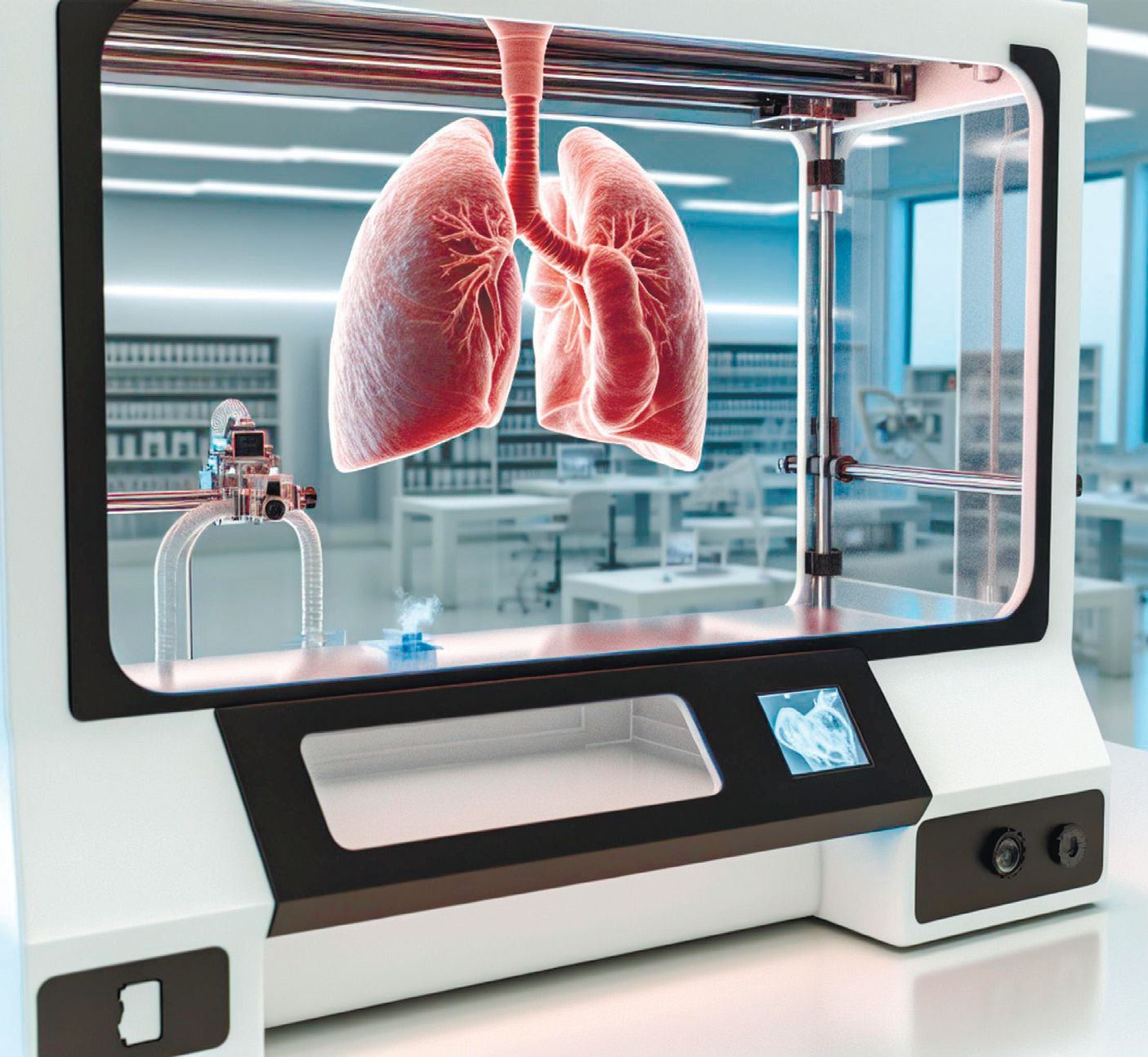
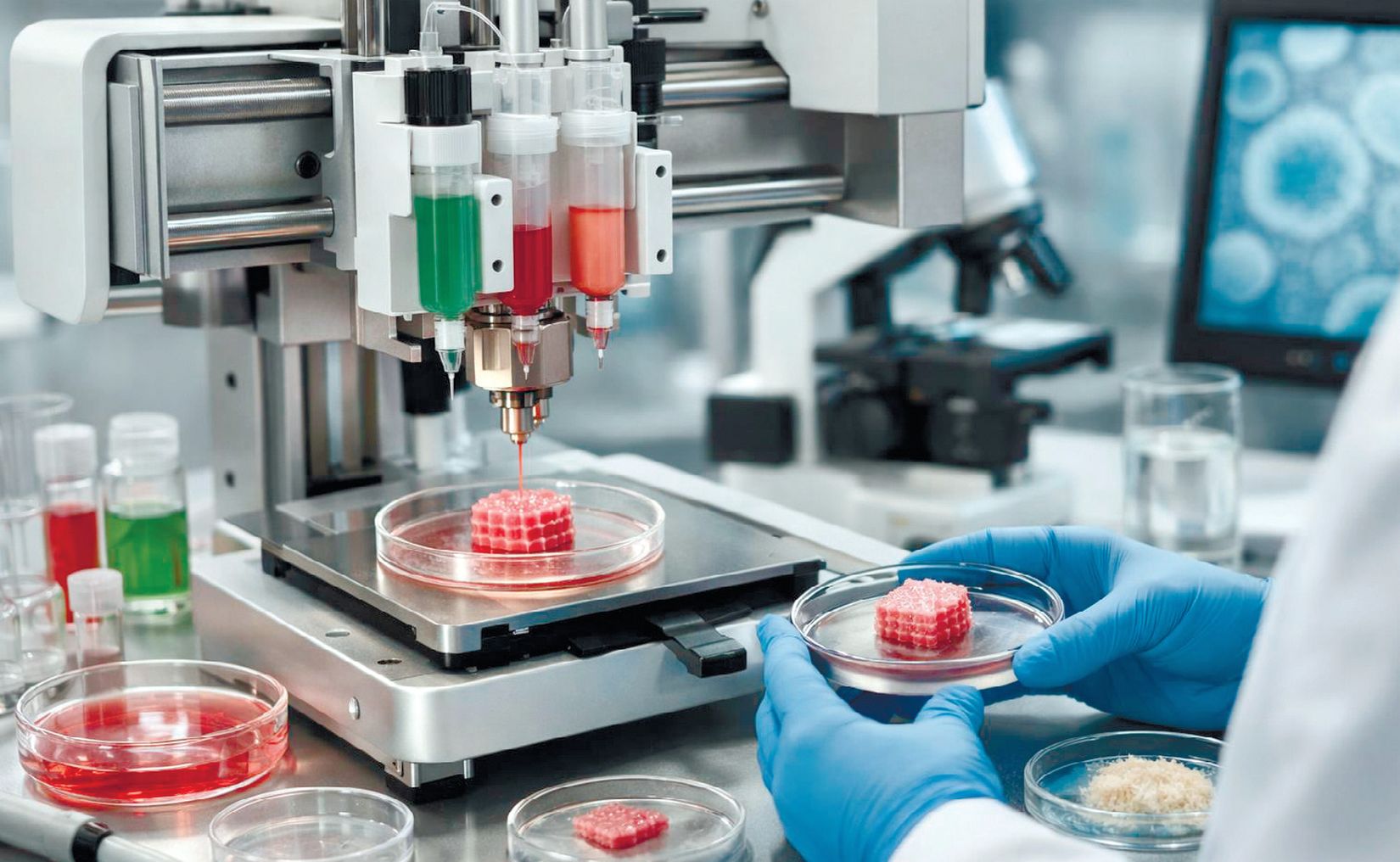
The next step is even more impressive: repairing damaged tissues and organs. Scientists are working on 3D bioprinting, in which living cells are used to create tissues of a specified shape. The technology is still far from making it possible simply to “print” a complete human liver or heart for transplantation, but research already covers skin, cartilage and more complex tissue structures. Promising people a replacement for any diseased organ by 2040 would be premature. The direction of development is nevertheless clear: medicine is gradually learning not only to treat the body, but also to restore it.
There is another interesting prospect. Continuous sensors and artificial-intelligence systems could turn medical monitoring from occasional visits to a doctor into an uninterrupted process. The body would constantly transmit data on pulse, blood pressure, sleep, physical activity and other indicators, while algorithms could detect abnormalities before serious symptoms appear.
More energy for the future
The technological revolution has one problem that receives far less attention than artificial intelligence or robots. All of them require enormous amounts of energy.
According to a forecast by the International Energy Agency (IEA), global electricity consumption will grow by an average of 3.6% a year up to 2030. Demand from data centres is rising particularly quickly. Their consumption could more than double to about 945 TWh a year. By the end of the decade, renewable and nuclear power could provide about half of the world’s total electricity generation.
Solar and wind power are becoming the main sources of new electricity. According to the IEA, by 2030 solar power will add more than 600 TWh to the global energy system every year. The share of solar and wind generation in global electricity production will rise from 17% in 2025 to 27% in 2030. At the same time, huge energy-storage systems and modernised electricity grids will be required.
This trend also affects Azerbaijan. The country is expanding solar and wind generation and has set a target of increasing the share of renewable sources in installed capacity to at least 30% by 2030.
Humans cannot be replaced
Robotics, driverless cars, artificial intelligence, new medical treatments and energy may appear to be entirely separate fields. However, when viewed collectively, they form a unified whole. Technologies are gradually moving away from their traditional isolated devices and becoming an integrated system. This will change work, transport, medicine, manufacturing and even our understanding of everyday life.
It seems improbable that the future will be depicted as a completely deserted world in science fiction films. It is important to note that there will be no loss of roles in manufacturing, medicine or management. Instead, there will be a change in the nature of these roles. Machines will be assigned an increasing number of routine and dangerous tasks, while people will be expected to perform the tasks that are most difficult to reproduce: making decisions, accepting responsibility for their consequences and creating something new.
According to the World Economic Forum, by 2030, 86% of employers surveyed expect AI and information-processing technologies to change their businesses, while 58% say the same about robots and autonomous systems. However, it is important to note that the future cannot be mapped out with absolute precision year by year. It is evident that the next 10–20 years will entail more than a mere continuation of technological progress. These developments have the potential to transform the way people work, travel, receive medical treatment and interact with the world around them.
Perhaps the most interesting point is that we will not have to wait until 2050 to encounter this future. Many of its elements have already appeared around us—the only question is how quickly they will become part of everyone's life.
RECOMMEND:
 44