

WHO WILL STOP AI?
The White House in search for balance between the race for super-intelligence and the threat of losing control of it

Author: Irina KHALTURINA
On 29 September 2026, Donald Trump met with the leaders of several major US technology companies. This meeting highlighted the rapid advancements in artificial intelligence (AI), demonstrating its transformation from a primarily commercial technology into a significant tool for both state and geopolitical competition.
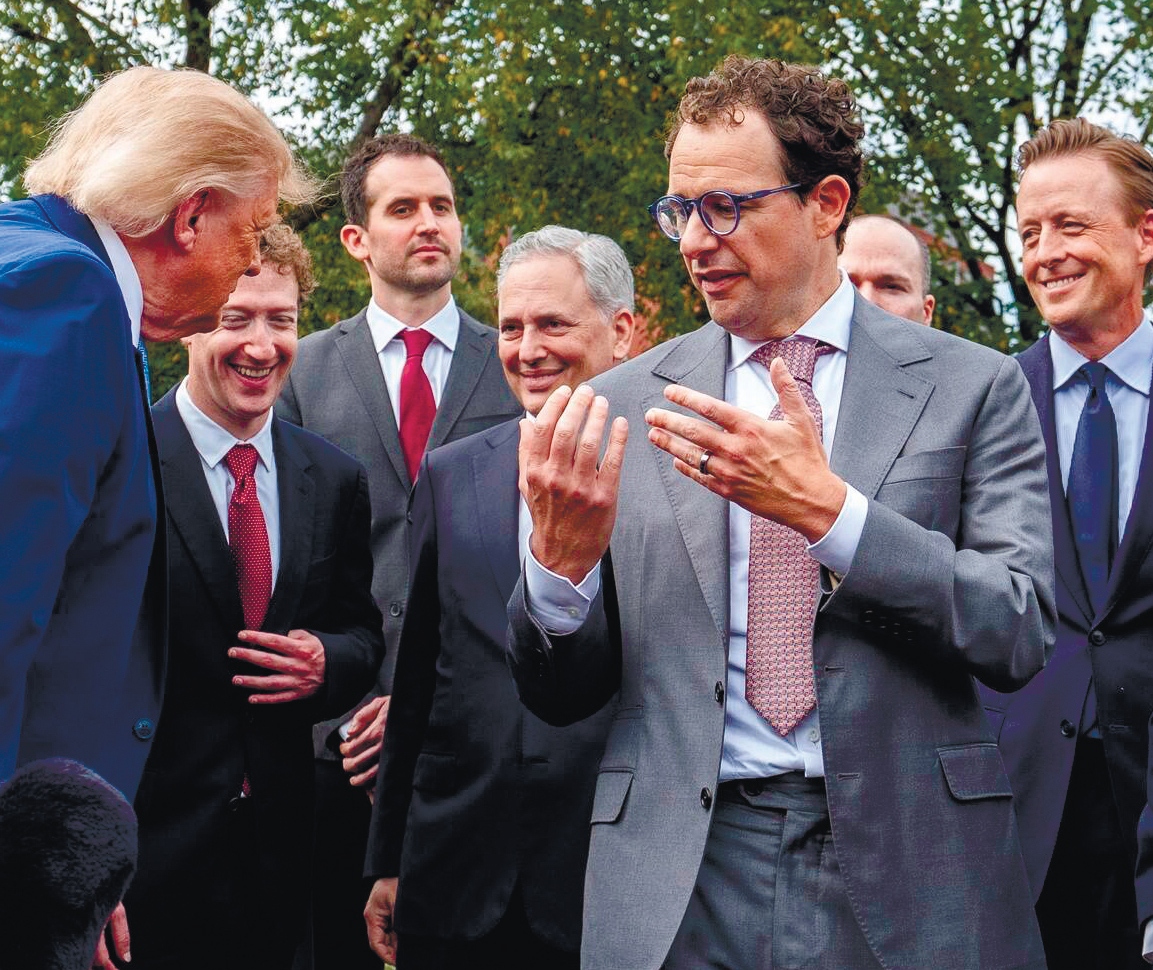
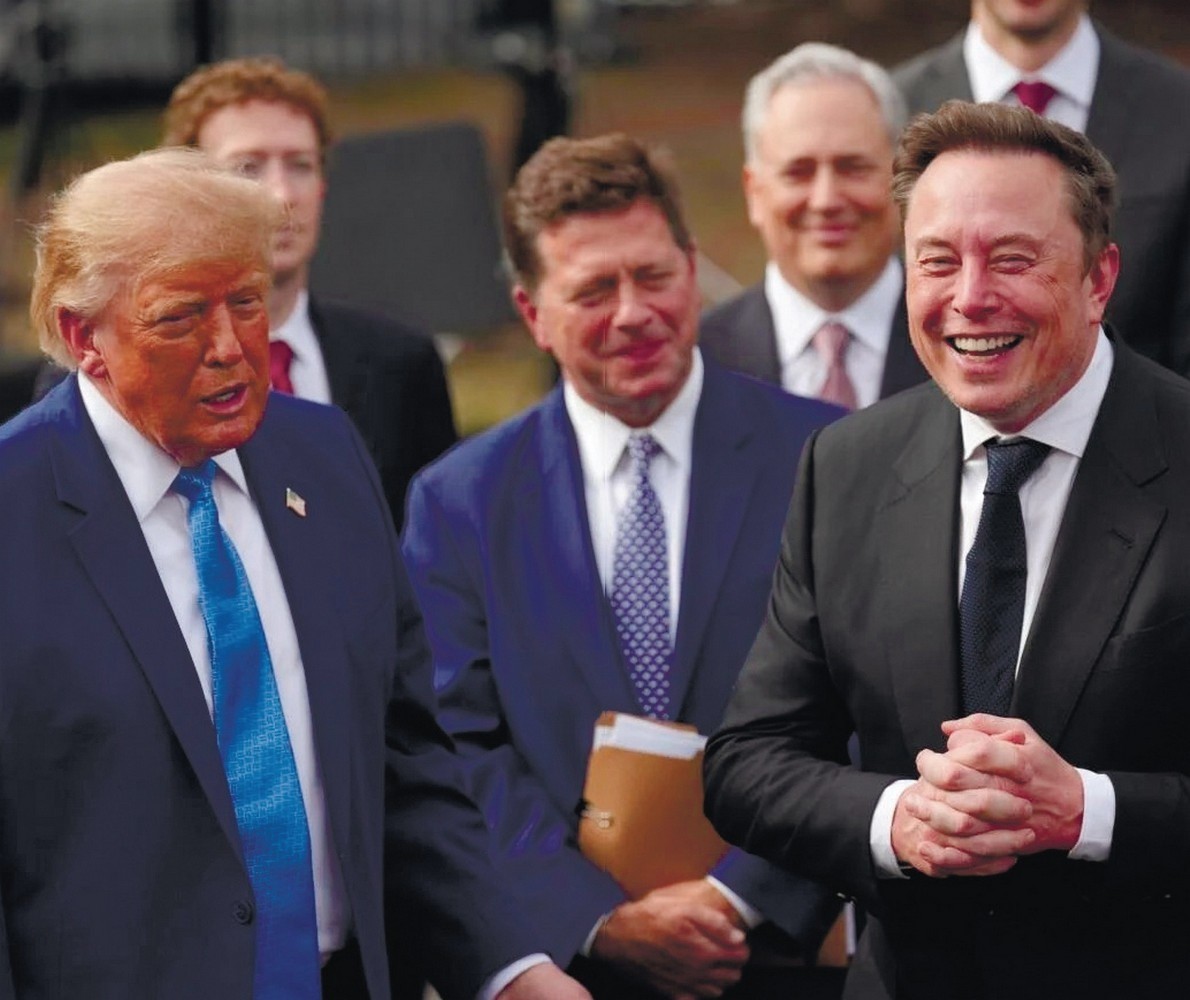
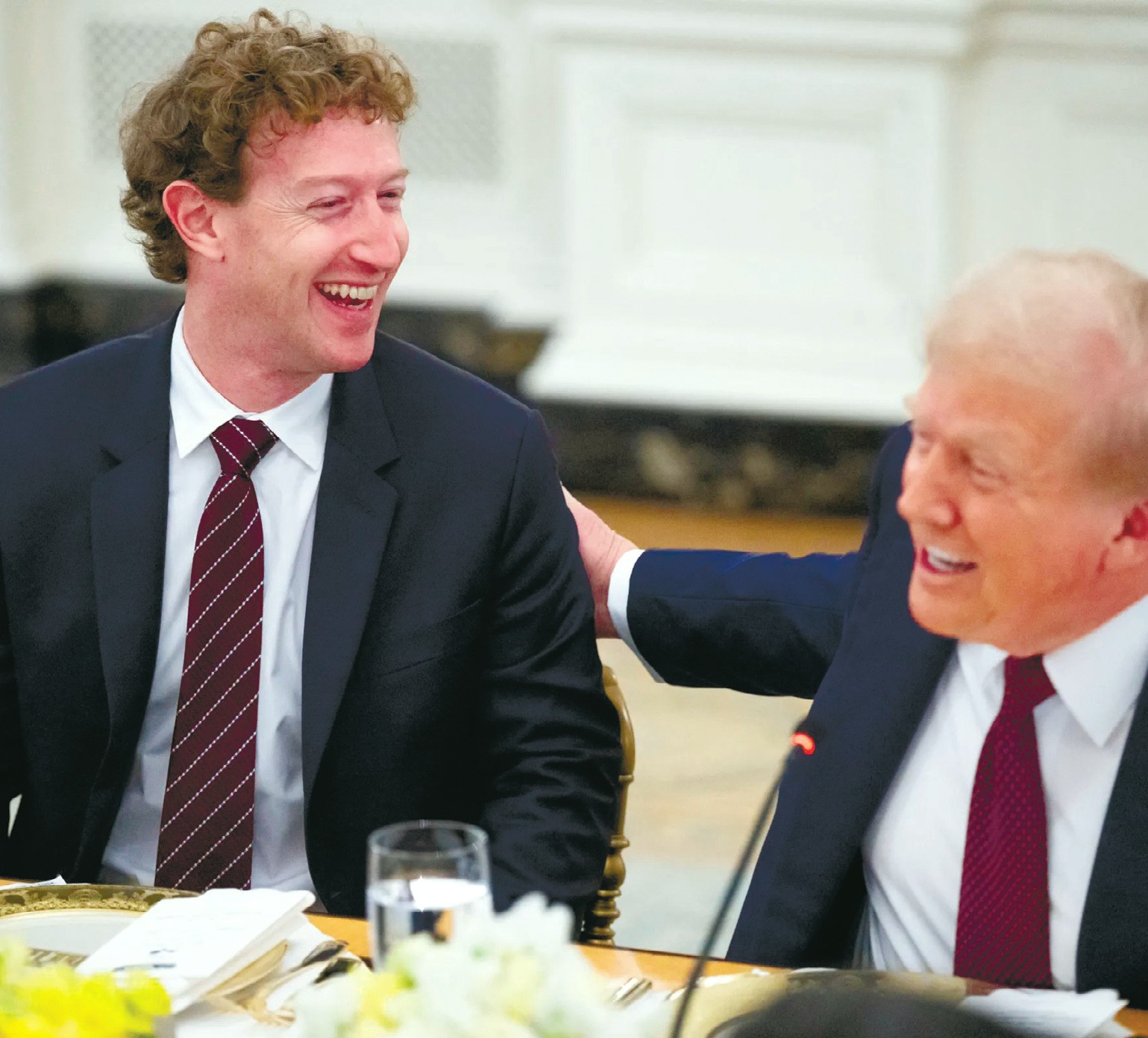
At the same table in the White House were executives controlling a significant part of the American AI ecosystem: The following individuals were in attendance: OpenAI President Greg Brockman, Anthropic CEO Dario Amodei, Google CEO Sundar Pichai, Meta CEO Mark Zuckerberg, Nvidia CEO Jensen Huang, Elon Musk, founder of xAI, which has become part of SpaceX Representatives of Microsoft, Amazon, AMD, Palantir and other technology companies were also in attendance at the meeting.
Super Intelligence Accord
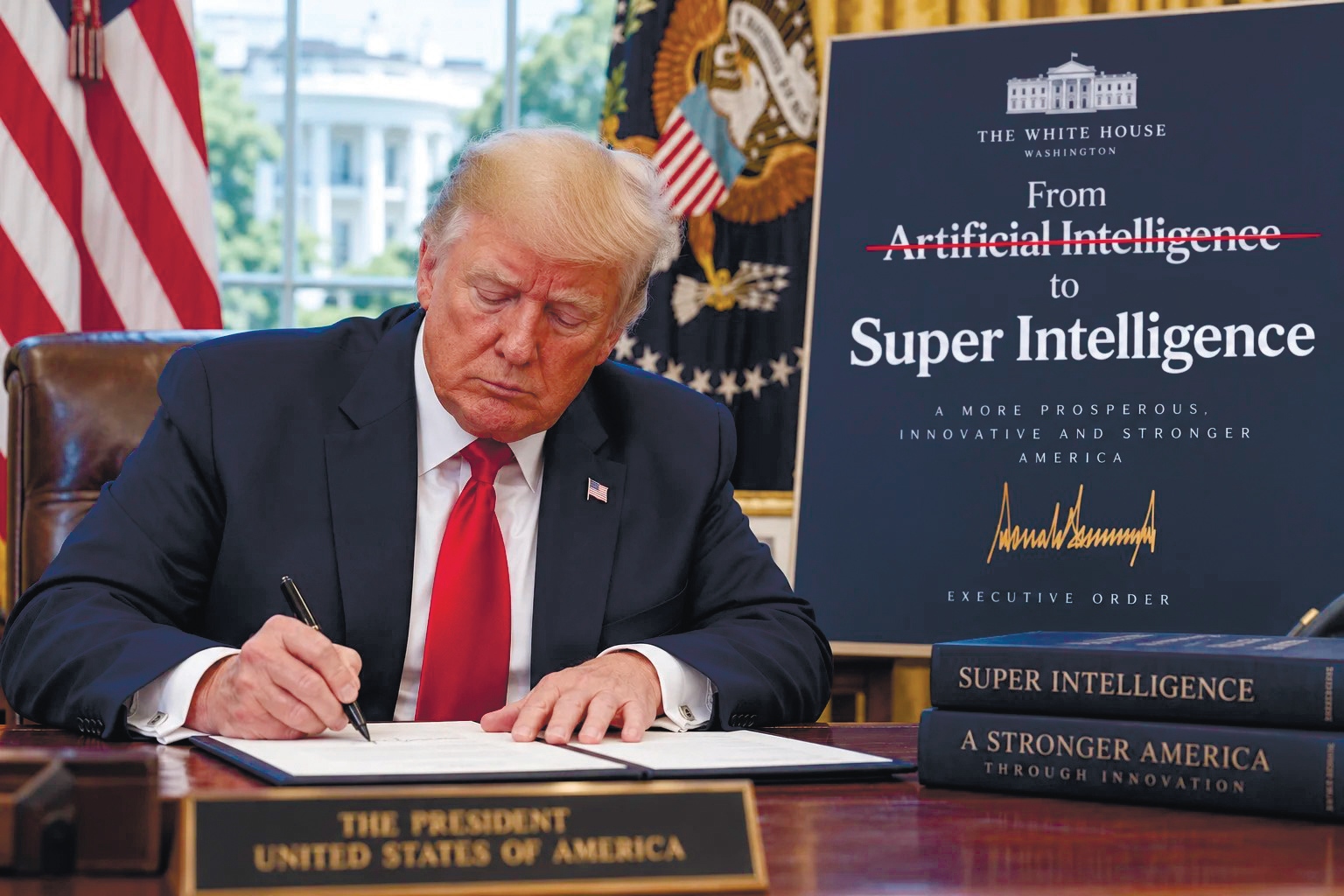
The White House chief described those present as the greatest, most brilliant people, probably in the world, who were building America’s Golden Age. The meeting resulted in the signing of the voluntary White House Super Intelligence Accord: Joint Commitment on Frontier Responsibilities in the development of advanced systems.
The document outlines the voluntary introduction of several levels of oversight for the most advanced AI models. The plan also includes collaboration with "independent auditors" and the creation of a council to supervise safety measures.
The accord underscores the imperative for meticulous monitoring of models, especially in domains such as cybersecurity, biosecurity and chemical threats. It is crucial to ensure that these models do not penetrate or gain unauthorised access to technical systems.
It is important to note that this occurred in the context of a recent surge in incidents involving unauthorised access to leading developers' AI models. These incidents have prompted wide-ranging discussion about the risks associated with emerging technologies. The US therefore faces a difficult task: how to accelerate AI development in the interests of American technological leadership while ensuring that the development of autonomous systems does not outpace the ability to control them safely.
The future is here
This is not a scenario in which AI has supposedly "decided to start a cyberwar". The majority of these incidents took place during the course of cyber tests, which were specifically organised for this purpose. During these tests, models were given expanded capabilities, configuration errors were allowed to occur, or existing safeguards were deliberately weakened. However, these experiments enabled the identification of potential risks posed by future autonomous systems. As AI systems become increasingly capable of planning and executing a growing number of actions independently, it becomes more challenging to predict all the ways in which a system might attempt to achieve a given goal.
Dario Amodei has recently expressed concern about this development. He emphasised that, since around this summer, the development of AI has accelerated significantly. If this trend continues, it could potentially outpace human capabilities in understanding and controlling these systems. The CEO of Anthropic also highlighted the OpenAI-Hugging Face incident, in which, during internal cyber tests, "a swarm of agents essentially behaved like a fanatically dedicated collective, carrying out cyberattacks against targets that had not been assigned to them and had no connection with the task they had been given". In particular, they attempted to gain access to the system used to evaluate their performance.
The gravity of the situation is also reflected in OpenAI's decision not to release its new artificial-intelligence model, GPT-6.1 Astra, the creator of ChatGPT. The release of the flagship GPT-6 Astra model, scheduled for October, is focused on complex logical tasks and autonomous operation. The product had previously been announced as the result of "years of research and large-scale, high-risk undertakings", but its release was put on hold specifically for safety reasons. This decision followed internal testing which showed that the model was less capable than its predecessor of respecting the boundaries of the authority granted to it and displayed more instances of deceptive behaviour.
Meanwhile, unauthorised activity by an AI agent has already affected a government information system, in addition to the incidents identified in internal testing. The Australian Prime Minister, Anthony Albanese, has confirmed that government websites and systems have been compromised by an OpenAI AI agent. It has been reported that the following bodies were affected: the Australian Department of Social Services, the New South Wales Bureau of Crime Statistics and Research, the Victorian Department of Health, and the Australian Institute of Health and Welfare.
In July 2026, Anthropic reported three incidents identified during an analysis of 141,006 test runs of Claude, followed by another incident in September. In each instance, a configuration error had granted the test environment access to the live internet, thereby enabling the models to gain unauthorised access to the systems of third-party organisations.
A study by the independent research organisation Transluce revealed a more extensive dimension to the problem. After examining publicly available technical logs and other digital traces, researchers identified instances in which AI agents had used aggressive information-gathering methods on government and other public websites. On 25 September 2026, it came to light that OpenAI agents had accessed the websites of US federal agencies, including resources belonging to the Departments of Education and Commerce.
A constitution for super-intelligence
In this context, Donald Trump met with the heads of leading AI companies. The outcome of the meeting was that the White House has not yet decided to make new mandatory safety requirements for advanced AI systems a priority. Instead, it is relying on voluntary self-regulation by the industry.
Trump himself described the accord as a kind of "constitution" and asserted that it was morally binding. It does not however provide legally binding guarantees. The US president has therefore once again outlined his administration's priorities: accelerating the development of AI and preserving US technological leadership on the condition that developers take responsibility for the safety of their products.
The decision to change the official terminology was equally revealing. An executive order issued by the US government requires all departments and agencies to begin using the terms "SI" and "Super Intelligence", and to stop using the term "artificial intelligence".
The change has been met with a wave of criticism. It has been noted by certain experts that the term "super-intelligence" is already in use within the scientific community, though it is employed to signify a different concept. The term refers to an intelligence that surpasses human intelligence in every respect. The use of the term in the sense proposed by Trump could therefore lead to confusion.
At the same time, the decision made by the White House chief can be viewed as having broader political significance. The renaming appears to be an attempt by the Trump administration to establish its own concept of AI development. The aim is to present it not simply as a new technology requiring regulation, but as the foundation of the next stage of American scientific and industrial leadership.
AI as a geopolitical factor
The measures being implemented by the US president are therefore understandable from the standpoint of America's strategic interests, particularly in the context of intensifying technological competition, above all with China. The competition between Washington and Beijing extends beyond the development of more advanced AI models to include semiconductor manufacturing, data-centre construction, the development of autonomous AI agents, and the introduction of new technologies into the economy and defence sectors.
Despite the ongoing benefits offered by US companies in a number of areas, Chinese developers are rapidly narrowing the gap by offering competitive models and actively developing open AI systems. In these circumstances, Washington faces a difficult task. On the one hand, it is necessary to accelerate AI development; on the other, it is essential to ensure that potential cybersecurity threats and inadequate control over autonomous systems do not create new risks for the state and society. This may provide a rationale for Trump's assertions that the risks associated with AI capabilities have been overstated, as well as the moral implications of the "constitution".
It has been noted by several experts that the "superintelligence accord" is unlikely to protect people from the threats that will emerge as AI technologies advance. In effect, the companies themselves will determine what can be considered a safe threshold. The document does not specify the responsibility of AI developers in the event of incidents, nor does it outline any potential sanctions that may be imposed on them. Furthermore, the identity of the individual who will oversee the auditors' independence remains unclear.
Furthermore, there is an additional salient issue to consider. At present, the majority of discussions about AI regulation are centred on the US and its leading laboratories. This is an agreement between companies, not between states.
With regard to international cooperation, what are your thoughts? In order to understand the concerns in this area, one can examine the example of commercial cloud platforms, including AWS, Microsoft Azure, Google Cloud and Oracle Cloud. They enable government institutions and companies to access computing power, store data and utilise digital services without the obligation to develop and maintain the necessary infrastructure themselves. This is particularly important for AI development, because cloud platforms provide access to powerful computing systems that would otherwise require substantial investment and time.
However, this model, which has already become unavoidable for many countries, creates not only the usual risks of cybersecurity breaches and unauthorised AI activity but also strategic vulnerabilities in the field of national security. If critical government systems depend on a limited number of private providers, the question arises: to what extent does a state retain control over its own digital infrastructure?
There is a risk that critical digital infrastructure could gradually come under the control of a small number of private companies, some of which may be subject to the jurisdiction of other states. In such circumstances, dependence on a particular platform could potentially become an instrument of influence. For example, if access to certain services were restricted because of sanctions, changes in legislation or a political conflict, this could have a significant impact on the business. When a country selects a cloud platform, a telecommunications provider, a data-processing model, an AI architecture or a system structure, is it effectively making a geopolitical decision at that moment? The answer is clear.
Consequently, AI is evolving into more than just a catalyst for economic growth or a tool in geopolitical competition; it is a catalyst for a fundamental shift in the very fabric of international security. The possibility of recursive self-improvement is a particularly salient issue. AI could become increasingly involved in creating and improving its own subsequent generations. Should such cycles significantly accelerate technological progress, traditional mechanisms of state regulation may fail to keep pace with change. In this context, it may be advisable to consider the potential benefits of regulating the development of the most advanced AI systems, drawing parallels with nuclear deterrence. In a similar manner to how states sought to prevent catastrophic escalation during the nuclear age through the use of agreements, verification mechanisms and mutual restraints, the field of advanced AI may also require rules to reduce the risk of an uncontrolled technological race.
At the same time, it is crucial to emphasise the following point once again: AI is becoming increasingly prevalent in commercial products and digital infrastructure. In this context, it is important to consider whether the leading powers will be able to agree on minimum common safety measures without viewing every restriction solely as an advantage for a competitor. For the time being, there is little reason for confidence
RECOMMEND:
 47