

FROM RESOURCES TO INFLUENCE
Central Asia emerges as a US-China arena of economic rivalry as transport links and regional cooperation boost Azerbaijan’s role
Author: Irina KHALTURINA
Central Asia (CA) is once again emerging as a key trade hub between East and West, as well as a centre for investment and the export of strategic materials. US Secretary of State Marco Rubio offered the following comment on the outcome of the C5+1 meeting in Samarkand during his visit to Central Asia (Uzbekistan) and India from 17 to 22 October.
It is evident that the US's heightened engagement in Central Asia has been substantially influenced by the escalating situation in the Middle East, including the ongoing conflict with Iran and threats to the security of key maritime transport routes—the Straits of Hormuz and Bab el-Mandeb.
Heading towards deeper engagement
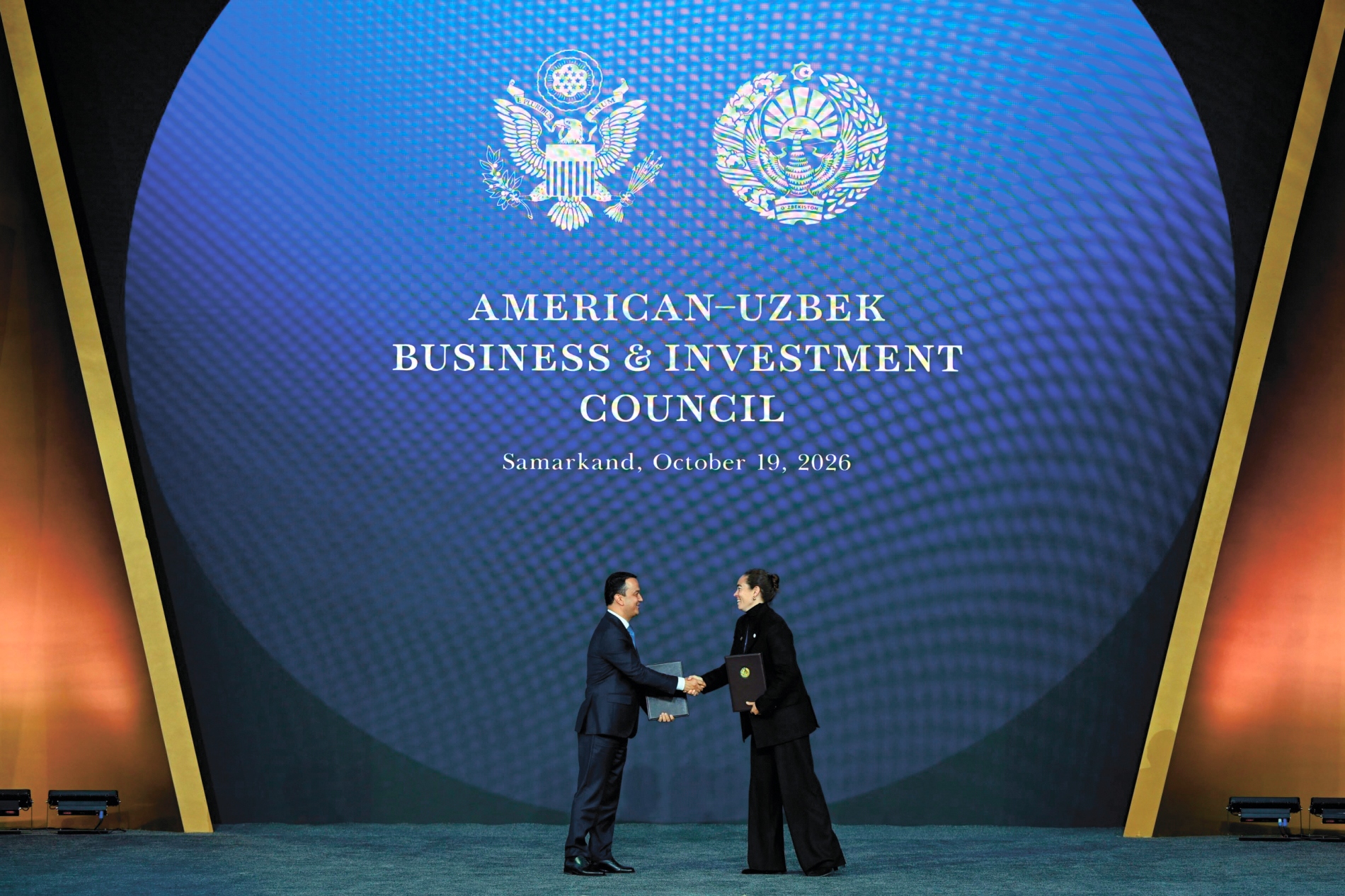
In Uzbekistan, Rubio met with the country's President, Shavkat Mirziyoyev, and took part in an event organised by the US-Uzbekistan Business Council. He was accompanied by a delegation comprising nearly 300 American business leaders. Washington and Tashkent reached a consensus to strengthen their strategic partnership, and multi-billion investment and trade agreements were signed.
Rubio's visit to Samarkand, a historic city on the Silk Road, was a deliberate move by the Washington administration. In this context, the three areas of particular interest to the US—the Trans-Caspian corridor, the extraction and processing of critical minerals, and the training of specialists to work with American technologies—are closely interlinked. The development of mineral deposits requires a reliable energy supply and transport routes, whilst the establishment of modern production facilities and the operation of the relevant infrastructure are impossible without the appropriate equipment and a skilled workforce.
Conversely, the US-Uzbek agreement signed in Samarkand goes well beyond this. The 54 agreements and initiatives, with a declared value of around $12 billion, cover industry, transport and energy, the financial sector, digital technologies, agriculture, healthcare and education. Representatives of prominent American companies, including Wabtec, Franklin Templeton, Oppenheimer & Co., Citigroup, BlackRock, ReElement Technologies, Traxys, Trafigura and GE Aerospace, accompanied the Secretary of State and signed the agreements. Within this framework, the role of finance is to support the monetisation of projects, while digital technologies and education are intended to establish long-term reliance on American solutions.
As Bloomberg notes, the presence of major American financial groups in Uzbekistan has already begun to strengthen. Citibank opened a representative office in Tashkent in 2025, whilst Franklin Templeton manages the National Investment Fund of Uzbekistan. This year, the fund raised $674 million during an initial public offering on the London and Tashkent stock exchanges. Furthermore, the anchor investors comprise funds managed by BlackRock, as well as Franklin Templeton itself and other key market participants.
Uzbekistan's accession to the Artemis Accords on 19 October 2026 in Samarkand is a separate but important development. Uzbekistan has become the 77th signatory. The agreement opens up opportunities for cooperation with NASA and other participating space agencies, including the training of specialists and technology transfer. For Tashkent, this represents a significant symbolic step towards establishing a technological partnership with the US.
When Biden and Trump were on the same page
However, the US agreements with Uzbekistan should be viewed within the broader context of American policy in Central Asia. This policy is being developed through the C5+1 diplomatic framework, which brings together Washington and five states in the region. The format was established in 2015, but it was former President Joe Biden who first elevated it to the presidential level when he convened the leaders of the five countries for the C5+1 summit in 2023. The parties then reached a consensus to initiate a dialogue on critical minerals.
Contrary to his position of reversing many of Biden's decisions, Donald Trump continued and expanded on this initiative launched by his predecessor. At the C5+1 summit in Washington in November 2025, commercial agreements and commitments totalling more than $25 billion were announced.
Concurrently, bilateral relations are being strengthened. For instance, in September 2025, Trump met with Mirziyoyev on the sidelines of the UN General Assembly. Rubio's visit thus effectively consolidates the transition to regular talks and practical cooperation.
The Secretary of State held a ministerial meeting and bilateral meetings with the foreign ministers of all five Central Asian countries. According to media reports, the discussions covered a number of issues, including the possibility of Rubio visiting Kazakhstan, the potential for cooperation between Boeing and Kyrgyzstan, and the schedule for upcoming Turkmen-American meetings and political consultations. In addition, the leaders of Kazakhstan and Uzbekistan are expected to attend the G20 summit, scheduled for December in Miami.
It is important to emphasise that there are also issues on the agenda that could complicate economic integration. For Uzbekistan, one such issue is the Jackson-Vanik Amendment, which was adopted in the US in 1974. The scope of the initiative is limited to countries that meet specific criteria, which restricts the granting of normal trade relations. In Samarkand, Rubio expressed support for lifting the amendment, but stressed that the decision rests with the US Congress and that no timetable has yet been set.
Other areas of concern include the risks of circumventing sanctions against Russia, restrictions on the export of sensitive technologies, and visa policy issues.
The most important aspect of cooperation between the US and Central Asia is critical minerals, which are essential for the production of batteries, electronics, energy equipment and other modern technologies. Central Asia possesses vast reserves of uranium, copper, chromium, titanium, antimony and other metals, whilst Washington is keen to establish a more comprehensive production chain—from geological exploration and extraction to processing and the manufacture of high value-added products.
The US and China are ready for competition
This issue is particularly pertinent in the context of Beijing's growing influence in various segments of global supply chains for critical minerals. Chinese companies play a significant role in the extraction and processing of raw materials in Central Asia, whilst China itself is consistently expanding its trade partnerships and investing in the region's infrastructure.
In this context, Marco Rubio has been emphatic in stressing that Washington does not require Central Asian states to cease cooperation with other countries. The US has stated that it will compete in this region with China, as well as with Russia, but exclusively on economic, not geopolitical, grounds.
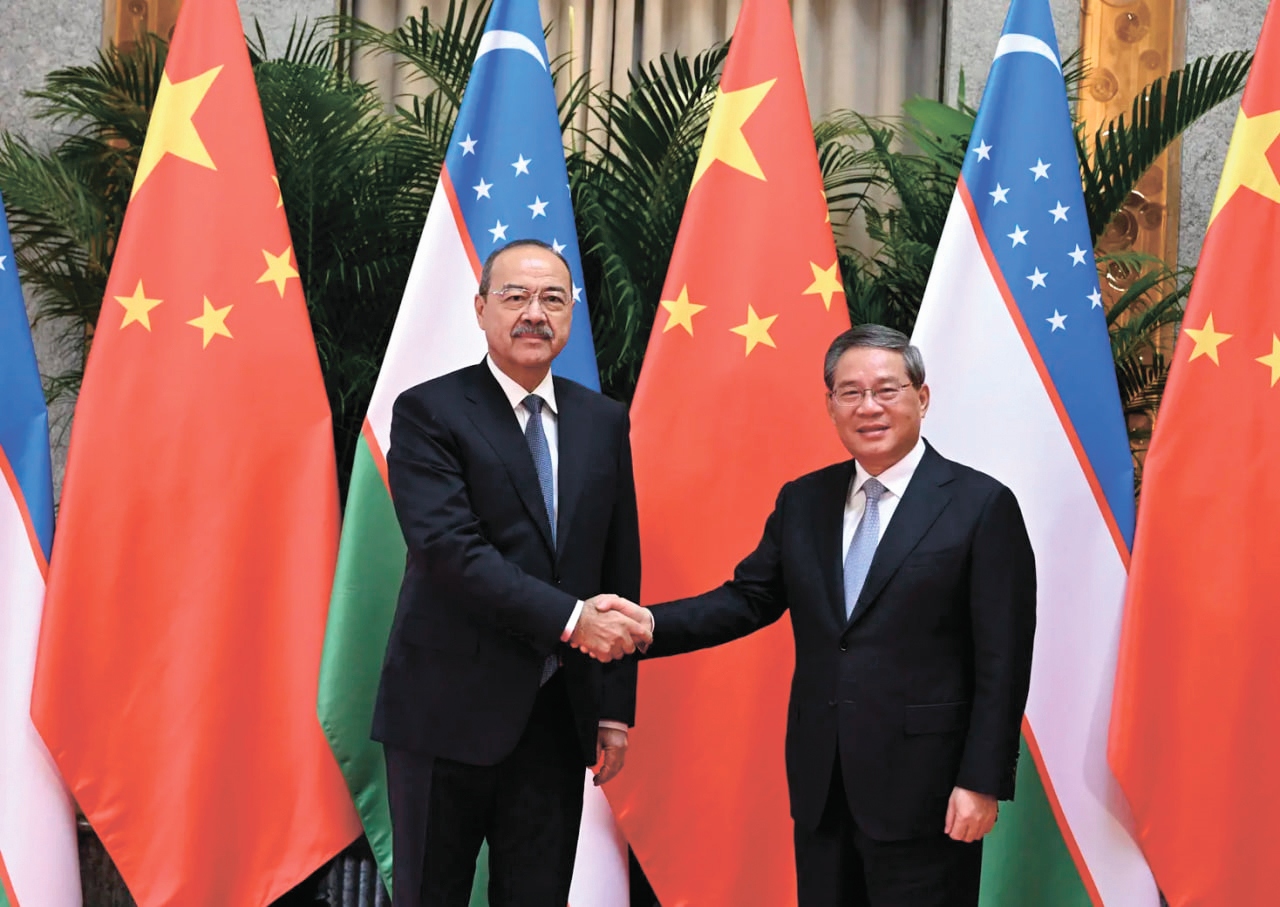
It is noteworthy that Li Qiang, Premier of the State Council of the People's Republic of China, arrived in Uzbekistan almost simultaneously with Rubio's visit. During discussions with the Prime Minister of the country, Abdulla Aripov, on 17 October, he conveyed China's commitment to strengthen collaborative efforts in the energy, resources, artificial intelligence and agriculture sectors.
In addition, China put forward the proposal of increasing imports of high-quality and specialised products from Uzbekistan. Furthermore, they suggested that more active use be made of the China International Import Expo platform in order to promote Uzbek goods on the Chinese market. At the same time, Beijing confirmed its continued commitment to infrastructure development, including the China–Kyrgyzstan–Uzbekistan railway. All of the above indicates China's intention to consolidate its position in the raw materials sector, as well as to expand trade and industrial relations with regional countries.
There is another area in which Chinese and US interests are aligned, namely the development of the Middle Corridor. The route connects China and the Central Asian countries with European markets via the Caspian Sea, the South Caucasus and Türkiye, creating an alternative to traditional transport corridors. For Beijing, this represents an additional channel for delivering goods to Europe, whilst for Washington it offers an opportunity to promote the diversification of Eurasian trade relations and the development of infrastructure that is less dependent on individual transit routes.
It is important to note that Azerbaijan plays a key role in this regard, as Washington also regards it as an important like-minded partner in the development of regional connectivity. The US-Azerbaijani Charter on Strategic Partnership, signed on 10 February 2026, clearly outlines plans for the development of the Middle Corridor, transportation infrastructure, energy networks, and digital infrastructure. The charter also aims to facilitate the transit of critical minerals.
This initiative will serve to bolster Azerbaijan's potential role within the broader US regional strategy. This is particularly true given that a new format for cooperation has already been established between Baku and the Central Asian republics—in November 2025, Azerbaijan became a full participant in the consultative meetings of the heads of state of Central Asia. In summary, it is in Washington's interest to explore the possibility of closer cooperation specifically with the C6 framework, as the rapprochement between Azerbaijan and Central Asia is gradually reshaping the economic geography of Eurasia. The Caspian Sea is increasingly regarded not only as a dividing line, but also as a pivotal component of transport, energy and digital cooperation between the two regions.
The Organisation of Turkic States, comprising Azerbaijan, Türkiye, Kazakhstan, Kyrgyzstan and Uzbekistan, could also serve as an additional platform for such cooperation.
When formulating a strategy for the US in Central Asia, it is essential to consider another neighbouring region: Afghanistan. The country's geographical location creates opportunities for trade development between Central and South Asia.
With this in mind, Washington may have an interest in seeing Central Asian states expand their economic cooperation with Afghanistan. The development of a southern transport corridor through Afghan territory would potentially provide access to the markets of South Asia and the ports of Pakistan, complementing the Middle Corridor, which is oriented towards the west.
Andrew Kachins, a senior research fellow at the Centre for National Interests (Washington), in his July 2026 report entitled ‘Arguments in Favour of Closer US Engagement with Afghanistan’, explicitly refers to that country as the ‘missing link’ in American policy in that part of the world.
Venezuelan oil and India
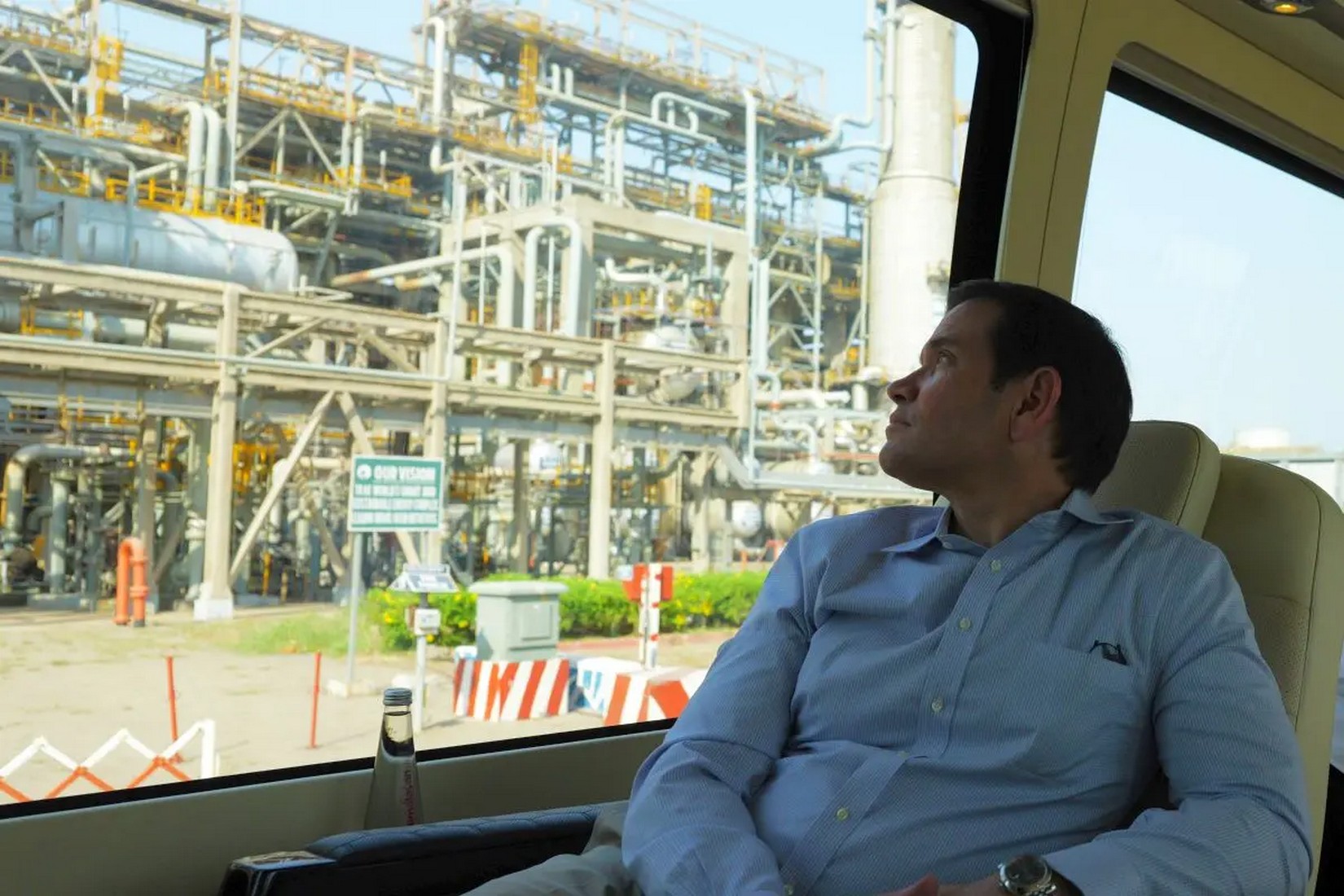
When considering US strategy within the context of the wider region, it is clear that another part of Rubio's visit—to India—fits perfectly into this logic. The Venezuelan oil industry was a key focus of the trip. Rubio's visit to Jamnagar, home to Reliance Industries' oil refinery complex (the largest in the world), underscores the strategic importance of the region. The US is keen for India to refine more Venezuelan oil, and Washington believes that Reliance possesses the necessary technical capabilities to process heavy Venezuelan crude. The potential for the Indian company to resume its involvement in oil production in Venezuela was also discussed.
Trade negotiations were equally significant. Rubio stated that the US and India were close to concluding an agreement, although no document was signed at the end of the visit—tariff disputes clearly remain one of the obstacles.
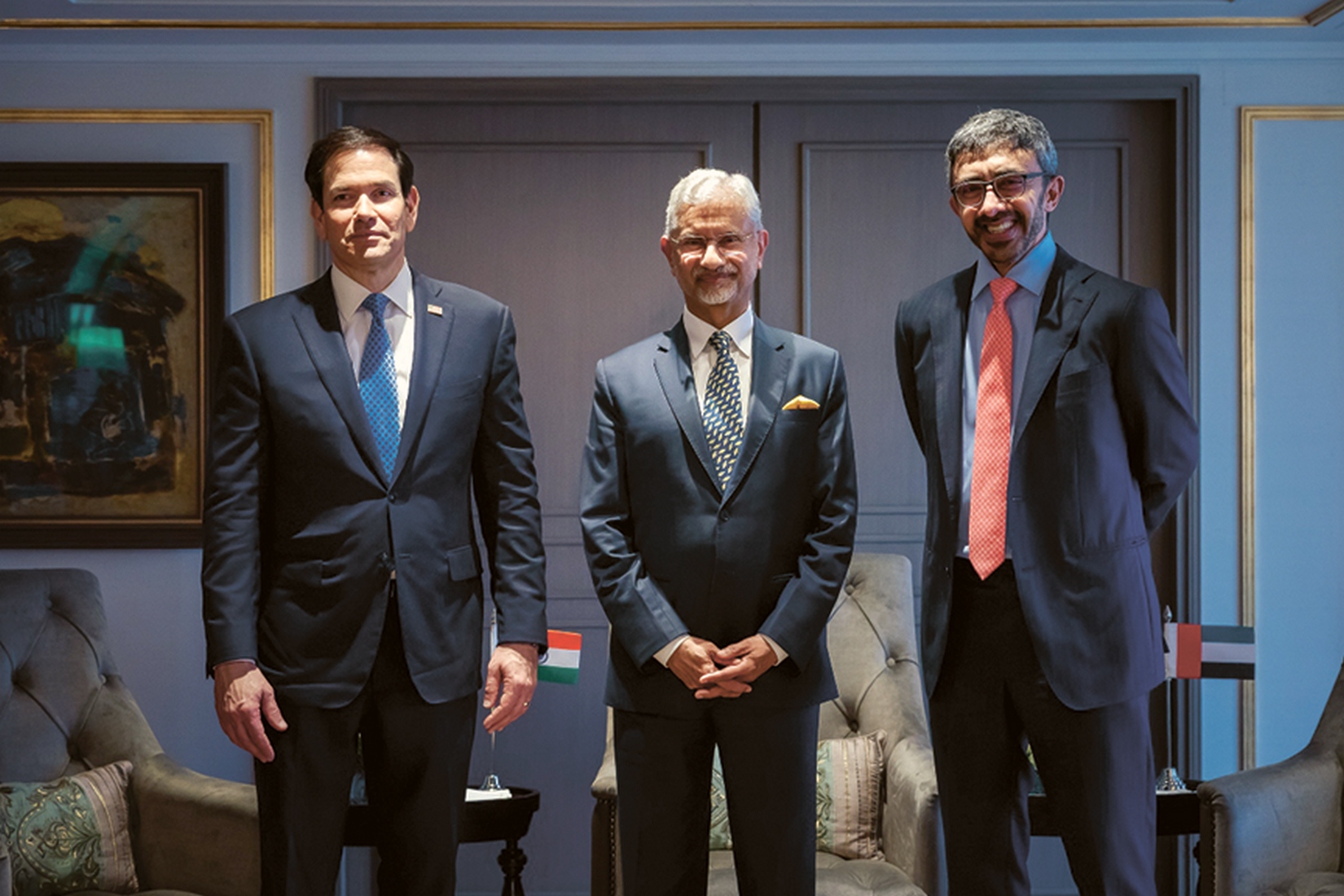
The visit also featured a trilateral meeting between Rubio and his Indian and UAE counterparts, Subramanyam Jaishankar and Sheikh Abdullah bin Zayed Al Nahyan, in Mumbai, underlining the regional significance of the trip. The ministers convened to deliberate on matters pertaining to energy, transport and prevailing international concerns. In other words, US diplomacy sought to view relations with India not only in a bilateral context, but also within the framework of a broader system of economic and energy ties across Asia and the Middle East.
In this context, the visit by Indian Foreign Minister Subramanyam Jaishankar to Baku on 23 October 2026 is of particular interest. He met with Azerbaijani President Ilham Aliyev and Foreign Minister Jeyhun Bayramov. These talks signalled a significant step towards restoring political engagement following a period of strained relations between the two countries. Discussions focused on key areas of collaboration, including trade, investment, energy, transport, tourism, and joint activities within international organisations.
Despite the political differences of recent years, the economic foundation for the development of cooperation between Baku and New Delhi remains strong, particularly in the energy, pharmaceutical, agricultural, high-tech, investment and transport sectors.
Therefore, it is evident from the events and meetings listed above, which occurred almost simultaneously, that regional relations are becoming increasingly interconnected. US interests in Central Asia and the South Caucasus, as well as in India, transport links across the Caspian Sea and Azerbaijan's desire to strengthen ties with Central and South Asia are closely intertwined within the emerging Eurasian trade and logistics system.
At the same time, Washington will need to take into account China's growing influence, Russia's enduring position, the ongoing instability surrounding Afghanistan and the tensions between regional partners. It is a complex equation, but by all accounts, Washington is prepared to dedicate the necessary resources to resolve it.
RECOMMEND:
 55