

WHAT DO EUROPEANS WANT?
Large-scale protests have spread across a number of European countries
Author: Natig NAZIMOGHLU
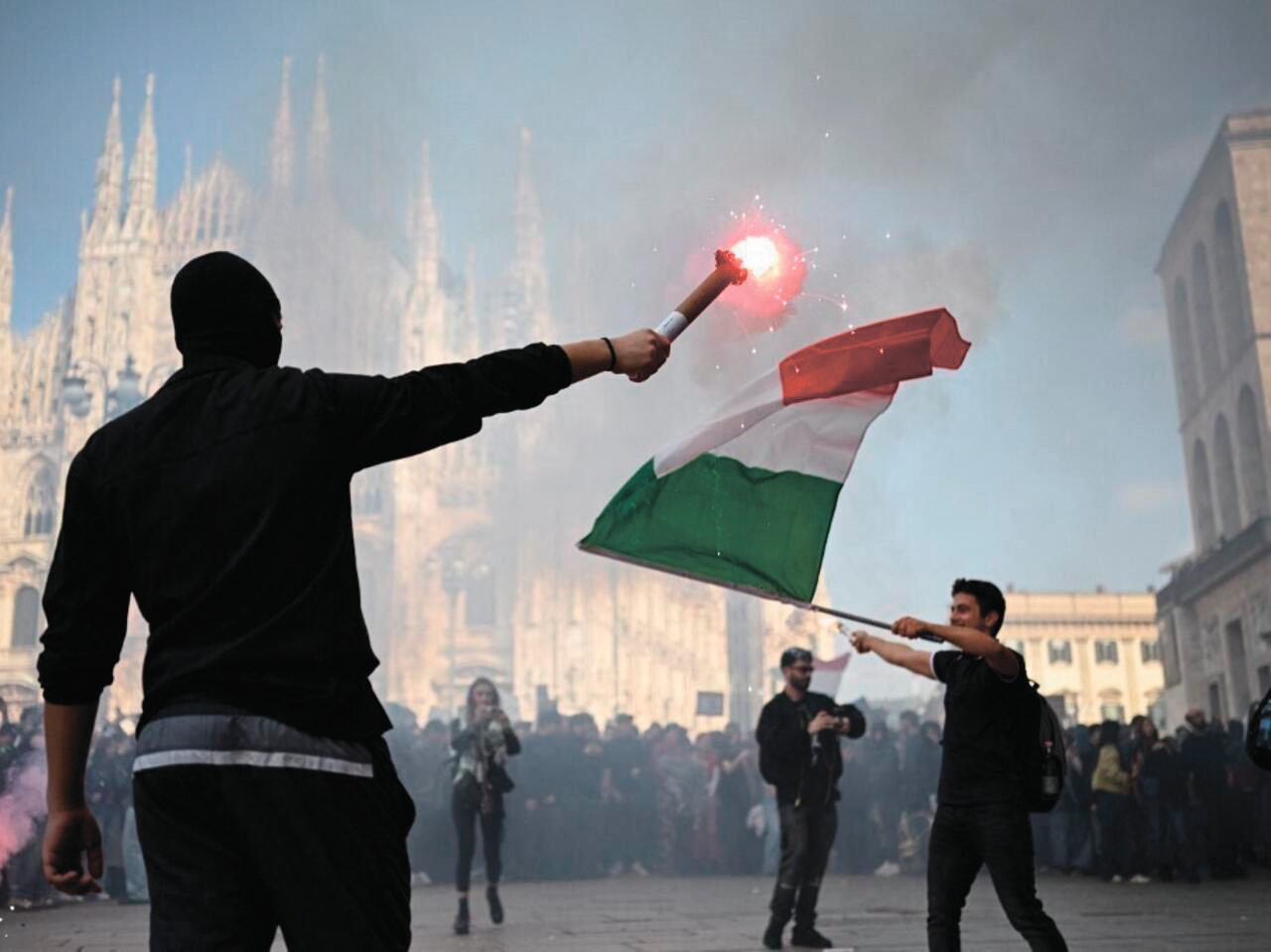
Europe is going through a historic shock, with protests taking place in many of its countries, including in France, Italy, Spain, Portugal, Germany, Austria, Belgium and Albania. But this list is far from complete.
Macron’s rebellion and fiasco
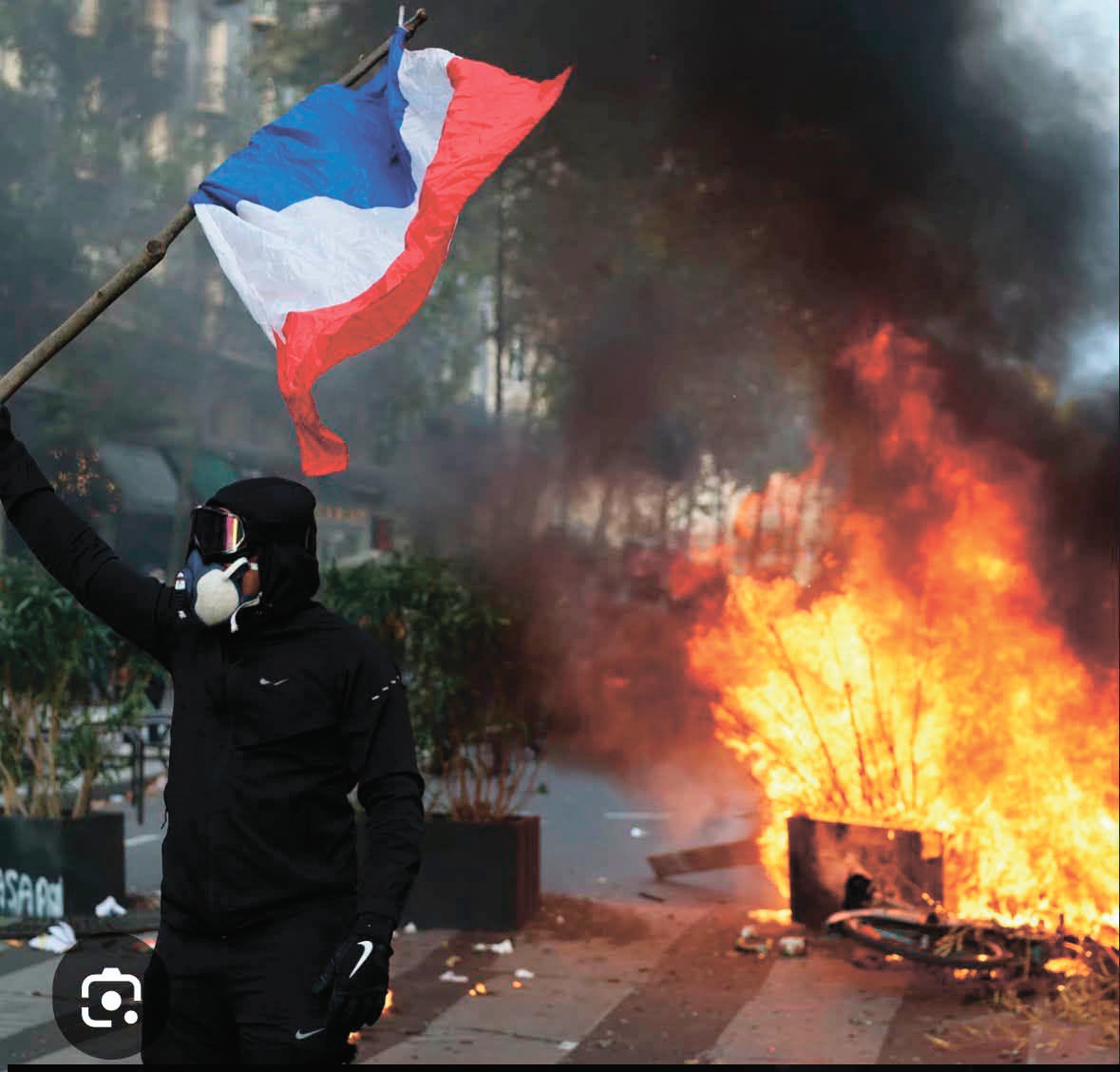
It is evident that the French have once again demonstrated their status as the foremost rebels in Europe. Mass protests in late September 2026 led to a state of instability in the country, with school pupils and their parents taking to the streets to voice their concerns about teacher shortages, overcrowded classrooms, the poor condition of school buildings and the inadequate funding of the education system in general. Students, trade unions, the gilets jaunes and farmers soon joined the demonstrations, followed by millions of ordinary French people voicing their dissatisfaction with President Emmanuel Macron's social policies.
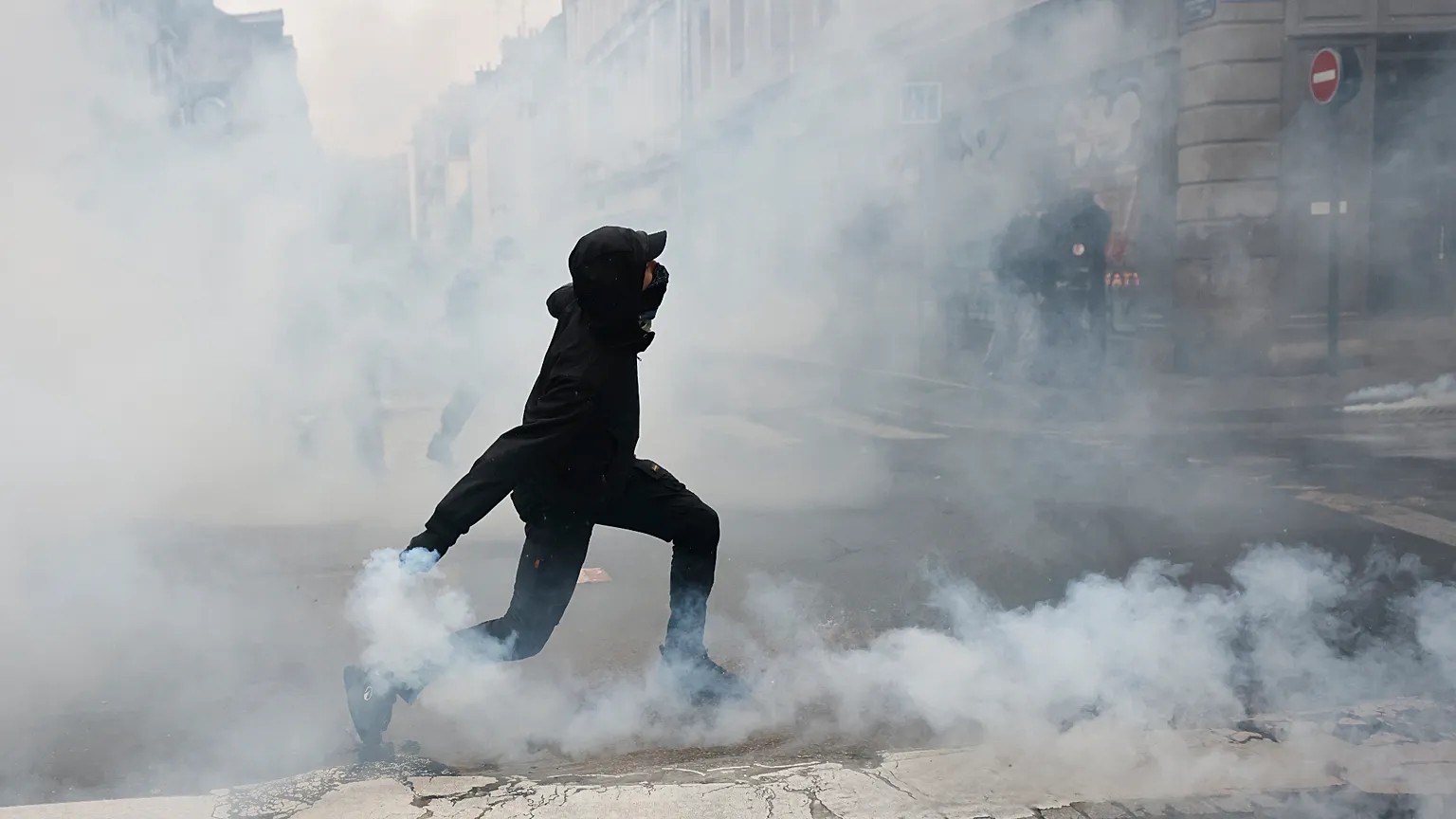
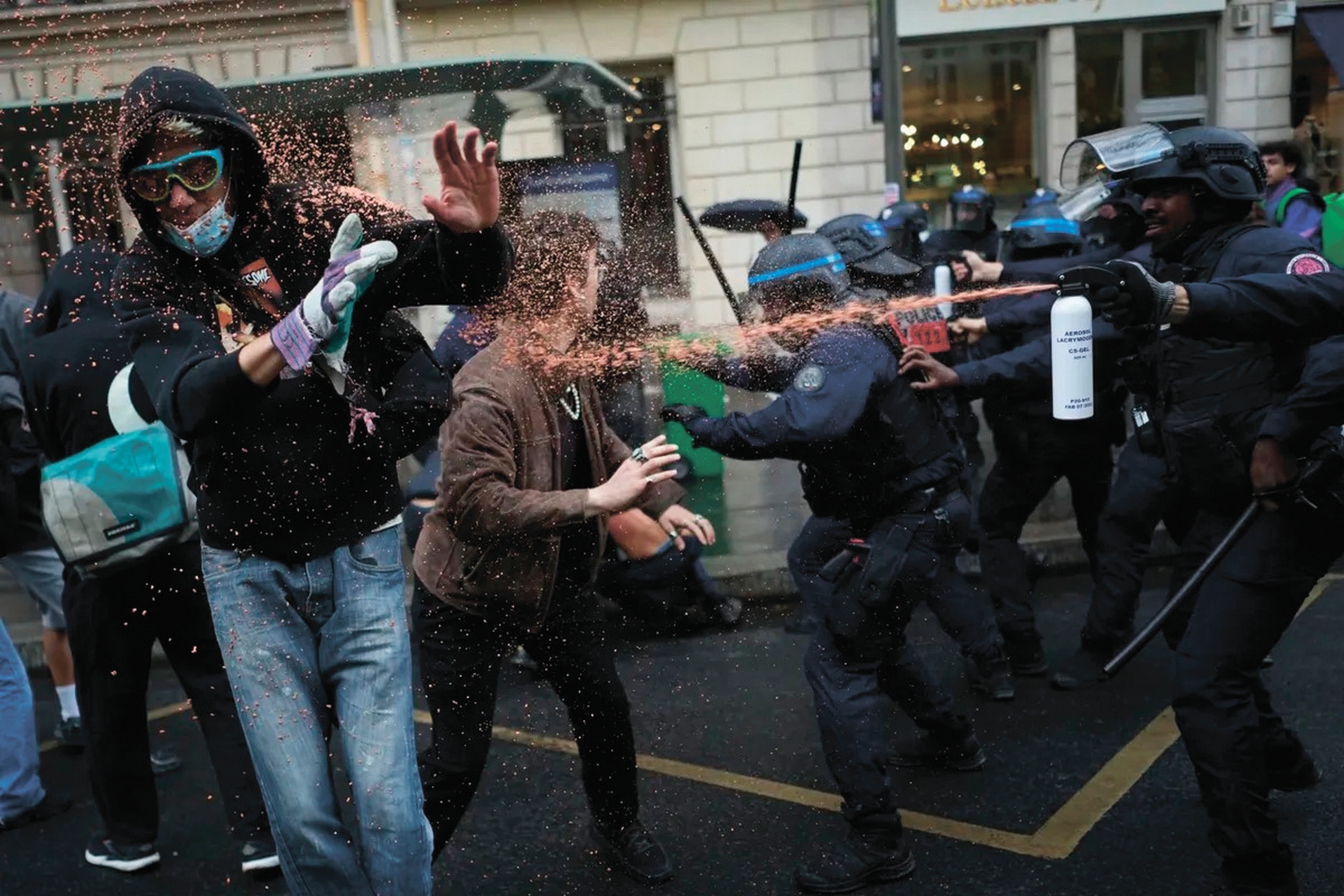
As is often the case, some participants displayed a lack of respect for the law. Consequently, the civil unrest witnessed included acts of arson against government buildings, vehicles and retail outlets, in addition to looting. There was an escalation in the situation when peaceful demonstrations turned into street clashes with the police, who in turn used disproportionate force to disperse those taking to the streets. It is estimated that hundreds of people, including protesters and police officers, were injured, while thousands were detained. In light of the ongoing situation, curfews have been implemented in several major French cities, including Paris.
The French president's approach to democracy has been marked by a strong hand, with a crackdown on protestors, the arrest of teenagers, and a disregard for public opinion. This suggests that the policies of the current French president have not been as successful as anticipated. During his decade in power, the country has experienced significant challenges in both domestic and foreign policy.
The events currently unfolding in France carry implications that extend far beyond the nation's borders. It is an established fact that the country has frequently acted as the primary catalyst for significant events and transformations on the European continent. As with previous instances, the rapid dissemination of sparks from the burning barricades in French cities has led to a swift propagation of the movement to other countries across the continent.
Europeans are taking to the streets for a variety of reasons. While the French are driven primarily by dissatisfaction with the state of the education system, people in countries such as Spain, Portugal, Italy and the United Kingdom are protesting against a sharp rise in housing costs. The common catalyst bringing all the protesters together, however, is the rising cost of living and the fall in household incomes. This is compounded by another factor with a serious impact on socioeconomic indicators: higher fuel prices, an inevitable consequence, according to the article, of the war between the US and Iran and the closure of the Strait of Hormuz.
All these protests point to the collapse of the neoliberal model of governance. It is this model, in essence, that broad sections of the public in European countries are rejecting.
Is the spectre of revolution haunting Europe?
Over recent decades, European elites committed to neoliberal globalism have tried to impose their ideas about how humanity should live on the rest of the world. In the spirit of the finest traditions of colonialism, political regimes in countries deemed undesirable were overthrown, while relentless propaganda promoted distorted values that undermined family structures and traditional moral norms. The idea was also propagated that there could be no alternative to neoliberalism and, consequently, to the control exercised by globalist forces over the way it is put into practice.
However, while attempting to teach the world the "right way" to live, neoliberals failed to recognise the risks to Europe's own internal order. The authorities in Paris, Madrid, Berlin, London and other capitals, including Brussels — the capital not only of Belgium but also of the Eurocracy that governs the continent through the EU institutions — have thus far proved unable to provide Europeans with security, economic stability or social justice. Furthermore, neoliberalism has sought to dismantle the broad system of social guarantees that for decades remained one of the key components of the social consensus and legitimacy of Europe's modern political systems. The present rulers of the Old World have also not succeeded in becoming a global moral benchmark, having attempted to establish "freedom" from sin and from traditional notions of shame and decency.
Consequently, the neoliberal system in most European countries is on the verge of being dismantled and overthrown by its own citizens. In order to avoid this potentially fatal outcome for neoliberal governments, those in power are using every available method of repression, seemingly unconcerned about the damage they are doing to their own "democratic image".
Political experts have drawn various comparisons between the current events in Europe and a revolutionary situation. The current situation does indeed have all the hallmarks of a revolution. It would be erroneous to suggest that the traditional revolutionary models of the past are being replicated, with their objective of radically transforming political, social and economic systems. Nevertheless, resolving the current crisis confronting neoliberal-led Europe will require, in effect, the revolutionary reform of both state institutions and the political and socioeconomic strategies they pursue. The issue lies in the fact that Europe's ruling elites are unable to carry out this extensive task, since it would necessitate them to relinquish the practice and ideology of neoliberalism.
Far-right political forces are offering their own model for overcoming the crisis: a return to the “good old Europe” of nation states. This explains the anti-immigration trend they are promoting, based on claims that people arriving from other parts of the world allegedly pose a threat to European civilisation.
Migration is undoubtedly a factor in the current European crisis. On the one hand, migratory flows do create risks for European identity. This is helping to expand the electoral base of nationalist forces such as France’s National Rally and Germany’s Alternative for Germany.
On the other hand, the reality is that migrants’ discontent over substantial cuts to state support for their living conditions is reinforcing the broader wave of protests against the neoliberal authorities’ dismantling of many elements of the “welfare state” that Europeans struggled to build. In this context, it is the protest sentiment among members of Europe’s titular nations, rather than among migrants, that plays the key role in the historic challenge facing the ruling circles of the Old World. Young people, particularly students and secondary-school pupils, are at the forefront of expressing this challenge.
The new generation of Europeans is rejecting the "old" rules of life elevated into political dogma by the advocates of neoliberalism. It is the belief of young protesters that the implementation of these regulations is hindering their ability to attain a dignified life, including access to financially secure education, a stable labour market and affordable housing.
Europe, long-accustomed to setting the global standard for values and principles, now faces the challenge of addressing systemic flaws that jeopardise its very existence. The key question is whether it will find a strategy that will instil a sense of confidence in the future among younger generations of Europeans. Of greater significance for the global landscape is the question of whether the current European ruling elites, having lost their credibility, will be supplanted by a new generation of leaders capable of bringing an end to the practice of neoliberal globalism. Will Europe, associated by many with the legacy of the colonial era, take the lead in driving global change towards a more just and equitable international order?
RECOMMEND:
 46