

MISSION IMPOSSIBLE?
Pressure from Trump, disagreements between Moscow and Kiev, and European ambitions are complicating the search for peace
Author: Ilgar VELIZADE
At the behest of US President Donald Trump, negotiations on Ukraine have accelerated once again. It is noteworthy that it was precisely in recent weeks that the American president decided to accelerate the process of reaching agreements and step up pressure on Kiev, whilst maintaining direct contacts with Moscow.
It is evident that, in anticipation of the mid-term congressional elections, he sought to achieve a positive outcome that could be presented as a success for American diplomacy and added to his list of achievements. This would have provided Trump with a strong argument in his dispute with political opponents who accuse him of failures in both foreign and domestic policy.
New talks, old hopes
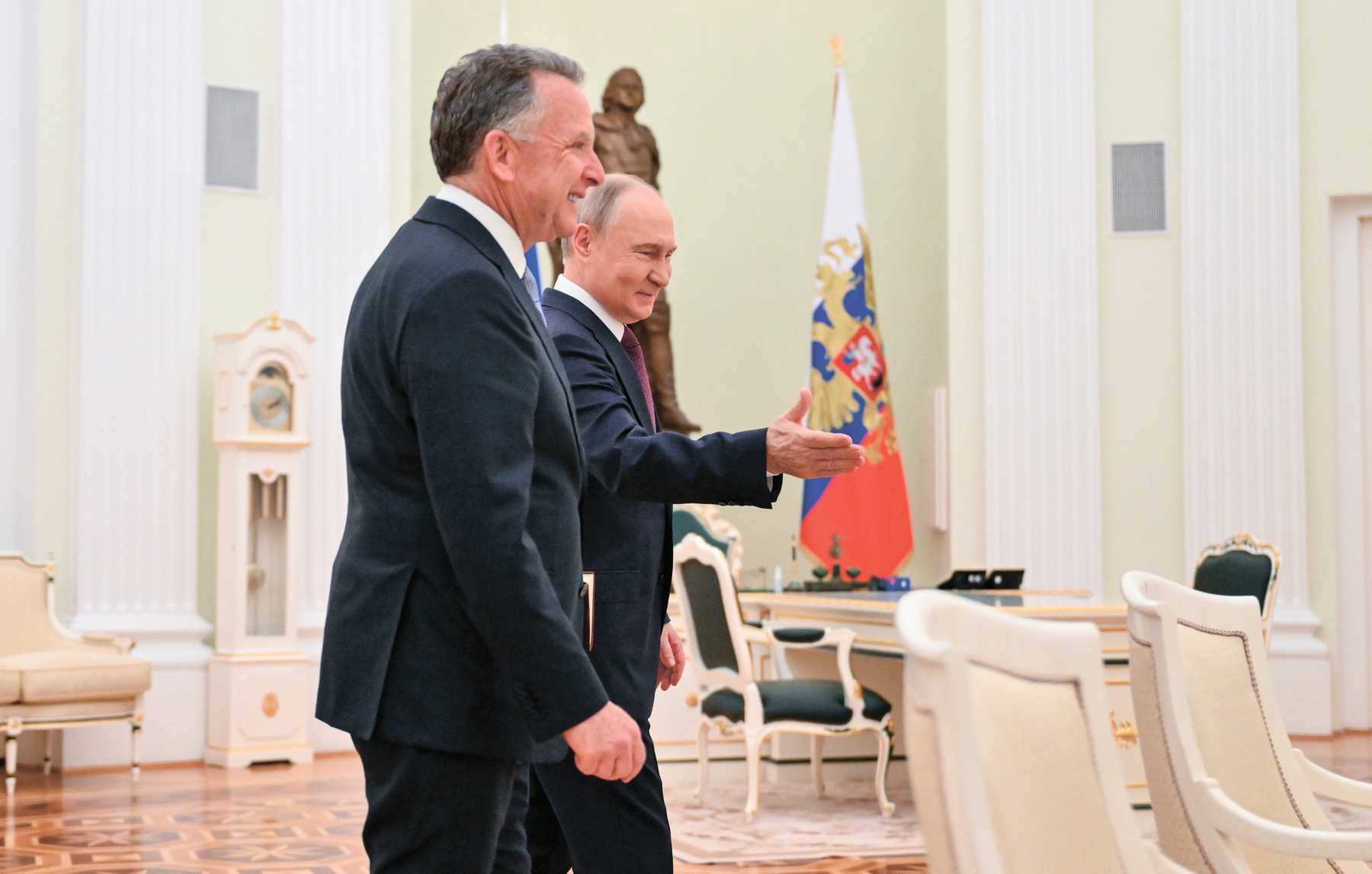
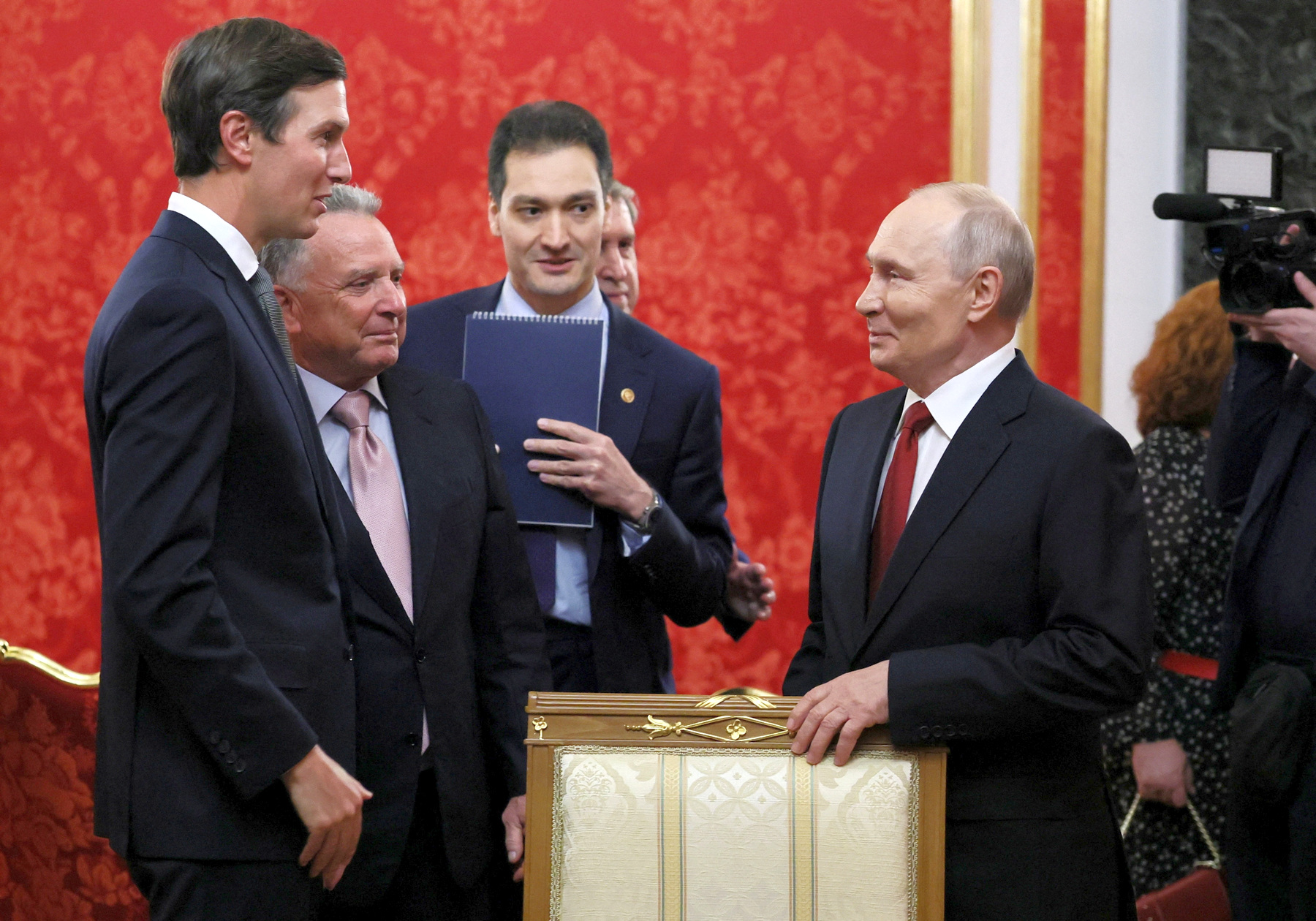
The mediation mission, led by Steve Whitcroft and Jared Kushner, commenced its work with immediate effect, engaging in consultations with both the Ukrainian and Russian sides. Following Whitcroft's meeting with Vladimir Putin on 21 October in St Petersburg, in which Kushner participated via video link, Moscow agreed, in principle, to resume trilateral talks with the US and Ukraine after 10 November. In response, Kiev has announced its intention to host a technical meeting in Abu Dhabi during the first half of November.
However, it would be premature to draw overly optimistic conclusions from this, as the agreement to continue talks has not yet been accompanied by a convergence of positions on the key conditions for ending the war.
The nature of US involvement is also noteworthy. This approach appears to be a form of pressure on the parties involved, particularly the Ukrainian side. It is becoming increasingly evident that Trump's portrayal of Zelensky is that of a leader who is not sufficiently interested in reaching an agreement. His criticism also extends to the Ukrainian strikes on Russian oil refineries, which Washington links to the deterioration of the situation on the fuel market. In light of these developments, the US president has even called for the replacement of the Ukrainian head of state.
This has exposed another evident fact: namely, that the disagreements over the terms of peace are becoming increasingly intertwined with US economic interests and a personal conflict of interest between the two presidents.
This is due to the fact that Washington has significantly greater leverage over Kiev than over Moscow. Ukraine's reliance on American weapons, technology and intelligence support enables the US to secure concessions through decisions that directly impact the country's situation. Meanwhile, the approaching congressional elections and high fuel prices are heightening Trump's interest in a swift diplomatic outcome.
But apparently, exerting pressure on Zelensky does not address the reasons that have led the negotiations to a deadlock. Despite ongoing discussions, the parties remain at odds over the key conditions that would enable the war to be brought to a conclusion. With regard to the territorial issue, Moscow insists that Ukrainian troops withdraw from the areas it claims, including the part of the Donetsk region that remains under Kiev's control. Ukraine rejects the handover of these territories and proposes a ceasefire along the existing front line.
There are also disagreements regarding the future of the Ukrainian army. Russia is seeking to reduce the size and armaments of its military, as well as to ensure that Ukraine renounces NATO membership. However, Kiev considers the maintenance of a combat-ready army to be an essential condition for its own security and demands long-term military support and guarantees of assistance in the event of a new attack.
Furthermore, there is a divergence of opinion regarding the sequence of actions. Kiev's proposal is to declare a ceasefire as a preliminary step, with the subsequent negotiation of the political terms of peace. However, Moscow is concerned that Ukraine will utilise the respite to strengthen its military and procure new armaments. Consequently, Russia is seeking to ensure the key terms of the settlement are established in advance. For the Ukrainian side, this sequence carries the opposite risk—that of making territorial and military concessions without receiving reliable guarantees that the agreement will be honoured.
Therefore, a change of president in Ukraine does not in itself guarantee a breakthrough. His successor will also have to secure public support for any potential concessions. Trump’s dissatisfaction with Zelensky does not yet mean that another leader will be able to conclude an agreement on terms acceptable to the country.
Europe enters the negotiations…
Meanwhile, European states are endeavouring to secure their own role in the negotiations. The following individuals are under consideration for the role of direct contact with Moscow: George Meloni, Alexander Stubb, Petr Pavel, Mette Frederiksen and Jonas Gar Støre. However, European capitals have yet to reach a consensus on both the candidates and the approach to negotiations with Russia.
A telephone conversation between Stubb, Støre and Vladimir Putin on 27 October provided useful indications in this regard. The Finnish President described the discussion as frank and substantive, emphasising that the outcome of the war would directly affect the security of Russia's neighbouring states and Europe as a whole. Støre emphasised the significant human and material losses, and the necessity for de-escalation. Both leaders were speaking on behalf of their respective nations, rather than on behalf of Europe as a whole.
Meanwhile, the initiative has drawn criticism from European partners. Danish Prime Minister Mette Frederiksen has confirmed that the telephone call was not organised in conjunction with other European countries, and has expressed reservations regarding its effectiveness. She emphasised the importance of European unity and expressed skepticism about Russia's readiness for peace.
Therefore, the current disagreements are centred on the advisability of establishing direct contact with Moscow and the manner in which this should be conducted. While certain leaders consider it necessary to initiate dialogue, others are concerned that individual initiatives may compromise the cohesion of the European position. As a result, the establishment of a unified negotiating delegation is made more complex by the absence of consensus on Europe's objectives and the terms on which it is willing to engage in negotiations.
It is entirely understandable that the Europeans are keen to establish their own channel of negotiations with Moscow. They are concerned that the US and Russia will reach an agreement, leaving Europe to finance the agreements and shoulder the associated obligations. The matter pertains to the ongoing provision of support to Ukraine, including matters such as reconstruction, conditions for the lifting of sanctions, and security guarantees. It is evident that European states wish to address these issues independently, as Kiev cannot represent their collective interests. At the same time, in order to participate fully in the settlement, it is necessary for them to determine what obligations they are prepared to accept and what concessions they are willing to make.
…and the war continues
The terms of future negotiations are increasingly determined by the parties' ability to withstand the consequences of the war. Russia and Ukraine are engaged in a military conflict, with Ukraine facing significantly higher costs as a result. The country's reduced economic base, coupled with the destruction of its energy sector and industrial facilities, poses significant challenges to its ability to sustain the war effort. The availability of borrowed funds, which are proving to be inadequate and increasingly challenging to obtain, is being directed towards infrastructure reconstruction. However, this approach is being met with challenges, as power outages are impacting production and government revenue. A vicious circle is emerging in which expenditure is rising, whilst the country's own resources to cover it are catastrophically insufficient.
Ukraine's financial situation is further complicated by a significant budget deficit and rising public debt. According to the IMF's July forecast, in 2026 the general government deficit, excluding grants, will stand at 21.1 per cent of GDP, whilst public debt will reach 111.8 per cent of GDP by the end of the year. This indicates that the country is unable to cover its expenditure from its own revenues, and its financial stability is contingent on sustained external support, favourable lending terms and debt restructuring.
Concurrently, the demographic crisis is becoming an increasingly severe constraint. According to an estimate by the Institute of Demography, published in October, around 28.5 million people were living in the territory controlled by Kiev by mid-2026. Concurrently, deteriorating living conditions are driving people away, reducing the number of both taxpayers and workers needed to maintain the army and rebuild the economy. Furthermore, once restrictions on leaving the country are lifted, there is a possibility of a new wave of emigration as men travel to join their families abroad. Consequently, even the end of the war does not guarantee an end to demographic losses.
In light of these developments, it is important to note that even minor adjustments to the front line do not necessarily indicate a lack of change. The Ukrainian army has demonstrated a remarkable capacity to inflict substantial damage on Russian industrial and energy infrastructure. Despite challenging conditions, they have maintained their defences with notable resilience.
Further difficulties are being caused by interruptions in access to the American Starlink satellite communications system, and there is still uncertainty regarding intelligence support. Nevertheless, Kiev retains the capacity to resist and is forcing Moscow to incur significant costs in order to continue the war.
The paradoxes of war
However, military resilience does not halt Ukraine's economic and demographic depletion. The challenges faced by the project include the need to make up for losses, as well as the difficulties of dealing with destruction, a shortage of manpower and dependence on external funding. Russia is also incurring costs, but its larger industrial and demographic base, along with its revenues from raw materials, give it greater resilience. This is precisely why Moscow can count on the protracted nature of the war strengthening its negotiating position.
In light of this, European aid to Kiev is particularly significant. According to the Kiel Institute, military support remained at approximately the same level as the previous year, however average monthly financial and humanitarian aid decreased by 41 per cent. Concurrently, funds from the EU's €90 billion loan programme for 2026–2027 are being allocated to Ukraine. Therefore, support remains in place, albeit with unequal distribution.
However, even the allocation of substantial sums does not guarantee that the necessary weapons will be received in good time. The production of ammunition and military equipment is a time-consuming process, and in certain areas, Europe remains dependent on the US.
In such circumstances, it is possible that Moscow will calculate that the continuation of the war will worsen Ukraine's situation more rapidly than its own. If the US is to successfully navigate the current political climate, it is essential that concessions to Russia are not made without corresponding concessions from Russia. It is becoming increasingly beneficial for the Kremlin to support the negotiation process whilst simultaneously maintaining military pressure and awaiting more acceptable proposals.
This is precisely where a contradiction in Trump's actions lies. By seeking to accelerate an agreement through the application of pressure primarily directed at Ukraine, there is a risk of conveying to Moscow that there is no urgency.
As long as the Russian leadership anticipates further weakening on the part of Kiev, it will be more straightforward to agree to additional meetings than to make concessions on issues of territory and security. Consequently, while the upcoming negotiations may result in isolated humanitarian or limited military agreements, achieving a comprehensive agreement will remain challenging.
RECOMMEND:
 72