
GENEVA BREAKTHROUGH
Will a temporary agreement between Iran and the P5+1 lead to sustainable peace?
Author: Natiq NAZIMOGLU Baku
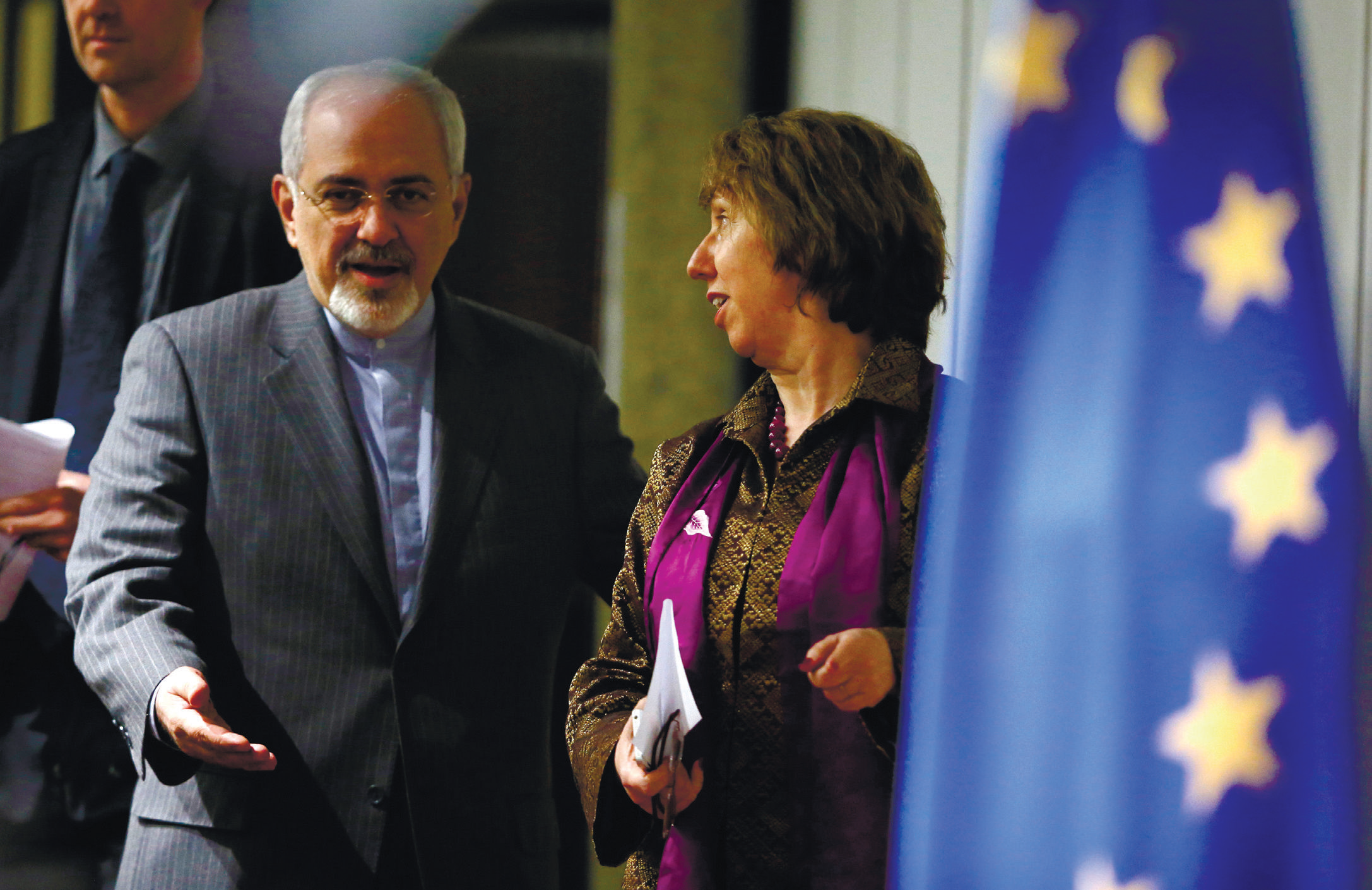
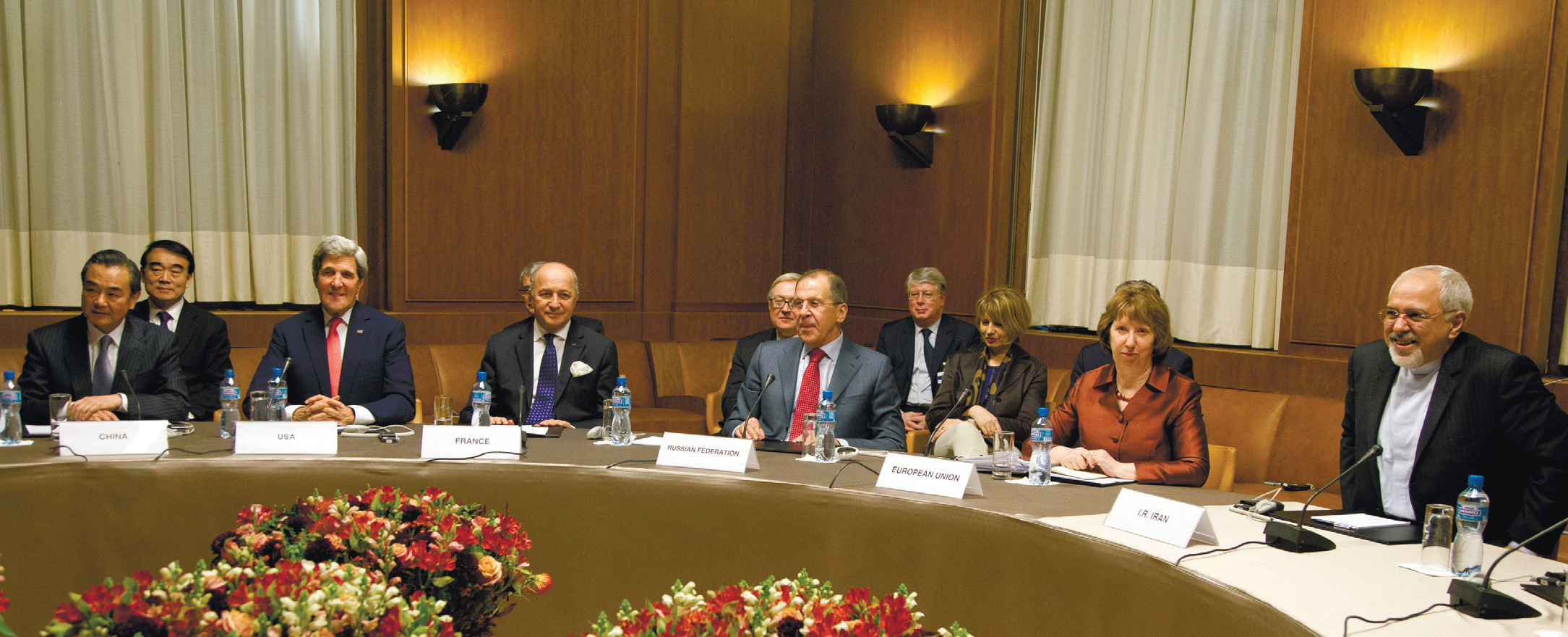
The Geneva talks concluded with the signing of an agreement between Iran and international negotiators -- the United States, Russia, China, Britain, France, and Germany -- on the Islamic republic's nuclear programme. Though there is a long way to go to reach a comprehensive accord, the outcome of the latest round of negotiations between the representatives of Tehran and the P5+1 could be considered a genuine diplomatic breakthrough.
Under the Geneva agreement Iran is entitled to peaceful nuclear development. In doing so, the country will not install new centrifuges at the Fordow plant or use centrifuges at Natanz, another uranium enrichment facility. Iran must also grant International Atomic Energy Agency (IAEA) inspectors daily access to these plants. Moreover, Tehran is to halt the construction of a heavy-water reactor
in Arak, which would have the capacity to produce plutonium. Iran also agreed to scrap all of the uranium enriched to 20 per cent, the bulk of which is estimated at 200 kg.
According to the reached agreement, Iran cannot enrich uranium above the 5 per cent level. If the terms of the agreement are observed, the economic sanctions imposed on the Islamic republic by the international community will be lifted. The easing of the sanctions will cover Iran's right to trade in oil, gas and gold, which will allow the country to earn 6-7bn dollars in half a year.
The agreement is temporary, and over six months the sides are expected to work out a more long-term deal. There is now definitely a good chance to attain further progress in the negotiations between Iran and the P5+1. Several reasons underlie the Geneva breakthrough. Let's point us the most obvious ones, which stem from the positions of both Iran and its interlocutors.
Iran is extremely interested in a waiver of the international sanctions, which have considerably weakened its economy in recent years. The West, in turn, sees no reason to foment tension with Iran, at least, at this point, especially given the fact that it could spark a major military conflict in the foreseeable future. In particular, the U.S. is seeking to take a break from a decade of continuous military campaigns in the Islamic Orient. The U.S. economic woes, which President Barack Obama's administration is working hard to resolve, have played a role in the softening of Washington's "Iran policy". Remarkably, The Associated Press reported that top-secret talks between representatives of the United States and Iran have been repeatedly held this year on President Obama's orders in the UAE and some other Middle Eastern countries. Moreover, the four latest US-Iranian meetings took place after Hassan Rouhani's election as Iran's president, and these very meetings were crucial for reaching the agreement in Geneva.
As for the European Union, another Western opponent of Iran, amid a crisis in Europe itself and the overall turmoil in the Middle East it is reluctant to become involved in new stand-off, which could cause unpredictable consequences. This development is not dismissed even by the terse stance of France at the negotiations. Paris was trying to counter reaching an agreement with Iran. However, the latest foreign policy moves by French President Francois Hollande appear to be of ostentatious nature and do not actually pursue strategic aims, but are rather aimed at addressing the current internal challenges with a slant toward the electorate. In essence, France, just like the rest of the European Union, is interested in normalising its relations with Iran -- at least because this would allow getting Iranian gas back to the European markets.
Thus, all the key players involved in the controversy over Iran turned out to be ready for compromise, which, in fact, resulted in the conclusion of the Geneva agreement. Iran secured international recognition of its right to peaceful atomic energy, while the West got the leverage to exercise control over the Iranian nuclear programme with a view to ruling out the possibility of the Islamic republic's making a nuclear weapon.
The latter assertion is extremely important. It is for a reason that U.S. Secretary of State John Kerry warned again that the United States will not allow Iran to take advantage of any agreement to gain time for augmenting its nuclear potential.
The core significance of the Geneva agreement actually lies in the fact that it could essentially dismiss the possibility of a military clash between the West and Iran.
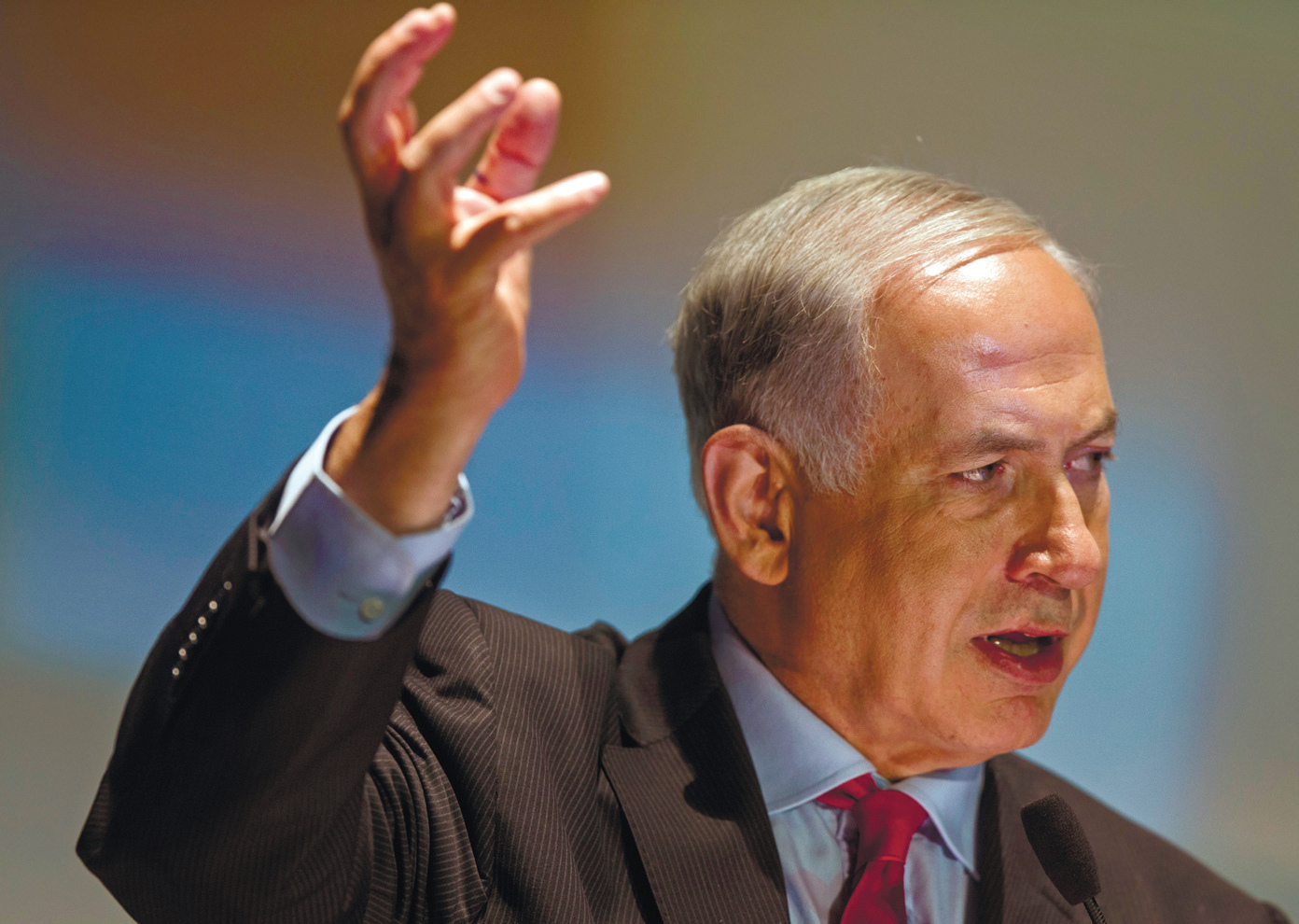
Meanwhile, not all countries are happy with such a prospect. As early as shortly before the negotiations on Iran's nuclear programme Israel was trying to launch an international campaign against an agreement with Iran. It sought to convince Western leaders not to strike a deal and not to ease the sanctions against Tehran until the latter halts the production of nuclear fuel across the board. After the conclusion of the agreement, which the P5+1 countries unanimously branded as an "historic" one, Israel made it clear that by stepping up dialogue with the U.S. it will do everything possible for a final comprehensive agreement to be more acceptable for the Jewish state. The Israeli stance stems from the fact that the Geneva accord grants Iran exactly what it had been trying to accomplish -- significant easing of the sanctions while retaining the most important components of its nuclear programme. However, Israel not only rejects the Geneva accord but also continues threatening Iran with a strike. Prime Minister Benjamin Netanyahu has explicitly said that in any case his country would not allow Tehran to carry out nuclear research for military objectives.
Israel is not the only country rejecting the Geneva agreement. The same stance has been stated by the Arab monarchies in the Persian Gulf, in particular, Saudi Arabia. As the Geneva talks progressed, the London-based Sunday Times reported that Israel and Saudi Arabia were working on a joint contingency plan on countering Iran, which envisages possible strikes on the country's nuclear energy facilities. The newspaper said a military operation could be launched if the Geneva negotiations produced an agreement, which, according to Israel and Saudi Arabia, insufficiently curbs Iran's nuclear technology activities. Authors of the report are confident that Riyadh has already provided clearance for Israeli planes to fly over the Saudi airspace during a potential attack on Iran.
The reaction of the Saudi government to the report regarding the conclusion of the Geneva agreement is remarkable.
"People in the Middle East will lose their sleep over the nuclear deal between world powers and Iran," said Abdullah al-Askar, chairman of the foreign affairs committee in Saudi Arabia's Shoura Council (parliament).
The high-ranking Saudi representative expressed concern over "granting Iran more discretion in the region".
So, it is beyond a doubt that over the next half-year -- the timeframe designated for taking the dialogue between Tehran and the international negotiators to a new level -- quite a few hurdles will hamper a peaceful solution of the Iran issue. And this is not just about the acute discrepancies and enmity between Iran and a number of Middle Eastern countries. Certain forces both in the West and Iran itself continue to take a hard-line stance. Overcoming their opposition on the path of reaching a comprehensive accord will undoubtedly be the paramount task in the course of further negotiating process between Tehran and the P5+1.
RECOMMEND:
 801
801